



Frizz free curly hair starts with understanding what frizz actually is, not just piling on more product. Frizz appears when the outer cuticle lifts, l
Frizz free curly hair starts with understanding what frizz actually is, not just piling on more product. Frizz appears when the outer cuticle lifts, letting moisture rush in or out and leaving fuzz, flyaways, and broken clumps. The good news is that any climate can work once you build a weather-smart routine that respects how curls absorb water.
Published · Updated
What Causes Frizz in Curly Hair?
Cuticle lift, porosity, and humidity explained
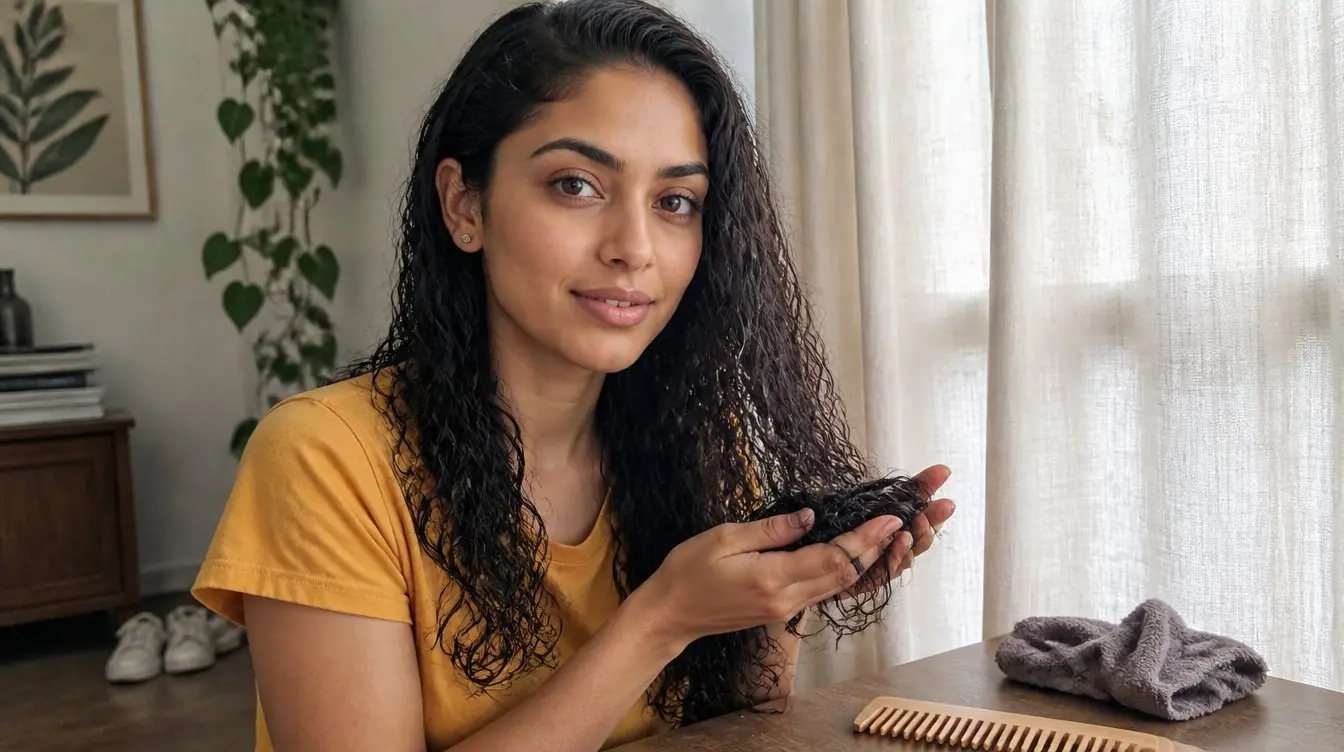
The hair cuticle is a stack of tiny scales. When it lies flat, light reflects thoughtfully, and curls look glossy and defined. When it lifts, strands feel rough and catch on one another. This lift can happen due to dryness, mechanical damage, heat, color, or daily wear. Curly hair often has higher porosity, which means it absorbs water and loses it quickly. In humid air, water moves into the hair and swells it. In dry air, water pulls out and leaves it brittle. Both changes break curl clumps and create frizz. The key is to create a smooth surface, add the right slip, and seal enough moisture so the cuticle stays calm. That calm surface is what helps you make curly hair beautiful and frizz-free.
Why washing too often backfires
Cleansing removes dirt and sweat, which is beneficial, but too much washing strips natural oils. That shift dries the cuticle, reduces slip, and increases knots. When you then detangle, you may rough up the surface more. The result is more fuzz even before styling. If you want to make curly hair beautiful and frizz-free, wash on a cadence that fits your scalp and lifestyle, not a fixed daily rule. Most people do well with a gentle cleanse when hair looks dull or the scalp feels oily, and a deeper cleanse only when there is buildup from stylers like gel or mousse.
Your 2025 Frizz-Free Wash Routine
Pre-wash detangling and optional oiling
Before you wet your hair, mist it with water or a light leave-in. Work in sections. Start at the ends, then move up. Use fingers or a wide-tooth comb to release knots. Hold the hair above the knot to avoid pulling at the root if you encounter a snag. If your hair tangles fast, smooth on a few drops of a lightweight oil for slip, then rinse before shampoo. This extra minute protects your curl pattern and sets you up to make curly hair beautiful and frizz-free on wash day.
Cleanse smart
Use a moisturizing shampoo on your regular wash. Focus it on the scalp where oil collects. Let the suds glide through the lengths so you do not over-clean. If hair feels coated and heavy, use a clarifying cleanse. That deeper clean should be rare. When you cleanse smart, you keep the cuticle smoother and reduce the frizz that shows up later when you diffuse.
Condition for slip and smoothness
Conditioner is where you build the base for definition. Apply a generous amount from mid-lengths to ends. Add water to help it spread. Work in sections so every strand gets covered. Comb through for even slip. Press the hair between your palms to help the product sink in. Rinse until the hair feels sleek yet not squeaky. This balanced rinse helps curl clumps form and helps you make curly hair beautiful and frizz-free without a heavy feel.
Leave-in and a drop of oil
On soaking wet hair, smooth a leave-in conditioner from lengths to ends. This step adds daily moisture and lowers friction when you style. If ends feel rough, add a tiny drop of oil and glide it over the outer layer. Less is more. You want the surface to look glossy, not greasy.
Style On Soaking-Wet Hair for Definition
Choose the right styler for your curl type
If your curls fall apart by noon, use a gel with medium to strong hold. Gel creates a light cast around curl clumps, locking their shape as the hair dries. If you want more volume with a soft hold, choose a mousse. Mousse is airy, helps reduce frizz, and keeps root lift. Cream can work for very dry hair that needs more slip, but it may need a gel on top to hold definition. The right pair of products can make curly hair beautiful and frizz-free for more than one day.
LSI phrases to weave into your routine: curly hair routine, reduce frizz, curly hair mousse, anti-humidity gel, and glycerin in hair products. Use them naturally, not as a list.
Clump, then hands-off
Rake the styler through each section or use a brush to guide strands into even ribbons. Scrunch upward to encourage curl springs. Once clumps look smooth, stop touching them. Every extra touch can create halo frizz. Let the cast form while you diffuse. When fully dry, scrunch out the cast to reveal shine and soft movement. This simple habit helps you make curly hair beautiful and frizz-free without extra products.
Diffusing That Doesn’t Create Frizz
The diffuser settings and sequence
Start with low heat and low airflow. High heat can puff the cuticle, and high airflow can break clumps. Begin with hover diffusing, which means holding the diffuser near the hair without touching it. When hair is about sixty percent dry, switch to cupping sections into the bowl. Tilt your head so roots lift. Pause, release, and move to the next section. Finish with a cool shot to set the shape. This careful sequence supports curl clumps and makes curly hair beautiful and frizz-free with less effort.
Recommended diffuser options editors and stylists love
Pick a diffuser bowl that fits your dryer and has deep prongs. A deeper bowl holds more hair and keeps wind from blowing curls apart. If your hair is short, a compact bowl can help you get close to the root. A larger bowl saves time if your hair is thick or long. Whatever you choose, keep the settings gentle. The tool itself is less important than the technique you use to make curly hair beautiful and frizz-free.
Weather-Smart Rules for 0-Frizz Days
Dew point and humectants
Weather matters because it changes how water moves in and out of your hair. Dew point tells you how much moisture is in the air. On muggy days, humectants may pull more water into the hair, which can swell the strand and cause frizz. On very dry days, they may draw water out of the hair and into the air. Match your stylers to the day rather than relying on guesswork.
Simple Dew Point Guide
| Dew Point Range | Air Feel | Humectants | Stylers | Topcoat |
|---|---|---|---|---|
| Low, cold and dry | Crisp and dry | Use sparingly | Cream plus gel | Light oil finish |
| Moderate | Comfortable | Use in balance | Gel or mousse | Flexible serum |
| High, humid | Muggy and heavy | Keep very low | Strong-hold gel | Humidity shield spray |
Caption: Use this table to match your products to the day so you can make curly hair beautiful and frizz-free no matter the weather.
Notes you can use right away: on high humidity days, choose an anti-humidity gel and a humidity shield spray as your finisher. On moderate days, a balanced gel or mousse is enough. On dry days, add a touch of oil to seal ends. These little tweaks help you make curly hair beautiful and frizz-free in every season.
Seal and shield
After styling, lock the surface. Do not break the gel cast until hair is fully dry. When hair is dry, scrunch out the cast with clean hands. If the day is humid, mist on a humidity shield. If the day is dry, smooth one drop of oil over the outer layer. Less is more, since you want definition without weight.
Night Routine That Preserves Definition
Pineapple, bonnet, or silk pillowcase
Friction at night breaks curl clumps and roughs up the cuticle. To avoid that, gather hair at the top of your head in a loose pineapple. Add a satin bonnet if you move a lot in sleep. Use a silk pillowcase for an extra layer that cuts friction and reduces tangles. These steps help you make curly hair beautiful and frizz-free with less morning effort. Include LSI phrases such as “silk pillowcase curls,” “satin bonnet,” and “pineapple hair” while you write or edit.
Morning refresh
In the morning, do as little as possible. Start with a fine mist of water. Press in a small amount of leave-in or a light refresher spray. If a section is flat, clip it at the root while it dries. Twist the curl around your finger for 10 seconds if it is stretched. Avoid heavy products on refresh days because they can build up and make hair dull. A clean, light refresh keeps your look soft and helps you make curly hair beautiful and frizz-free between washes.
Ingredient Spotlight 2025
Ceramides for smoother cuticles
Ceramides are like mortar between bricks. They help the cuticle layer sit flatter. When the surface lies smooth, light reflects better, tangles are fewer, and curls look glossier. If your hair feels rough or looks dull, try a conditioner or leave-in that lists ceramides high on the label. Consistent use helps you make curly hair beautiful and frizz-free from the inside out.
Cationic conditioners and polymers
Cationic means positively charged. These ingredients are drawn to the hair surface and stick where you need them. They add slip, reduce static, and help the outer layer feel sleek. Film-forming polymers create a thin, flexible coat that supports curl shape without a stiff look. Together these ingredients boost shine, reduce friction, and keep clumps intact so you can make curly hair beautiful and frizz-free with fewer products.
Trending Cuts and Protective Styling That Help
The “baby bob” for curls
A shorter bob that ends above the shoulder removes weight that can pull curls down. It also shortens dry time, which reduces the time hair is vulnerable to frizz. Ask your stylist for a shape that works with your curl spring, not against it. Even a tiny trim can revive bounce and help you make curly hair beautiful and frizz-free without extra steps.
Low-tension protective looks (e.g., curly ponytail)
Protective styles reduce daily wear. A soft curly ponytail, a loose clip, or a gentle braid can control rubbing on collars and seatbelts. Keep tension low at the hairline to protect edges. Add a satin scrunchie to reduce snags. Rotate styles during the week so one area is not stressed every day. Small changes like this make it easier to keep curly hair beautiful and frizz-free while you live your life.
FAQ
Why do my curls get frizzy right after washing?
Common reasons are over-cleansing, not enough conditioner, not enough leave-in, and touching your hair before it is fully dry. Cleanse your scalp, condition your lengths, style on soaking wet hair, and avoid handling until dry. This sequence helps you make curly hair beautiful and frizz-free from the start.
Is diffusing better than air drying for frizz?
Diffusing can reduce frizz if you use low heat and low airflow. It shortens the wet phase, supports curl clumps, and sets shape. Air drying can work too, but it takes longer and invites more touching, which can break up clumps. Use the method that helps you handle your routine without fuss.
Do silk pillowcases really help with frizz?
They reduce friction, which cuts down on tangles and halo frizz. For best results, pair a silk pillowcase with a pineapple or a satin bonnet so your curls stay put. These small steps help you make curly hair beautiful and frizz-free through the night.
Which ingredients should I look for to fight frizz?
Look for ceramides, cationic conditioners, and flexible film formers. If you need a strong hold, add a gel. If you need volume, add a mousse. If your ends look rough, add a tiny amount of oil over the surface. Balanced layers give you shine and definition at the same time.
How does weather change my routine?
Use a stronger hold and lower humectants on muggy days. Use balanced products on moderate days. Add a touch of oil on very dry days. A quick check of dew point, plus one product swap, can make curly hair beautiful and frizz-free with less guesswork.
How can I refresh curls without buildup?
Mist with water, add a pea of leave-in, and press. Clip roots for lift while drying. Avoid heavy creams on refresh days. If hair feels coated, plan a gentle wash next time and reset your base.
What is a cast, and how do I break it?
A cast is the firm shell you feel after gel dries. It protects curl clumps while hair dries. When hair is fully dry, scrunch gently to soften it. This step reveals shine and touchable curls.
How often should I clarify?
Clarify only when hair feels coated, dull, or difficult to style. That can be every few weeks for some people or less often for others. Follow a deep condition after any clarifying wash so the cuticle lies flat again.
Can I color my hair and still control frizz?
Yes, if you baby the cuticle. Use gentle cleansers, deep condition regularly, and add leave-ins to every wash. Protect your hair from high heat and keep tension low in styles. Colored curls can still make curly hair beautiful and frizz-free with a careful routine.
What if my curls are different on each side?
Most people have mixed textures. Treat each section based on how it behaves. If one side frizzes faster, add a bit more gel there. If one side is flat, use more mousse and diffuse longer at the root. This targeted approach helps you make curly hair beautiful and frizz-free in a real-world way.
Frequently Asked Questions About Curly Hair
How often should you wash curly hair?
Most curly hair types do best with one to three washes per week, depending on porosity and scalp oil production. Tight coils and dry curls usually need a wash only once a week paired with co-washing or rinses in between. Looser waves and mixed textures can handle two or three shampoos. Daily washing strips the natural oils that curls need to stay defined and bouncy, leading to the frizz and fluff most people are trying to avoid. Watch the scalp, not a fixed schedule.
What is the best way to dry curly hair without frizz?
Use a microfibre towel or a cotton t-shirt to scrunch, never rub, and squeeze out water from ends upward. Apply leave-in conditioner and styling gel on soaking-wet hair, then plop in the t-shirt for fifteen to twenty minutes. After that, either air dry while diffusing on low heat with low airflow, or finger coil sections you want extra defined. Touching curls during the drying phase is the single biggest cause of frizz, so commit to the no-touch rule until the cast is fully set.
Can you brush curly hair when it is dry?
Avoid brushing curly hair when it is dry because it disrupts the curl pattern and snaps the cuticle, leaving frizz and breakage. Detangle in the shower with conditioner saturated through the strands, using fingers or a wide-tooth comb from ends to roots. If you want to refresh a curl pattern that has gone flat between washes, mist with water and a touch of leave-in, then rake fingers through and scrunch upward rather than brushing through.
How long does it take to see results from a curly hair routine?
A consistent curly hair routine shows real change in four to eight weeks. Curl definition and frizz control improve within the first two weeks once you stop sulphate shampoos and excessive heat, but length retention, softness, and bounce build over a full hair growth cycle. Many curlies see a clear before-and-after at the three month mark, which is when damaged ends have been trimmed off, the cuticle has resealed from regular deep conditioning, and the styling routine has been refined to fit their specific curl type.
What ingredients should you avoid in curly hair products?
Sulphates like sodium lauryl sulphate strip the cuticle and dry curls out, so a sulphate-free cleanser is the baseline. Drying alcohols such as alcohol denat near the top of the list will roughen the strand, and heavy non-water-soluble silicones like dimethicone build up over time and weigh curls down without water-based clarifying. Strong fragrance and high concentrations of menthol can irritate sensitive scalps. Check the first five ingredients on the label rather than scanning the whole list.
How do you protect curly hair while sleeping?
Sleep on a silk or satin pillowcase, or wrap curls in a satin scarf or bonnet. Cotton pillowcases pull moisture and snag the cuticle, leading to morning frizz and a flattened crown. For longer styles, gather the hair into a loose pineapple at the top of the head with a soft scrunchie before bed, which preserves volume at the roots and protects the curl pattern. In the morning, refresh with a water and leave-in mist, scrunch, and you usually skip a full restyle.
RELATED ARTICLES:
The Art of Hair Plopping: A Guide for Curly and Wavy Hair
Silk covers: the secret to waking up with the most beautiful hair ever
Smooth and Silky: How to Prevent Frizzy Hair
About The Author

COMMENTS