






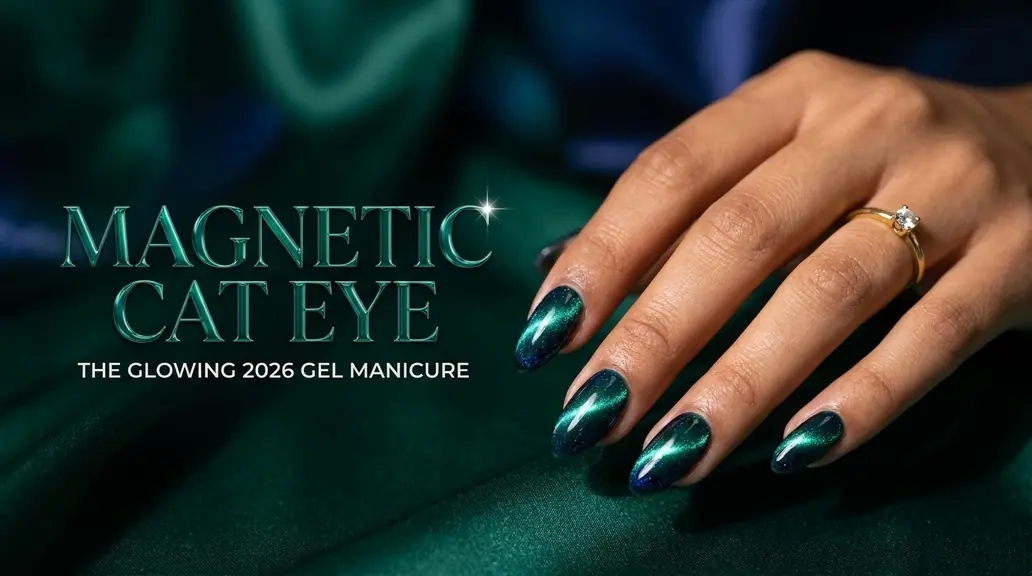

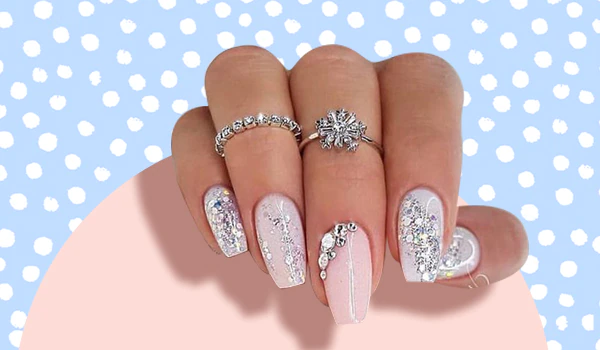
Pedicures and Manicures: In the complex web of our daily lives, our hands and feet are unsung heroes. Our hands, the dexterous tools that allow us to
Pedicures and Manicures: In the complex web of our daily lives, our hands and feet are unsung heroes. Our hands, the dexterous tools that allow us to create, connect, and communicate, are constantly at work, from the most mundane tasks to the most intricate endeavours. Our feet, the steadfast foundation upon which we stand and move, bear the weight of our existence, supporting us through every step of our journey. Given their profound importance, it’s only natural to consider the value of caring for these vital extremities. This is where the seemingly simple acts of manicures and pedicures step into the spotlight, revealing themselves to be far more than mere cosmetic indulgences. Understanding **why pedicures and manicures are important** goes beyond aesthetics; it delves into the realms of health, hygiene, self-care, and even mental rejuvenation. For women aged 18-45, embracing these practices can be a powerful way to invest in their overall well-being, projecting an image of confidence and care while simultaneously nurturing their physical and mental health. This comprehensive guide will explore the multifaceted benefits of regular manicures and pedicures, offering insights into their health implications, the science behind their effectiveness, and practical advice for maximising their advantages. We will delve into the detailed processes, the potential risks and how to mitigate them, and the profound impact these treatments can have on your daily life and long-term health.
Published · Updated
Hands: The Frontline of Interaction and Health Indicators
Our hands are our primary interface with the world. We use them to touch, to feel, to work, and to express ourselves. Consequently, the condition of our hands can reveal a great deal about our lifestyle, our health, and our personal habits. Dry, chapped hands can lead to discomfort, pain, and increased susceptibility to infections. Brittle nails can be a sign of nutritional deficiencies or even thyroid issues. The skin on our hands can also be an early indicator of ageing, with wrinkles and age spots becoming more prominent over time. A professional manicure goes beyond simply applying polish. It involves a thorough cleansing, exfoliation to remove dead skin cells, cuticle care to prevent hangnails and infections, moisturising to restore hydration, and nail shaping for a neat appearance. This comprehensive approach not only enhances the aesthetic appeal of your hands but also promotes healthier skin and stronger nails, preventing common issues like hangnails, ingrown toenails, and painful cracks.
Feet: The Unsung Heroes of Mobility and Well-being
Our feet are complex structures, comprising a quarter of the bones in our body. They are designed to absorb shock, provide balance, and propel us forward. The constant pressure and friction they endure can lead to various problems, including corns, calluses, bunions, plantar fasciitis, and fungal infections. Neglecting foot care can result in chronic pain, reduced mobility, and a significant impact on our quality of life. A pedicure is an essential part of maintaining foot health. It involves cleaning, soaking, exfoliating rough skin, trimming and shaping nails, and moisturising. This process helps to prevent painful ingrown toenails, which can become infected, and removes the buildup of dead skin that can lead to calluses and cracks. Furthermore, a well-executed pedicure can improve circulation, relieve tension, and provide an opportunity to inspect your feet for any early signs of problems such as athlete’s foot or more serious conditions like diabetic foot complications.
The Link Between Hand and Foot Health and Your Immune System
The skin acts as a primary barrier against pathogens. When dryness, cracks, or open wounds compromise the skin on our hands and feet, they create an entry point for bacteria and fungi. Regular cleansing, moisturising, and proper nail care, as provided during manicures and pedicures, help to maintain the integrity of this protective barrier, thereby supporting our immune system’s ability to ward off infections. For instance, keeping cuticles healthy and moisturised prevents hangnails, which are common entry points for bacteria that can lead to painful infections like paronychia. Similarly, removing calluses and treating dry, cracked skin on the feet reduces the risk of bacterial and fungal infections, such as athlete’s foot and nail fungus.
The Science and Hygiene Behind Professional Manicures and Pedicures
Professional manicures and pedicures are not just about pampering; they are rooted in established practices of hygiene and scientific understanding of skin and nail health. Reputable salons adhere to strict sterilisation protocols to ensure the safety and well-being of their clients. Understanding these processes can demystify the experience and highlight the importance of choosing a clean and professional establishment.
Sterilization Protocols: The Cornerstone of Safety
The most critical aspect of any professional nail service is the sterilisation of tools. Autoclaves, which use steam under pressure, are the gold standard for sterilising metal instruments like clippers, files, and cuticle pushers. These devices kill all forms of microbial life, including bacteria, viruses, and spores. Non-metal items, such as buffers and toe separators, should be disposable or thoroughly disinfected between clients. For soaking, clean basins with liners or disposable liners are essential to prevent the spread of infections. A reputable salon will openly discuss their sterilisation practices and will have visible evidence of their commitment to hygiene, such as clearly labelled sterilisation pouches for autoclaved tools. This adherence to safety protocols is paramount in preventing the transmission of blood-borne pathogens like hepatitis B and C, as well as common bacterial and fungal infections.
Exfoliation and Dead Skin Removal: A Scientific Approach
The process of exfoliation, a key component of both manicures and pedicures, is based on the scientific understanding of skin cell turnover. Our skin constantly sheds dead cells, a process that can slow down with age or due to environmental factors. Exfoliation, whether mechanical (using scrubs) or chemical (using alpha-hydroxy acids or beta-hydroxy acids), helps to accelerate this process. On the hands, exfoliation removes dry, flaky skin, revealing smoother, more radiant skin underneath. On the feet, it is particularly important for removing thick, hardened calluses and corns, which are areas of the skin that have thickened in response to pressure or friction. Proper exfoliation not only improves the appearance of the skin but also allows moisturisers to penetrate more effectively, promoting better skin health.
Hydration and Moisturisation: The Science of Skin Barrier Function
The skin on our hands and feet is prone to dryness because it has fewer oil glands compared to other parts of the body. This lack of natural lubrication makes it more susceptible to moisture loss. Professional manicures and pedicures emphasise thorough moisturising. This involves applying creams, lotions, or oils that contain humectants (which attract water), emollients (which smooth and soften the skin), and occlusives (which create a barrier to prevent moisture loss). Ingredients like hyaluronic acid, glycerin, shea butter, and various natural oils are highly effective in restoring the skin’s natural moisture barrier. A well-hydrated skin barrier is more resilient, less prone to cracking, and better equipped to fight off infections. For individuals with conditions like eczema or psoriasis, regular moisturising can significantly alleviate symptoms and improve comfort.
Nail Health and Growth: Understanding the Biology
Nails are composed of keratin, a tough, protective protein. Their health and appearance are influenced by genetics, nutrition, and external factors. During a manicure or pedicure, nail technicians carefully trim and shape nails. Improper trimming, such as cutting nails too short or rounding the corners too sharply, can lead to painful ingrown nails. For toenails, it is especially important to cut them straight across to prevent them from growing into the surrounding skin. Cuticle care, which involves gently pushing back and trimming excess cuticle, is also vital. The cuticle acts as a protective seal for the nail matrix, preventing bacteria and fungi from entering. When the cuticle is damaged or removed improperly, it can lead to infections and affect nail growth. Professional care ensures that nails are shaped correctly and cuticles are managed safely, promoting healthy nail growth and preventing common nail problems.
The Psychological and Emotional Benefits: More Than Just Pretty Nails
The impact of manicures and pedicures extends far beyond the physical. These treatments offer significant psychological and emotional benefits, contributing to a sense of well-being, stress reduction, and enhanced self-esteem. In our fast-paced lives, dedicating time to self-care rituals like these can be profoundly restorative.
Stress Relief and Relaxation: A Therapeutic Escape
The very act of receiving a manicure or pedicure can be a deeply relaxing experience. The warm water soaks, the gentle massage, and the focused attention on your hands and feet create a tranquil environment that allows you to escape the stresses of daily life. The massage component, in particular, is known for its therapeutic benefits. Foot massages, for instance, stimulate pressure points that are believed to promote relaxation and improve circulation throughout the body. Hand massages can alleviate tension in the muscles and joints, which often overwork. This dedicated time for pampering provides a much-needed break, allowing your mind to quiet down and your body to unwind. The rhythmic motions and the focused touch can have a calming effect, reducing cortisol levels and promoting a sense of peace.
Boosted Self-Confidence and Self-Esteem: The Power of Presentation
Looking good often translates to feeling good. When your hands and feet are well-groomed, clean, and healthy-looking, it can significantly boost your self-confidence. Knowing that you present a polished image can make you feel more put-together and ready to face the world. This is particularly true for women who may feel more self-conscious about their appearance due to dry skin, brittle nails, or other common concerns. A beautiful manicure or pedicure can be a subtle yet powerful confidence booster, empowering you in social and professional settings. It’s a form of self-expression and a way to feel more in control of your personal presentation, which can have a ripple effect on your overall mood and outlook.
Mindfulness and Self-Connection: A Moment of Presence
In a world filled with distractions, taking the time for a manicure or pedicure encourages mindfulness. It’s an opportunity to be present, focus on sensations, and connect with your body. The focused attention on your hands and feet, often areas we neglect, can be a form of mindful self-care. This deliberate act of caring for yourself sends a powerful message that you are worthy of attention and nurturing. It’s a chance to slow down, appreciate the small details, and engage in a ritual that is solely for your benefit. This mindful engagement can help to reduce feelings of overwhelm and foster a greater sense of self-awareness and appreciation.
Improved Mood and Emotional Well-being: The Endorphin Effect
The combination of physical touch, relaxation, and the positive outcome of a beautiful result can lead to an improved mood and enhanced emotional well-being. The massage elements can stimulate the release of endorphins, the body’s natural mood elevators. The act of being cared for and pampered can also evoke feelings of warmth and happiness. For many, manicures and pedicures are a treat, a reward, or a way to mark a special occasion, all of which contribute to positive emotional experiences. This ritualistic aspect of self-care can provide a sense of normalcy and comfort, helping to regulate emotions and foster a more positive outlook.
Preventing Common Hand and Foot Ailments Through Regular Care
Consistent manicures and pedicures are not just about aesthetics; they are proactive measures that can prevent a host of common and often painful ailments affecting the hands and feet. By addressing issues before they become serious, you can save yourself discomfort, time, and potential medical expenses.
Preventing Ingrown Nails: The Importance of Proper Trimming
Ingrown nails, particularly common in toenails, occur when the edge of the nail grows into the surrounding skin. This can be extremely painful and may lead to infection. The primary cause is often improper nail trimming, such as cutting nails too short or rounding the corners. Professional nail technicians are trained to trim nails correctly, usually straight across, and to file them to a smooth edge. They can also identify early signs of an ingrown nail and address it before it becomes a significant problem. For those prone to ingrown nails, regular professional pedicures are essential for prevention.
Combating Dryness, Cracking, and Calluses: The Role of Exfoliation and Moisturisation
The skin on our hands and feet is susceptible to dryness due to environmental exposure and a lower concentration of oil glands. This dryness can lead to uncomfortable cracking, especially on the heels, and the development of thick, hardened calluses in areas of high pressure or friction. Regular pedicures involve thorough exfoliation to remove dead skin cells and the buildup of hardened skin. This is followed by intensive moisturising treatments that restore hydration and improve the skin barrier function. For hands, regular moisturising after washing and before bed, coupled with occasional exfoliating treatments, can prevent dryness and chapping. Consistent care helps to maintain smooth, supple skin and prevents the formation of painful cracks and calluses.
Fungal Infections: Hygiene and Early Detection
Fungal infections, such as athlete’s foot and nail fungus, thrive in warm, moist environments. They can be contracted in public places like gyms, swimming pools, and even poorly maintained nail salons. Professional pedicures, when performed in a clean and hygienic environment, can help prevent these infections. Technicians are trained to identify early signs of fungal infections, such as discolouration, thickening, or unusual texture of the nails or scaling and redness of the skin. Early detection is crucial for effective treatment. Furthermore, maintaining good foot hygiene, including keeping feet clean and dry, and wearing breathable footwear, alongside regular pedicures, significantly reduces the risk of fungal infections.
Hangnails and Cuticle Issues: Gentle Care for a Protective Barrier
Hangnails are small, torn pieces of skin that detach from the side of a fingernail or toenail. They can be painful and may become infected. They often result from dry skin or improper cuticle care, such as biting or tearing the skin around the nails. Professional manicures involve gently pushing back and tidying the cuticles, rather than cutting them excessively. This preserves the cuticle’s protective function and prevents the formation of hangnails. Regular moisturising of the cuticles also keeps the skin supple and less prone to tearing.
Choosing the Right Manicure and Pedicure Services
With a wide array of options available, understanding the different types of manicures and pedicures can help you choose the service that best suits your needs and preferences. It’s also crucial to know how to select a salon that prioritises hygiene and quality.
Types of Manicures: From Basic to Advanced
* **Classic Manicure:** This is the foundational treatment, typically including nail shaping, cuticle care, a hand massage, and polish application. It’s ideal for regular maintenance and a clean, polished look.
* **French Manicure:** Characterised by a natural-looking base colour with white tips, this classic style offers a timeless and elegant aesthetic.
* **Gel Manicure:** Using a special gel polish that is cured under a UV or LED lamp, gel manicures offer superior durability and a high-gloss finish that can last for two to three weeks without chipping.
* **Dip Powder Manicure:** This technique involves dipping the nail into a coloured powder and then sealing it with an activator. Dip powder manicures are known for their strength and longevity, often lasting longer than gel.
* **Spa Manicure:** This is an enhanced version of the classic manicure, often including more extensive exfoliation, a longer massage, and the use of masks or paraffin wax treatments for deep hydration and relaxation.
Types of Pedicures: Addressing Specific Foot Concerns
* **Classic Pedicure:** Similar to a classic manicure, this includes nail shaping, cuticle care, exfoliation of rough skin, a foot massage, and polish application.
* **Spa Pedicure:** This luxurious treatment often incorporates additional steps such as a foot mask, deeper exfoliation, a more extensive massage, and sometimes paraffin wax dips to deeply moisturise and soothe tired feet.
* **Medical Pedicure (or Medi-Pedi):** Performed by trained professionals, often in a clinical setting, these pedicures focus on addressing specific foot health issues like corns, calluses, fungal infections, and ingrown nails, with a strong emphasis on hygiene and therapeutic benefits.
* **Waterless Pedicure:** This increasingly popular option uses specialised products and techniques that do not require soaking. It can be beneficial for individuals with diabetes or those concerned about the spread of infections in shared water baths.
Selecting a Reputable Salon: Hygiene and Professionalism
When choosing a salon, prioritise hygiene above all else. Look for:
* **Cleanliness:** The salon should be visibly clean, with no dust or debris.
* **Sterilisation Practices:** Enquire about their sterilisation methods for metal instruments. Autoclaves are the best indicator of a commitment to safety.
* **Disposable Items:** Ensure that files, buffers, and toe separators are either disposable or thoroughly disinfected between clients. Basin liners or single-use liners for foot baths are also a good sign.
* **Technician Training:** Experienced and certified technicians are more likely to follow proper procedures and understand nail and skin health.
* **Comfortable Atmosphere:** A good salon should offer a relaxing and professional environment.
DIY vs. Professional Manicures and Pedicures: Making the Right Choice
While at-home nail care is possible and can be beneficial for maintenance, professional services offer distinct advantages that are difficult to replicate. Understanding the pros and cons of each can help you decide when to opt for a salon visit.
The Advantages of Professional Services
Professional manicures and pedicures provide access to specialised tools, products, and expertise that are often unavailable for home use. The thoroughness of the treatment, the focus on hygiene, and the therapeutic aspects like deep tissue massage contribute to superior results and preventative care. Professionals can address specific concerns like ingrown nails or excessive calluses with precision and knowledge. The relaxing experience and the guaranteed polished finish also contribute to a significant boost in self-care and confidence.
When to Consider DIY Nail Care
At-home care is excellent for maintaining the results of professional treatments between appointments. Simple tasks like moisturising hands and feet daily, filing nails, and applying polish can be done at home. It can also be a more cost-effective option for regular upkeep. However, DIY treatments often lack the rigorous sterilisation protocols of professional salons, and improper techniques can lead to damage or infection. For complex issues or when seeking the highest level of hygiene and expertise, professional services remain the preferred choice.
Integrating Manicures and Pedicures into Your Wellness Routine
Viewing manicures and pedicures as an integral part of your overall wellness routine can elevate their importance beyond mere pampering. By scheduling them intentionally, you can harness their full benefits for physical and mental health.
Frequency: Finding Your Ideal Schedule
The ideal frequency for manicures and pedicures varies depending on individual needs, lifestyle, and the type of service received. Generally, a classic manicure might be needed every one to two weeks, while a gel or dip powder manicure can last two to four weeks. Pedicures can typically be done every four to six weeks, though the frequency can vary based on how quickly calluses form or if there are specific foot health concerns. Listening to your body and observing the condition of your nails and skin is key to determining your personal schedule.
Beyond the Treatment: At-Home Maintenance Tips
To prolong the benefits of your professional treatments, incorporate a consistent at-home care routine. This includes:
* **Daily Moisturising:** Apply a rich hand cream after washing your hands and a foot cream before bed.
* **Cuticle Care:** Use cuticle oil to keep the skin around your nails hydrated and prevent hangnails.
* **Gentle Filing:** Use a fine-grit file to maintain nail shape between appointments.
* **Sun Protection:** Protect your hands from UV damage with sunscreen, as this area shows signs of aging.
* **Proper Footwear:** Wear comfortable, well-fitting shoes that allow your feet to breathe.
Manicures and Pedicures for Specific Life Stages and Conditions
* **Pregnancy:** Many pregnant women find that the relaxation and gentle massage associated with manicures and pedicures can be very beneficial. However, it’s important to ensure the salon uses non-toxic polishes and avoids harsh chemicals.
* **Diabetes:** Individuals with diabetes need to be particularly cautious with foot care due to the risk of nerve damage and poor circulation. Waterless pedicures or specialised medical pedicures are often recommended. Always inform your technician about your condition.
* **Athletes and Active Individuals:** Regular pedicures can help prevent common issues like athlete’s foot, blisters, and ingrown toenails that can arise from intense physical activity.
Conclusion: Investing in Your Well-being, One Nail at a Time
The importance of pedicures and manicures extends far beyond the superficial allure of polished nails. They are vital components of personal hygiene, preventative healthcare, and holistic well-being. By understanding the science behind these treatments, prioritising professional hygiene, and integrating them into a regular self-care routine, you can unlock a myriad of benefits. From maintaining the health and integrity of your skin and nails to reducing stress, boosting confidence, and fostering a deeper connection with yourself, these seemingly simple acts are a powerful investment in your overall health. Embracing regular manicures and pedicures is not an indulgence; it is a conscious choice to care for the parts of your body that work tirelessly for you, ensuring they remain healthy, functional, and beautiful for years to come.
Frequently Asked Questions
What are the main health benefits of regular pedicures?
Regular pedicures offer numerous health benefits for your feet. They help prevent ingrown toenails through proper trimming and shaping. Exfoliation removes dead skin cells, preventing painful calluses and cracks that can lead to infections. They also provide an opportunity for early detection of fungal infections like athlete’s foot and nail fungus, as well as other potential foot ailments. The massage component improves circulation, relieves muscle tension, and promotes overall relaxation, contributing to better foot health and comfort. Maintaining good foot hygiene through pedicures is crucial for preventing infections and ensuring mobility.
How often should I get a manicure and pedicure?
The ideal frequency depends on your personal needs and lifestyle. For classic manicures, every one to two weeks is common to maintain a neat appearance and healthy nails. Gel or dip powder manicures, which are more durable, can last two to four weeks. For pedicures, a schedule of every four to six weeks is generally recommended, as toenails grow slower and the skin on the feet may take longer to develop significant calluses. However, if you experience rapid callus buildup, have specific foot health concerns, or simply enjoy the pampering, you might opt for more frequent visits. It’s always best to observe your nails and skin and adjust the frequency accordingly.
Are gel manicures and dip powder manicures bad for your nails?
When applied and removed correctly by a trained professional, neither gel nor dip powder manicures are inherently bad for your nails. The potential for damage often arises from improper application or aggressive removal techniques, such as peeling or scraping the product off. Over-filing the natural nail during preparation can also weaken it. To minimise risk, always choose a reputable salon with skilled technicians. Ensure they use proper removal methods, such as soaking in acetone, and avoid picking or peeling the product yourself. If you experience thinning or brittleness, give your nails a break and focus on strengthening treatments.
Can manicures and pedicures help with dry, cracked skin on hands and feet?
Absolutely. Dry, cracked skin is a common concern that manicures and pedicures are very effective at addressing. The treatments involve thorough exfoliation to remove rough, dead skin cells, followed by intensive moisturising. Professional products used in salons often contain potent hydrators like hyaluronic acid, glycerin, shea butter, and natural oils that penetrate deeply to restore moisture and improve the skin’s barrier function. Regular sessions, combined with consistent at-home moisturising, can significantly soften and smooth the skin, preventing painful cracks and improving overall skin health.
What are the signs of an unsanitary nail salon, and why is it important to avoid them?
Signs of an unsanitary nail salon include visible dirt or dust; instruments that are not properly sterilised (e.g., not in sealed pouches); a lack of disposable items like files and buffers; dirty foot baths; or technicians who do not wash their hands between clients. It is crucial to avoid unsanitary salons because they can be breeding grounds for bacteria, viruses, and fungi. These pathogens can be transmitted through shared tools, contaminated water, or direct contact, leading to infections such as hepatitis B, HIV, staph infections, fungal nail infections, and athlete’s foot. Prioritising hygiene in your chosen salon is paramount for your health and safety.
RELATED ARTICLES:
Nibbling Your Way to Smooth Feet: An In-Depth Look at Fish Pedicures
Indulge in Sweet Relaxation: A Comprehensive Guide to Ice Cream Pedicures
Benefits of Manicures: Why Regular Nail Care Truly Matters
How to Keep Your Nails Looking Their Best with Hot Oil Manicures
Why Spa Manicures are the Best Choice for Nail Care
About The Author

COMMENTS