






Silk Pillowcases: The Secret to Waking Up with Your Most Beautiful Hair and Radiant SkinSilk covers are the overlooked upgrade that can transform how
Silk Pillowcases: The Secret to Waking Up with Your Most Beautiful Hair and Radiant Skin
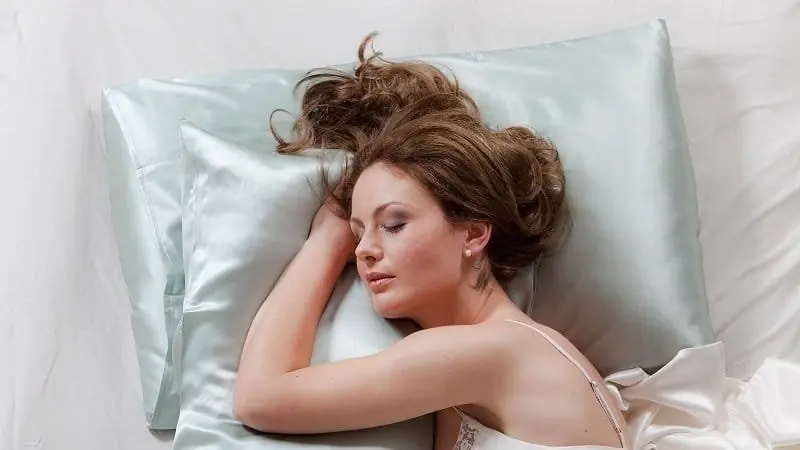
Silk covers are the overlooked upgrade that can transform how your hair and skin look every morning. Swapping a cotton pillowcase for silk means far less friction against your strands and face while you sleep, which helps prevent frizz, breakage, split ends, and those creased sleep lines pressed into your cheeks. Silk is a smooth, non absorbent protein fiber, so it does not wick away moisture the way cotton does. This guide explains the real science behind the benefits and how to choose one.
The Science Behind Silk’s Beauty Benefits
Published · Updated
The Composition of Silk: A Natural Wonder
Silk is primarily composed of two proteins: fibroin and sericin. Fibroin forms the structural core of the silk thread, providing its strength and luster. Sericin, a gummy protein, acts as a natural adhesive, holding the fibroin filaments together. When silk is processed for textiles, much of the sericin is removed, but a significant amount often remains, especially in higher-quality silk fabrics. This remaining sericin is not just a byproduct; it’s a crucial component of silk’s beauty benefits.
Sericin is rich in amino acids, many of which are also found in human hair and skin. These amino acids, including glycine, alanine, and serine, play vital roles in cellular repair and regeneration. When your hair and skin come into contact with silk, these amino acids can be gently transferred, offering a subtle yet continuous nourishing effect. This biocompatibility means silk is less likely to cause irritation or adverse reactions compared to synthetic materials, making it ideal for sensitive skin and delicate hair.
The Role of Sericin in Hair and Skin Health
Dermatologists and trichologists often highlight the role of sericin in silk’s efficacy. Sericin is known for its moisturizing properties. It forms a protective barrier on the skin and hair shaft, helping to retain moisture. For hair, this translates to increased hydration, which can improve elasticity and reduce dryness-related damage. In the context of hair care, sericin is recognized for its ability to condition and protect the hair cuticle. It can help to smooth the cuticle, reducing friction and the likelihood of snagging and breakage. This is particularly beneficial for individuals with naturally dry, brittle, or chemically treated hair.
For the skin, sericin’s humectant properties help draw moisture from the air and bind it to the skin’s surface, leading to improved hydration and a plumper, more radiant appearance. Furthermore, the amino acids within sericin can support the skin’s natural collagen production and repair processes. This gentle, nourishing interaction is a significant reason why silk pillowcases are associated with a reduction in fine lines and a more supple complexion.
Friction Reduction: The Key Differentiator
Perhaps the most significant advantage of silk over other materials, particularly cotton, is its incredibly smooth surface. Cotton fibers are often coarser and have a more irregular structure. When you move during sleep, these fibers create friction against your hair and skin. This friction can lead to several issues:
* **For Hair:** Constant rubbing against cotton can rough up the hair cuticle, causing it to lift and split. This leads to frizz, tangles, increased breakage, and split ends. Over time, this mechanical stress can weaken the hair shaft, making it more prone to damage. The smooth surface of silk, conversely, allows hair to glide effortlessly. This minimizes cuticle disruption, resulting in smoother, less tangled hair with significantly reduced breakage and frizz. For individuals with curly or textured hair, which is naturally more prone to dryness and breakage, the reduction in friction is particularly impactful.
* **For Skin:** The friction from cotton pillowcases can also irritate the skin. This irritation can exacerbate conditions like acne and rosacea. Furthermore, the constant pressure and rubbing can contribute to the formation of sleep lines or “pillow wrinkles,” which can become permanent over time. Silk’s smooth texture reduces this mechanical stress. It allows the skin to glide over the surface, minimizing stretching, creasing, and irritation. This can help prevent the formation of new wrinkles and soften existing ones, contributing to a smoother, more youthful complexion.
Hypoallergenic and Breathable Properties
Silk is naturally hypoallergenic, meaning it is less likely to cause allergic reactions. Its protein structure is inherently resistant to dust mites and other common allergens, making it an excellent choice for individuals with allergies or asthma. This hypoallergenic quality also extends to its benefit for acne-prone skin, as it is less likely to harbor bacteria and irritants that can trigger breakouts.
Furthermore, silk is a breathable fabric. It allows air to circulate, preventing heat and moisture buildup. This breathability is crucial for both hair and skin. For hair, it helps to prevent overheating and moisture loss, which can contribute to dryness and damage. For the skin, it helps to regulate temperature, keeping you cool and comfortable throughout the night. This is especially beneficial for those who tend to overheat or experience night sweats. The ability of silk to wick away moisture from the skin, without absorbing it, also contributes to a more comfortable sleep and a healthier skin environment.
In essence, the science behind silk pillowcases reveals a multifaceted approach to beauty enhancement. It’s not just about the luxurious feel; it’s about leveraging the natural properties of a remarkable material to protect, nourish, and rejuvenate your hair and skin while you rest.
The Transformative Benefits for Your Hair
The impact of switching to a silk pillowcase on your hair can be nothing short of revolutionary. For anyone struggling with common hair woes like frizz, breakage, or dullness, the benefits are often noticeable within just a few nights. It’s a simple change that addresses the mechanical stress your hair endures every single night.
Say Goodbye to Frizz and Tangles
The primary culprit behind morning frizz and stubborn tangles is friction. As you toss and turn in your sleep, your hair strands rub against the rough fibers of a conventional pillowcase. This friction causes the hair’s outer layer, the cuticle, to become roughened and lifted. Once the cuticle is raised, strands can easily snag on each other, leading to knots and tangles. The constant snagging and pulling can also weaken the hair shaft.
Silk pillowcases offer a dramatically smoother surface. Your hair glides over the silk instead of snagging and catching. This drastically reduces the friction, preventing the cuticle from being lifted and damaged. The result is hair that wakes up noticeably smoother, with fewer tangles and significantly less frizz. This means less time spent detangling in the morning and a more polished look throughout the day. For those with curly or wavy hair, which is naturally more susceptible to frizz due to its structure, this benefit is particularly profound.
Minimizing Breakage and Split Ends
The mechanical stress caused by friction doesn’t just lead to frizz; it’s a major contributor to hair breakage and the dreaded split ends. When hair is constantly pulled, twisted, and rubbed against a rough surface, the hair shaft can weaken and eventually snap. Split ends occur when the protective outer layer of the hair shaft breaks, causing the inner core to fray.
By allowing your hair to slide freely, silk pillowcases prevent the excessive pulling and stress that lead to breakage. The reduced friction means less strain on the hair shaft, preserving its integrity. This is especially important for individuals with delicate, fine, or chemically treated hair (colored, permed, or relaxed), which is inherently more fragile. Over time, sleeping on silk can help to strengthen your hair, reduce the occurrence of new split ends, and allow your hair to grow longer and healthier without breaking off. This is a significant advantage for anyone aiming for significant hair growth or maintaining the health of long hair.
Preserving Moisture and Shine
Cotton is a highly absorbent material. While this is useful for towels, it’s detrimental for your hair at night. Cotton pillowcases can wick away the natural oils and moisture from your hair, leaving it dry, brittle, and dull. This moisture loss exacerbates frizz and makes hair more prone to damage.
Silk, on the other hand, is a protein fiber that is not very absorbent. It does not readily soak up your hair’s natural oils or the moisture from your hair products. This means that the hydration and beneficial ingredients you’ve applied to your hair are more likely to remain where they belong, working to keep your strands nourished and healthy. The result is hair that retains its natural moisture, leading to improved shine, softness, and overall vitality. When hair is properly hydrated, it reflects light better, giving it a healthy, lustrous sheen.
Protecting Hair Treatments and Styles
If you invest time and money in hair treatments, coloring, or styling, a silk pillowcase can help you preserve your efforts. Hair masks, leave-in conditioners, and serums are designed to penetrate and nourish your hair. On a cotton pillowcase, a significant portion of these products can be absorbed by the fabric, rendering them less effective. Silk’s non-absorbent nature ensures that these beneficial ingredients stay on your hair, maximizing their impact.
Similarly, if you’ve spent time styling your hair, whether it’s a blowout, curls, or braids, sleeping on silk can help maintain the style for longer. The reduced friction means less disruption to the hair’s arrangement, helping to keep your style looking fresh and defined for an extra day or two. This can save you time and effort in your daily styling routine.
Beneficial for All Hair Types
While the benefits are particularly pronounced for those with dry, damaged, curly, or textured hair, every hair type can benefit from silk pillowcases.
* **Fine Hair:** Fine hair is often prone to breakage and can be easily weighed down by product buildup or dryness. Silk’s gentle nature and moisture-preserving qualities help maintain the integrity of fine strands without making them greasy.
* **Thick Hair:** Thick hair can be prone to tangles and frizz. Silk’s smoothness allows thick locks to glide, reducing knots and promoting a sleeker finish.
* **Straight Hair:** Even straight hair can suffer from frizz and dullness due to friction. Silk helps maintain the cuticle’s smoothness, enhancing shine and preventing flyaways.
* **Chemically Treated Hair:** Hair that has been colored, bleached, permed, or relaxed is often more porous and fragile. Silk provides the gentle care needed to minimize further damage and preserve the hair’s health.
In summary, the advantages of silk pillowcases for hair are extensive and scientifically supported. They address the root causes of common hair problems by minimizing friction, preserving moisture, and reducing mechanical stress, leading to healthier, smoother, and more beautiful hair from the moment you wake up.
The Radiant Skin Advantages of Silk Pillowcases
The benefits of silk pillowcases extend beautifully to your complexion. While your hair is experiencing less friction, your skin is enjoying a gentler, more hydrating, and less irritating sleep surface. The cumulative effect of nightly contact with silk can lead to a noticeably clearer, smoother, and more youthful-looking face.
Reducing Sleep Lines and Wrinkles
One of the most celebrated benefits of silk for the skin is its ability to combat sleep lines. When you sleep on a cotton pillowcase, your facial skin can bunch up and crease against the fabric. Over time, especially with consistent pressure on certain areas of the face (like the sides of the eyes or forehead), these creases can become permanent wrinkles. This phenomenon is often referred to as “sleep wrinkles” or “pillow wrinkles.”
Silk’s incredibly smooth surface allows your skin to glide effortlessly as you move during sleep. This minimizes the stretching, creasing, and pressure that contribute to the formation of fine lines and wrinkles. While silk is not a miracle cure for existing deep wrinkles, it is highly effective at preventing new ones from forming and can help soften the appearance of shallower lines by reducing the daily mechanical stress on the skin. It’s like giving your skin a gentle, supportive surface to rest on all night long.
Maintaining Skin Hydration
Your skin naturally loses moisture overnight through a process called transepidermal water loss (TEWL). However, conventional pillowcase materials like cotton can exacerbate this loss. Cotton is highly absorbent and can wick away moisture from your skin, along with your skin’s natural oils and any skincare products you’ve applied. This can leave your skin feeling dry, tight, and dehydrated in the morning.
Silk, being a protein fiber, is far less absorbent than cotton. It does not draw moisture away from your skin. Instead, it allows your skin to retain its natural hydration. By sleeping on silk, you help maintain your skin’s moisture barrier, keeping it plump, supple, and well-hydrated. This improved hydration can make your skin look smoother, reduce the appearance of fine lines caused by dehydration, and contribute to an overall healthier, more radiant complexion. For individuals with dry or mature skin, this moisture-retention benefit is particularly valuable.
Combating Acne and Breakouts
Acne is often caused or worsened by a combination of factors, including excess oil, bacteria, and inflammation. Cotton pillowcases can inadvertently contribute to breakouts in several ways:
* **Absorption:** Cotton absorbs oils and sweat from your skin, creating a breeding ground for bacteria.
* **Friction:** The rough fibers can irritate existing blemishes, increasing inflammation and potentially spreading bacteria.
* **Product Absorption:** Cotton can also absorb skincare products, potentially reducing their effectiveness.
Silk pillowcases offer a more hygienic and less irritating sleep surface.
* **Less Absorbent:** Silk absorbs less moisture and oil, meaning less is left on the pillowcase to transfer back to your skin.
* **Hypoallergenic:** Silk is naturally hypoallergenic and resistant to dust mites and mold, reducing the potential for allergens that can trigger skin reactions and inflammation.
* **Smoother Surface:** The gentle glide of silk over the skin minimizes irritation, which is crucial for acne-prone or sensitive skin.
While silk is not a treatment for acne itself, creating a less hospitable environment for bacteria and reducing irritation can significantly help in managing and preventing breakouts. Many people with acne report experiencing fewer pimples and less redness after switching to silk.
Soothing Sensitive Skin
Individuals with sensitive skin often struggle with irritation from various fabrics. Cotton, especially if it’s not a high thread count or is treated with harsh chemicals, can feel rough and abrasive against delicate skin. This can lead to redness, itching, and general discomfort.
Silk’s natural smoothness and protein-based structure make it exceptionally gentle and non-irritating. It creates a soft, cushiony surface that is kind to even the most reactive skin types. The hypoallergenic properties further contribute to its suitability for sensitive skin, as it’s less likely to provoke an allergic response or exacerbate conditions like eczema or rosacea. The feeling of silk against the skin is inherently calming, promoting a more comfortable and restful sleep.
Promoting a Healthier Skin Microbiome
The skin’s microbiome is a complex ecosystem of bacteria, fungi, and viruses that play a crucial role in skin health. A balanced microbiome helps to protect the skin from pathogens and maintain its barrier function. Cotton pillowcases, by absorbing moisture and oils, can create an environment that disrupts this delicate balance, potentially favoring the growth of harmful bacteria.
Silk’s non-absorbent nature and its inherent resistance to bacterial growth can contribute to a healthier skin microbiome. By reducing the transfer of oils and bacteria from the skin to the pillowcase and back, silk helps to maintain a cleaner and more balanced environment for your skin cells. This can lead to improved skin clarity and resilience.
In essence, the advantages of silk pillowcases for the skin are multifaceted. They work by reducing mechanical stress, preserving moisture, creating a more hygienic surface, and providing a gentle, soothing touch, all of which contribute to a complexion that looks and feels healthier, more hydrated, and more youthful.
Choosing the Right Silk Pillowcase: A Practical Guide
The world of silk can be a little confusing, with different types, weaves, and quality indicators. To ensure you get the most benefit and value from your purchase, it’s important to understand what to look for when choosing a silk pillowcase. Making an informed decision will help you enjoy the luxurious feel and significant beauty benefits for years to come.
Understanding Silk Grades and Types
When shopping for silk, you’ll often encounter terms like “Momme” and different types of silk such as Mulberry, Charmeuse, and Satin.
* **Momme (mm):** This is the traditional unit of weight for silk fabrics, similar to how thread count is used for cotton. It measures the weight of a standard bolt of silk fabric. A higher momme count generally indicates a higher quality, more durable, and more lustrous silk. For pillowcases, a momme count of 19-25 is considered high quality and ideal for balancing durability, softness, and price. Anything below 15 might be too thin and less durable, while very high momme counts (30+) are often reserved for bedding and can be excessively heavy and expensive for a pillowcase.
* **Mulberry Silk:** This is considered the finest type of silk available and is the most common choice for high-quality silk pillowcases. It is produced by the *Bombyx mori* silkworm, which feeds exclusively on mulberry leaves. This diet results in exceptionally long, fine, and uniform silk fibers, creating a smooth, strong, and lustrous fabric. Mulberry silk is known for its softness, durability, and natural sheen.
* **Charmeuse Silk:** This refers to a specific weave of silk, characterized by its lustrous sheen on one side and a duller finish on the other. Charmeuse weave creates a very fluid drape and a soft, luxurious feel. Many high-quality silk pillowcases are made from Mulberry silk woven in a charmeuse style.
* **Silk Satin:** It’s important to distinguish between “silk satin” and “satin.” “Silk satin” refers to silk fabric woven in a satin weave, which produces a glossy surface and a soft drape, similar to charmeuse. However, “satin” by itself can refer to a synthetic fabric (like polyester satin) that mimics the look of silk but lacks its natural properties, breathability, and beauty benefits. Always ensure you are buying genuine silk, not just satin.
Identifying Genuine Silk vs. Fakes
The market can sometimes be flooded with imitations. Here’s how to ensure you’re getting the real deal:
* **Price:** Genuine silk is a luxury material, and high-quality silk pillowcases will reflect this in their price. If a deal seems too good to be true, it probably is. Very cheap “silk” pillowcases are often made from polyester or other synthetic satin.
* **Feel:** Real silk has a unique softness and a cool, smooth feel that synthetics cannot replicate. It should feel luxurious and slippery, not plasticky or stiff.
* **Look:** Genuine silk has a natural sheen that is subtle and iridescent, rather than a harsh, uniform gloss. It should shimmer rather than shine brightly.
* **The Ring Test:** If you can get a sample thread, try burning it. Real silk will smell like burning hair and leave behind a fine ash that crumbles easily. Synthetic satin will melt and form a hard bead, often with a chemical smell.
* **Labels:** Reputable brands will clearly label their products as 100% Mulberry Silk or pure silk. Be wary of vague descriptions.
Key Features to Look For
Beyond the type and quality of silk, consider these practical features:
* **Closure Type:** Pillowcases come with different closures.
* **Envelope Closure:** This is a common and practical design where one side of the pillowcase has an overlap, allowing you to tuck the pillow in securely without a zipper. It’s smooth and comfortable against your face and hair.
* **Zipper Closure:** Some pillowcases have a hidden zipper. While secure, zippers can sometimes snag hair or feel less comfortable against your face if they are not well-hidden. For beauty benefits, an envelope closure is often preferred.
* **Stitching and Construction:** Look for neat, durable stitching. High-quality silk pillowcases will have well-finished seams that won’t fray easily.
* **Size:** Ensure the pillowcase is the correct size for your pillow (Standard, Queen, King). A properly fitting pillowcase will keep your pillow snug and prevent it from bunching up.
* **Color Options:** Silk pillowcases come in a wide array of colors. Opt for natural dyes or OEKO-TEX certified products if you are particularly concerned about chemicals, especially for sensitive skin.
By paying attention to these details, you can confidently select a silk pillowcase that offers the best combination of beauty benefits, durability, and luxury.
Caring for Your Silk Pillowcase: Ensuring Longevity and Efficacy
Investing in a high-quality silk pillowcase is a step towards better hair and skin health, but to reap these benefits long-term, proper care is essential. Silk is a delicate natural fiber that requires gentle handling to maintain its integrity, softness, and luster. Following these care instructions will ensure your silk pillowcase remains a luxurious and effective beauty tool for years to come.
Washing Your Silk Pillowcase
The most crucial aspect of silk care is washing. While some might opt for dry cleaning, hand washing is generally the preferred method for preserving the silk’s natural properties.
* **Hand Washing (Recommended):**
1. **Use Cool Water:** Fill a basin or sink with cool or lukewarm water (never hot).
2. **Choose a Gentle Detergent:** Use a detergent specifically designed for delicates or silk. Mild, pH-neutral soaps are also suitable. Avoid harsh detergents, bleach, or fabric softeners, as these can damage the silk fibers, strip away their natural luster, and weaken the material.
3. **Gentle Agitation:** Submerge the pillowcase and gently swish it around. Avoid vigorous scrubbing, twisting, or wringing, which can stretch or break the delicate silk threads.
4. **Soaking (Optional):** For slightly soiled items, you can let them soak for a few minutes.
5. **Rinse Thoroughly:** Drain the soapy water and rinse the pillowcase multiple times with clean, cool water until all soap residue is gone. Again, avoid wringing. Gently press out excess water.
* **Machine Washing (Use with Caution):** If hand washing isn’t feasible, you can machine wash silk on the most delicate cycle available, using a mesh laundry bag to protect the fabric. Always use cool water and a silk-specific detergent. Select a low spin setting or skip the spin cycle altogether to minimize stress on the fibers.
Drying Your Silk Pillowcase
Proper drying is just as important as washing to prevent damage.
* **Air Dry is Best:** Never put silk pillowcases in a machine dryer. The heat can cause the silk to shrink, become brittle, lose its sheen, and weaken the fibers.
* **Roll in a Towel:** After rinsing, gently press out as much excess water as possible without wringing. Then, lay the pillowcase flat on a clean, dry towel. Roll the pillowcase up inside the towel, pressing gently to absorb more moisture.
* **Line Dry Away from Direct Sunlight:** Unroll the pillowcase and lay it flat on a drying rack or hang it on a padded hanger. It’s best to dry silk flat or hang it in a way that avoids stretching. Crucially, dry it away from direct sunlight and heat sources. Sunlight can cause silk to fade and weaken its fibers over time. Ensure good air circulation.
Ironing Silk Pillowcases
If your silk pillowcase develops wrinkles, ironing can help restore its smooth appearance, but it must be done carefully.
* **Iron While Damp:** The best time to iron silk is when it is still slightly damp. This allows the heat to work more effectively without damaging the fibers.
* **Low Heat Setting:** Use the lowest heat setting on your iron, often labeled “silk” or “delicate.”
* **Iron on the Reverse Side:** Always iron silk on the reverse (dull) side of the fabric to protect the lustrous sheen.
* **Use a Pressing Cloth:** For extra protection, place a thin cotton cloth (like a handkerchief or pillowcase) between the iron and the silk.
* **Avoid Steam:** Excessive steam can sometimes cause water spots on silk. If you need a bit of moisture, a very light misting from a spray bottle is better than direct steam.
* **No Spot Cleaning:** Never spot clean silk with water, as it can leave a watermark.
General Care Tips
* **Frequency:** Wash your silk pillowcase regularly, ideally once a week or every two weeks, depending on your usage and skin/hair condition.
* **Storage:** When not in use, store your silk pillowcase in a cool, dry place, away from direct sunlight. Avoid plastic bags, which can trap moisture. A breathable cotton garment bag is ideal.
* **Avoid Perfumes and Hairspray:** Try to avoid spraying perfumes, hairsprays, or other chemical products directly onto your silk pillowcase, as these can stain or damage the fabric.
By adhering to these simple yet important care guidelines, you can ensure your silk pillowcase remains a beautiful, soft, and effective component of your nightly beauty ritual, delivering its unique benefits for a long time.
Silk Pillowcases vs. Other Pillowcase Materials
The beauty world is constantly abuzz with new trends and products, but the humble pillowcase has emerged as a surprisingly powerful tool for enhancing hair and skin health. While silk is often hailed as the gold standard, it’s helpful to understand how it stacks up against other common pillowcase materials to truly appreciate its unique advantages.
Silk vs. Cotton
This is the most common comparison, and for good reason. Cotton is the ubiquitous pillowcase material, known for its breathability and ease of care.
* **Friction:** Cotton fibers are coarser and create significantly more friction against hair and skin than silk. This leads to frizz, breakage, tangles, and sleep lines. Silk’s smooth surface allows hair and skin to glide, minimizing these issues.
* **Moisture Absorption:** Cotton is highly absorbent. It wicks away moisture from your hair and skin, leading to dryness, dullness, and dehydration. Silk is not absorbent; it helps retain your skin’s and hair’s natural moisture.
* **Hygiene:** Cotton can absorb oils and sweat, creating a breeding ground for bacteria that can contribute to acne. Silk is naturally less absorbent and more resistant to bacteria, offering a cleaner sleep surface.
* **Feel:** Cotton can feel soft but can also become rough over time and with washing. Silk offers a consistently smooth, cool, and luxurious feel.
* **Care:** Cotton is generally easy to care for and can withstand high heat in washing and drying. Silk is delicate and requires gentle, cool washing and air drying.
**Verdict:** While cotton is practical and affordable, silk offers superior benefits for hair and skin by reducing friction and preserving moisture.
Silk vs. Satin (Polyester Satin)
This is where confusion often arises, as both can look and feel smooth. However, the underlying material makes a world of difference.
* **Material:** “Silk satin” is silk woven in a satin weave, retaining all of silk’s natural benefits. “Satin” on its own, especially when sold at a low price point, is typically polyester or another synthetic fiber.
* **Breathability:** Silk is a natural protein fiber that is breathable, allowing air to circulate and regulating temperature. Polyester satin is a plastic-based fabric that is not breathable. It can trap heat and moisture, leading to a sweaty, uncomfortable sleep and potentially aggravating acne.
* **Moisture Interaction:** Silk does not absorb moisture from your hair or skin. Polyester satin, while smooth, can create a barrier that prevents moisture exchange, potentially leading to dryness or trapping sweat against the skin.
* **Feel and Durability:** Genuine silk feels naturally soft, cool, and luxurious. Polyester satin can feel slippery and sometimes plasticky. While polyester is durable, it doesn’t offer the same skin-nourishing properties as silk.
* **Hypoallergenic Properties:** Silk is naturally hypoallergenic. Polyester can sometimes cause skin irritation or allergic reactions in sensitive individuals.
**Verdict:** If you’re looking for the beauty benefits, ensure you’re buying *silk* satin, not just synthetic satin. The smooth feel of polyester satin is superficial and doesn’t offer the same advantages as real silk.
Silk vs. Linen
Linen is another natural fiber, known for its breathability and durability.
* **Friction:** Linen has a coarser texture than silk, even though it is breathable. This texture can still create more friction than silk, potentially leading to tangles and frizz for hair, and irritation for sensitive skin.
* **Moisture:** Linen is highly absorbent and breathable, making it excellent for hot climates. However, its absorbency means it can wick away moisture from your hair and skin, similar to cotton, though often less intensely.
* **Feel:** Linen has a crisp, natural texture that softens over time. It’s not as smooth or luxurious as silk.
* **Care:** Linen is generally durable and can be machine washed and dried, though it wrinkles easily.
**Verdict:** Linen is a great choice for hot weather due to its breathability and absorbency, but it doesn’t offer the friction-reducing and moisture-preserving benefits of silk for hair and skin.
Silk vs. Bamboo Fabric (Rayon/Viscose)
Bamboo fabrics, often marketed as eco-friendly, are typically made from bamboo pulp processed into rayon or viscose.
* **Feel:** Bamboo rayon can be very soft and smooth, sometimes comparable to silk, but it often lacks the same natural luster and drape.
* **Breathability:** Bamboo rayon is generally breathable and moisture-wicking.
* **Absorbency:** It is also absorbent, meaning it can draw moisture away from the hair and skin, similar to cotton.
* **Environmental Concerns:** While bamboo itself is a sustainable plant, the chemical process used to create bamboo rayon can be environmentally intensive.
* **Durability:** Bamboo rayon can be less durable than silk, especially when wet.
**Verdict:** Bamboo rayon can offer a soft feel and breathability, but its absorbency and potential for chemical processing make it less ideal than silk for preserving hair and skin moisture.
In conclusion, while other materials have their merits, silk stands out as the superior choice for those seeking tangible improvements in hair and skin health. Its unique combination of extreme smoothness, natural protein composition, and non-absorbent properties directly addresses the mechanical and moisture-related damage that occurs during sleep, making it the ultimate secret weapon for waking up with your most beautiful hair and radiant skin.
Incorporating Silk Pillowcases into Your Beauty Routine
Making the switch to silk pillowcases is a straightforward yet impactful way to elevate your beauty regimen. It’s not about adding another complicated step, but rather a simple swap that integrates seamlessly into your existing bedtime routine. Here’s how to maximize the benefits and make silk pillowcases a staple.
The Simple Swap: Making the Transition
The easiest way to start is by replacing your current pillowcases with silk ones. You don’t need to replace all your pillowcases at once. Begin with one or two, and see how you feel. Many people find that even one silk pillowcase makes a noticeable difference.
* **Start Small:** Purchase one or two high-quality silk pillowcases. Use them alternately with your regular pillowcases, or designate one for your hair side and one for your face side if you tend to sleep on one side.
* **Gradual Replacement:** As your budget allows and you experience the benefits, you can gradually replace your entire set of pillowcases with silk.
* **Travel Companion:** Consider a silk pillowcase liner or a travel-sized silk pillowcase to take with you on trips. This ensures you continue to benefit from silk’s advantages even when you’re away from home.
Optimizing Sleep Position for Maximum Benefit
While silk pillowcases benefit all sleeping positions, certain positions can enhance the results, especially for skin.
* **Back Sleepers:** This is often considered the ideal position for both hair and skin. When you sleep on your back, your face and hair have minimal contact with the pillowcase, reducing friction and pressure. This position allows the silk to work its magic without interference, maximizing the reduction of sleep lines and hair tangles.
* **Side Sleepers:** Side sleeping can lead to increased pressure and friction on one side of your face and hair. While silk still offers significant benefits by reducing this friction compared to cotton, it’s natural to experience some creasing on the side you sleep on. Using a silk pillowcase minimizes the damage, but incorporating other techniques like gentle skincare and ensuring your pillow provides adequate support can further help.
* **Stomach Sleepers:** This position often involves the most pressure and friction on the face and hair. If you’re a stomach sleeper, a silk pillowcase is especially crucial for minimizing damage. However, the constant pressure can still contribute to sleep lines. Consciously trying to shift towards back or side sleeping, or using techniques like placing a pillow under your hips to reduce pressure on your face, can amplify the benefits.
No matter your preferred sleeping position, the silk pillowcase will provide a gentler surface than conventional materials. The key is consistency.
Pairing Silk Pillowcases with Your Existing Routine
Silk pillowcases are not a standalone solution but a powerful complementary tool. They work best when integrated with a healthy overall beauty and wellness routine.
* **Skincare:** Continue with your regular skincare routine. Ensure your skin is clean before bed. Applying serums and moisturizers before sleeping on silk allows these products to work effectively without being absorbed by the pillowcase. The silk will help retain the hydration and beneficial ingredients on your skin.
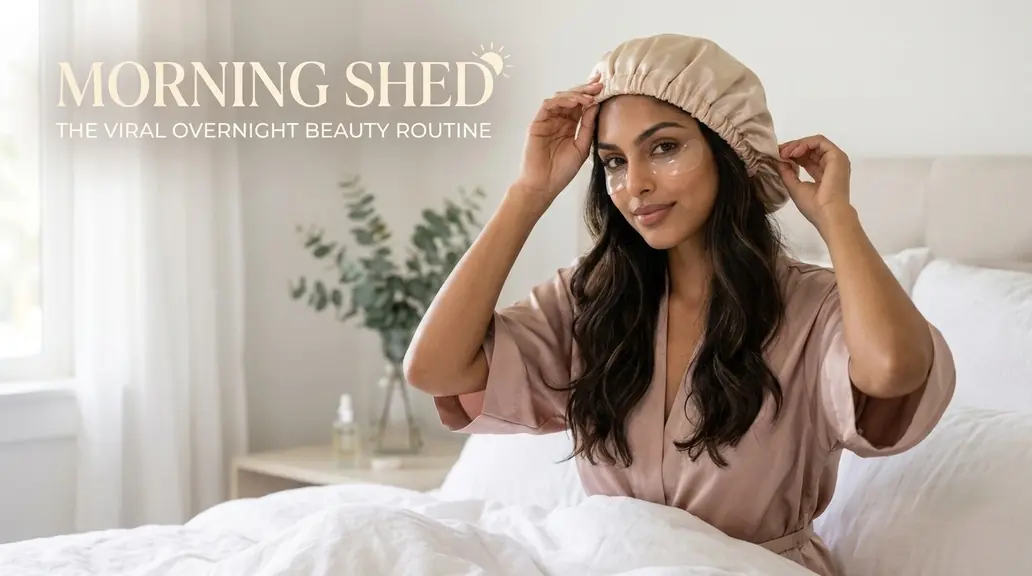
* **Haircare:** Apply your favorite hair oils, serums, or leave-in conditioners before bed. Silk’s non-absorbent nature will help these products stay on your hair, nourishing it throughout the night. For very dry or damaged hair, consider a silk bonnet or scarf in addition to the pillowcase for extra protection, especially if you are a restless sleeper.
* **Sleep Hygiene:** The luxurious feel of silk can also contribute to a more pleasant bedtime experience, encouraging relaxation and better sleep quality. Ensure your bedroom environment is conducive to sleep: dark, quiet, and cool. Aim for 7-9 hours of quality sleep per night.
Addressing Potential Concerns
* **Cost:** High-quality silk pillowcases can be an investment. Consider them a long-term beauty investment rather than a disposable item. Look for sales, buy during holiday seasons, or invest in one high-quality piece first. Remember that durability and longevity often come with better quality.
* **Maintenance:** While silk requires more delicate care than cotton, it’s not overly burdensome. Hand washing or using a delicate machine cycle with air drying is a small price to pay for the benefits.
* **Temperature:** Some people worry silk might be too warm. However, silk is naturally temperature-regulating. It feels cool to the touch and allows air to circulate, making it comfortable in both warm and cool climates.
By embracing silk pillowcases as an integral part of your nightly routine, you’re not just indulging in a luxury; you’re actively investing in the health and beauty of your hair and skin, ensuring you wake up looking and feeling your absolute best.
Beyond Pillowcases: Other Silk Beauty Accessories
The magic of silk isn’t limited to just pillowcases. The smooth, gentle, and nourishing properties of this luxurious fabric can be harnessed in other beauty accessories, further enhancing your hair and skin care routine and offering a holistic approach to beauty. Incorporating these items can amplify the benefits you experience from silk pillowcases.
Silk Bonnets and Scarves
For those who want an extra layer of protection for their hair, silk bonnets and scarves are invaluable.
* **Hair Protection:** Especially beneficial for curly, textured, or delicate hair, silk bonnets and scarves create a barrier that prevents friction against cotton bedding. This drastically reduces frizz, tangles, and breakage. They help keep hairstyles intact overnight, preserving blowouts, braids, or curls.
* **Moisture Retention:** Like silk pillowcases, bonnets and scarves help retain the moisture in your hair and the effectiveness of nighttime hair treatments. They prevent precious oils and products from being absorbed by cotton bedding.
* **Comfort and Style:** Available in various designs and colors, silk bonnets and scarves are not only functional but can also be stylish. They ensure your hair remains protected and beautiful throughout the night, regardless of how much you move.
Silk Eye Masks
The delicate skin around the eyes is often the first to show signs of aging, such as fine lines and dark circles. A silk eye mask offers targeted benefits for this sensitive area.
* **Gentle on Skin:** Unlike rougher materials, silk is incredibly soft and non-irritating, making it perfect for the fragile skin around the eyes. It won’t cause pulling or creasing.
* **Blocks Light:** A good eye mask effectively blocks out light, promoting deeper, more restorative sleep. Quality sleep is crucial for overall skin health and reducing the appearance of fatigue.
* **Moisture Retention:** Silk eye masks help to keep the eye area hydrated and prevent moisture loss from nighttime skincare products applied around the eyes. This can help plump the skin and reduce the appearance of dehydration lines.
* **Cooling Sensation:** Silk often has a naturally cool feel, which can be soothing and help reduce puffiness around the eyes. Some masks can even be chilled for an extra de-puffing effect.
Silk Scrunchies and Hair Ties
Traditional hair ties, especially those made with elastic or rubber, can cause significant damage to hair. They can snag strands, lead to breakage, and create kinks or dents.
* **Reduced Breakage:** Silk scrunchies and hair ties are made from smooth silk fabric that glides over hair. This significantly reduces friction and tension on the hair shaft, minimizing breakage and preventing those harsh ponytail creases.
* **Gentle Hold:** They provide a gentle yet secure hold for ponytails, buns, or braids without pulling or damaging the hair.
* **Preserving Styles:** Using silk scrunchies helps to maintain hairstyles for longer, reducing the need for constant re-styling and further heat damage.
Silk Pajamas and Robes
Extending the luxurious feel of silk to your sleepwear can enhance the overall sleep experience and contribute to skin comfort.
* **Comfort and Luxury:** Silk pajamas and robes offer unparalleled comfort against the skin. Their natural softness and breathability promote a feeling of well-being and relaxation, contributing to better sleep quality.
* **Skin-Friendly:** Like silk pillowcases, silk sleepwear is gentle on the skin, reducing friction and irritation. It can help maintain skin hydration and is particularly beneficial for those with sensitive skin conditions.
* **Temperature Regulation:** Silk’s natural ability to regulate temperature makes it comfortable in various climates, keeping you cool in the summer and warm in the winter.
Incorporating these silk accessories into your beauty arsenal complements the benefits of silk pillowcases, creating a comprehensive approach to nurturing your hair and skin from head to toe, ensuring you wake up feeling and looking your most beautiful.
Frequently Asked Questions About Silk Pillowcases
Here are answers to some common questions about silk pillowcases and their benefits.
Q1: How often should I wash my silk pillowcase?
It is generally recommended to wash your silk pillowcase about once a week or at least every two weeks. This ensures it remains clean and hygienic, preventing the buildup of oils, sweat, bacteria, and skincare product residue that can transfer back to your skin and hair. Regular washing also helps maintain the fabric’s integrity and beauty benefits.
Q2: Can silk pillowcases help with hair loss?
Silk pillowcases do not directly cause hair to grow or stop genetic hair loss. However, by significantly reducing friction and breakage, they can help preserve the hair you have. Less breakage means your hair retains its length and thickness, potentially making it appear fuller. For individuals experiencing hair thinning due to breakage, the reduction in damage can contribute to healthier-looking hair over time.
Q3: Are silk pillowcases suitable for all hair types?
Yes, silk pillowcases are beneficial for all hair types. While the effects are often most dramatic for those with dry, frizzy, curly, fine, or chemically treated hair, even straight and healthy hair benefits from reduced friction, preserved moisture, and minimized breakage. The smooth surface allows all hair textures to glide, reducing mechanical stress.
Q4: Will a silk pillowcase prevent wrinkles completely?
Silk pillowcases are highly effective at minimizing the formation of new sleep lines and can help soften the appearance of existing shallow ones by reducing the creasing and stretching of the skin during sleep. However, they are not a complete solution for all wrinkles. Factors like sun exposure, genetics, facial expressions, and natural aging also contribute to wrinkle formation. Silk is a valuable tool for preventing mechanical wrinkles but should be part of a broader skincare strategy.
Q5: Can I use silk pillowcases if I have acne-prone skin?
Absolutely. Silk pillowcases can be very beneficial for acne-prone skin. Their smooth, non-absorbent surface creates a less hospitable environment for bacteria compared to cotton. Silk also absorbs less oil and moisture, meaning less residue is transferred back to your skin. Furthermore, its gentle nature minimizes irritation, which can help calm existing breakouts and reduce redness.
Q6: How do I know if I’m buying real silk and not a synthetic imitation?
Look for clear labeling that states “100% Mulberry Silk” or “Pure Silk.” Real silk has a natural, iridescent sheen, feels exceptionally smooth and cool to the touch, and is generally more expensive than synthetic alternatives. If possible, perform the burn test on a small sample thread: real silk smells like burning hair and leaves a fine ash, while synthetics melt and form a hard bead. Always purchase from reputable brands that provide detailed product information.
Q7: Can I wash my silk pillowcase with regular laundry?
It is strongly advised not to wash silk pillowcases with regular laundry. The heat, agitation, and harsh detergents used in standard washing and drying cycles can severely damage silk fibers, causing them to shrink, lose their sheen, weaken, and become brittle. Always wash silk separately using cool water, a gentle detergent specifically for delicates, and air dry it away from direct heat and sunlight.
Conclusion: Embrace the Silk Secret for Beauty Sleep
The journey to achieving healthier, more radiant hair and skin doesn’t always require a cabinet full of expensive products or time-consuming treatments. Sometimes, the most profound changes come from simple, elegant solutions that work in harmony with our body’s natural processes. The **silk covers secret waking** up with a refreshed and revitalized appearance is one such secret, grounded in the remarkable properties of this ancient and luxurious fiber.
From the scientific understanding of its smooth texture and protein composition to the tangible benefits of reduced frizz, breakage, and sleep lines, silk pillowcases offer a compelling advantage over conventional materials. They provide a gentle, nurturing surface that respects the delicate nature of your hair and skin, allowing them to rest and repair effectively overnight. By minimizing friction, preserving vital moisture, and offering a more hygienic sleep environment, silk actively contributes to your beauty goals while you simply sleep.
The transition to silk is an investment in your well-being, a conscious choice to prioritize self-care through a simple yet powerful change. Whether you’re battling morning tangles, concerned about developing wrinkles, or simply seeking a more luxurious and beneficial sleep experience, silk pillowcases deliver. Coupled with proper care and perhaps a few other silk beauty accessories, this natural wonder can truly transform your nightly ritual into a powerful beauty treatment. Embrace the silk secret, and wake up to the most beautiful version of yourself, day after day.
RELATED ARTICLES:
Overnight Hair Masks – How to Wake Up with Silky, Smooth Hair
Smooth and Silky: How to Prevent Frizzy Hair
Effortless Hair Detangling: Secrets to Smooth, Knot-Free Hair
Jojoba oil for hair: the secret to soft, strong and healthy hair
About The Author

COMMENTS