









Mint for summer skincare is the refreshingly simple, science-backed fix your face needs when heat, humidity, and relentless UV turn balanced skin into
Mint for summer skincare is the refreshingly simple, science-backed fix your face needs when heat, humidity, and relentless UV turn balanced skin into a minefield of breakouts and oil. This cooling herb calms inflammation, controls excess sebum, and fights acne-causing bacteria without irritating delicate skin. This guide unpacks the chemistry behind mint and shares five-minute face pack recipes that pair it with yoghurt, honey, turmeric, and clay to target tan, oily T-zones, and heat rash.
Understanding Mint: The Science Behind the Cooling Herb
Published · Updated
The Active Compounds That Make Mint Work
The star molecule in mint is menthol, a cyclic alcohol that activates the TRPM8 cold receptor in your skin. This receptor tricks the nervous system into perceiving coolness even when skin temperature stays normal. That sensation is why a mint face pack feels instantly refreshing on a 90-degree afternoon. Alongside menthol, mint leaves contain menthone, limonene, pulegone, and rosmarinic acid. Rosmarinic acid is a potent antioxidant that neutralises free radicals created by UV exposure, while limonene offers mild antibacterial effects. Peppermint varieties carry higher menthol content, whereas spearmint is gentler and better suited to reactive or sensitive skin types.
Different Mint Varieties and Their Skin Benefits
Peppermint, a natural hybrid of watermint and spearmint, delivers the strongest cooling punch and the highest antimicrobial activity. Spearmint contains carvone rather than menthol, which provides antioxidant support with less tingle. Moroccan mint, popular in traditional beauty rituals, balances the two and suits most skin types. Chocolate mint and apple mint are milder still and fine for daily use in toners or mists. If you have rosacea, broken capillaries, or a compromised barrier, choose spearmint or apple mint. For oily, acne-prone skin craving a deep cleanse, peppermint is the better pick.
How Mint Interacts With Your Skin Barrier
Healthy skin relies on an intact lipid barrier to hold moisture in and keep pollutants out. Mint supports this barrier in several ways. Its salicylic acid precursors gently dissolve dead cells without stripping lipids, while its flavonoids reinforce capillary walls. Fresh mint juice has a pH around 6.5, close to the skin’s natural 5.5, making it far less disruptive than lemon juice or undiluted apple cider vinegar. When blended with hydrating carriers such as yoghurt or aloe, mint becomes a barrier-friendly active rather than a stripping one.
Why Summer Skin Struggles Call for Mint
Your skin behaves differently in July than it does in January. Higher ambient temperatures raise sebum production by up to ten percent for every one degree Celsius rise. Humidity traps sweat and grime inside pores. UV radiation triggers melanin overdrive and collagen breakdown. Each of these summer stressors has a targeted mint solution, which is why this herb has quietly topped natural beauty rituals from Cairo to Kerala for millennia.
Heat-Driven Oil Production and Clogged Pores
When sebum output surges, the excess oil mixes with sweat and environmental particulates to form plugs inside follicles. Those plugs oxidise into blackheads or feed Cutibacterium acnes bacteria, sparking inflammatory pimples. Mint contains natural astringents that tighten pore openings and slow sebum flow. Applied two or three times per week, a mint clay pack can visibly reduce shine within a fortnight without the rebound dryness that follows harsh foaming cleansers.
Sunburn, Heat Rash, and Post-Sun Inflammation
Menthol activates thermoreceptors that send a cooling signal to the brain, providing instant relief from sun-reddened cheeks and the prickly heat that blooms on the chest and neck. Rosmarinic acid and luteolin in mint further calm the inflammatory cascade by suppressing histamine release. A chilled mint and aloe compress after a long beach day will often reduce redness overnight and prevent the peeling stage that strips pigment unevenly.
Dehydration, Dullness, and Uneven Tone
Summer dehydration does not always mean dry skin. Oily complexions can still lack water, showing up as tightness, a papery look under makeup, and amplified fine lines. Mint paired with honey or cucumber draws water into the upper layers and locks it there. Its vitamin A content supports healthy cell turnover, sloughing the dull, sun-dried top layer to reveal fresher skin below. Regular use fades tan lines on the forehead and nose and restores an even, glass-like finish.
The Proven Skin Benefits of Mint, Backed by Research
Traditional texts praised mint long before modern laboratories confirmed its effects. Today, peer-reviewed research supports many of the claims your grandmother made about crushed mint leaves. Here are the benefits that hold up under scientific scrutiny.
Antibacterial and Antifungal Power Against Acne
A 2015 study in the Journal of Applied Microbiology found peppermint essential oil effective against several Staphylococcus and Cutibacterium strains linked to acne. Menthol disrupts bacterial cell membranes, while rosmarinic acid interferes with biofilm formation, the sticky shield bacteria build to resist treatment. For non-cystic breakouts, a twice-weekly mint pack can rival low-dose benzoyl peroxide without the bleaching or stinging side effects.
Antioxidant Defence Against UV Damage
UV rays generate reactive oxygen species that damage collagen, elastin, and DNA inside skin cells. Mint leaves contain high levels of phenolic antioxidants, including eriocitrin and luteolin-7-O-rutinoside, which scavenge these free radicals. Applying a mint pack after sun exposure, though never as a substitute for sunscreen, helps limit the cumulative photo-ageing that leads to wrinkles, sagging, and dark spots over decades.
Natural Skin Brightening Without Harsh Bleaches
Hyperpigmentation often deepens in summer due to melanin overproduction. Mint contains small amounts of salicylic acid and vitamin C, both of which inhibit tyrosinase, the enzyme that triggers melanin synthesis. Used consistently for four to six weeks, mint packs can lighten post-acne marks and mild sun tans, giving a noticeably more even tone. Unlike hydroquinone or kojic acid, mint will not cause paradoxical darkening or ochronosis.
Preparing Mint at Home: Technique Matters
The efficacy of any mint pack depends on how you prepare the leaves. Bruised leaves release their oils; wilted ones will not. Overheated leaves lose menthol to evaporation. A few careful steps ensure you extract the maximum skin benefit from every bunch.
Choosing and Washing Fresh Mint
Look for leaves that are deep green, crisp, and free of yellow edges or dark spots. Organic mint is preferable because conventional crops are often sprayed with pesticides that concentrate on leafy surfaces. Rinse the sprigs under cool running water, then soak them in a bowl of water with a tablespoon of white vinegar for five minutes to lift residues. Pat dry with a clean towel before use. Never use wilted or refrigerated-for-days mint, as the volatile oils will have faded.
Making a Fresh Mint Paste
Pluck the leaves from the stems, discard any tough ones, and weigh out roughly a packed half cup. Add them to a mortar with a teaspoon of cool water and grind to a bright green pulp. If using a blender, pulse in short bursts to avoid heating the paste, which would vaporise the menthol. Use the paste within fifteen minutes for peak potency. Leftover paste can be frozen in ice cube trays for up to one month.
Brewing Mint Tea for Toners and Mists
Bring a cup of filtered water to a gentle simmer, switch off the heat, and add a heaped tablespoon of fresh leaves or a teaspoon of dried mint. Cover and steep for ten minutes, then strain and cool. This mint infusion becomes the base for facial mists, clay pack liquids, and post-cleansing toners. Store in a clean glass spray bottle in the refrigerator for up to five days. The cold bottle alone offers instant relief on a sweltering commute.
The Best Mint Face Packs for Every Summer Skin Concern
Below are ten targeted mint face pack recipes, each designed to solve a specific summer problem. Use only fresh ingredients, patch test every new formula on your inner arm, and leave packs on for fifteen to twenty minutes unless the recipe specifies otherwise. Follow with a gentle moisturiser and broad-spectrum sunscreen if applied during daylight hours.
Mint and Multani Mitti Pack for Oil Control
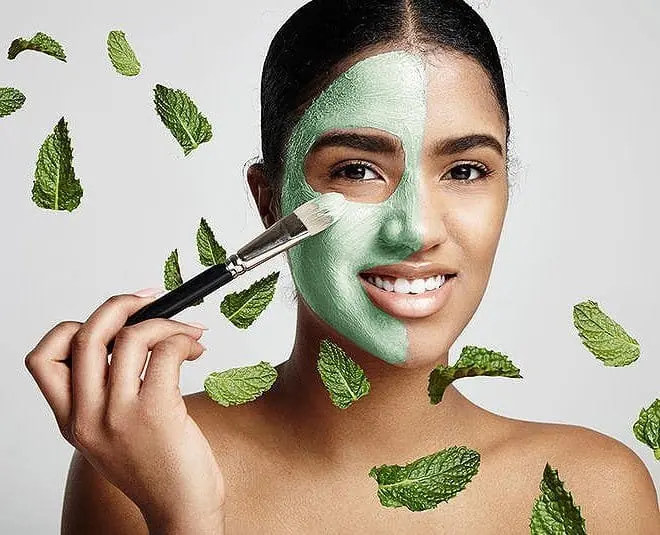
Blend two tablespoons of fresh mint paste with one tablespoon of multani mitti, also known as fuller’s earth, and enough rose water to form a smooth spread. Apply evenly over a clean face, avoiding the eye area. Let it dry partially, about twelve minutes, then rinse with cool water. The clay absorbs excess sebum while mint tightens pores and cools the skin. Use twice weekly for combination or oily skin. Expect visible shine control within three sessions and a gradual reduction in blackheads over a month.
Mint, Honey, and Yogurt Pack for Dry Skin
Crush five fresh mint leaves into a fine paste and stir in two tablespoons of plain full-fat yoghurt and one teaspoon of raw honey. Smooth over the face and neck and relax for fifteen minutes. Lactic acid in yoghurt gently exfoliates without stripping, honey attracts moisture, and mint soothes any heat-related tenderness. Rinse with lukewarm water and pat dry. This pack suits dry to normal skin types and leaves a dewy, plumped finish that holds makeup beautifully.
Mint and Neem Pack for Active Acne
Grind eight neem leaves and ten mint leaves together with a teaspoon of rose water into a smooth green paste. Apply only to breakout-prone zones, not the entire face, for fifteen minutes. Neem carries powerful antibacterial compounds, including nimbidin, which complement mint’s antimicrobial action. Together they calm redness, dry whiteheads, and discourage new pimples. Use three times a week during flare-ups, then taper to once a week once skin clears.
Mint, Cucumber, and Aloe Pack for Sunburn
Blend two tablespoons of fresh aloe vera gel, half a peeled cucumber, and a small handful of mint leaves into a watery paste. Chill in the refrigerator for ten minutes. Apply generously to sun-exposed areas and leave for twenty minutes. Rinse gently with cool water. The trio delivers instant thermal relief, reduces peeling, and accelerates barrier repair. This pack is safe to use daily until redness fully subsides.
Mint, Turmeric, and Gram Flour Pack for Tan Removal
Combine two tablespoons of gram flour, a quarter teaspoon of turmeric powder, one tablespoon of mint paste, and enough raw milk to form a thick batter. Apply to face, neck, and other tanned areas. Let it dry for fifteen minutes, then rub off gently with damp fingers in circular motions before rinsing. Gram flour and milk lactic acid lift dead pigmented cells, while mint and turmeric brighten underlying skin. Use twice weekly for four weeks to reduce visible tan lines.
Mint and Oatmeal Pack for Sensitive Skin
Grind two tablespoons of rolled oats into a coarse flour and stir in a tablespoon of mint paste plus two tablespoons of chamomile tea. Apply the calming slurry to clean skin and rest for fifteen minutes. Oats contain avenanthramides that reduce itching and redness, making this pack ideal for sensitive complexions or anyone experiencing heat bumps. Use weekly or whenever skin feels angry after sun or wind exposure.
Mint and Green Tea Pack for Antioxidant Boost
Brew a strong cup of green tea, cool it, and mix two tablespoons with a tablespoon of mint paste and a tablespoon of rice flour. Smooth over the face and leave for fifteen minutes. The epigallocatechin gallate in green tea pairs with mint’s rosmarinic acid to create a concentrated antioxidant shield. Use weekly as preventive care against premature ageing driven by summer UV exposure.
Mint, Lemon, and Sugar Scrub Pack for Blackheads
Mix a tablespoon of mint paste with half a teaspoon of lemon juice, a teaspoon of fine sugar, and a tablespoon of honey. Massage gently on damp skin in small circles for two minutes, focusing on the nose and chin, then leave as a pack for ten minutes before rinsing. The sugar exfoliates mechanically, lemon dissolves pore plugs, and mint tightens. Limit use to once a week and always apply sunscreen the next day, as lemon can increase photosensitivity.
Mint and Banana Pack for Mature Skin
Mash half a ripe banana, stir in a tablespoon of mint paste and a teaspoon of almond oil. Apply generously and leave for twenty minutes. Banana supplies potassium and vitamin B6 that soften texture, almond oil delivers vitamin E, and mint refreshes dulled complexions. Use weekly to counter the dehydration and fine line accentuation that summer air conditioning can cause in mature skin.
Mint Ice Cubes for Daily Puffiness Relief
Pour cooled strong mint tea into an ice cube tray and freeze. Each morning, wrap one cube in a soft muslin cloth and glide it over the face for one minute, focusing on under-eye bags and jawlines. This quick ritual depuffs, constricts capillaries, and primes skin for moisturiser and sunscreen. It is the simplest mint treatment and arguably the one with the most visible daily payoff.
Building a Complete Summer Skincare Routine Around Mint
Face packs deliver concentrated benefits, yet real transformation comes from a consistent daily routine. Here is how to weave mint throughout your morning, evening, and weekly rituals so every stage of your regimen works harder during hot months.
Morning Steps With Mint
Begin with a splash of cool water, then sweep chilled mint tea over your face using a cotton pad as a refreshing toner. Follow with a lightweight vitamin C serum to boost the mint’s antioxidant defence, then a gel moisturiser. Finish with a broad-spectrum sunscreen rated at least SPF 30. A mint-infused facial mist in your handbag lets you top up cooling and hydration between meetings or during outdoor errands.
Evening Cleansing and Repair
Double cleanse to remove sunscreen, sweat, and airborne grime. Apply a mint pack suited to the day’s main concern, for instance, the clay pack if you felt oily or the aloe pack if you caught too much sun. After rinsing, layer a hydrating toner, a barrier-repair serum with niacinamide or centella, and a richer night cream. Evening is when skin rebuilds, so feed it rather than stripping it.
Weekly Treatments and Rest Days
Schedule two targeted mint packs per week and one exfoliating session, either with the sugar scrub pack or a gentle chemical exfoliant. Give your skin at least three rest days of only cleansing and moisturising to prevent over-treatment. Rotate pack recipes based on how your skin behaves that week, listening rather than forcing a rigid calendar.
Mistakes to Avoid When Using Mint on Skin
Mint is gentle compared to many active ingredients, yet it can still cause problems if misused. Avoiding these common errors ensures you get the refreshing payoff without setbacks.
Using Essential Oil Instead of Fresh Leaves
Peppermint essential oil is highly concentrated and can cause chemical burns if applied undiluted. Many home remedies online suggest adding drops directly to face packs, which is risky. If you choose to use essential oil, dilute it to under one percent in a carrier such as jojoba or rosehip, and never apply it near the eyes or on broken skin. Fresh leaves and mint tea are safer and more than potent enough for most purposes.
Skipping the Patch Test
Even natural ingredients can trigger allergic reactions, especially in people with sensitivities to the Lamiaceae plant family, which also includes basil, oregano, and rosemary. Apply a small amount of any new pack to your inner forearm, wait twenty-four hours, and check for redness, itching, or bumps before using it on your face. This thirty-second habit prevents expensive mistakes and unexpected weekend breakouts.
Leaving Packs on Too Long
Longer does not equal better. Clay-based packs left on until fully dry actually draw moisture out of skin, reversing the cooling effect. Remove them while still slightly tacky. Hydrating packs can stay longer but rarely need more than twenty minutes. Set a timer and rinse on schedule rather than multitasking and forgetting.
Mint-Based Lifestyle Habits for All-Round Summer Glow
Topical care is only half the story. What you drink, eat, and breathe influences how your skin copes with heat. Mint pulls its weight inside the body just as it does outside, making it an easy multitasker for anyone chasing that elusive summer glow.
Drinking Mint-Infused Water and Teas
Add a handful of crushed mint leaves, cucumber slices, and a squeeze of lime to a litre of cold water. Sip throughout the day to stay hydrated without sugary drinks. Mint supports digestion, reduces bloating, and delivers antioxidants systemically. A cup of warm mint tea in the evening calms the nervous system and may improve sleep quality, which in turn drives overnight skin repair.
Cooking With Mint for Skin Nourishment
Chop fresh mint into yoghurt dips, summer salads, watermelon bowls, and grain bowls. Pair it with vitamin C-rich foods like bell peppers and strawberries so the combined antioxidant load works harder. Eating mint three or four times a week complements topical use and helps tackle heat-related inflammation from the inside.
Aromatherapy and Stress Reduction
Summer stress, from travel chaos to unrelenting heat, raises cortisol, which in turn can trigger breakouts and dullness. Diffusing spearmint or peppermint oil in your workspace or bedroom supports alertness and calm. A cool mint compress on the neck during a tough afternoon lowers perceived temperature and can ease tension headaches that often coincide with hormonal acne cycles.
Who Should Avoid Mint and When to See a Professional
Mint is broadly safe, yet a small number of people should approach with caution. Knowing when to pause and when to consult a dermatologist protects your skin from well-meaning experiments that backfire.
Pregnancy, Breastfeeding, and Young Children
Peppermint essential oil is generally not recommended during pregnancy, particularly in the first trimester, because of its potential effects on uterine muscle and milk supply. Fresh mint leaves in cooking and mild face packs are considered safe, but consult your obstetrician before regular topical use. Avoid applying menthol-heavy products to children under six, as their skin absorbs ingredients more readily and menthol can disturb breathing patterns in infants.
Rosacea, Eczema, and Compromised Barriers
If you have active rosacea flares, weeping eczema, or recently microneedled or lasered skin, menthol can sting and delay healing. Wait until your barrier feels stable, then start with spearmint-based recipes diluted with extra yoghurt or aloe. If redness persists for more than a day after application, pause mint entirely and return to fragrance-free basics.
Signs You Need a Dermatologist
Home remedies cannot replace medical care for cystic acne, melasma, suspected skin cancer, or persistent rashes. Book a dermatologist appointment if breakouts remain painful after four weeks of consistent home care, pigmentation deepens, or you notice new moles, asymmetrical spots, or sores that refuse to heal. Mint is a complement to professional treatment, never a substitute.
Frequently Asked Questions About Mint for Summer Skincare
How often can I use a mint face pack during summer?
For most skin types, two to three mint packs per week deliver noticeable benefits without overloading the skin. Oily or acne-prone complexions can tolerate an extra session if needed, while sensitive or dry skin should stick to once or twice weekly. Alternate between cooling packs like mint and aloe on hot days and nourishing packs like mint and honey on air-conditioned days. Always follow with moisturiser and sunscreen, and take at least one full day off between packs to let your skin reset.
Can I use dried mint instead of fresh leaves?
Fresh mint contains the highest concentration of volatile oils, but good-quality dried mint works well when fresh is unavailable. Use about one third the amount by volume, because drying concentrates flavour and compounds. Steep dried mint in hot water for ten minutes and use the cooled tea as a face pack liquid, or grind dried leaves into a fine powder and mix with yoghurt or honey. Dried mint stored in an airtight jar away from light stays potent for about six months.
Will mint face packs lighten my skin tone permanently?
Mint does not bleach skin or alter your natural baseline tone. What it can do is fade superficial tan, reduce post-acne marks, and brighten dull surface cells, revealing the even, healthy complexion you already have. Results appear gradually, usually within four to six weeks of consistent use, and last as long as you protect your skin from fresh UV damage with sunscreen. If you stop using sunscreen, new tans and spots will replace faded ones, so the two habits must go hand in hand.
Is it safe to mix mint with lemon or turmeric?
Mint pairs beautifully with both, but each addition carries its own rules. Lemon juice brightens and unclogs pores, yet it is acidic and photosensitising, so use it only in evening packs and limit it to once a week. Turmeric offers anti-inflammatory and antibacterial support, but raw turmeric can stain light skin yellow for a day or two. Use only a pinch; prefer Kasturi turmeric, which does not stain, and always combine with a fatty carrier like yoghurt or milk to buffer intensity. Patch test any new combination before applying to the full face.
Can mint help with body acne on the back and chest?
Yes, body acne responds well to the same antimicrobial and oil-balancing properties that help facial breakouts. Brew a strong pot of mint tea, add it to a lukewarm bath, and soak for fifteen minutes two or three times a week. Alternatively, make a larger batch of the mint and neem paste and apply to affected zones in the shower, leaving for ten minutes before rinsing. Wear loose, breathable cotton after treatment and change out of sweaty workout clothes promptly. Consistent use over a month usually clears most mild to moderate body breakouts.
Conclusion: Make Mint Your Summer Skincare Staple
Mint earns its place at the heart of a smart summer skincare routine because it does what few single ingredients can. It cools overheated skin, quiets acne-causing bacteria, tightens pores, brightens tan-dulled complexions, and supports the skin barrier rather than stripping it. The recipes above show that you do not need an expensive shelf of products to handle July’s toughest skin days. A bunch of fresh leaves, a few pantry staples, and twenty minutes of quiet time are enough.
Start with one pack that matches your biggest current concern, whether that is oil, sunburn, breakouts, or dullness. Use it twice a week for three weeks and track the difference with simple phone photos taken in the same light. Layer in a mint toner or mist for daily reinforcement, add a daily dose of mint-infused water to support hydration from within, and never skip broad-spectrum sunscreen. Pay attention to how your skin responds, adjust recipes to suit your unique barrier, and consult a dermatologist for any concern that does not improve with home care.
Your next steps are simple. Buy a fresh bunch of organic mint this week, freeze half as ice cubes and paste cubes, and pick two recipes from this guide to trial across the next fortnight. By the end of the month, you will have a personalised mint ritual that keeps your skin cool, clear, and luminous from the first heatwave to the last golden afternoon.
RELATED ARTICLES:
Unlock the Hydrating Power of Rose Oil for Beautiful Skin
How to Keep Skin Healthy in Summer: 10 Dermatologist-Approved Ways
Summer Skin Care: Adding Mangoes to Your Diet
About The Author

COMMENTS