





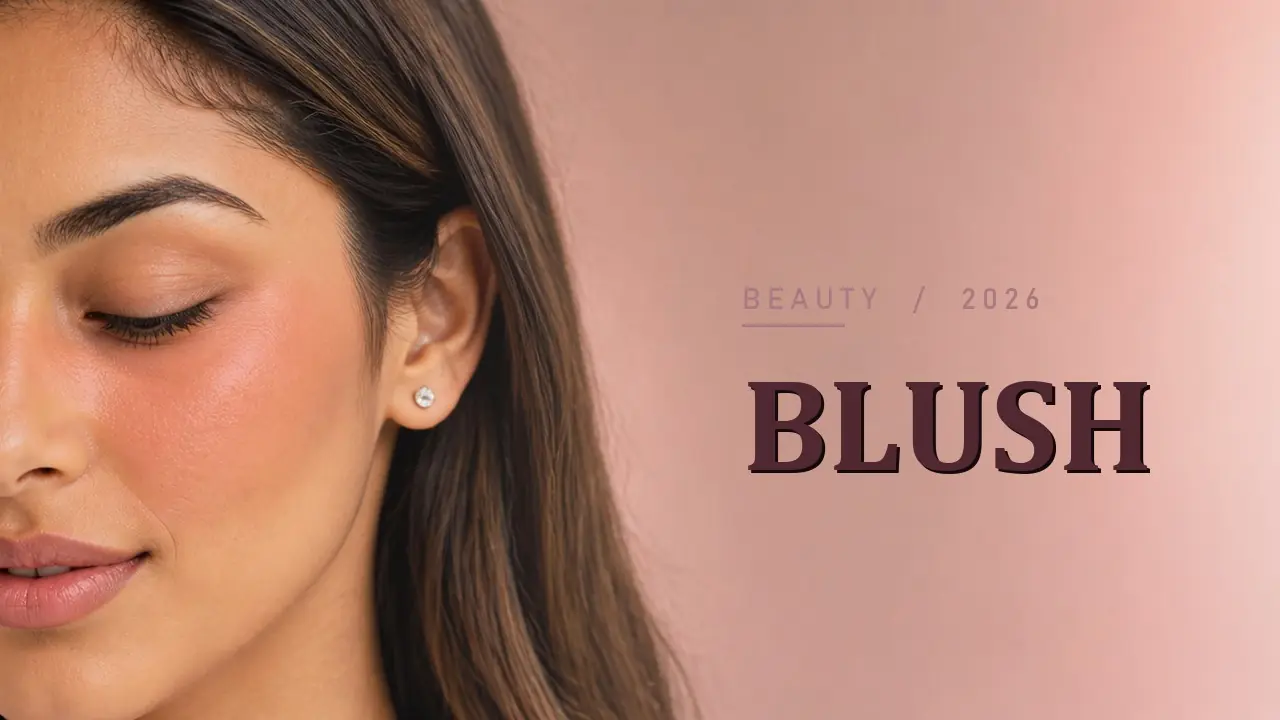
Under eye blush is the makeup trend rewriting the rules of 2026, trading sharp contour and matte neutrals for a soft, sun-warmed flush placed high
Published · Updated
Under-eye blush is the viral beauty technique of 2026 that pulls makeup back toward warmth, colour, and a deliberately flushed look after years of cool-toned contouring and matte minimalism. Originally known as the “Igari blush” technique that emerged in Japan in 1999, under-eye blush has resurfaced as one of the most-watched makeup tutorials of May 2026, thanks to TikTok creators showing how a single, well-placed peachy or warm-rose flush under the eye instantly creates a youthful, fresh, slightly just-from-the-cold appearance. This guide explains how the technique actually works (it is not just blush in a different spot), how to place and blend it for your specific skin tone, and the small mistakes that turn a fresh under-eye blush look into a sunburnt-cheek mess.
What is under-eye blush and where the trend comes from
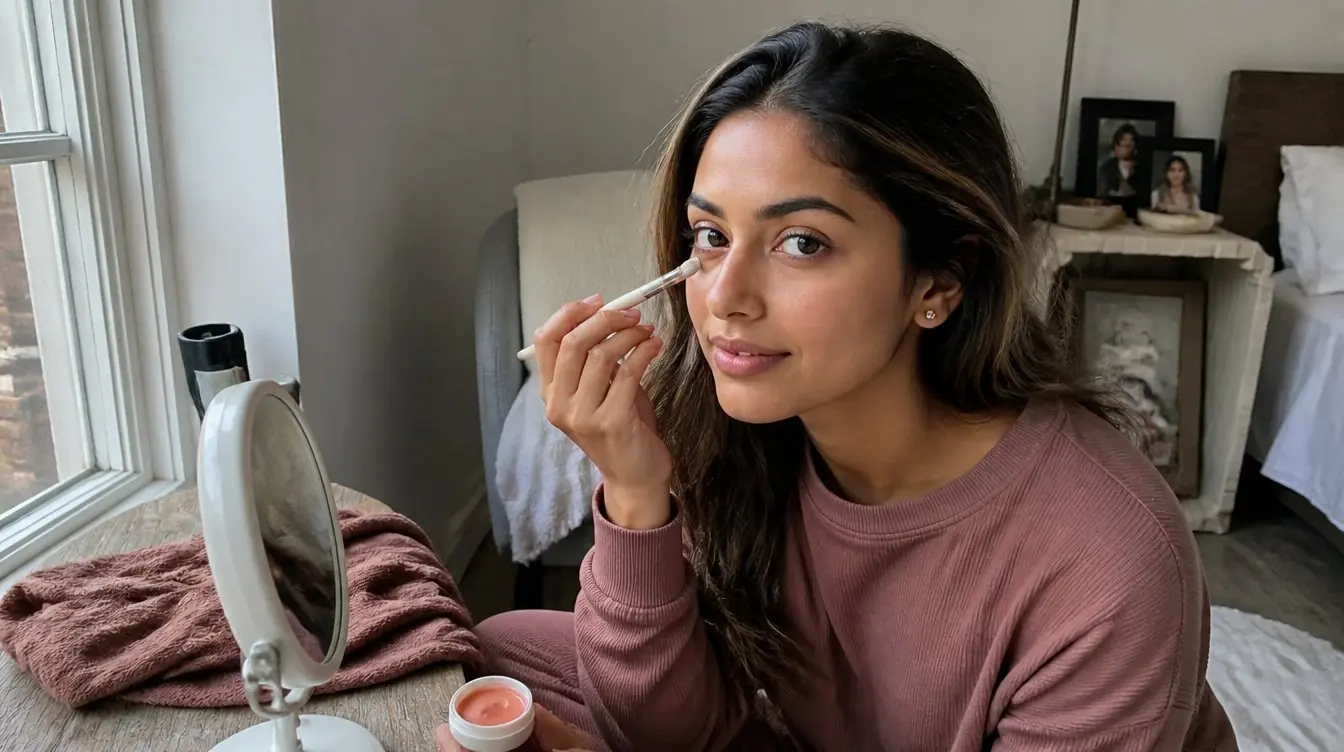
Under-eye blush is the application of cream or powder blush directly underneath the lower lash line, often extending up onto the bridge of the nose, rather than the traditional placement on the apples of the cheeks or along the cheekbones. The effect is a deliberate flush that mimics the natural rosiness of cold weather, exercise, or sleep, concentrated in the area that naturally takes on colour when blood vessels dilate due to temperature, emotion, or rest.
The technique originated in Japan in 1999 as part of the “Igari blush” look, named after makeup artist Shinobu Igari, who popularised it in Japanese fashion editorials. It travelled to Korean beauty media in the mid-2010s and emerged in Western beauty culture through cycles in 2017 and again in 2022, but the May 2026 resurgence is the largest by a significant margin. The 2026 wave is driven by the broader return of warm, expressive makeup and by the pairing of under-eye blush with the cloud-skin finish that dominates the current cheek aesthetic.
Under-eye blush has moved from a TikTok experiment into mainstream makeup coverage. Our deeper coverage of the broader cheek-finish landscape sits in our cloud skin vs glass skin guide, which pairs naturally with the under-eye blush technique.
Why under-eye blush works: the optical effect
Traditional cheek blush on the apples of the cheeks works by adding colour to the areas where the face naturally rounds outward, mimicking a healthy flush across the broadest part of the cheek. Under-eye blush works on a different optical principle: by placing colour in the recessed area immediately under the eye, the technique creates the visual impression of fullness, freshness, and youthful skin that has been gently warmed by sleep, weather, or activity.
The under-eye area is also where the skin first shows tiredness through paleness or grey undertones. Adding a warm, slightly red-toned flush counteracts that grey, immediately making the face look more rested. This is why under-eye blush is particularly flattering on mornings after poor sleep or during long workdays; it creates the appearance of well-rested skin that the actual skin condition does not currently support.
The effect is more dramatic than traditional cheekbone blush because the placement is closer to the central focal point of the face (the eyes), so the colour reads more prominently in conversation and in photographs. This intensity is both the appeal and the risk of the technique: done well it transforms the face; done poorly it looks like sunburn.
Under-eye blush vs traditional cheek blush
The two placements are not interchangeable and serve different aesthetic goals.
Traditional cheekbone blush emphasises structure and defines the cheekbone. It pairs with contoured looks, with sculpted features, and with the “polished” face that dominated 2018 to 2023 makeup trends. The placement runs along or just below the cheekbone, blending toward the temples.
Under-eye blush emphasises warmth, freshness, and softness in the overall look. It pairs with the soft-focus finishes (cloud skin, milk skin, soft glam) that dominate 2026 makeup, and it specifically counteracts the slightly cold, structural look that contouring produces. The placement runs across the upper cheek and under the lower lash line, sometimes extending onto the bridge of the nose for the most extreme version of the look.
People who wear both can layer them: a soft contour or bronzer for cheekbone definition, then a separate under-eye blush for warmth and softness. The two are not mutually exclusive, just placed differently and serving different visual purposes.
How to apply under-eye blush: step-by-step
The five steps below produce a polished under-eye blush look that suits daytime and translates well to evening.
Step 1: Skin prep
Complete your usual skin prep (moisturiser, SPF, and primer if used). The under-eye area must be smooth and hydrated; dry or flaky under-eye skin will grab cream or powder unevenly and look patchy. If you wear concealer, apply it sparingly to the under-eye area before the blush; heavy concealer in this area will clash with the blush colour.
Step 2: Pick the right blush formula
Cream and liquid blushes are easier to control on the under-eye area than powder, especially for beginners. Powder blush can work but tends to settle into fine lines around the eye and shows texture more harshly. For a fresh dewy finish (which is the look the technique is best at producing), choose a cream or liquid formula in a warm peach, soft coral, or warm rose. Avoid cool-toned pink or berry shades for the under-eye placement; they tend to read as illness rather than freshness.
Step 3: Placement zone
Apply the cream or liquid blush directly under the lower lash line, starting just below the inner corner of the eye and extending outward to the outer corner. For the more extreme Igari version, dot a small amount across the bridge of the nose. Use either a fingertip or a small dense brush. The placement zone is narrow: roughly the area between the lower lash line and the highest point of the cheekbone, not extending down toward the smile area.
Step 4: Blending technique
Blend the colour using light tapping motions with either a clean fingertip or a small fluffy brush. Do not drag the brush across the skin; instead, tap and press to diffuse the colour while keeping it within the placement zone. The goal is a soft gradient that fades into the surrounding skin without a visible edge. Over-blending out toward the temples turns it back into traditional cheek blush and loses the trend.
Step 5: Setting and locking in
For cream and liquid blushes, lightly press a fluffy powder brush dusted with a translucent setting powder over the placement zone to set the colour and prevent transfer. Do not pile on powder; a light dusting is enough. For longer wear in humid climates or on long days, a fine mist of setting spray over the entire face locks the look in for six to eight hours.
Best under-eye blush colors by skin tone
The colour choice is the variable that determines whether the technique flatters or clashes with your skin tone.
Fair and light skin
Soft peaches, warm pale corals, and pale warm rose shades flatter most skin tones. Avoid bright reds and cool berries, which can read as sunburn on lighter skin. Test the shade by applying a small amount on the inner wrist; if it looks like the natural flush you get from a brisk walk, the shade is right.
Medium and olive skin
Warm corals, terracotta, peachy pink, and warm rose shades are the most flattering. Olive undertones are particularly suited to terracotta and warm earth tones, which would look too heavy on lighter skin. Cool-toned pinks tend to disappear against medium skin or look chalky.
Deep and rich skin
Deeper warm reds, rich terracottas, brick rose, and warm berry shades come alive on deeper skin tones. The lighter peaches and pale corals that work on fair skin tend to vanish or look ashy on deep skin. Look for pigmented cream and liquid formulas with strong colour payoff; sheer formulations often do not show up on deeper skin.
Under-eye blush mistakes that look like sunburn (and the fix)
Six recurring mistakes turn a fresh under-eye blush look into a sunburnt-cheek mess.
First, using too much product. The under-eye area is a small zone that shows colour more prominently than the apples of the cheeks. Start with half the amount of blush you would use for a traditional application, and add more only if the colour is genuinely missing.
Second, avoid picking a shade that is too red or too dark. The “sunburn” reading comes almost entirely from choosing a shade that is too saturated for the natural skin flush. Soft warm peaches and corals are safer than reds and berries.
Third, blend downward toward the smile area. The technique works because the colour stays concentrated around the eye area. Blending it down erases the trend and turns it into a heavy version of traditional blush.
Fourth, avoid using powder on dry, lined under-eye skin. Powder grabs texture and amplifies fine lines around the eye. For mature or dry under-eye skin, stick with cream or liquid formulas.
Fifth, applying over heavy concealer. Concealer creates a barrier the blush has to fight to deposit on, often producing patchy or muddy results. Apply concealer sparingly in this area and choose a hydrating, lightweight formula.
Sixth, remember to extend the blush slightly onto the nose bridge for the full effect. Skipping the small nose-bridge dab is what makes some under-eye blush attempts look incomplete. The bridge dot is small but essential to the technique’s signature look.
Pairing under-eye blush with cloud skin and soft glam
Under-eye blush is part of a broader 2026 aesthetic that favours soft, diffused, slightly just-from-the-cold finishes over flat matte or heavily contoured looks. It pairs naturally with cloud skin (the soft-focus diffused base that mimics a digital filter in real life), with monochrome warm-toned eye makeup like the latte makeup trend, and with soft glossy lip finishes rather than heavy matte lipstick. The broader 2026 effortless-beauty conversation frames the role of under-eye blush, and both our guide to looking naturally beautiful and our overview of French skincare habits cover the no-makeup-makeup philosophy that it embodies.
The combinations to avoid are heavy contouring (the cool, sculpted look fights the warm, diffused effect of under-eye blush), bold matte lipstick (the texture mismatch reads as inconsistent across the face), and dark smoky eye makeup (which closes the eye while under-eye blush is trying to open it visually).
When not to wear under-eye blush
Under-eye blush is not universally flattering. Three situations call for a different approach.
People with significant under-eye darkness or shadows often find that under-eye blush amplifies the appearance of those shadows rather than warming them. The warm colour sitting on top of cool-toned darkness can create a muddy mid-tone that reads as tiredness. For chronic dark circles, addressing the underlying cause (sleep, hydration, allergies, and colour-correcting concealer) is more useful than the blush technique.
People with active under-eye texture (milia, persistent puffiness, and very fine lines) may find that powder blush settles into the texture and amplifies it. Cream or liquid blush is essential for this group, and the placement should stay closer to the cheekbone and away from the immediate eye area.
Very formal or corporate settings may not be the best context. Under-eye blush reads as a deliberate beauty look, and in environments where minimal natural makeup is the expectation, the technique can look out of place. Save it for daytime social settings, casual evenings, dates, and photography.
Our life-changing beauty tips guide covers how the blush technique should evolve across different ages and skin behaviours.
Frequently asked questions
What is the under-eye blush trend?
Under-eye blush is the technique of applying cream or powder blush directly under the lower lash line and sometimes across the bridge of the nose, rather than on the apples of the cheeks. Originally the Igari blush technique from Japan in 1999, the look has gone viral on TikTok in May 2026 because it creates the appearance of warmth, freshness, and youthful flushed skin in a single step.
Does under-eye blush make you look exhausted?
Done correctly with warm peach or coral tones, under-eye blush makes the face look the opposite of tired by counteracting the grey undertones that develop in the under-eye area when skin is fatigued. Done incorrectly with cool pinks or too much product, it can amplify the appearance of dark circles. Stick with warm, soft shades and use a light hand to get the freshening effect.
What blush colour is best for applying under the eyes?
Warm peach, soft coral, terracotta, and warm rose shades flatter most skin tones. Soft peaches suit fair skin, while warmer corals and terracottas are best for medium and olive skin, and richer brick rose and warm berries are ideal for deep skin. Avoid cool pinks and cool berries, which can read as illness rather than freshness in the under-eye placement.
Can I wear under-eye blush every day?
Yes, with subtle daily application. For everyday wear, use a smaller amount of cream or liquid blush in a soft peach, blended carefully and kept close to the eye area. The same technique with more pigment and extended placement onto the nose bridge works for evenings, dates, and photo-heavy events. The daily version reads as a soft natural flush; the evening version reads as a deliberate beauty look.
Is under-eye blush good for mature skin?
Cream and liquid under-eye blush flatters mature skin beautifully by counteracting the cool tones that develop in the under-eye area with age. Avoid powder formulas, which can settle into fine lines and amplify texture. Apply over a hydrated base with a lightweight concealer rather than heavy coverage. The technique can knock years off the apparent age of mature skin when done with the right formula and light touch.
How do I apply under-eye blush without it looking patchy?
Three rules prevent patchy results. First, use a cream or liquid formula rather than powder for the under-eye area. Second, use light tapping motions with a fingertip or small, fluffy brush instead of dragging them. Third, start with less product than you think you need; add gradually rather than applying a large amount and trying to blend it down. If patches appear, dab a clean fingertip in moisturiser and gently press it over the patchy area to soften and re-blend.
Related Articles
- Cloud Skin vs Glass Skin in Indian Humidity
- How to Look Naturally Beautiful: 9 Habits That Actually Help
- Life-Changing Beauty Tips: 7 Daily Habits for Glowing Skin
About The Author

COMMENTS