









A skin beauty regime with nutmeg taps into one of the oldest secrets in traditional South Asian skincare, a warm brown powder that fades blemishes, ca
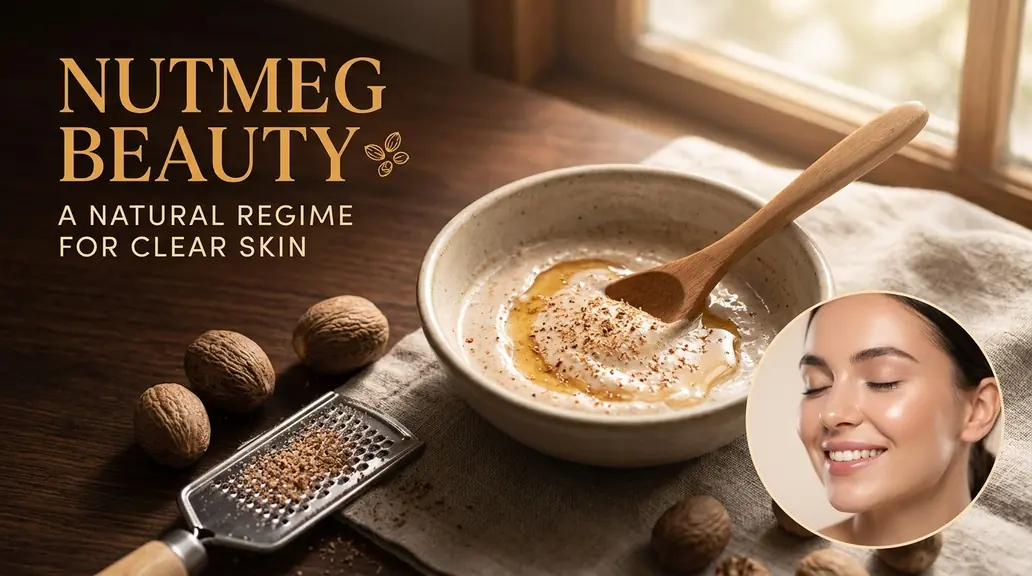
A skin beauty regime with nutmeg taps into one of the oldest secrets in traditional South Asian skincare, a warm brown powder that fades blemishes, calms irritation, and brightens tired skin. Ancient healers relied on it long before modern research explained why.
Your kitchen spice rack holds more than flavour. Tucked between the cinnamon and cloves sits one of the most underrated beauty ingredients in the world. Nutmeg for skin has been a cornerstone of Ayurvedic and traditional South-east Asian beauty rituals for centuries, and modern dermatological research is now confirming what ancient healers already knew. This warm, aromatic spice carries a dense concentration of active compounds that fight inflammation, neutralise free radicals, destroy acne-causing bacteria, and stimulate skin renewal. The result is skin that looks clearer, smoother, and genuinely luminous. This article gives you everything you need to build a complete nutmeg-based skin-beauty regime from scratch. You will learn exactly which compounds make nutmeg effective, how to use it safely for your specific skin type, and how to combine it with other natural ingredients to target acne, hyperpigmentation, premature aging, and dullness. Each recipe is straightforward, uses accessible ingredients, and delivers measurable results with consistent use. Whether you are new to natural skincare or a seasoned DIY beauty enthusiast, this guide will show you how to harness the full power of nutmeg and transform the health and appearance of your skin.
The Science Behind Nutmeg’s Skin Benefits
Published · Updated
Nutmeg also contains eugenol, the same compound found in clove oil. Eugenol is a well-documented antiseptic and analgesic that helps calm irritated skin while simultaneously fighting bacteria on the surface. Additionally, nutmeg is a source of trimyristin, a fatty substance that forms the base of nutmeg butter and contributes emollient properties to any skincare preparation made with the spice. The combined presence of these compounds makes nutmeg a genuinely multifunctional skincare ingredient rather than a simple folk remedy.
How Nutmeg Fights Oxidative Stress
Free radicals are unstable molecules produced by UV exposure, pollution, stress, and poor diet. They attack healthy skin cells, break down collagen, and accelerate the visible signs of aging. Antioxidants are the skin’s primary defence against this damage, and nutmeg delivers them in impressive quantities.
The phenolic compounds in nutmeg, including isoeugenol and protocatechuic acid, donate electrons to free radicals, neutralising them before they can cause cellular damage. This process protects the structural proteins of the skin, particularly collagen and elastin, from oxidative degradation. When collagen remains intact, skin stays firm and resilient. When elastin is protected, skin maintains its ability to snap back after movement, reducing the formation of permanent expression lines. Incorporating nutmeg into your skincare routine gives your skin a consistent supply of topical antioxidant support that works alongside the antioxidants delivered through your diet.
Nutmeg’s Role in Skin Cell Renewal
The skin naturally sheds and replaces its outermost layer roughly every 28 days in young adults, though this cycle slows considerably with age. When dead cells accumulate on the surface, skin looks dull, pores appear enlarged, and moisturisers cannot penetrate effectively. Nutmeg powder has a fine, granular texture that provides gentle mechanical exfoliation when used in scrubs and masks. This physical action loosens and removes the dead cell buildup that dulls the complexion.
Beyond mechanical action, the bioactive compounds in nutmeg support chemical exfoliation. The combined mechanical and biochemical exfoliation makes nutmeg unusually effective for improving skin texture and luminosity.
Nutmeg for Acne and Blemish Control
Anti-Inflammatory Action Against Breakouts
Acne is fundamentally an inflammatory condition. Even when bacteria trigger the initial breakout, the redness, swelling, and pain associated with pimples result from the skin’s inflammatory response. Reducing that inflammation is therefore one of the most effective ways to improve an acne breakout faster and prevent it from leaving lasting marks. Nutmeg contains several potent anti-inflammatory compounds, with macelignan and myristicin being the most studied. These compounds suppress the activity of pro-inflammatory cytokines, the signalling molecules that direct the inflammatory cascade in the skin.
Applied topically, nutmeg-based preparations help calm the visible redness and swelling of active breakouts. Users with cystic acne often find that a targeted nutmeg paste reduces the size and tenderness of large, painful blemishes overnight. This does not mean nutmeg replaces prescribed acne treatments for severe cases, but it is a powerful complementary tool that reduces the inflammatory burden on the skin. For mild to moderate acne, a consistent nutmeg-based routine can produce dramatic improvements in breakout frequency and severity over six to eight weeks.
Antibacterial Properties That Target Acne Bacteria
Cutibacterium acnes, formerly known as Propionibacterium acnes, is the primary bacterium responsible for inflammatory acne. It thrives in the sebum-rich, low-oxygen environment inside a blocked pore. When this bacterium proliferates, it triggers the immune response that creates the characteristic red, swollen blemish. Nutmeg has demonstrated significant antibacterial activity against this organism in laboratory studies.
The eugenol content in nutmeg disrupts bacterial cell membranes, impairing the bacteria’s ability to reproduce and survive. Myristicin adds a secondary antibacterial mechanism by interfering with bacterial enzyme systems. Together, these compounds create a hostile environment for acne-causing bacteria without stripping the skin’s natural microbiome the way harsh chemical treatments can. This is a meaningful advantage because the skin microbiome plays a critical role in barrier function and immune defence. Preserving beneficial bacteria while targeting harmful ones supports long-term skin health, not just short-term blemish control.
Fading Post-Acne Marks and Hyperpigmentation
Post-inflammatory hyperpigmentation (PIH) is the dark mark that remains after a pimple heals. These marks develop because inflammation triggers excess melanin production in the affected area. The skin deposits this pigment as a protective response, but the result is an uneven, discoloured patch that can linger for months. Nutmeg addresses this problem through macelignan’s melanin-inhibiting activity. By slowing the enzyme tyrosinase, which controls melanin synthesis, nutmeg helps prevent new dark marks from forming and gradually lightens existing ones.
Consistent application of a nutmeg-based mask or treatment to areas of PIH supports a more even skin tone over time. Results require patience, as the skin must cycle through several rounds of cell renewal before the discoloured cells are fully replaced. Most users see a noticeable improvement in PIH within four to six weeks of three-times-weekly treatment. Pairing nutmeg with vitamin C-rich ingredients like rosehip powder or lemon juice (used sparingly on non-sensitive skin) can accelerate this brightening process by offering dual mechanisms of melanin control.
Anti-Aging Benefits of Nutmeg for Skin
Collagen Support and Skin Elasticity
Collagen is the structural protein that gives skin its firmness, plumpness, and youthful contour. After the age of 25, the body produces approximately one percent less collagen per year. Environmental stressors, sugar-rich diets, and UV exposure accelerate this decline further. The antioxidant activity of nutmeg protects existing collagen from oxidative degradation, helping the skin preserve the collagen it has for longer. This protective effect is most meaningful when nutmeg is used consistently over months and years rather than as an occasional treatment.
Reducing Fine Lines and Wrinkles
Fine lines form first in areas where the skin is thinnest and facial movement is most repetitive, particularly around the eyes, lips, and forehead. As collagen and elastin decline, these temporary expression lines become permanent. Nutmeg fights the formation of permanent wrinkles through multiple pathways. Its antioxidant compounds prevent the oxidative damage that breaks down dermal proteins. Its anti-inflammatory action reduces chronic low-grade inflammation, a process increasingly linked to accelerated skin aging. Its exfoliating properties promote cell turnover, ensuring that the freshest, most hydrated cells are at the surface.
When nutmeg is combined with hydrating ingredients like honey or milk in a mask, the hydration boost provides an immediate plumping effect that temporarily softens the appearance of fine lines. This cosmetic benefit, combined with the long-term structural benefits of reduced inflammation and protected collagen, makes nutmeg masks an excellent weekly anti-ageing ritual. The results are cumulative: each treatment adds a small increment of benefit that becomes clearly visible over several months of consistent use.
Brightening Dull and Tired Skin
Skin dullness has several causes, including accumulated dead cells, poor circulation, chronic dehydration, and the slowed cellular metabolism that accompanies aging. Nutmeg addresses each of these factors. The exfoliant action clears dead cell build-up. The circulatory-stimulating warmth of the spice, a property recognised in Ayurvedic practice, encourages blood flow to the surface, giving skin a flushed, healthy glow after treatment. The antioxidants combat the cellular sluggishness caused by oxidative stress. Together, these actions restore the natural luminosity that dull skin has lost.
Skin often looks noticeably brighter and more awake immediately after rinsing off a nutmeg mask. This immediate effect is primarily due to the mechanical exfoliation and improved circulation. The longer-term brightening from melanin inhibition and accelerated cell turnover becomes visible gradually, typically after three to four weeks of regular use. To maximise the brightening effect, use a nutmeg mask in the evening to allow the active compounds to work overnight on freshly cleansed skin.
Nutmeg Face Masks for Every Skin Type
Nutmeg and Honey Mask for Dry and Normal Skin
This classic combination delivers simultaneous exfoliation and deep hydration, making it ideal for dry, normal, and mature skin types. Honey is a humectant, drawing moisture from the environment into the skin. It also carries its own antibacterial and healing properties, making it a perfect complement to nutmeg’s active compounds. Together, they create a mask that nourishes while it treats.
To prepare this mask, combine one teaspoon of finely ground nutmeg with one tablespoon of raw, unprocessed honey. Stir thoroughly until a uniform paste forms. Cleanse your face before applying the mask to ensure the active compounds can penetrate effectively. Apply an even layer to your face and neck, avoiding the immediate eye area. Leave the mask on for 15 to 20 minutes. You may feel a mild tingling sensation, which is normal. Rinse thoroughly with warm water and follow with your regular moisturiser. Use this mask twice weekly for the best results. After four consistent weeks, expect to see improved texture, reduced redness, and a brighter overall tone.
Nutmeg and Clay Mask for Oily and Combination Skin
Oily skin requires a mask that draws out excess sebum and minimises the appearance of enlarged pores while still delivering the anti-inflammatory and antibacterial benefits of nutmeg. Kaolin clay or bentonite clay serves as the ideal carrier for this skin type. Both clays absorb excess oil, tighten pores temporarily, and pull impurities from the skin without causing the extreme dryness that can trigger a compensatory oil surge.
Combine one teaspoon of nutmeg powder with two teaspoons of kaolin clay and enough plain water or rose water to form a spreadable paste. Apply immediately after mixing, as clay-based masks begin to dry quickly. Leave it on for 10 to 12 minutes, removing it before the mask dries completely to avoid over-drying the skin. Rinse with cool water to help close pores. Follow with a lightweight, oil-free moisturiser. Use this mask once or twice weekly. Over time, you should notice a reduction in breakout frequency, smaller-looking pores, and a more matte, balanced complexion.
Nutmeg and Aloe Vera Mask for Sensitive Skin
Sensitive skin requires a gentler approach. The concentration of nutmeg must be lower, and it should be diluted with a soothing, anti-inflammatory carrier. Aloe vera gel is the best choice for this purpose. Aloe contains acemannan, a polysaccharide that calms irritation, reduces redness, and supports the skin barrier. It creates a buffer that allows sensitive skin to benefit from nutmeg’s active compounds without experiencing the irritation that an undiluted application might cause.
Mix half a teaspoon of nutmeg powder with two tablespoons of pure aloe vera gel. Stir to combine. Apply a thin layer to clean skin and leave on for no more than ten minutes initially. If there is no redness or discomfort after this first use, you can extend the time to 15 minutes in subsequent applications. Always perform a patch test behind the ear or on the inner wrist 24 hours before applying any new nutmeg preparation to your face. Rinse with cool water and apply a gentle, fragrance-free moisturiser. Use this mask once a week to improve tone and clarity while respecting the skin’s sensitivity.
Nutmeg Scrubs and Cleansers for Deep Cleansing
Nutmeg and Yogurt Exfoliating Scrub
This scrub combines the mechanical exfoliation of nutmeg powder with the chemical exfoliation of lactic acid found naturally in yoghurt. Lactic acid is an alpha-hydroxy acid (AHA) that dissolves the bonds holding dead skin cells together, allowing them to shed more easily. It also attracts moisture and supports the skin’s natural acid mantle. Plain, unsweetened, full-fat yoghurt is the best option because its higher fat content also delivers emollient benefits.
Combine one teaspoon of nutmeg powder with two tablespoons of plain yoghurt. Mix thoroughly and apply to damp skin in small circular motions. Spend two to three minutes massaging the scrub across your face, with extra attention to areas of congestion, such as the nose, chin, and forehead. Do not scrub too aggressively, as the combination of physical and chemical exfoliation is already working at a cellular level. Rinse with lukewarm water and pat dry with a clean towel. Apply moisturiser immediately to lock in the benefits. Use this scrub once a week, and never on the same day as any other exfoliating treatment.
Nutmeg and Milk Gentle Cleanser
This preparation functions as both a cleanser and a light treatment, making it excellent for a daily or nightly cleansing ritual for normal to dry skin types. Milk contains lactic acid in gentler concentrations than yoghurt, along with proteins and fats that moisturise while they clean. The fat content of whole milk also helps dissolve makeup and sunscreen residue from the skin’s surface.
Mix half a teaspoon of nutmeg powder with two tablespoons of whole, room-temperature milk. The consistency will be more liquid than a mask or scrub. Apply to dry skin using your fingertips in gentle upward circular motions. Allow the mixture to sit on the skin for two to three minutes before rinsing with warm water. This brief contact time is enough for the lactic acid and nutmeg compounds to begin their work without causing any irritation. Pat dry and follow with your regular moisturiser or serum. This cleanser is particularly beneficial for people with dry, dull, or mature skin who want to incorporate nutmeg’s benefits into their daily routine without a full mask treatment.
Nutmeg and Oat Scrub for Textured and Uneven Skin
Oats have a long history in dermatology as a treatment for irritated and inflamed skin. Colloidal oats contain avenanthramides, compounds with powerful anti-inflammatory and antipruritic (itch-relieving) properties. When combined with nutmeg in a scrub, oat softens the exfoliating action while contributing its own skin-calming benefits. This makes the combination suitable for skin that is textured, bumpy, or prone to sensitivity.
Grind one tablespoon of rolled oats in a blender until they form a fine powder. Mix with one teaspoon of nutmeg and add enough water or milk to form a thick paste. Apply to damp skin and massage in gentle circles for 90 seconds to two minutes. The oat creates a smooth, cushioned medium that allows the nutmeg granules to exfoliate effectively without scratching them. Rinse thoroughly, as oat residue can clog pores if left on the skin. Follow with toner and moisturiser. Use this scrub once or twice weekly to gradually smooth textured skin and improve the overall clarity and softness of your complexion.
Nutmeg Skin Treatments for Specific Concerns
Nutmeg for Dark Circles and the Eye Area
Dark circles under the eyes result from a combination of factors including thin skin, underlying blood vessels showing through, pigmentation changes, and fluid accumulation. Nutmeg can address the pigmentation component of dark circles, but it must be used with extreme caution near the eyes. The skin around the eyes is the thinnest on the body, and it requires a much more diluted preparation than the rest of the face.
Create a very gentle eye treatment by mixing a tiny pinch of nutmeg powder (no more than an eighth of a teaspoon) with one tablespoon of whole milk or sweet almond oil. Apply carefully to the under-eye area using your ring finger, the finger with the lightest natural pressure. Stay at least half a centimetre away from the lash line. Leave on for five minutes only and rinse gently. Never apply undiluted nutmeg or any nutmeg preparation directly to the eyelid or inside the orbital rim. Use this treatment no more than twice weekly. Consistent application over six to eight weeks can help reduce pigmentation-related darkness and slightly firm the under-eye area.
Nutmeg for Uneven Skin Tone and Dark Spots
Sun spots, age spots, and the uneven patches that often develop across the cheeks, forehead, and upper lip are among the most common skin concerns for women in their 30s and beyond. All of these involve overactive melanin production triggered by UV exposure, hormonal shifts, or inflammation. Nutmeg’s macelignan content makes it a targeted treatment for these concerns. Macelignan has been studied specifically for its tyrosinase-inhibiting activity, and results are comparable to some synthetic skin-brightening agents at sufficient concentrations.
For a targeted brightening treatment, mix one teaspoon of nutmeg with one teaspoon of raw honey and half a teaspoon of turmeric. Turmeric contains curcumin, another well-studied melanin inhibitor that works through a complementary pathway to macelignan. Apply this mixture only to the areas of discolouration as a spot treatment. Leave on for 15 minutes and rinse thoroughly. Be aware that turmeric can temporarily stain the skin yellow, particularly on very fair complexions. This fades within a few hours. Use this targeted treatment three times weekly for best results.
Nutmeg for Dry, Rough, and Cracked Skin
Dry skin suffers from a compromised barrier function that allows moisture to escape and irritants to enter. The result is tightness, flaking, roughness, and, in severe cases, visible cracking. Nutmeg addresses dry skin through two mechanisms. First, its exfoliating action removes the dry, dead surface cells that create the rough texture and prevent moisturisers from absorbing properly. Second, when combined with nourishing oils or butters, nutmeg delivers its active compounds deep into freshly exfoliated skin, where they can work more effectively.
Combine one teaspoon of nutmeg with one tablespoon of coconut oil or sweet almond oil. Warm the oil slightly so it is liquid but not hot before mixing. The oil provides intense emollient hydration while carrying the nutmeg compounds into the skin. Apply to cleansed, slightly damp skin and massage for two minutes before rinsing off the excess, or leave as an overnight treatment on particularly dry areas such as elbows, knees, and heels. For the face, rinse after 15 to 20 minutes. Regular use of this oil-based preparation significantly improves skin texture and moisture retention within two to three weeks.
Building Your Complete Nutmeg Skin Beauty Regime
Morning Routine with Nutmeg
A morning skincare routine should focus on protection, hydration, and preparation for the day ahead. Nutmeg’s role in a morning routine is best kept light and indirect. Using a nutmeg-infused milk cleanser in the morning gently removes overnight oil buildup and dead cells without over-stripping the skin before you apply sunscreen and makeup. This gives you the cumulative brightening benefits of daily nutmeg contact without the heavier treatment intensity better reserved for evenings.
Begin with the nutmeg and milk cleanser described earlier. Rinse with lukewarm water, then apply a lightweight toner to balance the skin’s pH. Follow with a vitamin C serum if you use one, as vitamin C and nutmeg’s melanin-inhibiting properties work synergistically to create a more powerful brightening effect. Apply moisturiser with SPF 30 or higher as your final step. This morning routine takes approximately five minutes but delivers consistent, daily exposure to nutmeg’s active compounds in a format that respects the skin’s morning needs.
Evening Routine with Nutmeg
The evening is the optimal time for more intensive nutmeg treatments. Skin regenerates most actively during sleep, and the application of active ingredients before bed allows them to work during peak cellular repair activity. An evening routine incorporating nutmeg should begin with a thorough double cleanse to remove sunscreen, makeup, and pollution particles. Once the skin is clean, apply your chosen nutmeg mask or treatment.
On mask nights (two to three times per week), apply your nutmeg mask of choice after cleansing and leave on for the specified time. After rinsing, apply a hydrating serum containing hyaluronic acid to deliver moisture to freshly exfoliated skin. Follow with a nourishing night cream or facial oil to seal in the hydration. On non-mask nights, a few drops of nutmeg-infused oil (made by steeping ground nutmeg in jojoba oil for two weeks and straining) can serve as a lightweight serum step that continues to deliver a low level of active compounds to the skin every night. This consistent daily contact is one of the keys to achieving visible, lasting results from a nutmeg-based skincare regimen.
Weekly Treatments and How to Layer Them
A structured weekly schedule maximises results while preventing over-exfoliation. Over-exfoliation strips the skin barrier, triggers inflammation, and ultimately makes skin more sensitive and reactive. The following schedule provides a framework for incorporating multiple nutmeg treatments without exceeding what the skin can comfortably handle.
- Monday: Nutmeg and honey mask (15 to 20 minutes)
- Wednesday: Nutmeg and yogurt exfoliating scrub
- Friday: Nutmeg and clay mask (oily skin) or nutmeg and aloe mask (sensitive skin)
- Daily: Nutmeg and milk gentle cleanser as a morning or evening wash
- As needed: Targeted nutmeg and honey spot treatment on active blemishes or dark spots
This schedule includes three dedicated treatment sessions per week, which is sufficient for meaningful results without over-taxing the skin. Always allow at least one full day between exfoliating treatments. If at any point your skin feels tight, irritated, or unusually sensitive, reduce the frequency and allow the barrier to recover before resuming. Healthy, resilient skin tolerates more frequent active ingredient contact than compromised skin does. Build up slowly if you are new to nutmeg skincare.
Safety, Patch Testing, and Best Practices
Who Should Approach Nutmeg on Skin with Caution
Nutmeg is a natural ingredient, but natural does not automatically mean safe for every person. The same active compounds that make nutmeg effective can cause reactions in certain individuals. People with known spice allergies, particularly to nutmeg or mace (the outer covering of the nutmeg seed), should avoid all topical nutmeg applications. People who react to cloves, cinnamon, or other members of the warm-spice family should also exercise caution, as cross-reactivity is possible.
People with rosacea, eczema, psoriasis, or any condition that causes chronic skin barrier impairment should consult a dermatologist before incorporating nutmeg into their routine. The exfoliating and circulatory-stimulating properties of nutmeg may aggravate these conditions even though they are beneficial for healthy skin. Pregnant women should avoid applying nutmeg essential oil to the skin due to the presence of myristicin and safrole, which can be absorbed through the skin in sufficient quantities from concentrated oil preparations. Ground nutmeg in small quantities used as a topical treatment is generally considered lower risk, but medical advice is still recommended during pregnancy.
How to Patch Test Nutmeg
A patch test is a non-negotiable step before applying any new nutmeg preparation to your face. The face has more sensitive, reactive skin than most other body areas, and discovering a reaction on your face is far more disruptive than discovering it in a controlled patch test location.
- Prepare your chosen nutmeg mixture exactly as you plan to use it on your face.
- Apply a small amount (approximately the size of a pea) to the inner forearm or behind the ear.
- Leave it on for the same duration you plan to use it on your face.
- Rinse and observe the area for 24 hours.
- If you notice no redness, itching, burning, swelling, or hives after 24 hours, the preparation is likely safe to use on your face.
- If any reaction occurs, do not use the preparation. If the reaction is severe or does not resolve within 48 hours, consult a medical professional.
Complete this patch test each time you change the recipe or proportions of your nutmeg preparation. Even if you have used nutmeg topically before without issue, a new combination of ingredients may behave differently on your skin.
Choosing and Storing Nutmeg for Skincare
The quality of the nutmeg you use directly affects the potency of your skincare preparations. Freshly ground nutmeg from whole seeds contains the highest concentration of active compounds. Pre-ground nutmeg loses its volatile oils over time, which means it progressively loses its skincare efficacy. When possible, purchase whole nutmeg seeds and grate them fresh as needed using a fine microplane grater. The difference in aroma alone signals the difference in active compound concentration.
If whole seeds are not available, choose freshly packaged ground nutmeg from a reputable source and store it in an airtight container away from light, heat, and moisture. Discard ground nutmeg that has been open for more than six months. Stale nutmeg will still have a faint aroma but will lack the punch of fresh spice. For skincare purposes, potency matters. Organic nutmeg is the preferred choice because it reduces your skin’s exposure to pesticide residues. While the skin does not absorb pesticides as readily as the digestive system does, choosing organic whenever available is a sensible precaution for a regular topical application.
Frequently Asked Questions
Can I use nutmeg on my skin every day?
Daily use of nutmeg is appropriate in diluted forms, such as the nutmeg and milk cleanser described in this article. However, using concentrated masks or scrubs containing nutmeg every day is not recommended because it can lead to over-exfoliation, barrier disruption, and increased sensitivity. Two to three mask or scrub sessions per week are the optimal frequency for most skin types. If you are new to nutmeg skincare, start with once a week and gradually increase frequency as your skin demonstrates it tolerates the treatment well. Always listen to your skin. Consistent, moderate use over several months delivers far better long-term results than aggressive daily application.
How long does it take to see results from a nutmeg skincare routine?
The timeline for visible results depends on the concern you are targeting. Immediate benefits such as smoother texture, reduced redness, and a temporary brightness boost are often noticeable after the very first mask application. Short-term results including improved clarity, reduced breakout frequency, and softer skin texture typically become apparent within two to four weeks of consistent use. Longer-term benefits such as fading of dark spots, reduction of hyperpigmentation, visible improvement in fine lines, and a genuinely transformed overall skin tone require six to twelve weeks of regular, consistent use. Patience is essential with natural skincare approaches. The results are real and lasting, but they build gradually rather than appearing overnight.
Is nutmeg safe for dark skin tones?
Yes, nutmeg is safe for all skin tones, including darker complexions. In fact, people with darker skin tones may find nutmeg particularly beneficial because they are more prone to post-inflammatory hyperpigmentation, the dark marks left after acne, injury, or inflammation. Nutmeg’s macelignan content specifically targets melanin overproduction, making it a useful tool for managing uneven tone and PIH in darker skin. There is no bleaching or lightening effect from nutmeg; it normalises melanin production rather than suppressing it entirely. This makes it a safe and effective brightening ingredient for deeper skin tones that can be damaged by aggressive skin-lightening agents like hydroquinone.
Can nutmeg help with blackheads and enlarged pores?
Nutmeg contributes to blackhead reduction through two primary mechanisms. First, its exfoliating action removes the dead skin cells that mix with sebum to form the plug that becomes a blackhead. Second, its antibacterial properties reduce the bacterial activity inside pores, preventing new blockages from forming. While nutmeg does not permanently change pore size (nothing topical does, since pore size is determined largely by genetics), regular exfoliation keeps pores clear and therefore makes them appear smaller and less visible. For a specific blackhead treatment, use the nutmeg and clay mask on congested areas twice weekly. Results are typically visible within three to four weeks of consistent use as pores gradually clear and shrink in apparent size.
Can I mix nutmeg with other active skincare ingredients like retinol or AHAs?
Mixing nutmeg preparations with prescription-strength or high-concentration active ingredients such as retinol, glycolic acid, or salicylic acid is not recommended, as the combination can cause excessive irritation and skin barrier disruption. If you use a retinol product, apply it on nights when you are not using a nutmeg mask or scrub. The nutmeg and milk cleanser, which has a very low active concentration, is generally compatible with a retinol routine when used in the morning while retinol is reserved for evenings. When building any skincare routine, introduce new ingredients one at a time and wait at least two weeks between additions to accurately assess how your skin responds to each new element.
Conclusion
Nutmeg is one of the most scientifically credible and practically accessible natural skincare ingredients available. Its combination of antioxidant, anti-inflammatory, antibacterial, exfoliating, and melanin-inhibiting properties addresses the full spectrum of common skin concerns, from acne and post-acne marks to dullness, uneven tone, and the early signs of aging. The recipes in this guide give you a complete toolkit to build a customised nutmeg skin beauty regime that suits your skin type and targets your specific concerns.
Begin with a patch test. Start with one treatment per week and build from there. Use fresh, high-quality nutmeg for maximum potency. Pair your topical routine with adequate hydration, sun protection, and a nutrient-rich diet to amplify the results you see from your skincare efforts. Natural skincare rewards consistency above all else. With a steady, well-structured nutmeg routine, you can expect clearer, smoother, brighter, and more resilient skin within weeks, and a genuinely transformed complexion within months. Your spice rack has been holding one of beauty’s best-kept secrets all along.
RELATED ARTICLES:
2025’s Best Natural Wrinkle Remedy: Garlic Skincare Hacks for Ageless Beauty!
No Chemicals, Just Glow: The Timeless Ritual for Naturally Radiant Skin
How to Enhance Your Natural Beauty
How to Be Naturally Beautiful As a Teen Girl
How to Look Naturally Beautiful
About The Author

COMMENTS