






Bakuchiol vs Retinol: The Plant-Based Anti-Aging Showdown

HomeSkin Care

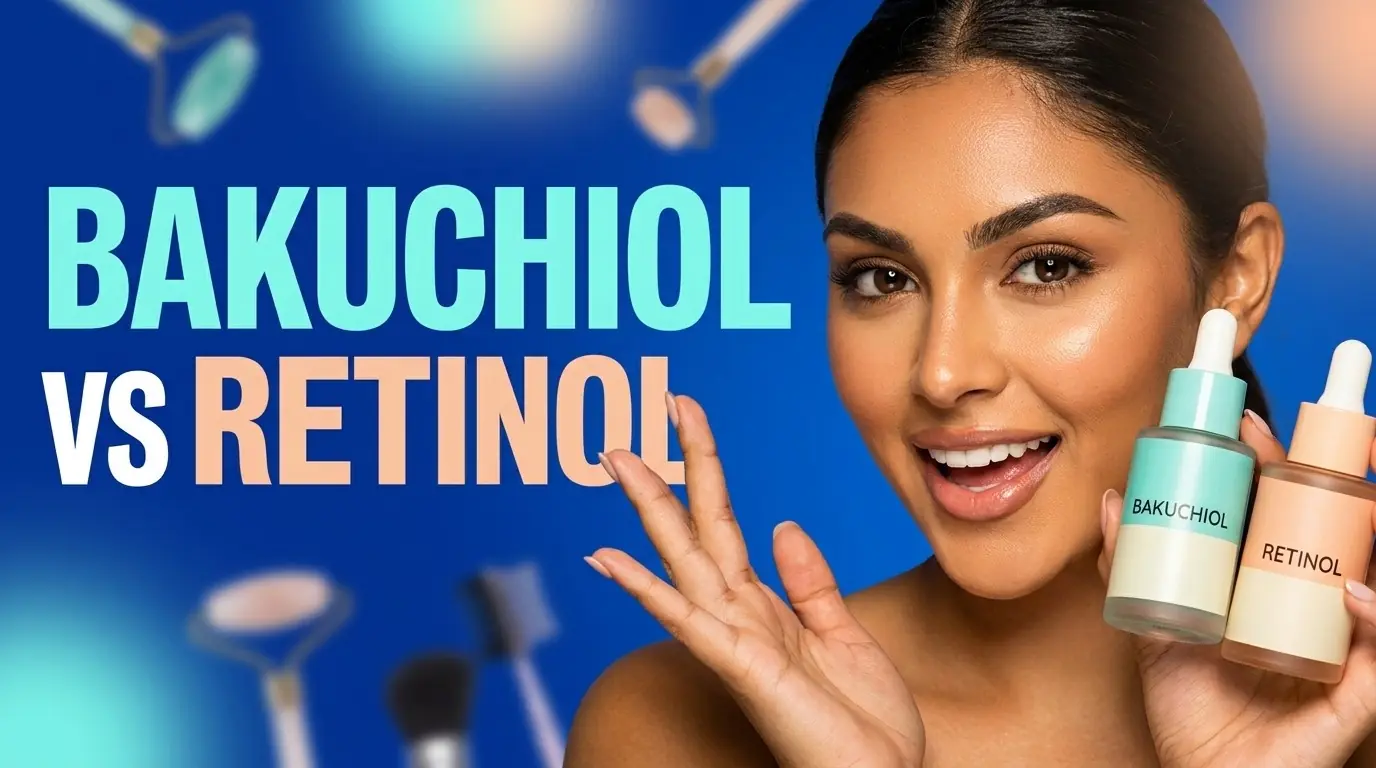
Bakuchiol vs Retinol: The Plant-Based Anti-Aging Showdown

Discover the science-backed differences between bakuchiol and retinol. Learn which plant-based anti-aging ingredient is right for your skin type and how to use each effectively.

How to Nourish Your Skin While You Sleep: The Benefits of Face Oils and Serums
How to grow breasts naturally
Polyglutamic Acid: The Hydrator That’s 4x More Effective Than Hyaluronic Acid
Bakuchiol vs Retinol: The Plant-Based Anti-Ageing Showdown: The debate around bakuchiol vs retinol has become one of the most talked-about conversations in modern skincare. As more people search for effective yet gentle anti-ageing solutions, two ingredients have emerged as the frontrunners: retinol, the gold-standard vitamin A derivative that has dominated dermatology for decades, and bakuchiol, the plant-based newcomer gaining serious scientific credibility. Whether you are navigating sensitive skin, pregnancy, or simply looking to upgrade your routine, understanding how these two ingredients compare is essential before making any decision about your skin. This guide breaks down everything you need to know, from the molecular science to real-world application, so you can confidently choose the right anti-ageing ingredient for your unique skin goals. We cover efficacy, tolerability, who should use each one, and how to get the best results from either path.

What is retinol and how does it work?

Retinol has been a cornerstone of anti-ageing skincare since the 1970s, when researchers began documenting its remarkable effects on skin texture and tone. It belongs to the retinoid family, which includes all derivatives of vitamin A. Retinol itself is a milder, over-the-counter form of retinoic acid, the prescription-strength version used in clinical settings. When you apply retinol to your skin, it does not work immediately. The molecule must first be converted by skin enzymes into retinaldehyde, then into retinoic acid, the active form that actually communicates with your skin cells. This multi-step conversion is why over-the-counter retinol is gentler than prescription retinoic acid, but it also means results take longer to appear.

Reviewed by the BeautynFacts editorial team. Last updated: May 2026.

How Retinol Changes Skin at a Cellular Level

Retinol works by binding to retinoic acid receptors inside skin cells, triggering a cascade of cellular responses. It accelerates cell turnover, meaning old, damaged cells are shed more rapidly and replaced by fresher ones. It also stimulates fibroblast activity, prompting cells that produce collagen and elastin to work harder. Additionally, retinol inhibits the enzymes responsible for breaking down existing collagen, giving your skin a double benefit: more collagen produced, less collagen destroyed. Studies published in peer-reviewed dermatology journals have shown that consistent retinol use over 12 weeks or more produces measurable reductions in fine lines, improved skin texture, reduced hyperpigmentation, and a more even skin tone. It also has well-documented benefits for acne-prone skin, as it prevents pores from becoming clogged by regulating cell turnover inside the follicle.

The Retinol Adjustment Period

One of the most important things to understand about retinol is the so-called “retinol uglies”, the temporary adjustment period that many users experience in the first few weeks of use. During this phase, skin may become red, flaky, dry, or more sensitive to the sun. This reaction is not an allergic response but rather the skin adapting to an accelerated turnover rate. Most dermatologists recommend starting with the lowest concentration available, typically 0.025% to 0.1%, and applying it just two to three nights per week before gradually increasing frequency. Pairing retinol with a good moisturiser and daily SPF is non-negotiable during this period.

What Is Bakuchiol, and Where Does It Come From?

Bakuchiol is a meroterpene phenol found primarily in the seeds and leaves of the Psoralea corylifolia plant, commonly known as babchi. This plant has been used for centuries in Ayurvedic and traditional Chinese medicine to treat a range of skin conditions, including vitiligo, eczema, and inflammation. However, it was not until the 2000s and 2010s that scientists began isolating bakuchiol and studying its specific effects on skin aging at the molecular level. Despite being completely different in chemical structure from retinol, bakuchiol has demonstrated a remarkable ability to produce similar biological outcomes. This is what makes it so scientifically interesting and why the bakuchiol vs retinol conversation has gained such traction in both dermatology circles and the wider skincare community.

The Science Behind Bakuchiol’s Retinol-Like Effects

In 2014, a landmark study published in the International Journal of Cosmetic Science found that bakuchiol activates retinol-like signalling pathways without binding to the same receptors as retinoids. It upregulates genes associated with collagen synthesis, including types I, III, and IV collagen, similar to the gene expression changes seen with retinol. It also reduces the activity of matrix metalloproteinases (MMPs), the enzymes that degrade collagen. A pivotal 2019 double-blind clinical trial published in the British Journal of Dermatology compared 0.5% bakuchiol applied twice daily with 0.5% retinol applied once daily. After 12 weeks, both groups showed comparable improvements in fine lines, wrinkles, pigmentation, elasticity, and firmness. Critically, the bakuchiol group reported significantly fewer side effects, including scaling, dryness, and stinging.

Bakuchiol’s Additional Skin Benefits

Beyond its retinol-like effects, bakuchiol brings additional biological activity to the table. It has demonstrated antioxidant properties, meaning it helps neutralise free radicals that contribute to photoaging. It also exhibits anti-inflammatory activity, which is one reason it is far better tolerated than retinol on sensitive and reactive skin types. Some research suggests bakuchiol may also have antibacterial properties, making it potentially useful for acne-prone skin without the dryness that can accompany retinol use. These multi-pronged benefits make bakuchiol more than just a retinol substitute. It brings its own unique contributions to a comprehensive skincare approach.

Bakuchiol vs Retinol: A Head-to-Head Comparison of Efficacy

When comparing these two ingredients on the basis of raw efficacy, retinol has the advantage of a larger and longer body of clinical evidence behind it. Decades of research spanning everything from photodamage reversal to acne treatment have established retinol as one of the most comprehensively studied topical skincare ingredients in existence. Regulatory bodies and dermatologists widely recognize it as an effective anti-ageing agent. Bakuchiol, while newer to the research scene, is catching up quickly. The 2019 British Journal of Dermatology trial remains the most cited head-to-head study, and its conclusion that bakuchiol performed comparably to retinol over a 12-week period has been influential in reshaping how dermatologists view plant-based alternatives.

Speed of Results

Retinol generally delivers faster results for users who can tolerate it without significant irritation, particularly at higher concentrations. Users often notice improvements in skin texture within four to six weeks and more significant changes to fine lines and pigmentation by the three-month mark. At higher prescription-strength concentrations, these timelines can be compressed further. Bakuchiol may take slightly longer to show results at the same concentration levels, though this varies significantly by individual. Some users report visible improvements in skin glow and tone within the first month. For fine lines and deeper wrinkles, a consistent three- to six-month routine is generally recommended before drawing conclusions.

Long-Term Anti-Aging Benefits

Both ingredients address the same fundamental mechanisms of skin aging: declining collagen production, increased collagen breakdown, slowing cell turnover, and oxidative damage from environmental stressors. The long-term clinical picture for retinol is well-established through multi-year studies. Long-term data on bakuchiol is still accumulating, though the molecular evidence supporting sustained benefits is strong. It is worth noting that because bakuchiol is tolerated twice daily versus retinol’s typical once-daily (or less frequent) use, the cumulative exposure and therefore potential cumulative benefit from bakuchiol may be higher in practice for many users, particularly those who struggle to maintain a consistent retinol routine due to irritation.

Side Effects and Tolerability: Where Bakuchiol Has a Clear Edge

This is the category where the distinction between bakuchiol vs retinol becomes most practically significant for everyday skincare. Retinol’s effectiveness comes with a well-known trade-off: it is irritating for a substantial percentage of users. The irritation is particularly pronounced in the first several weeks of use and can persist indefinitely at higher concentrations. Common retinol side effects include skin dryness, peeling, redness, stinging or burning sensations, and increased photosensitivity. For people with conditions like rosacea, eczema, or perioral dermatitis, retinol can be difficult or even impossible to use comfortably even at the lowest concentrations.

Bakuchiol’s Tolerability Profile

Bakuchiol’s tolerability advantage is not anecdotal. The 2019 clinical study specifically measured patient-reported side effects and found that participants using bakuchiol reported significantly fewer complaints of scaling and stinging compared to those using retinol. This is consistent with bakuchiol’s anti-inflammatory mechanism of action, which effectively counteracts the irritation that would normally accompany its skin-renewing activity. Users with rosacea, sensitive skin, dry skin, or reactive skin types who have historically been unable to use retinol are often able to tolerate bakuchiol well. This opens up the anti-ageing benefits of retinol-like activity to a much broader population.

Sun Sensitivity Considerations

Retinol increases photosensitivity, which is why most recommendations advise using it only at night. Daytime use without adequate sun protection significantly increases the risk of sunburn and UV-induced damage. Bakuchiol, in contrast, is photostable and can be used both morning and evening without increasing sun sensitivity. This flexibility is a practical advantage for people who prefer a streamlined routine or want to incorporate an active ingredient into their morning regimen.

Who Should Use Retinol?

Retinol remains an excellent choice for a specific group of skincare users. Understanding who is best positioned to benefit from retinol helps clarify why it continues to be a clinical gold standard despite the emergence of gentler alternatives. Retinol is best suited for people with normal to oily skin who do not have significant skin sensitivity or conditions like rosacea. It is particularly well-suited for those dealing with acne alongside aging concerns, as its dual mechanism addresses both issues effectively. People who have used retinol before and have developed tolerance over time can continue benefiting from progressively higher concentrations.

Ideal Candidates for Retinol

  • Adults in their 30s or older who want to address early- to moderate signs of aging
  • Those with oily or combination skin that can handle increased cell turnover without excessive dryness
  • Individuals managing both acne and fine lines simultaneously
  • People who have previously used retinoids and built up tolerance
  • Those committed to consistent nightly use and daily SPF protection

When to Avoid Retinol

Retinol should be avoided during pregnancy and breastfeeding, as vitamin A derivatives are associated with potential foetal harm in high doses. This applies to all retinoid forms, including over-the-counter retinol. People with eczema, psoriasis, or extremely compromised skin barriers may find retinol exacerbates their conditions. Anyone undergoing certain medical treatments, particularly those that increase photosensitivity, should consult with a healthcare provider before adding retinol to their routine.

Who Should Use Bakuchiol?

Bakuchiol’s combination of retinol-like efficacy with significantly improved tolerability makes it the right choice for a wide range of people, including some who have been historically excluded from retinoid-based skincare. Pregnant and breastfeeding individuals can use bakuchiol as a plant-derived alternative to retinol, though consulting a healthcare provider is always advisable when pregnant. People with sensitive, dry, or reactive skin types who have previously experienced irritation with retinol often find that bakuchiol delivers meaningful anti-ageing results without the discomfort. Bakuchiol is also an excellent option for those new to anti-ageing actives who want to start with something effective but forgiving.

Ideal Candidates for Bakuchiol

  • People with sensitive, reactive, or rosacea-prone skin
  • Pregnant or breastfeeding individuals seeking retinol alternatives
  • Beginners to anti-aging skincare who want to start gently
  • Those who want the option to use an active ingredient morning and evening
  • Anyone who has experienced significant irritation from past retinol use
  • People with dry skin who want anti-aging benefits without added dryness

Bakuchiol for Mature Skin

For those in their 50s, 60s, and beyond, whose skin barrier tends to be more compromised and whose skin may be drier and thinner than in earlier years, bakuchiol offers an appealing combination of effectiveness and gentleness. Mature skin is often less resilient in the face of retinol’s irritating effects, and bakuchiol allows continued active anti-ageing support without stressing a skin barrier that may already be struggling.

How to Use Retinol Correctly for Maximum Results

Getting the best results from retinol requires a methodical approach. Jumping in at a high concentration or frequency is one of the most common reasons people give up on retinol prematurely. A strategic, patient approach allows your skin to build tolerance and deliver consistent long-term benefits.

Starting Your Retinol Routine

Begin with the lowest available concentration, typically 0.025% to 0.1%. Apply a pea-sized amount to clean, completely dry skin two to three nights per week. Applying to damp skin increases absorption and the likelihood of irritation, so wait at least 10 to 15 minutes after washing your face before applying. Follow immediately with a nourishing moisturiser to support the skin barrier. After four to six weeks of tolerating this frequency well, increase to every other night. After another four to six weeks, progress to nightly use if your skin is handling it comfortably. From there, you can experiment with moving to a slightly higher concentration, always following the same gradual approach.

The Sandwich Method

The sandwich method is a popular technique for those with sensitive skin who want to use retinol. Apply a lightweight moisturiser first, wait a few minutes, apply your retinol, then top with another layer of moisturiser. This dilutes the direct contact of retinol with bare skin, reducing irritation while still allowing the active ingredient to penetrate and work.

Essential Pairing Ingredients

  • SPF 30 or higher every morning without exception
  • A ceramide-rich or hyaluronic acid moisturizer to support barrier function
  • Avoid pairing retinol on the same night as strong exfoliants (AHAs, BHAs) until you have established tolerance
  • Avoid mixing retinol with vitamin C in the same application, as the pH mismatch can reduce efficacy

How to Use Bakuchiol Correctly for Maximum Results

One of the most appreciated aspects of bakuchiol is its flexibility. Unlike retinol, it does not require a lengthy adjustment period, does not demand a specific nighttime-only schedule, and can be layered more freely with other ingredients. This makes building an effective bakuchiol routine considerably more straightforward.

Starting Your Bakuchiol Routine

Bakuchiol can typically be used twice daily, morning and evening, right from the start. Most studies have used concentrations between 0.5% and 1%, and clinical evidence suggests these concentrations are both effective and well-tolerated. Apply after cleansing and any water-based serums but before heavier moisturisers and oils, following the general principle of thinnest to thickest consistency. Because bakuchiol is oil-soluble, it is often formulated in face oils, balms, or richer serums. This makes it particularly well-suited for dry and mature skin types who benefit from additional lipid support. Even in these richer formulations, it pairs well with most other skincare actives.

Combining Bakuchiol With Other Actives

Bakuchiol’s anti-inflammatory nature means it can often be combined with actives that would normally conflict with retinol. Some skincare routines incorporate bakuchiol alongside vitamin C for a comprehensive antioxidant and anti-ageing effect. It also pairs well with niacinamide for enhanced brightening, with AHAs for combined exfoliation and collagen support, and with peptides for a multi-pathway approach to fine lines. The flexibility of bakuchiol as a team player in a broader skincare regimen is one of its most underappreciated advantages.

Can You Use Bakuchiol and Retinol Together?

A question that comes up frequently in the bakuchiol vs retinol conversation is whether the two ingredients can be used together or should be used separately. The answer is yes, with some important nuances. Some skincare formulators and dermatologists suggest that combining bakuchiol and retinol may enhance the effectiveness of each while allowing a lower retinol concentration to be used. Because bakuchiol has its own anti-inflammatory activity, it may help buffer some of the irritation caused by retinol when the two are used together. Some formulations have begun combining both ingredients for this synergistic reason.

How to Layer Them in a Routine

If you want to use both, a common approach is to use bakuchiol in the morning routine and retinol in the evening routine. This way you get the anti-ageing benefit of retinol’s more potent receptor activity at night while benefiting from bakuchiol’s antioxidant and collagen-supporting properties during the day. Alternatively, some people use a combination formula at night and rest their skin on alternate evenings. If you are sensitive to retinol, adding bakuchiol to your routine may allow you to use retinol at a lower concentration or less frequently while still maintaining meaningful anti-ageing progress through bakuchiol’s complementary action.

When Combining May Not Be Necessary

For those whose skin tolerates retinol well and who are seeing good results, adding bakuchiol may be redundant from a strictly practical standpoint. Similarly, those who are using bakuchiol because retinol does not agree with their skin will likely get sufficient benefit from bakuchiol alone without needing to reintroduce the ingredient that caused problems. The combination approach is most relevant for those in the middle ground: interested in maximising results, able to tolerate low-dose retinol, but wanting to extend those benefits or reduce irritation.

Bakuchiol vs Retinol for Specific Skin Concerns

Different skin concerns may favour one ingredient over the other. While both address the foundational processes of skin aging, their mechanisms and tolerability profiles make them better suited to different presentations of skin concerns.

Fine Lines and Wrinkles

Both bakuchiol and retinol are effective for fine lines and wrinkles. Retinol has a longer track record and may produce faster results at equivalent concentrations. Bakuchiol, used twice daily at 0.5%, produced comparable wrinkle reduction to once-daily 0.5% retinol in the key 2019 trial. For fine lines around the eyes, where skin is thinner and more reactive, bakuchiol is often the gentler and therefore more practical choice.

Hyperpigmentation and Uneven Skin Tone

Retinol has strong evidence for reducing hyperpigmentation through accelerated cell turnover, which helps shed pigmented cells faster and disrupts the transfer of melanin to skin cells. Bakuchiol also demonstrated measurable improvements in pigmentation in clinical studies. For melasma or stubborn post-inflammatory hyperpigmentation, retinol combined with other brightening ingredients may offer a stronger approach, though bakuchiol’s anti-inflammatory action can be beneficial for inflammation-driven pigmentation.

Acne and Breakouts

Retinol has a clear advantage for acne-prone skin, with decades of evidence supporting its use in normalising follicular keratinisation, a key driver of acne formation. Bakuchiol’s antibacterial and anti-inflammatory properties offer some benefit for acne, but the evidence base here is less robust. For those dealing with both acne and aging concerns, retinol remains the more targeted choice if their skin can tolerate it.

Skin Texture and Radiance

Both ingredients improve skin texture and overall radiance through their shared pathway of supporting collagen synthesis and cell renewal. Many bakuchiol users specifically report a glow and smoothness improvement that appears early in their routines. Retinol users frequently report similar texture improvements once they have moved past the initial adjustment period.

The Role of Concentration and Formulation Quality

Whether you choose bakuchiol, retinol, or both, the concentration of the active ingredient and the quality of the formulation around it matter enormously to your results. A poorly formulated product with the right active ingredient can underperform relative to a well-formulated product with a similar or even lower concentration. For retinol, stability is a key concern. Retinol is notoriously sensitive to light, air, and heat. It degrades when exposed to these elements, meaning a poorly packaged or stored product may deliver very little active retinol to your skin even if the label claims a meaningful concentration. Look for opaque, airtight packaging and short ingredient lists where retinol appears relatively high up.

Formulation Considerations for Bakuchiol

Bakuchiol is more stable than retinol, which gives it an advantage from a formulation standpoint. It does not degrade as rapidly with light exposure, which is part of why it can be used in daytime products without the same concerns. However, as with all active ingredients, the surrounding formulation, including the pH, carrier ingredients, and preservative system, affects how the ingredient performs on skin. Higher concentrations do not always mean better results. Skin can only absorb and utilise so much of an active ingredient at one time. Formulations with additional skin-supporting ingredients like ceramides, niacinamide, or peptides often produce better overall results than simple, high-concentration single-ingredient solutions because they address multiple skin needs simultaneously.

Sustainability and Ethical Considerations

As consumers increasingly factor environmental and ethical concerns into their purchasing decisions, the sourcing and sustainability of skincare ingredients have become relevant considerations. Bakuchiol, as a plant-derived ingredient, often appeals to those seeking more natural or ethically sourced options. The Psoralea corylifolia plant from which bakuchiol is derived grows primarily in South Asia and China. Responsible sourcing ensures that harvesting does not deplete wild populations and that farming practices are sustainable. As demand for bakuchiol has grown, the industry has responded with more attention to sourcing transparency. Retinol, as a synthetic derivative of vitamin A, does not carry the same sustainability concerns around plant harvesting. Its production is well-established and consistent. Neither ingredient is inherently more or less ethical, but for consumers who prioritise plant-derived ingredients as part of a broader philosophy, bakuchiol aligns naturally with that value system without compromising on efficacy.

Frequently Asked Questions

Is bakuchiol actually as effective as retinol for anti-ageing?

Clinical evidence, most notably a 2019 double-blind trial published in the British Journal of Dermatology, found that bakuchiol used twice daily at 0.5% produced comparable improvements in fine lines, wrinkles, pigmentation, elasticity, and firmness to retinol used once daily at 0.5% over 12 weeks. Bakuchiol is genuinely effective, though the overall body of research behind retinol is larger due to its longer history. For many skin types and aging concerns, bakuchiol delivers meaningful, comparable results with significantly fewer side effects.

Can I use bakuchiol if I am pregnant?

Bakuchiol is widely recommended as a safer alternative to retinol during pregnancy, as it is plant-derived and does not carry the same potential risks associated with vitamin A derivatives. Retinol and all retinoids are contraindicated during pregnancy due to concerns about foetal development at high doses. Most dermatologists consider bakuchiol to be a reasonable option for pregnant individuals seeking anti-ageing benefits, though it is always best practice to consult with your obstetrician or dermatologist before adding any new skincare active during pregnancy.

How long does it take to see results from bakuchiol?

Most users begin noticing improvements in skin glow, texture, and overall radiance within four to six weeks of consistent twice-daily bakuchiol use. More significant improvements in fine lines, pigmentation, and firmness typically become visible after eight to twelve weeks of regular use. Individual results vary based on skin type, concentration used, product formulation, and other factors in your skincare routine. Consistency is key: using bakuchiol irregularly will significantly delay visible results.

What is the main difference between bakuchiol and retinol?

The most important differences are chemical structure, tolerability, and usage guidelines. Retinol is a vitamin A derivative that works by binding to specific nuclear receptors in skin cells. Bakuchiol is a plant-derived meroterpene phenol that activates similar gene expression pathways through a different mechanism, without binding to the same retinoid receptors. The practical result is that bakuchiol produces retinol-like effects with significantly less irritation, does not increase sun sensitivity, and can be used morning and evening without the same risk of side effects. Retinol has a longer evidence base and may produce faster results at equivalent concentrations for skin that tolerates it.

Can I combine bakuchiol and retinol in the same routine?

Yes, combining them is generally considered safe and may offer synergistic benefits. Using bakuchiol in the morning and retinol in the evening is a common approach that maximises anti-ageing activity throughout the day. Some evidence suggests bakuchiol’s anti-inflammatory properties may help buffer retinol’s irritating effects when both are used, potentially allowing retinol to be used at a lower concentration or higher frequency than would otherwise be tolerable. If you are new to retinol, establishing tolerance first before adding bakuchiol to the mix makes the process easier to troubleshoot.

Does bakuchiol work for acne as well as retinol?

Retinol has a significantly stronger evidence base for acne treatment due to its well-documented ability to normalise the cell turnover inside follicles that drives acne formation. Bakuchiol does have antibacterial and anti-inflammatory properties that may contribute to clearer skin, and many acne-prone users report improvements with regular use. However, for those whose primary concern is active acne rather than aging, retinol (or prescription-strength retinoids) remains the more clinically supported option if the skin can tolerate it. For acne combined with sensitivity, bakuchiol may offer a gentler, supportive approach worth exploring.

Conclusion

The bakuchiol vs retinol conversation does not have a single winner because the right choice depends entirely on who is using it and why. Retinol remains one of the most rigorously studied and clinically validated anti-ageing ingredients available without a prescription. Its ability to accelerate cell turnover, stimulate collagen production, and address multiple skin concerns from aging to acne makes it a powerful and versatile tool for those whose skin can handle it. Bakuchiol, however, has moved far beyond being a mere trend or compromise option. It is a scientifically validated, plant-derived ingredient that activates similar biological pathways to retinol while delivering a dramatically improved tolerability profile. Its ability to be used twice daily, morning and evening, without increasing sun sensitivity or causing the peeling and irritation associated with retinol, makes it not just an alternative but in many situations a genuinely superior choice for a broad range of skin types and life stages. For those with sensitive, reactive, dry, or mature skin, pregnant or breastfeeding individuals, and anyone who has previously struggled with retinol, bakuchiol represents a significant advancement in accessible anti-ageing skincare. For those with resilient skin types who have successfully integrated retinol into their routines, there is no compelling reason to switch, though adding bakuchiol as a daytime complement could extend their anti-ageing investment throughout the full 24-hour cycle. The most empowering takeaway is this: you have options, and those options are backed by real science. Whether you choose retinol, bakuchiol, or a thoughtful combination of both, consistent and informed use of either ingredient can meaningfully support healthier, younger-looking skin over time. Understand your skin, know your goals, and let the evidence guide your decision rather than marketing alone.

RELATED ARTICLES:

Retinal vs Retinol in 2025: The Fastest Path to Results for Your Skincare Goals Quick and Tangy ‘Retinol Salad’ Will Boost Collagen and Reverse Skin Aging Retinol Decoded: The Essential Guide to the Anti-Aging Powerhouse Ingredient 7 tropical fruits, flowers and plants with benefits for the skin Unveiling the Secret to Radiance: Tamarind Extract in Skincare

This 60-second massage reduces eye wrinkles with anti-aging yoga

This 60-Second Massage Reduces Eye Wrinkles with Anti-Aging Yoga

The skin around your eyes ages faster than anywhere else on your face. It is thinner, more fragile, and exposed to thousands of repetitive muscle movements every single day. Blinking alone accounts for over 10,000 movements per day, and every squint, smile, and frown adds to the cumulative stress on that delicate tissue. Most women reach for expensive eye creams at the first sign of crow’s feet, and while topical products have their place, they address only the surface. The deeper cause of eye wrinkles lies in weakened facial muscles, sluggish circulation, and declining collagen production beneath the skin. That is where anti-aging yoga for eye wrinkles changes the game entirely. Rooted in the ancient practices of Ayurveda and modern understanding of facial anatomy, this discipline uses targeted massage and muscle-activation techniques to firm the skin from the inside out. This article gives you a science-backed, step-by-step guide to a 60-second daily massage routine that tones the muscles around your eyes, boosts circulation, stimulates collagen, and visibly softens lines over time. You will also learn why it works, how to enhance results, and how to build it into a sustainable anti-aging ritual.

Why the Eye Area Ages Faster Than the Rest of Your Face

The Unique Anatomy of Periorbital Skin

The skin surrounding the eye, known as the periorbital zone, is approximately 0.5 millimeters thick. For comparison, the skin on your cheeks is around 2 millimeters thick. This dramatic difference makes the eye area significantly more vulnerable to the environmental, mechanical, and biological forces that cause aging. Because the skin here has fewer sebaceous glands, it produces far less natural oil and dries out more easily. Dryness accelerates the formation of fine lines, particularly expression lines that deepen into crow’s feet and under-eye creases over time.

Beneath this thin skin sits the orbicularis oculi, a circular muscle that wraps entirely around the eye socket. This muscle controls blinking, squinting, and all the micro-expressions your eyes make during conversation. As this muscle weakens with age and loses tone, the overlying skin sags and folds. The fat pads that cushion the under-eye area also shift downward, creating hollows and puffiness. Understanding this anatomy is key to understanding why facial yoga and targeted massage are so effective: they directly address the muscular and circulatory root causes rather than merely masking surface symptoms.

How Collagen and Elastin Break Down Around the Eyes

Collagen and elastin are the structural proteins that give your skin its firmness and bounce. Collagen provides strength and structure, while elastin allows the skin to snap back after being stretched. From your mid-twenties onward, collagen production declines by approximately 1 percent per year. Elastin degrades even faster under UV exposure and oxidative stress. Around the eyes, this breakdown is accelerated by habitual facial expressions, inadequate hydration, and the relatively poor blood supply to this area.

When collagen fibers break down, the skin loses its scaffolding and begins to wrinkle. When elastin degrades, those wrinkles become permanent rather than temporary. Massage techniques that stimulate fibroblast activity, the cells responsible for producing collagen and elastin, can meaningfully slow this process. Research published in the Journal of Cosmetic Dermatology found that regular facial massage increases dermal thickness and collagen density over time, making it a legitimate anti-aging strategy rather than a wellness trend.

The Role of Lymphatic Stagnation in Puffiness and Aging

Many women notice that their eyes look more aged and tired in the morning, with noticeable puffiness and dark circles. This is largely a lymphatic issue. The lymphatic system is responsible for clearing cellular waste, excess fluid, and inflammatory compounds from your tissues. Unlike the cardiovascular system, the lymphatic system has no pump. It relies entirely on muscle movement and physical stimulation to circulate. When you sleep for hours without movement, lymphatic fluid accumulates in the loose tissue beneath the eyes.

Chronic lymphatic stagnation in the periorbital area contributes to under-eye bags, discoloration, and the appearance of more pronounced wrinkles. Gentle massage along the lymphatic drainage pathways of the face moves this stagnant fluid toward the lymph nodes in the neck, visibly reducing puffiness and improving skin clarity. This is one of the most immediate and measurable benefits of the 60-second eye massage technique covered in this article.

The Science Behind Facial Yoga and Anti-Aging Massage

Clinical Evidence Supporting Facial Exercise

Facial yoga is no longer purely anecdotal. A landmark study conducted by Northwestern University and published in JAMA Dermatology in 2018 followed a group of middle-aged women who performed daily facial exercises for 20 weeks. Dermatologists who evaluated before-and-after photographs estimated that participants looked approximately three years younger by the end of the study. Their upper and lower cheek fullness improved significantly, and skin firmness around the eyes and forehead was measurably enhanced.

The mechanism is straightforward. Just as resistance training builds and tones skeletal muscles throughout the body, targeted facial exercises strengthen and enlarge the facial muscles. As these muscles grow in volume, they push outward against the overlying skin, reducing the appearance of sagging and wrinkles. For the eye area specifically, strengthening the orbicularis oculi muscle lifts the outer corners of the eye, reduces hooding, and smooths crow’s feet by providing better structural support beneath the skin.

How Massage Stimulates Circulation and Oxygenation

Healthy, youthful skin requires a consistent supply of oxygen and nutrients delivered through the bloodstream. As we age, microcirculation, the flow of blood through the tiny capillaries in the skin, becomes less efficient. The result is a dull, sallow complexion and slower cellular renewal. Facial massage directly counteracts this by mechanically stimulating blood flow to the treated area.

When you use your fingertips to apply gentle, rhythmic pressure around the eyes, you are dilating the capillaries and increasing perfusion in the local tissue. This brings fresh oxygen, vitamins, and amino acids directly to the skin cells, while simultaneously flushing out metabolic waste products that contribute to dullness and inflammation. A study in the journal Skin Research and Technology demonstrated that facial massage increases local blood flow by up to 25 percent within minutes of application, an effect that persists for hours afterward.

The Ayurvedic Foundation of Anti-Aging Facial Yoga

Ayurveda, the 5,000-year-old Indian system of medicine, has long recognized the face as a map of overall health. Traditional Ayurvedic facial massage, known as Abhyanga for the face, uses warm oils, specific pressure points, and deliberate strokes to balance the three doshas: Vata, Pitta, and Kapha. From an Ayurvedic perspective, premature aging around the eyes is associated with excess Vata, characterized by dryness, depletion, and weakened prana or life force energy.

The solution, according to Ayurveda, involves nourishing the tissue with oil-based massage, activating marma points, the energetic pressure points of the body, and using gentle tapping to stimulate the nervous system. Many of the movements in modern facial yoga are directly adapted from these ancient practices. The circular strokes, the gentle tapping around the orbital bone, and the upward lifting movements all have roots in Ayurvedic tradition and are now being validated by contemporary cosmetic research.

Essential Preparation Before Your 60-Second Eye Massage

Choosing the Right Oil or Serum

The skin around the eyes absorbs active ingredients more readily than other areas, but it is also more easily irritated. Choosing the right lubricant for your massage is essential both for protecting the skin during the physical manipulation and for delivering nourishing compounds directly to the area. Several oils stand out for their periorbital benefits.

Rosehip seed oil is rich in trans-retinoic acid, a natural form of vitamin A that supports cell turnover, and in essential fatty acids that reinforce the skin barrier. Argan oil provides vitamin E, squalene, and antioxidants that fight oxidative damage from UV exposure and pollution. Sweet almond oil is exceptionally gentle and absorbs slowly, making it ideal for the delicate eye area. Jojoba oil mimics the skin’s natural sebum and is nearly identical in molecular structure to the oil your skin produces naturally, making it one of the most compatible choices for sensitive skin.

If you prefer to use your existing eye cream or serum, that works equally well. Using the massage to press your product deeper into the skin significantly improves absorption, a principle known in dermatology as mechanically assisted transdermal delivery. You will get more from your product simply by massaging it in correctly rather than patting it on and walking away.

Cleansing and Priming Your Skin

Always begin your massage on clean skin. Massaging over makeup, sunscreen, or accumulated daily debris pushes those particles deeper into the skin and can cause congestion and irritation. Use a gentle, fragrance-free cleanser to remove all traces of makeup and product before you begin. Pay particular attention to the corners of the eyes, where mascara and liner residue often accumulate.

After cleansing, lightly dampen the skin with a toner or facial mist. Slightly moist skin responds better to massage because it glides more smoothly under the fingertips, reducing the risk of unnecessary tugging. A simple rose water mist is ideal for this purpose. It is anti-inflammatory, mildly astringent, and has a soothing effect on the delicate periorbital tissue. Once your skin is prepped, apply a small amount of your chosen oil or eye cream, using the warmth of your ring fingers to gently melt the product before applying it.

Hand Hygiene and Correct Finger Technique

Your hands carry bacteria, environmental debris, and the oils from everything you have touched throughout the day. Always wash your hands thoroughly with soap and water before touching the skin around your eyes. This is a non-negotiable step, as bacterial contamination of the periorbital area can cause styes, conjunctivitis, and inflammatory reactions that worsen the appearance of the skin over time.

The ring finger is universally recommended for eye area massage for a specific anatomical reason. It is the weakest finger on your hand, meaning it naturally applies less pressure than the index or middle finger. The skin around the eyes is too fragile for heavy pressure. Any pulling, dragging, or aggressive rubbing will stretch the tissue and accelerate the very wrinkle formation you are trying to prevent. Keep your touch feather-light throughout the entire 60-second routine. Think of it as pressing a bruise rather than kneading dough.

The Complete 60-Second Anti-Aging Eye Massage Routine

The Opening Drainage Sweep (15 Seconds)

Begin at the inner corner of one eye, directly beside the bridge of the nose. Using both ring fingers simultaneously, apply very light pressure and sweep outward along the orbital bone beneath the eye. Follow the curve of the bone until you reach the outer corner of the eye, then continue the sweep up along the brow bone and back toward the inner corner. This creates a complete circle around the orbital socket.

Repeat this circular sweep three times in each direction, alternating between clockwise and counterclockwise. Move slowly and deliberately, taking about one full second per stroke. The goal of this opening movement is to stimulate lymphatic drainage pathways and warm up the local circulation before moving into the more targeted techniques. You should feel a gentle warmth building around the eye area as the blood flow increases. This entire phase takes approximately 15 seconds and prepares the tissue for the exercises to follow.

The Orbicularis Oculi Activation (25 Seconds)

This is the core exercise of the routine and directly targets the orbicularis oculi muscle. Place both index fingers horizontally on your eyebrows, applying just enough downward pressure to anchor the brow in place without pulling the skin. Now blink firmly and deliberately, feeling the resistance as the brow-anchoring fingers prevent the muscle from fully completing its upward contraction. This resistance is what creates the strengthening effect, identical in principle to adding weight resistance during a gym exercise.

Perform 10 deliberate, firm blinks with the brows anchored. Then release, and immediately place your index fingers and thumbs lightly on the crow’s feet at the outer corners of each eye. Gently pinch without pulling the skin and blink 10 more times, forcing the orbicularis oculi to work against the mild resistance of your fingers. The sensation should be mild effort, never pain. These two movement sequences together take approximately 20 to 25 seconds and constitute the most muscle-activating portion of the routine. Over weeks of consistent practice, this is the exercise most responsible for lifting the outer eye area and reducing the depth of crow’s feet.

The Upward Firming Stroke and Pressure Point Activation (20 Seconds)

Complete the routine with a series of upward firming strokes across the entire periorbital area. Starting at the outer corner of the eye, use both ring fingers to stroke the skin upward and slightly outward, following the natural lift direction of the muscle. Move inward across the under-eye area, always stroking upward toward the brow rather than downward. Repeat this pattern four times under each eye.

Then activate two key Ayurvedic marma points that correspond to the eye area. The first is located at the inner corner of each eye, in the small depression beside the nose bridge. Apply very gentle circular pressure here for three seconds using your index fingers. This point, known as Apanga in Ayurveda, is associated with improving vision, reducing eye strain, and stimulating the meridians connected to the kidneys and liver, organs that Ayurvedic medicine links directly to under-eye aging. The second marma point sits at the outer corner of each eye in the small hollow of the orbital bone. Apply the same gentle circular pressure for three seconds. End by placing both palms, warmed by rubbing them together, over your closed eyes and holding for five full seconds. This palming technique is a classic yoga practice that relaxes the eye muscles completely and allows the tissue to integrate all the stimulation from the preceding movements.

Enhancing Results: Complementary Anti-Aging Practices

Nutrition for Periorbital Skin Health

No topical routine, however effective, can outpace the damage caused by a poor diet. The skin around the eyes is particularly sensitive to nutritional deficiencies because it receives less blood supply than thicker areas of the face. Certain nutrients are directly linked to periorbital health and collagen synthesis.

Vitamin C is the most critical nutrient for collagen production. Your body cannot synthesize collagen without it. Aim to consume at least 500 milligrams of vitamin C daily through foods like bell peppers, kiwi fruit, citrus, and broccoli, or through a high-quality supplement. Vitamin C also neutralizes free radicals generated by UV exposure, protecting the collagen you already have. Zinc is equally important, as it activates the enzymes that construct collagen fibers. Pumpkin seeds, legumes, shellfish, and grass-fed beef are excellent sources. Omega-3 fatty acids, found in fatty fish, walnuts, and flaxseeds, reduce systemic inflammation that degrades collagen and keep cell membranes supple and permeable, which directly improves skin hydration and elasticity.

Conversely, refined sugar is one of the most destructive dietary forces for the skin. Through a process called glycation, sugar molecules attach to collagen and elastin fibers, creating abnormal cross-links that make the proteins stiff and brittle. Glycated collagen loses its resilience and breaks down much faster, accelerating the formation of permanent wrinkles. Reducing added sugar, even by 50 percent, has a measurable positive impact on skin quality within weeks.

Sleep Position and Pillow Choice

The way you sleep has a direct and often underestimated impact on eye wrinkles. Side sleeping and stomach sleeping both press the face against the pillow for hours each night. This repetitive compression creates sleep lines, which over time become permanent creases. The under-eye and outer eye areas are particularly vulnerable because they contain the thinnest skin on the face.

Training yourself to sleep on your back eliminates this source of mechanical damage entirely. For those who find back sleeping uncomfortable, a contoured memory foam pillow can help by cradling the head in a position that minimizes facial contact with the pillow surface. Silk pillowcases are a well-supported alternative for side sleepers. Silk’s smooth surface generates significantly less friction against the skin compared to cotton, which can drag and stretch the periorbital tissue during sleep. A study published in the Journal of Cosmetic and Laser Therapy confirmed that silk pillowcases measurably reduce the formation of sleep wrinkles compared to standard cotton cases over a 12-week period.

Stress Reduction and Its Effect on Eye Aging

Chronic psychological stress accelerates aging throughout the body, and the face is one of the first places this manifests. Elevated cortisol, the primary stress hormone, degrades collagen and elastin, impairs the skin barrier, increases inflammation, and disrupts the healthy cellular turnover that keeps skin fresh and resilient. Around the eyes, stress causes habitual tension in the orbicularis oculi and surrounding muscles, which deepens expression lines and creates a chronically strained appearance.

Yoga, breathwork, and meditation are not just complementary to facial yoga but deeply connected to it. Pranayama techniques, particularly alternate nostril breathing and extended exhalation breathing, activate the parasympathetic nervous system and lower cortisol levels within minutes. Practicing just five minutes of breathwork before your 60-second eye massage amplifies its effects by preparing the nervous system for relaxation and improving the quality of circulation throughout the face. Over time, consistent stress management practice has been shown to preserve telomere length, a biological marker of cellular aging, making it one of the most powerful anti-aging interventions available.

Building a Complete Anti-Aging Eye Care Ritual

Morning Routine Integration

The morning is an ideal time for the 60-second eye massage because overnight lymphatic accumulation is at its highest. Waking up to perform the drainage-focused opening sweeps immediately reduces morning puffiness and primes the eye area for the rest of your skincare routine. Begin with the palming technique to soothe the eyes after sleep, then proceed through the full 60-second sequence using a lightweight vitamin C eye serum to maximize brightening and antioxidant protection before UV exposure.

After completing the massage, apply a physical sunscreen with SPF 30 or higher to the entire face, including the eye area. UV radiation is the single largest accelerator of periorbital aging. It degrades collagen at a rate that no massage or cream can fully counteract if protection is absent. A mineral sunscreen containing zinc oxide is gentle enough for the eye area and provides broad-spectrum protection against both UVA aging rays and UVB burning rays. This combination of daily massage and consistent SPF use addresses aging from both the inside and the outside simultaneously.

Evening Routine Integration

The evening routine serves a different purpose. Your skin undergoes most of its regeneration and repair between 10 PM and 2 AM, when growth hormone secretion peaks and cellular renewal accelerates. Performing your eye massage in the evening with a richer, more nourishing oil, such as rosehip or argan, allows those restorative compounds to penetrate and work overnight alongside your skin’s natural repair cycle.

For women dealing with persistent crow’s feet or deepening under-eye creases, adding a retinol eye cream to the evening routine significantly accelerates visible results. Retinol is one of the most extensively researched anti-aging ingredients, with over 40 years of clinical evidence confirming its ability to increase cell turnover, stimulate collagen production, and reduce the depth of fine lines. Apply it after your massage, not before, so the massage does not accidentally push retinol too deeply into the skin and cause irritation. Begin with a low concentration (0.025 to 0.05 percent) and increase gradually as your skin adjusts.

Weekly Enhancements: Gua Sha and Jade Rolling

For accelerated results, incorporate a weekly gua sha or jade roller session targeting the eye area. These tools extend the benefits of manual finger massage by using smooth, cool stone surfaces that reduce inflammation more effectively and allow deeper, more consistent pressure along the orbital bone and brow area.

Rose quartz rollers are particularly beneficial for the eye area because the stone stays cool for longer periods, which constricts dilated capillaries, reduces puffiness, and temporarily tightens the appearance of the skin. Store your roller in the refrigerator overnight for maximum cooling effect. Use it for two minutes on each eye using outward strokes from the nose bridge toward the temple, following the lymphatic drainage direction. Gua sha, performed with a flat jade or bian stone tool, can be used along the orbital bone and cheekbone to lift and firm the surrounding tissue that supports the eye area. Both tools should be used with generous oil application to prevent any dragging or stress on the skin.

Common Mistakes That Undermine Your Results

Applying Too Much Pressure

The most common and most damaging mistake in eye massage is using too much pressure. Many women assume that more pressure means more results, drawing on the logic of deep tissue body massage. The periorbital skin does not follow that logic. It is too thin and too loosely attached to the underlying tissue to tolerate heavy manipulation. Aggressive pressing or rubbing stretches the skin fibers, damages capillaries, and over time makes wrinkles significantly worse.

The correct pressure for eye massage is so light that it barely indents the skin. If you can see the skin moving and stretching under your fingers, you are pressing too hard. Think of it as the pressure you would use to stroke a sleeping child’s forehead. The physiological effects you are trying to achieve, improved circulation, lymphatic drainage, and muscle activation, all occur with very light touch. The orbicularis oculi activation exercises are the only step where deliberate muscular force is appropriate, and even then the force comes from the muscle itself, not from external pressure.

Inconsistency and Unrealistic Expectations

Facial yoga and massage require the same consistency as any fitness routine. A single session will not transform your eye area. The benefits accumulate gradually over weeks and months of daily practice. Most women who practice the 60-second routine consistently for four to six weeks report noticeable softening of fine lines and reduced morning puffiness. Deeper crow’s feet and significant skin laxity take three to six months of daily practice to show meaningful improvement.

Setting realistic expectations protects your motivation to continue. This routine will not eliminate deep, static wrinkles that have been present for decades. It will meaningfully reduce the appearance of dynamic lines, improve skin texture and radiance, reduce puffiness, and slow the progression of new wrinkles. Those are significant, real outcomes. Documenting your progress with photos taken in consistent lighting at two-week intervals helps you see gradual changes that are easy to miss in the daily mirror.

Neglecting the Neck and Brow Area

The face does not function in isolation. The muscles of the forehead and brow directly influence the appearance of the upper eye area, and the platysma muscle of the neck affects how the lower face and jawline interact with the mid-face. Neglecting these areas while focusing exclusively on the eye contour limits your overall results.

Include a brief 30-second extension of your massage that addresses the brow and forehead. Place both palms flat on the forehead and apply firm upward strokes from the brow to the hairline, counteracting the gravitational and muscular pull that drags the brow downward and creates forehead wrinkles. Then press three fingers of each hand along the length of each eyebrow and apply gentle upward and outward traction for five seconds. This simple addition lifts the entire brow structure and opens up the eye area far more than any eye product can achieve alone.

Frequently Asked Questions

How long does it take to see visible results from the 60-second eye massage?

Most women begin to notice reduced morning puffiness and improved skin brightness within the first one to two weeks of daily practice. These are the most immediate effects, driven by improved lymphatic drainage and increased circulation. Fine lines and crow’s feet typically show measurable softening after four to six weeks of consistent daily practice. Deeper, more established wrinkles and noticeable skin laxity require three to six months of regular use before significant improvement becomes visible. The key variable is consistency. Missing occasional days does not significantly derail progress, but practicing three days per week instead of daily will extend the timeline considerably. Photograph your eye area in the same lighting every two weeks to track gradual improvements that are difficult to perceive in real time.

Can I do this massage if I have sensitive skin or rosacea around my eyes?

Yes, but with specific modifications. Sensitive skin and rosacea require even lighter pressure than the standard technique recommends. Avoid any oils that contain fragrance, essential oils, or potential allergens. Pure jojoba oil or a fragrance-free, hypoallergenic eye cream are the safest choices for sensitive and reactive skin. Skip the warm-up friction techniques that generate heat, as heat triggers flushing and inflammation in rosacea-prone skin. Instead, use a cool rose water mist as your prep step. The muscle activation exercises, including the brow-anchoring blinks and crow’s feet pinch technique, are generally safe even for sensitive skin because they involve muscular effort rather than topical stimulation. If you experience any prolonged redness, burning, or increased sensitivity after your first few sessions, reduce the frequency to every other day until your skin adjusts.

Should I use a specific eye cream with this massage for better results?

The massage significantly improves the absorption and effectiveness of any topical product you apply with it. For morning use, choose an eye cream or serum that contains vitamin C, peptides, or caffeine. Vitamin C brightens and protects, peptides signal collagen synthesis, and caffeine constricts blood vessels to reduce puffiness. For evening use, opt for products containing retinol, niacinamide, or hyaluronic acid. Retinol accelerates cell turnover and collagen production, niacinamide strengthens the skin barrier and reduces discoloration, and hyaluronic acid delivers deep hydration that plumps fine lines from within. The massage presses these ingredients past the surface stratum corneum and into the deeper epidermal and dermal layers where they produce the most meaningful results. Using any quality eye product without massage means the majority of the active ingredients remain on the skin surface where their impact is limited.

Is there any age at which this massage is most effective?

The 60-second eye massage produces benefits at any adult age, but the mechanism and primary benefits shift depending on where you are in the aging process. For women in their twenties and early thirties, the primary benefit is preventive: maintaining circulation, keeping muscles toned, and establishing healthy lymphatic drainage before significant damage accumulates. The muscles are still strong and elastic at this stage, so exercise keeps them that way with relatively little effort. For women in their late thirties through fifties, the massage has a corrective function, actively rebuilding muscle tone, stimulating collagen synthesis, and reversing some of the structural deterioration that has already occurred. Results in this age group tend to be more visually dramatic because there is more room for improvement. Women in their sixties and beyond still benefit substantially, particularly from the circulation and lymphatic drainage components. Skin renewal is slower at this stage, so patience and consistency are especially important, but the structural improvements to muscle tone remain achievable and visible.

Can I combine this facial yoga routine with injectables or professional treatments?

In most cases, yes, but timing and communication with your provider are important. If you have recently received botulinum toxin injections around the eyes, wait a minimum of two weeks before resuming facial massage in the treated area. Mechanical manipulation too soon after injections can theoretically migrate the product to unintended muscle groups, affecting your results. After the two-week settling period, gentle massage is actually complementary to injectables because it maintains tissue health and circulation in the surrounding areas. For professional treatments such as microneedling, laser resurfacing, or chemical peels, avoid facial massage on the treated area until the skin has fully healed, typically two to four weeks depending on the intensity of the treatment. Always disclose your facial yoga routine to your dermatologist or aesthetic provider so they can give you personalized guidance about how to safely combine approaches for optimal results.

Conclusion

The skin around your eyes tells a story. With the right daily ritual, you can influence how that story reads. The 60-second anti-aging yoga eye massage works because it addresses the real, underlying causes of periorbital aging, not just the surface appearance. It tones the orbicularis oculi muscle that supports the skin from below. It clears the lymphatic stagnation that creates puffiness and dullness. It stimulates blood flow that delivers oxygen and nutrients to aging tissue. It activates pressure points that have supported eye health in Ayurvedic medicine for thousands of years. And it enhances the performance of every topical product you already use.

The investment is 60 seconds per day. The tools required are your own fingertips and a drop of oil. The science is solid, the technique is gentle, and the results are cumulative and lasting for anyone who commits to the practice with consistency. Begin today, photograph your eye area as a baseline, and return to those photos in six weeks. The improvements you see will make this the ritual you never want to skip.

  • Perform the full 60-second sequence every morning before applying sunscreen and every evening before bed.
  • Always use feather-light pressure with your ring fingers to protect the delicate periorbital tissue.
  • Pair the massage with a vitamin C serum in the morning and a retinol or peptide eye cream at night.
  • Support your results with adequate vitamin C, zinc, and omega-3 intake, reduced sugar consumption, and consistent SPF protection.
  • Add a weekly jade roller or gua sha session to accelerate lymphatic drainage and firming benefits.
  • Stay consistent for a minimum of six weeks before evaluating your results, and remember that deeper changes take three to six months to fully manifest.

RELATED ARTICLES:

Unveiling the Secret to Radiance: Tamarind Extract in Skincare
Skincare-infused makeup: Why your 2026 foundation should double as a serum
Skin Tints That Work For a Natural Base
Dolphin Skin Makeup
2026 Skin Streaming Routine

How to do microneedling at home without damaging your skin?

How to do microneedling at home without damaging your skin?

There is a reason that microneedling has become one of the most talked-about skincare treatments of the past decade. Dermatologists have used it in clinical settings for years to treat everything from stubborn acne scars to deep-set wrinkles, and the results have been consistently impressive enough that millions of women around the world now want access to those same benefits without booking expensive clinic appointments. The question is not whether microneedling at home can work. Science confirms it absolutely can. The real question is how to do it correctly so that you are genuinely improving your skin rather than setting it back months with avoidable mistakes. This guide answers that question in full detail, covering the biology of what microneedling does beneath your skin, how to select the right device, the exact steps of a safe home session, which ingredients to apply afterward and which to avoid entirely, how often to treat each area of your face, and the warning signs that mean it is time to put down the derma roller and call a professional. Whether you are brand new to the concept or you have tried microneedling before and are not sure you have been doing it correctly, every section here is built to give you both the knowledge and the confidence to treat your skin safely.

What Is Microneedling and How Does It Actually Work?

Microneedling, also called collagen induction therapy, is a procedure in which a device studded with extremely fine needles is moved across the surface of the skin to create thousands of microscopic punctures. These punctures are controlled injuries, tiny enough that they cause minimal visible trauma but significant enough to activate the skin’s built-in repair cascade. The concept sounds counterintuitive at first. You are deliberately wounding your skin to make it healthier. But once you understand the cellular biology involved, the logic becomes completely clear.

When the skin sustains any kind of injury, the body responds with a precise sequence of repair events. Platelets rush to the site and release growth factors. These growth factors signal fibroblasts, the cells responsible for producing structural proteins, to increase their output of collagen and elastin. Over the following weeks, new collagen fibers are laid down in an organized matrix. Old, damaged, or disorganized tissue is gradually replaced by fresher, firmer, more evenly textured skin. Microneedling harnesses this process and directs it exactly where you want improvement.

The Science of Collagen Induction Therapy

Collagen is the most abundant protein in your skin and the primary structural component that keeps it looking firm, plump, and smooth. From your mid-twenties onward, the body produces roughly one percent less collagen per year. By the time most women reach their thirties and forties, that cumulative loss is visible in the form of fine lines, looser skin texture, enlarged pores, and dullness. Sun exposure accelerates this breakdown further, as UV radiation fragments collagen fibers and triggers enzymes called matrix metalloproteinases that degrade the existing collagen network.

Microneedling interrupts this decline by forcing the skin to rebuild. Studies published in journals including the Journal of Cutaneous and Aesthetic Surgery have shown that a series of microneedling treatments can increase collagen and elastin expression by up to 400 percent in treated areas. That figure refers to professional-depth treatments, but even shallower home-use needle depths produce measurable increases in growth factor activity and collagen synthesis. The mechanism is the same regardless of depth. Only the magnitude of the response changes.

What Happens to Your Skin at a Cellular Level

The immediate response to microneedling is visible redness, a sign that your blood vessels have dilated to bring immune cells and nutrients to the area. Over the next 24 to 72 hours, the inflammatory phase runs its course. Neutrophils and macrophages clear away cellular debris. Then the proliferative phase begins, during which fibroblasts lay down new collagen in a process that continues for weeks. The final remodeling phase can last several months, which is why the full results of a microneedling session are not visible immediately but gradually improve over a period of three to six months.

Beyond collagen production, the microchannels created by the needles temporarily increase the skin’s permeability. This is called the transdermal drug delivery effect. Skin that has just been microneedled absorbs topical serums at a dramatically higher rate than untreated skin. Research has demonstrated absorption increases of up to 10,000 percent for certain molecules when applied immediately after microneedling. This is why the ingredients you apply in the minutes after your session matter enormously, and it is also why applying the wrong ingredients at that moment can be harmful.

Is Home Microneedling Safe? Understanding the Real Risks

Home microneedling is safe when it is performed with an appropriate device, at an appropriate needle depth, with properly sanitized equipment, on skin that has been correctly prepared. That combination of conditions is achievable for most healthy adults. Where home microneedling becomes unsafe is when any one of those conditions is violated. Using a damaged or dirty device, choosing a needle length designed for clinical use rather than home use, treating skin that has active breakouts or open wounds, or applying harsh actives immediately after needling are all mistakes that can cause genuine harm including infection, post-inflammatory hyperpigmentation, and textural damage.

It is also important to understand that home microneedling devices are categorically different from the tools used in professional settings. Clinical microneedling pens use needles that penetrate 1.5 to 3 millimeters into the dermis and are operated by trained practitioners. Home devices are designed to work at depths of 0.1 to 0.5 millimeters, which keeps the needles in the epidermis and the very superficial dermis. This shallower depth is intentional. It significantly reduces the risk of scarring, bleeding, and infection while still delivering meaningful cosmetic benefits.

Certain conditions make home microneedling unsuitable regardless of how carefully it is performed. Active acne, rosacea, eczema, psoriasis, dermatitis, and open wounds are all absolute contraindications. Anyone on isotretinoin (commonly known as Accutane) should not microneedle because the medication impairs the skin’s ability to heal. People with blood clotting disorders, those taking blood-thinning medications, and anyone who is pregnant should also avoid the procedure. If you have a history of keloidal scarring, meaning you tend to form thick, raised scars from injuries, microneedling at home is not appropriate for you. When in doubt, a consultation with a board-certified dermatologist before beginning any microneedling routine is always the responsible choice.

Choosing the Right Microneedling Device for Safe Home Use

The market for home microneedling devices has expanded dramatically in recent years, and not all products are created equal. Choosing the wrong device is one of the most common ways people inadvertently damage their skin. Understanding the key differences between device types and needle specifications will help you make a genuinely informed decision rather than simply buying whatever is trending online.

Derma Rollers Versus Derma Pens: Key Differences

The two primary categories of home microneedling devices are derma rollers and derma pens (sometimes called microneedling pens or stamp devices). A derma roller consists of a handle attached to a rolling cylinder studded with needles arranged in a grid pattern. As you roll it across your skin, the needles enter and exit at an angle. A derma pen or stamp device drives needles straight into the skin vertically, either through a motorized mechanism or a manual stamping motion.

Each design has practical advantages and disadvantages. Derma rollers are generally less expensive and simpler to use, but the angled entry and exit of the needles means they create a slight tearing motion rather than a clean puncture. At home-appropriate depths this is a minor concern, but it does mean rollers are slightly more likely to cause micro-tears if used with too much pressure or if the roller is moved too quickly. Derma pens and stamps create cleaner, more vertically oriented channels, which some practitioners argue promotes more efficient healing. They also tend to be more precise around curved or contoured areas of the face such as the nose and around the eyes. For most beginners, a high-quality derma roller at the correct needle length is perfectly adequate and easier to find in a reliably sterile configuration.

Understanding Needle Length and What It Means for Your Skin

Needle length is the single most important specification on any microneedling device, and selecting the wrong length for home use is a mistake with real consequences. Needles for home use should be between 0.2 and 0.5 millimeters. This depth range targets the epidermis and the papillary dermis without reaching deeper vascular structures, which is the boundary that makes the difference between safe home use and a procedure that genuinely requires professional supervision.

A needle length of 0.2 to 0.25 millimeters is ideal for beginners and for people with sensitive skin. At this depth, the primary benefit is enhanced serum absorption rather than significant collagen stimulation. It is a gentle introduction that allows you to observe how your skin responds before progressing. A depth of 0.3 to 0.5 millimeters will produce a more noticeable collagen-stimulating effect and is appropriate for people who have used microneedling before and know their skin tolerates it well. Anything above 0.5 millimeters is not appropriate for home use, regardless of what a product’s marketing claims. Needles longer than 0.5 millimeters can reach blood vessels, sebaceous glands, and nerve endings at a depth where infection risk is meaningfully higher and where improper technique can cause lasting textural damage.

The needle gauge, meaning the thickness of each individual needle, is also relevant. Finer needles (higher gauge numbers, such as 36G) cause less trauma and are associated with less redness and faster recovery. Thicker needles create more mechanical stimulation but also more visible irritation. For home use, fine-gauge needles in the 36G range are preferable.

When evaluating a specific product, look for devices that use surgical-grade stainless steel or titanium needles, specify the exact needle length and gauge clearly on the packaging, come individually sealed in sterile packaging, and are manufactured by a company that provides transparent information about the materials and sterilization process. Devices that arrive with no needle length specification, needles that appear dull or bent on inspection, or products with no clear manufacturing provenance should be discarded immediately.

How to Prepare Your Skin for a Safe Home Microneedling Session

Preparation is not a formality. It is an integral part of the procedure itself, and skipping or rushing through it directly increases the likelihood of side effects. A proper preparation routine starts several days before the session, not just in the minutes beforehand.

In the week leading up to your microneedling session, discontinue the use of any exfoliating acids including glycolic acid, salicylic acid, lactic acid, and mandelic acid. These ingredients thin and sensitize the stratum corneum, and microneedling already disrupts the skin barrier significantly. Combining the two on the same day or in close succession overloads the skin’s repair capacity. Similarly, stop using retinol and retinoids at least five to seven days before your session. Retinoids accelerate cell turnover and thin the skin, which increases sensitivity and the risk of irritation during needling. If you use vitamin C serum in your daily routine, you can continue using it on non-needling days but should not apply it on the day of the session or immediately afterward, because its acidic pH can cause stinging and potential irritation on freshly punctured skin.

Avoid prolonged sun exposure for at least 48 hours before your session. Sunburned or significantly UV-stressed skin should never be needled. If you have had any recent professional skin treatments including chemical peels, laser resurfacing, or professional microneedling, wait a minimum of four to six weeks before doing a home session to allow full recovery.

On the day of your session, wash your face thoroughly with a gentle, non-foaming cleanser that does not contain fragrance, alcohol, or active exfoliating ingredients. Pat your skin dry with a clean towel and allow it to air dry completely for several minutes. Residual moisture on the skin’s surface can transport contaminating microorganisms into the microchannels created during needling. If you wear makeup, ensure it is completely removed, including around the hairline and jawline.

Your device also requires preparation. If you are using a derma roller, soak the roller head in 70 percent isopropyl alcohol for five to ten minutes before the session. Remove it from the alcohol and allow it to air dry in a clean environment. Do not touch the needle surface with your fingers at any point. This sterilization step is non-negotiable. A contaminated device can introduce bacteria directly into the dermis, which is a far more efficient pathway to infection than surface-level bacterial exposure.

Step-by-Step Guide to Microneedling at Home

Following the correct technique during your session is as important as everything you do before and after it. Many of the textural problems people attribute to microneedling are actually the result of applying too much pressure, overlapping passes too many times, or moving the device too aggressively across the skin.

Begin by dividing your face into sections: forehead, left cheek, right cheek, nose, chin, and the area around the mouth. Work through one section completely before moving to the next. This organized approach prevents you from accidentally needling the same area too many times while missing others entirely.

Hold the roller or pen with a light grip and apply very gentle, even pressure. The device should glide across your skin with minimal resistance. You are not trying to press the needles as deeply as possible. You are allowing them to enter the skin at their designated depth with the weight of the device alone providing the necessary penetration.

For each section, make two to three passes in a horizontal direction, then two to three passes in a vertical direction, and optionally two to three passes diagonally. This multi-directional technique creates an even distribution of microchannels across the treatment area. After completing the directional passes in one section, move to the next. Do not go back and repeat a section unless significant time has passed, because overlapping immediately compounds the trauma to an already-stimulated area.

The entire face should take no more than ten to fifteen minutes. If you are spending longer than that, you are either moving too slowly and repeating areas unnecessarily or covering too large an area in a single session. For your first few sessions, consider treating only one or two sections of the face to gauge your skin’s response before committing to a full-face treatment.

Areas around the eyes and lips require particular caution. The skin of the eyelid is extremely thin, approximately 0.5 millimeters, which is already near the maximum appropriate needle depth for home use. Many practitioners recommend avoiding the immediate eyelid area entirely with a derma roller and using only a very fine-needle stamp device if treating the orbital area at all. For the lip border area, reduce pressure significantly and avoid treating the lips themselves, as the mucous membrane of the lips does not respond to microneedling the same way facial skin does.

After completing the session, rinse your face gently with cool water to remove any surface debris, then pat dry. Your skin will look pink to red and may feel warm, which is a normal inflammatory response. Apply your chosen post-needling serum immediately.

What to Apply to Your Skin After Microneedling

The post-needling window is the period of greatest opportunity and greatest risk in your entire microneedling routine. The microchannels in your skin are temporarily open, meaning absorption of topical products is dramatically enhanced. This is the moment to deliver exactly the right ingredients for healing and collagen support. It is equally the moment when the wrong ingredients can cause an outsized negative reaction because they reach deeper skin layers than they normally would.

Best Ingredients to Apply Post-Microneedling

Hyaluronic acid is the gold-standard post-microneedling ingredient and the one most universally recommended by dermatologists. It is a naturally occurring molecule in the skin that binds water and supports the healing environment. Pure hyaluronic acid serums with no added fragrance, alcohol, or active ingredients are ideal. Apply generously and allow it to absorb fully before adding anything else. Look for formulas that contain a range of hyaluronic acid molecular weights. High molecular weight hyaluronic acid sits on the surface and reduces transepidermal water loss. Low molecular weight versions penetrate into the epidermis and deliver hydration at a deeper level, which is particularly valuable when the skin barrier has just been disrupted.

Growth factor serums are another excellent post-microneedling option. These products contain peptides and cytokines that mimic the body’s natural wound-healing signals, supporting the fibroblast activity that microneedling triggers. They are generally well tolerated by reactive skin types and do not carry the irritation risk of acidic or retinoid-based products.

Centella asiatica extract, also known as cica or tiger grass, is a plant-derived ingredient with well-documented skin-calming and wound-healing properties. Products containing centella asiatica, asiaticoside, madecassoside, or asiatic acid are excellent choices for the post-needling recovery period because they reduce inflammation while supporting the structural repair process.

Peptide serums containing ingredients such as palmitoyl tripeptide-1, palmitoyl tetrapeptide-7, or copper peptides can also be applied after microneedling. Copper peptides in particular have a long history of use in wound healing research and are among the most evidence-backed ingredients for supporting collagen synthesis in the skin.

Ingredients You Must Avoid After Microneedling

Several skincare ingredients that are perfectly safe and even beneficial in your everyday routine become problematic immediately after microneedling. Vitamin C in the form of L-ascorbic acid has an acidic pH that causes stinging and potential irritation when applied to freshly needled skin. While vitamin C is an excellent ingredient for collagen support and antioxidant protection in a regular routine, save it for use on days when you have not microneedled.

Retinol and retinoids should not be applied for at least 24 to 48 hours after a session. Post-needling skin is rebuilding its barrier and managing an active inflammatory response. Adding a retinoid at this point increases irritation without adding any proportionate benefit, because the skin’s repair mechanisms are already working at maximum capacity.

Alpha hydroxy acids and beta hydroxy acids including glycolic, lactic, mandelic, and salicylic acid should be avoided for 48 to 72 hours after microneedling. These exfoliating acids disrupt the stratum corneum at a moment when the barrier is already compromised. Applying them post-needling increases the risk of barrier damage, prolonged redness, and in darker skin tones, post-inflammatory hyperpigmentation.

Niacinamide is a more nuanced case. While niacinamide is generally an excellent, well-tolerated ingredient, some individuals experience a flushing reaction when it is applied to freshly needled skin due to temporary blood vessel dilation in the treatment area. If you want to include niacinamide in your post-needling routine, introduce it cautiously and observe your skin’s response carefully.

Fragranced products and essential oils should be completely avoided immediately after microneedling. Fragrance molecules are among the most common causes of skin sensitization and allergic reactions in skincare, and the dramatically increased absorption that occurs post-needling means these irritants penetrate far more deeply than they would under normal circumstances.

How Often Should You Microneedle at Home?

One of the most consistent mistakes people make with home microneedling is treating too frequently. The temptation is understandable. When something produces visible improvements, the instinct is to do more of it more often. But with microneedling, frequency is not correlated with better results. Recovery and the collagen remodeling process require time, and treating before your skin has fully healed from the previous session interrupts that process rather than building on it.

For needle lengths of 0.2 to 0.25 millimeters, which are appropriate for very sensitive or reactive skin types and for beginners, treatment once every one to two weeks is appropriate. The shallower the needle depth, the less recovery time the skin requires between sessions.

For needle lengths of 0.3 to 0.5 millimeters, the standard recommendation from dermatologists is once every three to four weeks. At this depth, the inflammatory response is more significant and the collagen remodeling cascade that follows needs a full lunar cycle to progress meaningfully before the next stimulation event. Treating more frequently than this at these depths creates a state of chronic low-grade inflammation in the skin that actually impairs collagen synthesis rather than promoting it.

The duration of a complete treatment course also matters. A realistic home microneedling routine for visible improvements in fine lines, skin texture, or mild acne scarring involves a consistent series of sessions over three to six months. Many people expect results after one or two sessions and discontinue the practice too early. The collagen remodeling response is cumulative and progressive. The improvements you see at month three are built on the foundational work done in months one and two, and so on.

Taking breaks between treatment courses is also advisable. After completing a three to six month series of regular sessions, allow your skin a break of six to eight weeks before beginning another course. This gives the skin time to complete the full remodeling cycle initiated during the treatment period and allows you to accurately assess the final results before deciding whether to continue.

Common Mistakes That Damage Skin During Home Microneedling

Understanding what not to do is as valuable as knowing the correct technique. The mistakes listed here appear repeatedly in dermatology consultations from patients who have attempted home microneedling without adequate preparation, and each one is entirely avoidable.

Using a dull or reused needle cartridge or roller is one of the most damaging errors possible. Microneedling needles are designed for a limited number of uses. Titanium needles, which are more durable than stainless steel, can withstand three to five uses when properly cleaned and stored. Stainless steel needles should ideally be used only once. Dull needles do not create clean punctures. Instead, they drag and tear the skin tissue, creating irregular wounds that heal less cleanly and increase the risk of scarring and pigmentation changes. If the needles on your roller appear bent or if the rolling action feels rough or scratchy rather than smooth, replace the device.

Applying too much pressure is a near-universal beginner mistake. More pressure does not mean deeper or more effective treatment. The needle length of the device determines the maximum penetration depth regardless of how firmly you press. Pressing too hard causes unnecessary bruising, prolonged redness, and in some cases forces the needles to flex and create irregular channel shapes that do not heal as predictably.

Treating skin that is not completely clean or treating while wearing any product other than a plain, simple serum is another common error. Even residual sunscreen, toner, or moisturizer on the skin surface can be driven into the microchannels during needling. Most commercial skincare products contain preservatives, emulsifiers, and other excipients that are safe when sitting on the surface of the skin but not designed to be introduced into the dermis.

Needling over active breakouts spreads bacteria from one pore to surrounding skin, converting a localized breakout into a broader infection. If you have active, inflamed pimples in a specific zone of your face, skip that zone entirely during the session. You can treat the surrounding areas safely but should leave any actively broken-out skin completely untreated until it has fully healed.

Sun exposure immediately after a microneedling session causes significant photodamage because the skin’s natural UV barrier, the intact stratum corneum, is temporarily compromised. If you must go outside within 24 hours of a session, apply a mineral-based SPF 30 or higher and limit exposure as much as possible. Avoid direct sunlight for at least 24 hours if you can. Planning your sessions for evenings, so the overnight hours serve as the initial recovery period, is a practical scheduling strategy.

How to Care for Your Skin in the Days After Microneedling

The recovery period following a home microneedling session is the window during which most of the cellular repair work occurs, and how you treat your skin during this time directly affects your results. The first 24 hours are the most critical, and the first 72 hours require continued mindfulness.

In the first 24 hours, keep your skincare routine as minimal as possible. A gentle cleanser, your post-needling serum, and a plain, fragrance-free moisturizer are all you need. Resist the urge to apply your full normal skincare stack. Every product you apply at this stage is absorbed more deeply than usual, and introducing too many variables makes it difficult to identify what is causing any reaction if your skin does respond negatively.

Redness is expected and typically peaks in the first 12 to 24 hours before gradually subsiding. Mild dryness or slight flaking may appear on days two and three as the skin surface renews itself. Keep the skin well hydrated with a gentle, occlusive moisturizer to support this process. Ingredients like ceramides, squalane, and shea butter are excellent at restoring barrier integrity during recovery without introducing active ingredients that could irritate healing skin.

Avoid sweating heavily in the first 24 hours. Exercise that causes significant perspiration, saunas, steam rooms, and hot showers all create environments that can introduce bacteria to microchannels and prolong the inflammatory phase of recovery. Stick to cool or lukewarm water when washing your face for the first two days.

Do not pick, scratch, or rub your skin during recovery. The microchannels are healing, and any mechanical disruption can disrupt that process. If dryness or mild peeling occurs, resist the temptation to exfoliate. The skin is shedding naturally as part of its renewal process, and manually removing that flaking skin prematurely interferes with healing.

Sleeping on a clean pillowcase during recovery is a simple but meaningful precaution. Pillowcases accumulate oil, dead skin cells, and bacteria over days of use. For the first two or three nights after microneedling, change to a fresh pillowcase or use a clean towel as a barrier between your face and the bedding.

When Home Microneedling Is Not Enough: Knowing When to See a Professional

Home microneedling is genuinely effective for a meaningful range of concerns, but it has limitations, and recognizing those limitations is a mark of both good skincare knowledge and sound personal judgment. There are situations where professional treatment will deliver results that no home device can match, and others where home microneedling is simply inappropriate and potentially harmful.

Deep acne scars, particularly icepick scars (narrow, deep pits in the skin) and boxcar scars (wide, defined depressions), do not respond adequately to superficial home microneedling. Treating these effectively requires needle depths of 1.5 to 2.5 millimeters with precise pressure control, which is only achievable in a clinical setting with a professional-grade device. Attempting to treat severe scarring at home by using unnecessarily long needles is dangerous and will not produce the organized collagen remodeling needed to improve deep scar tissue.

Significant skin laxity, including jowling or prominent neck laxity, is also beyond the scope of home microneedling. Professional radiofrequency microneedling, which combines needle-based collagen stimulation with thermal energy delivered to specific dermal depths, is far more effective for these concerns and cannot be replicated at home.

Any signs of infection after a home session, including increasing rather than decreasing redness after 48 hours, warmth, swelling, yellow or green discharge, or fever, require immediate medical attention. Do not attempt to continue microneedling or treat the area with additional skincare products if you suspect an infection. Similarly, the development of new or worsening hyperpigmentation, particularly in women with medium to dark skin tones who are more prone to post-inflammatory hyperpigmentation, is a signal to pause home treatments and consult a dermatologist who can assess whether you are a candidate for in-office treatment with additional protective measures in place.

Microneedling for Specific Skin Concerns: A Tailored Approach

While the core technique of microneedling remains consistent, the approach can be thoughtfully adjusted depending on the specific concern you are addressing. Understanding these nuances allows you to get more targeted results from your home practice.

For fine lines and early wrinkles around the forehead, eyes, and mouth, the primary goal is stimulating new collagen in the papillary dermis. A needle length of 0.3 to 0.5 millimeters used consistently over a three to four month period, followed by the application of a peptide-rich serum, is well suited to this goal. The periorbital area (around the eyes) should be treated with particular caution given the thinness of that skin. Reduce pressure significantly in this zone and consider a 0.25 millimeter depth maximum.

For skin texture improvement, enlarged pores, and mild uneven tone, a shallower depth of 0.2 to 0.3 millimeters used more frequently (every one to two weeks) can produce gradual but meaningful improvements. The primary mechanism here is enhanced turnover of the epidermal layer and increased absorption of brightening serums. Combining microneedling with a tranexamic acid or niacinamide serum (applied during recovery, not immediately post-needling) can help address uneven tone over time.

For superficial acne scarring, particularly rolling scars and very mild boxcar scars, a consistent course of home microneedling at 0.5 millimeters can produce noticeable improvements over six months. Managing expectations is important here. Home microneedling will not eliminate significant scarring, but it can meaningfully improve the overall texture of the skin and reduce the contrast between scarred and unscarred areas. For anyone actively breaking out, the skin needs to be clear or near-clear before beginning this protocol.

Stretch marks on areas like the thighs, abdomen, and hips can also be addressed with home microneedling, though progress is slower and requires longer needle lengths than most home devices offer. For this application, a 0.5 millimeter device is at the upper limit of home-appropriate depth, and results will be gradual. Professional microneedling at 1.5 to 2 millimeters is significantly more effective for established stretch marks.

Frequently Asked Questions About Home Microneedling

Does microneedling at home actually work, or do you need professional treatments to see results?

Home microneedling at appropriate needle depths does produce real, measurable improvements in skin texture, tone, and the appearance of fine lines when performed consistently over a period of three to six months. Clinical studies on superficial microneedling have shown increases in collagen and elastin expression even at depths of 0.3 to 0.5 millimeters. The results are not as dramatic or as rapid as professional treatments at deeper depths, but they are genuine. The key variables are consistency of treatment, correct technique, and appropriate post-needling skincare. A person who does a careful home session every three to four weeks for six months will see meaningful improvements. Someone who does two sessions and gives up, or who uses an incorrect depth or poor technique, will not.

How long does it take to see results from home microneedling?

Most people begin noticing subtle improvements in skin texture and glow after three to four sessions, which at the recommended frequency of once per three to four weeks means results start becoming visible at around six to eight weeks. More significant changes in fine lines, pore appearance, and early scar improvement typically become noticeable at the three to four month mark. The collagen remodeling process is not instantaneous. New collagen fibers need time to organize into a functional matrix, which is why patience is genuinely necessary with this treatment. Photographing your skin in consistent lighting before you start and then again every four weeks helps you track progress that can be easy to overlook when you see your face every day.

Can microneedling at home cause scarring?

Home microneedling at appropriate needle depths does not cause scarring in people with normal wound-healing physiology when performed correctly. The microchannels created by 0.2 to 0.5 millimeter needles are too shallow to trigger the cascade that results in scar tissue formation in typical skin. Scarring risk becomes a concern when needles are used at depths above 0.5 millimeters without professional guidance, when the device is used on skin that is actively broken out or infected, when excessive pressure is applied, or in individuals who have a personal or family history of keloid or hypertrophic scarring. If you fall into the last category, home microneedling is not appropriate for you.

Is microneedling safe for darker skin tones?

This is an important and nuanced question. People with medium to dark skin tones, Fitzpatrick skin types III through VI, have a higher baseline susceptibility to post-inflammatory hyperpigmentation, meaning that skin trauma can trigger excess melanin production and result in dark spots. Microneedling does involve controlled trauma, and as a result, darker skin tones require additional precautions. These include using the shallowest appropriate needle depth, avoiding any AHA or BHA products for a minimum of 72 hours post-treatment, ensuring the skin is not significantly inflamed before beginning a session, and introducing a tyrosinase-inhibiting ingredient (such as tranexamic acid, kojic acid, or azelaic acid) into the recovery routine to preemptively address any tendency toward hyperpigmentation. Consulting a dermatologist with experience treating diverse skin tones before beginning home microneedling is particularly advisable for anyone in this category.

How do I clean and store my derma roller between sessions?

After each session, rinse the roller head under warm running water to remove any skin debris, then submerge it in 70 percent isopropyl alcohol for ten minutes. Remove it, allow it to air dry completely, and store it in the protective case it came with, needle side facing down or protected by a cover. Store the case in a clean, dry location away from bathroom humidity, which can encourage bacterial growth even on a stored device. Inspect the needles before each use. If any appear bent, dull, or misshapen when viewed under magnification, replace the device. Never share your microneedling device with another person under any circumstances, as this is a direct pathway to cross-contamination.

Can I microneedle and use retinol in the same skincare routine?

Yes, but not on the same day. Retinol and retinoids are excellent long-term partners for a microneedling routine because they work through complementary mechanisms. Retinoids accelerate cell turnover and support collagen synthesis through the retinoic acid receptor pathway, while microneedling stimulates collagen through the wound-healing pathway. Used on alternating days or on non-needling weeks, they enhance each other’s effects over time. The critical rule is to stop retinol use five to seven days before a microneedling session and to wait at least 48 to 72 hours after a session before reintroducing it into your routine. Violating this rule by using retinol on or immediately after needling days significantly increases the risk of irritation and barrier disruption.

What SPF should I use after microneedling, and when can I apply it?

After microneedling, mineral sunscreens containing zinc oxide or titanium dioxide are preferred over chemical sunscreens. Chemical sunscreens work by absorbing UV radiation through a chemical reaction, and some of the active molecules, including oxybenzone and avobenzone, can cause irritation when applied to compromised skin. Zinc oxide and titanium dioxide work by physically deflecting UV rays and sit on the surface of the skin without needing to be absorbed. Apply your mineral SPF the morning after your evening session, after your gentle cleanser and hyaluronic acid serum. SPF 30 is the minimum; SPF 50 is preferable for the first several days after a session when the skin’s natural UV defense is partially compromised.

How do I know if I am having a reaction to microneedling versus normal post-treatment redness?

Normal post-microneedling redness resembles a mild sunburn and typically resolves within 12 to 24 hours for superficial home treatments. A reaction worth monitoring includes redness that is intensifying rather than fading after 24 hours, redness that is accompanied by swelling or a sensation of heat that is spreading rather than localized, any blistering or weeping of the skin surface, and the development of pustules or crusting at the needling sites. These signs suggest either an infection, an allergic reaction to a product applied post-needling, or a significant inflammatory response that warrants discontinuing microneedling and consulting a dermatologist. Mild itching during the first 24 hours is common as histamine is released during the inflammatory phase and is not typically a concern on its own.

Conclusion: Building a Safe and Effective Home Microneedling Practice

Microneedling at home is one of the few skincare interventions that works through genuine biological mechanisms rather than surface-level effects, and when approached with care and correct knowledge, it offers real, lasting improvements in skin quality. The foundation of a safe and effective home practice rests on four pillars: choosing the right device at the right needle depth, preparing your skin and your tools properly before every session, following correct technique during the treatment, and supporting your skin’s recovery with appropriate ingredients while avoiding the ones that can cause harm.

Begin conservatively. Start with the shortest appropriate needle length for your skin type and spend your first few sessions becoming familiar with the pressure, speed, and coverage that works for your specific skin. Introduce longer needle depths only after you have observed how your skin responds over several sessions at shallower depths. Keep a simple log of your sessions including the date, needle depth, products applied, and your skin’s response in the days following. This record will help you identify patterns, optimize your frequency, and provide useful information for any dermatologist consultation.

Commit to the timeline. Three to six months of consistent, correctly performed sessions is the realistic minimum for meaningful visible results. Combine that consistent practice with a thoughtful supporting routine: daily SPF, well-formulated serums rich in hyaluronic acid and peptides, gentle cleansing, and restraint from overloading the skin with too many active ingredients at once.

Know where the boundaries of safe home practice lie and respect them. For concerns that require deeper treatment depths, for skin conditions that contraindicate microneedling entirely, and for any session that produces unexpected or prolonged adverse reactions, a board-certified dermatologist is your most valuable resource. Home microneedling and professional skincare are not competing approaches. They complement each other, and the knowledge you build through a safe home practice makes you a better-informed patient when you do seek professional guidance. Treat your skin with the patience and precision it deserves, and the results will follow.

RELATED ARTICLES:

Say Goodbye to Wrinkles and Acne Scars with Safe Microneedling at Home
For the ultimate skin exfoliation, try homemade sugar scrubs
Oxygen Facial at Home: Get Flawless Skin Without a Spa Visit!
2025’s Best Natural Wrinkle Remedy: Garlic Skincare Hacks for Ageless Beauty!
How to Care for Decolletage and Chest Wrinkles

How to prevent premature aging of sensitive skin?

How to prevent premature aging in sensitive skin is one of the most common and misunderstood questions in modern skincare. If your skin flushes easily, reacts to new products, or feels tight and irritated after cleansing, you already know that the usual anti-aging playbook doesn’t always work for you. Powerful actives that promise youthful skin can leave sensitive types red, inflamed, or broken, which ironically accelerates the very aging process you’re trying to stop.

Here’s the good news: preventing premature aging with sensitive skin isn’t just possible; it’s entirely achievable with the right knowledge and strategy.

In this comprehensive guide, you’ll discover exactly why sensitive skin is more vulnerable to early aging, which ingredients and habits actually help (and which ones harm), and how to build a gentle yet effective routine that protects and preserves your skin for the long term. Whether you’re just starting your skincare journey or you’re a seasoned enthusiast looking for advanced strategies, this guide covers it all.

Understanding Premature Aging in Sensitive Skin

What Is Premature Skin Aging?

Premature aging refers to visible skin changes wrinkles, sagging, uneven tones, and loss of elasticity that appear earlier than biologically expected, typically before your mid-30s. While chronological aging is inevitable, external and lifestyle factors largely drive premature aging, making it highly preventable with the right approach.

People with sensitive skin significantly increase their risk of premature aging. Research shows that chronic skin inflammation, a hallmark of sensitive skin, accelerates collagen breakdown and weakens the skin barrier over time [ Journal of Investigative Dermatology]. This is a critical distinction: it’s not just about wrinkles; it’s about a compromised skin ecosystem that becomes increasingly fragile with age.

The Sensitive Skin-Aging Connection

Imagine your skin barrier as a solid wall. In healthy skin, the “bricks” (skin cells) are tightly packed with mortar (lipids) holding them together, keeping moisture in and irritants out. Sensitive skin has a naturally thinner, more permeable wall, meaning environmental aggressors get in more easily, and moisture escapes faster.

This chronic vulnerability creates a cycle: irritation triggers inflammation, inflammation breaks down collagen, and collagen loss leads to premature lines and sagging. Understanding this cycle is the first step in breaking it.

“Sensitive skin is in a state of low-grade inflammation more often than people realize. That chronic inflammatory state is one of the most underappreciated drivers of accelerated skin aging.” 

Signs You May Be Experiencing Premature Aging

Early Warning Signs to Watch For

Identifying the signs of premature aging in sensitive skin is crucial; the earlier you intervene, the more effectively you can slow the process. Premature aging tends to show up subtly and progressively, in contrast to the dramatic changes we associate with aging in our 60s and 70s.

Common early indicators include:

  • Fine lines appearing around the eyes and mouth before age 30
  • Dullness or uneven skin tone that doesn’t resolve with hydration
  • Loss of firmness, particularly along the jawline and cheeks
  • Increased skin sensitivity or reactivity compared to earlier years
  • Persistent dryness or dehydration despite regular moisturizing
  • Visible broken capillaries or persistent redness

How Sensitive Skin Shows Aging Differently

One nuance that’s rarely discussed: sensitive skin often shows texture-based aging before wrinkle-based aging. Because the barrier is compromised, skin loses its smooth, plump quality, first appearing crepey, rough, or dull well before deep lines form.

This phenomenon is why many people with sensitive skin feel like they “aged overnight”; in reality, the gradual loss of barrier function has been quietly accumulating for years.

If your skin feels perpetually dehydrated, reactive, or dull despite a consistent routine, these are early signs that your barrier needs support and that premature aging prevention should become a priority.

Root Causes: Why Sensitive Skin Ages Faster

The Role of Chronic Inflammation

Inflammaging, a portmanteau of ‘inflammation’ and ‘aging,’ is a well-documented phenomenon in dermatology. Those with sensitive skin are more likely to have a longer-lasting, harder-to-treat inflammatory response. The reaction causes a low-grade inflammation that breaks down collagen and elastin over time.

Studies estimate that up to 60% of people report having sensitive skin, yet only a fraction understand how this sensitivity directly connects to accelerated aging [ International Journal of Cosmetic Science]. For these individuals, every environmental stressor sun exposure, pollution, harsh products, and extreme temperatures creates a measurable inflammatory response.

Environmental Aggressors and Oxidative Stress

Oxidative stress occurs when free radicals (unstable molecules generated by UV exposure, pollution, and stress) overwhelm the skin’s antioxidant defenses. This oxidative attack goes deeper and does more damage to sensitive skin, which already has a weaker barrier.

Research shows that urban pollution alone can accelerate visible skin aging by up to 15% compared to rural environments [ Journal of Investigative Dermatology]. This number is probably higher for people with sensitive skin because their skin is more permeable.

Genetic and Hormonal Factors

Some people are simply born with thinner skin, lower sebum production, or a genetic predisposition toward reactive skin, all of which contribute to faster aging. Hormonal fluctuations, particularly the estrogen decline associated with perimenopause, further thin the skin and reduce its moisture-retaining capacity.

In my experience studying skincare across diverse demographics, hormonal aging often catches people off guard, particularly women in their late 30s who notice sudden increased sensitivity alongside new fine lines.

“Genetics loads the gun, but environment and lifestyle pull the trigger when it comes to premature skin aging.” , PhD Dermatological Sciences

The Golden Rules of Sun Protection for Sensitive Skin

Why Sun Protection Is Non-Negotiable

If there is one single intervention proven to prevent premature aging of sensitive skin more than any other, it is daily broad-spectrum sun protection. UV radiation accounts for approximately 80% of visible facial aging, a phenomenon known as photoaging. For sensitive skin, unprotected UV exposure is doubly damaging: it accelerates collagen breakdown and triggers inflammatory reactions that compound over time.

The challenge for sensitive skin is finding a sunscreen that provides adequate protection without causing irritation. Many chemical sunscreens (those containing avobenzone, oxybenzone, or octinoxate) are known to cause reactions in sensitive individuals.

Choosing the Right SPF for Sensitive Skin

Mineral sunscreens containing zinc oxide or titanium dioxide are universally recommended for sensitive skin. Unlike chemical filters that absorb UV rays (and can generate heat in the skin), mineral filters physically deflect UV radiation, making them far less likely to cause irritation or inflammation.

What to look for in a sensitive skin SPF:

  • SPF 30 minimum; SPF 50 preferred for daily urban use
  • Broad-spectrum (UVA + UVB protection)
  • Zinc oxide as the primary active ingredient
  • Free from fragrances, alcohol, and chemical UV filters
  • Formulated with skin-barrier supporting ingredients (ceramides, niacinamide)

Apply sunscreen as the very last step in your morning routine, every single day including overcast days and when working indoors near windows. UVA rays penetrate glass and are responsible for deep dermal aging.

Sun Protection Beyond SPF

Topical sunscreen is essential but not sufficient alone. Protective clothing (UPF-rated fabrics and wide-brim hats) and behavioral sun avoidance (seeking shade between 10 a.m. and 4 p.m. peak hours) dramatically reduce cumulative UV exposure.

Using antioxidant serums under your SPF can greatly improve sun protection; vitamin C, especially, has been proven to make SPF work better when applied underneath.

For a deeper dive into building your full sun protection strategy, see our guides on [best mineral sunscreens for sensitive skin] and [how to layer skincare products for maximum SPF effectiveness].

Building a Gentle Anti-Aging Skincare Routine

The Minimalist Framework That Works

One of the most counterproductive things people with sensitive skin do in the name of anti-aging is overcomplicate their routine. More products mean more potential irritants, more barrier disruption, and paradoxically faster aging. Industry experts agree: a streamlined, consistent routine almost always outperforms a complex one for sensitive skin types.

The ideal anti-aging routine for sensitive skin follows a simple structure:

Morning Routine:

  1. Gentle, non-stripping cleanser
  2. Antioxidant serum (Vitamin C or niacinamide)
  3. Lightweight barrier-supporting moisturizer
  4. Mineral broad-spectrum SPF 30 50

Evening Routine:

  1. Gentle cleanser (double cleanse if wearing SPF/makeup)
  2. Treatment serum (retinoid or peptides applied 2 3x per week initially)
  3. Rich, barrier-repairing moisturizer
  4. Facial oil (optional, for extra nourishment)

How to Introduce New Products Safely

Patch testing is non-negotiable for sensitive skin, but most people do it wrong. Don’t just dab a product on your wrist. Apply it to a small area of your face (inner cheek or behind the ear) for 5 7 consecutive days before full-face application. This mimics real use conditions far more accurately.

When introducing any new active ingredient, such as retinoids, acids, or vitamin C, it is important to adhere to the principle of starting with a low concentration and gradually increasing it. Begin with the lowest available concentration, use it once or twice per week, and only increase frequency after your skin has fully adjusted over 4 6 weeks.

For more guidance on this topic, visit our article on [how to patch test skincare products correctly].

A 4-step morning routine and 4-step evening routine is all most sensitive skin types need. Consistency beats complexity every time.

The Best Anti-Aging Ingredients for Sensitive Skin

Ingredients That Deliver Results Without Irritation

Choosing the right active ingredients is arguably the most important decision you’ll make in your anti-aging journey with sensitive skin. The good news is that the skincare industry has made enormous strides in developing gentle but effective actives that work even for reactive skin.

One of the most versatile and well-tolerated anti-aging ingredients available is niacinamide (vitamin B3). Niacinamide supports barrier function, reduces the appearance of pores, fades hyperpigmentation, and stimulates collagen production, all without irritation. According to the International Journal of Cosmetic Science, using 5% niacinamide every day for 12 weeks can significantly reduce fine lines and make skin more elastic.

Peptides are short chains of amino acids that signal the skin to produce more collagen. They are extremely well tolerated and ideal for sensitive skin types who cannot use retinoids. Look for formulations containing palmitoyl pentapeptide-4 (Matrixyl) or copper peptides.

Bakuchiol is nature’s version of retinol. Bakuchiol is a plant-derived compound that activates the same skin receptors as retinol, delivering comparable anti-aging results with dramatically lower irritation potential. A significant study in the British Journal of Dermatology revealed that bakuchiol exhibited similar efficacy to retinol in diminishing wrinkles and enhancing skin firmness

Hyaluronic acid is not strictly an anti-aging agent, but adequate hydration is foundational for youthful-looking skin. Hyaluronic acid can hold up to 1,000 times its weight in water, which helps fill in fine lines and keep the skin barrier healthy. It is universally tolerated and works best when applied to damp skin.

Low-Concentration Retinoids: Retinol remains the gold-standard anti-aging active, but sensitive skin requires a strategic approach. Encapsulated retinol formulations release the active slowly, reducing irritation significantly. Starting at 0.025 0.05% and building gradually over months is the safest approach for sensitive skin.

Ingredient Safety Comparison Table

Ingredient Anti-Aging Benefit Sensitivity Risk Best For
Niacinamide Collagen support, pigmentation Very Low Daily use, all sensitive skin
Bakuchiol Retinol-like renewal Very Low Retinol-sensitive skin
Peptides Collagen stimulation Very Low Mature sensitive skin
Encapsulated Retinol Cell turnover, wrinkle reduction Low-Medium Gradual introduction
Vitamin C (L-AA) Antioxidant, brightening Medium Apply on stable skin days
Glycolic Acid Exfoliation, renewal Medium-High Use sparingly (1x/week max)
Standard Retinol Cell turnover High Avoid or use with caution
Physical exfoliants Texture High Avoid

For more on safe ingredient combinations, see our in-depth resource on [skincare ingredient layering guide for sensitive skin].

Ingredients to Avoid If You Have Sensitive Skin

The Irritant Blacklist

Knowing what to avoid is just as important as knowing what to use. While resilient skin types can tolerate many popular skincare ingredients, sensitive individuals find them genuinely problematic, and some even accelerate aging by triggering chronic inflammation.

Fragrances and perfume fragrances are the single most common causes of contact dermatitis in skincare. Both synthetic and natural fragrances (including essential oils like lavender, bergamot, and citrus) can trigger significant irritation in sensitive skin. Always check ingredient labels for “parfum,” “fragrance,” or any essential oil in a leave-on product.

High-Concentration Exfoliating Acids: Glycolic acid, salicylic acid, and lactic acid all have legitimate anti-aging benefits, but at high concentrations, they over-exfoliate sensitive skin, stripping the barrier and causing chronic irritation. If you want to use acids, opt for lactic acid at concentrations of 5% or below, used no more than once weekly.

Alcohol (denatured), or alcohol denat., is frequently used in lightweight moisturizers and serums as a texture agent. It evaporates quickly, taking skin moisture with it and disrupting the skin barrier over time. For sensitive, aging skin, this substance is particularly harmful.

Harsh Sulfate Cleansers: Sodium lauryl sulfate (SLS) and similar surfactants cleanse effectively but are far too stripping for sensitive skin. Over time, SLS-based cleansers compromise the acid mantle and accelerate transepidermal water loss (TEWL), a key driver of premature aging.

The simplest rule for sensitive skin product shopping: if you can smell it, think twice. Unscented formulas (not “masking” fragrance with a different scent, but genuinely fragrance-free) should be your default.

Lifestyle Habits That Prevent Premature Skin Aging

Sleep: Your Skin’s Most Powerful Regeneration Window

The term “beauty sleep” is rooted in genuine biology. During deep sleep, the body releases growth hormone, the primary driver of cellular repair and collagen synthesis. Consistent sleep deprivation has been shown to accelerate visible skin aging, increase fine lines, reduce skin hydration, and impair barrier recovery [ Clinical and Experimental Dermatology].

For sensitive skin, inadequate sleep means less time for barrier repair, making the skin more reactive and vulnerable the following day. Aim for 7 9 hours of quality sleep per night as a foundational anti-aging strategy.

Sleep positioning also matters. Sleeping on your side or stomach presses your face into a pillow, creating mechanical compression wrinkles over time. Consider a silk or satin pillowcase (which generates less friction) and, if comfortable, train yourself to sleep on your back.

Stress Management and Skin Aging

Chronic psychological stress elevates cortisol levels, which directly breaks down skin collagen, impairs wound healing, and worsens inflammatory skin conditions, all of which accelerate aging in sensitive skin.

In my experience, clients who manage stress through consistent practices meditation, exercise, journaling, or therapy often report noticeable improvements in skin reactivity and overall complexion quality within weeks. This is not anecdotal; research consistently links chronic stress to accelerated skin aging [ Psychoneuroendocrinology].

Exercise and Circulation

Regular moderate exercise improves circulation, which brings oxygen and nutrients to skin cells and gets rid of metabolic waste. A landmark study found that people who exercised regularly had younger-looking skin profiles compared to sedentary individuals of the same age, even when exercise began in midlife [ McMaster University, 2014].

For sensitive skin, avoid intense exercise in extreme heat or cold (which can trigger flushing and rosacea flares), and always rinse your face promptly after sweating to prevent pore blockage and irritation.

Sleep, stress management, and movement are not “wellness extras” they are foundational pillars of anti-aging as important as any topical product.

Diet and Nutrition for Youthful Sensitive Skin

Eating to Fight Premature Aging

What you eat is reflected directly in your skin. This is not a metaphor; the skin receives nutrients from the bloodstream, and dietary deficiencies (or excesses) are visible in skin quality over time.

Anti-inflammatory eating is the dietary framework most aligned with preventing premature aging in sensitive skin. Because sensitive skin is in a state of elevated inflammation, dietary choices that reduce systemic inflammation directly benefit skin health.

Key nutritional strategies:

  • Omega-3 fatty acids (found in fatty fish, walnuts, flaxseed): Strengthen the skin barrier and reduce inflammatory cytokines that break down collagen
  • Antioxidant-rich foods (berries, leafy greens, green tea): Neutralize free radicals before they cause oxidative skin damage
  • Vitamin C (citrus, bell peppers, broccoli): Essential for collagen synthesis; dietary Vitamin C supports topical application
  • Zinc (pumpkin seeds, legumes, shellfish): Supports wound healing and skin barrier integrity
  • Polyphenols (dark chocolate, olive oil, red wine in moderation): Demonstrated anti-aging effects at the cellular level

Foods and Habits That Accelerate Aging

What to limit is just as important as what to eat. High-glycemic foods (white sugar and refined carbohydrates) trigger a process called “glycation,” where sugar molecules attach to collagen fibers and make them rigid and prone to breakage, directly causing premature wrinkles and sagging.

Alcohol dehydrates the skin, dilates blood vessels (worsening redness in sensitive skin), and depletes antioxidants that protect against UV damage. Even moderate alcohol consumption has been linked to accelerated facial aging.

Smoking is perhaps the single most powerful accelerant of skin aging beyond UV radiation. It constricts blood vessels, depletes vitamin C, generates massive oxidative stress, and causes the characteristic “smoker’s lines” around the mouth through repeated facial muscle movements.

“Diet is the silent architect of your skin’s future. The anti-inflammatory Mediterranean-style eating pattern is, in my clinical opinion, the best nutritional strategy for sensitive, aging-prone skin.”

Advanced Strategies for Experienced Skincare Enthusiasts

Taking Your Routine to the Next Level

If you’ve mastered the fundamentals and want to deepen your anti-aging strategy without compromising your sensitive skin, there are several evidence-based approaches worth exploring.

Facial Massage and Gua Sha Regular facial massage improves lymphatic drainage, reduces puffiness, and enhances circulation to facial tissues. Sensitive skin tolerates gentle facial massage with a suitable facial oil, which may support the appearance of firmness over time. Use light pressure; only aggressive manipulation can worsen redness or broken capillaries.

Professional Treatments Certain professional-grade treatments can deliver anti-aging results that topical products alone cannot achieve. For sensitive skin specifically, the most appropriate options include:

  • LED light therapy (red and near-infrared): Stimulates collagen production with zero irritation or downtime. Multiple studies support its efficacy for fine lines and skin renewal.
  • Enzyme facials: Gentler than acid peels, enzyme-based exfoliation (pumpkin, papain) resurfaces the skin without the irritation risk of AHAs.
  • Microcurrent therapy: Uses low-level electrical currents to stimulate facial muscles and improve tone. Microcurrent therapy is non-invasive, non-irritating, and is becoming increasingly available in at-home devices.

Always consult a board-certified dermatologist before attempting any professional treatment if you have diagnosed sensitive skin conditions such as rosacea, eczema, or contact dermatitis.

Skin Cycling for Sensitive Skin was originally developed with sensitive skin in mind by alternating active ingredients across a structured weekly schedule. A classic gentle cycle might look like this: Night 1: exfoliation (very gentle, once per week); Night 2: retinoid/bakuchiol; and Nights 3 and 4: recovery (barrier-focused moisturizers only). The method prevents overload while maintaining consistent active use.

For more on this topic, explore our resource on [skin cycling routines for sensitive skin beginners] and [professional skincare treatments suitable for reactive skin].

Recovery nights are not “wasted” nights. Barrier repair is active anti-aging the skin rebuilding its lipid matrix and repairing micro-damage from actives. Never skip them.

Common Mistakes That Accelerate Aging in Sensitive Skin

What Not to Do (And Why It Matters)

Even well-intentioned skincare habits can backfire spectacularly for sensitive skin. Understanding the most common pitfalls is as important as knowing the best strategies.

Mistake 1: Over-Cleansing Washing your face more than twice daily strips the skin’s natural oils and acid mantle, chronically weakening the barrier. For sensitive skin, once-daily cleansing in the evening (with just a water rinse in the morning) is often optimal.

Mistake 2: Layering Too Many Actives The desire to address multiple concerns simultaneously leads many people to stack retinoids, acids, vitamin C, and exfoliants in the same routine. For sensitive skin, this is a recipe for barrier damage and rebound reactivity, accelerating the very aging you’re trying to prevent.

Mistake 3: Skipping Moisturizer Because You’re “Oily” Sensitive skin can be both sensitized and oily. Skipping moisturizer leads to dehydration, which causes the skin to overproduce sebum while simultaneously losing the plumpness that keeps fine lines at bay. Opt for oil-free, gel-based moisturizers rather than skip this critical step.

Mistake 4: Using hot water dilates blood vessels, strips natural oils, and triggers inflammatory responses, all of which are problematic for sensitive aging skin. Always cleanse with lukewarm water and finish with a cool rinse to calm the skin.

Mistake 5: Neglecting the Neck and Décolletage The neck and chest skin is thinner and more fragile than facial skin, yet most people stop their routine at the jawline. Signs of premature aging appear here early and visibly. As a habit, extend every product, including SPF, down to the décolletage.

Mistake 6: Chasing Trends Skincare social media moves fast, and the constant temptation to try the latest trending ingredient or method is real. For sensitive skin, trend-chasing is particularly risky; the next hot ingredient hasn’t been tested long enough for you to know how it will behave on reactive skin. Stick to the evidence base.

Frequently Asked Questions

Can retinol be used on sensitive skin?

Yes, but with significant care. Encapsulated retinol formulations are specifically designed for sensitive skin, releasing the active slowly to minimize irritation. Start at 0.025%, apply only 2 3 times per week, and always follow with a rich moisturizer. If even encapsulated retinol causes consistent irritation, bakuchiol is an excellent alternative with comparable evidence.

At what age should I start anti-aging skincare for sensitive skin?

Prevention is always more effective than reversal. Starting a basic protective routine with SPF, antioxidants, and a barrier-supporting moisturizer in your mid-20s is ideal. Active anti-aging ingredients, like peptides or low-dose bakuchiol, can be introduced in the late 20s or early 30s.

Is natural skincare better for sensitive, aging skin?

Not necessarily. “Natural” does not equal hypoallergenic; many natural ingredients (essential oils, plant extracts) are among the most common skin sensitizers. What matters is whether the formulation is fragrance-free, tested for sensitivity, and contains evidence-backed active ingredients.

Could you please let me know how long it typically takes to see results from a new anti-aging routine?

Skin cell turnover takes approximately 28 40 days, and collagen remodeling takes 3 6 months to show visible results. Expect to wait at least 8 12 weeks before evaluating whether a new routine is working. Patience and consistency are the most underrated anti-aging tools available.

Can I prevent premature aging with diet alone?

Diet is a powerful contributor to skin health, but no single approach is sufficient on its own. An anti-inflammatory diet combined with daily SPF, targeted skincare, quality sleep, and stress management delivers the best outcomes for preventing premature aging of sensitive skin.

Q1: How do I prevent premature aging of sensitive skin?

A1: Use mineral SPF daily; adopt gentle anti-aging actives (niacinamide, bakuchiol, and peptides); avoid fragrances; maintain a barrier-supportive minimalist routine; prioritize sleep; manage stress; and follow an anti-inflammatory diet.

Q2: What is the best anti-aging ingredient for sensitive skin?

Niacinamide and bakuchiol are the best anti-aging ingredients for sensitive skin because they help support the skin barrier, boost collagen, and renew skin cells without causing irritation.

Q3: Is it safe to use retinol on skin that is sensitive?

A3: Yes encapsulated retinol at low concentrations (0.025 0.05%) can be used 2 3 times per week on sensitive skin, with gradual introduction. Bakuchiol is a gentler alternative with comparable effects.

Q4: Why does sensitive skin age faster than normal skin?

A4: Sensitive skin has a weaker barrier and a chronically elevated inflammatory state (“inflammaging”), which accelerates collagen breakdown, increases moisture loss, and makes the skin more vulnerable to environmental damage.

Q5: What lifestyle habits prevent premature skin aging?

A5: The most impactful lifestyle habits for preventing premature skin aging include consistent SPF use, 7 9 hours of quality sleep, stress management, regular moderate exercise, an antioxidant-rich anti-inflammatory diet, and avoiding smoking and excess alcohol.

RELATED ARTICLES:

Gently Pat Your Skin Dry: The Key to Preventing Irritation After Washing
Prevent the use of skincare products that contain alcohol, as this can deplete your skin’s natural oils and bring about dryness
Unclog Your Pores and Prevent Breakouts with Salicylic Acid
How to use sunscreen to prevent the appearance of spots?
Glowing Skin through Coconut Milk and Turmeric Infusion: An Anti-Aging Solution

This yoga facial is great for anti-aging and reduces eye wrinkles in only 60 seconds

Yoga Facial: As we navigate the journey of life, our skin bears witness to our experiences, emotions, and the passage of time. While the allure of potent anti-ageing creams and advanced cosmetic treatments is undeniable, we often overlook a powerful, natural, and surprisingly accessible tool: facial exercise. Just as we dedicate time to toning our bodies, the muscles of our face also benefit immensely from targeted movement and stimulation. This is where the revolutionary concept of the yoga facial with great anti-ageing effects comes into play. Far from being a fleeting trend, facial yoga offers a holistic approach to skincare, working from the inside out to rejuvenate your complexion and combat the visible signs of aging. In this comprehensive guide, we will delve deep into the science behind facial yoga, explore its remarkable benefits for reducing wrinkles, particularly those stubborn crow’s feet around the eyes, and provide you with practical, step-by-step routines you can incorporate into your daily life, including a potent 60-second massage that promises visible results.The conventional approach to combating wrinkles often involves topical solutions, which, while beneficial, primarily address the surface layer of the skin. They can hydrate, plump, and provide temporary smoothing effects. However, they don’t address the underlying cause of many wrinkles: the repeated contraction of facial muscles and the gradual loss of skin elasticity and muscle tone over time. Facial yoga, on the other hand, works by strengthening and toning these facial muscles, much like traditional yoga tones the body. By engaging specific muscle groups, you can improve circulation, boost collagen production, and create a more lifted, firm appearance. Think of it as giving your face a workout, promoting a healthy, youthful glow from within.This article is designed to be your ultimate resource for understanding and implementing facial yoga for anti-ageing. We will explore the scientific evidence supporting its efficacy, discuss the unique challenges and benefits of targeting the delicate eye area, and guide you through simple yet powerful techniques. Whether you’re looking to prevent future wrinkles, reduce the appearance of existing ones, or simply achieve a more radiant and vital complexion, the principles of facial yoga, especially the targeted 60-second routine, offer a compelling and effective solution. Prepare to discover a new dimension of skincare that is natural, empowering, and delivers tangible results, proving that true anti-ageing can be achieved through mindful movement and consistent practice.

The Science of Facial Aging and How Facial Yoga Intervenes

Understanding why our faces age is the first step to effectively combating these changes. Aging is a complex biological process influenced by a multitude of factors, both intrinsic and extrinsic. Intrinsic aging, also known as chronological aging, is genetically determined and leads to gradual changes in our skin’s structure and function over time. This includes a decrease in collagen and elastin production, which are the proteins responsible for skin’s firmness and elasticity. As these decline, skin becomes thinner, drier, and more prone to sagging and wrinkles.

Extrinsic aging, on the other hand, is caused by environmental factors and lifestyle choices. The most significant culprits include sun exposure (photoaging), pollution, smoking, poor diet, chronic stress, and insufficient sleep. UV radiation from the sun is particularly damaging, breaking down collagen and elastin fibres and leading to premature wrinkles, age spots, and a leathery texture. Pollution can generate free radicals, unstable molecules that damage skin cells and accelerate aging. Smoking constricts blood vessels, reducing the oxygen and nutrient supply to the skin and contributing to free radical damage. Chronic stress elevates cortisol levels, which can break down collagen and impair skin repair. Even repetitive facial expressions, like squinting or frowning, contribute to the formation of dynamic wrinkles that can eventually become static lines.

This is where facial yoga steps in as a powerful countermeasure. While topical creams can hydrate and offer some protection, they do not directly address the underlying muscular structure of the face. Facial muscles, like any other muscles in the body, can become weak, saggy, or develop imbalances over time due to disuse or repetitive, forceful contractions. Facial yoga involves performing specific exercises that target these muscles. By consciously engaging and strengthening these muscles, facial yoga can help improve facial tone and elasticity.

  • Improve Muscle Tone: Just as a workout tones your biceps, facial exercises can tone and lift the muscles of your face, creating a firmer, more sculpted appearance. This can help to counteract the sagging that occurs with age.
  • Boost Circulation: The movements involved in facial yoga increase blood flow to the skin. Enhanced circulation delivers more oxygen and nutrients to skin cells, promoting cell repair and regeneration and contributing to a brighter, healthier complexion.
  • Stimulate Collagen Production: The gentle stretching and resistance involved in facial exercises can stimulate fibroblasts, the cells responsible for producing collagen. Increased collagen helps to plump the skin from within, reducing the appearance of fine lines and wrinkles.
  • Release Tension: Chronic tension in the facial muscles can contribute to expression lines. Facial yoga techniques often incorporate elements of relaxation and mindful breathing, which can help release this tension, smoothing out the skin.
  • Enhance Lymphatic Drainage: Specific massage techniques within facial yoga can aid lymphatic drainage, helping to remove toxins and reduce puffiness, particularly around the eyes.

The 60-second yoga facial, in particular, leverages these principles in a highly efficient manner. It focuses on activating key muscle groups around the eyes and forehead, areas prone to early signs of aging. By strategically applying pressure and performing controlled movements, these exercises create a micro-workout for the facial muscles, providing immediate benefits like increased blood flow and a temporary plumping effect while contributing to long-term toning and wrinkle reduction with consistent practice.

The Role of Collagen and Elastin in Skin Elasticity

Collagen and elastin are the fundamental building blocks of healthy, youthful skin. Collagen is the most abundant protein in the body, providing structure and firmness to the skin. It acts like a scaffold, holding skin cells together and preventing them from sagging. Elastin, as its name suggests, is responsible for the skin’s elasticity, allowing it to stretch and snap back into place. Think of collagen as the sturdy framework of a building and elastin as the flexible springs that allow it to withstand movement.

As we age, our bodies naturally produce less collagen and elastin. The collagen fibres become weaker and more disorganised, while elastin fibres lose their ability to recoil. This leads to the characteristic signs of aging: loss of firmness, sagging, and the formation of wrinkles and fine lines. Topical treatments can sometimes stimulate collagen production or provide temporary plumping effects, but they don’t directly address the underlying muscular support system. Facial yoga, by stimulating blood flow and creating controlled micro-trauma (through muscle activation and stretching), can encourage the skin to produce more collagen and potentially improve the quality of existing elastin. This dual approach, strengthening the muscles and encouraging the skin’s natural regenerative processes, is what makes facial yoga a powerful anti-ageing strategy.

The Impact of Repetitive Facial Expressions

Every time we smile, frown, squint, or raise our eyebrows, we engage specific facial muscles. Over years and decades, these repeated contractions create creases in the skin. Initially, these are dynamic wrinkles, visible only when the muscle is contracted. However, as the skin loses elasticity and collagen, these dynamic wrinkles can deepen and become permanent static wrinkles, visible even when the face is at rest. For instance, the lines between the eyebrows (frown lines) are caused by the corrugator muscles, while crow’s feet at the corners of the eyes are formed by the orbicularis oculi muscle.

Facial yoga can help in two ways regarding repetitive expressions. Firstly, by strengthening the opposing muscles, it can help to lift and smooth the skin, making the creases less prominent. Secondly, by increasing muscle awareness and control, it can help individuals consciously relax muscles that are habitually tensed, thereby reducing the formation of new expression lines. The 60-second facial yoga routine specifically targets the orbicularis oculi and forehead muscles, aiming to both strengthen and relax them, thereby mitigating the effects of squinting and frowning.

The Transformative Benefits of Facial Yoga for Anti-Aging

The appeal of facial yoga extends far beyond a simple exercise routine. It offers a holistic approach to skincare that addresses aging from multiple angles, promoting not just a youthful appearance but also a sense of well-being. The cumulative effects of consistent facial yoga practice can be truly transformative, leading to a visibly younger, healthier, and more vibrant complexion.

One of the most celebrated benefits is the reduction and prevention of wrinkles. By strengthening and toning the facial muscles, facial yoga helps to lift and firm the skin, smoothing out existing lines and preventing new ones from forming. This is particularly effective for expression lines that form due to repetitive muscle movements. Think of it as building a stronger, more supportive structure beneath the skin’s surface, which helps to hold it taut and reduce the appearance of sagging and creasing.

Beyond wrinkle reduction, facial yoga significantly improves skin tone and texture. The increased blood circulation stimulated by these exercises brings vital oxygen and nutrients to the skin cells. This enhanced nourishment promotes cell turnover, leading to a brighter, more radiant complexion. Improved circulation can also help to even out skin tone and reduce the appearance of dullness. Furthermore, the gentle stretching and massage actions can help to soften scar tissue and improve the overall texture of the skin, making it appear smoother and more refined.

Facial yoga also plays a crucial role in enhancing facial contour and definition. As we age, the muscles in our face can lose their tone, leading to a less defined jawline and sagging cheeks. Facial exercises specifically designed to target these areas can help to strengthen and lift the muscles, restoring a more youthful and sculpted appearance. This can create a subtle but noticeable lift, making the face appear more sculpted and V-shaped, a characteristic often associated with youth.

Another significant advantage is the reduction of puffiness and fluid retention, especially around the eyes. The lymphatic system is responsible for draining waste products and excess fluid from the tissues. Facial yoga techniques often incorporate gentle massage movements that stimulate lymphatic drainage. This can help to reduce under-eye bags and puffiness, making the eyes appear brighter and more rested. The improved circulation also aids in the removal of toxins that can contribute to a dull or sallow complexion.

Finally, facial yoga offers a powerful tool for stress relief and promoting relaxation. The practice often involves mindful breathing and conscious muscle engagement, which can have a calming effect on the nervous system. Releasing tension held in the facial muscles, particularly in the forehead and jaw, can not only smooth out wrinkles but also contribute to an overall sense of peace and well-being. This mind-body connection is a cornerstone of yoga, and its application to the face can be profoundly beneficial.

Targeting Specific Areas: The Eye Contour and Forehead

The delicate skin around the eyes and the forehead are often the first areas to show signs of aging. The skin here is thinner and has fewer oil glands, making it more susceptible to dryness and the formation of fine lines. The constant movement of the orbicularis oculi muscle (around the eyes) and the frontalis muscle (forehead) contributes to dynamic wrinkles like crow’s feet and frown lines.

Facial yoga provides targeted exercises to address these concerns. For the eye area, techniques focus on strengthening the orbicularis oculi muscle to create a natural “lifting” effect and improve elasticity. This can involve controlled blinking exercises and gentle resistance movements. For the forehead, exercises aim to relax the frontalis muscle, which is responsible for raising the eyebrows, and strengthen the opposing muscles to create a smoother, more lifted appearance. The 60-second routine is a prime example of how these targeted approaches can be integrated into a quick, effective anti-ageing regimen.

The Psychological Benefits: Confidence and Self-Care

The benefits of facial yoga extend beyond the physical. The act of engaging in a self-care ritual, dedicating time to nurture oneself, can have a profound positive impact on mental well-being. As individuals notice improvements in their skin, reduced wrinkles, a more lifted appearance, and a radiant glow, their confidence often soars. This newfound self-assurance can ripple into other areas of life, fostering a greater sense of empowerment and positivity. It’s a practice that empowers individuals to take an active role in their aging process, shifting from a passive acceptance of visible aging to an active pursuit of vitality and youthfulness. The mindful nature of the practice also promotes presence and reduces stress, contributing to a holistic sense of well-being.

The 60-Second Yoga Facial: A Powerful Anti-Aging Routine

The beauty of the 60-second yoga facial lies in its efficiency and effectiveness. Designed to be easily incorporated into even the busiest schedules, this targeted routine delivers a potent dose of anti-ageing benefits, focusing on the areas most prone to showing the signs of time. It’s a testament to the idea that consistency, even in small doses, can yield remarkable results. This routine is particularly effective for combating eye wrinkles and preventing forehead lines.

The core principle behind this quick routine is to strategically engage and strengthen specific facial muscles while also promoting relaxation and improved circulation. It combines elements of resistance training for the muscles and gentle massage to enhance blood flow and lymphatic drainage.

Step-by-Step Guide to the 60-Second Yoga Facial

This routine can be performed at any time of day, though many find it beneficial in the morning to invigorate the face or in the evening to release tension. Ensure your hands and face are clean before you begin. You can optionally apply a small amount of your favourite eye cream or facial oil to your fingertips to help the movements glide smoothly and to enhance product absorption.

  1. The “V” for Victory (Around the Eyes): Preparation: Place your index fingers in a “V” shape. Place the middle fingers on the inner corners of your eyebrows, just above the inner edge of your brow bone. Place your index fingers on the outer corners of your eyes, along the temple area, creating a slight stretch outwards. Ensure your fingers are not pressing on your eyeballs. Action: Gently pull the skin outwards with your index fingers. Now, try to squint your eyes as if trying to bring your eyebrows together, resisting the outward pull. Hold this contraction for 5-10 seconds. You should feel the muscles around your eyes working. Relax and repeat this squinting motion 5-6 times.Why it works: This exercise strengthens the orbicularis oculi muscle, which encircles the eye. By creating resistance, you’re giving the muscle a workout, which helps to lift and firm the delicate skin in this area, reducing the appearance of crow’s feet. It also improves circulation to the area.
  2. The Brow Smooth (Forehead): Preparation: Place your palms flat against your forehead, fingers pointing upwards towards your hairline, with your pinky fingers just above your eyebrows. Spread your fingers apart slightly so they cover the entire forehead area. Action: Gently slide your palms upwards towards your hairline, stretching the forehead skin. As you slide, try to keep your forehead muscles relaxed. Hold the stretch for a moment at the hairline, then slowly release. Repeat this upward sliding motion 5-6 times.Why it works: This movement helps to relax the frontalis muscle, which is responsible for raising the eyebrows and often contributes to horizontal forehead lines. By stretching and smoothing the skin, it encourages relaxation in this area and can help to soften existing lines. It also promotes blood flow to the forehead.
  3. The Gentle Eye Lift (Optional, if time permits or as a variation): Preparation: Place your index fingers directly under your eyes, resting on the cheekbones, just below the lower lash line. Action: Gently pull the skin downwards with your fingers. Now, try to lift your upper eyelids and eyebrows upwards, as if trying to open your eyes wider, resisting the downward pull of your fingers. Hold this contraction for 5-10 seconds. Relax and repeat 5-6 times.Why it works: This variation targets the muscles responsible for lifting the eyelids and eyebrows, helping to combat drooping and create a more open, youthful appearance around the eyes.

Total Time: Approximately 60 seconds.

Important Considerations:

  • Gentleness is key: Never pull or tug harshly on your skin. The movements should be controlled and mindful.
  • Consistency: Aim to perform this routine daily for the best results. Like any exercise, consistency is crucial for muscle strengthening and toning.
  • Listen to Your Body: If you feel any discomfort, stop the exercise.
  • Combine with a Healthy Lifestyle: Facial yoga is most effective when combined with a balanced diet, adequate hydration, sufficient sleep, and sun protection.

This 60-second facial yoga routine is a powerful, accessible tool for anyone looking to combat the signs of aging, particularly around the eyes and forehead. It demonstrates that effective anti-ageing skincare doesn’t always require expensive products or lengthy procedures; it can be achieved through simple, consistent, and mindful movement.

Integrating Eye Creams with Facial Yoga

The synergy between topical treatments and facial yoga can significantly amplify anti-ageing results. For the delicate eye area, combining your favourite eye cream with the 60-second yoga facial routine offers a dual-action approach. The massage movements inherent in facial yoga enhance blood circulation, which can help to improve the absorption of active ingredients from your eye cream. Ingredients like hyaluronic acid, peptides, retinol, and vitamin C can work more effectively when the skin is well-circulated and receptive.

When applying your eye cream, use your ring finger (which applies the least pressure) to gently tap the product around the orbital bone. Avoid rubbing or pulling the skin. After application, you can perform the 60-second eye-focused facial yoga exercises. The slight resistance and muscle activation created during the exercises can help to further “push” the beneficial ingredients into the skin. This combination ensures that you are not only nourishing the skin topically but also stimulating its underlying structure for a more comprehensive anti-ageing effect. Think of the cream as providing the building blocks and the facial yoga as stimulating the construction crew to use them efficiently.

Variations and Progressions for Continued Results

While the 60-second routine is highly effective, as you become more comfortable and your facial muscles gain tone, you might wish to explore variations or progressions to continue challenging your face. This could involve:

  • Increasing Repetitions: Gradually increase the number of repetitions for each exercise from 5-6 to 8-10.
  • Holding Contractions Longer: Extend the duration of the muscle contractions from 5-10 seconds to 10-15 seconds.
  • Adding Resistance: For exercises like the “V” for Victory, you can gently increase the outward pull with your fingers, requiring more effort from your eye muscles to resist.
  • Exploring Other Facial Yoga Poses: Incorporate other facial yoga exercises targeting different muscle groups, such as those for the cheeks, jawline, and neck, to create a more comprehensive facial toning programme.
  • Focusing on Breathwork: Deeper, more mindful breathing during the exercises can enhance relaxation and the overall mind-body connection.

The key is to keep your facial muscles guessing and to progressively challenge them to ensure continued toning and strengthening. As your facial muscles become stronger, they will better support the skin, leading to a more lifted, firm, and youthful appearance over time.

Beyond the 60-Second Routine: A Holistic Approach to Facial Fitness

While the 60-second yoga facial is an excellent starting point and a highly effective quick fix, embracing facial fitness holistically yields the most profound and lasting anti-ageing results. True facial rejuvenation comes from a consistent, multi-faceted approach that combines targeted exercises with mindful skincare practices and a healthy lifestyle.

Expanding your facial yoga practice beyond the minimal routine allows you to address all the major muscle groups of the face. This comprehensive approach ensures balanced muscle development, preventing imbalances that could lead to unnatural expressions or sagging in specific areas. For instance, neglecting cheek exercises while focusing solely on the forehead might lead to a disproportionate appearance.

A more comprehensive facial yoga routine might include exercises for:

  • Cheeks: Poses designed to lift and firm the cheek muscles, reducing nasolabial folds (smile lines) and creating a fuller, more youthful appearance.
  • Jawline and Neck: Exercises to define the jawline, reduce the appearance of a double chin, and tone the muscles of the neck, which are often early indicators of aging.
  • Lips: Gentle exercises to plump the lips and reduce perioral lines (lines around the mouth).
  • Eyes: More advanced eye exercises that target different parts of the orbicularis oculi muscle for comprehensive toning.
  • Brows and Forehead: Techniques focused on releasing tension and lifting the brow area.

Beyond specific exercises, a holistic approach recognises that skincare is not just about applying products or performing movements. It’s about understanding your skin’s needs and supporting its health from the inside out. This includes:

  • Mindful Skincare: Using gentle, high-quality skincare products suited to your skin type. Cleansing, moisturising, and protecting your skin from the sun are fundamental.
  • Hydration: Drinking plenty of water is crucial for maintaining skin plumpness and elasticity. Dehydrated skin accentuates wrinkles.
  • Nutrition: A diet rich in antioxidants, vitamins, and healthy fats supports skin health and repair. Foods like berries, leafy greens, fatty fish, and nuts are beneficial.
  • Sleep: During sleep, the body repairs itself, including skin cells. Aim for 7-9 hours of quality sleep per night.
  • Stress Management: Chronic stress can accelerate aging. Incorporating relaxation techniques, mindfulness, or meditation alongside facial yoga can be highly effective.
  • Sun Protection: This cannot be overstated. Daily use of broad-spectrum sunscreen is the single most effective way to prevent premature aging caused by UV damage.

By integrating these elements, you create a synergistic effect. Facial yoga strengthens the muscles, while good skincare nourishes and protects the skin. Hydration and nutrition provide the essential building blocks for healthy skin cells, and stress management and sleep allow the body to perform its crucial repair functions. This comprehensive strategy ensures that you are addressing aging from every angle, leading to more sustainable and visible results than any single method alone.

The Importance of Proper Technique and Muscle Awareness

While facial yoga is generally safe, improper technique can be ineffective or, in rare cases, lead to strain. The key is to develop muscle awareness, the ability to consciously feel and engage specific muscles. This is often learnt through patient practice and sometimes guided instruction.

Developing Muscle Awareness:

  • Mirror Practice: Initially, perform exercises in front of a mirror to observe your facial movements and ensure you are engaging the correct muscles.
  • Gentle Resistance: Start with minimal resistance. Focus on the sensation of muscle contraction and release.
  • Mindful Breathing: Coordinate your breath with your movements. Often, exhaling during the contraction and inhaling during relaxation is recommended.
  • Seeking Guidance: Consider following reputable online tutorials or attending a class if available, especially when starting out. This can help you learn the correct form and muscle engagement.

The goal is not to create deep wrinkles through forceful movements but to gently strengthen and tone the muscles beneath the skin. Think of it as a controlled workout, not a strenuous effort.

Consistency: The Cornerstone of Facial Fitness

The most significant factor in achieving tangible results with facial yoga is consistency. Just as you wouldn’t expect to see significant changes in your body from a single gym session, you won’t achieve dramatic facial rejuvenation from one facial yoga workout. The facial muscles need regular stimulation to tone and strengthen effectively.

Making facial yoga a daily habit, even if it’s just the 60-second routine, is far more beneficial than sporadic, longer sessions. Integrating it into your existing routines, perhaps while brushing your teeth, during your morning coffee, or before bed, makes it easier to stick with. Over time, the cumulative effects of daily practice will become apparent, leading to a visibly firmer, smoother, and more youthful-looking complexion.

Addressing Specific Concerns: Wrinkles, Sagging, and Dullness

Facial yoga offers targeted solutions for the most common concerns associated with aging skin. Its ability to strengthen muscles, improve circulation, and promote collagen production makes it a versatile tool for rejuvenation.

Combating Wrinkles: From Expression Lines to Static Creases

Wrinkles are perhaps the most visible sign of aging, and facial yoga can address them in several ways. For dynamic expression lines, such as crow’s feet and frown lines, the exercises aim to strengthen the underlying muscles. By building muscle tone, these muscles can better support the skin, making the lines less prominent. For example, the “V” for Victory exercise strengthens the orbicularis oculi, helping to smooth the skin around the eyes.

For static wrinkles, which are permanent creases in the skin, facial yoga works by improving skin elasticity and stimulating collagen production. The increased blood flow delivers nutrients and oxygen essential for skin repair and regeneration. By encouraging the skin to produce more collagen, facial yoga helps to plump the skin from within, filling in fine lines and making deeper wrinkles less noticeable. The stretching actions also help to smooth the skin’s surface.

Lifting and Firming: Counteracting Sagging Skin

Sagging skin is a natural consequence of aging, due to the loss of collagen, elastin, and muscle tone. Facial yoga directly combats this by strengthening and toning the facial muscles. Weak, atrophied muscles offer less support to the overlying skin, leading to sagging, particularly in the jowls, cheeks, and neck area. Specific facial yoga exercises designed to target these muscles can create a lifting effect, restoring a more defined facial contour and firmer appearance.

Think of it like this: if you were to exercise your arms, they would become firmer and more toned. The same principle applies to your face. By working the muscles that support your cheeks and jawline, you create a more lifted and sculpted look, counteracting the downward pull of gravity.

Revitalizing Dullness: Achieving a Radiant Glow

Dull skin often results from poor circulation, a buildup of dead skin cells, and inadequate nutrient supply to the skin’s surface. Facial yoga significantly enhances blood circulation, bringing a fresh supply of oxygen and nutrients to the skin cells. This improved circulation helps to revitalise the skin, giving it a healthy, rosy glow.

The massage-like movements in many facial yoga routines also aid in exfoliation by encouraging cell turnover and helping to slough off dead skin cells. This reveals brighter, fresher skin underneath. Furthermore, by reducing muscle tension and promoting relaxation, facial yoga can contribute to a more serene and rested appearance, which naturally translates to a more radiant complexion.

Expert Insights and Testimonials: The Voice of Experience

The efficacy of facial yoga is not just theoretical. Countless individuals have experienced remarkable transformations, and experts in the fields of dermatology, aesthetics, and holistic wellness are increasingly recognising its benefits. While direct testimonials are beyond the scope of this format, the underlying principles are supported by professional understanding.

Dermatologists often emphasise the importance of muscle tone in maintaining youthful facial contours. They acknowledge that while topical treatments address the skin’s surface, addressing the underlying musculature can provide a more comprehensive approach to anti-ageing. Many now recommend facial exercises as a complementary practice to conventional skincare routines.

Aesthetic practitioners highlight how improved muscle tone from facial yoga can enhance the results of cosmetic procedures. For instance, a firmer muscle base can provide better support for fillers or Botox, potentially prolonging their effects or requiring less product.

Holistic wellness experts champion facial yoga for its mind-body connection. They point out that the practice not only benefits the physical appearance but also promotes stress reduction, mindfulness, and self-care, contributing to overall well-being. The conscious engagement with one’s facial muscles can lead to a greater sense of control and empowerment over the aging process.

The consensus among those who practise and advocate for facial yoga is that consistency and proper technique are paramount. While the 60-second routine offers a quick and accessible entry point, a more comprehensive and regular practice yields the most significant and lasting results. The experiences shared by practitioners often speak of subtle yet profound changes: a gradual lifting of the brows, a softening of expression lines, a more defined jawline, and a generally brighter, more vibrant complexion. These are not overnight miracles but the steady, cumulative results of dedicated facial fitness.

Frequently Asked Questions About Yoga Facials

Q1: How quickly can I expect to see results from a yoga facial?

Results vary depending on individual factors such as age, skin condition, consistency of practice, and the specific exercises performed. Some people notice an immediate improvement in skin radiance and a feeling of muscle firmness due to increased blood flow and muscle engagement. However, significant changes like wrinkle reduction and improved skin tone typically take several weeks to months of consistent daily practice. The 60-second routine, when done daily, can start showing subtle improvements in tone and reduced puffiness within a few weeks, with more noticeable wrinkle reduction over several months.

Q2: Is facial yoga suitable for all ages?

Yes, facial yoga is suitable for most ages. For younger individuals (late teens, 20s), it can be beneficial for preventing future lines by promoting good muscle habits and relaxation. For those in their 30s and 40s, it can help address early signs of aging like fine lines and loss of firmness. For older individuals, it can help to lift and tone sagging muscles and soften existing wrinkles. The key is to adapt the intensity and focus of the exercises to your specific needs and concerns.

Q3: Can facial yoga replace Botox or fillers?

Facial yoga is a natural approach that can complement or potentially reduce the need for cosmetic procedures like Botox and fillers for some individuals, but it is unlikely to entirely replace them for significant anti-ageing results. Botox works by paralysing muscles to prevent wrinkles, while fillers add volume. Facial yoga strengthens and tones muscles, which can lift and smooth, but it doesn’t have the same immediate, dramatic effect as injectables. However, consistent practice can lead to noticeable improvements in skin tone, firmness, and wrinkle depth, potentially delaying the need for or reducing the frequency of cosmetic treatments.

Q4: Are there any side effects or risks associated with facial yoga?

Facial yoga is generally very safe when performed correctly. The main risks are minimal and usually stem from improper technique. Overly aggressive pulling or tugging on the skin can cause irritation or even micro-tears. Performing exercises too forcefully could potentially lead to muscle strain, although this is rare. It’s crucial to be gentle, listen to your body, and focus on controlled movements. If you have any specific skin conditions or concerns, it’s always advisable to consult with a dermatologist or a qualified facial yoga instructor.

Q5: How often should I practise facial yoga?

For optimal results, daily practice is highly recommended. The 60-second routine is designed for daily incorporation. If you are doing a more comprehensive routine, aim for at least 10-15 minutes per day, five to six days a week. Consistency is far more important than the duration of each session. Even a few minutes each day can make a difference over time.

Q6: Can I do facial yoga if I have acne or sensitive skin?

Yes, you can, but with caution. Ensure your hands are impeccably clean before starting. Avoid performing exercises directly over active breakouts, as this could spread bacteria or irritate the inflamed skin. Focus on gentle movements and avoid excessive pressure. For sensitive skin, opt for lighter resistance and shorter hold times. Using a gentle, non-comedogenic oil or serum can help the movements glide smoothly and provide added hydration, which can benefit sensitive or acne-prone skin. If you experience any increased redness or irritation, discontinue the specific exercise and consult with a skincare professional.

Conclusion: Embrace Your Natural Radiance with Facial Yoga

In the quest for timeless beauty, we often seek external solutions, overlooking the inherent power residing within our own bodies. The practice of facial yoga, particularly the efficient 60-second routine, offers a profound and natural pathway to combating the signs of aging, reducing eye wrinkles, and revitalising your complexion. It’s a testament to the fact that effective anti-ageing doesn’t require invasive procedures or expensive creams alone; it thrives on consistent, mindful engagement with our own facial muscles and skin.

We’ve explored the science behind facial aging, understanding how muscle tone, collagen, elastin, and external factors contribute to wrinkles and sagging. Facial yoga directly addresses these issues by strengthening muscles, boosting circulation, stimulating collagen production, and releasing tension. The 60-second routine provides a powerful, targeted workout for the eye and forehead areas, proving that even a minimal time commitment can yield significant benefits when practised consistently. By integrating this simple yet effective routine into your daily life, perhaps alongside your favourite eye cream, you harness a potent synergy for rejuvenation.

Beyond the physical transformations, the smoother skin, the lifted contours, and the diminished wrinkles, facial yoga offers a holistic approach to well-being. It cultivates self-awareness, promotes relaxation, and empowers you to take an active role in your skincare journey. Embracing a comprehensive facial fitness strategy, which includes a balanced lifestyle of proper nutrition, hydration, sleep, and sun protection, amplifies these benefits, ensuring a radiant and healthy complexion from the inside out.

The journey to youthful skin is a marathon, not a sprint. Consistency, patience, and a mindful approach are your greatest allies. The yoga facial great anti-ageing results are achievable for everyone, regardless of age or lifestyle. So, take a deep breath, engage your facial muscles with intention, and embrace the natural radiance that comes from nurturing your face with the power of movement. Your face is a canvas of your life’s experiences; let facial yoga help you paint it with vitality and timeless beauty.

RELATED ARTICLES:

Oxygen Facial at Home: Get Flawless Skin Without a Spa Visit!
How Does Acupuncture Affect Your Facial Appearance?
100% Natural Home Remedy for Facial Hair Removal
What is The importance of facial hydration
Uncovering the Benefits of Red Wine for Your Skin: A Guide to Incorporating it into Your Facial Skincare Routine

About The Author