
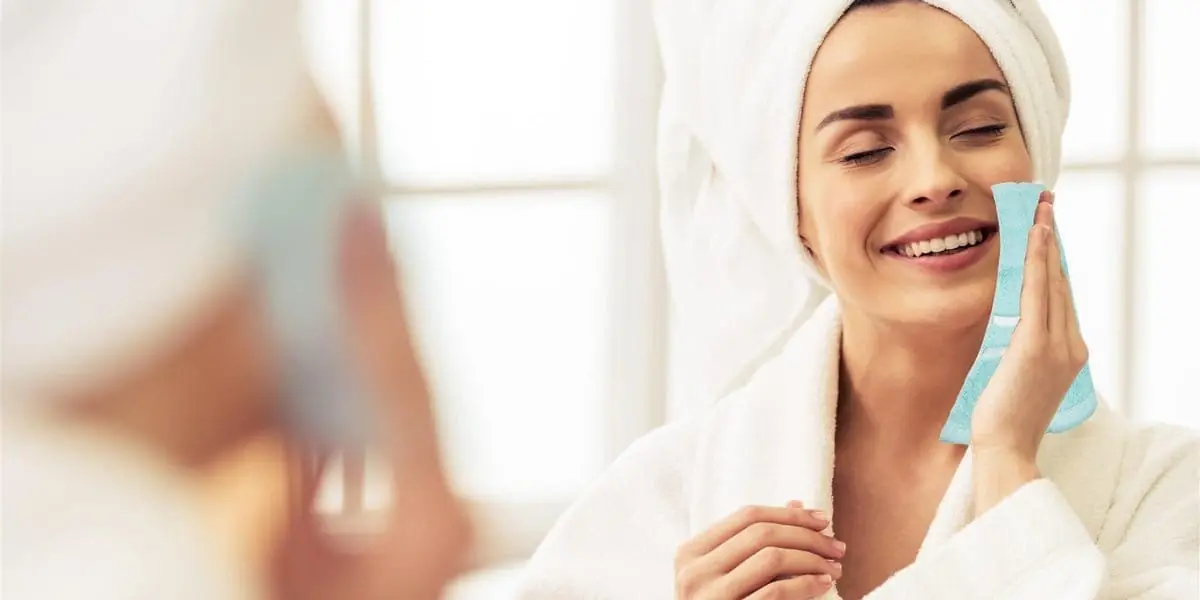
Gently pat your skin dry, and you protect the delicate lipid layer that holds moisture inside your cells while keeping irritation out. This overlooked
Gently pat your skin dry, and you protect the delicate lipid layer that holds moisture inside your cells while keeping irritation out. This overlooked step, in the thirty seconds between sink and mirror, shapes every result that follows: whether your barrier stays intact, your actives absorb correctly, and your skin looks calm rather than flushed. This guide unpacks the science, the damage rough towels cause, and the precise technique that preserves hydration.
The Science of Post-Cleanse Skin and Why Drying Matters
Reviewed by the BeautynFacts editorial team. Last updated: May 2026.
Freshly washed skin is not neutral skin. It sits in a brief, unstable window where the stratum corneum has absorbed water, surfactants have temporarily lifted some surface lipids, and the pH has shifted upward from its natural mildly acidic state. How you handle these two or three minutes decides whether your skin rebounds quickly or slides into reactive dryness. Understanding the biology makes the case for patting obvious.
What Happens to Your Skin Barrier After Washing
The outermost layer of your skin, the stratum corneum, behaves like a brick wall. Flattened corneocytes are the bricks, and a blend of ceramides, cholesterol, and fatty acids is the mortar. Water passes through cleansing, and that mortar softens. Surfactants in your face wash bind to some of these lipids and carry them down the drain. Even a gentle cleanser creates a short period of increased permeability. During this window, mechanical stress has an outsized effect. A towel dragged across soft, hydrated skin can abrade the loosened corneocytes and disturb the mortar further, extending the recovery time your barrier needs.
Transepidermal Water Loss and the Drying Window
Transepidermal water loss, abbreviated TEWL, describes the rate at which moisture evaporates from inside your skin into the surrounding air. TEWL rises immediately after washing because the barrier is briefly compromised and because ambient air is usually drier than the freshly wetted surface. Researchers studying skin hydration have shown that moisture trapped in the upper layers evaporates within sixty to ninety seconds. If you rub aggressively during that window, you accelerate water loss and leave the skin tighter than it was before cleansing. Patting, by contrast, leaves a thin film of water that your next product can seal in.
The pH Shift and Mechanical Sensitivity
Healthy skin sits between pH 4.5 and 5.5. Most cleansers, even low-pH formulas, nudge the surface slightly upward for a few minutes after rinsing. During this shift, enzymes that regulate desquamation work less efficiently, and the acid mantle takes time to re-establish. Skin at a higher pH tolerates friction poorly. Nerve endings respond more readily, and blood vessels near the surface are more likely to dilate. This is why a rough dry on freshly washed skin can produce immediate flushing that does not appear when you dry with a soft press.
Why Rubbing Damages Skin More Than You Realize
The habit of scrubbing a towel across the face feels efficient. It removes water in seconds and signals the end of the washing ritual. The hidden cost accumulates slowly and compounds with every cleanse. Over months and years, repetitive friction shapes the texture, tone, and resilience of the skin in ways no serum can fully reverse.
Microtears and the Cumulative Friction Effect
Skin fibres do not tolerate repeated lateral stress. Each rubbing motion creates micro-level abrasion on the surface corneocytes and places tension on the underlying collagen network. A single instance causes no visible damage. Two cleanses a day, seven days a week, for twenty years, accumulate into tens of thousands of friction events. The skin responds by thickening in some areas, thinning in others, and losing the elastic recoil that keeps a youthful surface smooth. Dermatologists often describe this pattern as mechanical ageing, separate from ultraviolet ageing but additive to it.
Capillary Damage and Persistent Redness
Tiny blood vessels sit just beneath the translucent surface of the cheeks, nose, and chin. Aggressive drying pulls on these capillaries and, over time, can cause them to dilate permanently. The result shows up as telangiectasia, the fine red lines visible around the nostrils and across the cheeks in many adults. People with fair skin, rosacea-prone skin, or a family history of broken capillaries are especially vulnerable. Swapping a rubbed dry for a patted dry is one of the cheapest and most effective ways to reduce this visible vascular damage.
Disrupting Active Ingredients Already in the Skin
If you use a toner, essence, or leave-on acid, residues of those actives remain on the skin after the final rinse. Rubbing with a towel smears and redistributes them unevenly, concentrating them in some spots and removing them from others. This uneven distribution can trigger localised irritation, peeling, or stinging when your serum goes on top. A gentle pat leaves the surface layer undisturbed so that every subsequent product sits where you placed it.
The Benefits of Patting Your Skin Dry Correctly
The case for patting is not just about avoiding harm. The positive benefits reach into almost every aspect of skin health, from hydration levels to the performance of expensive serums. Once you understand the gains, the habit becomes easy to keep.
Preserving Natural Oils and Ceramides
Sebum is not the enemy. In balanced amounts, it carries antioxidants, lubricates the surface, and forms part of the protective film that slows water loss. The lipids between corneocytes work alongside sebum to create a nearly waterproof outer layer. Rubbing wicks sebum and weakly bound lipids into the towel fibres. Patting leaves the overwhelming majority of this natural emollient in place. Over a few weeks of consistent patting, many people notice that their skin feels less tight after cleansing and needs less heavy moisturiser to stay comfortable.
Enhancing Product Absorption and Efficacy
Damp skin is a better canvas for hydrating products than bone-dry skin. Humectants like hyaluronic acid and glycerin attract water, and when the skin already holds a residual film of moisture, these ingredients have something to grip. A patted-dry face provides the ideal substrate for serum application, letting active molecules penetrate evenly without settling into rubbed-away patches. Expensive actives perform better on undamaged skin, so the few seconds you save by rubbing cost you in serum efficacy.
Reducing Inflammation and Reactive Redness
Chronic low-grade inflammation drives many visible skin problems, from dull tone to premature lines. Friction is a direct inflammatory trigger, activating mast cells and prompting the release of histamine and cytokines. People prone to redness, broken capillaries, or rosacea flares often find that simply switching to a patting technique reduces the frequency and intensity of their flare-ups. The skin calms because it is no longer being mechanically provoked twice a day.
Choosing the Right Towel for Your Face
Not every towel deserves a place on your face. The fabric, weave, weight, and cleanliness of the cloth you choose either supports your patting technique or undermines it. A thoughtful selection costs little and pays back in comfort for years.
Cotton, Bamboo, Microfiber, and Muslin Compared
Long-staple cotton remains a reliable choice. Varieties such as Egyptian, Pima, or Turkish cotton have longer fibres that produce softer, more durable fabric. Bamboo viscose feels silkier than cotton and has natural moisture-wicking properties, making it well-suited for humid climates or oily skin types. Microfibre absorbs impressive amounts of water quickly, but the synthetic fibres can carry static that drags on skin if you use it like a rough cloth; for patting specifically, a fine-weave microfibre designed for facial use works well. Muslin, a loose-weave cotton, offers a featherlight touch that suits reactive skin, though it dries slowly and can grow musty if not laundered often. Avoid waffle-weave towels, bath sheets pulled from the hamper, or anything that has seen a lot of abrasive laundry detergent.
Weight, Weave, and Pile Length
GSM, which stands for grams per square metre, measures towel density. For the face, a mid-weight cloth between 400 and 600 GSM works well. Heavier towels feel luxurious but can be too dense to pat lightly with, and lighter ones sometimes leave too much moisture behind. A short, tight pile performs better than a long, loopy one because long loops catch on lashes, brows, and any peeling skin and tug rather than press. Flat-weave face cloths offer the gentlest touch for very sensitive or acne-prone skin.
Hygiene, Laundry, and Replacement
Even the softest towel becomes a liability if it grows bacteria. A damp face towel left on a hook in a humid bathroom can host colonies of bacteria and mould within days. Use a fresh or recently laundered towel for your face each morning and evening, or at minimum every two days. Keep a dedicated facial towel separate from hand towels and body towels, since those accumulate bacteria at different rates. Wash facial towels in hot water without fabric softener, which coats fibres and reduces absorbency. Replace them every six to twelve months once the fibres start to feel coarse.
The Correct Patting Technique Step by Step
Patting is not a single motion. Done well, it is a short, deliberate sequence that takes fewer than thirty seconds and transforms the rest of your routine. Small details matter.
The Ideal Pressure and Motion
Fold a clean towel into a manageable square or use a dedicated face cloth. Bring it to your face with an open hand rather than wadded up in a fist so you apply even pressure across a broad surface. Press gently, hold for a count of one or two, lift, and move to the next area. Do not drag. Do not wipe. Think of the motion the way a pastry chef blots excess butter from a dough surface, not the way a cleaner wipes a countertop. The downward or inward pressure should feel like resting your palm on your face, not pushing.
Working Section by Section
Start with the forehead, then move to one cheek, the other cheek, the nose and philtrum, the chin, and finally the jaw and neck. Treat each area separately so that you press rather than swipe between them. Pay attention to the delicate zones around the eyes and mouth, where the skin is thinnest and most prone to fine lines. In these areas, use the corner of the towel folded into a soft tip, pressing with the lightest touch you can manage. Skip the rubbing motion entirely on the orbital bone, since the skin there is less than half the thickness of cheek skin.
Leaving Controlled Dampness Behind
The goal is not a fully dry face. The goal is a face that has no visible droplets but still feels cool and slightly moist to the touch. This controlled dampness primes the skin for the next step. A bone-dry surface forces humectants to pull water from deeper skin layers, which can paradoxically dehydrate you. A sopping face dilutes your serum and reduces its effective concentration. Aim for the middle ground, where your skin is no longer dripping but still has a soft sheen of residual moisture.
Patting as the Gateway to the Rest of Your Routine
A good patting technique is more than a standalone habit. It sets up every product that follows. The few seconds after drying are among the most valuable in your entire routine, and treating them thoughtfully raises the ceiling on results.
The Sixty-Second Rule for Moisturizer
Dermatologists often reference a sixty-second window, meaning that the most effective time to apply moisturiser is within a minute of finishing your cleanse and pat. Within this minute, the skin retains enough residual water for humectants and emollients to lock in meaningful hydration. After that, the surface begins to dry, and the moisturiser you apply seals in less water. Keep your moisturiser within arm’s reach of the sink. Pat, then apply. Do not pat and then walk to a different room, since airflow in transit accelerates the drying window.
Layering Serums, Essences, and Actives
Once your face is patted to controlled dampness, layer from thinnest to thickest. Watery essences and hydrating toners go first, followed by serums, then richer creams or oils. Each layer sits on a slightly moisturised base rather than pulling from the one below it. If you use retinoids or exfoliating acids at night, pat and wait a full two or three minutes before applying them, since actives perform best on skin that is no longer visibly wet. Hydrating products can go on while the skin still feels cool, but potent actives are better received by slightly drier skin to reduce the risk of stinging.
Sunscreen Application and the Morning Routine
Sunscreen benefits from a calm, undamaged surface. A rough dry followed by sunscreen often leaves streaks, pilling, and uneven coverage because the film of sunscreen tries to bond with a disturbed surface. Patting, followed by a well-absorbed moisturiser, creates an ideal base for the SPF layer. Many people who complain that their sunscreen pills or feels uncomfortable solve the problem simply by changing how they dry it.
Special Considerations for Different Skin Types
Patting is universally useful, but the specifics shift based on your skin type. Customising your approach increases the benefit and prevents mismatched routines from undermining the technique.
Sensitive, Reactive, and Rosacea-Prone Skin
If your skin flushes easily, runs hot, or reacts to small provocations, patting is essential rather than optional. Choose the softest cloth you can find, ideally a bamboo or muslin face cloth, and keep the pressure featherlight. Some people with rosacea find that simply air-drying after a gentle press is better than any fabric contact. Experiment with an extended press, holding the towel against the skin for two or three seconds per area rather than repeatedly touching and lifting. Less movement means less trigger.
Oily and Acne-Prone Skin
Oily skin often receives the roughest treatment because people mistakenly believe that vigorous drying removes excess oil. It does not. It only damages the barrier, prompting the skin to produce more oil as compensation. Patting is particularly important for acne-prone skin because rubbing can spread bacteria from one area to another and press debris into open follicles. Use a clean towel for every wash, since acne-prone skin is more vulnerable to bacterial transfer from a damp cloth sitting on a hook.
Dry, Mature, and Compromised Skin
Dry and mature skin has less cushion and slower repair cycles. The barrier is often already compromised by age, climate, or prior product use. Patting preserves the limited lipids this skin has, and combining it with the sixty-second rule produces noticeable improvements in plumpness and comfort within days. Keep the towel well away from any actively flaking or inflamed patches, and consider patting with a cool cloth in the morning to help reduce puffiness around the eyes.
Common Mistakes That Undermine the Patting Habit
Even people who have read about patting sometimes fall into small habits that negate the benefit. Recognising these mistakes makes the technique easy to sustain.
Using a Towel That Has Sat Out Too Long
A clean, dry towel is a tool. A damp, used towel is a sponge of whatever has been drifting through your bathroom. People who diligently pat but use the same towel for a week unknowingly transfer bacteria, mould spores, and laundry residue to their face twice a day. Rotate towels often, and keep a stack of small face cloths in a drawer so a fresh one is always available.
Rubbing in Disguise
Watch yourself in the mirror. Many people believe they are patting when they are actually doing short, rapid wipes. If the towel slides across your skin rather than landing and lifting, you are still rubbing, just more quickly. The tactile signal you want is contact, pressure, and release, not glide.
Over-Drying and Missing the Hydration Window
Some people swing too far in the opposite direction, patting until the skin feels completely parched before applying anything. This defeats the purpose. If more than a minute passes between patting and moisturising, mist your face lightly with thermal water or plain clean water before applying your products. The goal is to keep the surface hydrated, not to dry it thoroughly only to rehydrate it again.
Sharing Towels and Reusing Without Washing
Face towels are personal items. Sharing them, even with a partner, transfers skin microbes, oils, and potentially acne bacteria. Give every household member their own clearly marked facial towels, and do not let them pile up in a shared hamper with gym clothes or dirty linens.
Building a Sustainable Patting Habit That Lasts
A skincare habit is only valuable if you keep it. Patting is simple, but simple habits are often the first to slip when mornings rush or evenings drag. A few structural changes make the behaviour stick without effort.
Setting Up Your Bathroom for Success
Place a small stack of clean facial towels in a visible, accessible spot near your sink. A wall hook dedicated to the current towel, separate from hand towels, removes any ambiguity. When the fresh towels are easy to grab and the used ones have a clear destination, you make the right choice automatically. Consider keeping a fabric bin labelled for used face towels, so your laundering routine becomes obvious without conscious effort.
Travel and On-the-Go Situations
Travel disrupts rituals. Hotel towels are often coarse, laundered with industrial detergents, and shared among many stays before being retired. Pack a couple of small bamboo or muslin face cloths in your toiletry bag. They take up almost no space, dry quickly, and ensure that you do not undo months of barrier building with a scratchy hotel wash. For gym bags, office drawers, and weekend trips, the same small cloth serves as a reminder that patting is part of how you care for yourself wherever you are.
Teaching Family Members the Difference
If you have children, a partner, or parents who share your bathroom, the gentle patting habit is worth passing along. Children adopt routines early, and teaching a child to press rather than scrub is a gift that carries into adulthood. For older family members with thinning, fragile skin, patting reduces tears, bruising, and irritation that rough drying can cause on skin that has lost much of its dermal cushion.
Frequently Asked Questions
How long should I pat my face dry after washing?
Aim for fifteen to thirty seconds of gentle pressing, stopping while the skin still feels cool and slightly damp. You are not trying to remove every molecule of water. Controlled dampness is the goal, since it gives your next product an ideal surface to work with. If your skin looks matte and feels dry before you have applied moisturiser, you have patted too long. A quick mist of thermal water can recover the moisture, but it is easier to simply stop earlier. Once you apply your moisturiser within sixty seconds of patting, the residual water gets sealed beneath the cream and hydration stays locked in for hours.
Can I use a paper towel to dry my face instead?
Paper towels can work in a pinch, particularly for people with acne-prone skin who want a disposable, bacteria-free option. Choose unscented, lotion-free, soft paper towels made for facial use if possible. Standard kitchen roll is often too abrasive and can shed small fibres into pores. The environmental and financial cost of daily paper towel use is worth considering, so many people reserve them for travel, gym bags, or flare-up periods when maximal hygiene matters. For everyday use, a rotation of clean soft cloths remains the most balanced option.
Is air-drying better than using a towel?
Air-drying sounds gentle but carries a hidden cost. As water evaporates off the skin, it takes additional moisture from the upper layers with it through a process called evaporative cooling. Skin left to air-dry often ends up tighter and drier than skin patted and moisturised promptly. The patting plus sixty-second rule approach preserves more hydration than air drying alone. If you prefer to air-dry briefly, apply a hydrating toner or essence to still-damp skin immediately, and follow with moisturiser before the skin fully dries.
Does patting help with puffiness or dark circles?
Patting with a cool cloth can reduce morning puffiness by constricting surface blood vessels and encouraging lymphatic drainage. For the under-eye area specifically, use a soft corner of the towel folded into a tip and press with the lightest possible touch. Avoid any stretching or pulling, which can worsen pigmentation over time by creating micro-trauma that triggers melanin production. Consistent gentle patting combined with a good eye cream and adequate sleep offers the best long-term improvement. Quick results often come from temperature rather than technique, so a cool damp cloth pressed for thirty seconds can visibly decrease morning swelling.
How often should I replace my face towels?
Rotate towels every one to two uses by tossing the used one into the laundry and grabbing a fresh one. Replace the towels themselves every six to twelve months, or sooner if they start to feel coarse, smell musty even after washing, or show visible wear. Hard water, frequent washing, and fabric softeners all shorten a towel’s useful life. Investing in three or four high-quality bamboo or Egyptian cotton face cloths creates a simple rotation that keeps fresh fabric always available without generating waste. Wash in hot water with a fragrance-free detergent, skip the softener, and tumble dry on a medium setting to preserve fibre integrity.
Your Takeaway and Next Steps
The way you dry your face is not a detail. It is a daily decision that either builds your skin barrier up or wears it down, and the compound interest on that decision is enormous over time. Patting gently with a clean soft cloth preserves the lipids your skin manufactures for free, protects the capillaries that keep your complexion even, and sets up every serum, moisturiser, and sunscreen that follows. Rubbing, by contrast, quietly undoes the work of your entire routine.
Start tonight. Pick one clean soft towel and dedicate it to your face. Wash it on a hot cycle without fabric softener, hang it somewhere it can dry fully between uses, and replace it within a week. Tomorrow morning, stand at the sink and press instead of wipe. Count to two in each area. Keep your moisturiser within arm’s reach so you can apply it while your skin still feels cool and slightly damp. Watch how your skin responds over the next two weeks. Many people notice within days that tightness after washing disappears, morning redness softens, and products absorb more smoothly. Within a month, the improvement in texture becomes visible in photographs.
If you want to compound the benefit, pair patting with a gentle low-pH cleanser, a humectant-rich serum, and a sunscreen you enjoy wearing. Those four habits together outperform almost any expensive treatment, and they cost very little once you own the tools. Skincare is often framed as a quest for the next breakthrough ingredient, but most people see the biggest improvements from refining the basics they already practise twice a day. Gentle drying is one of those basics, and mastering it takes minutes to learn and a lifetime to reward.
RELATED ARTICLES:
2025’s Best Natural Wrinkle Remedy: Garlic Skincare Hacks for Ageless Beauty!
The Ultimate Body Care Routine for Your Softest, Most Supple Skin Yet
Silicone Chest Pads: The Science Behind Why They Work & More
How to Care for Decolletage and Chest Wrinkles
Carrier oils: the secret to avoiding skin and hair irritation
About The Author

COMMENTS