






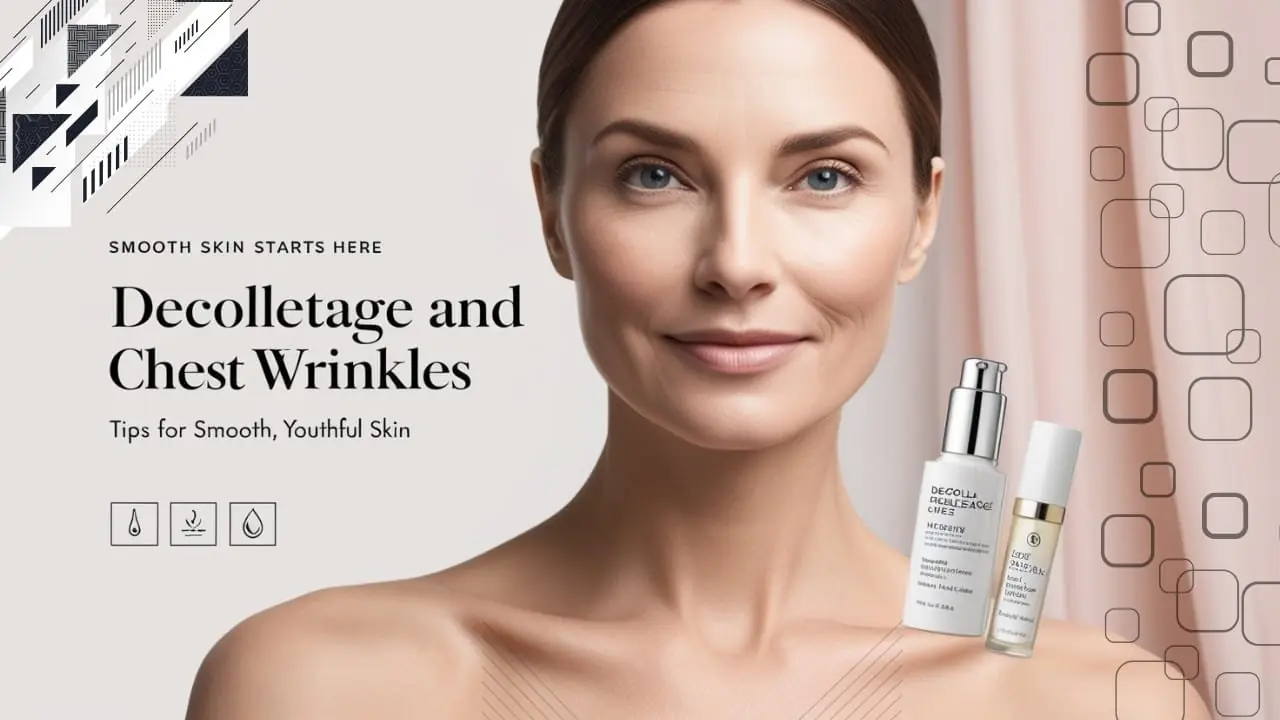
Caring for Your Décolletage and Reducing Chest WrinklesChest wrinkles form easily because the skin across your decolletage is thinner and more del
Caring for Your Décolletage and Reducing Chest Wrinkles
Published · Updated
1. What Is the Decolletage and Why Is It Important?
The decolletage includes the upper chest and neck, areas where the skin is thinner and more delicate than other parts of the body. This vulnerability, combined with frequent sun exposure, makes it prone to wrinkles, dryness, and sagging. Proper care ensures this visible area remains smooth, youthful, and radiant.
2. Common Causes of Chest Wrinkles
Several factors contribute to the formation of chest wrinkles:
- Aging: Natural collagen and elastin depletion leads to sagging and wrinkles.
- Sun Damage: UV rays accelerate collagen breakdown and cause pigmentation.
- Dehydration: Lack of moisture exacerbates the appearance of fine lines.
- Genetics: Genetic predisposition determines skin elasticity and resilience.
- Repetitive Motion: Side-sleeping and tight clothing can crease the skin over time.
Understanding these causes can help you take proactive steps to prevent wrinkles.
3. The Role of Sun Exposure in Aging Skin
Sun exposure is a primary cause of premature aging. UV rays break down collagen and elastin, causing sagging, wrinkles, and uneven skin tone. The chest, being frequently exposed, is highly susceptible.
Prevention Tip:
Apply broad-spectrum sunscreen with SPF 30 or higher daily to shield your chest from UV damage.
4. Everyday Habits That May Contribute to Chest Wrinkles
Your daily routines can unknowingly accelerate the formation of chest wrinkles.
- Sleeping Position: Side sleeping creates creases that can turn into wrinkles over time.
- Tight Clothing: Restrictive tops or bras press and crease the skin.
- Frequent Movement: Activities causing repetitive chest movement may contribute to fine lines.
5. Understanding Skin Changes and Aging in the Chest Area
As you age, collagen and elastin production declines, leaving the chest more prone to sagging and wrinkles. Hormonal changes, such as menopause, can also lead to drier, thinner skin, amplifying the signs of aging.
Action Plan:
Hydrate, protect, and use anti-aging products to support collagen production and maintain elasticity.
6. Essential Skincare Steps for Decolletage and Chest
Your décolletage skincare routine doesn’t need to be overly complicated. Follow these steps:
- Cleanse: Use a gentle cleanser to remove dirt and oil.
- Exfoliate: Use a mild exfoliant to remove dead skin cells and boost cell turnover.
- Moisturize: Apply a rich, hydrating moisturizer to keep the skin supple.
- Protect: Finish with sunscreen daily to prevent UV damage.
7. Best Ingredients for Chest and Décolleté Care
Incorporate products with these key ingredients:
- Hyaluronic Acid: Deeply hydrates and plumps the skin.
- Vitamin C: Brightens and protects against free radicals.
- Retinol: Boosts collagen production and smooths fine lines.
- Peptides: Strengthen skin structure and improve elasticity.
- SPF: Protects against sun-induced aging and damage.
8. How to Apply Products to Your Chest Properly
For optimal results, apply skincare products to your chest with care:
- Use upward, circular motions to avoid pulling the skin downward.
- Layer products, starting with serums and finishing with sunscreen in the morning.
- Ensure even application to avoid missed spots.
9. Hydration and Moisturization Tips for Smooth Skin
Proper hydration is crucial for maintaining smooth skin on the chest.
- Drink plenty of water daily to hydrate from within.
- Apply a moisturizer containing hyaluronic acid or ceramides to lock in moisture.
- Use a body oil for extra hydration, especially in colder months.
10. Sun Protection Strategies for the Décolleté
UV rays are the biggest culprits in premature skin aging. Protect your décolletage by:
- Applying broad-spectrum sunscreen (SPF 30+) every morning.
- Reapplying sunscreen every two hours when outdoors.
- Wearing protective clothing, like wide-brimmed hats or UV-blocking scarves.
11. Anti-Aging Treatments and Procedures for Chest Wrinkles
For deeper wrinkles, professional treatments can provide significant results:
- Chemical Peels: Improve skin texture and tone by removing damaged outer layers.
- Microneedling: Stimulates collagen production to smooth wrinkles.
- Laser Therapy: Targets pigmentation and boosts collagen.
- Injectables: Dermal fillers and Botox can smooth deep lines.
Consult a dermatologist for personalized recommendations.
12. Lifestyle Tips to Support Skin Health on the Chest
Healthy habits can enhance your skincare efforts:
- Stay Hydrated: Drink 8+ glasses of water daily.
- Avoid Smoking: Smoking accelerates collagen loss and skin aging.
- Wear Loose Clothing: Prevent unnecessary creasing of the chest skin.
- Mind Your Posture: Poor posture can contribute to chest sagging and wrinkles.
13. The Role of Diet in Preventing Skin Aging
A nutrient-rich diet can boost skin health:
- Antioxidants: Found in berries, leafy greens, and nuts, these combat free radical damage.
- Healthy Fats: Omega-3 fatty acids in salmon and walnuts support skin hydration.
- Collagen-Boosting Foods: Vitamin C-rich foods like citrus fruits promote collagen synthesis.
14. Exercises to Firm Up Chest Muscles and Skin
Strengthening chest muscles can enhance skin firmness:
- Push-Ups: Build chest and upper body strength.
- Chest Flys: Use light dumbbells to target pectoral muscles.
- Plank Variations: Strengthen core and chest simultaneously.
15. Final Thoughts on Maintaining a Wrinkle-Free Decolletage
Caring for your décolletage requires consistent effort, but the results are worth it. Protecting your chest from sun damage, staying hydrated, and incorporating targeted skincare products can help you maintain smooth, youthful skin.
By prioritizing your décolletage as much as your face, you’ll enjoy a radiant, wrinkle-free appearance that enhances your overall confidence and beauty.
Frequently Asked Questions (FAQs)
1. How often should I apply sunscreen to my chest?
Daily, regardless of outdoor activity, with reapplication every two hours when outdoors.
2. Can I use my face products on my chest?
Yes, but patch-test potent actives like retinoids first to avoid irritation.
3. What’s the best sleeping position to prevent chest wrinkles?
Sleeping on your back minimizes creasing in the chest area.
4. How soon can I see results from anti-aging treatments?
Topicals may take 4–6 weeks, while professional treatments can show results sooner.
5. Are there any effective home remedies for chest wrinkles?
Aloe vera, coconut oil, and honey masks can hydrate and soften skin temporarily.
Frequently Asked Questions About Decolletage Care
Why does the decolletage age faster than the face?
Decolletage skin is thinner, has fewer oil glands, and gets more sun exposure than the face since most people forget to apply sunscreen there. The lack of sebum means it loses moisture quickly, and the thin structure means collagen breaks down visibly with less stress than on the face. Years of sleeping on your side compress the chest skin and create permanent creases. By forty, most people have visible decolletage wrinkles even with a perfectly maintained face. The fix is starting the same care routine you use on your face.
How do you treat chest wrinkles that have already formed?
Layer the same anti-ageing actives you use on your face. A retinoid two or three nights a week, a peptide cream daily, and an exfoliating acid weekly all soften existing decolletage wrinkles over twelve weeks. For deeper lines, in-office treatments like microneedling with radiofrequency or fractional laser deliver bigger changes. Hydration matters too, since dehydrated skin shows lines more sharply. Drink water consistently, sleep on your back when possible, and use a silicone chest pad at night to flatten the area while you sleep.
Should you use sunscreen on the decolletage every day?
Yes, this is the single most important habit for preventing chest wrinkles. Apply a broad-spectrum SPF 30 or higher from collarbone to bra line every morning, even if you are not going outside, since UVA penetrates windows. Reapply every two hours during outdoor time. Most of the visible decolletage damage you see is sun damage layered over years. Starting daily sunscreen at any age slows future damage. For people in their twenties and thirties, it prevents most of the chest wrinkles older relatives developed.
Are silicone chest pads worth using?
Yes if you sleep on your side and already see cleavage wrinkles, which is the classic side-sleeper crease. Silicone chest pads keep the breast tissue spread evenly across the decolletage during sleep, which prevents the skin from folding into creases. Worn nightly, they soften existing lines within four to eight weeks. They are reusable, washable, and stick gently without adhesive damage. Combine with a hyaluronic acid serum applied to the chest before bed for hydration that gets sealed under the pad.
What ingredients work best on decolletage skin?
Retinol or retinaldehyde for cell turnover and collagen support, vitamin C for brightening sun damage, peptides for firming, niacinamide for tone and texture, and ceramides for barrier repair. Use lower strengths than on your face since decolletage skin is thinner and more reactive. Start with one retinoid night per week and build slowly. The chest area also benefits from gentle weekly exfoliation with lactic acid, which evens out the rough texture that develops from years of sun exposure. Always finish with moisturiser to seal in the actives.
Does sleeping position really affect chest wrinkles?
Yes, dramatically. Side sleeping compresses the breast tissue across the centre of the chest every night, and over decades that creates permanent vertical creases between the breasts. Stomach sleeping has a similar effect. Back sleeping is the only position that does not create chest wrinkles, but most people cannot retrain their sleep position easily. If side sleeping is unavoidable, a silicone chest pad or a specialised wedge pillow between the breasts keeps the decolletage from folding. Pair with consistent daytime skincare for best results.
RELATED ARTICLES:
Silicone Chest Pads: The Science Behind Why They Work & More
Say Goodbye to Wrinkles and Acne Scars with Safe Microneedling at Home
2025’s Best Natural Wrinkle Remedy: Garlic Skincare Hacks for Ageless Beauty!
Milk Bath Beauty Ritual for Gorgeous Skin
About The Author

COMMENTS