







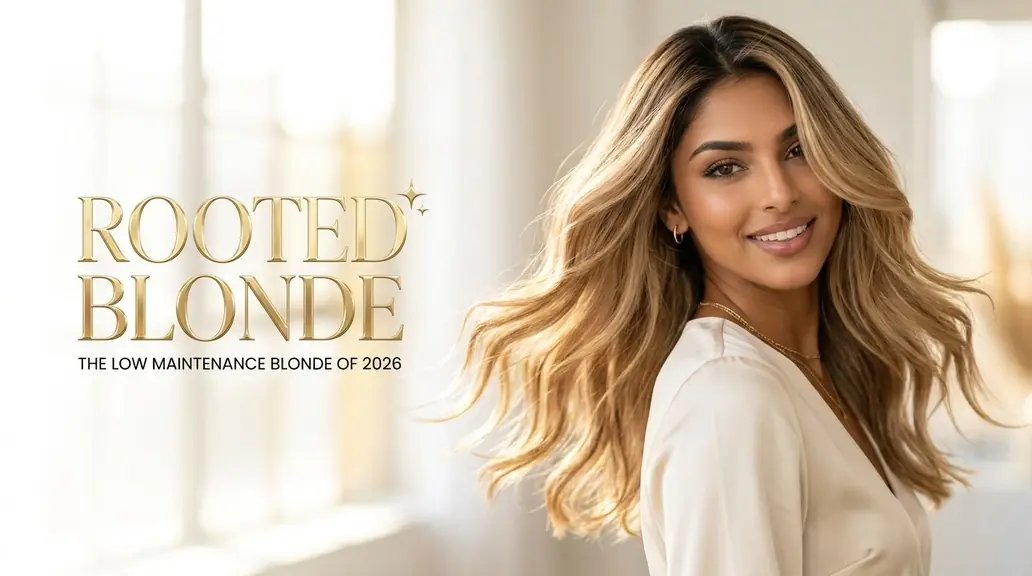
Rooted blonde is the low-maintenance blonde defining 2026, and the appeal comes down to one honest trade: you keep your natural darker root and let it
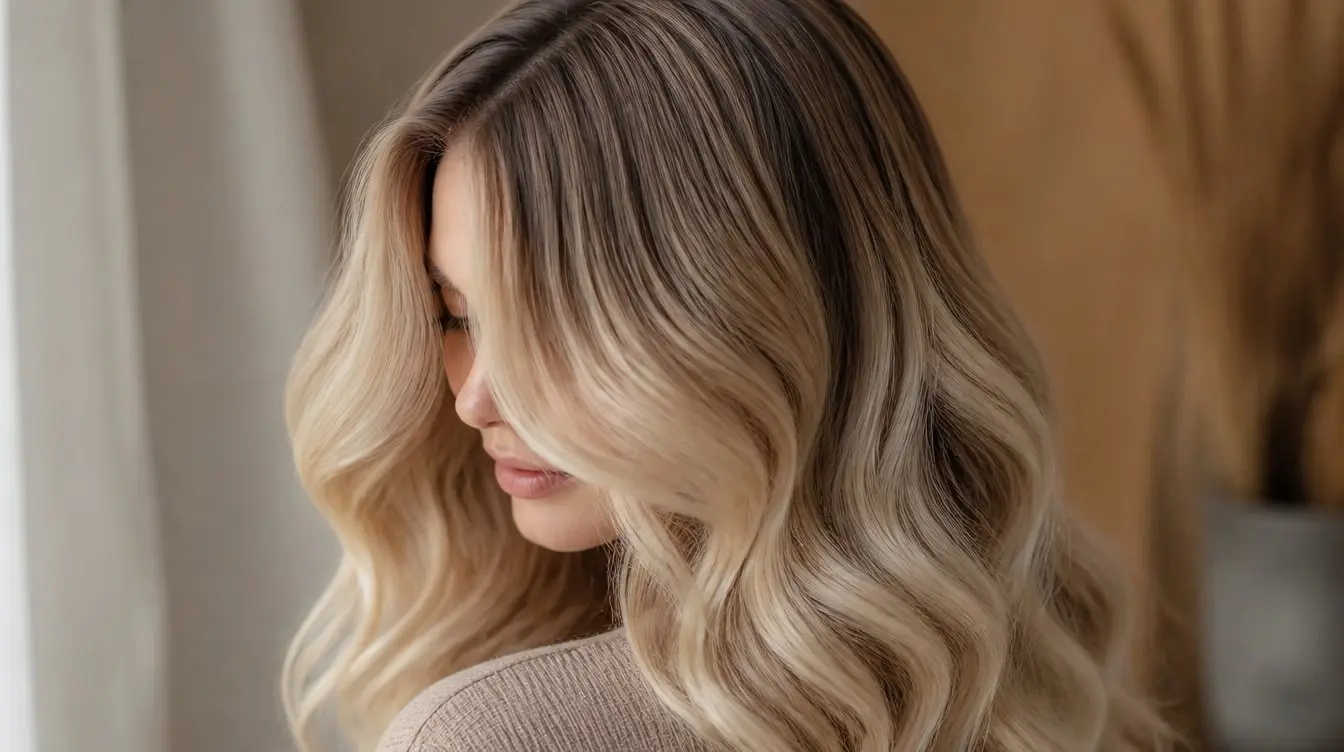
Rooted blonde is the low-maintenance blonde defining 2026, and the appeal comes down to one honest trade: you keep your natural darker root and let it blend up into brighter blonde lengths instead of bleaching every strand from the scalp. Also called ‘shadow root’ or ‘lived-in blonde’, the look replaces the high-upkeep platinum that owned the last decade. It grows out softly rather than snapping into a harsh line at the part, so the gap between salon visits stretches from four weeks to three or four months. Colourists love it because it does less damage. Clients love it because it costs less and still reads expensive. This guide covers what rooted blonde actually is, why it took over, who it flatters, the shade variations worth knowing, how to ask for it at the salon, upkeep and toning, at-home care, and how it stacks up against balayage and platinum.
Published · Updated
What Rooted Blonde Actually Is
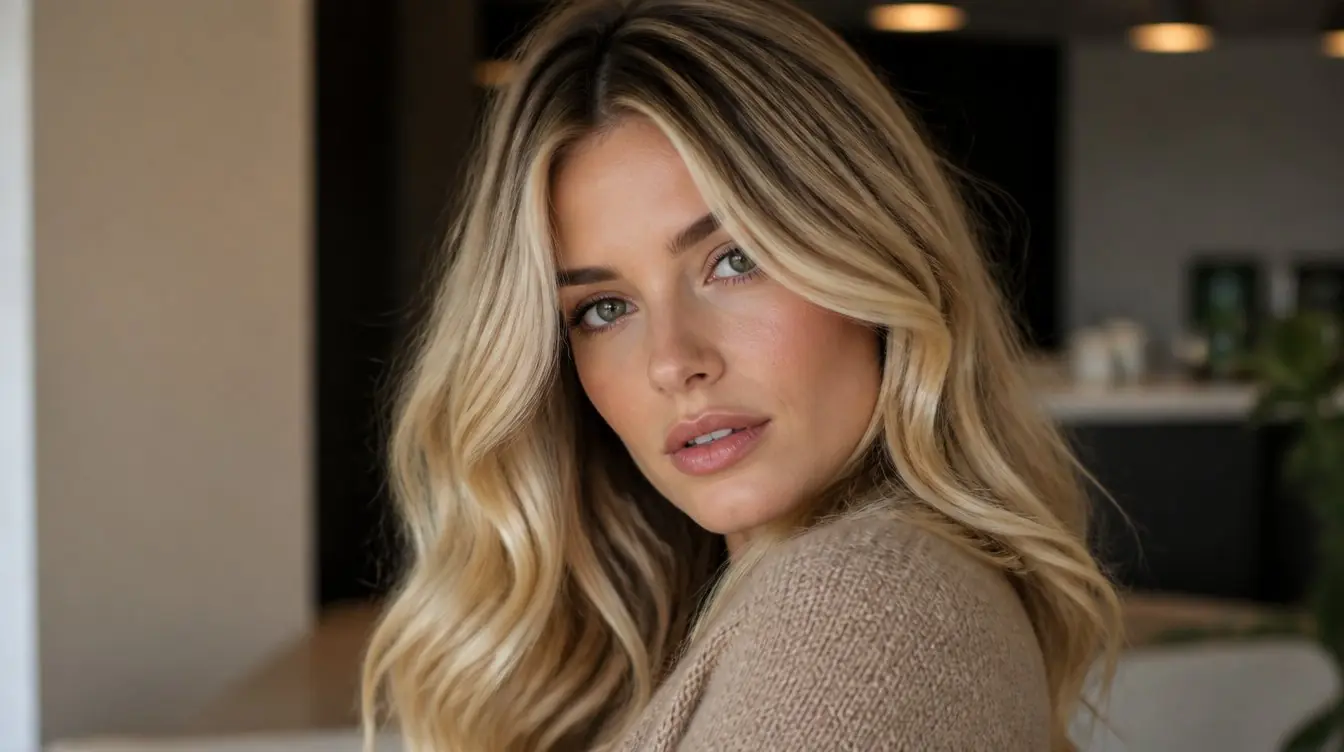
Rooted blonde keeps a natural or deliberately deepened root and blends it into lighter blonde through the mid-lengths and ends. The root is not left untouched by accident. A colourist chooses where the darker shade sits, how far down it drops, and how softly it melts into the blonde above the ears. Done well, there is no visible band, just a gradual shift from deeper at the scalp to brightest at the tips.
The term ‘shadow root’ describes the same idea from the salon side. A shadow root is a soft, smudged application of a darker shade at the base that mimics natural regrowth. ‘Lived-in blonde’ is the marketing name for the finished feel: hair that looks like it was bright all summer and is fading gracefully rather than hair that was coloured yesterday.
How it differs from a full blonde
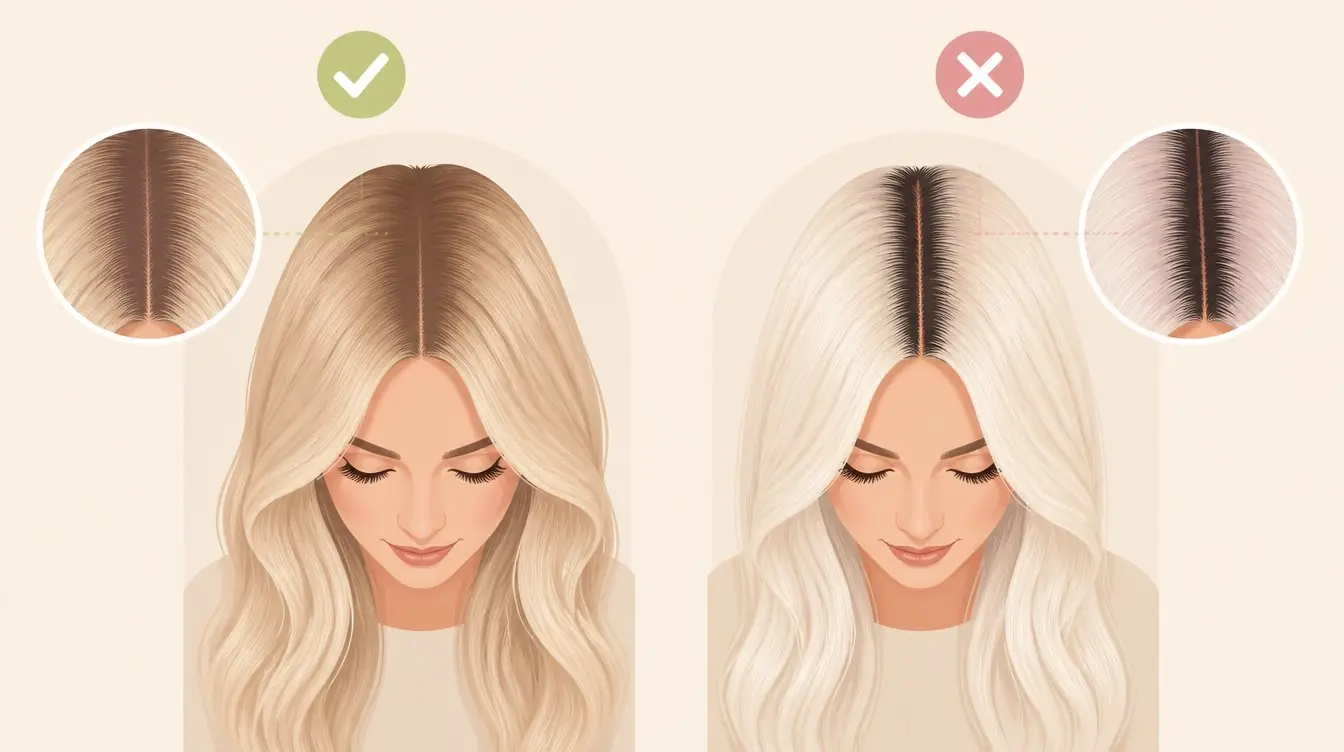
A traditional all-over blonde or platinum lifts every strand from root to tip. The moment your natural colour grows in, a hard line appears at the part. Rooted blonde builds that darker base on purpose so regrowth reads as intended dimension instead of a mistake you need to fix.
Why Rooted Blonde Took Over in 2026
The shift is practical before it is aesthetic. Platinum demands a root touch-up every three to four weeks, and each visit means bleach sitting against the scalp. That schedule wrecks both hair and budgets. Rooted blonde solves the core pain point by making regrowth part of the design.
It grows out gracefully
Because the root is already darker, new growth blends into what is there. There is no stark line to chase. Most people can stretch a rooted blonde four to five times longer than a platinum before it looks like it needs attention.
Less damage at the scalp
Bleach never touches the root on a truly rooted blonde or touches it far less often. The lifting happens through the mid-lengths and ends where hair can better tolerate it. That keeps the fragile new growth at the scalp healthy and cuts breakage.
Fewer salon visits, more dimension
The math is simple. Four platinum touch-ups become one rooted blonde refresh. The darker base also adds depth that flat platinum lacks, so the colour looks three-dimensional in normal light rather than one uniform sheet.
Who Rooted Blonde Flatters
The look suits a wider range of people than platinum ever did, because the darker root anchors the colour to your natural colouring instead of fighting it.
Naturally dark blonde and light brown bases are the easiest match. The root can stay close to your real shade, which means almost no upkeep at the scalp. Deeper brunettes can still wear it, but the contrast between a very dark root and bright blonde ends needs a skilled hand to keep it soft rather than stripy.
Skin tone and undertone
Warm undertones pair well with rooted blonde in honey, caramel, and beige families. Cool undertones suit rooted blondes that lean ashier or more vanilla-coloured. The root shade matters as much as the blonde here. A root pulled slightly warmer flatters warm skin, and a neutral-to-cool root keeps fair, cool skin from looking washed out.
Shade Variations Worth Knowing
Rooted blonde is a technique, not a single colour, so it comes in several distinct finishes. Choosing the right one is mostly about how much warmth you want and how bright the ends go.
Rooted vanilla
The brightest of the family. A soft neutral-to-cool root melts into a creamy vanilla blonde through the length. It reads clean and modern and suits cool and neutral skin tones. It needs more toning than the warmer versions because vanilla wants to pull brassy as it fades.
Rooted bronde
Bronde sits between brown and blonde. Here the root stays a genuine light brown, and the ends lift only to a soft dark blonde. It is the lowest maintenance of the three and the most natural-looking, which makes it the safest entry point for anyone new to blonde.
Rooted beige
Beige blonde is neutral, neither warm gold nor cool ash. Paired with a soft shadow root, it gives an expensive, understated result that flatters most skin tones. Beige is the shade colourists reach for when a client wants blonde that does not shout.
How to Ask for Rooted Blonde at the Salon
The words you use at the chair change the result. Ask for the technique by name and describe the finish, not just the colour.
Say you want a rooted blonde or shadow root with a soft root melt and no harsh line at the base. Specify how far down you want the darker shade to sit. A shadow root usually drops one to two inches from the scalp before it starts blending. Bring a photo of the exact finish, because rooted vanilla and rooted bronde are very different results.
Questions to settle before color goes on
- How dark is the root shade, and does it match or deepen my natural base?
- How bright do the ends go, and is that reachable in one session?
- Will this need a toner refresh, and how often?
- Is my hair healthy enough to lift to this brightness safely?
Balayage or foils for the lift
Most rooted blondes are built with balayage or foilyage through the lengths for a soft, blended lift, and then a shadow root is smudged over the base. Ask your colourist which method suits your hair. Balayage gives the most natural gradient, while foils reach brighter ends faster on stubborn hair.
Upkeep and Toning
Rooted blonde is low maintenance, not no-maintenance. The root stretches for months, but the blonde in the lengths still needs tone management to stay the shade you paid for.
Blonde fades warmer over time. Vanilla and beige drift toward yellow or brass, and ashier tones lose their coolness first. A toning gloss at the salon every eight to twelve weeks refreshes the colour without any new lift or scalp bleach. That gloss is the single most useful appointment for keeping rooted blonde looking fresh between full sessions.
How often to book
A fully rooted blonde refresh, meaning new lift plus a shadow root, is typically needed every three to four months. A toning gloss in between, roughly every two to three months, keeps the colour true. Compare that to platinum, which pulls you back every three to four weeks.
At-Home Care to Protect Blonde
What you do between appointments decides how long the colour holds. Lightened hair is porous, so it grabs and loses tone faster than virgin hair. A short, consistent home routine does most of the work.
Purple and blue toning products
Purple shampoo neutralises yellow in vanilla and beige blondes. Use it once or twice a week, not daily, because overuse can leave a dull violet cast. If your blonde pulls orange rather than yellow, a blue toning product is the correct neutraliser instead of purple.
Wash less, seal more
Every wash strips a little tone. Stretching washes two or three times a week keeps colour truer for longer. Follow the list below to protect both tone and condition.
- Rinse with cool rather than hot water to keep the cuticle sealed
- Use a bond-building treatment weekly to counter lift damage
- Apply a heat protectant before any hot tool
- Add a leave-in with UV filters in summer, since sun oxidizes blonde toward brass
- Deep condition the mid-lengths and ends, where the lift lives
Rooted Blonde Versus Balayage Versus Platinum
These three get confused because they overlap, but they answer different questions. Balayage is a lightening technique. Platinum is a level of brightness. Rooted blonde is a finished look that usually uses balayage to get there while deliberately keeping a darker base. The table breaks down the practical differences.
| Feature | Rooted Blonde | Balayage | Platinum |
|---|---|---|---|
| Root treatment | Darker roots were kept or added | Roots are usually left natural | Root fully lifted |
| Grow-out line | Soft, blends in | Soft, blends in | Hard line at part |
| Touch-up frequency | Every 3 to 4 months | Every 3 to 4 months | Every 3 to 4 weeks |
| Scalp damage | Minimal | Minimal | High from repeat bleach |
| Best for | Dimensional, lived-in blonde | Natural sun-kissed lift | Bright, uniform, high glam |
Balayage and rooted blonde are close cousins. The difference is intent: rooted blonde makes the darker base a designed feature, while a plain balayage simply leaves the natural root alone. Platinum sits at the opposite end, the brightest and highest maintenance of the three.
Common Mistakes to Avoid
Rooted blonde looks effortless, which is exactly why it goes wrong when the details are rushed. A few errors turn a soft melt into an obvious two-tone.
The first mistake is too much contrast between roots and ends. A near-black root under white-blonde ends reads as roots grown out, not as a designed shadow root. The blend has to be gradual. The second is a hard horizontal line where the smudge stops, which happens when the root shade is dropped too low without feathering. The third is skipping toner maintenance, which lets the blonde go brassy and makes the whole look cheap regardless of how good the cut is.
Going too light too fast
Trying to reach bright vanilla in a single session on dark hair pushes the lift too hard and risks breakage. A skilled colourist will build brightness over two visits if your hair needs it. Trust that timeline rather than forcing the end result in one sitting.
Making Rooted Blonde Last
Longevity comes from three habits working together: gentle washing, regular toning, and bond care. None is dramatic on its own, but combined, they keep the colour salon-fresh for months.
Book a toning gloss before the blonde looks obviously brassy rather than after, since it is easier to maintain tone than to correct it. Keep the mid-lengths and ends conditioned so the lifted hair stays glossy, because dull blonde reads as damaged even when the colour is perfect. Protect from sun and chlorine, both of which oxidise blonde toward orange faster than any other everyday factor.
How Long Rooted Blonde Will Stay Relevant
Trends built on lower cost and less damage tend to outlast trends built on novelty alone. Rooted blonde has both practicality and range on its side, which is why colourists expect it to hold through 2026 and well into 2027. The technique also flexes with the wider warm-tone cycle, sliding easily into the honey and caramel blondes that dominate as the platinum era winds down. It is a genuine wardrobe staple colour rather than a one-season moment.
Is Rooted Blonde Worth It
For most people leaving platinum behind, yes. The upfront salon session costs about the same as a full blonde, but the savings arrive over the year as you skip the constant root touch-ups. Hair stays healthier because bleach spends less time at the scalp. The colour looks more expensive because of the built-in dimension. If you want bright blonde without organising your calendar around it, rooted blonde is the version of the look that fits real life.
Frequently Asked Questions About Rooted Blonde
What is the difference between a rooted blonde and a shadow root?
They describe the same look from two angles. Rooted blonde is the finished result: a darker root blending into brighter blonde lengths. Shadow root is the salon technique that creates a soft smudge of a deeper shade at the base that mimics natural regrowth. A colourist applies a shadow root to achieve rooted blonde. ‘Lived-in blonde’ is a third name for the same effect, describing hair that looks like it was bright all season and is fading gently rather than being freshly coloured.
How often do I need to touch up rooted blonde hair?
A full refresh with new lift and a fresh shadow root is usually needed every three to four months, since the darker root lets regrowth blend in rather than showing a line. A toning gloss in between, roughly every two to three months, keeps the blonde from going brassy without any new bleach. That schedule is far gentler than platinum, which pulls you back for a root touch-up every three to four weeks and repeatedly exposes the scalp to bleach.
Is rooted blonde better for damaged hair than platinum?
Generally yes. On a rooted blonde, bleach rarely touches the root, and the fragile new growth at the scalp stays healthy. The lift happens through the mid-lengths and ends, where hair tolerates it better, and you sit for the process far less often. Platinum requires bleach at the scalp every few weeks, which is where most breakage starts. If your hair is already stressed, rooted blonde is the far safer way to stay light.
What shade of rooted blonde should I choose?
It depends on warmth and brightness. Rooted vanilla is the brightest and coolest, best on cool and neutral skin, but it needs the most toning. Rooted beige is neutral and understated, flattering on most skin tones. Rooted bronde keeps a light brown root and only lifts to a soft dark blonde, making it the lowest-maintenance and most natural option. Bring a photo to your colourist, since these three finishes look very different despite sharing the same rooted technique.
Can I get rooted blonde if my hair is dark brown?
Yes, but expect the process to take care. A very dark natural base can wear rooted blonde beautifully, though the contrast between a deep root and bright ends needs a skilled hand to keep it soft rather than stripy. Reaching bright vanilla from dark brown may take two sessions to protect the hair from too much lift at once. Rooted bronde or beige is often a smarter first step, since the gentler contrast reads natural and does less damage.
How do I keep rooted blonde from turning brassy?
Brass comes from the tone fading as blonde oxidises. Use a purple shampoo once or twice a week to neutralise yellow, or a blue toning product if your blonde pulls orange instead. Wash less often, since every wash strips tone, and rinse coolly to keep the cuticle sealed. Protect hair from sun and chlorine, both of which push blonde warmness fast. Book a salon toning gloss every eight to twelve weeks before the brass sets in rather than after.
RELATED ARTICLES:
- Cherry Cola Hair: The Rich Red-Brown Shade Trending in 2026
- How to Choose the Right Hair Color for Your Skin Tone
- Italian Bob: The Effortless Cut Defining 2026 Hair
About The Author

COMMENTS