










To remove dark spots on the face, it helps to understand why they form. Also known as hyperpigmentation, these patches appear when the skin produces
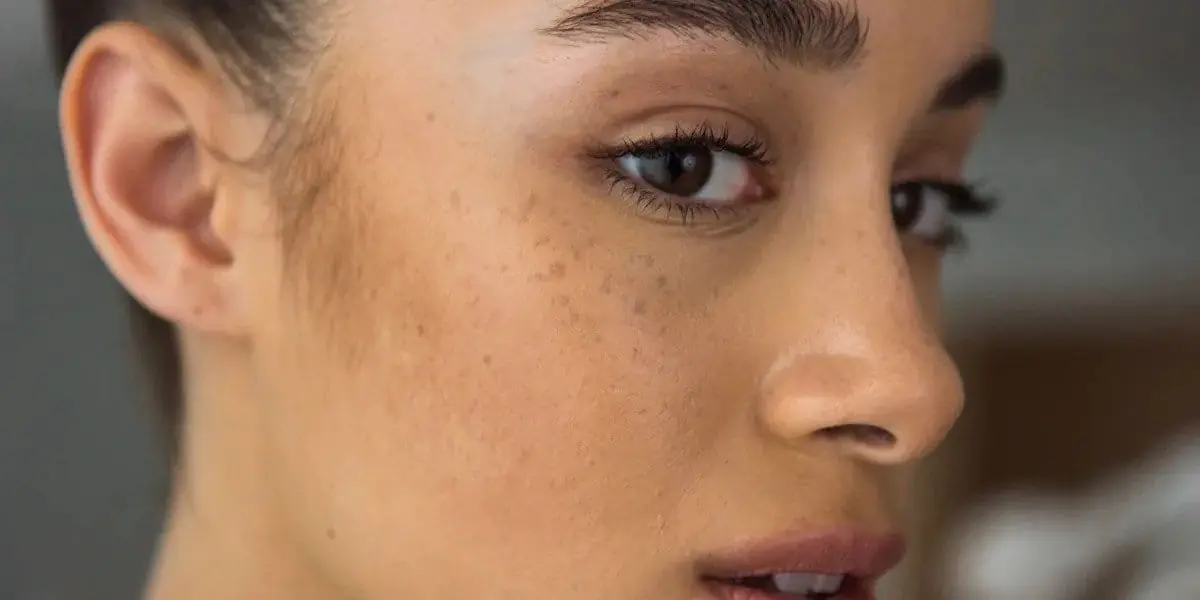
To remove dark spots on the face, it helps to understand why they form. Also known as hyperpigmentation, these patches appear when the skin produces excess melanin, often triggered by sun exposure, hormonal changes, acne scars, or aging. This is especially common in deeper skin tones. The good news is that several proven methods, from targeted skincare to professional treatments, can gradually fade dark spots and restore a more even, radiant complexion.
Published · Updated
- Sun exposure: Prolonged exposure to the sun’s UV rays can cause dark spots on the face and other parts of the body.
- Hormonal changes: Hormonal changes during pregnancy, menopause, or due to birth control pills can cause dark spots on the face.
- Acne scars: Acne can leave scars on the face, which can cause dark spots.
- Aging: As we age, our skin produces less collagen, which can lead to the appearance of dark spots.

Why do spots appear on the face
Spots on the face can be caused by a variety of factors, including:
- Hormonal changes: Fluctuations in hormone levels, especially during puberty or menstrual cycles, can cause an increase in sebum (oil) production, which can lead to clogged pores and the formation of spots.
- Bacteria: Pimples and other spots can be caused by the presence of bacteria on the skin, which can cause inflammation and irritation.
- Genetics: Some people may be predisposed to having acne-prone skin due to their genetic makeup.
- Diet: Eating a diet high in sugar, processed foods, or dairy products can trigger acne in some people.
- Stress: High levels of stress can increase cortisol production, which can cause inflammation in the skin and lead to the formation of spots.
- Medications: Certain medications, such as steroids or anticonvulsants, can cause acne as a side effect.
It’s important to note that not all spots are the same and can be caused by different factors. Therefore, it’s important to identify the underlying cause and treat it accordingly. A dermatologist can help determine the best course of treatment for individual cases.
Now that we know the causes of dark spots, let’s look at some methods on how to remove them.
- Use Sunscreen:
As we mentioned earlier, sun exposure is one of the leading causes of dark spots. Therefore, one of the most effective ways to prevent and remove dark spots is by using sunscreen. It is essential to use a broad-spectrum sunscreen with an SPF of at least 30 and apply it every two hours when outdoors.
- Topical Treatments:
Topical treatments are another effective way to remove dark spots on the face. These treatments work by reducing melanin production, which can help fade dark spots. Some of the most common topical treatments include:
- Hydroquinone: Hydroquinone is a skin-lightening agent that can reduce the appearance of dark spots. It is available over-the-counter and in prescription strength.
- Retinoids: Retinoids are derivatives of vitamin A that can improve skin texture and reduce the appearance of dark spots.
- Vitamin C: Vitamin C is an antioxidant that can brighten the skin and reduce the appearance of dark spots.
- Kojic acid: Kojic acid is a natural skin-lightening agent that can reduce the appearance of dark spots.
- Chemical Peels:
Chemical peels are a type of exfoliation that involves applying a chemical solution to the skin to remove the top layer of dead skin cells. This can help improve skin texture and reduce the appearance of dark spots. There are different types of chemical peels available, including:
- Glycolic acid peels: Glycolic acid peels are the mildest type of chemical peel and are suitable for all skin types.
- Salicylic acid peels: Salicylic acid peels are best for individuals with oily or acne-prone skin.
- TCA peels: TCA peels are the strongest type of chemical peel and are suitable for individuals with deep hyperpigmentation.
- Microdermabrasion:
Microdermabrasion is a non-invasive exfoliating treatment that uses a handheld device to remove the top layer of dead skin cells. This can help improve skin texture and reduce the appearance of dark spots. It is suitable for all skin types and can be done at a dermatologist’s office or a spa.
- Laser Treatment:
Laser treatment is a more advanced method of removing dark spots on the face. It works by targeting the melanin in the dark spots and breaking it down with the laser’s heat. This can help fade dark spots and improve skin texture. Laser treatment is best for individuals with deep hyper pigmentation that hasn’t responded to other treatments. It is essential to consult with a dermatologist to determine the right type of laser treatment for your skin type and concerns.
- Natural Remedies:
If you prefer natural remedies, there are several options that can help remove dark spots on the face. These remedies work by reducing melanin production and brightening the skin. Some of the most effective natural remedies include:
- Lemon juice: Lemon juice contains vitamin C, which can brighten the skin and reduce the appearance of dark spots. Apply fresh lemon juice to the dark spots and leave it on for 10-15 minutes before rinsing off.
- Aloe vera: Aloe vera contains aloin, a natural skin-lightening agent that can reduce the appearance of dark spots. Apply fresh aloe vera gel to the dark spots and leave it on for 10-15 minutes before rinsing off.
- Green tea: Green tea contains antioxidants that can brighten the skin and reduce the appearance of dark spots. Brew a cup of green tea and let it cool down before applying it to the dark spots with a cotton ball.
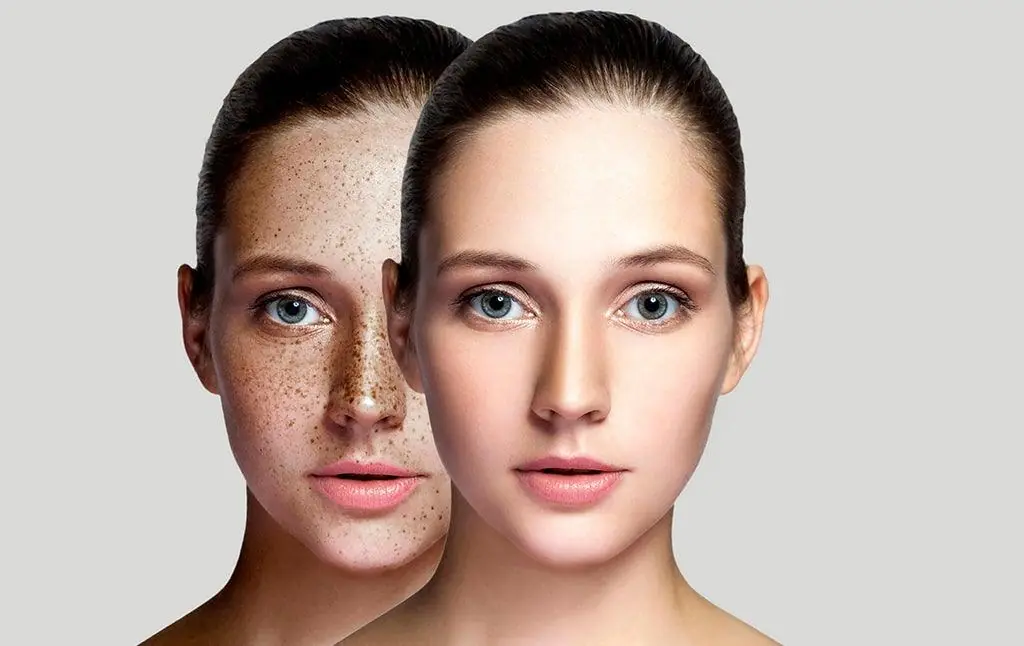
Dark spots on the face can be frustrating to deal with, but there are several methods to remove them. Sunscreen, topical treatments, chemical peels, microdermabrasion, laser treatment, and natural remedies are all effective ways to reduce the appearance of dark spots. It is essential to consult with a dermatologist to determine the best treatment plan for your skin type and concerns. Remember to protect your skin from the sun’s harmful UV rays to prevent the formation of new dark spots. With consistent treatment and sun protection, you can achieve brighter, more even-toned skin.
Frequently Asked Questions About Dark Spots on Face
How long does it take to fade dark spots on the face?
Surface-level post-inflammatory pigmentation usually fades over three to six months with a well-built routine. Deeper melasma can take six to twelve months and often requires prescription support. Hormonal pigmentation responds slowly and recurs without ongoing maintenance. Skip a single week of sunscreen and the progress stalls or reverses, since UV is the main driver of new pigment production. Expect gradual improvement rather than rapid clearance, and judge progress every six to eight weeks rather than daily, since incremental change is hard to see in the mirror.
Which ingredients work best for fading dark spots?
Vitamin C as a daytime antioxidant, niacinamide at four to ten percent to slow melanin transfer, alpha arbutin and kojic acid for direct pigment fading, retinoids for cell turnover, and azelaic acid for an anti-inflammatory plus brightening effect. Layered together over months, these ingredients move the needle on most pigmentation. Tranexamic acid is a strong addition for melasma. Daily broad-spectrum SPF is non-negotiable; without it the brightening ingredients work against an incoming tide of new pigment and improvement plateaus.
Can you use lemon juice on dark spots safely?
No, lemon juice is one of the most common but riskiest home pigmentation remedies. The citric acid is poorly buffered, the pH is too low for skin tolerance, and the phototoxic compounds can trigger a chemical burn called phytophotodermatitis when sun-exposed skin contacts lemon. The result is usually darker spots than you started with. Skip the kitchen brightener and use well-formulated vitamin C, niacinamide, or alpha arbutin instead, all of which deliver real fading with controlled formulation. Safety matters more than DIY appeal for pigmentation work.
Are dark spots and melasma the same thing?
No, although they are often confused. Dark spots, or post-inflammatory hyperpigmentation, are localised pigment leftovers from acne, injury, or sun spots. Melasma is a different condition driven by hormones and sun, appearing as large symmetrical patches across the cheeks, forehead, and upper lip. Melasma is harder to treat, recurs easily, and often needs prescription support like hydroquinone, tranexamic acid, or triple cream from a dermatologist. Misidentifying melasma as simple dark spots and chasing it with retinoids alone often fails. A correct diagnosis changes the treatment plan.
Do dark spot creams work, or do you need professional treatment?
Well-formulated dark spot creams work over months for surface and mild-to-moderate pigmentation. For stubborn or deep pigmentation, in-clinic treatments like chemical peels, laser, microneedling with PRP, and prescription depigmenting creams accelerate results. The strongest approach combines both: a consistent at-home routine plus occasional professional intervention. Avoid expecting overnight results from any product. If three months of consistent at-home work shows no change, escalate to a dermatologist visit rather than buying yet another over-the-counter cream that promises miracles.
How do you prevent new dark spots from forming?
Daily broad-spectrum SPF 30 or higher applied generously every morning prevents most new pigmentation. Stop picking at pimples, since picking is the single biggest avoidable trigger of post-inflammatory dark spots. Treat acne early with appropriate actives before it leaves marks. Wear a wide-brim hat and seek shade during peak sun hours. For hormonal melasma, continue tranexamic acid and your retinoid as maintenance, since pausing maintenance causes the pigment to return. Prevention through consistent SPF and habit fixes is more effective than chasing fading after the fact.
RELATED ARTICLES:
Simple Ways to Remove Dark Circles
How to remove sun spots from the face
How to remove black from elbows
How to remove a cystic pimple on the back
About The Author

COMMENTS