







The Art of Gentle Exfoliation: How to Exfoliate Skin Without Attacking ItExfoliate your skin the right way and you unlock brighter, smoother, more eve
The Art of Gentle Exfoliation: How to Exfoliate Skin Without Attacking It
Exfoliate your skin the right way and you unlock brighter, smoother, more even-looking results almost immediately, but do it wrong and you invite irritation, breakouts, and a damaged barrier. Understanding the how and why matters just as much as the habit itself.
Your skin is a dynamic, living organ, constantly shedding old cells and generating new ones. This natural process, known as cell turnover, is essential for maintaining a healthy, radiant complexion. However, sometimes this shedding process needs a little help. That’s where exfoliation comes in. Exfoliation is a skincare ritual that removes dead skin cells from the surface, revealing the fresher, brighter skin beneath. When done correctly, it can unclog pores, reduce excess oil, improve skin texture, and boost collagen production, leading to a clearer, more luminous appearance. But the key word here is *’correctly’. Many people approach exfoliation with an aggressive mindset, believing that more scrubbing equals better results. This couldn’t be further from the truth. In fact, attacking your skin with harsh scrubs or overly frequent treatments can lead to irritation, redness, inflammation, and even long-term damage. Learning how to exfoliate skin without attacking it is crucial for unlocking its full potential and achieving a healthy, glowing complexion safely. This comprehensive guide will delve deep into the science of exfoliation, explore different methods suitable for various skin types, and provide practical, step-by-step instructions to ensure you’re treating your skin with the utmost care and achieving optimal results.
Understanding the Science of Skin Renewal and Exfoliation
To truly master the art of gentle exfoliation, it’s essential to understand the natural processes happening within your skin. Your epidermis, the outermost layer of your skin, is constantly regenerating. New skin cells are born in the deepest layer of the epidermis and gradually migrate to the surface. As they reach the top, they flatten, harden, and eventually die, forming a protective barrier. This process, called keratinisation, typically takes around 28 to 40 days, depending on age and other factors. Once these dead skin cells have served their purpose, they are naturally shed. However, this natural shedding process can sometimes slow down due to age, environmental factors, or improper skincare habits. When dead skin cells accumulate on the surface, they can lead to a dull complexion, rough texture, clogged pores, and a diminished ability for your skincare products to penetrate effectively. Exfoliation is the process of manually or chemically removing these accumulated dead skin cells.
Published · Updated
• Reveals a Brighter Complexion: By sloughing away dull, dead skin cells, exfoliation allows the fresh, vibrant skin underneath to shine through, instantly boosting radiance.
• Improves Skin Texture: Dead skin cell buildup can make skin feel rough and uneven. Exfoliation smooths the skin’s surface, making it feel softer and look more refined.
• Unclogs Pores: Dead skin cells, along with excess oil and debris, can accumulate in pores, leading to blackheads, whiteheads, and acne. Exfoliation helps to clear out these blockages, preventing breakouts.
• Enhances Product Absorption: When your skin is free of dead cell debris, serums, moisturisers, and other topical treatments can penetrate more effectively, delivering their active ingredients to where they can do the most good.
• Stimulates Cell Turnover: The act of exfoliation can signal the skin to accelerate its natural cell renewal process, leading to a more youthful appearance over time.
• Boosts Collagen Production: Some forms of exfoliation, particularly chemical exfoliants, can stimulate the production of collagen, the protein that gives skin its structure and elasticity, helping to reduce the appearance of fine lines and wrinkles.
• Reduces Hyperpigmentation: Exfoliation can help to fade dark spots, sunspots, and post-inflammatory hyperpigmentation by gradually removing the pigmented surface layers of the skin.
The Dangers of Over-Exfoliation and Harsh Techniques
The pursuit of perfect skin can sometimes lead individuals to overdo it, believing that more is more. However, when it comes to exfoliation, this approach can be detrimental. Over-exfoliation occurs when you remove skin cells too frequently or use products that are too harsh for your skin type. This can compromise your skin’s natural barrier function, leading to a host of problems:
• Increased Sensitivity: A damaged skin barrier becomes more permeable, allowing irritants to penetrate more easily, resulting in redness, stinging, and burning sensations.
• Inflammation and Redness: Aggressive scrubbing or potent chemical exfoliants can trigger an inflammatory response, making your skin look red and blotchy.
• Dryness and Dehydration: The skin’s natural moisture barrier is essential for retaining hydration. Over-exfoliation can strip away this barrier, leading to dry, flaky, and dehydrated skin.
• Breakouts: Ironically, over-exfoliation can sometimes worsen acne. When the skin barrier is compromised, it can become more susceptible to bacterial infections, and the skin might overcompensate by producing more oil.
• Thinning of the Skin: Chronic over-exfoliation can potentially lead to a thinning of the epidermis over time, making the skin more fragile and prone to damage.
• Hyperpigmentation: While exfoliation can help fade dark spots, aggressive exfoliation can sometimes trigger post-inflammatory hyperpigmentation, especially in individuals with darker skin tones.
Understanding these risks is the first step in learning how to exfoliate skin without attacking it. It emphasises the importance of choosing the right method, product, and frequency for your unique skin needs.
Types of Exfoliation: Chemical vs. Physical
The world of exfoliation can be broadly divided into two main categories: physical (or mechanical) and chemical. Both methods aim to remove dead skin cells, but they achieve this through different mechanisms. Understanding the nuances of each will help you select the most suitable approach for your skin.
Physical Exfoliation: The Scrubbing Method
Physical exfoliants work by using friction to manually slough away dead skin cells. This category includes:
• Scrubs: These are perhaps the most common type of physical exfoliant, containing small particles like sugar, salt, ground seeds, or synthetic beads. They are typically applied with gentle circular motions to buff away dead skin.
• Brushes and Sponges: Facial cleansing brushes (manual or electric) and exfoliating sponges use textured surfaces to create friction and remove dead skin cells.
• Washers: Even a simple, slightly textured washcloth can provide a mild form of physical exfoliation when used with your cleanser.
While physical exfoliants can provide immediate results, they also carry a higher risk of overdoing it. The key to safe physical exfoliation lies in the size and texture of the particles and the gentleness of your application.
Choosing the Right Physical Exfoliant and Technique
The effectiveness and safety of physical exfoliants depend heavily on the nature of the exfoliating agent and how it’s used.
• Particle Size and Shape: Opt for exfoliants with fine, uniformly shaped particles. Avoid harsh, jagged particles like crushed nutshells or large, irregular crystals, which can create micro-tears in the skin. Sugar and finely ground oats are generally gentler options. Synthetic microbeads, while uniform, have faced environmental concerns and are being phased out in many regions.
• Gentle Application: This is paramount. Never scrub vigorously. Apply the product to damp skin and use light, circular motions for no more than a minute or two. Allow the product to do the work; your pressure should be minimal.
• Frequency: Physical exfoliation is generally recommended less frequently than chemical exfoliation, especially for sensitive or dry skin types. Once or twice a week is usually sufficient.
• Areas to Avoid: Be particularly cautious around the delicate eye area, and avoid using harsh physical exfoliants on active breakouts, as this can spread bacteria and worsen inflammation.
Chemical Exfoliation: The Dissolving Method
Chemical exfoliants use acids or enzymes to dissolve the bonds that hold dead skin cells together, allowing them to shed more easily. This method can be incredibly effective and, when used correctly, can be gentler than physical exfoliation because it doesn’t rely on friction. The main types of chemical exfoliants include:
• Alpha Hydroxy Acids (AHAs): These water-soluble acids are derived from fruits and other natural sources. Common AHAs include glycolic acid (from sugarcane), lactic acid (from milk), citric acid (from citrus fruits), and malic acid (from apples). AHAs work on the skin’s surface to loosen the bonds between dead skin cells and promote cell turnover. They are particularly beneficial for improving skin texture, reducing hyperpigmentation, and boosting hydration.
• Beta Hydroxy Acids (BHAs): The most well-known BHA is salicylic acid, which is oil-soluble. This unique property allows BHAs to penetrate deep into the pores, dissolving sebum and dead skin cells that can cause blockages. BHAs are excellent for oily, acne-prone, and congested skin. They also have anti-inflammatory properties.
• Polyhydroxy Acids (PHAs): These are newer generations of hydroxy acids, such as gluconolactone and lactobionic acid. PHAs have a larger molecular structure than AHAs, meaning they penetrate the skin more slowly and gently. They offer similar benefits to AHAs, including exfoliation and antioxidant properties, but with a significantly lower risk of irritation, making them ideal for sensitive skin.
• Enzymatic Exfoliants: These exfoliants use natural enzymes, often derived from fruits like papaya (papain) or pineapple (bromelain), to break down dead skin cells. They are generally very mild and suitable for most skin types, including sensitive skin.
Understanding AHA, BHA, and PHA Strengths and Formulations
The effectiveness of chemical exfoliants is often determined by their concentration and pH level.
• Concentration: Higher concentrations of acids generally lead to more potent exfoliation. For at-home use, concentrations typically range from 5% to 10% for AHAs and 1% to 2% for salicylic acid. It’s always best to start with lower concentrations and gradually increase as your skin builds tolerance.
• pH Level: The pH of a chemical exfoliant influences its efficacy. A lower pH (more acidic) generally means a more potent exfoliant. However, very low pH levels can also increase the potential for irritation.
• Formulations: Chemical exfoliants come in various forms, including cleansers, toners, serums, masks, and leave-on treatments. Leave-on treatments, like serums and toners, tend to have a more prolonged contact with the skin, leading to more significant results. Rinse-off products like cleansers offer milder exfoliation.
Tailoring Exfoliation to Your Skin Type
One of the most critical aspects of learning how to exfoliate skin without attacking it is understanding your unique skin type and its specific needs. What works for one person might be too harsh or ineffective for another.
Dry and Sensitive Skin: The Gentle Approach
Individuals with dry or sensitive skin often have a compromised skin barrier, making them more prone to irritation and dehydration. Exfoliation can be beneficial for dry skin by helping moisturisers penetrate better, but it must be approached with extreme caution.
• Frequency: Limit exfoliation to once a week, or even once every two weeks, depending on your skin’s tolerance.
• Type of Exfoliant: Opt for the gentlest options available. Enzymatic exfoliants or PHA-based products are excellent choices. If using AHAs, choose milder ones like lactic acid or mandelic acid at low concentrations. Avoid harsh physical scrubs altogether.
• Technique: If using a physical exfoliant (only if very mild and specifically formulated for sensitive skin), apply with the lightest touch possible. For chemical exfoliants, follow product instructions carefully. Always patch-test new products.
• Post-Exfoliation Care: Immediately follow up with a rich, hydrating moisturiser to replenish lost moisture and support the skin barrier. Look for ingredients like ceramides, hyaluronic acid, and fatty acids.
Oily and Acne-Prone Skin: Clearing the Way
Oily and acne-prone skin types often benefit the most from regular exfoliation because it helps to clear out clogged pores and reduce excess sebum. However, aggressive exfoliation can trigger increased oil production and inflammation, so a balanced approach is key.
• Frequency: Exfoliation can typically be done 2-3 times per week.
• Type of Exfoliant: BHAs, particularly salicylic acid, are your best friend. Their oil-soluble nature allows them to penetrate pores and dissolve blockages. AHAs can also be beneficial for improving overall texture and reducing post-acne marks. Gentle physical exfoliants with fine grains can be used sparingly, but chemical exfoliants are often preferred for their ability to target the source of congestion within the pores.
• Technique: Focus on areas prone to oiliness and breakouts, like the T-zone. If using a physical scrub, use light circular motions. For chemical exfoliants, apply evenly and follow product directions.
• Post-Exfoliation Care: Use lightweight, non-comedogenic moisturisers to keep the skin hydrated without adding to oiliness. Look for ingredients like niacinamide, which can help regulate oil production and reduce inflammation.
Normal and Combination Skin: Finding the Balance
Individuals with normal skin generally have a good tolerance for exfoliation and can experiment with various methods. Combination skin presents a unique challenge, with some areas being oily (typically the T-zone) and others normal or dry.
• Frequency: 2-3 times per week is usually appropriate.
• Type of Exfoliant: A combination of AHAs and BHAs can be very effective. AHAs can address dullness and texture on drier areas, while BHAs can tackle oiliness and congestion in the T-zone. Gentle physical scrubs can also be incorporated.
• Technique: For combination skin, you might consider “multi-masking” or “zone-specific” application. For example, apply a BHA product to your T-zone and an AHA product to your cheeks. When using a physical scrub, focus on areas that feel rough or congested, using a lighter touch on more sensitive areas.
• Post-Exfoliation Care: A balanced moisturiser that hydrates without being too heavy or too light will work well.
Mature Skin: Rejuvenating and Renewing
As we age, cell turnover naturally slows down, and skin can become drier and thinner. Exfoliation is crucial for mature skin to help stimulate cell renewal, improve texture, and enhance the effectiveness of anti-ageing treatments.
• Frequency: Start with 1-2 times per week and adjust based on skin tolerance.
• Type of Exfoliant: AHAs like glycolic acid and lactic acid are excellent for stimulating collagen production and improving skin tone. PHAs can offer gentle exfoliation with added antioxidant benefits. Enzymes are also a good option for sensitive mature skin. Avoid harsh physical scrubs that can cause micro-tears and irritation.
• Technique: Apply chemical exfoliants gently. If using a physical scrub, ensure it’s very fine-grained and use minimal pressure.
• Post-Exfoliation Care: Rich, nourishing moisturisers containing peptides, antioxidants, and retinoids (if tolerated) are highly beneficial. Exfoliation makes these ingredients work even better.
Crafting Your DIY Exfoliation Routine: Natural and Gentle Options
For those who prefer a more natural approach or want to explore homemade options, several ingredients can be transformed into effective, gentle exfoliants. The key is to use finely milled ingredients and avoid anything too abrasive.
Gentle Homemade Scrubs: Recipes and Tips
Creating your own exfoliants allows you to control the ingredients and tailor them to your skin’s needs. Always use fresh ingredients and store any unused portions properly.
• Oatmeal and Honey Scrub (for Sensitive/Dry Skin):
• Ingredients: 2 tablespoons finely ground oatmeal, 1 tablespoon honey, and 1 teaspoon plain yoghurt (optional, for lactic acid).
• Instructions: Grind rolled oats in a blender or coffee grinder until they form a fine powder. Mix with honey to form a paste. If using, add yoghurt. Apply to damp skin and gently massage in circular motions for about 30 seconds. Rinse thoroughly with lukewarm water. Honey is a natural humectant and has antibacterial properties, while oatmeal is soothing and anti-inflammatory.
• Sugar and Oil Scrub (for Normal/Dry Skin):
• Ingredients: 2 tablespoons fine granulated sugar (white or brown) and 1 tablespoon carrier oil (e.g., olive oil, almond oil, or jojoba oil).
• Instructions: Mix sugar and oil until a paste forms. Apply to damp skin and massage gently in circular motions for 1-2 minutes. Rinse thoroughly. Sugar crystals are natural humectants and dissolve easily, making them relatively gentle. The oil provides moisture. Use finer sugar for a gentler scrub.
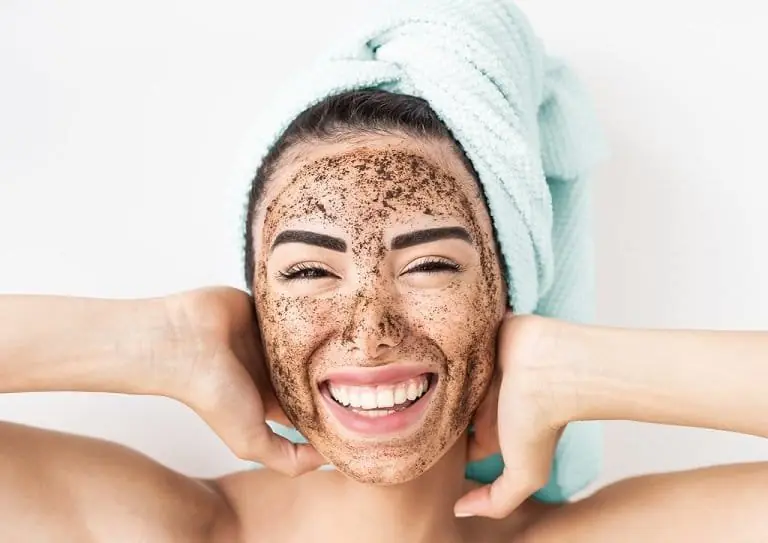
• Coffee Grounds and Coconut Oil Scrub (for Body/Oily Skin):
• Ingredients: 1/4 cup finely ground coffee grounds and 2 tablespoons melted coconut oil.
• Instructions: Mix ingredients. Apply to damp skin (best used in the shower) and massage gently. Rinse thoroughly. Coffee grounds can be quite stimulating and have antioxidant properties. Coconut oil is moisturising. This is generally better suited for body exfoliation due to the coarser nature of coffee grounds.
• Yoghurt Mask (for Gentle Chemical Exfoliation):
• Ingredients: 2 tablespoons plain, unsweetened yoghurt.
• Instructions: Apply a thick layer of yoghurt to clean skin. Leave on for 10-15 minutes. Rinse with lukewarm water. The lactic acid in yoghurt provides a very mild chemical exfoliation, suitable for most skin types, including sensitive.
When using DIY scrubs, remember that “gentle” is the operative word. Avoid anything that feels sharp or abrasive on your skin. Always patch-test on a small area before applying to your entire face.
### Incorporating Natural Ingredients into Your Routine
Beyond scrubs, several natural ingredients offer exfoliating benefits when used in masks or cleansers:
• Papaya and Pineapple: These fruits contain enzymes (papain and bromelain, respectively) that help break down dead skin cells. You can mash ripe papaya or pineapple and apply it as a mask for 5-10 minutes, then rinse. Be sure to test for sensitivity, as these enzymes can be potent.
• Milk: As mentioned with yoghurt, the lactic acid in milk can provide gentle exfoliation. You can soak a cotton pad in milk and gently swipe it across your face, leaving it on for a few minutes before rinsing.
The Step-by-Step Guide to Exfoliating Safely
Mastering the technique of how to exfoliate skin without attacking it involves a consistent, mindful approach. Here’s a detailed breakdown of how to do it correctly, regardless of the type of exfoliant you choose.
Step 1: Cleanse Your Skin
Always start with a clean canvas. Use your regular gentle cleanser to remove makeup, dirt, and oil. This ensures that your exfoliant can work effectively and prevents trapping impurities on your skin. For physical exfoliants, apply them to damp skin. For chemical exfoliants, they can often be applied to dry skin after cleansing, but always follow the specific product instructions.
Step 2: Apply Your Exfoliant (Gently!)
• For Physical Exfoliants: Take a small amount of the scrub and apply it to your fingertips. Gently massage it onto your damp face using light, circular motions. Focus on areas that tend to be rough or congested, like the forehead, nose, and chin. Avoid the delicate eye area. Do not apply pressure; let the granules do the work. Massage for no more than 60-90 seconds.
• For Chemical Exfoliants: Apply the product as directed. This might involve using a cotton pad to swipe a toner or applying a serum with your fingertips. Distribute the product evenly across your face, avoiding the immediate eye area. Some chemical exfoliants are leave-on treatments, while others require rinsing after a specific time.
Step 3: Rinse Thoroughly
After the designated time for your exfoliant (or immediately after massaging a physical scrub), rinse your face thoroughly. Use lukewarm water to remove all traces of the product. For physical scrubs, ensure no particles are left behind. For chemical exfoliants, rinse until your skin feels clean. Some prefer to finish with a splash of cold water to help close pores and invigorate the skin.
Step 4: Pat Your Skin Dry
Gently pat your face dry with a clean, soft towel. Avoid rubbing, as this can cause irritation, especially after exfoliation when your skin is more vulnerable.
Step 5: Hydrate and Nourish
This is a crucial step that many people overlook. After exfoliating, your skin barrier needs support. Immediately apply a soothing, hydrating serum or moisturiser. Look for ingredients like hyaluronic acid, ceramides, glycerine, or niacinamide. For dry skin, opt for richer creams. For oily skin, choose lightweight, oil-free formulas.
Step 6: Protect Your Skin (Especially if Using AHAs/BHAs)
Chemical exfoliants, particularly AHAs and BHAs, can make your skin more sensitive to the sun. It is absolutely essential to apply a broad-spectrum sunscreen with an SPF of 30 or higher every single day, even if it’s cloudy. This helps prevent sun damage, premature aging, and the worsening of hyperpigmentation.
When and how often should you exfoliate?
The frequency of exfoliation is highly individual and depends on your skin type, the type of exfoliant used, and your skin’s sensitivity. There’s no one-size-fits-all answer, but here are some general guidelines:
• Oily/Acne-Prone Skin: Can often tolerate exfoliation 2-3 times per week, especially with BHAs.
• Normal Skin: 2-3 times per week is usually suitable.
• Dry/Sensitive Skin: Start with once a week or even once every 10-14 days. Pay close attention to how your skin reacts.
• Mature Skin: 1-2 times per week, focusing on gentle chemical exfoliants.
Key Indicators to Watch For:
• Listen to your skin: If your skin feels tight, dry, red, irritated, or sensitive after exfoliating, you are likely exfoliating too much or using a product that is too harsh. Reduce frequency or switch to a gentler option.
• Introduce slowly: When trying a new exfoliant, start by using it only once a week to see how your skin responds.
• Avoid on irritated skin: Never exfoliate broken, sunburnt, or actively inflamed skin. Wait until your skin has healed.
• Consider your overall routine: If you are using other potent active ingredients like retinoids or vitamin C, you may need to adjust your exfoliation schedule to avoid over-sensitising your skin.
Conclusion: Embracing a Kinder Approach to Exfoliation
Achieving a healthy, glowing complexion is within reach for everyone, and exfoliation plays a vital role in this journey. However, the path to radiant skin is paved not with aggressive scrubbing, but with gentle, mindful practices. By understanding the science behind skin renewal, recognising the differences between physical and chemical exfoliants, and tailoring your approach to your specific skin type, you can effectively remove dead skin cells without causing irritation or damage.
Remember to always cleanse your skin thoroughly before exfoliating, apply your chosen product with the lightest touch, rinse well, and follow up with essential hydration and sun protection. Listen to your skin’s cues, adjust your frequency as needed, and prioritise products formulated with your skin’s health in mind. Embracing the art of gentle exfoliation means treating your skin with the care and respect it deserves, unlocking its natural radiance and ensuring a healthy, vibrant appearance for years to come.
Frequently Asked Questions About Gentle Exfoliation
What is the difference between physical and chemical exfoliation?
Physical exfoliation involves using friction, such as with scrubs containing granules or exfoliating brushes, to manually slough off dead skin cells. Chemical exfoliation uses acids (like AHAs, BHAs, and PHAs) or enzymes to dissolve the bonds holding dead skin cells together, allowing them to shed more easily. Chemical exfoliation can often be gentler, as it doesn’t rely on friction.
How often should I exfoliate?
The frequency depends on your skin type and the type of exfoliant. Oily or acne-prone skin might tolerate 2-3 times a week with BHAs. Normal skin can often handle 2-3 times a week. Dry or sensitive skin should start with once a week or even less, and mature skin may benefit from 1-2 times a week with gentle chemical exfoliants. Always listen to your skin; if it shows signs of irritation, reduce frequency.
Can I exfoliate if I have sensitive skin?
Yes, but you must be extremely careful. Opt for the gentlest methods, such as enzymatic exfoliants or products containing Polyhydroxy Acids (PHAs) like gluconolactone. If using a physical exfoliant, ensure it has very fine, uniformly shaped particles and use the lightest touch possible. Avoid harsh scrubs and high concentrations of AHAs. Always patch-test new products.
What are the signs of over-exfoliation?
Signs of over-exfoliation include increased redness, irritation, stinging or burning sensations, dryness, flakiness, increased sensitivity to products and the sun, and sometimes even new breakouts or a compromised skin barrier. If you notice these, stop exfoliating immediately and focus on soothing and repairing your skin barrier with gentle cleansers and rich moisturisers.
Should I exfoliate before or after cleansing?
Generally, you should cleanse your skin first to remove makeup, dirt, and oil. This ensures your exfoliant can work effectively. For physical exfoliants, apply them to damp skin after cleansing. Chemical exfoliants can often be applied to dry skin after cleansing, but always follow the specific product instructions, as some formulations might be designed for use on damp skin or as part of a rinse-off routine.
Is it okay to exfoliate with active acne?
It depends on the severity of the acne and the type of exfoliant. For mild breakouts, a BHA like salicylic acid can be beneficial, as it penetrates pores and helps clear congestion. However, avoid exfoliating active, inflamed pimples or broken skin, as this can spread bacteria and worsen inflammation. If you have moderate to severe acne, consult with a dermatologist before exfoliating.
Do I need to wear sunscreen after exfoliating?
Absolutely. Chemical exfoliants, especially AHAs and BHAs, increase your skin’s sensitivity to the sun. It is crucial to wear a broad-spectrum sunscreen with an SPF of 30 or higher every day, even on cloudy days, to protect your skin from sun damage, premature aging, and hyperpigmentation.
How to Exfoliate Your Skin Safely: Acid vs Scrub
The single most-important decision when you exfoliate your skin is choosing between chemical acids and physical scrubs. Acids like glycolic, lactic, and salicylic dissolve the bonds between dead cells, while scrubs physically buff them away. For most modern routines, acids are the gentler way to exfoliate your skin because they distribute evenly without micro-tears.
The American Academy of Dermatology guide on exfoliation recommends starting with the gentlest acid that addresses your concern and capping the frequency at twice per week. If you exfoliate your skin more often than that, the barrier breaks down faster than it can rebuild, leading to redness, sensitivity, and breakouts that look exactly like the problem you were trying to fix.
Aftercare matters as much as the exfoliation itself. Apply a fragrance-free moisturiser within three minutes and skip retinoids on the same evening. A peer-reviewed review in the National Library of Medicine confirms that pairing alpha hydroxy acids with strong active compounds causes irritation. When you exfoliate your skin with this rhythm, results appear within four weeks, and the barrier stays intact.
RELATED ARTICLES:
6 steps to exfoliate your skin
How to Tighten Saggy Neck Skin Without Getting Surgery
11 Ways to Lighten Your Skin Fast without Chemicals in 2025
How do you do microneedling at home without damaging your skin?
Unveiling the Secret to Radiance: Tamarind Extract in Skincare
About The Author

COMMENTS