
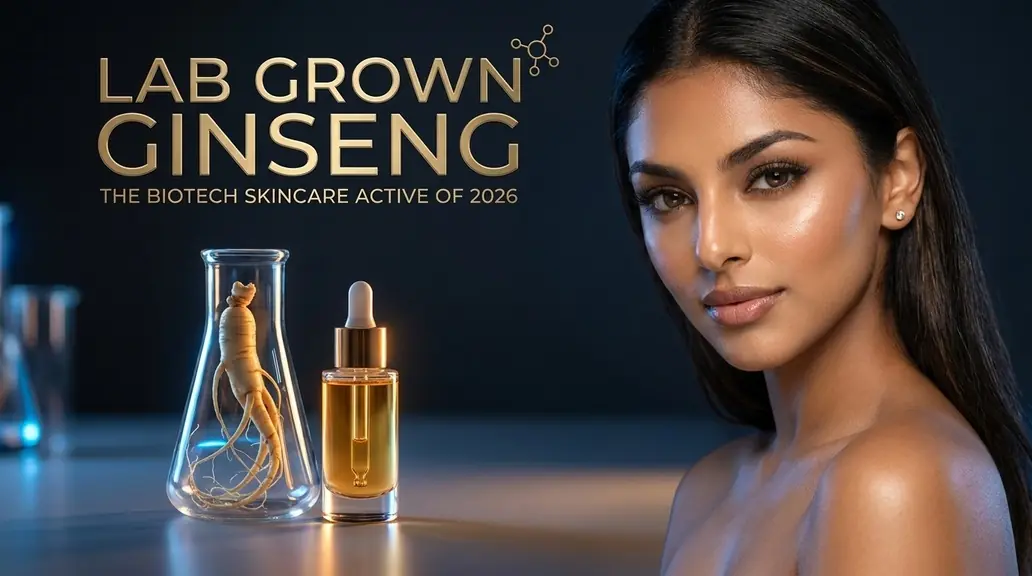
Lab-grown ginseng skincare is the biotech story reshaping how brands source their most prized botanical active in 2026. Instead of pulling six-year-ol
Lab-grown ginseng skincare is the biotech story reshaping how brands source their most prized botanical active in 2026. Instead of pulling six-year-old roots from soil, labs now grow ginseng cells in steel bioreactors, harvesting the same active compounds in weeks rather than years. The pitch is direct: higher and more consistent ginsenoside content, far fewer contaminants, and a fraction of the land and water a traditional ginseng farm demands. The technology sits at the front of a wider wave of cell-cultured botanicals that is quietly rebuilding the supply chain behind clean, sustainable skincare. This guide covers what lab-grown ginseng actually is, how the cell culture works in plain terms, the barrier, firming, and brightening benefits it delivers, why biotech beats field harvest on purity and potency, how to fit it into a routine, and the honest truth about natural versus lab-grown.
Reviewed by the BeautynFacts editorial team. Last updated: July 2026.
What Lab-Grown Ginseng Actually Is
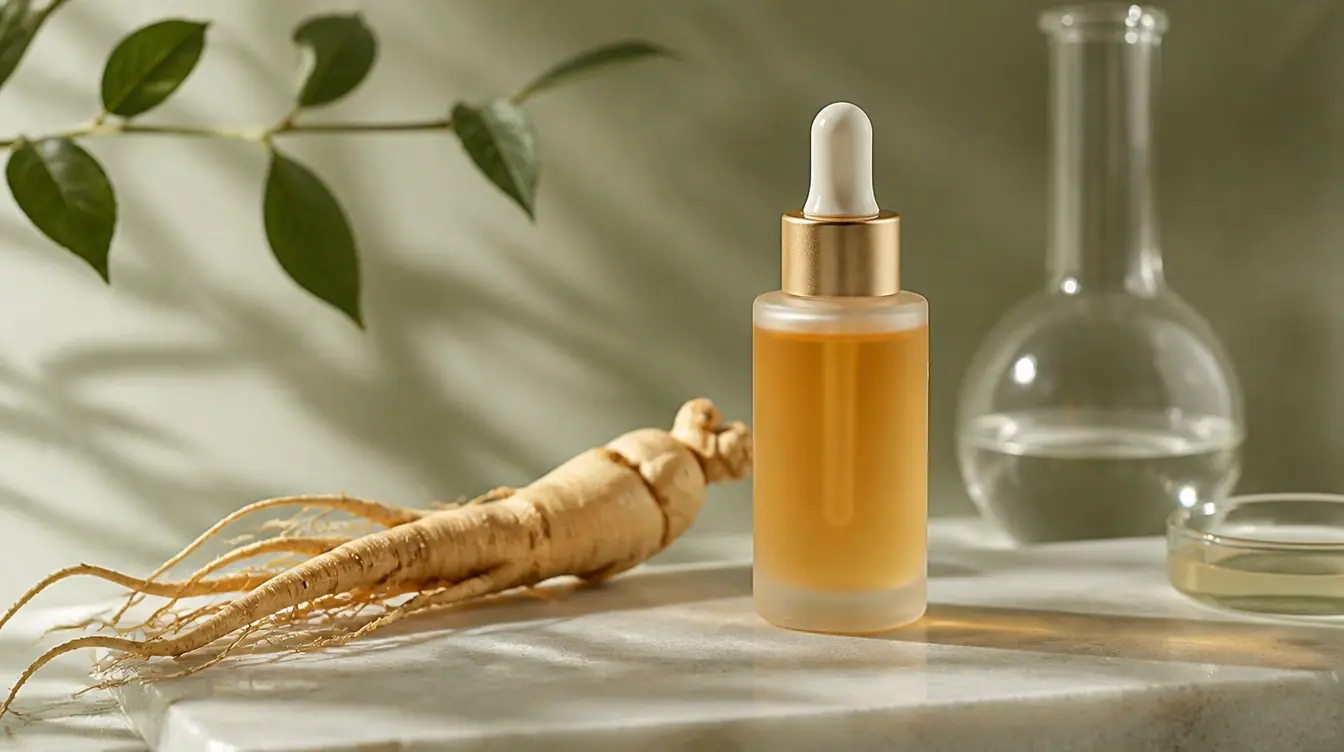
Lab-grown ginseng is ginseng active material produced by growing the plant’s own cells in a controlled vessel rather than growing the whole root in a field. The cells are real ginseng cells. They carry the same genetics and make the same active compounds. The only thing that changes is the environment they grow in.
Traditional Korean ginseng, Panax ginseng, takes four to six years in soil before the root holds enough active content to be worth harvesting. That is a long, weather-dependent, pesticide-exposed process. Cell culture skips the soil entirely. A small sample of plant tissue is coaxed into a fast-growing mass of cells, then fed inside a clean tank until it produces the compounds skincare wants.
The active compounds that matter here are ginsenosides. These are the molecules behind ginseng’s reputation for antioxidant, circulation-supporting, and skin-firming effects. Field ginseng makes them slow and uneven. A bioreactor can be tuned to make more of them, cleanly, on a schedule.
The Molecules That Do the Work
Ginseng’s skincare value does not come from the root as a whole. It comes from a specific family of active compounds, and knowing them helps you read a label with clear eyes.
Ginsenosides explained simply
Ginsenosides are the signature actives in ginseng. There are dozens of them, and different types do slightly different jobs on skin, from calming to firming to supporting the look of even tone. When a brand talks about ginseng doing something for your face, ginsenosides are almost always the reason.
Why concentration matters
A field-grown root might carry a low, variable level of ginsenosides that shifts with weather, soil, and age. Cell culture lets a producer push that concentration higher and hold it steady from batch to batch. More active per drop means a formula can work at a sensible dose without needing a heavy, sticky extract.
How Cell Culture Works, In Plain Terms
The process sounds high-tech, but the logic is simple once you break it into steps. You are farming cells instead of farming roots, and the tank does the job the field used to.
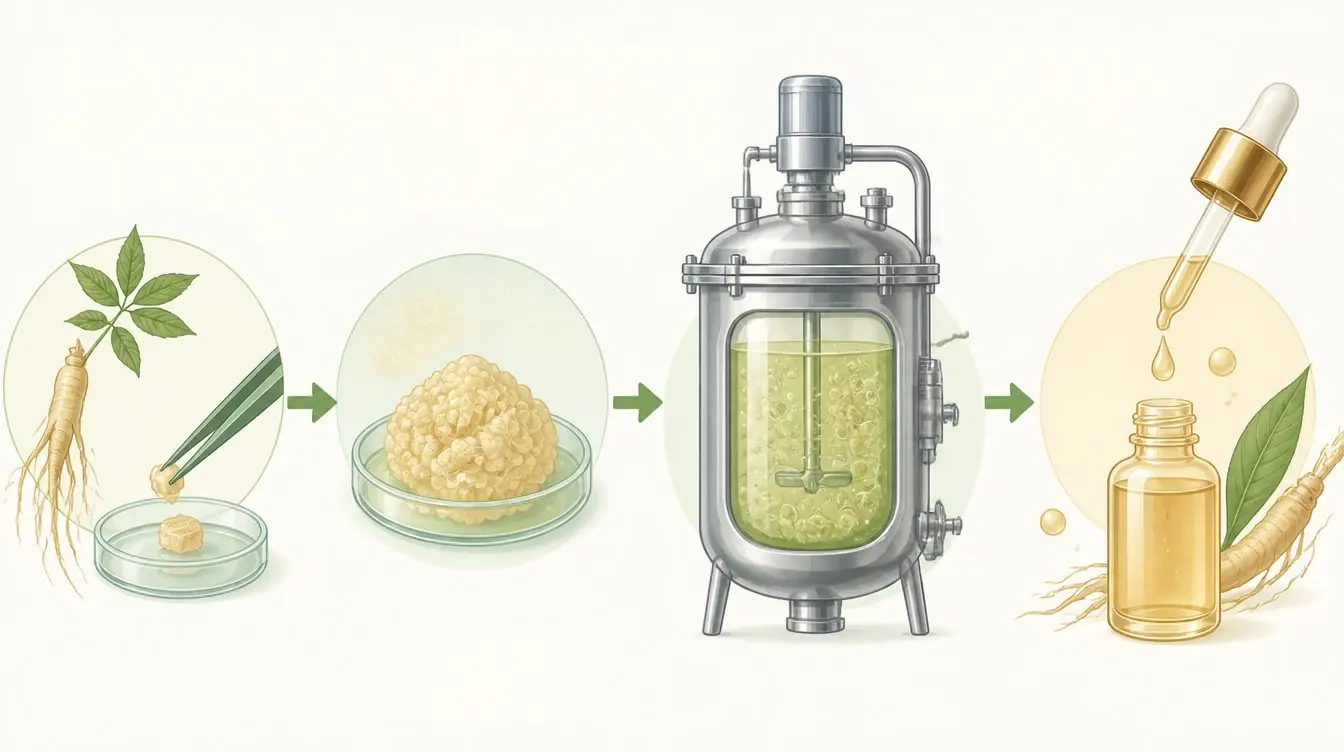
- A tiny piece of healthy ginseng tissue is taken from a parent plant. This is the only material pulled from nature, and it happens once.
- That tissue is placed on a nutrient gel, where it forms a soft, fast-growing mass of unspecialised cells called a callus.
- The callus cells are transferred into a liquid nutrient broth inside a sealed, sterile bioreactor tank.
- Inside the tank, temperature, light, oxygen, and nutrients are controlled precisely so the cells multiply and produce ginsenosides.
- After a short grow cycle, the cells and their active compounds are harvested, filtered, and refined into the extract that goes into skincare.
The whole cycle runs in a matter of weeks, indoors, with no pesticides, no seasonal risk, and no soil contamination. The tank can run again and again using the same starter cells, which is what makes the supply so consistent.
What Lab-Grown Ginseng Does for Skin
The benefits track closely with what ginseng has long been valued for, only delivered through a purer, more concentrated active. Here is what the ingredient supports when it is formulated well.
Antioxidant defense
Ginsenosides help neutralise the free radicals generated on the skin surface by daily pollution and UV exposure. That antioxidant support is part of why ginseng shows up so often in products aimed at dullness and early visible ageing. A cleaner, higher-potency extract means more of that defence with each application.
Firming and bounce
Ginseng is associated with supporting the look of firmer, more resilient skin. It is thought to encourage healthy circulation at the surface and support the skin’s own structural proteins, which together read as more bounce and less slackness over time. This is the benefit that put ginseng in premium anti-ageing lines for decades.
Brightening and even tone
Regular use of ginseng actives is linked to a brighter, more awake look and a more even appearance. It does not bleach or strip. It supports the skin’s natural radiance, which is a gentler route to glow than harsh exfoliating acids.
Barrier and comfort support
A well-made ginseng extract also carries soothing, comforting properties that suit skin looking to stay calm. That makes it a friendly partner in barrier-first routines, where the goal is to support rather than provoke the skin.
Why Biotech Beats the Traditional Harvest
The case for lab-grown ginseng is not marketing gloss. It comes down to three concrete advantages that field farming struggles to match: purity, potency, and sustainability.
Purity you can trust
Soil-grown roots pick up whatever the soil holds, including pesticide residue, heavy metals, and microbial contamination. A sealed bioreactor starts clean and stays clean. The extract that comes out is far more predictable and far less likely to carry the contaminants that plague agricultural botanicals.
Potency on demand
Because they tune the growing conditions, producers can raise ginsenoside content well above what a random field root delivers and repeat it batch after batch. For a formulator, that consistency is gold. It means a product performs the same in January and July, from the first bottle to the thousandth.
A smaller footprint
Field ginseng requires years of land use and heavy water input and often leaves the soil depleted afterwards. Cell culture uses a small indoor footprint, a fraction of the water, and no arable land tied up for half a decade. For a category increasingly judged on sustainability, that math is difficult to argue with.
Lab-Grown Ginseng Versus Field-Grown Ginseng
Both deliver real ginseng actives. The difference is in how reliably, how cleanly, and at what environmental cost. Here is a straightforward side-by-side comparison of the key points.
| Feature | Field-Grown Ginseng | Lab-Grown Ginseng |
|---|---|---|
| Time to harvest | Four to six years in soil | Weeks in a bioreactor |
| Ginsenoside content | Low and variable | High and consistent |
| Contaminant risk | Pesticides, metals, microbes | Minimal in a sealed tank |
| Land and water use | High, years of farmland | Small indoor footprint |
| Batch consistency | Weather-dependent | Repeatable every run |
Field ginseng is not bad. It is simply harder to keep clean, consistent, and sustainable at scale. Lab-grown ginseng answers all three problems at once, which is why brands are moving toward it rapidly.
The Wider Lab-Grown Ingredient Wave
Ginseng is the headline act, but it is riding a much larger shift. Biotech, meaning cell-cultured and fermentation-derived actives, is quietly rebuilding the ingredient supply chain across the whole industry.
The same cell-culture logic is being applied to other botanicals that are rare, slow to grow, or environmentally costly to harvest. Producers are culturing plant cells to make antioxidants, soothing compounds, and speciality actives without stripping wild plants or clearing land. The appeal is identical each time: cleaner input, steadier output, smaller footprint.
This is why lab-grown ginseng feels less like a novelty and more like a preview. It is the most recognisable name in a movement that is turning bioreaofrs into the new farms for the beauty aisle. Fermented actives, which use microbes to refine ingredients, sit in the same family of thinking, and the two approaches often appear side by side on modern ingredient lists.
Who Lab-Grown Ginseng Suits
The ingredient is broadly friendly, but a few groups get an especially good fit. Knowing where you land helps you decide whether to reach for it.
- Anyone chasing an antioxidant and brightening boost without harsh exfoliation
- People who want firming, anti-aging support in a gentle format
- Sensitive and reactive skin that reacts to contaminant-heavy botanical extracts
- Shoppers who care about sustainability and cleaner sourcing
- Anyone building a barrier-first routine who wants a soothing active that plays well with others
The purity of a cell-cultured extract is part of why it suits reactive skin. With fewer stray contaminants in the mix, there is less to provoke a sensitive complexion.
How to Use Lab-Grown Ginseng
You do not need to overhaul your shelf. Ginseng slots into a normal routine easily, and placement is the only thing to get right.
Where it goes in your routine
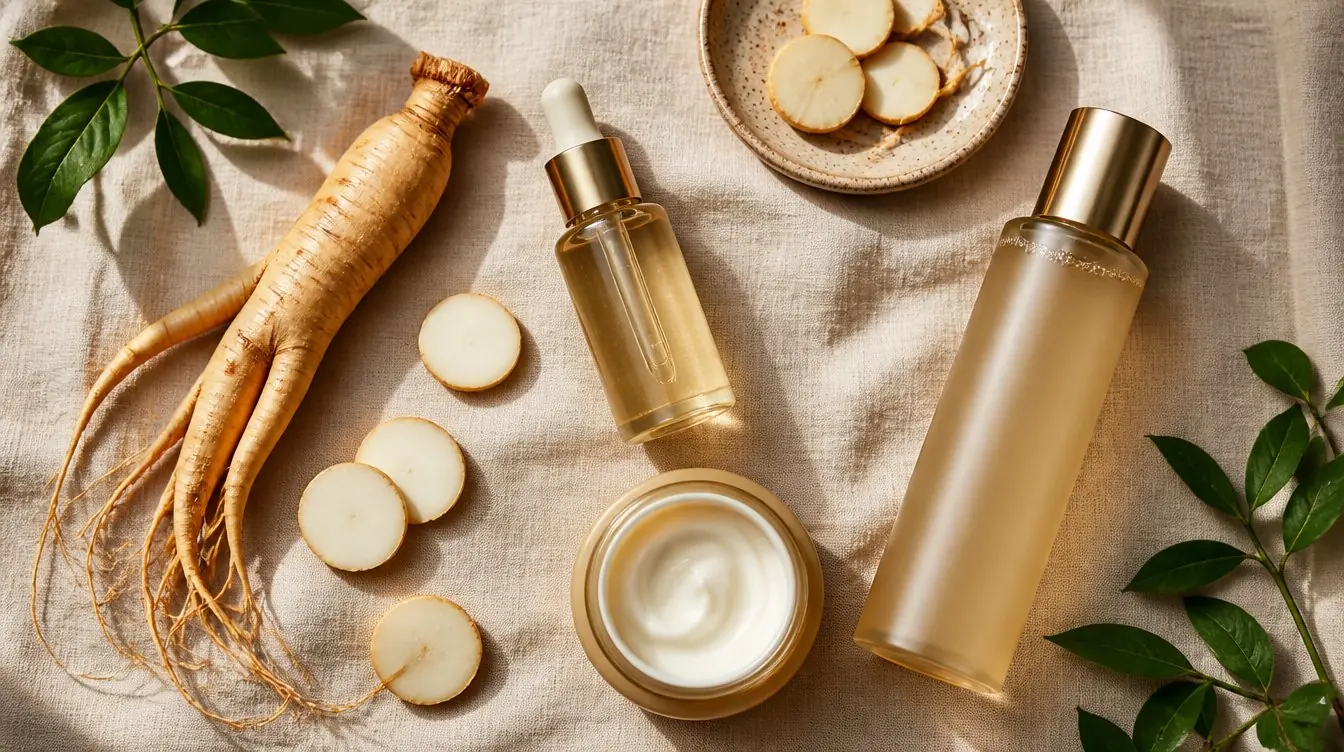
Most lab-grown ginseng is found in serums, essences, and moisturisers. Apply a ginseng serum after cleansing and any water-based hydrating layer, then seal it in with a moisturiser. Morning use pairs it with sunscreen so the antioxidant support meets the daytime exposure it is best suited to.
How often to use it
Ginseng is gentle enough for daily use, morning and night, for most people. There is no need to cycle it the way you would a strong acid or retinoid. Consistency is what delivers the brightening and firming effect over a few weeks.
What to pair it with
It layers well with humectants like hyaluronic acid and glycerin, soothing agents like centella and panthenol, and barrier lipids. It also sits comfortably alongside vitamin C for a stronger antioxidant pairing. Introduce one new actor at a time so you can tell what each one is doing.
What Results to Expect and When
Setting the timeline correctly keeps you from quitting too early. Ginseng is a supportive tonic, not an overnight fix.
In the first week or two, skin often looks a little brighter and more awake and feels comfortable and calm. The firming and even-tone benefits build more slowly, settling in over four to eight weeks of consistent use. This is normal for antioxidant and firming actives, which work by supporting the skin’s own processes rather than forcing a fast surface change.
Think of ginseng as a steady contributor to skin health rather than a dramatic single-step treatment. It rewards the people who keep using it.
How to Shop for a Good Formula
Ingredient lists tell you more than the front of the bottle. A few checks separate a real ginseng active from a token splash added for the label.
Look for ginseng named specifically, often as Panax ginseng root extract, ginseng callus culture, or a cell-culture ginseng extract, rather than a vague mention buried at the very end of the list. Its position matters: an active one sitting in the meaningful middle of a list is present in a real amount, while one dead last is likely there for marketing purposes.
For lab-grown specifically, brands proud of their biotech sourcing usually say so plainly, with language around cell culture, callus culture, or bioreactor-grown actives. A short, focused, fragrance-free formula is a further good sign for reactive skin.
Common Misconceptions Worth Clearing Up
A new ingredient category attracts a few myths. Two come up more than any other, and both are easy to settle.
The first is that lab-grown means synthetic or fake. It does not. Lab-grown ginseng is made of real ginseng cells producing real ginseng compounds. Nothing about the molecule is artificial. Only the growing environment is different.
The second is that field-grown must be more natural and therefore better. Natural growing does not guarantee a cleaner or stronger extract. In practice, a controlled tank often delivers a purer, more potent active than a root pulled from unpredictable soil. Better sourcing beats a better story.
The Honest Take on Natural Versus Lab-Grown
The natural-versus-lab debate misses the key point. In both cases, the active molecule is the same ginsenoside. The plant makes it either way. What changes is how cleanly and consistently that molecule is produced.
Lab-grown ginseng is not a different, riskier substance. It is the same compound, made more cleanly, with less waste and fewer contaminants. Framed that way, the choice stops being natural versus artificial and becomes messy and variable versus clean and consistent. For a lot of shoppers, that reframing is exactly why the category is taking off in 2026.
None of this makes traditional ginseng obsolete. It simply gives formulators a cleaner, steadier way to deliver the same benefit, which is a genuine upgrade rather than a gimmick.
Frequently Asked Questions About Lab-Grown Ginseng
Is lab-grown ginseng natural or synthetic?
Lab-grown ginseng is natural in the way that matters most. It is made of real ginseng cells producing the same ginsenoside compounds a field root would, so the active molecule is identical to what you get from soil-grown ginseng. Nothing is chemically synthesised or artificial. The only difference is the environment: the cells grow in a clean bioreactor instead of in the ground. That controlled setting is what makes the extract purer and more consistent than most field-grown material.
Is lab-grown ginseng better than field-grown ginseng?
For skincare, it usually is, on the points that count. Lab-grown ginseng carries higher and more consistent ginsenoside content, far fewer contaminants like pesticides and heavy metals, and a much smaller environmental footprint. Field ginseng still delivers real actives, but its potency swings with weather, soil, and age, and it is harder to keep clean. Neither is fake or unsafe. Lab-grown simply solves the purity, potency, and sustainability problems that field farming struggles with, which is why brands are shifting toward it.
What skin benefits does lab-grown ginseng offer?
Lab-grown ginseng supports antioxidant defence against pollution and UV damage, a brighter and more even-looking complexion, and firmer, more resilient-looking skin over time. It also carries soothing, comforting properties that suit barrier-focused routines. Because a cell-cultured extract is more concentrated and cleaner than most field material, more activity reaches the skin per application. The benefits build gradually rather than overnight, so consistent daily use across several weeks is what delivers the visible brightening and firming results.
Can I use lab-grown ginseng every day?
Yes. Ginseng is gentle enough for daily use, both morning and night, for most skin types. Unlike strong acids or retinoids, there is no need to cycle it or build up tolerance slowly. Daily consistency is exactly what delivers its brightening and firming benefits over a few weeks. In the morning, pair it with sunscreen so its antioxidant support meets daytime exposure. If your skin is highly reactive, introduce it on its own first so you can confirm it agrees with you before layering.
What should I layer with lab-grown ginseng?
It pairs well with humectants like hyaluronic acid and glycerin, soothing agents like centella and panthenol, and barrier lipids such as ceramides. It also works nicely alongside vitamin C for a stronger antioxidant duo, and it sits comfortably in barrier-first routines. The main rule is to introduce one new active at a time so you can tell what is helping. Apply ginseng after cleansing and hydration, then seal with a moisturiser to hold the actives in place.
Is lab-grown ginseng environmentally friendly?
It is one of the more sustainable ways to source a botanical active. Field ginseng ties up farmland for four to six years, uses heavy water input, and often leaves the soil depleted. Cell culture grows the same actives indoors in weeks, using a small footprint, far less water, and no arable land. It also avoids the pesticides that conventional ginseng farming relies on. For a beauty industry increasingly judged on its environmental impact, lab-grown ginseng is a meaningfully cleaner sourcing route.
RELATED ARTICLES:
- Exosomes for Skin: The Regenerative Biotech Active Explained
- Rejuran Skincare: The Polynucleotide Treatment Behind the Glow
- Microbiome Skincare: How to Feed Your Skin’s Good Bacteria
About The Author

COMMENTS