
Heartleaf skincare is the calming K-beauty category reactive skin has been reaching for all through 2026, and the reason it moved from niche to mainst
Heartleaf skincare is the calming K-beauty category reactive skin has been reaching for all through 2026, and the reason it moved from niche to mainstream is straightforward: it soothes redness and controls oil at the same time. Heartleaf, the extract from the plant Houttuynia cordata, now anchors a wave of toners, essences, and serums built for skin that flushes, breaks out, and reacts to almost everything stronger. Formulas boasting 77 percent heartleaf or more have sold out across Korean and Western shelves because they feel like almost nothing on the face while still calming a flare. This guide covers what heartleaf actually is, the benefits worth caring about, how it differs from centella, the formats it comes in, how to layer it, who it suits, the mistakes that waste it, and the results you can realistically expect.
Reviewed by the BeautynFacts editorial team. Last updated: July 2026.
What Heartleaf Actually Is
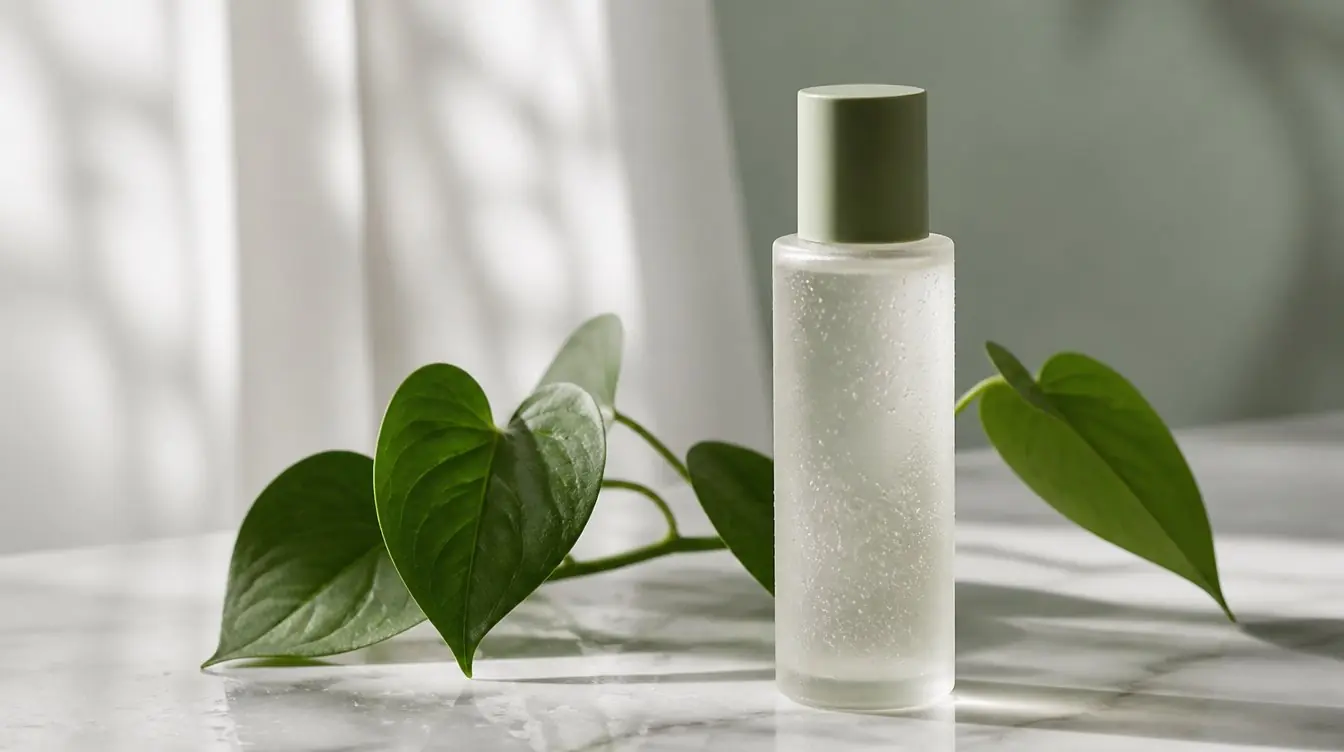
Heartleaf is the common name for Houttuynia cordata, a low-growing plant native to East Asia with heart-shaped leaves that give it its name. It has a long history in traditional Korean and Chinese herbal practice, where it was used on skin to calm heat and irritation. Skincare brands took that history and turned the leaf extract into a modern soothing active.
The extract is water-light and rich in antioxidants, which is what makes it so easy to formulate at high percentages. A toner can carry 77 percent or more heartleaf water and still feel like a thin splash rather than a heavy layer. That combination of high concentration and low weight is rare, and it is a big part of why the category caught on so fast.
Most heartleaf products are built around the extract as the hero rather than a supporting note. Read the label and you will often see heartleaf water or Houttuynia cordata extract sitting at or near the top of the ingredient list, which signals the formula is designed to deliver a real dose, not a token amount.
Why Heartleaf Is Trending in 2026
The barrier-first movement pushed reactive skin to the front of the conversation, and reactive skin needs calm, not aggression. Heartleaf answers that need with a soothing profile and a texture light enough for daily use. Shoppers tired of stripped, angry skin found a plant active that settles redness without piling on weight.
The oil-control angle sealed the trend. Most calming ingredients skew toward dry and sensitive skin, which leaves oily and blemish-prone types underserved. Heartleaf calms and helps balance oil, so it speaks to a group that rarely gets a soothing ingredient built for them. That crossover is why it spread across both sensitive-skin and acne-prone circles at once.
The Key Benefits of Heartleaf
Heartleaf earns its shelf space through a short list of clear, practical benefits rather than a vague promise of glow. Each one maps to a real problem reactive and oily skin deals with daily.
Soothing redness and reactivity
The headline benefit is calm. Heartleaf helps quiet the visible redness and warmth that come with reactive skin, the kind that flushes after a hot shower, a new product, or a cold wind. Applied as a toner or essence, it takes the edge off that reaction and leaves the skin looking more even.
Balancing oil
Heartleaf helps regulate excess surface oil, which is what sets it apart from most soothing plants. Skin that runs oily through the T-zone often feels calmer and less shiny with regular use, without the tight, stripped feeling that mattifying products usually leave behind.
Supporting blemish-prone skin
Because it calms irritation and helps manage oil, heartleaf is a natural fit for skin that breaks out. It is not a spot treatment and will not clear active acne on its own, but it creates a calmer, less reactive base that makes breakouts less angry and helps other treatments feel more tolerable.
Antioxidant support
Heartleaf is rich in antioxidant compounds that help defend skin against the daily environmental stress that ages and inflames it. That antioxidant load is a quiet background benefit, working alongside the more obvious calming and oil-balancing effects.
Heartleaf Versus Centella: The Real Difference
Heartleaf and centella asiatica get grouped together constantly, and for good reason. Both are calming plant actives, both suit sensitive skin, and both turn up in the same K-beauty soothing category. But treating them as interchangeable misses the point of buying either one.
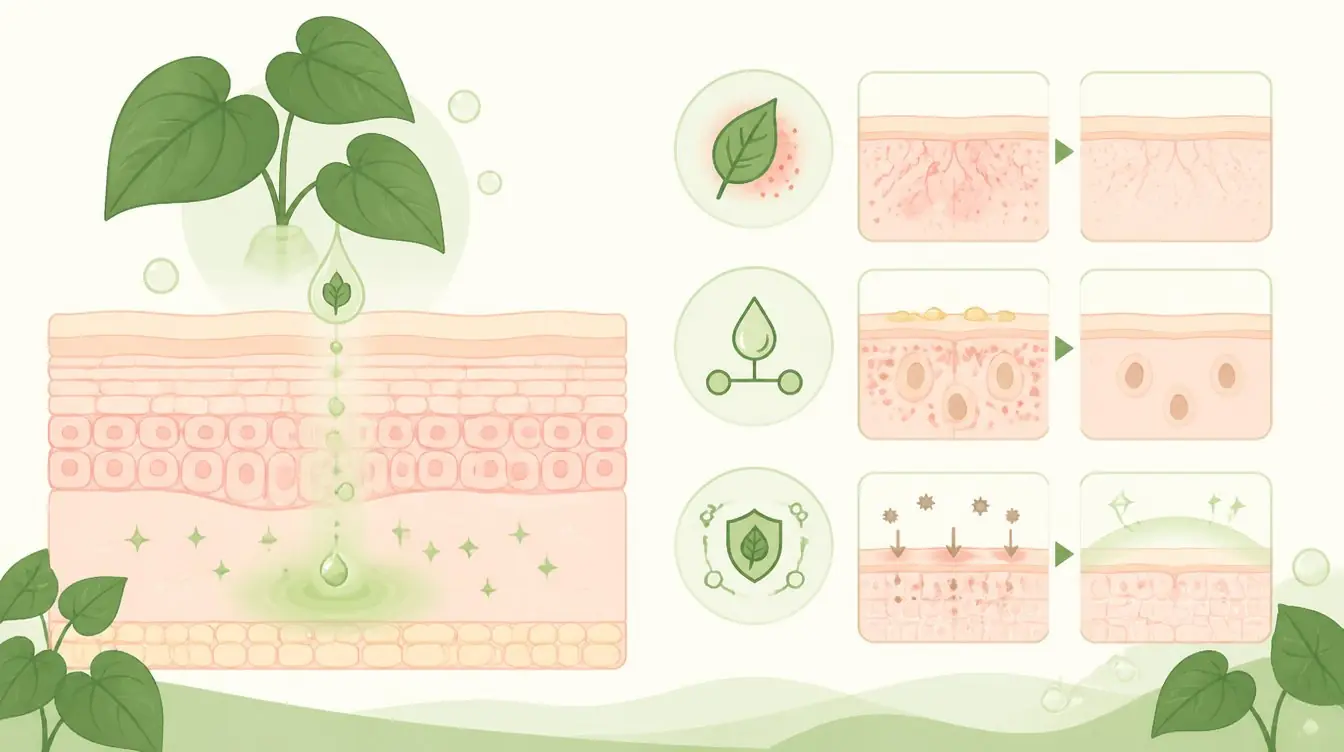
Centella, also called cica, leans toward repair and comfort. Its strength is calming irritation and supporting the barrier, which makes it a favourite for dry, stressed, and post-procedure skin. Heartleaf shares the calming side but tilts toward oil control and blemish-prone skin, a lane Centella does not really cover. The short version: centella soothes and repairs, heartleaf soothes and balances.
When to choose which
If your main concern is dryness, tightness, or a damaged barrier, centella is the stronger pick. If your skin is oily, congested, or breaks out alongside the redness, heartleaf fits better. Many people use both, reaching for centella on dry, reactive days and heartleaf when oil and breakouts flare.
Can you use them together?
Yes, and the pairing is common. A heartleaf toner under a centella serum, or the reverse, gives you calm from two angles. Neither ingredient is harsh, so stacking them rarely causes trouble. The table below breaks down the split so you can match the ingredient to your skin.
| Feature | Centella (Cica) | Heartleaf |
|---|---|---|
| Main strength | Soothing and barrier repair | Soothing and oil balance |
| Best for | Dry, stressed, sensitive skin | Oily, blemish-prone, reactive skin |
| Texture feel | Often richer and more comforting | Light, watery, fast to absorb |
| Oil control | Minimal | Noticeable |
| Typical use | Repair and calm after stress | Daily calm plus shine control |
Neither is a winner in the abstract. The right choice is the one that matches what your skin is actually doing.
The Formats Heartleaf Comes In
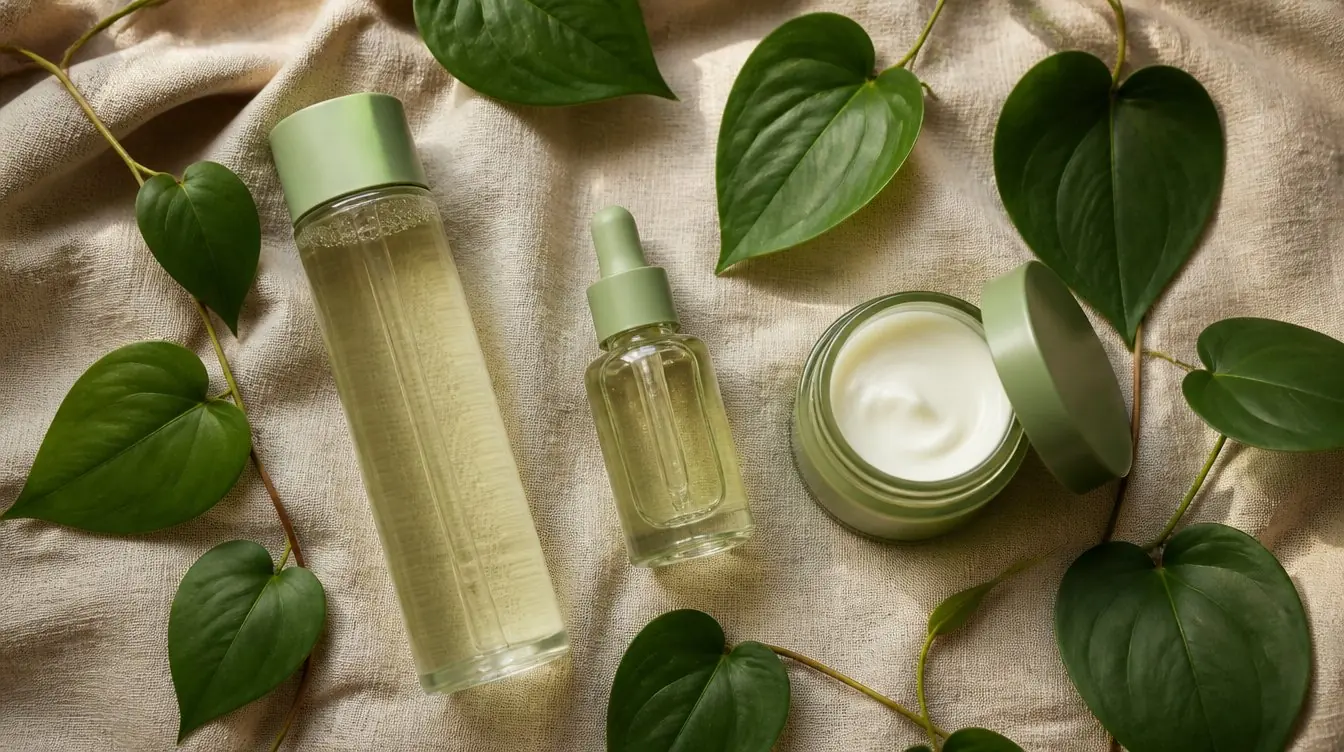
Heartleaf appears across almost every step of a routine now, which makes it easy to slot in at whatever level of commitment you want. The format changes the strength and the feel more than the core benefit.
Toner and essence
The toner is the flagship format and where the high percentages live. A heartleaf toner is a thin, watery layer you press in after cleansing to flood the skin with calm and set up the steps that follow. Essences are similar, sometimes slightly more concentrated or layered with extra hydration.
Serum and ampoule
Serums pack heartleaf alongside supporting actives for a more targeted hit. This is the format to reach for when redness or oil is a persistent concern rather than an occasional flare, since it delivers a heavier dose than a toner.
Mask and cleanser
Sheet masks and wash-off masks give a short, intensive burst of calm, useful after sun, travel, or a reaction. Heartleaf cleansers carry the ingredient into the first step, though a cleanser rinses off fast, so treat it as a gentle bonus rather than the main event.
How to Layer Heartleaf in Your Routine
Heartleaf is forgiving and plays well with almost everything, so placement is more about getting the most out of it than avoiding conflicts. The order below works morning and night.
- Cleanse with a gentle, non-stripping wash so you start on calm skin rather than provoked skin.
- Press a heartleaf toner or essence into slightly damp skin, patting rather than wiping so the extract sinks in.
- Follow with a heartleaf serum or another treatment serum while the skin is still a little tacky.
- Lock everything in with a moisturiser suited to your skin, lighter for oily types, richer for dry.
- Finish every morning with sunscreen, since UV undoes calm faster than any toner can build it.
You do not need every format at once. A single well-placed heartleaf toner is enough for most people, with a serum added only if redness or oil needs more firepower.
What to Pair Heartleaf With
Heartleaf works best in company, and the right partners amplify the calm without stepping on it. Because it is gentle, it acts as a buffer that lets stronger ingredients behave better.
Strong partners include humectants like hyaluronic acid and glycerin for hydration, other soothers like centella and panthenol for layered calm, and niacinamide at a moderate strength for oil balance and tone. Heartleaf also makes a good landing pad after actives: applied on a night you use a retinoid or acid, it helps settle the skin those treatments stir up.
The one habit to watch is stacking too many strong actives on top of it and expecting the heart leaf to absorb all the fallout. It calms, but it is not a shield against a routine that is fundamentally too harsh. Ease off the aggression and let the calming layer do its job.
Who Heartleaf Suits Best
Heartleaf is close to universal, but a few groups get the most out of it. Knowing where you fall helps set expectations.
- Oily and combination skin that wants calm without a heavy, pore-clogging feel
- Blemish-prone skin looking for a soothing base alongside its acne treatments
- Reactive skin that flushes easily and reacts to richer formulas
- Anyone who finds most calming products too heavy or too rich for their liking
Very dry or mature skin can still use heartleaf but may want to pair it with a richer moisturiser or lean on centella instead, since heartleaf brings calm but little in the way of heavy nourishment.
Common Mistakes That Waste Heartleaf
Even a gentle ingredient underdelivers when it is used wrong. A few simple errors keep people from seeing the calm they were promised.
The first is treating it as a spot fix. Heartleaf rewards steady daily use, and its calming effect builds over weeks, not in a single splash. The second is chasing the highest percentage while ignoring the rest of the formula. A balanced 77 percent toner with good supporting ingredients often beats a higher number wrapped around alcohol and fragrance. The third is layering it over skin that is already stripped raw by harsh cleansing or over-exfoliation, then blaming the heartleaf when the redness stays. Fix the harsh step first, and the calming layer finally has something to work with.
Heartleaf for Specific Skin Types
The ingredient is broadly friendly, but small adjustments make it work harder for different skin.
Oily and acne-prone skin
This is Heartleaf’s home turf. Use a heartleaf toner morning and night to keep oil and redness in check, and choose a lightweight serum over a heavy cream to seal it. It pairs well with acne actives by calming the irritation those treatments cause.
Sensitive and reactive skin
Heartleaf is gentle enough for twice-daily use even during a flare. Keep the routine short, pair it with panthenol or centella, and hold off on strong actives until the skin settles. The watery texture is easy to tolerate when skin is provoked.
Dry and mature skin
Heartleaf still calms, but this group needs more nourishment than it provides alone. Layer a heartleaf toner under a richer ceramide or barrier cream so you get the calm without leaving the skin thirsty, or alternate with centella on the driest days.
How to Shop for a Good Heartleaf Product
The label tells you more than the marketing does. Look for heartleaf water or Houttuynia cordata extract high on the ingredient list, ideally in the top few spots, which is what a genuine high-percentage formula looks like.
A short, focused ingredient list is a good sign for reactive skin, and fragrance-free formulas lower the chance of irritation. Be cautious with products that lead with alcohol high on the list, since that can undercut the calm heartleaf is there to deliver. A stated percentage on the front is helpful, but the position of the extract in the list matters just as much.
What Results to Expect and When
Set the timeline correctly and you will not quit too early. In the first few days, skin usually feels calmer and less reactive right after use, with a little less shine through the day. That early comfort is real but surface-level.
Over two to four weeks of consistent use, the steadier changes settle in: less lingering redness, more balanced oil, and a base that reacts less to the things that used to set it off. Blemish-prone skin often finds its breakouts look calmer and heal more quietly, though heartleaf supports that outcome rather than causing it single-handedly. Think of it as the calm foundation the rest of your routine stands on, not a dramatic overnight fix.
How Long Heartleaf Will Stay Relevant
Ingredients with a clear job and a wide fit tend to outlast a single season, and heartleaf has both. It solves a real problem for a large group that calming products usually skip, and it slots into the barrier-first mood that is shaping skincare well beyond 2026. Expect it to stay a fixture in K-beauty soothing lineups and to keep spreading into Western routines as reactive and oily skin keeps looking for calm that does not feel heavy.
Frequently Asked Questions About Heartleaf
What is heartleaf skincare good for?
Heartleaf skincare is best for calming reactive, red, sensitive skin while also helping balance excess oil. That combination makes it a strong fit for oily and blemish-prone skin, which most soothing ingredients ignore. It quiets the visible redness that comes with flushing and reactions, keeps shine in check through the day, and adds antioxidant support in the background. It works best as a daily calming base rather than a targeted treatment, setting up a steadier, less reactive canvas for the rest of your routine.
Is heartleaf better than centella?
Neither is strictly better, because they do slightly different jobs. Centella leans toward soothing and barrier repair, which suits dry, stressed, and sensitive skin. Heartleaf soothes too but tilts toward oil control and blemish-prone skin, a lane Centella does not really cover. If your main concern is dryness or a damaged barrier, choose centella. If oil and breakouts sit alongside the redness, choose heartleaf. Many routines use both, reaching for centella on dry days and heartleaf when oil and congestion flare.
Can I use heartleaf every day?
Yes. Heartleaf is gentle enough for twice-daily use morning and night, and consistent daily use is exactly what delivers its calming benefits over a few weeks. Unlike strong actives such as retinoids or acids, there is no need to cycle it or slowly build tolerance. Its watery, lightweight texture makes it easy to tolerate even when skin is provoked or mid-flare. Daily use is the fastest route to a steadier, less reactive complexion, so consistency matters more than any single application.
Does heartleaf help with acne?
Indirectly, yes. Heartleaf is not a spot treatment and will not clear active acne on its own, since it does not target the bacteria or oil behind breakouts directly. What it does is calm irritation and help balance surface oil, which creates a less angry base and makes blemishes look calmer. It also helps acne treatments feel more tolerable by soothing the dryness and redness they cause. Think of it as a supportive calming layer that improves the conditions around breakouts rather than a cure.
What percentage of heartleaf should I look for?
Formulas with 77 percent heartleaf or more are common and popular, and a high percentage signals the extract is a genuine hero rather than a token addition. That said, the number is not everything. A balanced high-percentage formula with good supporting ingredients beats a higher number paired with a lot of alcohol and fragrance. Check that heartleaf water, or Houttuynia cordata extract, sits high on the ingredient list, and treat a short, fragrance-free formula as a better sign than the biggest number on the front of the bottle.
Can I layer heartleaf with other actives?
Yes, and it pairs well with most things. Heartleaf sits comfortably alongside humectants like hyaluronic acid and glycerin, other soothers like centella and panthenol, and niacinamide at a moderate strength. It also makes a good calming layer on nights you use a retinoid or acid, helping settle the skin those treatments stir up. The one thing to avoid is stacking too many harsh actives and expecting heartleaf to absorb all the fallout. Ease off the aggression, and the calming layer works far better.
RELATED ARTICLES:
- Centella Asiatica: The Soothing Ingredient for Sensitive Skin
- Snail Mucin for Skin: The K-Beauty Barrier Hero Explained
- Microbiome Skincare: How to Feed Your Skin’s Good Bacteria
About The Author

COMMENTS