











Tropical fruits, flowers, and plants have become prized ingredients in natural cosmetics, bringing vitamins, minerals, and rich oils that visibly im
Tropical fruits, flowers, and plants have become prized ingredients in natural cosmetics, bringing vitamins, minerals, and rich oils that visibly improve the skin. Avocado deeply nourishes rough, dry, or tired complexions and helps calm acne, while shea nut soothes and protects lips and coconut hydrates and shields against environmental stress. Passion fruit, pineapple, and tiare flower add antioxidants and gentle enzymes. Together these exotic botanicals offer a fragrant, effective way to feed your skin what it craves most.
Published · Updated
From the tropics come succulent fruits that, in addition to pleasing the palate, provide the skin with the water and oils it is so grateful for.
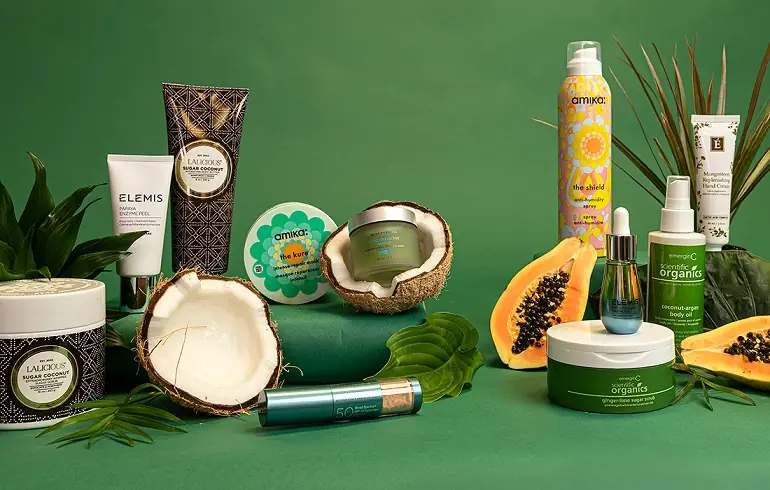
7 TROPICAL INGREDIENTS USED IN COSMETICS
The list of fruits, flowers and tropical plants used in cosmetics is endless.
1. AVOCADO
Avocado is an effective rejuvenator for rough, dry, and malnourished skin.
2. AMAZON UNCARIA
Rejuvenates and detoxifies, thereby improving acne problems.
3. TEPEZCOHUITE
It is a regenerator and healing that the Mayan culture has passed on to us.
4. SHEA NUT
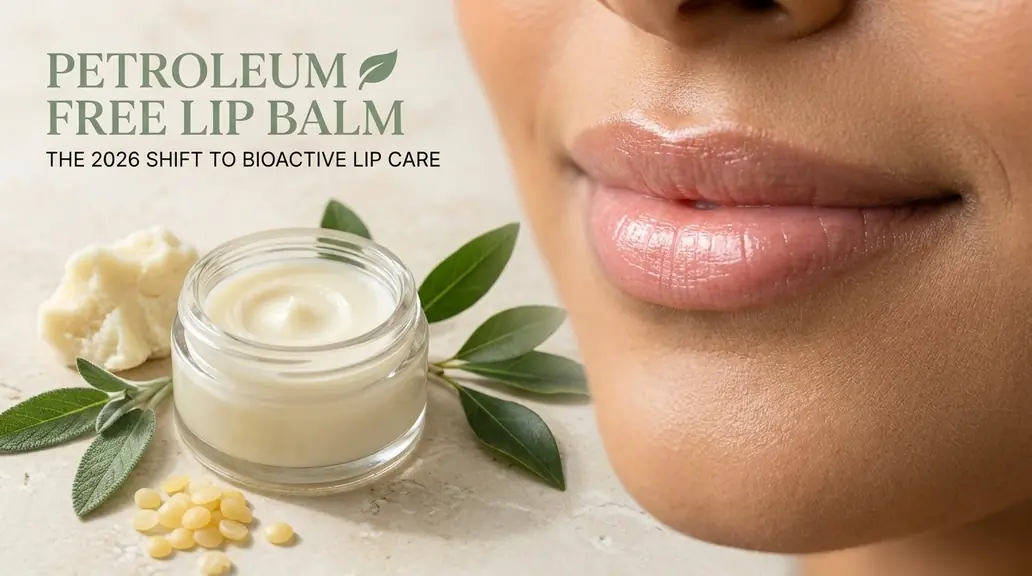
Shea nut is an excellent lip balm from the African savannah.
5. COCONUT
Coconut hydrates, nourishes and protects the skin against external aggressions. Its water reduces wrinkles, while its oil soothes dry and irritated skin. It can also be applied as a mask to damaged, rough and dull hair. To prepare a coconut mask for dry skin, mix a tablespoon of crushed coconut with another of natural yogurt and ten drops of almond oil.
6. HANDLE
Of similar properties is another exotic fruit: the mango or “peach of the tropics”. Its vitamin C is involved in the formation of collagen and is excellent as a moisturizer for dry skin. It also contains beta-carotene, which improves tanning, and vitamin A, essential for the good condition of skin, hair and nails. Its potassium regulates the water balance of cells. It is, like coconut, ideal for dry and damaged hair. The mango hair mask is prepared by crushing half a mango with two tablespoons of cream, applied to the hair for 20 minutes and rinsed. Ideal after sun exposure.
7. LYCHEE
In southern China , lychee ripens, another fruit with phytoactive components that nourish and hydrate the skin . Maracuyá or passion fruit , from Central America, is also moisturizing , which also has a deodorant effect.
8. LOTUS FLOWER
To hydrate the skin , the lotus flower is ideal: it quenches the skin’s thirst by hydrating it deeply .
9. YLANG-YLANG
With a delicate aroma, it is used to care for dry skin, brittle nails and rough and damaged hair. Its essential oil helps to release tension and is used in massages.
TAURUMI: MASSAGES AND OILS WITH TROPICAL INGREDIENTS
Taurumi is a traditional Polynesian massage technique that has been passed down from generation to generation and is given to babies by parents after bathing.
Through a comprehensive face and body massage, energy is balanced. It is relaxing, decontracting and activates blood circulation, thereby releasing the muscles from tension.
To give the massage, the entire body is rubbed with mono’i’ for about an hour. Mono’i’ means “scented oil” in Tahitian. It is obtained by macerating tiare flower ( Gardenia tahitensis ) in coconut oil and has been used by Tahitian women for centuries to moisturize and nourish skin and hair.
Tahitian is also noni, a fruit whose name means “gift from the gods” that grows on a tree that is already abundant in the Caribbean. It is reminiscent of a small pineapple and has been used for centuries to hydrate and nourish the skin.
It has antioxidant properties, making it an excellent rejuvenator. Due to its high caffeine content, it helps, when used externally, to combat cellulite.
To prepare a noni tonic, mix 95 ml of rose water with 5 ml of noni juice. Provides well-being and freshness to the skin.

TROPICAL FRUITS AGAINST CELLULITE AND AGING
The pineapple, native to South America, is known by the natives as pineapple or “excellent fruit.” It has multiple cosmetic applications, since it dilutes lipids and reduces cellulite. Its vitamin C provides hydration and luminosity to the skin, which it rejuvenates.
With the water obtained from cooking the peel, a tonic against acne is obtained and its crushed pulp helps to erase the spots produced by the sun.
Guarana , from the Amazon, also acts against cellulite , which also softens the skin and hair. One tablespoon of guarana powder is mixed with two of clay and a concentrated infusion of horsetail is added until a fluid mask is obtained that is easy to apply.
Two other fruits from South America should be highlighted.
Papaya , for its exfoliating properties and for its usefulness in combating oxidative stress caused by sun exposure; and guava , which applied locally neutralizes free radicals responsible for premature aging.
You can prepare a nourishing exfoliating mask by mixing a piece of papaya with 20 drops of almond oil. And a tablespoon of yogurt.
In Asia, Africa and Oceania, bamboo combines both properties. Its micronized cane exfoliates the skin without damaging it and due to its magnesium content it is an excellent regenerator.
Frequently Asked Questions About Tropical Fruits for Skin
Which tropical fruits are best for skin?
Mango, papaya, pineapple, avocado, coconut, dragon fruit, passion fruit, and guava are the most beneficial tropical fruits for skin. Mango provides vitamin C and antioxidants for brightening. Papaya contains enzymes that gently exfoliate. Pineapple offers bromelain for cell turnover. Avocado delivers healthy fats for moisture. Coconut hydrates and supports the barrier. Dragon fruit, passion fruit, and guava add antioxidants and vitamin C. Both dietary intake and topical applications produce skin benefits, with consistency mattering more than which specific fruit you choose.
How do you use tropical fruits on skin?
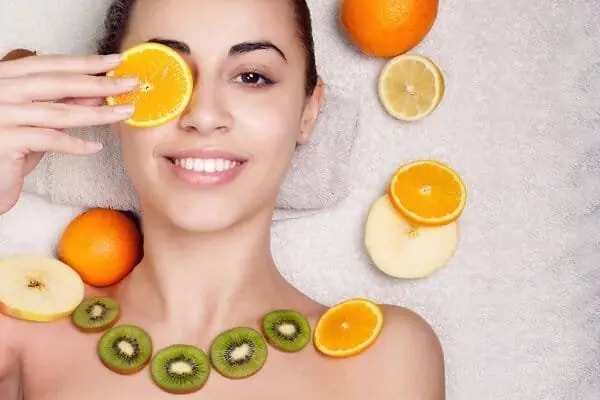
Tropical fruit face masks made from mashed fruit, mixed with honey or yoghurt, applied to clean skin for ten to fifteen minutes, are the simplest DIY application. Use mashed mango or papaya for brightening, mashed pineapple for gentle exfoliation, mashed avocado mixed with honey for hydration, and coconut milk mixed with oats for sensitive skin. Always patch test before applying, and rinse with lukewarm water. Use weekly for best results. Eating these fruits regularly amplifies the skin benefits from within.
What are the benefits of pineapple for skin?
Pineapple contains bromelain, an enzyme that gently exfoliates dead skin cells, supports cell turnover, reduces inflammation, and brightens dull skin. It is particularly effective for blackheads, dull texture, and uneven tone. Apply mashed pineapple as a five-minute mask once a week or look for skincare products with bromelain. Avoid daily use, since concentrated pineapple enzymes can irritate sensitive skin. Always rinse thoroughly, follow with moisturiser, and use sunscreen the next day, as exfoliated skin is more UV-sensitive.
Can you eat tropical fruits for better skin?
Yes, dietary intake of tropical fruits provides systemic skin benefits that topical applications cannot match. Daily servings of mango, papaya, pineapple, or other tropical fruits deliver vitamin C, antioxidants, fibre, and water that support skin from within. Aim for one or two servings daily as part of a balanced diet rich in colourful fruits and vegetables. The benefits include better hydration, more even tone, reduced inflammation, and stronger antioxidant defence. Combine with topical skincare and adequate sleep for the best overall results.
Are tropical fruit face masks safe for sensitive skin?
Most tropical fruit masks are safe for sensitive skin when used correctly, but some, like pineapple and citrus-based fruits, can be too acidic. Stick with mango, papaya, avocado, and coconut for sensitive skin. Always patch test on the inner forearm for twenty-four hours before facial application. Limit mask time to five to ten minutes initially, and avoid the eye area. If any stinging, redness, or irritation occurs, rinse immediately and stop using. Consult a dermatologist for severely sensitive or reactive skin before trying DIY masks.
How often should you use tropical fruit masks on your skin?
Once a week is the sweet spot for most skin types. More frequent use, especially with enzyme-based fruits like papaya and pineapple, can over-exfoliate and irritate the skin. Hydrating masks with mango or avocado can be used twice a week without issue. Listen to your skin and reduce frequency if any irritation appears. Pair fruit masks with consistent daily skincare for the best results. Special occasions or seasonal changes can warrant additional masking, but daily use is not recommended.
RELATED ARTICLES:
2025’s Best Natural Wrinkle Remedy: Garlic Skincare Hacks for Ageless Beauty!
Summer Skin Care Adding Mangoes to Your Diet
Milk Bath Beauty Ritual for Gorgeous Skin
Sip Your Way to Radiant Skin: Delicious Vitamin C-Rich Drink Recipes
Unlock the Hydrating Power of Rose Oil for Beautiful Skin
About The Author

COMMENTS