
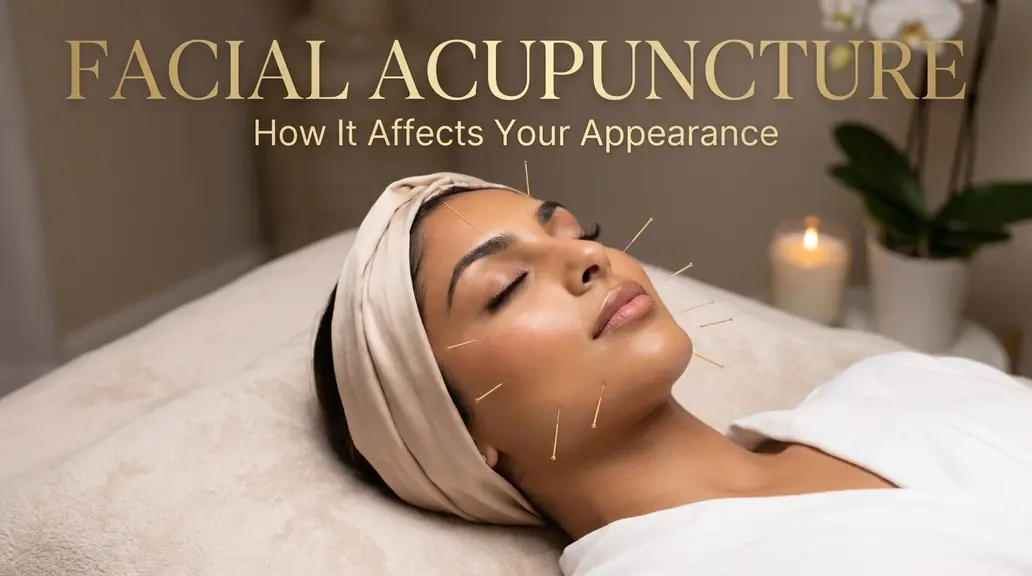
Facial acupuncture is an ancient Chinese therapy now popular in the West for natural facial rejuvenation. By stimulating precise points, it aims to
Facial acupuncture is an ancient Chinese therapy now popular in the West for natural facial rejuvenation. By stimulating precise points, it aims to boost circulation, ease tension, and support collagen for a brighter, lifted, more youthful look, and this guide explains how facial acupuncture affects your appearance and what results to expect.
How does acupuncture affect your face and overall appearance? This ancient Chinese therapy, now popular in the West for natural facial rejuvenation, uses tiny needles placed at specific points to boost circulation, stimulate collagen, and ease tension. In this guide we explore facial acupuncture in depth, including how it works, the science behind it, the benefits people report, and what to expect if you decide to try it for yourself.
Reviewed by the BeautynFacts editorial team. Last updated: May 2026.
Understanding Acupuncture: A Brief Overview
Acupuncture is a form of traditional Chinese medicine that involves the insertion of thin needles into specific points on the body, known as acupuncture points or acupoints. The practice is based on the belief that qi (pronounced “chee”), or life force energy, flows through the body along channels called meridians. By stimulating these acupoints, acupuncture aims to balance the flow of qi and promote healing, pain relief, and overall well-being.
Facial Acupuncture: What Is It and How Does It Work?
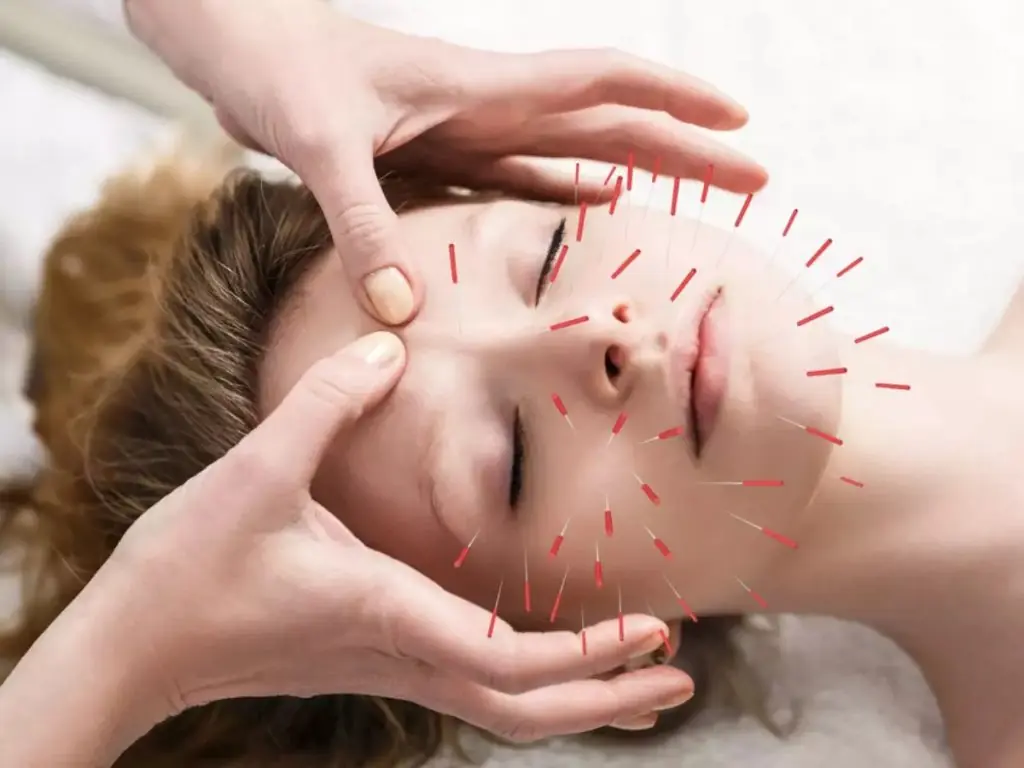
Facial acupuncture, also known as cosmetic acupuncture or facial rejuvenation acupuncture, is a specialized form of acupuncture that focuses on the face and neck. It involves the insertion of ultra-fine needles into specific acupoints on the face to promote blood circulation, stimulate collagen production, and encourage natural healing processes.
The procedure is based on the same principles as traditional acupuncture, working to balance the flow of qi in the face and neck, which is believed to improve skin health and appearance. Practitioners may also use additional techniques, such as electroacupuncture or facial cupping, to enhance the results.
The Benefits of Facial Acupuncture
Facial acupuncture offers numerous benefits for skin health and overall facial appearance. Some of the key advantages include:
3.1 Reducing Wrinkles and Fine Lines
By stimulating collagen production, facial acupuncture can help reduce the appearance of wrinkles and fine lines. Collagen is a protein that provides structure and elasticity to the skin, and its production naturally declines with age. Acupuncture is believed to encourage collagen synthesis, leading to firmer, more youthful-looking skin.
3.2 Toning and Firming Facial Muscles
Facial acupuncture can also help tone and firm facial muscles. The needles create micro-traumas that trigger the body’s natural healing response, tightening and lifting the skin. This can result in a more contoured, sculpted appearance.
3.3 Enhancing Complexion and Reducing Acne
Acupuncture is known to improve blood circulation, which can lead to a brighter, more radiant complexion. Additionally, facial acupuncture can help balance the body’s hormonal response, which may reduce acne breakouts and promote clearer skin.
3.4 Improving Facial Circulation
By targeting specific acupoints, facial acupuncture can improve blood flow to the face, providing essential nutrients and oxygen to the skin cells. This enhanced circulation can promote cell regeneration, improve skin tone, and reduce puffiness and dark circles under the eyes.
3.5 Promoting Relaxation and Stress Reduction
Stress is a major contributor to skin issues like premature aging, acne, and dullness. Facial acupuncture can promote relaxation and help alleviate stress, as it stimulates the release of endorphins, the body’s natural painkillers and mood enhancers. A more relaxed state can lead to an improvement in overall skin health and appearance.
The Science Behind Facial Acupuncture
While the traditional understanding of acupuncture is rooted in ancient Chinese medicine, modern research has begun to shed light on the mechanisms by which acupuncture may improve skin health. Studies suggest that the insertion of needles at specific acupoints can increase blood flow, stimulate collagen production, and promote the release of endorphins.
However, more research is needed to fully understand the effects of facial acupuncture on the skin and to establish standardized treatment protocols. It is essential to consult a qualified, experienced practitioner to ensure the best possible results.
Facial Acupuncture Techniques
There are several techniques used in facial acupuncture, each with its unique approach and benefits:
5.1 Traditional Needle Therapy
This technique involves the insertion of ultra-fine, sterile needles into specific acupoints on the face, neck, and sometimes the body. The needles are left in place for 20-30 minutes before being removed. This method is the most common and traditional form of facial acupuncture.
5.2 Electroacupuncture
Electroacupuncture involves attaching a small electrical device to the acupuncture needles, sending gentle electrical pulses through the needles to further stimulate the acupoints. This technique can enhance the effects of traditional acupuncture, particularly for firming and toning the facial muscles.
5.3 Acupressure
Acupressure is a needle-free alternative to acupuncture that uses gentle finger pressure on the acupoints instead of needles. While less invasive, acupressure may not provide the same level of stimulation and results as traditional needle therapy.
5.4 Facial Cupping
Facial cupping uses small suction cups to create a vacuum effect on the skin, increasing blood flow and lymphatic drainage. This technique can be used in conjunction with acupuncture to improve skin tone and elasticity, reduce puffiness, and promote relaxation.
Is Facial Acupuncture Right for You?
Facial acupuncture is a natural, non-invasive, and holistic approach to improving skin health and appearance. It may be an excellent option for those looking for an alternative to more invasive cosmetic procedures like Botox or fillers. However, it is essential to consult with a qualified practitioner to determine if facial acupuncture is suitable for you, as certain medical conditions or skin issues may require alternative treatments.
Facial acupuncture is a growing trend in the world of skincare and wellness, offering numerous benefits for skin health, appearance, and overall well-being. By understanding the principles, techniques, and benefits of facial acupuncture, you can make an informed decision about whether this ancient practice is the right choice for your skincare journey. Remember, it is essential to seek out a qualified and experienced practitioner to ensure optimal results and minimize any potential risks.
Frequently Asked Questions About Facial Acupuncture
Does facial acupuncture really work for anti-ageing?
Facial acupuncture has growing evidence for modest anti-ageing benefits through improved circulation, increased collagen synthesis, and reduced muscle tension that contributes to expression lines. A typical course of ten to twelve weekly sessions produces visible firmness, brightness, and softening of fine lines for most people. Results are subtler than injectables but come without downtime, allergic reactions, or frozen expressions. Maintenance sessions every four to six weeks help sustain results. It pairs well with skincare and is best viewed as supportive rather than transformative.
How many facial acupuncture sessions do you need to see results?
Most people see initial brightness and reduced puffiness within three to five sessions, with more lasting changes in firmness, fine lines, and tone evenness around the eight to twelve session mark. Practitioners typically recommend an initial course of ten to twelve weekly sessions, followed by monthly maintenance. Results build cumulatively, so skipping sessions or stretching the timeline weakens the effect. Pair with consistent skincare, sleep, and sun protection for the best return on investment from the course.
Is facial acupuncture painful or does it hurt?
Facial acupuncture uses extremely fine needles, much thinner than injection needles, so most people feel only a slight pinch or pressure at the moment of insertion. Once the needles are in place, the sensation typically settles into a mild warmth or tingling. Some areas like between the eyebrows or near the jaw can be slightly more sensitive. The treatment is generally well tolerated, and many people find it relaxing enough to fall asleep on the table. Bruising is the most common minor side effect.
How is facial acupuncture different from Botox or fillers?
Facial acupuncture works by stimulating the body’s own collagen production, circulation, and muscle tone, producing gradual subtle changes. Botox paralyses specific muscles to reduce dynamic wrinkles, while fillers add volume to specific areas. Acupuncture results are softer and require ongoing sessions to maintain. Botox lasts three to four months per treatment and fillers last six to eighteen months depending on the product. Many people combine the approaches, using acupuncture for overall skin quality and injectables for specific areas of concern.
Are there any side effects of facial acupuncture?
Minor bruising at insertion sites is the most common side effect, lasting two to seven days. Some people experience mild redness or slight swelling for a few hours after the session. Light-headedness during the first session is occasional. Serious side effects are rare when treated by a licensed practitioner using sterile single-use needles. Avoid facial acupuncture if you are taking blood thinners, have a bleeding disorder, are pregnant, or have an active facial infection. Always check credentials and hygiene practices before booking.
How much does facial acupuncture cost?
Individual sessions typically run from sixty to two hundred dollars depending on location, the practitioner’s experience, and whether the session includes additional services like cupping, gua sha, or LED therapy. A full initial course of ten to twelve sessions can range from six hundred to two thousand four hundred dollars total. Many practitioners offer package discounts. Insurance rarely covers cosmetic acupuncture. Compare costs against the long-term cost of repeated injectables, since acupuncture maintenance can be more economical over years.
RELATED ARTICLES:
Facial Care: The Right Daily Gestures for Healthy, Radiant Skin
2025’s Best Natural Wrinkle Remedy: Garlic Skincare Hacks for Ageless Beauty!
The Ultimate Body Care Routine for Your Softest, Most Supple Skin Yet
Silicone Chest Pads: The Science Behind Why They Work & More
How to Care for Decolletage and Chest Wrinkles
About The Author

COMMENTS