





Smudged Tightline: The Lazy Girl’s 60-Second eye makeup: If you have ever wondered how some people walk out the door looking effortlessly put-to
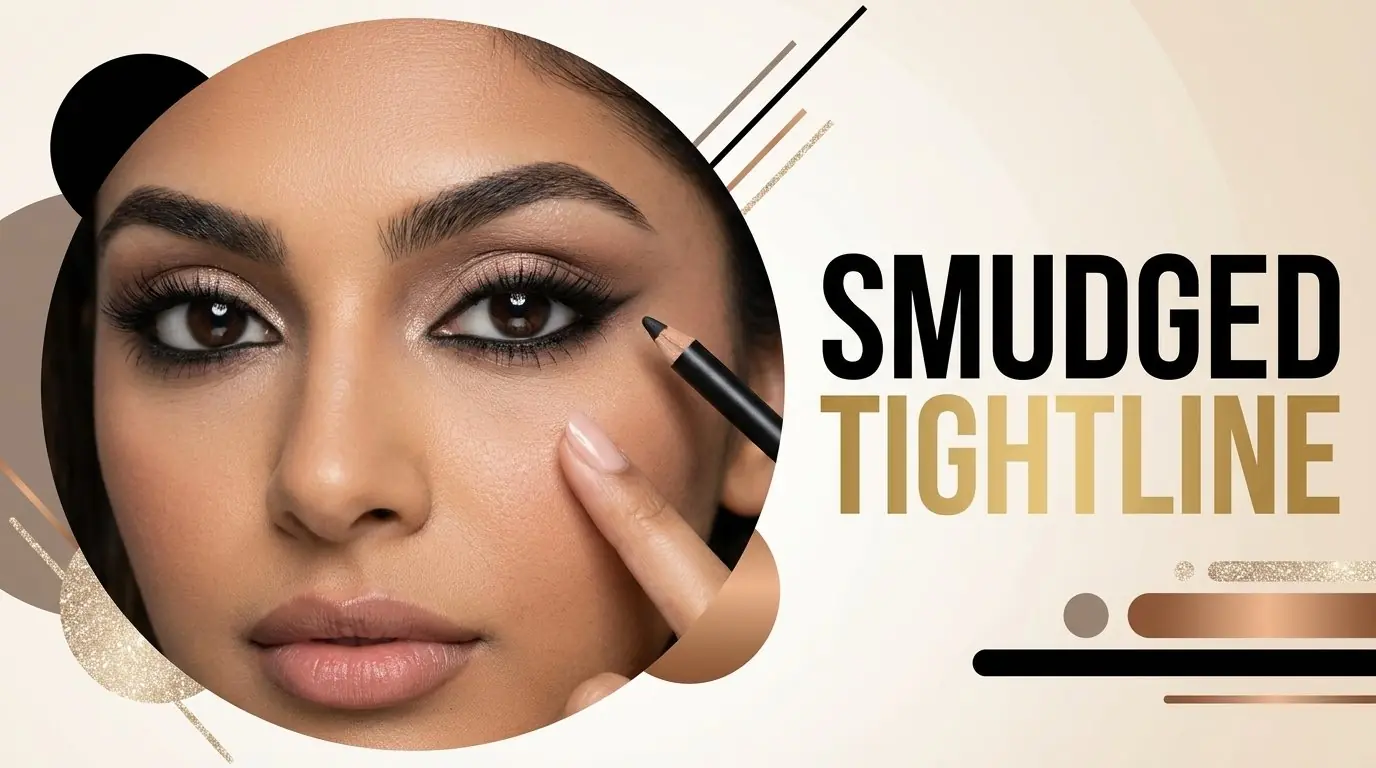
Smudged Tightline: The Lazy Girl’s 60-Second eye makeup: If you have ever wondered how some people walk out the door looking effortlessly put-together without a full face of makeup, the secret often comes down to one deceptively simple technique: the smudged tightline. This method sits at the sweet spot between barely-there and boldly defined, giving your eyes a depth and intensity that looks like it took real effort when, in reality, you can pull it off in under a minute. It is the kind of trick that professional makeup artists have relied on for decades to make eyes look more awake, larger, and naturally striking, and it translates just as well into a two-minute morning routine as it does into a full glam prep session. This guide covers everything you need to know: the science behind why the waterline matters so much for eye definition, which product formulas actually work for smudging, how to apply the technique for different eye shapes, how to make it last through a full day, and how to build from a natural-looking finish all the way to a smoky, editorial result. Whether you are a complete beginner or someone who has been doing their makeup for years and just wants to refine their approach, this is the most complete walkthrough you will find on the subject.
Published · Updated
Smudged tightlining takes that concept and deliberately softens it. Instead of a precise, sharp application, you apply the product and then blend it gently so that the pigment diffuses slightly above the waterline onto the lower lash line or lightly along the lash roots. The result is a soft, smoky definition that reads as naturally deeper eyes rather than painted-on colour. It is less structured than winged liner, less intense than a full smoky eye, and far more forgiving of imperfect application because the whole point is that it looks a little smudged.
This distinction matters because the two approaches, precise and smudged, require different product choices, different application tools, and different techniques for longevity. A firm pencil that works beautifully for sharp tightlining may be too waxy to blend smoothly. A gel formula that sets quickly might be impossible to smudge after a few seconds. Understanding what you are trying to achieve shapes every product and technique decision that follows.
The Anatomy of the Waterline: Why This Area Is Different
The waterline is one of the most demanding environments you can apply makeup to, and understanding why helps explain both why the technique is so effective and why so many people struggle with longevity. The waterline is not skin in the conventional sense. It is the mucosal margin of the eyelid, the edge where the skin transitions to the wet, mucous-membrane-lined inner surface of the eyelid. This tissue produces moisture constantly as part of the natural tear film system that keeps your eyes lubricated and healthy.
The Meibomian glands, a row of modified sebaceous glands that run along the waterline, secrete oily compounds that form the lipid layer of the tear film. This oily secretion serves a critical biological purpose: it slows the evaporation of tears and keeps your eyes from drying out. For makeup, however, it creates a challenging environment because many pigments and binders that work well on dry skin cannot adhere properly to a surface that is constantly producing oil and moisture.
This is why standard eye pencils often disappear from the waterline within an hour, why some formulas migrate into the under-eye area and create dark smudges in all the wrong places, and why certain product types, particularly those formulated with specific wax and oil ratios, perform dramatically better in this area than others. It is also why the temperature of the eye area, which is slightly higher than the surrounding skin due to the eye’s blood supply, affects how quickly products soften and move after application.
When you understand that you are working with a naturally self-lubricating, temperature-elevated mucosal surface, product choice stops being a matter of preference and becomes a matter of chemistry. The products that survive and blend well on the waterline are the ones formulated to work with this environment rather than against it.
The Science of Pigment Transfer on the Waterline
Pigment transfer on the waterline happens through two primary mechanisms: physical contact and oil migration. Physical contact transfer occurs when the upper and lower waterlines touch during blinking, which happens roughly 15 to 20 times per minute. Each blink creates a brief moment of contact that can transfer pigment from one surface to the other, which is why liner applied to the upper waterline often appears on the lower waterline over time even without deliberate application there.
Oil migration is slower but equally significant. The lipid compounds secreted by the Meibomian glands gradually work into the binder matrix of pencil and gel formulas, softening the product and causing pigment particles to migrate outward from the point of application. The rate at which this happens depends on the molecular weight and polarity of the wax compounds in the liner formula: higher-melting-point waxes like carnauba and candelilla resist oil migration better than lower-melting-point petroleum-derived waxes, which is one reason professional-grade kohl and kajal formulations tend to use specific wax blends.
For smudged tightlining, this migration can actually be an asset. If you apply a softer formula and allow a minute or two of natural migration before pressing a cotton swab or finger along the lash line, the product will have already begun to spread in a way that looks controlled and intentional rather than accidental. You are essentially working with the natural movement of the product rather than fighting it, which is the core principle behind why smudged tightlining is so beginner-friendly.
Best Product Formulas for Smudged Tightlining
The product you choose for smudged tightlining matters enormously, and the four main formula categories each have distinct advantages and limitations worth understanding in detail.
Kohl Eyeliner
Kohl is one of the oldest eye makeup formulas in existence, with a history stretching back thousands of years across North Africa, the Middle East, and South Asia. Traditional kohl was made from galena (lead sulphide), though modern cosmetic khols use safer alternatives like carbon black, iron oxides, and various wax and oil binders. The defining characteristic of kohl is its extremely soft, powdery texture that delivers intense pigmentation with minimal drag on the waterline.
For smudged tightlining, kohl is often considered the gold standard. Its softness means it deposits colour easily without pulling at the delicate waterline tissue; its high pigment concentration means a single pass delivers visible impact; and its texture lends itself naturally to blending because the particles sit loosely on the surface for a brief window after application. The main challenge with kohl is longevity: many kohl formulas are deliberately soft and will migrate significantly over time, which is exactly what you want for an intentionally smudged effect but can be frustrating if you need the look to stay precise for hours.
Waterproof kohl formulas attempt to address this by incorporating film-forming agents, but they can feel drier and slightly less comfortable on the waterline. The sweet spot is a kohl formula that is soft enough to blend easily but contains enough higher-melting-point waxes to resist rapid migration after you have finished blending.
Gel Eyeliner
Gel eyeliners, whether in pot form or in retractable pencil format, use a gel-based binder system that deposits pigment in a creamy, blendable layer that then sets to a more transfer-resistant finish than most wax pencils. The setting time is critical for smudged tightlining: you have a window of approximately 20 to 60 seconds after application during which the product is workable and blendable. After that, the gel begins to set and becomes progressively harder to smudge without dragging.
Gel liners in pencil form (often labelled as ‘gel pencils’ or ‘kohl-gel hybrids’) are particularly well-suited for smudged tightlining because they combine the easy application of a pencil with the staying power of a gel formula. They tend to glide smoothly over the waterline without excessive pressure, deposit a rich layer of pigment, and respond well to blending during that initial setting window. Once set, they resist the oil migration that causes traditional pencils to disappear, which means your smudged effect stays where you put it rather than migrating further down the face.
Kajal
Kajal, sometimes used interchangeably with kohl in common usage but technically a distinct category, refers to eye preparations traditionally made by collecting the soot from burning specific plant materials or oils. Modern kajal pencils are formulated to replicate the intensely pigmented, soft, slightly smoky quality of traditional preparations using safer synthetic ingredients.
Kajal sits between kohl and gel in terms of texture: softer and more blendable than gel pencils but often with better staying power than pure kohl. For smudged tightlining, kajal is an excellent choice for beginners because its texture is forgiving and easy to work with. The slightly powdery finish also helps prevent the look from appearing too shiny or heavy in the waterline area, which can read as overdone in everyday contexts.
Traditional Pencil Eyeliners
Standard wax-based pencil eyeliners are the most widely available option and range enormously in quality and performance for this specific technique. The key variable to look for is the hardness of the formula. A pencil that is too hard will drag on the waterline, require excessive pressure to deposit colour, and feel uncomfortable. A pencil that is too soft will migrate too rapidly and may cause excessive fallout or migration into the inner eye.
Look for pencils described as creamy, smooth, or ultra-blendable, and specifically those with a slightly tacky or velvety finish rather than a waxy or dry finish. Waterproof pencils formulated for the waterline area are worth the premium price because their binder systems are specifically engineered to adhere to mucosal surfaces, something standard pencils are not designed to do.
Step-by-Step: How to Apply a Smudged Tightline
The following technique works for both beginners and experienced makeup wearers. It is specifically designed to be repeatable and forgiving, meaning small imperfections in the initial application are corrected during the smudging step rather than requiring a precise hand from the start.
Preparing the Eye Area
Start with a clean, moisturised eye area. If you wear contact lenses, insert them before applying any eye makeup to avoid contamination and to ensure you can see clearly while working. If you use any eye cream in your routine, apply it at least 15 minutes before doing your eye makeup and make sure it has fully absorbed rather than sitting in a greasy film on the skin. Excess oil on the lower lash line will accelerate migration and reduce longevity significantly.
If you want maximum staying power, apply a thin layer of translucent setting powder to the lower lash line area and lower waterline rim (the very bottom edge where the lid meets the lower lash line, just below the waterline itself) using a small brush. This creates a slightly textured surface that gives the liner pigment something to grip. This step is optional but makes a meaningful difference for people who find waterline products disappear quickly on them.
The Application
Hold the pencil or liner at a comfortable angle and look straight ahead into a mirror, or slightly downward if that feels more comfortable. Gently pull the outer corner of your upper eyelid taut with the ring finger of your non-dominant hand. This subtle tension steadies the area and slightly everts the waterline, making it easier to access.
Apply the liner to the upper waterline in short, gentle strokes from the inner corner toward the outer corner. You do not need to complete this in a single stroke. Work in small sections: inner third, middle third, outer third. Use light pressure rather than pressing hard. The goal is to deposit colour, not to drag the product along. If the pencil is resistant or requires real pressure, it may be too hard for this technique, or it may need to be slightly warmed by rubbing the tip briefly against the back of your hand before applying.
For the lower waterline, the approach is similar, but the anatomy is slightly different. The lower waterline is more exposed and generally easier to access. Look upward slightly and apply along the lower waterline from the outer corner inward. Many people prefer to stop about two-thirds of the way to the inner corner on the lower waterline, leaving the inner corner unlined to avoid making the eyes look smaller or more closed-off.
The Smudging Step
This is where the technique differentiates itself from standard tightlining. Immediately after applying the liner (within 30 to 60 seconds for gel formulas, slightly longer for kohl and kajal), use a small smudge brush, a cotton swab, or the tip of a clean ring finger to gently press and roll along the lash line just above or below where you applied the liner.
The motion is not a wiping or dragging motion. Think of it as a gentle press-and-roll: press the tool into the product, roll it slightly toward the lash roots, lift, move along the line, and repeat. This distributes the pigment into the base of the lashes rather than pulling it away, creating that soft, diffused definition that reads as naturally deeper eyes.
For the upper line, smudge the pigment upward into the roots of the upper lashes. This creates a lash-darkening effect that makes lashes look thicker at the base, similar to the effect of applying mascara to the roots specifically. For the lower line, smudge the pigment downward onto the lower lash line (the outer skin below the lashes), creating a soft shadow that defines the lower lid without requiring a separate liner application on the skin itself.
Finishing and Setting
Once you have smudged to your satisfaction, allow 60 to 90 seconds for any gel formulas to complete their setting process. If you are working with kohl or kajal and want to lock the effect in place, apply a very light dusting of dark eyeshadow (a matte shade that matches or slightly deepens your liner colour) over the smudged area using a small fluffy brush. This sets the pigment, reduces shine, and adds additional depth to the smudge effect.
If any product has transferred to the lower lid or inner corner in a way that looks unintentional, a clean cotton swab dipped lightly in micellar water or a flat concealer brush with a small amount of concealer can clean up the edges precisely without disturbing the liner itself.
Upper Waterline vs Lower Waterline vs Both: Which Approach Is Right for You
The choice of where to apply the smudged tightline significantly affects the final result, and understanding the visual impact of each approach lets you customise the technique to your features and goals.
Upper Waterline Only
Lining only the upper waterline is the most subtle and most universally flattering approach. It adds depth at the lash line without adding any visible liner to the lower lid, which keeps the eye looking open and awake. This is the go-to for no-makeup makeup looks, for people whose eyes are naturally downturned (where lower liner tends to exaggerate the downward pull), and for anyone who wants the effect of fuller lashes without visible liner.
Upper waterline application also tends to last longer than lower waterline application because the upper waterline is covered during blinking rather than exposed to the air, which means it experiences less evaporation and less contact with fingers throughout the day. The trade-off is that the effect is less dramatic and requires closer inspection to notice compared to lower waterline applications.
Lower Waterline Only
Lower waterline application creates a different kind of definition: rather than making lashes look fuller from above, it frames the lower lid and creates a rim of colour that draws attention to the whites of the eyes by contrasting against them. A dark lower waterline makes eyes look more intensely defined and can create a slightly sultry or editorial effect even with minimal product elsewhere.
The main consideration with lower waterline-only application is that dark colours on the lower waterline can make the eyes look smaller if not balanced with something on the upper lid. Pairing lower waterline liner with mascara on the upper lashes or a light eyeshadow on the lid helps prevent the closed-in effect that some people experience.
Both Waterlines
Lining both waterlines creates the most dramatic version of the smudged tightline look and moves the technique firmly into the territory of a visible, intentional eye look rather than a subtle enhancement. When both waterlines are lined and smudged, the eye takes on a smoky, deeply defined quality that can stand alone without additional eyeshadow.
For this approach, consider using a slightly lighter or warmer shade on the inner waterline (the inner corner area) to prevent the look from closing the eye off too much. A dark liner all the way around the inner corner can create a heavy, tired effect, while leaving the innermost section slightly lighter or using a nude or champagne pencil on just the inner corner creates a brightening contrast that keeps the look fresh.
Eye Shapes That Benefit Most From the Smudged Tightline
While the smudged tightline is flattering on most eye shapes, certain eye types get particularly transformative results from this technique.
Monolid Eyes
Monolid eyes, which lack a defined crease, benefit enormously from waterline definition because traditional eyeliner techniques that rely on drawing along the lash line from above can disappear into the fold when the eye is open. Tightlining the waterline ensures the definition is right at the lash root, where it remains visible regardless of lid placement. A smudged effect on monolid eyes creates a soft, dimensional depth that reads beautifully and does not require the precision of above-lash-line techniques.
Hooded Eyes
Hooded eyes, where the upper lid partially or fully covers the crease when the eye is open, face similar challenges. Liner applied to the upper lid often disappears under the hood when the eye opens. Waterline lining and smudging remain visible because they are positioned at the lash root rather than on the movable lid. For hooded eyes, focusing the smudge effort on the outer two-thirds of the lash line and blending the pigment slightly upward and outward creates a lifted, opened effect.
Deep-Set Eyes
Deep-set eyes, which are positioned deeper in the socket with a more prominent brow bone, can look even more recessed if the tightline is applied too heavily. For this eye shape, a softer smudge using a lighter colour, warm browns and taupes rather than black, and applying to the upper waterline only tends to define without emphasising the depth of the socket.
Prominent or Round Eyes
Prominent or very round eyes can benefit from the smudged tightline as a way to add definition without the harsh structure of a winged liner. Lining both waterlines and smudging creates a slightly more elongated appearance because the definition draws the eye outwards. Using a darker shade at the outer corners and a lighter or unlined inner corner enhances this elongating effect.
Small or Close-Set Eyes
For small eyes, the upper waterline approach with a smudge is ideal because it creates the illusion of a fuller lash line without adding the visual weight of visible liner. For close-set eyes, limit the liner to the outer two-thirds of both waterlines and use a nude or white pencil on the inner waterline to optically widen the space between the eyes.
Building From Natural to Bold: A Progressive Approach
One of the most useful aspects of the smudged tightline technique is that it is modular. You can stop at any point in the build-up process and have a complete, intentional look, or you can continue adding steps for a more dramatic result. Understanding this progression makes the technique adaptable to any occasion.
Level One: The Subtle Enhancement
Apply a brown or dark grey kohl or kajal pencil to the upper waterline only. Smudge gently upward into the lash roots with a cotton swab. Apply one coat of mascara. This takes approximately 60 seconds and creates the visual effect of fuller, darker lashes with no visible liner. It reads as naturally beautiful rather than made-up, which makes it perfect for no-makeup makeup situations, work environments with conservative makeup expectations, or days when you simply do not want to spend time on a full eye look.
Level Two: Defined but Soft
Apply a soft black or deep brown pencil to the upper and outer lower waterline (stop approximately two-thirds of the way in). Smudge upward on the upper line and slightly downward on the lower line. Apply mascara with a second coat specifically at the roots. This creates a visible definition that reads as a deliberate eye look without being heavy or dramatic. It works for daytime social situations, dates, and occasions where you want to look polished without a full face of makeup.
Level Three: The Smoky Smudge
Apply liner to both full waterlines. Smudge aggressively using a brush to push pigment into the lash roots and slightly onto the skin both above and below. Apply a dark matte eyeshadow over the smudged areas using a small dense brush to deepen and set the colour. Blend the edges with a slightly larger fluffy brush for a seamless gradient from dark liner to bare skin. Add mascara or false lashes. This creates a true smoky eye that takes five to seven minutes but reads as considerably more sophisticated than its time investment suggests because the smudged tightline creates a depth that regular shadow-based smoky eyes often lack.
How to Make Your Smudged Tightline Last All Day
Longevity is the most common challenge people encounter with waterline techniques, and it is worth addressing systematically because the solutions are specific and evidence-based rather than general good-luck advice.
Product Selection for Longevity
Choose formulas specifically labelled as waterproof or long-wear on the waterline. These are not interchangeable labels in terms of what they mean chemically: waterproof formulas use film-forming polymers and hydrophobic waxes that resist moisture, while long-wear formulas often use a combination of higher-melting-point waxes and acrylate binders that resist both moisture and oil. For the waterline, you want ideally a formula that is both or, at minimum, one that specifically states it is formulated for the waterline.
Black pigments (carbon black and iron oxides) tend to have better staying power than coloured pigments on the waterline because their particle size and surface properties allow them to bind more effectively with wax matrices. If you find that black liner lasts better for you than coloured liners, this is likely the reason, and it suggests choosing high-quality pigments specifically in coloured formulas if you want to experiment with colour on the waterline.
Preparation and Priming
Applying a thin layer of translucent setting powder to the lower lash line before liner application genuinely extends wear time by absorbing excess oils that would otherwise break down the liner formula. This step is particularly helpful for people with oilier skin or those who live in humid climates.
Eye primer applied to the lid area does not directly prime the waterline (primers are designed for the movable lid skin rather than the mucosal surface), but it does help prevent migration from affecting the area around the waterline, keeping any fallout or oil migration from spreading further than the waterline itself.
Setting the Liner
After smudging, dusting a matching dark eyeshadow over the smudged area locks the pigment in place. The powder particles fill the spaces between the wax binder particles in the liner formula and create additional surface friction that slows migration. This alone can extend wear time by two to four hours in real-world conditions.
Avoiding Touching and Rubbing
This is obvious but worth stating explicitly because it is the most common cause of liners disappearing faster than expected. The habit of rubbing the eyes, touching the lower lash line, or pressing glasses against the nose frequently brings finger oils and external friction into contact with the liner. If glasses-wearing is a factor, look for formulas specifically tested for compatibility with contact lens and glasses wearing.
Touch-Up Strategy
Rather than relying on a single application to last all day, carry the liner you used and plan for a touch-up after four to six hours. For the smudged tightline specifically, touch-ups are actually faster than initial application because you are working over the ghost of pigment already on the waterline rather than starting fresh, and the existing smudge helps the new application blend instantly.
Common Mistakes and How to Avoid Them
Understanding the most frequent errors people make with smudged tightlining helps you sidestep the learning curve and get the technique right from the first try.
Using the Wrong Formula
Applying a standard lip liner, eyebrow pencil, or a liner designed for the lid rather than the waterline is one of the most common mistakes. These formulas are designed for different surface chemistry and often contain ingredients that are not appropriate for use near the mucosal surface or that simply do not adhere in that environment. Always use products specifically formulated and tested for waterline use.
Pressing Too Hard
Applying excessive pressure when lining the waterline is both uncomfortable and counterproductive. Hard pressure drags the product rather than depositing it, creates an uneven line, and can cause the product to break into chunks rather than laying down smoothly. Light, consistent pressure with a sharpened or freshly wound pencil is always more effective than pressing harder with a dull or soft tip.
Smudging After the Product Has Set
With gel formulas especially, attempting to smudge after the setting window has passed results in dragging rather than blending. The product moves in chunks and creates an uneven, patchy effect. The solution is either to work faster during the initial application (applying and smudging in a single fluid sequence) or to reapply a small amount of product on top of the set layer to reactivate it before smudging.
Taking the Liner All the Way to the Inner Corner
Lining the full inner corner of both waterlines with dark pigment very frequently makes eyes look smaller and more closed-off, particularly for eyes that are already close-set or small. Stopping approximately one-quarter of the way from the inner corner, or using a lighter shade in the inner corner, preserves the open, bright quality of the inner eye that keeps the overall look from looking heavy.
Not Sharpening the Pencil
A blunt pencil tip means you are applying with a larger surface area than needed, which makes it difficult to get the liner precisely onto the waterline rather than onto the skin above or below it. Keep pencils sharp, and for very soft formulas, briefly chill the pencil in the refrigerator for five minutes before sharpening to get a clean point without the tip crumbling.
Applying on Moving Skin
Trying to apply waterline liner without stabilising the skin leads to a wobbly, uneven line. Always brace your elbow on a hard surface, use your non-dominant hand to gently pull the outer corner of the eye taut, and use a well-lit mirror at eye level rather than looking downward into a compact mirror, which changes the geometry of the eye area in ways that make precise application harder.
Skipping Mascara
The smudged tightline creates depth at the lash roots, but it works best when paired with mascara because the mascara extends the definition from the roots to the tips of the lashes, creating a cohesive result. Without mascara, the root definition can look unfinished, particularly when the lashes are light in colour. Even a single coat of mascara completes the look and ties the waterline definition into the overall lash appearance.
Choosing Your Shade: Beyond Black
Black is the classic choice for smudged tightlining and for good reason: it delivers the highest contrast and the most dramatic definition for most skin tones. But the technique works beautifully with other shades too, and exploring the colour options opens up a range of effects that black alone cannot achieve.
Deep brown is the most universally flattering alternative to black, particularly for people with lighter skin tones or those who find black too harsh for everyday wear. Brown tightlining creates a warm, soft definition that reads as a natural shadow at the lash line. For people with brown or hazel eyes, a warm dark brown can make the eye colour appear richer and more saturated.
Navy and midnight blue are particularly effective for enhancing the appearance of dark brown eyes, making them appear almost black against the contrast of the dark blue liner. The colour reads as dark and defined from a distance, while the warmth of brown eyes creates an interesting depth effect up close.
Forest green and deep plum are bolder choices that read as editorial when used for the full smudged tight-line effect. These work best as weekend or evening options when the look is meant to be a deliberate statement.
Nude and champagne pencils on the lower waterline deserve special mention as a technique used by professional makeup artists to make the eyes appear larger and more awake. Rather than darkening the lower waterline, a flesh-toned or slightly pearlescent pencil on the lower waterline optically expands the visible white of the eye and eliminates the natural redness that can make eyes look tired. This pairs extremely well with a dark smudged upper waterline because the contrast between the two dramatically opens the eye.
The Smudged Tightline as Part of a Larger Look
Understanding how the smudged tightline integrates with other makeup elements helps you incorporate it into your existing routine without the technique feeling like an isolated trick.
For a minimal skin routine (tinted moisturiser or light foundation, cream blush, and tinted lip balm), the smudged tightline is the highest-impact addition you can make to the eye area without adding eyeshadow or complex liner work. It elevates the overall look from truly bare to effortlessly polished.
For a full-coverage base and defined brow combination, the smudged tightline pairs especially well because the structured base and brow create a framework that the soft, smudged liner complements without competing. The softer eye approach balances the precision of the rest of the face.
For bold lip occasions, when the lip colour is doing the heavy lifting of the makeup look, a subtle smudged upper tightline adds just enough eye interest to prevent the eyes from disappearing without competing with the lip for attention. This is a much more sophisticated balance than attempting a full smoky eye alongside a bold lip, which can tip into visually overwhelming territory.
Caring for the Eye Area After Waterline Makeup
Because the waterline is a sensitive mucosal area, proper removal and aftercare matter more here than in almost any other area of the face. Residual liner left on the waterline overnight can migrate into the tear film and cause irritation, and repeated applications without thorough removal can contribute to meibomian gland dysfunction over time, which affects not just makeup application but the overall health and comfort of the eye.
Use a dedicated eye makeup remover rather than a general face cleanser for waterline makeup. Micellar water formulated for sensitive eyes or an oil-based eye makeup remover applied with a soft cotton pad works effectively on most waterline liner formulas. Hold the soaked cotton pad gently against the closed eye for ten seconds to allow the remover to dissolve the product before wiping, rather than rubbing immediately, which is both more effective and more comfortable.
For very waterproof formulas, a two-step removal using an oil-based remover first followed by a gentle micellar water second ensures complete pigment removal. Do not be surprised if there is a slight residual stain on the waterline even after thorough removal, particularly with very dark or intensely pigmented formulas. This typically clears within a few hours as the tear film rinses the area naturally.
Frequently Asked Questions
Is it safe to apply liner to the waterline?
For most people, yes. Pencil, kohl, and kajal application to the waterline has been practised for thousands of years across multiple cultures, and modern formulations are tested for safety in the periocular area. The key is using products specifically formulated and tested for waterline use, as these will have been assessed for mucosal contact safety. Avoid products with gritty particles, heavily perfumed formulas, or products that cause immediate stinging on contact with the eye area. If you have chronic dry eye, blepharitis, or other eye conditions, consult your eye care professional before adding waterline liner to your routine, as some formulas may interfere with the tear film.
Why does my liner disappear from the waterline so quickly?
Fast disappearance is usually one of three things: a formula that is not suited for waterline wear, excess oils or moisture in the eye area before application, or a medical factor like very active tear production that rinses the liner away more quickly than average. Start by switching to a formula specifically labelled for waterline or long-wear waterline use. Prep the area with a light dusting of translucent powder before application. If the problem persists, try a waterproof gel pencil, which tends to have the best staying power of all formula types on the waterline.
Can I use the smudged tightline if I have sensitive eyes or wear contact lenses?
Yes, with appropriate precautions. Always insert contact lenses before applying makeup, and choose formulas that specifically note compatibility with contact lens use on the packaging. Avoid very shimmery or glittery formulas on the waterline, as the particles can shed into the tear film and cause discomfort or damage to lenses. Hypoallergenic, fragrance-free formulas are the safest choice for sensitive eyes, and removing contacts before removing makeup and cleaning them immediately after prevents any makeup residue from being reintroduced to the eye.
How do I prevent liner from smudging onto my lower lid throughout the day?
Set the liner with a matching eyeshadow after smudging; apply translucent powder to the lower lid before lining; use a waterproof formula; and avoid touching the eye area. If migration onto the lower lid is a persistent problem despite these measures, apply a thin layer of concealer or foundation to the lower lid after primer and before your eye look, and set it thoroughly before lining the waterline. This creates a surface that resists the oil migration that carries pigment from the waterline to the skin below.
What is the best tool for smudging: a brush, a cotton swab, or a finger?
Each tool produces a slightly different result. A small, dense smudge brush gives the most controlled result and is ideal if you want to direct the pigment precisely upward into the lash roots. A cotton swab is the most accessible option and produces a softer, more diffused smudge that is excellent for beginners. A clean ring finger gives the warmest, most human-looking smudge because the gentle heat of the skin further softens the product, but it provides the least control of direction. Try all three and determine which produces the effect you prefer, as this is genuinely a matter of personal preference and application style rather than any one tool being objectively superior.
Can I do a smudged tightline without buying new products?
If you already own any kind of soft pencil eyeliner, you can try the technique with what you have. The results may not last as long or look as refined as with a purpose-formulated waterline liner, but the application technique is the same and will give you a sense of whether you like the effect before investing in specific products. Black or dark brown eye pencils used for above-lash-line application will often work reasonably well on the upper waterline for a first attempt.
How do I adjust the technique for mature eyes?
Mature eyes often experience more significant lid laxity (looser skin), more pronounced under-eye texture, and sometimes more active tear production that affects liner longevity. For these considerations, focus the smudged tightline on the upper waterline only rather than the lower, as the lower waterline area can be more prone to migration into fine lines under the eyes. Use a firmer, more transfer-resistant formula than you might otherwise choose, and set thoroughly with powder. Warm brown shades often read more flattering than stark black for mature eye areas because they create definition without harshness.
A Final Word on Technique Over Products
It is tempting to believe that the right product is the magic ingredient for a perfect smudged tightline, and while formula choice genuinely matters, technique is ultimately more important. The best kohl pencil in the world applied with excessive pressure, poor lighting, and no setting step will not produce results as good as a mid-range drugstore kajal applied with a steady hand, proper preparation, and a thorough smudge-and-set approach.
Practise the application itself before focusing too heavily on finding the perfect product. Apply the liner, smudge it immediately, observe what happens, and adjust. If the smudge is too diffused, work faster. If the liner is dragging, lighten your pressure or warm the pencil slightly. If the effect disappears too quickly, add the powder setting step. Each variable is addressable independently, and within a few practice sessions, the 60-second application timeline becomes genuinely achievable rather than aspirational.
The smudged tightline is one of those rare techniques that rewards minimal effort with disproportionate results, a true lazy girl’s approach to eye definition that happens to be exactly what professional makeup artists have been doing for decades. Understanding the science behind why it works, choosing your products thoughtfully, and practising the smudge technique are the only investments required. Everything else follows naturally.
RELATED ARTICLES:
The Biggest Makeup Trends to Watch Out For in 2026
THE SOFT WHIMSICAL MAKEUP TREND TAKING OVER PINTEREST IN 2026
Makeup for Glasses: Eye Looks That Stand Out Behind Lenses
We’re Loving the Flirty Vibes of TikTok’s Coquette makeup trend.
Essential Vegan Makeup for Veganuary
About The Author

COMMENTS