

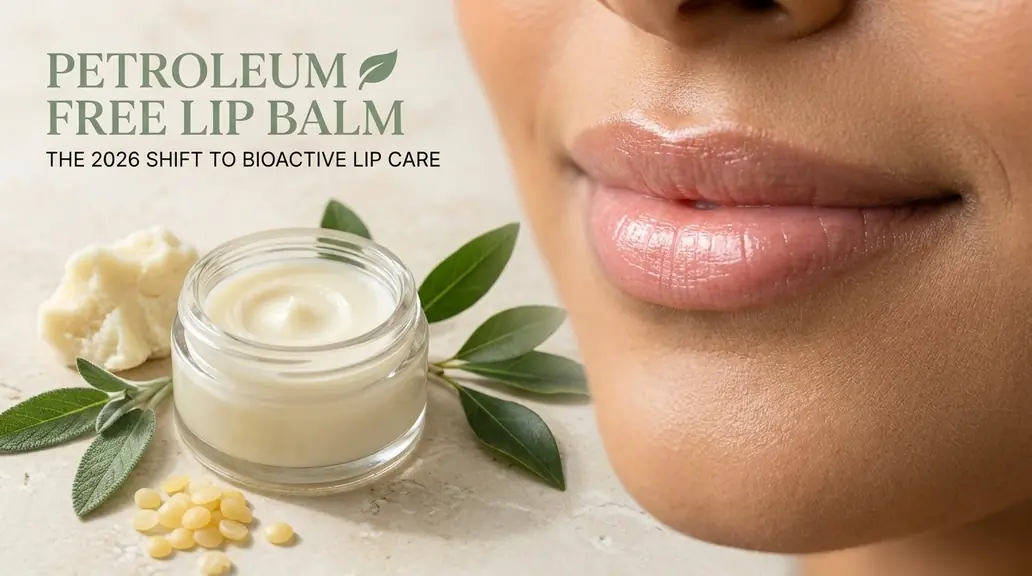


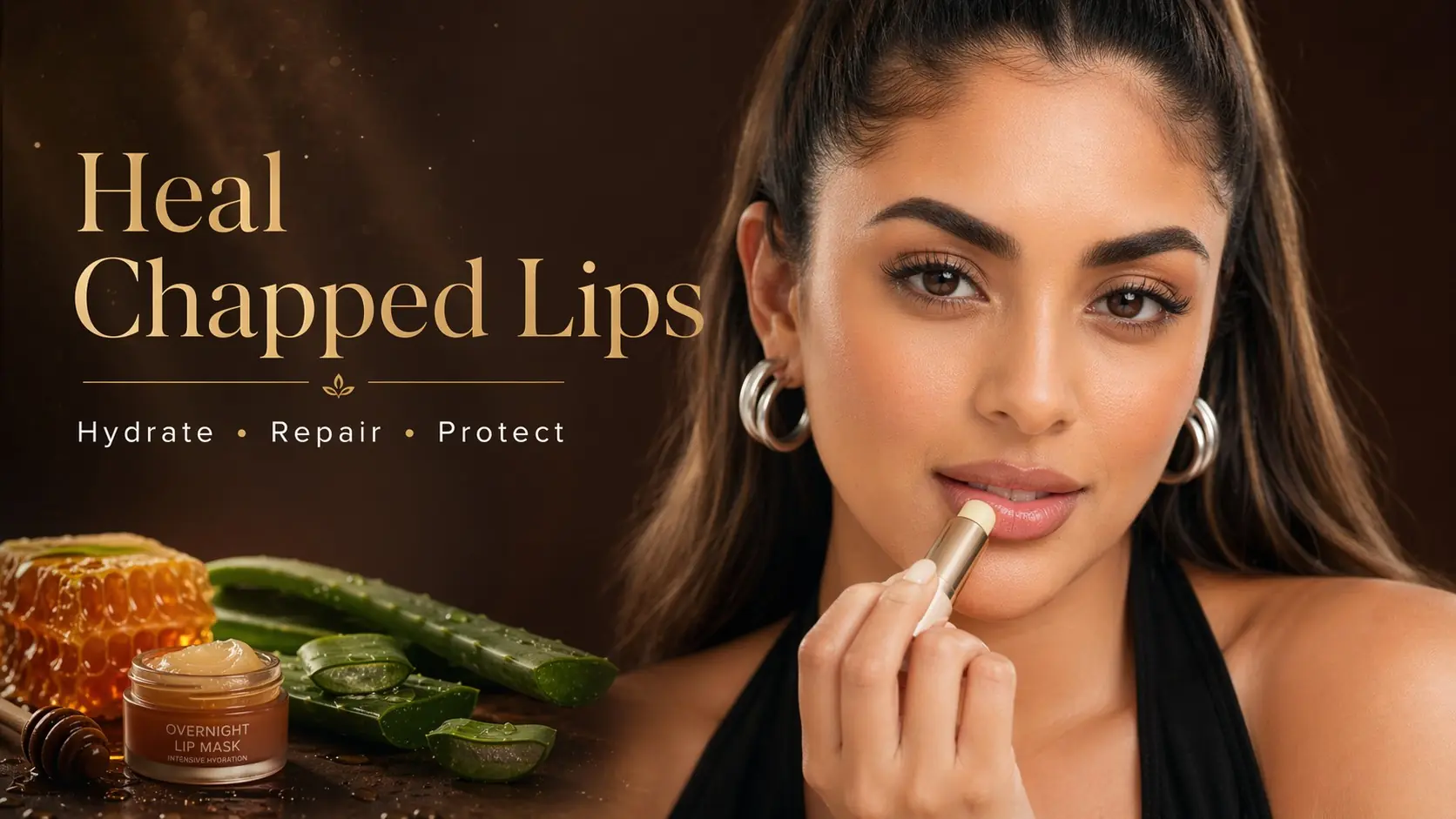
How to Heal Chapped Lips: Expert Tips and Tricks – Your Ultimate Guide to Soothing and Restoring Your Pout: Your lips feel tight. The skin is peeling.
How to Heal Chapped Lips: Expert Tips and Tricks – Your Ultimate Guide to Soothing and Restoring Your Pout: Your lips feel tight. The skin is peeling. You press them together and wince. Chapped lips are one of the most common beauty complaints, yet most people treat them with a quick swipe of balm and move on. That rarely works long-term. To truly heal chapped lips, you need to understand why they crack in the first place, which products actually repair the skin barrier, and which everyday habits quietly make the damage worse. This guide covers all of it.You will learn the science behind lip dryness, the most effective ingredients in lip care products, how to build a complete daily and nightly routine, and how to wear makeup on compromised lips without worsening the problem. You will also discover when persistent chapping signals something more serious than weather or dehydration.
Published · Updated
What Causes Chapped Lips: Understanding the Science Behind Dry, Cracked Skin
Lips are structurally different from the rest of your skin. They have no sebaceous glands, which means they produce no natural oils. Their outer layer is also significantly thinner than facial skin. This combination makes lips highly vulnerable to moisture loss under almost any conditions.
The clinical term for chapped lips is cheilitis. It describes inflammation and dryness of the lips’ skin. Understanding the root cause of your chapping is the most direct path to effective treatment.
Environmental Triggers That Damage the Lip Barrier
Cold air is one of the leading causes of lip dryness. Low temperatures reduce the moisture content of the surrounding air. The device pulls water from the lip surface rapidly. Wind amplifies this effect by accelerating evaporation from the skin.
Sun exposure causes this type of damage. Ultraviolet rays break down collagen and lipids in the lip skin. This weakens the protective barrier and accelerates moisture loss. Many people do not realise that lips suffer UV damage just as readily as the rest of the face. The lower lip, which faces upward toward the sun, is particularly vulnerable.
Dry indoor air is an underestimated trigger. Central heating and air conditioning strip humidity from indoor environments. Spending hours in a heated office or bedroom without adequate humidity leaves lips persistently parched, even without any outdoor exposure.
Internal Causes: Dehydration, Diet, and Nutritional Deficiencies
Your lips reflect your internal hydration status. When your body lacks water, moisture is redirected to vital organs first. The skin, including the lips, suffers last and most visibly.
Diet plays a major role in lip health. Deficiencies in B vitamins, particularly riboflavin (B2) and B12, are directly linked to lip cracking and inflammation at the corners of the mouth. Iron deficiency causes persistent lip dryness alongside fatigue. Zinc deficiency also manifests as skin dryness, particularly at the lip corners.
A diet high in acidic or salty foods irritates the lip surface and strips moisture. Spicy foods aggravate already-inflamed lips. Frequent lip licking, triggered by dryness and the desire for temporary relief, creates a damaging cycle. Saliva contains digestive enzymes that actively break down the delicate lip skin with every pass of the tongue.
Medications and Medical Conditions That Cause Persistent Dryness
Several common medications list chapped lips as a known side effect. Retinoids, both topical and oral (such as isotretinoin used for acne), are among the most well-known culprits. Lithium, diuretics, antihistamines, and certain chemotherapy drugs also cause significant lip dryness as a direct pharmacological effect.
Thyroid disorders disrupt the body’s ability to regulate skin hydration. Sjogren’s syndrome, an autoimmune condition, reduces moisture production throughout the body, including the lips. Eczema, which compromises the skin barrier systemically, frequently manifests on the lips.
Mouth breathing, whether from nasal congestion, sleep apnoea, or habit, exposes the lip surface to constant airflow. This accelerates moisture loss dramatically, particularly overnight. If you wake with very dry lips each morning, mouth breathing during sleep deserves serious attention.
How to Heal Chapped Lips Fast: Proven Hydration Strategies
Speed of recovery depends on addressing hydration from multiple angles simultaneously. Topical treatments alone are not enough. Internal hydration, environmental control, and consistent product application all work together. Skipping any one of them slows your results.
Drink More Water (And Make Every Sip Count)
Eight glasses of water daily is a useful baseline. However, hydration needs vary based on body weight, climate, activity level, and diet. A more reliable gauge is urine colour. Pale yellow indicates adequate hydration. Dark yellow signals you need more water immediately.
Caffeine and alcohol are diuretics. They increase fluid excretion and can counteract your water intake. If you consume either regularly, increase your daily water intake to compensate. Coffee and alcohol consumed without additional water leave your body in a net fluid deficit.
Electrolytes help your body retain water at the cellular level. Potassium (from bananas, avocados, and sweet potatoes) and appropriate sodium intake support proper cellular hydration. Plain water in large quantities passes through the system quickly without electrolytes to support retention. Balance is more effective than volume alone.
Foods That Support Lip Moisture From the Inside Out
Omega-3 fatty acids support the skin’s lipid barrier, including the lips. Salmon, flaxseeds, walnuts, and chia seeds are excellent sources. Consistent omega-3 intake over several weeks produces visible improvements in skin moisture and elasticity, including on the lips.
Vitamin E is a fat-soluble antioxidant that protects skin cells from oxidative damage. Almonds, sunflower seeds, and spinach deliver high amounts. Vitamin C supports collagen synthesis, which keeps lip skin supple and resilient. Citrus fruits, red bell peppers, and strawberries are rich sources.
Water-rich foods also contribute meaningfully to daily hydration. Cucumbers, watermelon, celery, and oranges provide fluids alongside vitamins and minerals that actively support skin repair. These foods work in combination with your water intake rather than replacing it.
Using a Humidifier to Restore Moisture in Your Environment
A humidifier adds water vapour to indoor air. This reduces transepidermal water loss from all exposed skin, including the lips. The ideal indoor humidity level sits between 40 and 60 percent. Below 30 percent is considered dry enough to measurably damage the skin barrier.
Place a humidifier in your bedroom. This gives your lips eight or more hours of exposure to properly humidified air while you sleep. Nighttime is when the skin does most of its repair work, and adequate ambient humidity makes that repair significantly more effective.
Both ultrasonic and evaporative humidifiers work well. Clean your humidifier at least once a week to prevent mould and bacteria from growing in the water reservoir. An unclean humidifier can worsen respiratory symptoms and aggravate sensitive skin, which defeats the purpose entirely.
Choosing the Right Lip Balm to Heal Chapped Lips
Lip balm is the most-used tool in lip care. Yet many popular formulas contain ingredients that create temporary relief while worsening dryness over time. Choosing the right product is not a minor decision. It directly determines whether your lips recover or stay trapped in a cycle of damage.
Ingredients That Actually Repair the Lip Barrier
Effective lip balm ingredients fall into three functional categories: occlusives, humectants, and emollients. Each category does a distinct job. The best lip balms include at least one ingredient from each.
Occlusives form a physical barrier on the lip surface that seals moisture in. Petroleum jelly (petrolatum) is the gold standard for occlusives. It is extensively researched, hypoallergenic, and highly effective at preventing moisture loss. Beeswax and carnauba wax are natural occlusives that offer a lighter seal and are common in stick balms.
Humectants draw moisture from the air and from deeper skin layers to the lip surface. Hyaluronic acid, glycerin, and aloe vera are the most common and effective humectants in lip products. They are most effective when sealed in with an occlusive layer applied on top.
Emollients fill the microscopic gaps between skin cells and smooth the lip surface. Shea butter, cocoa butter, jojoba oil, and sweet almond oil are popular and well-tolerated emollients. They visibly reduce flakiness and improve the texture of the lip surface with regular use.
Ingredients to Avoid in Lip Balms
Fragrance is one of the most common irritants in lip products. Even natural fragrances, such as lavender, peppermint, or citrus, can trigger contact dermatitis on the lips. Avoid any lip balm that lists fragrance or parfum as an ingredient, particularly when lips are already damaged.
Menthol and camphor create a cooling sensation that feels soothing but actually irritates the lip surface with repeated use. These ingredients are vasodilators that increase local blood flow and contribute to a sensation of dependency. Many people feel their lips need constant reapplication precisely because of menthol or camphor in their balm.
Salicylic acid, phenol, and cinnamic aldehyde appear in some lip products but are known sensitisers. They exfoliate or strip the lip surface rather than repair it. Artificial dyes, listed as FD&C Red No. 7 or similar codes, cause allergic reactions in sensitive individuals. Flavour additives, particularly fruity or sweet ones, encourage lip licking, which defeats the purpose of applying balm.
When to Use Lip Balm vs. Lip Treatment vs. Lip Mask
A standard lip balm is ideal for daily maintenance and environmental protection. Apply it throughout the day, after meals, and before going outdoors. It is your first line of defence.
A lip treatment is a more intensive product designed for active repair. These often contain higher concentrations of emollients, ceramides, or peptides. Use a lip treatment in place of your standard balm when your lips are actively chapped and need focused healing. Many lip treatments are packaged in small pots or tubes with a pointed applicator for precision.
A lip mask is an overnight product applied in a thick layer before sleep. It acts as an intensive occlusive treatment that seals in all the moisture from the layers applied underneath. Many lip masks contain lanolin, vitamin E, or honey for added repair benefits. Use a lip mask every night during periods of active chapping and two to three times per week for ongoing maintenance.
Lip Prep and Exfoliation: Building a Healthy Lip Routine
Exfoliation removes dead skin cells from the lip surface. This allows balms and treatments to penetrate more effectively and make direct contact with the living skin beneath. However, aggressive exfoliation on already-damaged lips worsens the condition. Technique and frequency matter as much as the product itself.
How to Exfoliate Lips Safely and Effectively
Physical exfoliation uses a gentle abrasive to remove dead skin. A soft-bristled toothbrush, a damp washcloth, or a dedicated lip scrub all works. Apply gentle circular motions for 30 to 60 seconds, then rinse thoroughly.
Sugar-based lip scrubs are the most popular physical exfoliants. Sugar dissolves as you work, which reduces the risk of over-exfoliation compared to synthetic beads or coarser abrasives. Many sugar scrubs include conditioning oils such as coconut or jojoba, which treat the lips during the process.
Chemical exfoliation uses acids to dissolve dead skin cells without physical friction. Lactic acid, a mild alpha-hydroxy acid, appears in some lip products and works well for sensitive skin. These are gentler than physical scrubs and less likely to cause irritation on compromised skin. Exfoliate two to three times per week at most. Always apply a generous layer of lip balm immediately after exfoliating to reseal the barrier.
The Correct Order for Layering Lip Care Products
Applying lip care products in the right sequence maximises their combined effectiveness. Out of sequence, the products work against each other rather than together.
Start with a humectant on bare lips. Apply a thin layer of aloe vera gel or a glycerin-based serum. Let it absorb for one to two minutes. This draws moisture to the surface and prepares the skin to receive the next layer.
Follow with an emollient. A thin application of shea butter, vitamin E oil, or a rich lip balm base smooths the surface and begins repairing the lipid layer of the skin barrier. Allow the material to partially absorb.
Seal with an occlusive. Petroleum jelly, a beeswax balm, or lanolin forms a barrier that locks in everything underneath. This layer does not absorb into the skin. It sits on top and prevents moisture from evaporating. For daytime use, choose an SPF lip balm as your final step to add UV protection.
Overnight Lip Treatments for Deep, Intensive Repair
The skin’s repair processes are most active between 10 pm and 2 am. Taking full advantage of this window accelerates lip healing considerably.
After your evening skincare routine, apply a thick layer of a dedicated overnight lip mask as your final step. Look for lanolin, ceramides, shea butter, or honey as primary ingredients. Plain petroleum jelly applied generously performs equally well if you prefer a simple, unfragranced option.
For very cracked lips, pierce a vitamin E capsule and apply the oil directly to the lip surface before adding your occlusive layer. Vitamin E is a potent antioxidant that supports skin cell regeneration. The occlusive seal you add on top ensures the vitamin E stays in contact with the skin throughout the night rather than evaporating.
Protecting Your Lips From Environmental Damage
Environmental protection is a long-term commitment, not a seasonal afterthought. Building protective habits into your daily life reduces both the frequency and severity of future chapping significantly.
Sun Protection: The Most Overlooked Aspect of Lip Care
The lower lip receives more direct sun exposure than the upper lip due to its angle relative to the sun. It is also more prone to actinic cheilitis, a form of chronic sun damage. Left untreated, actinic cheilitis increases the risk of squamous cell carcinoma of the lip, a serious and treatable but preventable condition.
Apply a lip balm with SPF 30 or higher every single day, not only at the beach or during outdoor activities. Incidental sun exposure during commutes, lunch breaks, and errands accumulates over time. Apply your SPF balm as the final step in your morning lip care routine. Reapply every two hours when you spend extended time outdoors.
Mineral sunscreen ingredients, such as zinc oxide and titanium dioxide, provide broad-spectrum UVA and UVB protection and are well-tolerated on sensitive lips. They are also safe to ingest in small amounts, which matters on a surface as close to the mouth as the lips.
Winter Lip Care: Cold Weather, Wind, and Dry Indoor Air
Winter requires a more intensive approach to lip care for everyone. Never go outdoors in cold temperatures without lip balm applied. Even a brief five-minute walk in freezing air begins stripping moisture from unprotected lips.
Wearing a scarf over your mouth provides a physical barrier against cold air and biting wind. This is especially useful during commutes, outdoor exercise, or waiting for transportation. Breathing through your nose rather than your mouth in cold weather also reduces moisture loss from the lips significantly.
Switch to a heavier lip balm formula during winter months. Products containing beeswax, lanolin, or cashmere wax form a thicker, more durable occlusive barrier than the lighter gel or water-based formulas that feel comfortable in warmer, more humid weather.
Breaking the Habits That Cause Chronic Chapping
Lip licking is the single most damaging habit for chapped lips. Saliva provides brief relief but evaporates within seconds, leaving the lips drier than before. The digestive enzymes in saliva, including amylase, actively break down the delicate lip skin with every pass of the tongue. Address the urge to lick by keeping a lip balm within reach at all times, including at your desk, in your bag, and on your nightstand.
Picking and peeling dry skin from the lips is equally harmful. Removing skin before it is naturally ready to shed from the lip surface causes bleeding and creates entry points for infection. Let exfoliation and consistent moisture do the work. The peeling will resolve as the skin heals.
Pressing your lips tightly together throughout the day, a habit common in people who concentrate intensely or feel anxious, restricts blood flow to the lip surface. Consciously relaxing the lips and jaw reduces this tension and improves circulation to the area.
Makeup on Chapped Lips: Choosing the Right Products and Techniques
Chapped lips and makeup are not mutually exclusive. The right products, applied in the right sequence, make lips look polished and healthy even during the healing process. The wrong approach emphasises every crack and flake.
Lip Balm vs. Lip Gloss vs. Lip Liner: Understanding Each Product’s Role
A lip balm is a functional product. Its primary purpose is moisture retention and barrier repair. Most balms add a minimal colour. Use a lip balm as your essential base before any other lip product, regardless of the look you are creating.
A lip gloss adds shine and some surface hydration. It sits on top of the lips rather than penetrating the skin. Gloss formulas typically contain emollients like castor oil or vitamin E, which feel comfortable on dry lips and give the appearance of fuller, smoother lips. Gloss does not repair the barrier. It masks surface dryness temporarily and is best layered over a balm for both comfort and hold.
A liquid lipstick dries down to a matte or satin finish and is the most drying category of lip makeup. Matte liquid lipsticks in particular pull moisture from the lip surface as they set. Reserve these for days when your lips are in excellent condition. Applying liquid lipstick to chapped lips visually emphasises cracks and peeling.
A lip liner defines the shape of the lips and prevents colour from feathering. Choose a creamy, wax-based liner that glides on without dragging or tugging on the skin. Dry or waxy liners require more pressure to apply and create friction on already-sensitive lips.
How to Wear Lipstick Without Making Dryness Worse
Prep the lips thoroughly before applying any colour product. Exfoliate gently if needed, then apply your humectant and emollient layers. Allow them to absorb for at least five minutes before adding makeup. Rushing this step causes colour to sit unevenly on unabsorbed product.
Choose a satin or creamy-finish lipstick rather than a matte formula when your lips are dry. Satin and cream formulas contain more emollients and stay comfortable throughout wear. Matte formulas use mattifying agents, like silica or kaolin clay, that soak up surface oils and make compromised lips very dry.
Apply colour with a lip brush for better control and efficiency. A brush deposits a precise, thin layer of product with minimal tugging. Less tugging means less friction on sensitive skin. Build colour in two thin coats, rather than one heavy application. Blot gently between coats with a tissue to remove excess product that would otherwise settle into cracks and look textured.
Preventing Feathering and Fading on Dry Lips
Feathering occurs when lip pigment bleeds into the fine lines surrounding the lip border. Dry lips are far more prone to feathering because the compromised skin barrier allows pigment to migrate outward easily.
Apply a lip liner around the outer edge of your lips before adding any colour. Use a shade that matches or is one tone deeper than your lipstick. The liner creates a physical barrier against bleeding. For maximum staying power, fill the entire lip surface with the liner before applying your lipstick on top. This provides a uniform base that holds colour evenly.
A light dusting of translucent setting powder applied to the skin directly surrounding the lip line, not on the lips themselves, provides an additional feathering barrier. It absorbs any migrating pigment before it travels visibly into fine lines.
Fading happens faster on dry lips because the surface is uneven and does not grip pigment uniformly. A well-prepped, hydrated lip surface allows colour to adhere with greater consistency. Touching up with a tinted lip balm during the day restores moisture and adds a layer of colour without disturbing the base underneath.
When Chapped Lips Signal a More Serious Condition
Most cases of chapped lips resolve within days to weeks with consistent care. Some do not. Persistent, severe, or unusually located lip dryness can indicate an underlying condition that needs medical evaluation rather than more balm.
Angular Cheilitis vs. Everyday Chapping
Angular cheilitis causes cracks, redness, or sores specifically at the corners of the mouth. It is distinct from general lip chapping and has different causes. Fungal infection (typically Candida) is the most common culprit. Bacterial infection, often with Staphylococcus aureus, is the second most common. Nutritional deficiencies, particularly B vitamins and iron, create conditions in which these infections take hold more easily.
The corners of the mouth are prone to this condition because saliva naturally pools in that area. The persistent moisture creates an environment where microorganisms thrive. Ill-fitting dentures, orthodontic appliances, or the habit of licking the corners of the mouth all worsen the condition.
Angular cheilitis does not respond to standard lip balm. It requires antifungal or antibacterial treatment matched to the specific pathogen. A doctor or dermatologist can identify the correct approach. Nutritional support, particularly B-complex vitamins and iron supplementation when deficiency is confirmed, helps address underlying vulnerability.
Vitamin Deficiencies That Appear on the Lips
Riboflavin (vitamin B2) deficiency causes lip swelling, cracking, and soreness, alongside inflammation of the tongue and skin around the nose and mouth. It is relatively common in people following restrictive diets or living with malabsorption conditions. Dairy products, eggs, lean meat, and leafy greens are the richest dietary sources.
Iron deficiency anaemia can produce pale, dry lips alongside fatigue, weakness, and brittle nails. Zinc deficiency causes skin dryness, including at the lips and mouth corners, and can impair the body’s ability to heal skin damage once it occurs.
If you suspect a nutritional deficiency, request a blood test to confirm it before supplementing. Correcting a confirmed deficiency typically resolves lip symptoms within several weeks. Supplementing without confirmation can cause imbalances in other nutrients and may not address your actual issue.
When to Seek Medical Advice About Your Lips
Consult a doctor if your lips remain persistently chapped despite consistent, appropriate care for more than two to three weeks. Also seek advice if you notice white patches that do not wipe away, persistent sores that reopen, significant swelling without an obvious cause, or any area that bleeds spontaneously.
Actinic cheilitis, caused by cumulative sun damage, appears as dry, scaly patches on the lower lip that do not heal with standard balm application. This condition requires medical treatment because it carries a risk of progression to squamous cell carcinoma if left unaddressed.
Allergic contact cheilitis results from a reaction to an ingredient in a lip product, dental product, toothpaste, or food. It causes persistent dryness, swelling, and peeling that recurs despite treatment. An allergist or dermatologist can perform patch testing to identify the specific trigger and guide you toward safe alternatives.
Building a Long-Term Lip Care Routine That Actually Works
Healing chapped lips is a short-term goal. Keeping them healthy long-term requires a consistent, season-aware routine that adapts to changing environmental conditions and your skin’s evolving needs.
Morning Lip Care Routine
Start by drinking a full glass of water before your skincare routine. This rehydrates your body after several hours of sleep without fluid intake and supports overall skin moisture from the first moment of the day.
Apply a thin layer of aloe vera gel or a glycerin serum to your lips. Allow it to sit for one to two minutes. Follow with a creamy emollient such as shea butter, vitamin E oil, or a ceramide-rich lip balm. Finish with an SPF lip balm as your protective occlusive layer. This three-step process takes under five minutes and primes your lips for whatever the day brings.
If you plan to wear lip colour, allow your base layers to absorb for five to ten minutes before applying your makeup. This prevents pilling, ensures even colour application, and gives the skin a smooth surface to work with.
Nighttime Lip Repair Routine
After removing makeup, exfoliate your lips two to three times per week using a soft cloth or sugar scrub. On non-exfoliation nights, wipe your lips clean with a damp cloth to remove any product buildup or food residue.
Apply your humectant layer first, then your emollient, and finally your overnight lip mask or petroleum jelly as a final occlusive seal. This intensive layering takes full advantage of the skin’s peak repair window during sleep. Consistency over several consecutive nights produces far better results than occasional intensive treatments.
For severely cracked lips, add a drop of vitamin E oil or rosehip seed oil between your emollient and occlusive layers. These oils provide antioxidant support and essential fatty acids that accelerate barrier repair during the overnight window.
Adjusting Your Routine by Season
Lips need more intensive care in winter and more sun protection in summer. In cold months, switch to a heavier balm formula, increase your humidifier use, apply balm more frequently throughout the day, and limit time outdoors with unprotected lips.
In summer, prioritise SPF protection above all else. Reapply your SPF balm every two hours during outdoor time. Higher ambient humidity in summer often helps lip hydration naturally, but cumulative UV exposure creates its own long-term damage that no amount of balm can reverse after the fact.
In spring and fall, your lips may go through a period of adjustment as temperature and humidity shift. Maintain your routine consistently through these transitions rather than scaling back too early or waiting until visible damage appears before resuming intensive care.
Frequently Asked Questions About Healing Chapped Lips
How long does it take to heal chapped lips completely?
Mildly chapped lips improve within 24 to 48 hours with consistent moisturising and environmental protection. Moderately chapped lips show significant improvement within three to seven days of a complete routine that includes internal hydration, layered topical products, and overnight treatment. Severely cracked or bleeding lips may take two to four weeks of intensive nightly care and consistent daytime protection to fully heal. If your lips are not improving after two weeks of consistent, appropriate care, consider whether an underlying cause, such as a vitamin deficiency, medication side effect, or allergic reaction, is slowing recovery, and speak with your doctor.
Is it bad to apply lip balm constantly throughout the day?
Applying a high-quality lip balm regularly throughout the day is beneficial during the healing phase and appropriate for ongoing maintenance. Problems arise specifically when balms contain irritating ingredients like menthol, camphor, or salicylic acid. These ingredients create a sensation of cooling or tightening that can feel addictive, but they dry the lip surface over time. Choose a balm that contains only occlusive, emollient, and humectant ingredients. Applying such a balm five to eight times daily while lips are actively healing is completely appropriate. As your lips recover and your skin barrier strengthens, you will naturally find that you need fewer applications throughout the day to stay comfortable.
Can I use coconut oil on chapped lips?
Coconut oil works as a mild emollient and carries some antimicrobial properties due to its lauric acid content. It is a suitable option for mildly dry lips and is well-tolerated by most people. However, coconut oil is not an occlusive. It does not form a physical seal on the lip surface, which means moisture can still evaporate through it. For best results, apply coconut oil as your emollient layer, and follow it with a true occlusive, such as petroleum jelly or a beeswax-based balm. Coconut oil performs well as part of a layered routine but does not work as effectively as a standalone treatment for more-than-mild chapping.
What is the best overnight treatment for severely chapped lips?
For severely chapped lips, layer the following products before sleep: first, apply a thin film of aloe vera gel and let it sit for one minute. Then apply a small amount of shea butter or castor oil as your emollient layer. Finally, apply a thick coat of plain petroleum jelly as your occlusive seal. This combination addresses moisture at every level, from humectant to emollient to barrier. Alternatively, a dedicated overnight lip mask delivers excellent results in a convenient single product. Look for one with lanolin, shea butter, vitamin E, or honey as primary active ingredients. Apply it thickly and do not wipe it off before morning. Consistency over several consecutive nights produces the most significant and lasting improvement.
Does drinking more water actually resolve chapped lips on its own?
Hydration is necessary but not sufficient on its own. Drinking more water supports overall skin health and contributes to lip moisture, but lips lose water quickly because they have no oil glands to form a natural protective barrier. Even well-hydrated people develop chapped lips from wind, cold, sun, and lip licking. Water intake must be combined with topical occlusive products that seal moisture in after it arrives at the lip surface. Think of internal hydration as filling a bucket and topical occlusive products as the lid that keeps water from evaporating out. Both elements are required for moisture to stay where it is needed. Relying on water intake alone while neglecting topical care produces minimal visible improvement in actively chapped lips.
Final Thoughts: Your Path to Healthy, Comfortable Lips
Chapped lips are common, but chronic lip dryness is avoidable. Understanding the causes, selecting effective products, building a consistent daily and nightly routine, and protecting your lips from environmental damage all work in combination to produce lasting results.
Repair starts from within. Hydrate consistently, eat a nutrient-rich diet, and address any confirmed nutritional deficiencies. Seal that internal hydration with the right topical layers in the correct sequence. Protect your lips from sun, cold, and wind every single day. Break habits like lip licking, picking, and mouth breathing that quietly undo your progress.
Pay attention to what your lips are telling you. Persistent, severe chapping that does not respond to two weeks of consistent care deserves medical attention. Most lips, however, respond quickly and visibly to the right combination of targeted internal and topical care.
Start tonight. Apply your overnight treatment, run your humidifier, and drink a full glass of water before bed. Your lips will feel different by morning and better still by the end of the week.
RELATED ARTICLES:
Lazy Girl’s Secrets to Perfect Lips: Easy Tips for Soft, Smooth, and Healthy Lips
Cold Sore Lip Care: Proven Tips for Prevention, Treatment, and Healthy Lips
How to Keep Your Lips Looking Young: Anti-Aging Lip Care Tips
About The Author

COMMENTS