
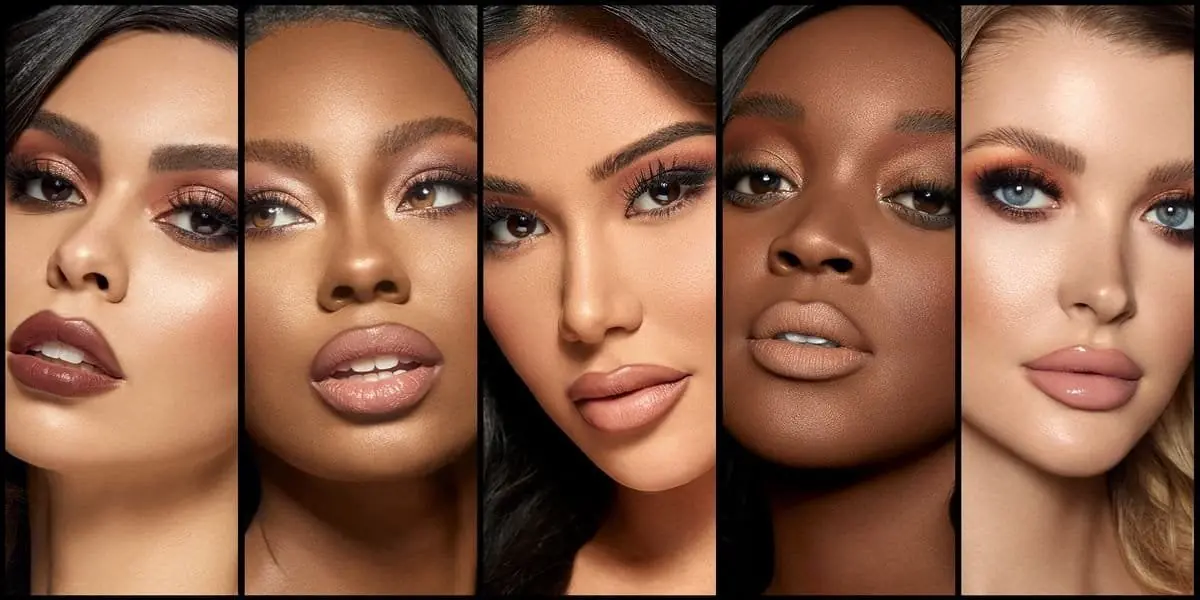
Chic makeup rules are less about expensive products than about a handful of principles that make a face look luminous and effortless rather than heavy
Chic makeup rules are less about expensive products than about a handful of principles that make a face look luminous and effortless rather than heavy or aged. This guide explains each rule in depth, covering why it works, what happens to your skin biologically, and how to adapt it across different skin tones, ages, and lifestyles. Master these and your entire morning routine quietly shifts toward polish that never looks overdone.
Rule 1: Build an Impeccable Foundation Before Anything Else
Reviewed by the BeautynFacts editorial team. Last updated: May 2026.
The foundation is, in the most literal sense, the surface on which every other element of your makeup rests. When it is wrong, nothing applied on top of it can fully compensate. When it is right, it creates a seamless, unified canvas that makes every subsequent step look more polished and intentional. Most women underestimate how much the foundation choice alone determines the final result of a full face of makeup, and the most common errors happen before a single drop is applied.
Finding Your Exact Shade in the Right Conditions
The cardinal mistake in foundation shopping is testing the shade on your wrist, the back of your hand, or your neck. These areas of skin are physiologically different from your face. The neck and hands are frequently exposed to different amounts of UV radiation, they carry different densities of melanin, and they often run slightly warmer or cooler in undertone than your facial skin. The only accurate test surface is your face itself, specifically the jawline and the area just below your cheekbone. Apply three narrow stripes of different shades to this zone and step outside into natural daylight. Artificial store lighting, particularly fluorescent lighting, distorts color perception and will make shades that are slightly pink look more neutral, and shades that are too warm look perfectly matched. The correct shade will disappear against your skin within seconds of blending. If it appears as a visible line at all, even faintly, it is not your match.
Understanding your undertone is equally important as matching your depth. Skin undertones fall into three broad categories: warm (yellow and golden), cool (pink and blue), and neutral (a balance of both). A foundation that is the right depth but the wrong undertone will still leave you looking washed out, gray, or strangely off. To identify your undertone, look at the veins on the inside of your wrist in natural light. Blue or purple veins typically indicate cool undertones. Green veins tend to indicate warm undertones. A mixture of both suggests neutral undertones. If you look better in ivory and silver jewelry, you lean cool. If gold flatters you more, you lean warm.
Formula and Texture: Why Fluid Formulas Win
The texture and finish of a foundation alter how light interacts with your skin, and this is where the science becomes genuinely fascinating. Dense, full-coverage foundations create a flat, uniform surface that reflects light in a single direction, which eliminates the natural micro-variations of skin texture and color that make a face look three-dimensional and alive. The effect, which is sometimes described as looking like you are wearing a mask, comes from this loss of light variation. Human skin is not a flat surface and it does not reflect light uniformly, so any product that makes it appear as though it does will simultaneously make the face look artificial.
Fluid, lightweight foundations work differently. They integrate with the skin’s existing texture rather than sitting on top of it, allowing the skin’s natural light interaction to remain largely intact while evening out discoloration and redness. A reliable technique for making any foundation lighter and more skin-like is to mix a small amount directly with your moisturizer before application. This not only thins the coverage but also adds hydration that keeps the formula from settling into fine lines, a phenomenon that exacerbates the appearance of aging. Start with a one-to-one ratio and adjust based on how much coverage you feel you need on a given day. For most occasions, less coverage than you think you need is the right amount.
Application tools matter considerably. A damp beauty sponge pressed into the skin, rather than dragged across it, diffuses foundation in a way that mimics the skin’s own natural distribution of pigment. A brush pressed and stippled achieves a similar effect with slightly more coverage. Fingers, while effective for warming the product and encouraging absorption, can streak if the formula is not blended quickly. Whichever tool you choose, the motion should be pressing and blending, never painting or dragging, which disrupts the film of product and creates visible edges.
Rule 2: Use Highlighter to Sculpt Light, Not to Blind the Room
Highlighter is one of the most misunderstood tools in contemporary makeup. Its purpose is rooted in a simple optical principle: light draws forward, shadow recedes. When you place a luminous product on the areas of the face that naturally catch the most light, you create the visual impression of dimensionality, youth, and vitality. The face of a twenty-two-year-old has a natural radiance because the skin cells turn over rapidly, the collagen network is dense and upright, and the subcutaneous fat sits high on the cheekbones. As the skin matures, light begins to scatter less efficiently from the surface, and volume shifts subtly downward. Strategic highlighting counteracts this by directing light back to the high points of the face.
The strategic placement areas are specific and consistent across most face shapes. The highest point of the cheekbone, directly below the outer corner of the eye, catches light beautifully and gives the impression of a lifted, sculpted face. The bridge of the nose, from just between the brows to the tip, optically narrows a wide nose and adds definition to a flat one. The inner corners of the eyes immediately brighten the appearance and make the eyes look more open and rested, a particularly useful trick when you are tired. A subtle touch just above the Cupid’s bow makes the lips appear fuller and more defined. The brow bone, just below the arch of the eyebrow, lifts the eye area visually.
The formula of highlighter determines whether the effect reads as luminous and sophisticated or garish and disco-ready. Finely milled powder highlights, particularly those with a satin finish rather than chunky glitter, diffuse light beautifully and photograph well. Liquid and cream highlights can be mixed into foundation for an all-over glow, or pressed onto the high points with a fingertip for a molten, lit-from-within effect. Chunky, glitter-heavy highlights with visible shimmer particles should be avoided for daytime and professional settings because the particles scatter light erratically and read as costume rather than polish. The finish you want is the kind that makes someone want to describe your skin as glowing rather than shiny.
Rule 3: Use Compact Powder Only Where It Is Truly Needed
The reflex many women have toward powder, particularly after years of being told that matte skin is the appropriate finish for daytime, is to dust it liberally across the entire face. This is one of the most reliably aging things you can do to your makeup. Powder, when applied in excess or in areas where the skin is dry or textured, exaggerates every fine line, settles into pores, and creates a flat, dull surface that absorbs light rather than reflecting it. The result is the exact opposite of the luminous, youthful complexion that is the goal.
The purpose of powder is precisely targeted: it absorbs excess sebum in the areas where the skin naturally produces more oil, which prevents foundation from oxidizing, creasing, or sliding. These areas are the T-zone, specifically the forehead, the nose, and the chin. For most skin types, this is sufficient. The cheeks, the under-eye area, and the temples should generally remain powder-free if they are not visibly oily, because these areas tend to be naturally drier and benefit from retaining whatever moisture the foundation and moisturizer have provided.
The choice of powder formula matters as much as the placement. Translucent powders that are finely milled and contain light-diffusing particles are far superior to tinted or pressed powders that add color, because they set the foundation without altering it. Setting sprays, which have become increasingly sophisticated, can be used in combination with or instead of powder to lock makeup in place without any of the textural consequences. Misting the face after completing your makeup with a setting spray creates a unified, skin-like finish that also prevents the powder-shifted, patchy appearance that sometimes develops over the course of a day.
Rule 4: Apply Blush the Way Nature Intended
There is a reason that the most reliable guidance for blush application references the flush of physical exertion or genuine emotional excitement. These are the natural contexts in which color appears on the face, driven by vasodilation, the biological process by which blood vessels near the skin surface expand and allow more blood flow to reach the skin. The color that results is warm, diffuse, and most concentrated in the center of the cheeks, spreading outward without a hard edge. This is the aesthetic you are recreating every time you pick up your blush brush.
Choosing the Right Blush Shade for Your Skin Tone
The universal principle in blush selection is that the shade should resemble the natural flush of your own skin rather than a contrasting color applied to it. For fair to light skin, soft peaches, nude pinks, and barely-there roses tend to look most natural. Medium skin tones carry warm corals, soft mauves, and dusty roses beautifully. Deeper skin tones glow in rich berries, deep plums, warm terracottas, and vivid corals that would overwhelm a lighter complexion. The organizing principle across all of these is that the blush should look like something your body could do on its own, even if the actual shade is deeper or brighter than your natural flush.
Cream and liquid blush formulas deserve particular attention because they integrate with the skin rather than sitting on top of it. Applied with fingers or a damp sponge directly after foundation and before powder, they meld with the skin’s texture and create a genuinely flushed effect that no powder formula fully replicates. They are also more buildable than they appear, meaning you can start with a very light wash of color and add more in layers until you reach the depth you want, rather than starting with too much and spending time trying to blend it away.
Placement Techniques That Create a Natural Flush
The most natural blush placement begins with a smile, which raises the apple of the cheek and makes the placement point visible. Apply the bulk of the color to this rounded, raised area, then blend upward and outward toward the ear with long, sweeping strokes that diffuse the color gradually. The blush should be most saturated at the apple and fade to near invisibility by the time it reaches the hairline. There should be no visible edge, no hard line, and no stripe of color cutting across the cheekbone like a racing stripe. The goal is that someone looking at you notices your cheeks look alive before they consciously register that you are wearing blush at all.
A common placement error is applying blush too low, below the cheekbone rather than on and slightly above it. This has the optical effect of dragging the face downward and making it look heavier. Conversely, blush that rides very high, almost at the temple, creates a lifted, sculptural effect that works particularly well for those with rounder face shapes. Experimenting with placement in good natural lighting, starting with less product than you think you need, and blending thoroughly are the three habits that separate confident blush application from the trial-and-error approach.
Rule 5: Handle Eyeliner With Precision and Restraint
Eyeliner is arguably the most powerful eye makeup tool available precisely because it has the most dramatic visual impact. A single line drawn at the lash line can define the eye, make it appear larger or smaller, alter its perceived shape, and completely change the mood of a makeup look. This power is also why it is the most frequently misused product. The errors that age, harden, or otherwise compromise a face are almost always the result of too much eyeliner in the wrong places applied with the wrong formula.
Understanding What Different Eyeliner Formulas Do
Pencil eyeliners are the most forgiving and versatile formula. They smudge easily, which allows for a softer, more diffused line that integrates with the lash line rather than sitting on top of it as a defined stripe. When used on the waterline and inner rim of the eye, a dark brown or black pencil can create the impression of a denser, more defined lash line without the theatrical quality of a sharp liquid line. Brown pencil, in particular, is more universally flattering than black for the lower lash line because it defines without hardening the eye area.
Gel eyeliner applied with a fine brush offers a level of control between the softness of pencil and the precision of liquid, making it an excellent choice for those developing their liner skills. It can be smudged while wet and sets to a relatively long-wearing finish. Liquid liner, with its hairline-thin precision tip, creates the sharpest, most graphic lines and is best reserved for intentional, defined looks like a classic cat eye. The instruction to avoid liquid liner unless you have mastered the technique is not elitist but practical: a shaky, uneven liquid line is far more visible than a smudged pencil line, and the cleanup required to correct liquid liner errors risks disturbing the rest of your makeup.
When to Use Eyeliner and When to Leave It Out
One of the most liberating realizations in makeup is that eyeliner is entirely optional. For many eye shapes, particularly those with naturally deep-set eyes, heavy-lidded eyes, or smaller eyes, heavy liner application actually makes the eye look smaller and more closed off rather than larger and more defined. In these cases, mascara alone, applied generously to the upper lashes and more lightly to the lower ones, creates better definition and more openness than any liner application could. The rule is that when you want more eye expression, you reach for mascara first. More lashes, especially in length, draws the eye outward and upward in a way that liner cannot replicate.
The prohibition against matching your eyeliner to your eye color is based on a simple principle of color contrast. Green liner on green eyes and blue liner on blue eyes does not make those colors pop; it muddies them. Eyes appear most vivid when contrasted, not matched. Browns and warm coppers intensify blue eyes. Purples and deep navy shades bring out green eyes. Warm bronzes and golds enhance brown eyes by creating contrast with the dark iris. Glittery, sparkly liner formulas, meanwhile, create a costume effect that reads as dated and juvenile on an adult face because the chunky sparkle particles lack the subtlety that makes other eye makeup look sophisticated.
Rule 6: Mascara Technique Determines Whether Lashes Look Human or Artificial
The spectrum between beautifully enhanced lashes and the overdone, clumpy, insect-leg effect that makeup artists describe as spider lashes is narrower than most people realize, and it is almost entirely a matter of application technique rather than product choice. Mascara is fundamentally a polymer film that coats each lash, adding pigment, volume, and sometimes curl. The problems begin when too many coats are applied without allowing adequate drying time between them, when the formula dries out and thickens in the tube, or when multiple lashes are inadvertently dragged together during application.
The technique that consistently produces separated, full, natural-looking lashes involves alternating between applying a coat and combing through the lashes with a clean wand or lash comb before the coat has fully dried. Apply your first coat from root to tip with a zigzag motion, which helps separate the lashes and distribute product evenly. Before the coat dries completely, comb through with a clean mascara wand, a lash comb, or even a clean dry spoolie. This step removes the clumps that form when lashes stick together and separates each individual lash. Apply a second coat using the same motion, then comb through again. This process prevents the buildup that creates the thick, separated-but-clumped effect of spider lashes.
False lashes deserve a word here. A full set of dramatic false lashes, particularly those that are visibly longer and thicker than your natural lashes, creates an effect that can cross from glamorous into cartoonish on the wrong face or in the wrong context. The most wearable false lashes for everyday use are individual lash clusters or demi-lashes applied only to the outer third of the eye, which add volume and length where it is most flattering without creating the doll-like, mask-wearing quality that full strips can produce. If you are not experienced with false lash application, individual lashes applied with a latex adhesive to the outer corners are a significantly more forgiving starting point than full strips.
Rule 7: Treat Your Eyebrows as a Framing Element, Not a Feature
The eyebrows have received more attention in the past decade than in any comparable period of recent beauty history, and the results have been mixed. At their best, well-shaped and thoughtfully filled brows frame the face, balance the features, and give an impression of alertness and expressiveness. At their worst, they dominate the face in a way that makes every other feature compete against them, or they create an expression, often one of anger or surprise, that the person wearing them never intended. The most elegant approach to eyebrows is one that enhances without announcing itself.
The Powder Versus Pencil Debate
Powder fills brows with a softness that pencils cannot fully replicate because the particles of a powder blend between the existing hairs and create a hazy, diffused effect similar to how hair naturally looks when it catches the light. Pencil strokes, even very fine ones, are visible as drawn lines when examined closely, and they tend to create a harder, more artificial-looking result unless the technique is extraordinarily refined. An angled brush loaded with a matte eyebrow powder and applied in short, feather-like strokes from the tail toward the front of the brow creates a fill that looks like a natural density increase rather than a drawn-on shape.
Brow pomades and tinted gels sit between powders and pencils in terms of finish and intensity, and tinted brow gels serve the dual function of adding color and grooming the hairs into alignment simultaneously. For those with relatively full brows who only need light filling and definition, a tinted brow gel alone is often sufficient. For those filling in significant gaps or working with very sparse brows, a combination of powder and gel, powder for fill and gel to set and groom, produces the most complete result.
Shade Selection and Shape Principles
The shade of brow product relative to natural hair color has a significant effect on the overall expression of the face. Those with very dark hair, particularly black or very dark brown, will find that using a product that exactly matches their hair color creates a heavy, severe appearance because the brows read as bold graphic elements against the face. Using a shade one or two levels lighter than your natural hair color softens the brows and creates a more approachable, harmonious balance with the rest of the features. The rule reverses for those with very light, blonde, or gray hair: brows that are lighter than the hair or the same shade can virtually disappear against the face, diminishing expression and structure. In these cases, going one or two shades deeper than the natural hair color adds presence and definition without looking unnatural.
The shape of the brow, specifically its arch, length, and width, has a profound effect on how the face reads emotionally and structurally. A strong, sharp arch placed over the center of the brow creates a questioning or startled expression. A very flat brow with no arch creates a somber or heavy quality. The most universally flattering arch is a gentle, gradual peak that falls directly over the outer edge of the iris when the eyes are looking straight ahead. The tail of the brow should end at a point that, if you drew an imaginary diagonal line from the outer edge of the nostril through the outer corner of the eye, aligns with or falls just short of that line. Extending the tail beyond this point elongates the face well; shortening it significantly can create an incomplete, unfinished look.
Resist the temptation to over-tweeze, wax, or thread the brows into a dramatically different shape from their natural growth pattern. The brow hairs that are removed do not always grow back fully, and the natural arch of your brows is generally well-suited to your face because both developed together. Grooming and filling within the natural shape you have is almost always more elegant than trying to impose an entirely new shape onto the face.
Rule 8: Prepare the Skin Because Makeup Can Only Amplify What Is Already There
Every chic makeup artist, whether working in editorial fashion, film, or bridal beauty, operates from the same foundational understanding: makeup does not improve skin, it amplifies it. If the skin beneath the makeup is well-hydrated, rested, and properly prepared, even minimal makeup will look polished and intentional. If the skin is dry, irritated, uneven in texture, or inadequately moisturized, the most expensive and thoughtfully chosen products in the world will reveal rather than conceal those issues.
Hydration is the most critical pre-makeup skin preparation step. When skin cells are adequately hydrated, they plump slightly, which smooths the surface and reduces the appearance of fine lines. Foundation applied over well-hydrated skin glides on more evenly, requires less product to achieve coverage, and is less likely to separate or look patchy over the course of a day. A good hydrating moisturizer applied at least ten minutes before foundation, giving it time to fully absorb, is not optional for those who want their makeup to look flawless. For those with oily skin, the instinct to skip moisturizer to avoid adding more oil is counterproductive: dehydrated oily skin actually produces more sebum as a compensatory mechanism, so keeping it hydrated helps regulate oil production.
A primer is a useful intermediate step between skincare and makeup for those with specific concerns. Silicone-based primers temporarily fill in large pores and smooth textured areas, creating an even surface that helps liquid foundations apply more uniformly. Hydrating primers add an additional layer of moisture for dry skin types. Color-correcting primers, typically in peach or salmon tones for under-eye circles and green for redness, can reduce the amount of concealer or foundation needed to address these concerns. The key with primers is applying a minimal amount, pressing it into the skin rather than spreading it, and allowing it to set before applying foundation.
Rule 9: Color Correct Before You Conceal, and Conceal Only What Remains
Concealer is one of the most relied-upon products in a makeup kit and one of the most misused. The typical approach, applying a full-coverage concealer in a shade lighter than the foundation over dark circles, redness, or blemishes, often creates the opposite of the intended effect. A lighter concealer applied heavily over dark under-eye circles creates a bright, ashy triangle that draws more attention to the area rather than neutralizing it. The term for this, which has become its own recognized makeup phenomenon, is the flashback effect, and it is particularly pronounced in photographs taken with flash.
Color correction addresses the underlying color issue before concealer is applied, meaning the concealer needs to do less work and can be applied in a much lighter amount. The science behind this is basic color theory: opposite colors on the color wheel neutralize each other when layered. The blue-purple undertone of most dark circles is neutralized by a peach or salmon corrector, which sits directly opposite blue-purple on the color wheel. Redness and broken capillaries are neutralized by a green corrector. Sallow, yellow-toned hyperpigmentation benefits from a lavender corrector. Once the color is corrected, a concealer that matches the skin exactly, not lighter, is applied in a minimal amount and blended seamlessly.
The setting of under-eye concealer is a particular skill. This area of the face moves constantly, is thinner and more delicate than facial skin, and is prone to creasing. Setting with a very fine translucent powder using a small, dense brush, pressed rather than swept, prevents creasing without creating the chalky, cakey finish that comes from too much product. A small setting spray misted over the finished under-eye area helps the powder integrate with the concealer for a more skin-like finish.
Rule 10: Finish With Intention and Edit Ruthlessly
The final principle of chic makeup is the most conceptual but perhaps the most important. Every element of a makeup look should serve a purpose, and when you look at your finished face in the mirror, you should be able to identify what each element is doing and why it is there. Chic makeup is not minimalist makeup necessarily, though minimalism often achieves it. Chic makeup is edited makeup, where nothing is present by accident or habit, and where the overall effect is unified rather than a collection of individually applied products that do not quite speak the same visual language.
The practice of editing your makeup before you leave the house involves taking a step back, looking at your face as a whole rather than feature by feature, and asking whether any element is competing with or overwhelming the others. If the eye makeup is strong, the lip should generally be softer. If the lip is bold and saturated, the eyes benefit from being more neutral. This is not a rigid rule against wearing both a bold eye and a bold lip simultaneously, as this combination can be stunning on the right occasion, but it requires that every other element of the face be especially clean and well-executed because there is less margin for error when two focal points are competing.
Natural light is the final judge of all makeup. Bathroom lighting, particularly the warm incandescent lighting found in most home bathrooms, flatters almost everything and will make your makeup look better than it actually does in broader daylight. The habit of checking your finished makeup in natural light, by a window or outdoors, before committing to it is one of the most practical things you can do. Colors that appeared perfectly blended under warm yellow light will sometimes reveal hard edges in neutral daylight. Highlighter that looked luminous indoors might appear overly shiny in bright sunlight. Making the necessary adjustments based on what you see in natural light means your makeup will look as good when you arrive somewhere as it did when you left home.
Frequently Asked Questions About Chic Makeup
How do I make my foundation look less cakey throughout the day?
Caking almost always originates in one of three places: inadequate skin hydration before application, using too much product, or layering dry products over dry products. Begin with a well-hydrated skin surface, mixing your foundation with a drop of moisturizer if the formula is thicker than you would like. Apply in thin, buildable layers rather than applying full coverage at once. If you use a setting powder, apply it only to genuinely oily areas and use a light touch. A hydrating setting spray over the finished look unifies all the layers and prevents the powdery, separated appearance that develops over several hours. Blotting papers are preferable to powder touch-ups throughout the day because they remove oil without adding more product to areas that are already experiencing buildup.
Is it true that certain makeup mistakes can age you significantly?
Yes, and several of the most aging habits are surprisingly common. Heavy powder application, especially in the under-eye area and on the cheeks, settles into fine lines and creates a dry, papery appearance. Dark, heavily defined lip liner, particularly in a shade noticeably darker than the lipstick, dates a look significantly and creates a harsh edge that does not soften over the course of the day. Overly strong, dark brows on a mature face can draw attention to brow bone heaviness and create a stern expression. Very heavy eye shadow in matte formulas applied to the entire lid without blending creates a shadow that optically ages the eye area. The antidote in every case is less product, better blending, and a preference for soft, diffused finishes over hard, graphic ones.
What is the best way to make eyes look bigger without relying on heavy eyeliner?
Several techniques work more effectively than heavy liner for opening the eye area. A nude or white liner applied to the waterline, the inner rim of the lower lid, immediately makes the whites of the eyes appear larger and the eye more open and awake. Curling the upper lashes before applying mascara lifts the lash line upward, creating more visible space between the lashes and the brow. Highlighting the inner corner of the eye with a shimmery product brightens the area and creates the visual impression of a wider eye. A light, shimmery shadow on the center of the lid, between a matte darker shadow at the inner and outer corners, creates a rounded, dimensional look that makes the eye appear fuller. Keeping the lower lash line free of heavy product, or using only a very light brown pencil smudged at the outer corner, prevents the eye from appearing smaller and rounder.
How do I choose a blush shade that genuinely suits my skin tone?
The most reliable method is to pinch your cheek gently and observe the color that appears. This is the hue your natural flush produces, and it is the closest possible reference for a blush shade that will look genuinely natural on you. For fair, cool-toned skin, this flush tends to be a delicate pink or soft rose. For medium skin, it often appears as a warm peach or light coral. For deeper skin tones, the natural flush reads as a deep berry or rich plum. If the blush shade you choose does not closely resemble this natural flush color, it will always read as a product applied to the face rather than as an enhancement of your natural coloring. Testing blush on your cheek in-store rather than on the back of your hand is also important, for the same reason that foundation needs to be tested on the face.
What is the single most important change a beginner can make to improve their everyday makeup?
Without exception, the most impactful change is improving foundation application, specifically matching the shade precisely, using less product overall, and ensuring thorough blending at the jawline and hairline. The foundation is the surface on which every other element sits, and a mismatched or poorly blended foundation undermines even excellent work elsewhere. Many women are wearing a foundation that is either too dark, too light, too warm, or too pink for their actual skin tone, and the effect is a mask-like quality that no amount of careful eye or lip work can offset. Spending time getting this element right, using daylight for shade matching, testing on the jawline rather than the hand, and blending down onto the neck if the shade is at all different from the neck skin, elevates the entire look immediately and substantially.
Can I wear a bold lip and strong eye makeup at the same time without looking overdone?
You can, but both elements need to be executed with particular precision because there is no visual relief area on the face when two focal points compete. The skin needs to look especially clean and even, the brows should be well-groomed but not heavy, and the cheeks should carry minimal blush, essentially just enough warmth to prevent the face from looking flat between the two bold elements. The lips and eyes should ideally share a color family or at least not actively clash. A burgundy lip and a deep plum eye shadow work together because they occupy the same warm, berry-toned family. A bright coral lip against a cool-toned smoky eye creates discord because the undertones conflict. The occasion also matters: this combination reads as intentional and glamorous at an evening event and can read as trying too hard in a daytime setting.
How do I prevent my eye shadow from creasing within a few hours?
Creasing is caused by the interaction of oil from the eyelid with the eye shadow, which causes the product to migrate into the natural crease of the lid. An eye shadow primer applied directly to the lid and blended up to the brow bone before any eye shadow creates a dry, grippy surface that the shadow adheres to rather than sliding off. Setting the primer with a light translucent powder before applying shadow gives additional longevity. Cream eye shadows are more prone to creasing than powder formulas, so those with oily lids tend to have better results with powder shadows over a primer base. Avoiding heavy moisturizer around the eye area before makeup application also helps, as the oils in rich creams can contribute to creasing.
Is there a way to wear minimal makeup and still look polished and put-together?
A very streamlined routine of four to five products, when each is chosen thoughtfully and applied correctly, can produce an appearance that reads as more polished than a full face of ten products applied without intention. The core of a minimal chic routine is tinted moisturizer or light foundation in a perfect shade match, applied only where needed rather than all over the face. A cream blush pressed onto the cheeks and diffused with fingers gives life to the complexion. A single coat of mascara on the upper lashes adds eye definition without effort. Clean, groomed brows, even if only brushed through with a clear gel, frame the face. A tinted lip balm or sheer lipstick completes the look with color and moisture simultaneously. This five-step routine, executed in under ten minutes, produces the genuinely effortless quality that more complex routines often aim for but do not always achieve.
Conclusion
The rules of chic makeup are ultimately about developing a conscious, informed relationship with the products you use and the way you apply them. Each principle in this guide is connected to a deeper understanding of how light, color, texture, and proportion interact on the human face, and once you understand those connections, the rules stop feeling like constraints and start feeling like tools you actively choose to use. Your foundation shade match becomes a matter of science rather than guesswork. Your highlighter placement becomes a deliberate act of sculpting with light. Your blush application becomes a way of imitating what your own body does when you are at your most alive.
The practical next steps are straightforward. Review your current foundation in natural daylight and be honest about whether the shade and formula are genuinely serving your skin. Audit your eyeliner habits and consider whether less might be more for your particular eye shape. Experiment with powder brow products if you have been relying on pencil. Test a cream blush formula if you have only ever used powder. Check your highlighting placement and see whether the effect you are getting reads as luminous or as shiny. These small, specific changes accumulate into a significant overall improvement in the cohesion and polish of your everyday makeup.
Makeup at its best is not about transformation or concealment. It is about enhancement, the art of making what is already there look more intentional, more vivid, and more you. Every rule in this guide serves that single purpose, and every adjustment you make in that direction moves you closer to the quality of effortless elegance that is the hallmark of truly chic makeup.
RELATED ARTICLES:
The Biggest Makeup Trends to Watch Out For in 2026
THE SOFT WHIMSICAL MAKEUP TREND TAKING OVER PINTEREST IN 2026
Say Goodbye to Summer Breakouts with These Skin-Friendly Foods
No Chemicals, Just Glow: The Timeless Ritual for Naturally Radiant Skin
How To Achieve a Flattering No-Mascara Makeup Look
About The Author

COMMENTS