


Baby boomer nails are the soft, milky ombre manicure that fades from a sheer pink base into a delicate white tip. Seen on bridal boards and red carpet
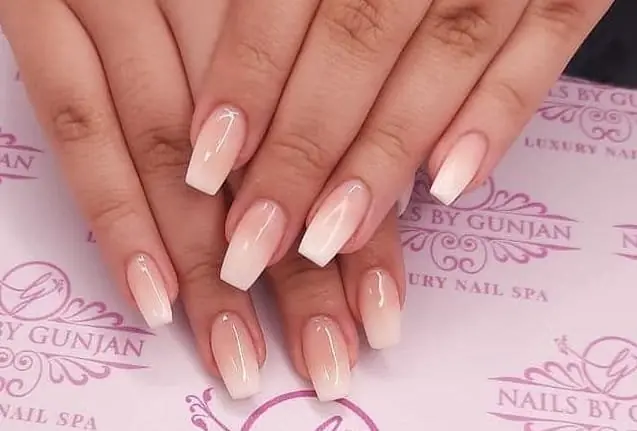
Baby boomer nails are the soft, milky ombre manicure that fades from a sheer pink base into a delicate white tip. Seen on bridal boards and red carpets alike, this understated take on the French manicure has quietly refused to go out of style, and this guide covers what it is and how to get the look.
Scroll through any nail inspiration feed, peek into a bridal Pinterest board, or glance at the hands of your favourite celebrity on a red carpet, and you will inevitably spot them: nails that fade so softly from a pale nude into a crisp white tip that the transition looks like a breath of morning fog. These are baby boomer nails, and despite being rooted in a technique that surfaced decades ago, they refuse to age out of fashion. In fact, they keep quietly defeating louder, trendier manicures year after year, proving that quiet elegance has staying power that chrome, cat eyes, and candy colours can envy but rarely match. What makes this manicure so remarkable is not just its beauty but its adaptability. Baby boomer nails can read as polished and corporate, soft and romantic, modern and architectural, or bridal and timeless, depending entirely on the shape, length, finish, and subtle tweaks a nail technician chooses to apply. The style sits at the rare intersection of classic and contemporary, appealing to the woman who wants a manicure that looks intentional without drawing too much attention. In this comprehensive guide, we will walk through the origin story of the look, why it is engineered to flatter nearly every hand, how professionals actually create that signature ombré blend, how you can recreate it at home even if you have never touched an acrylic brush, how to customise it for weddings, work, and nights out, and how to keep it looking salon-fresh between appointments. Whether you are considering your first set or you are a returning devotee wondering how to modernise your go-to manicure, you are about to have every question answered.
Published
The underlying technique, blending sheer nude into opaque white without a visible demarcation line, existed in rudimentary form before the nickname did. Early versions were created with sponges, gradient brushes, or carefully thinned polishes. What revolutionised the look was the arrival of sculpted acrylics and later gel extensions, which allowed technicians to build the fade into the structure of the nail itself rather than painting it on top. The result was a manicure that not only looked seamless but lasted weeks without chipping, smudging, or fading.
By the early 2010s, baby boomer nails had moved from niche nail-technician favourite to Instagram-era phenomenon. Bridal influencers fuelled the boom, as the style offered the timeless elegance of a French manicure without the stark contrast that can sometimes read as dated in photography. Celebrities amplified it further. From Beyoncé to Hailey Bieber to Kylie Jenner, A-listers have cycled through the look repeatedly, keeping it permanently visible in the cultural conversation.
Why the Name Matters
Understanding the name is more than trivia. It frames what the manicure is designed to achieve: a sophisticated, lived-in polish that never looks juvenile. Where neon press-ons and chrome finishes announce themselves from across a room, baby boomer nails whisper. That whisper is precisely why the style has crossed every demographic line, from Gen Z TikTok stars to mothers of the bride who have never worn anything flashier than a clear coat.
What Makes Baby Boomer Nails Different From a Classic French
At a glance, an untrained eye can confuse the two. Both feature a neutral base and a white tip. The similarities, however, end there. A French manicure relies on a sharp, painted line where the pink or nude base meets the white. That line is the entire point. It is architectural, graphic, and unapologetic, and when it is painted well, it looks crisp and clean.
A baby boomer manicure eliminates that line entirely. The transition between the nude base and the white tip is gradually faded, creating a soft haze that looks almost three-dimensional. Where the French are drawn, the baby boomers are blown away. Where the French is geometric, the baby boomer is organic. Where the French shout, the baby boomer softens.
There is also a structural difference worth noting. French manicures can be executed in ordinary polish in under thirty minutes at home with a steady hand. A proper baby boomer, particularly a sculpted one, almost always requires gel or acrylic because the fade is created while the product is still malleable. This distinction matters when you are weighing whether to visit a salon or attempt the style yourself, because the materials define the method.
Color Philosophy Behind the Fade
The classic formula uses a soft blush or milky pink base blended into a pure bright white tip. The idea is to mimic the natural gradient of a healthy nail, where the nail bed appears pinker near the cuticle and lightens toward the free edge. Because the gradient follows nature, the manicure flatters almost everyone instantly. It does not fight the hand. It enhances it.
Why Baby Boomer Nails Keep Coming Back
Trends in nail art are ferocious. A shape or colour can dominate for a summer and vanish by autumn. Yet baby boomer nails have remained on the top request lists of nail salons worldwide for over two decades. The reasons are practical, psychological, and aesthetic.
Practically, the manicure hides growth extraordinarily well. Because the base colour mimics the natural nail bed, the line of regrowth at the cuticle is nearly invisible for two to three weeks. That is a significant advantage for anyone who cannot book biweekly fills. Aesthetically, the soft gradient flatters every skin tone, every finger length, and every nail shape, whether you prefer almond, coffin, oval, or square. Psychologically, the manicure reads as polished and put-together without being attention-seeking, which makes it safe for professional environments, formal events, and casual weekends alike.
There is also the photography factor. In an era when hands appear constantly on camera, whether during a video call, in selfies, or across social media posts, Baby Boomer nails photograph beautifully under almost any lighting. They do not wash out under harsh overhead light, they glow under warm ambient light, and they never clash with outfits. That universal flattery is a rare quality in the nail world.
Which Baby Boomer Nails Flatter Most
The honest answer is almost everyone, but some hand types showcase the style particularly beautifully. Long, slender fingers allow the gradient to stretch over more real estate, intensifying the elegance. Shorter nails benefit from the elongating illusion that the fade creates, because the eye reads a softened tip as longer than it actually is. Pale skin tones pair seamlessly with traditional blush-and-white combinations, while deeper skin tones often look stunning with warmer, caramel-toned bases blended into ivory or cream tips instead of stark white.
Age is irrelevant. Women in their twenties wear this style to prom, brides in their thirties choose it for wedding photos, professionals in their forties favour it for boardrooms, and retirees in their sixties love it for its refined, ladylike polish. Few manicures genuinely transcend generations the way this one does.
Hand Shape Considerations
If you have wider nail beds, a longer almond or oval shape will slim the appearance of the nail and allow the gradient to stretch vertically. If your nail beds are narrow, a soft square or squoval shape will balance the proportions. Coffin and ballerina shapes give baby boomer nails an editorial, runway-ready feel, while round and oval shapes keep the look understated and office-appropriate.
The Professional Application Process Explained
Watching a skilled nail technician create a baby boomer set is genuinely mesmerising. The process varies slightly depending on whether acrylic, hard gel, gel polish, or soft gel extensions are being used, but the core choreography is consistent.
The session typically begins with a thorough prep. Your technician will push back and trim your cuticles, file the natural nail to remove shine, dehydrate the nail plate, and apply a primer. This step is non-negotiable for longevity. Without proper prep, even the most beautiful baby boomer manicure will lift within days.
Next comes the build. If you are getting extensions, the technician applies either a tip or a form, then sculpts the product on top. For an acrylic baby boomer, the technician picks up a small bead of pink or nude powder and places it near the cuticle. Before it fully sets, a second bead of white acrylic is placed at the tip. With a clean, slightly damp brush, the two beads are tapped and feathered into each other while still wet, creating the signature cloudy fade. Timing is critical. The acrylic has a window of only seconds before it hardens, which is why this technique is so difficult to master.
For gel-based baby boomer nails, the process is more forgiving. The technician paints a sheer nude layer across the entire nail, cures it briefly, then paints the white onto the tip and uses a clean detail brush to pull the white downward toward the base. Because gel does not set until it is cured under a UV or LED lamp, there is time to blend and re-blend until the fade is perfect. Multiple thin layers are typically built up to create depth and dimension. The final step is a glossy top coat, which intensifies the gradient and gives the manicure its signature wet, glassy finish.
How Long a Professional Set Takes
Expect to spend between ninety minutes and two and a half hours at the salon. Gel polish versions on natural nails are on the faster end. Sculpted acrylic or hard gel extensions with a custom fade land on the longer end. Booking the last appointment of the day is a courtesy many technicians appreciate, because rushing a baby boomer set almost always produces a visible line rather than a true blend.
How to Do Baby Boomer Nails at Home
Recreating this look at home is absolutely possible, and the results can be stunning with patience and the right tools. You do not need acrylic powders or professional training. A gel polish starter kit or even standard nail polish can deliver a beautiful baby boomer effect.
Start by prepping your nails the way a professional would. Trim, shape, and buff them. Push back your cuticles. Wipe the nail plate with rubbing alcohol to remove oils. Apply a thin base coat and let it dry completely.
Paint your entire nail with a sheer milky pink or nude polish. Two thin coats are better than one thick coat, because the sheer layering creates depth that opaque polish cannot. Let each coat dry fully, or cure it under a lamp if you are using gel.
Now for the fade. The easiest home method is the makeup sponge technique. Take a small wedge sponge, paint a stripe of your nude base on the lower half and a stripe of white on the upper half, and then gently dab the sponge onto the tip of your nail. The sponge deposits both colours simultaneously with a naturally blurred edge. Repeat the dabbing two or three times, building up opacity on the tip while keeping the gradient soft. Clean up any stray colour around the cuticle with a small brush dipped in acetone.
Finish with a high-shine top coat applied generously across the entire nail. The top coat is what melts the gradient into a seamless haze and gives the manicure its signature luminous finish.
Tools That Make the Difference
A few inexpensive investments dramatically improve home results. A fan-shaped nail art brush helps feather the line between colours. A small silicone dotting tool lets you soften the edges. A gel lamp, even a budget model, opens the door to longer-lasting results than standard polish. And a cuticle cleanup brush with acetone is essential for the crisp, professional-looking sidewalls that separate a mediocre attempt from a genuinely impressive one.
Common Home Application Mistakes
The most frequent error is starting with too much pigment on the sponge, which creates a harsh line instead of a fade. Less is always more. Another common pitfall is skipping the cuticle cleanup, which instantly betrays the manicure as amateur. Finally, many people under-cure their top coat or apply it too thinly, which dulls the gradient. A thick, glossy top coat is non-negotiable for the classic baby boomer finish.
Modern Variations Reshaping the Classic
Part of the reason baby boomer nails have not faded is that nail artists keep reinventing them. The core fade remains, but creative flourishes keep the style feeling current.
Chrome baby boomer nails apply a fine chrome or aurora powder over the finished fade, adding a pearlescent shimmer that shifts colour in the light. Glazed baby boomer nails, inspired by the Hailey Bieber doughnut glaze trend, use a milky white fade topped with a pearl powder that creates a frosted, lit-from-within glow. Reverse baby boomer nails invert the fade, placing the white near the cuticle and the pink at the tip – a subtly subversive twist that reads as fresh and fashion forward.
French baby boomer hybrids combine a traditional sharp line with a gradient behind it, blending the graphic precision of the French with the softness of the boomer. Coloured baby boomer nails replace the classic pink with lavender, peach, sage, baby blue, or cocoa, keeping the faded concept intact while opening the door to seasonal variety. Glitter-tipped baby boomers swap the solid white for a soft fade into fine silver or gold glitter, which is particularly popular for the holidays and New Year’s Eve.
Seasonal Palettes Worth Trying
In spring, try a peach-to-ivory fade for a fresh, fruity softness. In summer, a coral-to-white gradient evokes beach sunsets without being loud. Autumn looks gorgeous with cocoa bases fading into cream tips. Winter calls for icy lilac fading into pearl white, or classic pink into snowy white with a subtle chrome overlay for holiday sparkle.
Baby Boomer Nails for Brides
No manicure dominates bridal beauty boards quite like the baby boomer. Brides choose it for a reason: it photographs beautifully with every engagement ring, complements every skin tone, and suits every dress style from boho lace to sleek minimalist silk. Unlike bolder manicures that can date a wedding photo within a decade, Baby Boomer nails remain timeless, which matters enormously when you are looking back at pictures twenty years later.
For brides, technicians often recommend a slightly longer almond or oval shape to elongate the fingers in ring close-ups. The base colour is usually tailored to the bride’s undertone: warm for olive or deep skin, cool for fair skin, and neutral for anyone in between. Some brides opt for a single accent nail with delicate pearl embellishment, a dusting of fine glitter on the ring finger, or a whisper of chrome over the entire set for an ethereal glow in photographs.
Timing is critical for the bridal set. Schedule the manicure two to three days before the wedding rather than the day before. This buffer allows for any minor touch-ups without creating last-minute panic and gives the nails time to settle into a natural, lived-in polish rather than looking newly wet in photographs.
Longevity, Maintenance, and Aftercare
A professional baby boomer manicure in gel or acrylic should last between two and four weeks depending on your lifestyle, nail growth rate, and how diligently you maintain it. Natural polish versions will typically last three to seven days before chipping. The longevity gap is why most regulars of this style commit to gel or sculpted options.
Cuticle oil is the single most important aftercare product. Applying it daily, preferably in the evening before bed, keeps the nail plate hydrated, prevents lifting at the base, and extends the life of the manicure significantly. Jojoba and squalane oils are particularly effective because their molecular size allows them to penetrate the nail rather than sitting on top.
Gloves are your friend. Washing dishes, gardening, cleaning with harsh chemicals, and even prolonged exposure to hot water can weaken the bond between the product and your natural nail, causing premature lifting or dullness. Rubber gloves cost almost nothing and extend the life of a manicure by days or weeks.
Avoid using your nails as tools. Peeling stickers, opening soda cans, scraping labels, and picking at packaging are the fastest ways to crack or chip a set. Keep a small tool kit nearby, a letter opener, a box cutter, and a bottle opener, and spare yourself the heartbreak of a snapped tip three days into a fresh set.
Signs It Is Time for a Fill or Refresh
Most wearers of baby-boomer nails return to the salon every two to three weeks for a fill. Signs that it is time include visible regrowth at the cuticle, any lifting at the edges, dullness on the surface despite top coat, or a crack anywhere in the nail. Waiting too long between fills risks the lifted area trapping moisture, which can lead to fungal issues and should be avoided at all costs.
Safe Removal Practices
Never peel, pry, or bite off your baby boomer nails. The damage to your natural nail plate can take months to repair and often leaves thin, tender nails that resist adhesion during future manicures. Soak-off gel can be removed at home with acetone-soaked cotton wrapped in foil, but acrylic and hard gel should always be removed by a trained technician who can e-file down the product without thinning your natural nail.
Cost Expectations and What Affects Pricing
Pricing for baby boomer nails varies dramatically by region, salon prestige, and technician skill. In a typical American mid-range salon, expect to pay between fifty and ninety dollars for a full set of gel baby boomer nails on natural nails and between seventy and one hundred fifty dollars for sculpted acrylic or hard gel extensions with the fade included. Premium salons in major metropolitan areas, particularly those with Instagram-famous technicians, can charge upward of two hundred dollars per set.
The fade technique itself is considered an art add-on at many salons and may carry a ten to twenty-dollar surcharge over a standard gel manicure. Fees generally run fifty to seventy percent of the original set price. If you are investing in this style monthly, budgeting between one hundred twenty and two hundred fifty dollars per month is realistic for most mid-range markets.
Cheaper is not always better when it comes to baby boomer nails. The fade is genuinely difficult to execute cleanly, and an unskilled technician will produce a manicure with a visible line, patchy pigment, or muddy colouring. Paying slightly more for a technician whose portfolio features dozens of beautifully blended boomer sets is worth every additional dollar.
Nail Health While Wearing Baby Boomer Nails
Dermatologists and nail health professionals emphasise that any long-term enhancement requires attention to the underlying nail. The product itself is not inherently damaging, but improper application, aggressive filing, and incorrect removal can thin the natural nail over time. Choosing a licensed technician who uses an e-file with care, applies product thinly, and never over-buffs the nail plate is critical.
Taking breaks between sets is often recommended, though not universally agreed upon. One option is a two to four week break every six months to let the natural nail breathe, strengthen, and rehydrate. During that break, a strengthening base coat, daily cuticle oil, and a biotin or collagen supplement can accelerate recovery.
Watch for warning signs. Persistent tenderness under a nail, green or yellow discolouration, a foul smell, or white powdery patches can indicate a bacterial or fungal infection and warrant immediate removal and a visit to a dermatologist. These issues are rare in well-maintained manicures but become more likely when wearers ignore lifting or extend sets past their safe lifespan.
Ingredients to Know
Quality gel and acrylic products have improved dramatically in recent years, with many premium brands eliminating the harshest chemicals. Look for salons using products labelled as HEMA-free or five-free, which reduce the risk of allergic reactions. Ventilation also matters, as prolonged exposure to airborne monomer vapours can sensitise the respiratory system over years. A well-ventilated salon with proper dust collection and air purification indicates professional standards.
Styling Baby Boomer Nails With Your Wardrobe
One of the unexpected superpowers of this manicure is how effortlessly it styles with every outfit in your closet. Because the palette is neutral and the finish is soft, baby boomer nails flatter the jewel tones of evening wear, the pastels of spring dresses, the earth tones of autumn knits, and the crisp whites of summer linen equally well. They do not clash with jewellery, whether you prefer gold, silver, rose gold, or mixed metals.
For formal occasions, the manicure reads as ‘understated luxury’. Paired with a little black dress and classic pearl earrings, baby boomer nails complete a look without competing with it. For casual everyday wear, they elevate a jeans-and-tee outfit into something that feels intentional. For the office, they project polish and professionalism without violating any dress code, even in conservative industries like law, finance, and medicine, where coloured polish can feel out of place.
Frequently Asked Questions
How long do baby boomer nails actually last?
A professional gel or acrylic baby boomer manicure typically lasts between two and four weeks before needing a fill. The exact timeline depends on your natural nail growth rate, how much you use your hands, and your aftercare routine. Daily cuticle oil, gloves during household chores, and avoiding using your nails as tools can push longevity to the upper end of that range. Regular polish versions, by contrast, last three to seven days. If you are committed to this style long-term, gel or sculpted options provide the best return on investment because the durability compensates for the higher initial cost.
Can I get baby boomer nails on short nails?
Absolutely, and many wearers prefer it. The gradient fade is actually quite flattering on shorter nails because it creates the optical illusion of length. A soft, diffused tip reads as longer than a sharply painted one because the eye interprets the blur as additional nail. Technicians often recommend an oval or soft square shape on shorter nails to maximise this elongating effect. Whether you keep your natural nails trimmed short for work or simply prefer the look, baby boomer nails translate beautifully at any length.
Do baby boomer nails damage your natural nails?
When applied and removed properly by a skilled technician, baby boomer nails should not cause significant damage to your natural nails. The potential for damage comes from aggressive filing during prep, overly thick product application, and improper removal such as peeling or prying. Choosing a licensed professional who respects the natural nail, taking occasional breaks between sets, and using daily cuticle oil all minimise any long-term impact. If you notice persistent thinning, peeling, or tenderness, take a break and consult a dermatologist or nail specialist.
What is the difference between baby boomer nails and ombré nails?
The terms are often used interchangeably, but there is a subtle distinction in professional circles. ‘Ombré nails’ refer to any gradient manicure where one colour fades into another, regardless of the colours involved. You might see ombré nails in pink to purple, black to gold, or any combination imaginable. Baby boomer nails are a specific subset of ombré, defined by the traditional combination of sheer nude or pink faded into opaque white at the tip. All baby boomer nails are ombré, but not all ombré nails are baby boomer.
Can men get baby boomer nails?
Yes, and an increasing number do. Modern nail culture has become more inclusive, and baby boomer nails are particularly popular with men who want a polished, professional manicure that does not read as flashy. A shorter, more natural shape with a very subtle fade and a matte rather than glossy top coat creates a sophisticated look that flatters masculine hands. The same principles of prep, application, and aftercare apply regardless of gender.
Why do my baby boomer nails have a visible line instead of a smooth fade?
A visible line is the most common complaint and almost always points to one of three issues. Either the technician rushed the blend and the product set before the fade could be properly feathered, the colours were applied too thickly to blend seamlessly, or insufficient top coat was applied to soften the transition. If you consistently receive manicures with visible lines, either your technician needs more training in this specific technique, or you may benefit from seeking out a specialist whose portfolio clearly demonstrates the smooth fade you want.
Are baby boomer nails appropriate for a professional workplace?
Baby boomer nails are among the most workplace-appropriate manicures available. The neutral palette, soft finish, and polished appearance align with nearly every professional dress code, including conservative industries like law, finance, healthcare, and government. Keeping the nails at a moderate length in an oval or almond shape reinforces that professional polish. The style sends a signal of attention to detail and personal care without drawing excessive attention, which is exactly the balance most professionals seek in their grooming.
Can I customise baby boomer nails for special occasions?
Absolutely. The classic baby boomer fade serves as a perfect canvas for occasional embellishments. For weddings, a single accent nail with delicate pearl or crystal detail adds bridal sparkle. For birthdays or holidays, a light dusting of fine glitter along the tip line catches the light beautifully. For fashion events, a whisper of chrome powder or an iridescent top coat transforms the manicure into something editorial. The base fade remains elegant and timeless, while the customisation keeps it feeling fresh and occasion-appropriate.
Your Next Steps Toward the Perfect Baby Boomer Manicure
Choosing baby boomer nails is choosing a manicure that rewards you week after week, season after season, and year after year. It flatters without demanding, elevates without overwhelming, and adapts without losing its identity. That combination explains why the style has survived countless trend cycles and why, decades after its debut, it still fills the appointment books of the world’s most sought-after nail artists.
Start by deciding whether a professional salon visit or a home application suits your budget, timeline, and skill level. If you are booking professionally, study portfolios carefully and choose a technician whose fade work is consistently smooth, not just pretty. If you are trying the look at home, invest in a quality sheer base polish, a bright opaque white, a makeup sponge or fan brush, and a glossy top coat, and then practise the sponge-blending technique on a nail wheel before attempting your actual hand.
Commit to aftercare from day one. Daily cuticle oil, gloves during chores, and a gentle touch with your hands will stretch the life of any set dramatically. Schedule your fill before the regrowth becomes obvious, never peel or pry at lifting product, and take occasional breaks to let your natural nail breathe and strengthen.
Most importantly, make the style your own. Experiment with base colour variations, seasonal palettes, and subtle embellishments until you find the version that feels most like you. Whether you end up with a classic blush-to-ivory bridal fade, a glazed-doughnut milky version, or a warm cocoa-to-cream autumn twist, you will own a manicure that suits every outfit, every occasion, and every phase of life. That is the quiet magic of baby boomer nails, and that is why, no matter how many trends rise and fall, this one simply will not quit.
RELATED ARTICLES:
Transform Your Nails with Acrylic Manicure
How to Keep Your Nails Looking Their Best with Hot Oil Manicures
Add Some Spark to Your Nails with 3D Manicure
Why Spa Manicures are the Best Choice for Nail Care
Get the Perfect Manicure with Dip Powder Nails
About The Author

COMMENTS