







Learning how to make eyelashes grow longer is one of the most searched beauty questions online, and for good reason. Long, full lashes frame the eyes,
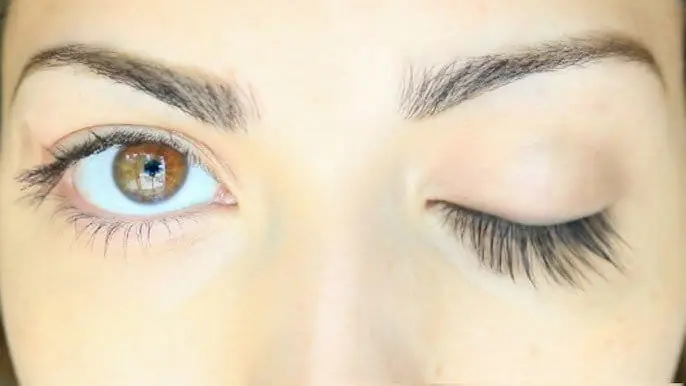
Learning how to make eyelashes grow longer is one of the most searched beauty questions online, and for good reason. Long, full lashes frame the eyes, enhance natural beauty, and can completely transform your look without a single swipe of mascara. But between genetic limitations, ageing, harsh mascara formulas, and over-zealous eye rubbing, many people struggle with thin, short, or sparse lashes that never seem to reach their full potential. The good news is that there are scientifically supported and traditionally proven methods for growing longer, fuller, and healthier eyelashes. This comprehensive guide covers all 12 methods in detail so you can choose the approach that best fits your lifestyle and goals.
Learning how to make eyelashes grow longer is more about consistency than expensive products. This guide walks through the 12 most-studied methods, from castor oil and biotin to clinical lash serums, plus the daily habits that protect every new strand once it grows in.
Understanding How to Make Eyelashes Grow Longer Naturally
Before exploring how to make eyelashes grow longer, it helps to understand the biology behind eyelash growth. Unlike the hair on your head, eyelashes follow a much shorter growth cycle consisting of three phases:
The anagen phase (active growth) lasts around 30 to 45 days for eyelashes. This is the window during which each lash is actively growing. The catagen phase (transition) lasts about two to three weeks, during which the lash follicle shrinks and growth stops. The telogen phase (resting and shedding) lasts roughly 100 days, after which the lash falls out and a new one begins to grow in its place.
On average, you lose between one and five eyelashes per day as part of this natural cycle. The goal of most eyelash growth methods is to extend the anagen (active growth) phase, nourish the follicles during all phases, and prevent premature lash loss. With this understanding, every method below makes much more sense.
Published · Updated
Castor oil is arguably the most popular natural remedy for how to make eyelashes grow longer, and scientific evidence partially supports its effectiveness. Castor oil contains ricinoleic acid, a fatty acid that has been shown to inhibit prostaglandin production. Some prostaglandins are responsible for hair loss, which means that blocking their activity may help lashes stay in the growth phase longer.
Additionally, castor oil is rich in vitamin E and fatty acids that nourish and condition the lash follicle, making existing lashes stronger and less prone to breakage. Thicker, stronger lashes appear longer simply because they are not snapping off at the tips.
How to use it: Dip a clean mascara wand or a cotton swab into cold-pressed, hexane-free castor oil. Apply along the lash line each night before bed, being careful not to get the oil directly in the eye. Rinse clean each morning. Use consistently for at least four to six weeks before assessing results.
Method 2: Apply a Clinical Eyelash Growth Serum
For anyone looking at how to make eyelashes grow longer with clinical-grade results, prescription serums are the fastest route.
Clinical lash serums are the most effective option available for people serious about how to make eyelashes grow longer. The most well-studied active ingredient in lash serums is a class of compounds called ‘prostaglandin analogues’. The prescription version, bimatoprost (originally developed as an eye drop to treat glaucoma), was found to dramatically increase lash length, thickness, and darkness as a side effect. This led to the development of over-the-counter lash serums containing similar but less potent analogues.
Many over-the-counter lash serums now contain peptides, biotin, and hyaluronic acid in place of prostaglandin analogues, and these can also produce noticeable improvements in lash health and length over time, though generally more modest results than prescription options.
How to use it: Apply to the upper lash line (not the lower, unless directed) with the applicator provided, once daily, typically in the evening on clean, dry skin. Avoid getting the serum in the eye itself. Results are typically visible after six to eight weeks of daily use.
Method 3: Biotin Supplementation
Biotin (vitamin B7) is a B-complex vitamin essential for keratin production. Since both hair and eyelashes are made primarily of keratin, adequate biotin levels are foundational for healthy lash growth. People who are deficient in biotin often experience thinning and brittle lashes alongside similar symptoms in their scalp hair and fingernails.
Several studies have demonstrated that biotin supplementation can improve hair and nail quality in people with deficiencies. While there is limited specific research on biotin and eyelashes, the keratin connection makes supplementation a logical and low-risk addition to any eyelash growth plan.
Biotin-rich foods include eggs (particularly the yolk), salmon, avocados, sweet potatoes, and almonds. If your diet is lacking in these foods, a biotin supplement of 2,500 to 5,000 mcg daily is a commonly recommended starting dose, though you should always consult with a healthcare provider before starting any supplement regimen.
Method 4: Vitamin E Oil Application
Vitamin E is a powerful antioxidant that supports healthy skin and hair follicles. When applied to the lash line, vitamin E oil nourishes the follicles, reduces oxidative stress in the skin cells surrounding the follicle, and creates a protective barrier that helps lashes retain moisture and resist breakage.
How to use it: Pierce a vitamin E capsule and apply the oil directly to the lash line using a clean cotton swab or fingertip. Alternatively, mix vitamin E oil with castor oil for a more potent lash treatment. Apply nightly and rinse in the morning. Many people notice that their lashes become noticeably thicker and more conditioned within three to four weeks of consistent use.
Method 5: Coconut Oil for Lash Conditioning
Coconut oil is a well-established hair care ingredient that works equally well for eyelashes. Its primary active component is lauric acid, a medium-chain fatty acid that has a unique ability to penetrate the hair shaft rather than simply coating it. This penetration nourishes the lash from within, reducing protein loss and strengthening the fibre to prevent breakage.
While coconut oil will not directly stimulate new lash growth, it helps existing lashes reach their full potential length by preventing premature breakage. In practice, this produces a visible improvement in lash length over time.
How to use it: Gently apply a small amount of extra-virgin coconut oil to the lashes and lash line using a clean mascara wand or cotton swab. Leave overnight and rinse in the morning. You can use this method nightly, as it is very gentle and unlikely to cause irritation.
Method 6: Aloe Vera Gel on the Lash Line
Aloe vera contains aloenin, a compound that has been shown in studies to stimulate hair growth by improving follicle health. It also contains vitamins A, C, and E, all of which play roles in healthy lash growth. Its enzyme content helps remove dead skin cells from around the follicle, which can improve nutrient delivery to the follicle and support the growth phase.
Aloe vera is also extremely gentle, making it an excellent option for people with sensitive eyes or skin. How to use it: Apply fresh aloe vera gel directly from the leaf or use a pure, additive-free gel to the lash line each evening. Leave it on overnight and rinse in the morning. Use daily for consistent results.
Method 7: Green Tea Application
Green tea contains epigallocatechin gallate (EGCG), a powerful antioxidant that has been shown in studies to promote hair follicle health and extend the anagen (growth) phase of the hair cycle. When applied to the lash line, green tea may help create a more favourable environment for lash growth while also reducing inflammation around the follicles.
How to use it: Brew a strong cup of green tea, let it cool completely, then apply it to your lash line using a cotton swab. Leave on for 15 to 20 minutes, then rinse. Alternatively, keep cooled green tea in a spray bottle in the refrigerator and use it as an eye refresher throughout the day. Use daily for best results.
Method 8: Proper Mascara Application and Removal
One of the most underestimated factors in how to make eyelashes grow longer is avoiding the habits that cause lash loss and breakage in the first place. Mascara, when applied and removed incorrectly, is a major culprit in premature lash loss.
Apply mascara in a gentle wiggling motion from root to tip, never tugging or pulling the wand. Avoid waterproof mascara for daily use, as it requires more aggressive removal that can pull out lashes. Always remove mascara thoroughly before bed using a gentle, oil-based remover. Apply the remover with a soft cotton pad and hold it against closed eyes for 10 to 15 seconds before gently wiping away. Never rub vigorously, which is one of the most common causes of lash loss.
Method 9: Avoid Eyelash Curlers and Heat Damage
Mechanical and heated eyelash curlers create an impressive curl, but they also weaken the lash fibre at the point of crimping over time. Lashes that are repeatedly heated or mechanically stressed become brittle and prone to breaking, which directly reduces their apparent and actual length.
If you love curled lashes, consider switching to a gentle, room-temperature curler and using it less frequently. You can also try a lash-lifting treatment, which creates a longer-lasting curl without daily heat stress. Additionally, using a conditioning lash serum before curling provides some protection to the lash fibre.
Method 10: A Nutrient-Rich Diet for Lash Growth
Diet is one of the most underrated answers to how to make eyelashes grow longer; protein, biotin, and omega-3s rebuild every new strand from the follicle out.
The health of your eyelashes begins from within. A diet that provides adequate protein, vitamins, and minerals supports every phase of the lash growth cycle. Key nutrients that specifically impact lash health include protein (lashes are made of keratin, which requires dietary protein to produce), iron (iron deficiency is a well-known cause of hair and lash loss), omega-3 fatty acids (which nourish follicles and reduce inflammation), vitamin A (supports sebum production, which keeps lashes conditioned), and zinc (essential for cell reproduction and follicle health).
Foods that provide these nutrients include eggs, salmon, leafy greens, nuts, seeds, legumes, and sweet potatoes. A diet based around whole, nutrient-dense foods is one of the most powerful long-term investments you can make in your eyelash health.
Method 11: Manage Stress for Better Lash Health
Chronic stress triggers elevated cortisol levels, which can disrupt the hair growth cycle and push more follicles into the telogen (shedding) phase prematurely. This telogen effluvium effect is well-documented for scalp hair but applies equally to eyelashes and eyebrows.
Prioritising stress management through regular exercise, adequate sleep, mindfulness practices, and social connection is not just good for your overall health. It is a genuine, evidence-based strategy for how to make eyelashes grow longer and fuller. Many people who experience sudden or excessive lash loss find that it correlates directly with periods of high stress.
Method 12: Olive Oil for Lash Nourishment
Olive oil is rich in oleic acid, squalene, and vitamin E, all of which nourish and protect the hair shaft. While it is heavier than some other oils and may not be ideal for very sensitive or oily eyes, it provides excellent conditioning for dry, brittle lashes. It also contains polyphenols with antioxidant properties that help protect follicle cells from oxidative stress.
How to use it: Dip a clean mascara wand into extra-virgin olive oil and apply along the lashes each night. Keep the application light to avoid any heaviness around the eyes. Rinse thoroughly in the morning. This method is particularly effective for people whose lashes are dry and prone to breakage rather than those dealing with slow growth per se.
Combining Methods for Maximum Results
The most effective approach to how to make eyelashes grow longer is to combine multiple methods that target different aspects of lash health. A comprehensive approach might look like this: use a clinical lash serum nightly, supplement with biotin and ensure a nutrient-rich diet, apply castor oil or vitamin E oil to the lash line three to four times per week, and adjust your mascara routine to minimise mechanical stress on your lashes.
Remember that eyelash growth is slow and results will not be visible overnight. The full eyelash growth cycle is approximately 90 days, which means you need to commit to any approach for at least three months before making a final assessment of its effectiveness. Consistency and patience are the defining factors between people who see results and those who give up too soon.
When to See a Doctor About Eyelash Loss
While most cases of thin or short lashes respond well to the methods described above, some cases of eyelash loss indicate an underlying medical condition. You should consult a doctor if you notice sudden, dramatic lash loss that is not explained by lifestyle factors; if lash loss is accompanied by eyebrow loss or scalp hair loss; if you experience any irritation, redness, or swelling around the lash line; or if you have been diagnosed with thyroid disorders, alopecia, or trichotillomania (compulsive hair pulling).
Conditions like hypothyroidism, blepharitis (eyelid inflammation), and certain nutritional deficiencies can cause lash loss that needs specific medical treatment rather than beauty remedies. Getting the right diagnosis is always the first step when eyelash loss is a serious or sudden concern.
The Bottom Line on How to Make Eyelashes Grow Longer
The answer to how to make eyelashes grow longer is not a single miracle product or treatment. It is a combination of consistent care, smart habits, proper nutrition, and the right topical treatments applied with patience and regularity. Whether you start with castor oil tonight or invest in a high-quality lash serum, the key is to commit to the approach, protect your lashes from unnecessary damage, and give the process the three to six months it genuinely needs to show results.
Beautiful, long lashes are achievable for most people. The science is on your side, and with the right approach, you can grow the lashes you have always wanted.
Frequently Asked Questions About Eyelash Growth
Can you actually make your eyelashes grow longer?
Yes, within genetic limits. Eyelashes have a natural growth cycle and a maximum length determined by genetics, but most people are not at their genetic maximum. Daily care with serums, oils, and improved habits can lengthen lashes by twenty to forty percent over three to four months. Prescription serums like Latisse deliver the most dramatic results, while peptide-based over-the-counter serums and castor oil produce milder improvements. The growth is real and visible, but it is not unlimited. Your maximum potential is set by your DNA.
How long do eyelashes take to grow back if you lose them?
Six to eight weeks for a full new lash to grow from the follicle to full length. Eyelashes have a growth phase, a resting phase, and a shedding phase, each lasting different amounts of time. If you pulled a lash out, the follicle starts producing a new one within two to three weeks. If the follicle is damaged from chronic rubbing, infection, or aggressive extension removal, regrowth can take longer or fail entirely. Be gentle around the eye area to protect existing lash follicles.
Does castor oil really grow eyelashes?
Mildly yes. Castor oil contains ricinoleic acid, which supports follicle health and reduces lash breakage. Used nightly for eight to twelve weeks, castor oil delivers visible improvement in lash thickness and a small amount of length. The effect is not as dramatic as prescription serums like Latisse. Apply with a clean disposable mascara wand, working from base to tip. Avoid getting oil in the eye itself, which can cause temporary blurry vision. Castor oil is the gentlest evidence-supported method for eyelash growth at home.
Are eyelash growth serums safe?
Most are safe with rare side effects. Prescription Latisse can cause darkened skin at the lash line, occasional eye redness, and very rarely permanent darkening of the iris in light-coloured eyes. Over-the-counter peptide serums are gentler with fewer side effects but slower results. Avoid serums that combine prostaglandin analogues at high concentrations without medical supervision. Patch-test any new product on the inner arm for twenty-four hours before applying to the eye area. Stop using immediately if you notice redness, itching, or other reactions.
How can you prevent eyelash loss?
Skip the eyelash curler when not necessary, since heat and pressure damage follicles over time. Remove mascara gently with an oil-based cleanser rather than aggressive rubbing. Avoid waterproof mascara daily, since the harsh removal it requires causes most lash breakage. Sleep on a silk pillowcase to reduce nighttime friction. Take a break from lash extensions every few months. Eat a protein-rich diet with iron, zinc, and biotin to support follicle health from the inside. Most lash loss is preventable with gentle habits.
What is the difference between lash extensions and lash growth?
Extensions are synthetic lashes glued onto your natural lashes for dramatic length and volume that lasts two to four weeks. They look longer but do not grow your natural lashes. Lash growth treatments like serums and oils lengthen the natural lashes you already have. The two approaches can be combined cautiously. Use serums or oils between extension cycles to support natural lash health. Heavy extensions worn continuously without breaks weaken natural lashes over months, which is the opposite of growth. Mix carefully.
RELATED ARTICLES:
The best oils for eyelashes
Get Ready to Embrace the Spring Trend: Pastel Eyelashes Everywhere!
Naturally long: 3 rituals to show off impressive eyelashes
Blue Eyeshadow Makes a Comeback: How to Wear 2026’s Coolest Eye Color Trend
Makeup for Glasses: Eye Looks That Stand Out Behind Lenses
About The Author

COMMENTS