
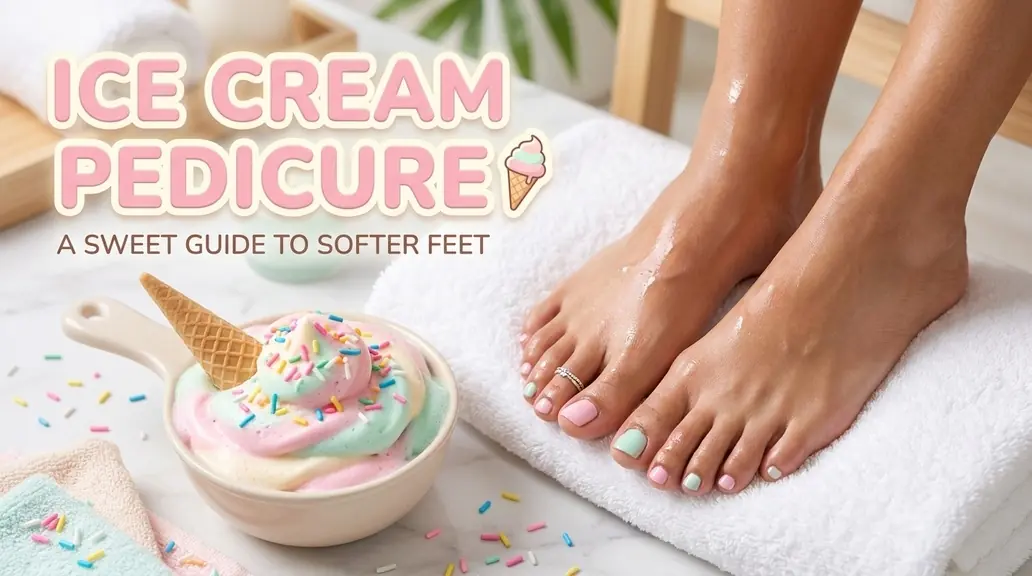
Ice cream pedicure treatments turn ordinary foot care into a playful, dessert-inspired escape, complete with warm vanilla-scented soaks and sugar scru
Ice cream pedicure treatments turn ordinary foot care into a playful, dessert-inspired escape, complete with warm vanilla-scented soaks and sugar scrubs. Behind the whimsy sits real podiatric care, blending exfoliation, aromatherapy, and nutrient-rich botanicals that soften and soothe tired feet. This guide walks you through each step, the skin-loving science that makes it work, and how it compares to a traditional pedicure so you know what to expect.
Whether you have been curious about the viral videos of bubblegum-pink sugar scrubs and chocolate foot masks, or you simply want to upgrade your summer self-care routine, this comprehensive guide will walk you through everything you need to know. You will learn what an ice cream pedicure actually involves, the skin-loving science behind each step, how it compares to traditional pedicures, how to recreate the experience at home, what to look for in a professional salon, and how to tailor the treatment for sensitive skin, cracked heels, or special occasions. By the end, you will have the knowledge to choose, enjoy, and maintain a pedicure that is as nourishing as it is delicious-smelling.
What Exactly Is an Ice Cream Pedicure?
Reviewed by the BeautynFacts editorial team. Last updated: May 2026.
An ice cream pedicure is a themed spa treatment that uses professional-grade foot care products scented and formulated to mimic popular ice cream flavors, such as vanilla, strawberry, chocolate, mint chip, piña colada, and cotton candy. While the name suggests something purely novel, the actual treatment is a carefully structured five-step pedicure that incorporates soaking, exfoliation, masking, massage, and moisturizing, each stage enhanced with scents, ingredients, and colors inspired by frozen desserts.
The products used are generally sold in professional kits that come complete with a bubble bath fizz ball, a creamy sugar scrub shaped like a scoop of ice cream, a cream-based foot mask often presented in a waffle cone-style container, a cooling gel or hot paraffin element, and a whipped moisturizer reminiscent of frosting. Salons may also add novelty touches like sprinkles (biodegradable exfoliating beads), cherry-scented cuticle oils, and scented nail polish to complete the experience. The result is an Instagram-ready treatment that doubles as a genuinely effective way to soften, smooth, and condition the skin on your feet and lower legs.
The Origin Story Behind the Trend
Themed pedicures began trending in the mid-2010s when nail technicians started experimenting with multi-sensory experiences to differentiate their salons in a crowded market. Ice cream themed kits hit the mainstream around 2018, popularized by professional brands that packaged a full pedicure routine in cheerful, color-coded containers resembling sundae toppings. Social media platforms like TikTok and Instagram accelerated the trend, as clients loved sharing photos of their feet surrounded by fluffy clouds of pink sugar scrub and cherry red cuticle oil. Today, ice cream pedicures are a staple on luxury spa menus, particularly during spring and summer, and many nail technicians consider them a signature treatment that attracts first-time clients and keeps regulars coming back.
How It Differs From a Classic Pedicure
A traditional pedicure focuses primarily on grooming, cutting and shaping the nails, pushing back cuticles, removing calluses, and applying polish. An ice cream pedicure keeps all of those technical grooming steps but layers on a more elaborate spa-style experience. You will typically spend at least sixty to ninety minutes in the chair rather than the forty-five minutes associated with standard service, and more of that time is devoted to sensory pampering like extended massage, aromatherapy, and warming or cooling therapies. The products themselves also tend to be richer in emollients, humectants, and plant-derived nutrients compared with the generic soaks and lotions used in basic pedicures.
The Science Behind Why Your Feet Love This Treatment
Beyond the sweet scents and playful presentation, every component of an ice cream pedicure delivers measurable benefits to your skin. Your feet carry you roughly five thousand to seven thousand steps a day on average, according to the American Podiatric Medical Association, and that relentless pressure combined with heat, friction, and tight shoes causes the epidermis on your soles to thicken, crack, and lose moisture. The layered structure of an ice cream pedicure addresses those stressors in a scientifically grounded sequence.
The warm soak relaxes the stratum corneum, the outermost layer of skin, making it more receptive to exfoliation and hydration. Warm water also increases superficial blood flow, which helps reduce muscle tension in the calves and arches. The sugar scrub, typically blended with oils like sweet almond or coconut, performs mechanical exfoliation. Sugar granules dissolve slowly in water, creating a gentler abrasion profile than salt, which makes them ideal for sensitive or recently shaved skin. The emollient-rich mask that follows delivers occlusive and humectant ingredients deep into newly revealed skin cells, while the closing massage uses lymphatic drainage techniques that reduce puffiness and encourage the elimination of fluid trapped in the lower limbs.
Aromatherapy and Mood Regulation
There is a reason the scent alone can feel therapeutic. Research published in neuroscience journals has repeatedly shown that olfactory stimuli travel directly to the limbic system, the part of the brain that regulates emotion and memory. Sweet, creamy scents like vanilla have been linked in clinical studies to reduced anxiety, lower cortisol levels, and even mild pain relief. When you inhale the sugary notes wafting from your foot bath, your nervous system interprets the experience as comforting and safe, which shifts you from sympathetic, or fight-or-flight, dominance into a parasympathetic, rest-and-digest state. That is why clients often describe feeling almost sleepy midway through the treatment.
Why Exfoliation Matters for Foot Health
Dead skin accumulation on the feet is not just a cosmetic concern. Thickened calluses can alter your gait, cause pressure pain in specific spots, and trap moisture that encourages fungal growth. Regular exfoliation, performed every two to four weeks, keeps the skin barrier functioning efficiently and allows moisturizers to penetrate rather than sitting on top of dry, flaky layers. The sugar scrubs used in ice cream pedicures typically contain between fifty and seventy percent fine sucrose, balanced with nourishing oils that prevent the abrasion from compromising the skin barrier.
Step-by-Step Walkthrough of a Professional Ice Cream Pedicure
Understanding the exact choreography of a professional treatment helps you know what to expect when you book an appointment and also gives you a framework for recreating the ritual at home. A high-end ice cream pedicure typically unfolds across eight distinct phases.
Phase one is the consultation and chair setup, where your technician asks about any sensitivities, existing foot conditions, and your preferred flavor or scent profile. Phase two begins with a warm, scented foot soak, often featuring a fizzing bubble bar that releases the signature aroma. You soak for eight to twelve minutes while the technician drapes your shoulders with a warm towel. Phase three addresses nail grooming, where your nails are trimmed straight across to prevent ingrowns, gently filed, and cuticles are softened and pushed back with a wooden stick rather than cut aggressively.
Phase four is the sugar scrub exfoliation, performed with circular motions that start at the ankle and work toward the toes and then up the calf. Phase five features a callus treatment, often using a fine pumice stone or glass foot file for precision, focused on the heels, balls of the feet, and outer edges. Phase six introduces the mask, sometimes a cooling clay formula, sometimes a warmed paraffin dip that encases the feet in a dessert-scented wax glove. Phase seven is the extended massage, typically fifteen to twenty minutes, combining effleurage, petrissage, and reflexology points. Phase eight concludes with nail polish application or a buffing shine, followed by a final spritz of whipped body mist.
Timing and What to Wear
Plan for at least ninety minutes in the salon, and consider adding a thirty-minute buffer if you are combining the pedicure with a manicure. Wear loose, capri-length pants or a skirt that allows easy access to your calves, and bring open-toed sandals so you do not smudge your freshly polished nails on the way home. Skip shaving your legs within twenty-four hours of the appointment, as freshly shaved skin may sting when the sugar scrub is applied.
What a Skilled Technician Will Customize
An experienced pedicurist adapts pressure, water temperature, and product selection based on your feedback. They will use lighter pressure on bony areas, switch to a fragrance-free alternative if you mention sensitivity, and extend the massage in zones where you carry tension. Do not hesitate to speak up during the treatment. A good technician welcomes guidance because it ensures you leave thrilled with the experience.
Popular Flavor Profiles and Their Key Ingredients
Ice cream pedicures are not one-size-fits-all. Each flavor is formulated with specific botanical extracts, essential oils, and skin-loving actives that complement the scent theme. Understanding the ingredients helps you choose a flavor that matches your skin needs rather than just your sweet tooth.
Vanilla bean pedicures tend to feature shea butter, jojoba oil, and real vanilla extract, creating a deeply hydrating experience ideal for dry or aging skin. Strawberry shortcake formulas often contain strawberry seed oil, which is rich in ellagic acid and vitamin C, making them excellent for brightening and evening skin tone on ankles and the tops of feet. Chocolate fudge treatments incorporate raw cocoa, cocoa butter, and caffeine, which can temporarily tighten skin and stimulate circulation, making them a favorite for anyone who feels puffiness or heaviness in the legs.
Mint chip pedicures use peppermint essential oil and menthol for a cooling sensation that eases tired feet, a perfect pick for summer or after a long day of standing. Piña colada blends pineapple enzymes, papain, and coconut oil for enzymatic exfoliation that is gentler than physical scrubs, ideal for very sensitive skin. Cotton candy pedicures, popular with younger clients, typically feature marshmallow root extract and glycerin for cushioning hydration without heavy oils.
Choosing a Flavor for Your Skin Type
If your feet are chronically dry or you have thick callus buildup, select vanilla, caramel, or butter pecan profiles, which prioritize occlusives and rich butters. If you struggle with swelling, varicose veins, or fatigue, lean toward mint, green tea matcha, or espresso profiles for their vasoconstrictive and circulation-boosting properties. Sensitive-skinned clients and those with eczema should request unscented base formulas with a light dusting of scented finishing mist at the end, so they can still enjoy the experience without triggering reactions.
Seasonal Rotations Worth Trying
Many spas rotate their flavor menus throughout the year to match seasonal moods and ingredients. Spring often brings cherry blossom and lemon sorbet themes with brightening vitamin C and niacinamide. Summer leans tropical with coconut, mango, and watermelon. Fall introduces pumpkin spice pedicures loaded with pumpkin enzymes and cinnamon-warming circulation boosters. Winter features gingerbread, peppermint bark, and eggnog formulas rich in warming spices and heavy butters to combat cold-weather dryness.
How to Recreate an Ice Cream Pedicure at Home
You do not need a salon reservation to enjoy this treatment. A well-curated at-home ice cream pedicure can be just as restorative, and often more affordable, especially if you invest in a quality professional kit that you can use multiple times. The key is to move through each step without rushing and to create a spa-like atmosphere that engages all your senses.
Begin by gathering your supplies the night before. You will need a large basin or foot spa machine, two plush towels, a cuticle pusher, a glass foot file, a pumice stone, nail clippers, cotton rounds, and your chosen ice cream scented foot care set. You will also want a scrub-friendly nail brush, a bowl for the mask, and a moisture-sealing cream for the finish. Set the mood with dimmed lighting, candles, a favorite playlist, and a cold drink within arm’s reach.
Start by removing old polish and trimming nails straight across. Fill your basin with warm water around one hundred degrees Fahrenheit, add your scented bath bomb or soak salts, and immerse your feet for ten minutes. Pat dry, apply the sugar scrub in firm circular motions for three to five minutes per foot, then rinse. Use the glass file or pumice on calluses for no more than two minutes per area to avoid over-exfoliation. Apply the cream mask in a thick layer, wrap feet in plastic wrap and a warm towel, and let sit for fifteen minutes.
Building Your Own Ice Cream Pedicure Kit
If you prefer to DIY the products rather than buy a pre-made kit, you can craft effective versions with pantry ingredients. Mix half a cup of fine white sugar with three tablespoons of coconut oil and a teaspoon of pure vanilla extract for a homemade scrub. For the soak, combine a quarter cup of whole milk powder with two tablespoons of Epsom salt and a few drops of vanilla essential oil. Create a mask by blending mashed avocado with a tablespoon of honey and a teaspoon of cocoa powder for a chocolate fudge profile that is safe enough to taste but formulated for your skin.
Mistakes to Avoid at Home
Never use credo blades or razor-style callus removers at home. These tools are banned in many professional settings because they easily cause deep cuts and increase infection risk. Avoid soaking for longer than fifteen minutes, as prolonged water exposure actually dehydrates skin by disrupting the lipid barrier. Do not apply scented products to open cuts, blisters, or freshly shaved skin, as essential oils and sugar can sting or irritate. Finally, skip the temptation to cut your cuticles. Cuticles are a protective seal against bacteria, and trimming them aggressively invites infection.
Choosing the Right Salon for Your Ice Cream Pedicure
Not all salons offering ice cream pedicures deliver the same quality. The difference between a memorable, safe experience and a disappointing or even harmful one often comes down to the salon’s standards. Use a clear checklist when evaluating where to book.
Start with cleanliness. Walk in and observe whether the space looks tidy, whether tools are sealed in sterilization pouches, and whether the pedicure chairs use disposable plastic liners changed between each client. Ask whether metal implements are autoclaved, which is the gold standard for sterilization, versus merely soaked in disinfectant. Check that technicians are licensed by your state or country’s cosmetology board, and look for visible certifications displayed on the wall.
Next, scrutinize the products. High-quality spas use professional brands like Voesh, BCL, La Palm, or Gelish Hot Towel Cabi kits, all of which offer recognizable ice cream themed lines. Ask whether products contain parabens, sulfates, formaldehyde, or synthetic fragrances. If the salon cannot name the brand or refuses to show you the packaging, consider that a red flag. Finally, read recent reviews specifically mentioning the ice cream pedicure, as experiences vary by technician even within the same establishment.
Red Flags to Watch Out For
Be wary of salons that rush clients through the service in under forty-five minutes, reuse pedicure water without draining between clients, or pull tools from a communal drawer rather than sealed sterile packaging. Prices that seem dramatically lower than market average often signal shortcuts on product quality or sanitation. If a salon pressures you to accept a callus-removing acid treatment, declines to answer ingredient questions, or uses tools that look rusty or worn, politely decline and leave.
Questions to Ask Before Booking
Call ahead and ask how long the ice cream pedicure service lasts, which flavors are currently available, whether the kit is single-use per client, what the price includes, and whether polish, nail art, or French tips cost extra. Confirm their cancellation policy and whether gratuity is included. If you have specific concerns like diabetes, pregnancy, or recent injuries, mention them during the call so the technician can prepare any necessary modifications.
Health Benefits That Go Beyond Pampering
While the glamour of an ice cream pedicure is its most visible selling point, the health benefits are surprisingly substantial. Regular professional foot care is recommended by podiatrists for anyone who experiences foot pain, has thick calluses, works on their feet, or lives with conditions like diabetes, though diabetic clients should seek specialized medical pedicures rather than spa services.
The deep massage component stimulates the venous return system, helping blood and lymph move from the feet back toward the heart. This reduces swelling, supports cardiovascular health, and can ease symptoms of mild varicose veins. Reflexology pressure points in the feet are believed in traditional systems to correspond with organs throughout the body, and while scientific evidence for whole-body effects is limited, there is strong evidence that foot massage alone reduces blood pressure, improves sleep quality, and lowers perceived pain.
Exfoliation prevents the heel fissures that can crack open and become infected, especially during dry winter months or after extensive sandal-wearing summers. The warm soak eases muscle tension built up from standing, walking, or running, and regular pedicures allow a trained eye to catch early signs of nail fungus, ingrown toenails, or skin conditions before they worsen.
Mental Health and Stress Reduction
The mental health benefits deserve their own spotlight. A ninety-minute block of uninterrupted quiet time, spent in a softly lit room with pleasant scents and gentle touch, qualifies as a legitimate stress management intervention. Studies on the impact of spa treatments on cortisol levels show measurable drops within thirty minutes of beginning a multi-sensory service. For women juggling careers, caregiving, and household demands, scheduling a monthly pedicure is one of the simplest, most effective self-care rituals available.
Boosting Confidence and Body Image
There is also something genuinely confidence-boosting about looking down at your feet and seeing well-cared-for skin, shiny polished nails, and a little bit of artistry. Many clients report that receiving consistent pedicures changes how they feel about their body, encouraging them to wear sandals again, try new toe nail art, or simply walk a little taller. That psychological benefit compounds over time, turning the pedicure from a luxury into a meaningful ritual of self-respect.
Who Should Be Cautious or Modify the Treatment
Ice cream pedicures are generally safe and enjoyable for most people, but certain conditions require modifications or medical clearance before booking. Being informed about contraindications protects your health and ensures the technician can deliver the best possible experience within safe parameters.
People with diabetes should be especially cautious. Neuropathy and compromised circulation mean small cuts or pumice abrasions can become serious infections. Diabetics should seek medical pedicures performed by podiatrists or technicians trained in diabetic foot care rather than standard spa services. Pregnant clients in the second and third trimesters should avoid reflexology points near the ankles that are believed to stimulate uterine contractions, though a gentle pedicure with a modified massage is typically safe and even helpful for swollen feet.
Anyone with active athlete’s foot, warts, open wounds, eczema flare-ups, or recent surgeries should postpone until the skin has fully healed, both for their own safety and to prevent spreading infections to other clients through shared tools. People with fragrance sensitivities, asthma triggered by strong scents, or known allergies to ingredients like coconut, nuts, or certain essential oils should request a patch test or ask for an unscented version of the service.
Modifications for Seniors and Limited Mobility
Older adults and those with limited mobility may benefit from a shortened, seated version of the service performed in a specialized chair or even at home by a mobile technician. Request a gentler pumice application, warmer water, and skip the paraffin dip if circulation is a concern. Many reputable spas now offer mobile services specifically for seniors in assisted living or recovering from surgery.
Adjustments for Teens and First-Timers
Teenagers and first-time pedicure clients sometimes feel ticklish or anxious during the massage. Technicians can apply firmer pressure to reduce the tickle response, demonstrate tools before using them, and explain each step as they proceed. This is an ideal way to introduce younger clients to self-care rituals and to normalize male pedicure clients who may feel self-conscious about seeking treatment.
Aftercare: Making Your Ice Cream Pedicure Last
The glow of a fresh pedicure fades quickly if you return to your old habits. With intentional aftercare, you can extend the skin softness, nail health, and scent benefits for weeks, maximizing your investment whether you went professional or DIY.
For the first twenty-four hours, avoid hot showers, swimming pools, and tight closed-toe shoes, all of which can smudge polish and dry out freshly treated skin. Apply a rich foot cream every night before bed, ideally one containing urea, shea butter, or ceramides, and cover with cotton socks to lock in moisture. Reapply cuticle oil daily to keep the skin around your nails supple and prevent hangnails.
Between professional appointments, perform a mini maintenance routine twice a week. Soak feet for five minutes, gently buff calluses with a foot file, and apply a hydrating mask or thick cream. This rhythm keeps skin smooth and prolongs the interval between full pedicures. Drink plenty of water, as hydration status directly affects skin softness, and wear properly fitted shoes that do not create friction points leading to new callus formation.
Protecting Your Polish
To maximize polish longevity, apply a fresh coat of clear top coat every three to four days. Wear flip-flops or sandals in communal showers and pools to protect polish from chlorine, which dulls color rapidly. Avoid harsh cleaning chemicals without gloves, as acetone-based products dissolve polish on contact. If you notice chipping, touch up with matching polish rather than stripping the entire nail, which extends the life of your salon visit.
Building a Sustainable Self-Care Schedule
Most skin care professionals recommend a full pedicure every four to six weeks, with weekly at-home maintenance between. Block your appointments at the start of each quarter to ensure consistency, and consider pairing pedicures with other self-care rituals like massages or facials to create anchor points of rest throughout your year. Budget-conscious clients can rotate one professional ice cream pedicure every two months with more frequent DIY versions at home.
Cost Expectations and Value Considerations
Ice cream pedicure pricing varies widely based on location, salon tier, and included services. Understanding the market helps you budget appropriately and evaluate whether a quote is reasonable or inflated.
In the United States, expect to pay between sixty and one hundred twenty dollars for a standard ice cream pedicure at a mid-range salon, with high-end spas in major cities charging one hundred fifty to two hundred dollars or more. In the United Kingdom, prices typically range from fifty to ninety pounds, while boutique salons in London can exceed one hundred twenty pounds. Add-ons like gel polish, nail art, paraffin dips, or scalp massage can add fifteen to fifty dollars each. Tipping is customary in the US at fifteen to twenty percent of the service price.
At-home kits cost between thirty and eighty dollars depending on the brand, and most provide enough product for four to eight treatments, dramatically lowering the per-session cost. Tools are a one-time investment of thirty to sixty dollars for a quality basin, files, and accessories. Over the course of a year, committing to a mix of professional and DIY pedicures typically costs between six hundred and one thousand two hundred dollars, less than many people spend on coffee or streaming subscriptions.
When to Splurge and When to Save
Splurge on professional treatments when you want technical nail work like callus removal, gel polish, or intricate nail art, or when you are preparing for a special event like a wedding, vacation, or photo shoot. Save by performing DIY maintenance pedicures in between, particularly during busy seasons when time is limited. Consider splitting the difference by booking a basic pedicure and bringing your own ice cream scented products for the technician to use, if the salon allows it.
Gift Certificates and Package Deals
Ice cream pedicures make wonderful gifts for birthdays, Mother’s Day, bridal parties, and graduations. Many salons offer gift certificates and seasonal packages that bundle pedicures with manicures or facials at a discount. Group bookings for bachelorettes, birthdays, or girls’ nights often unlock additional perks like champagne, chocolates, or extended service times, making the experience even more memorable.
Frequently Asked Questions About Ice Cream Pedicures
How often should I get an ice cream pedicure?
Most skin care and podiatry professionals recommend a full pedicure every four to six weeks for optimal foot health, with light maintenance at home in between. If you are very active, stand for long hours at work, or live in a dry climate, you may benefit from scheduling every three to four weeks. Less active clients with naturally soft skin may stretch appointments to every six to eight weeks. Consistency matters more than frequency, so pick a schedule you can realistically maintain and stick with it for at least six months to see cumulative benefits.
Will the scent stay on my feet after the pedicure?
The signature ice cream scent is strongest immediately after the treatment and typically fades within six to twelve hours as the moisturizers absorb fully into the skin. If you want to extend the scent, apply a matching body lotion or whipped cream moisturizer from the same product line after your daily shower for the next few days. Some clients keep a small jar of the scented foot cream by their bedside for nightly application, which maintains the aroma and reinforces the skin benefits between professional visits.
Are ice cream pedicures safe during pregnancy?
Most ice cream pedicures are safe during pregnancy when performed by a licensed technician aware of your condition, particularly after the first trimester. Avoid deep reflexology pressure on the ankle area, which some practitioners believe can stimulate uterine activity, and request a gentle leg massage rather than vigorous techniques. Many pregnant clients actually find pedicures especially helpful for reducing foot swelling and relieving lower-back strain from balancing a growing belly. Always inform your technician that you are pregnant and check with your obstetrician if you have any high-risk considerations.
Can I get an ice cream pedicure if I have sensitive skin or allergies?
Yes, with precautions. Request a patch test on your inner arm or ankle twenty-four hours before your appointment to check for reactions. Choose flavors with minimal essential oils, such as plain vanilla or oatmeal cookie profiles, and ask the salon to use a fragrance-free massage oil if available. If you have known allergies to nuts, coconut, soy, or specific botanicals, review the full ingredient list with your technician before the service begins. Many professional brands now offer hypoallergenic or fragrance-free alternatives within the ice cream pedicure format.
What is the difference between an ice cream pedicure and a regular spa pedicure?
A regular spa pedicure typically uses generic or unbranded products and focuses on nail grooming, basic exfoliation, and a short massage. An ice cream pedicure uses a themed, professional product line with coordinated scents, colors, and ingredients designed to create a multi-sensory experience, and typically includes longer massage times, richer moisturizers, and more elaborate masking or paraffin treatments. The ingredients in ice cream pedicure kits often include premium botanicals, seed oils, and enzymes that address specific skin concerns, making the treatment both more indulgent and more effective than a basic pedicure.
Can men enjoy ice cream pedicures too?
Absolutely. Foot care is universal, and more men than ever are booking pedicures for health, grooming, and relaxation. Many salons offer more masculine-leaning flavor options like espresso, bourbon caramel, or dark chocolate, which focus on circulation-boosting ingredients without heavily floral or sugary scents. If polish is not your preference, technicians can finish with a high-shine buff or clear matte top coat that leaves nails looking clean and healthy without added color. Do not let the pink-packaged marketing deter you, the skin and circulation benefits are just as valuable for male feet.
How long do the results of an ice cream pedicure last?
The softness and smoothness typically last two to three weeks with basic daily moisturizing, and up to four to six weeks with consistent at-home care. Polish longevity depends on the type used, with standard lacquer lasting five to seven days, gel polish lasting two to three weeks, and dip powder lasting three to four weeks. The overall mental and emotional benefits can linger even longer, particularly if you combine your pedicure with other self-care practices like regular exercise, sleep, and hydration.
Can I combine an ice cream pedicure with other spa services?
Yes, and many salons encourage it. Popular pairings include a matching ice cream manicure for a coordinated scent experience, a thirty-minute back or scalp massage during the mask phase, a facial booked directly after the pedicure, or a full spa day package that bundles multiple services at a discount. Combining services maximizes your relaxation time and often reduces the per-service cost. Just be sure to schedule enough buffer time between appointments so you do not feel rushed.
Final Thoughts on Embracing the Sweetest Self-Care Trend
An ice cream pedicure is more than a whimsical beauty indulgence, it is a thoughtful, multi-layered treatment that blends practical foot care with the kind of sensory delight that makes self-care feel genuinely restorative. From the warm, vanilla-scented soak to the final swipe of whipped cream-style moisturizer, every step is designed to nourish your skin, ease your muscles, soothe your nervous system, and give you a reason to smile at your own feet.
The science backs up the experience. Regular exfoliation, hydration, and massage improve circulation, prevent common foot problems, and support better posture and comfort. The psychological benefits, lowered stress, improved mood, and renewed confidence, are just as significant. And the playful presentation, whether you indulge at a luxury spa or craft your own kit at home, turns a routine beauty appointment into a memorable ritual you actually look forward to.
As you plan your next self-care investment, consider booking an ice cream pedicure at a reputable local salon or curating a cozy evening at home with your favorite flavor kit, a good book, and a warm foot bath. Start with one treatment to see how your skin and spirits respond, then build a rhythm of monthly or bi-monthly appointments paired with simple at-home maintenance. Pay attention to which flavors you love, which ingredients your skin thrives on, and which salons deliver the experience you crave. Within a few months, you will have a personalized foot care practice that keeps your skin soft, your nails healthy, and your weeks punctuated with small, delicious pauses of joy. Your feet carry you through life, and they deserve to be treated with just a little bit of sweetness.
RELATED ARTICLES:
Athletic or Sports Pedicure: A Comprehensive Guide for Athletes and Sports Enthusiasts
Transform Your Tired Feet with a Decadent Chocolate Pedicure
Pamper Your Feet with a Refreshing Margarita Pedicure
Pedicure with Hot Stones: A Luxurious Spa Experience for Your Feet
Gel Pedicure: A Complete Guide to Achieving Long-Lasting, Beautiful Nails
About The Author

COMMENTS