











A waterless pedicure is rewriting the rulebook on professional foot care by removing the traditional soak entirely. In its place, advanced, carefully
A waterless pedicure is rewriting the rulebook on professional foot care by removing the traditional soak entirely. In its place, advanced, carefully formulated products clean, exfoliate, and hydrate your feet more effectively than a tub of warm water ever could. Beyond the results, this method answers real concerns about hygiene, environmental sustainability, and time. Whether you are busy, eco-conscious, or unable to soak for health reasons, this guide walks you through everything you need to know.
What Is a Waterless Pedicure and How Does It Differ from Traditional Methods
Published · Updated
The traditional pedicure model has remained largely unchanged for decades. A client sits in a massage chair while their feet soak in a basin of warm water, sometimes with Epsom salts, essential oils, or fizzing bath tablets. This soaking phase typically lasts between ten and fifteen minutes and is designed to soften the skin so that dead cells and calluses can be more easily removed. The problem is that soaking feet in water, particularly in shared basins, introduces a cascade of issues that the beauty industry has been reluctant to confront directly. Warm, moist environments are prime breeding grounds for bacteria, fungi, and other microorganisms. Even with regular cleaning and disinfection protocols, the pipelines and jets inside whirlpool foot baths have been documented in peer-reviewed studies as sites of significant bacterial accumulation.
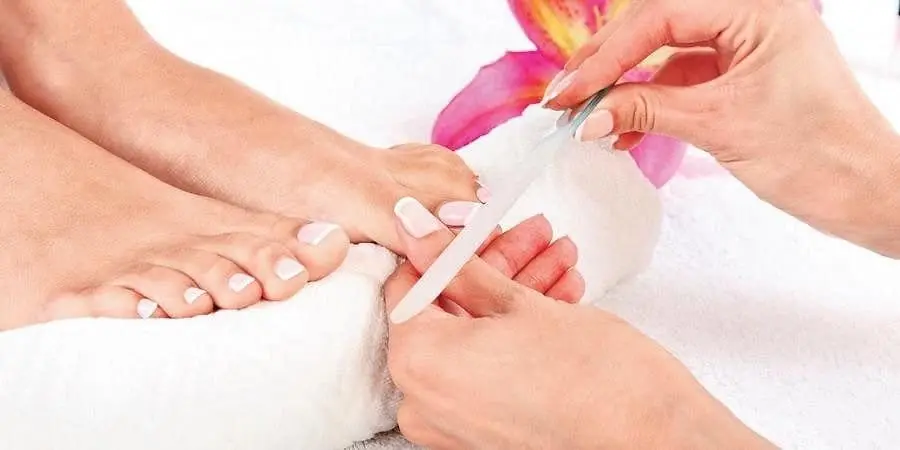
A waterless pedicure sidesteps all of this. There is no basin, no shared water, and no extended waiting period. The nail technician works directly on dry skin using specialized softening agents, enzymatic exfoliants, dry file tools, and rich emollient formulas. The result is a treatment that is not only faster and cleaner but often delivers noticeably superior results in terms of skin texture and hydration, because the active ingredients in the products are not diluted or washed away mid-treatment.
The Science Behind Waterless Pedicure Formulations
Understanding why waterless pedicures work so well requires a brief look at how water interacts with skin, and why removing it from the equation can actually produce better outcomes. Skin science has long recognized the paradox of water and skin hydration. While drinking adequate water supports overall skin health from the inside, prolonged topical exposure to water, especially for more than a few minutes, actually strips the skin of its natural moisture-retaining lipids. This phenomenon is called transepidermal water loss, and it explains why your hands feel tight and dry after washing dishes or your feet feel rough after a long bath.
Key Ingredients That Replace Water-Based Soaking
Waterless pedicure products are formulated around a set of high-performing ingredients that replicate and surpass what water can do for foot skin. Urea is one of the most important. Found naturally in the skin’s own natural moisturizing factor, urea at concentrations between ten and forty percent acts simultaneously as a humectant, drawing moisture into the skin, and a keratolytic, breaking down the protein bonds in thickened, hardened skin. This makes it extraordinarily effective at softening calluses and roughened heel skin without any soaking required. Dermatologists routinely recommend high-concentration urea creams for conditions like hyperkeratosis and extremely dry skin precisely because they work so efficiently on their own.
Alpha hydroxy acids, particularly lactic acid and glycolic acid, are another cornerstone of waterless foot care chemistry. These naturally derived acids dissolve the intercellular glue that holds dead skin cells together, enabling exfoliation without any physical scrubbing action. Lactic acid is particularly well suited to foot care because it also functions as a humectant, meaning it simultaneously loosens dead skin and attracts moisture to the newly revealed skin beneath. Glycolic acid, with its small molecular size, penetrates deeper into the stratum corneum and is especially useful for addressing more severely thickened areas on the ball of the foot and the heel.
Botanical enzymes, particularly those derived from papaya, pineapple, and pumpkin, offer a gentler enzymatic exfoliation pathway that is especially appealing for clients with sensitive skin. Papain from papaya and bromelain from pineapple selectively break down keratin proteins in dead skin cells while leaving living skin tissue unaffected. This selectivity makes enzymatic exfoliants significantly less likely to cause irritation than either water soaking combined with aggressive mechanical scrubbing or high-concentration acid treatments.
How Anhydrous Formulations Work on Skin
Anhydrous means without water, and anhydrous beauty formulations are based entirely on oils, waxes, butters, and silicones rather than a water phase. This matters enormously for foot care because water-free products can carry a much higher concentration of active ingredients than their water-containing counterparts. When a lotion or cream contains a significant water phase, that water takes up space that could otherwise be occupied by beneficial actives. Anhydrous balms, butters, and oils can therefore deliver more urea, more glycerin, more shea butter, and more essential fatty acids per application than a conventional water-based foot lotion can.
Another advantage of anhydrous formulations is their occlusive capacity. When applied to the skin, oils and waxes form a semi-permeable seal over the surface, trapping moisture within the skin rather than allowing it to evaporate. This is the mechanism behind the oil-and-wrap treatments that podiatrists sometimes recommend for severely cracked heels, and it is built into every good waterless pedicure protocol. By the end of a waterless pedicure, the feet are typically enveloped in a rich occlusive formula under warm towel wraps or booties, allowing the ingredients maximum time to absorb before any polish is applied.
The Full Spectrum of Benefits: Why Waterless Pedicures Are Worth the Switch
The advantages of waterless pedicures extend well beyond the absence of a foot soak. They represent a fundamentally different philosophy of foot care that prioritizes skin health, personal hygiene, environmental responsibility, and practical convenience in equal measure. Each of these benefit areas deserves careful examination.
From a skin health perspective, the results of a well-executed waterless pedicure consistently outperform those of water-based alternatives. Because the skin is never soaked, the natural lipid barrier remains intact throughout the treatment. Active ingredients applied to non-waterlogged skin are absorbed more efficiently, meaning the moisturizing and exfoliating benefits are more pronounced and longer-lasting. Clients who have switched from traditional to waterless pedicures frequently report that their feet feel softer for a greater number of days post-treatment, and that the interval between necessary pedicures grows longer because the skin is in genuinely better condition between sessions.
For people with diabetes, peripheral neuropathy, or compromised circulation, waterless pedicures are not just preferable but often medically advisable. Prolonged water exposure can macerate skin, particularly around the toes and in the web spaces, creating micro-fissures through which bacteria and fungi can enter. In people with reduced sensation in their feet, these small injuries may go unnoticed until they become serious. The dry environment of a waterless pedicure significantly reduces this risk. Many podiatrists and diabetes care nurses now specifically recommend waterless techniques for their patients who want to maintain attractive feet without jeopardizing their health.
The time-saving benefit is not trivial. A traditional pedicure, including the soak, scrub, nail work, cuticle attention, massage, and polish application, typically runs between forty-five minutes and an hour and a half, depending on the salon and the service level. A waterless pedicure can deliver equivalent or superior skin results in thirty to sixty minutes because the softening step happens faster with targeted chemical agents than with passive soaking. For clients who are fitting a pedicure into a lunch break or a tight afternoon schedule, this efficiency is genuinely meaningful.
The Hygiene Case: What Traditional Foot Baths Are Really Harboring
The hygiene argument for waterless pedicures is perhaps the most compelling and the least discussed openly in salon settings. The research on microbial contamination of pedicure foot baths is genuinely concerning, and understanding it provides a powerful motivation for choosing a waterless approach.
What Traditional Foot Baths Actually Harbor
A study published in the journal Emerging Infectious Diseases documented a cluster of leg infections caused by Mycobacterium fortuitum, a non-tuberculous mycobacterium, traced directly to the whirlpool foot baths at a nail salon. The investigation found that the biofilms lining the inside of the jets and pipes were the source of the contamination. These biofilms, communities of bacteria embedded in a protective matrix, are notoriously resistant to standard cleaning protocols and can survive even when the visible water is changed and the basin appears clean between clients. Similar studies have documented contamination with Pseudomonas aeruginosa, Staphylococcus aureus, and various fungal organisms including Candida species and dermatophytes responsible for athlete’s foot and nail fungus infections.
The risk is compounded by the nature of pedicure services themselves. Cutting, filing, and pushing back cuticles inevitably creates tiny abrasions and micro-wounds in the skin and around the nails. When these open areas are then submerged in water that may contain pathogenic organisms, the pathway for infection is direct and efficient. Foot fungus infections acquired at nail salons are common enough to be widely recognized in dermatology clinics, and they can take months of antifungal treatment to resolve. A waterless pedicure simply removes this pathway of contamination entirely.
How Waterless Methods Eliminate Cross-Contamination Risk
In a waterless pedicure setup, there is no shared basin and no standing water to become contaminated. Each product application uses clean tools, freshly dispensed product, and single-use or sanitizable applicators. The treatment surface is a towel or a lined foot rest that is changed between clients. This protocol is intrinsically cleaner than any foot bath system because there is no reservoir of warm, moist water in which microorganisms can multiply over time.
The tools used in waterless pedicures also benefit from the absence of water. Stainless steel implements can be properly sterilized in an autoclave between clients. Files and buffers can be individual-use. There is no concern about water temperature or the potential for Legionella growth in warm water systems, which, while primarily associated with cooling towers and plumbing systems, is not entirely irrelevant in any warm water environment that is not managed meticulously. The overall hygiene picture of waterless pedicures is categorically superior to traditional methods, and this is not a marginal difference.
Step-by-Step: How a Professional Waterless Pedicure Is Performed
A professional waterless pedicure follows a logical, sequential process that addresses each element of foot health and aesthetics in a specific order. Understanding this process helps you know what to expect when you book one and helps you recreate elements of it effectively at home.
The treatment begins with a thorough assessment of the feet. A trained nail technician will look at the overall condition of the skin, note any areas of significant callus buildup, check the nails for signs of fungal involvement or damage, and identify any broken skin, wounds, or infections that might require referral to a medical professional before proceeding. This assessment step is important and is often skipped in the rush of traditional salon environments. In a waterless pedicure protocol, it sets the stage for a customized treatment rather than a one-size-fits-all service.
Cleansing comes first. Rather than submerging the feet in water, the technician uses a dedicated anhydrous or micellar cleanser applied on cotton pads or with a soft brush to remove surface dirt, sweat, old product residue, and any traces of previous polish. This step requires no rinsing because the formulas are designed to lift impurities without leaving a residue of their own. The feet emerge from this step genuinely clean without any skin exposure to shared water.
The softening and exfoliation phase follows, and this is where the waterless technique diverges most dramatically from traditional methods. A chemical softening agent, typically containing urea, alpha hydroxy acids, or both, is applied generously to all areas of thickened skin, paying special attention to the heels, the balls of the feet, and any areas of callus around the toes. This agent is allowed to sit on the skin for several minutes, during which time it actively begins breaking down the bonds between dead keratinized cells. This is a targeted, active biochemical process rather than the passive softening that comes from sitting in warm water. Once the softener has worked, the technician uses a professional foot file or paddle to gently remove the loosened dead skin. Because the softener has done much of the work, significantly less pressure is needed, which means the risk of over-filing, creating sore spots, or causing micro-trauma to the skin is greatly reduced.
Nail care follows exfoliation. The nails are trimmed to the desired length using clean, sterilized clippers. Filing shapes the free edge and refines the tip. Cuticle work is performed using a dedicated cuticle softener applied directly to the base of each nail, followed by gentle pushing back of the cuticle with a cuticle pusher and careful removal of any true hangnails or excess skin. This step is identical in waterless and traditional pedicures in terms of the actions performed, but in a waterless environment the cuticle softener is applied precisely where needed rather than relying on water submersion to soften the entire nail bed area.
The moisturizing and massage phase transforms the treatment from a maintenance service into a genuine therapeutic experience. A rich, deeply nourishing formula, often containing shea butter, cocoa butter, jojoba oil, coconut oil, vitamin E, or a combination of these, is massaged thoroughly into the feet, soles, tops, toe spaces, and heels. The massage itself stimulates circulation, relieves tension in the plantar fascia and the muscles of the foot, and accelerates the absorption of the moisturizing ingredients into the skin. In many waterless pedicure protocols, warm towels or heated booties are applied over the moisturizer to drive deeper penetration through gentle thermodynamic action, a technique borrowed from professional skincare and adapted perfectly for foot care.
The final phase is the nail polish application, which proceeds exactly as it would in any other pedicure. A base coat protects the nail plate from staining, two coats of color provide even, lasting coverage, and a top coat seals and adds gloss. Because the feet have not been soaked in water, the nail plate is not swollen or waterlogged at the time of application. This means the polish adheres more evenly and is significantly less likely to peel within the first few days, a common complaint after traditional soaking pedicures.
An At-Home Waterless Pedicure Routine You Can Follow
Recreating the core benefits of a professional waterless pedicure at home is entirely achievable with the right products and a consistent routine. You do not need a professional setup or expensive equipment to give your feet meaningful care without water.
Begin with a micellar water or an oil-based cleanser on a cotton pad, wiping down the entire surface of each foot including between the toes. Follow this with a generous application of a urea-based foot cream, ideally one containing at least twenty-five percent urea, massaged thoroughly into any calloused areas and then left to sit for five to ten minutes. During this time, use a nail file to shape your nails and gently push back your cuticles with a wooden orange stick if they have grown forward. After the urea cream has had time to work, use a dry foot file or a gentle foot paddle in light circular motions over the heel and ball of the foot. You will notice the dead skin coming away far more easily than it would without the chemical softening step. Follow immediately with a deeply nourishing butter or oil applied over the entire foot, then put on a pair of clean cotton socks for at least thirty minutes to allow maximum absorption. Your polish can go on after the socks come off, once the nail surface is wiped clean with a nail cleanser or acetone-free prep wipe.
Choosing the Right Products for Your Waterless Pedicure
The market for waterless pedicure products has expanded dramatically in recent years, which means consumers now have genuine choices at a range of price points. Knowing what to look for in each product category helps you make informed decisions rather than relying on attractive packaging or marketing claims.
For foot cleansers, look for micellar formulas or oil-based cleansers that are labeled rinse-free or no-rinse. These are sometimes marketed as hand cleansers for camping or medical use, and they are equally effective for feet. Ingredients like cetyl PEG/PPG-10/1 dimethicone, which forms the backbone of many micellar systems, or a simple combination of cleansing oils and mild surfactants, will remove dirt and residue effectively without stripping the skin.
For the softening and exfoliation step, urea-based creams are the gold standard. Products containing between twenty-five and forty percent urea are professional-grade and deliver the most noticeable results on severely thickened skin. If your skin is more moderately rough, a product combining ten to fifteen percent urea with lactic acid or glycolic acid offers a gentler but effective alternative. Look for additional ingredients like allantoin, which soothes and conditions skin while supporting cell renewal, and aloe vera, which provides a cooling, anti-inflammatory effect particularly welcome on sensitive or tired feet.
For the moisturizing phase, shea butter-based balms and formulas built around plant-based oils deliver the best occlusive benefit. Look for products that include both humectants like glycerin or hyaluronic acid to draw moisture into the skin, and occlusives like beeswax, lanolin, or dimethicone to seal that moisture in. The combination of these two mechanisms, humectancy and occlusion, is what keeps feet soft and smooth for days after treatment rather than just for the first few hours.
For nail care within a waterless pedicure, a good cuticle oil containing jojoba, vitamin E, and penetrating solvents like propylene glycol will soften the cuticle area effectively when applied directly. A nail strengthening base coat formulated with hydrolyzed wheat protein or calcium protects nails that may be weakened by previous gel or acrylic applications.
Waterless Pedicures and Environmental Sustainability
The environmental dimension of waterless pedicures is increasingly relevant in a world where water scarcity is a pressing reality for hundreds of millions of people. A traditional nail salon pedicure uses between five and fifteen gallons of water per client, when you account for the initial filling of the basin, the water used to rinse tools and equipment, and the water used in the broader cleanup process. Multiply that by the thousands of pedicures performed daily at salons across a single city, and the cumulative water consumption is significant.
Waterless pedicures reduce this water consumption by an estimated eighty to ninety percent. The small amounts of water that may be used in cleaning tools or wiping surfaces are negligible compared to foot bath volumes. In drought-prone regions, in areas where municipal water systems are under stress, and in countries where water access is genuinely constrained, this reduction is not simply a nice-to-have sustainability credential. It represents a meaningful contribution to responsible resource use.
Beyond water conservation, the shift to waterless pedicures also has implications for wastewater. The water drained from traditional foot baths contains residues of bath salts, fragrance compounds, skincare product runoff, and biological material from the feet. This wastewater enters municipal treatment systems where it must be processed. Products used in waterless pedicures, applied and absorbed directly into the skin rather than rinsed into drainage, produce far less wastewater. Many formulas designed for waterless use also prioritize biodegradable ingredients and minimal packaging, aligning with broader sustainable beauty values.
Salons that adopt waterless pedicure protocols can legitimately market themselves as eco-conscious businesses, which resonates powerfully with a growing segment of consumers who factor environmental impact into their purchasing decisions. For salon owners considering the transition, the water and wastewater cost savings also translate directly into reduced operating expenses, making sustainability economically rational rather than just ethically appealing.
Who Benefits Most from Waterless Pedicures
While any person can benefit from a waterless pedicure, certain groups stand to gain the most from making this their default approach to foot care. Understanding who benefits most also helps illustrate just how versatile and broadly applicable the waterless method is.
People living with type 1 or type 2 diabetes are perhaps the clearest beneficiaries. Diabetic neuropathy reduces sensation in the feet, meaning small injuries go unnoticed. Diabetic vascular complications impair healing, making those injuries more likely to develop into serious infections. The combination of reduced sensation and impaired healing makes the bacterial and fungal contamination risks of traditional foot baths particularly dangerous. Waterless pedicures are endorsed by podiatric organizations specifically for diabetic foot care because they deliver all the aesthetic and conditioning benefits of a pedicure without introducing the infection risk of shared water.
Pregnant women also benefit significantly from the waterless approach. During pregnancy, hormonal changes cause the skin, including foot skin, to become more sensitive. Swelling and discomfort in the feet and ankles are common, and many pregnant women find that the physical pressure of a traditional pedicure basin uncomfortable. Waterless treatments can be performed in a reclining chair with the feet elevated, accommodating the physical realities of pregnancy. The absence of prolonged water exposure also reduces the risk of any exacerbation of pregnancy-related skin sensitivity.
Athletes and people who are on their feet for long periods deserve particular mention. Runners, dancers, nurses, teachers, and retail workers subject their feet to extraordinary mechanical stress, which produces significant callus formation, frequent nail trauma, and sometimes fungal infections from sweat-heavy footwear. The targeted exfoliation and intensive moisturizing of waterless pedicures address all of these concerns more directly than a standard salon soak. The hygienic advantage is also particularly relevant for athletes who may already be managing skin and nail conditions related to intensive foot use.
People with compromised immune systems, whether from autoimmune conditions, cancer treatment, or HIV, face heightened risk from any potential microbial exposure. For these individuals, the dramatically lower contamination risk of waterless pedicures is not a cosmetic benefit but a genuine safety consideration. Similarly, anyone recovering from foot surgery or managing open sores, plantar warts, or active skin conditions should avoid water baths but can often safely receive a modified waterless pedicure after consulting with their healthcare provider.
Common Mistakes to Avoid When Doing a Waterless Pedicure
Whether you are performing a waterless pedicure at home or receiving one at a salon, certain missteps can undermine the results. Being aware of the most common errors helps you get the most out of every treatment.
The first and most frequent mistake is using too much mechanical force during exfoliation. One of the primary advantages of chemical softeners like urea and AHAs is that they do the heavy lifting, meaning physical filing should be light and slow. Pressing too hard with a foot file on chemically softened skin removes too much tissue at once, leaving the skin sore, raw, and even more prone to rapid callus regrowth as the body responds to perceived injury by producing excess keratin. The golden rule is that if you feel discomfort while filing, you are using too much pressure.
Skipping the moisturizing step, or cutting it short to save time, is another common error. The exfoliation phase removes dead cells and leaves the fresh skin beneath briefly exposed and more permeable than usual. This is precisely the moment when moisturizing ingredients can penetrate most deeply. Rushing through or skipping the cream application wastes the biochemical opportunity that exfoliation creates.
Using body lotion instead of a dedicated foot formula is a mistake that many people make at home. Body lotions are typically formulated for the thinner, more delicate skin of the body and face, and their humectant-to-occlusive ratio is calibrated accordingly. Foot skin is far thicker, especially on the soles and heels, and requires formulas with significantly higher concentrations of both humectants and occlusives to see results. A shea butter foot balm or a high-urea foot cream will outperform even a premium body lotion every time on this specific application.
Neglecting the toe spaces is an oversight with real consequences. The skin between the toes is thin, delicate, and prone to moisture retention from sweat, creating an environment where fungal infections can establish themselves. A complete waterless pedicure includes cleaning and, if appropriate, a light application of a soothing, non-occlusive balm to the inter-digital spaces. Heavy occlusive products should not go between the toes, but cleansing and gentle conditioning certainly should.
Finally, expecting overnight transformation after a single session is unrealistic for very rough feet. Severe calluses that have developed over months or years will require multiple waterless pedicure sessions spaced two to four weeks apart before the skin reaches its optimal condition. The good news is that because waterless pedicures leave the skin in better baseline condition than water-based treatments, improvement compounds with each session rather than resetting to the same rough starting point each time.
Frequently Asked Questions About Waterless Pedicures
Is a waterless pedicure as effective as a traditional pedicure for removing calluses?
Yes, and in many cases it is more effective. Traditional pedicures rely on water soaking to soften the skin passively, but this method softens the skin unevenly and temporarily, and the softening reverses as soon as the water drains. Waterless pedicures use chemical agents like urea and alpha hydroxy acids that actively break down the protein bonds holding dead skin cells together. This targeted biochemical action is more precise and effective than passive soaking, and the results tend to last longer because the fresh skin revealed is immediately protected by a deeply nourishing moisturizer rather than being exposed to air and allowed to dry out. Clients with severely thickened heels or long-standing calluses often report that their first professional waterless pedicure produces better results than any number of previous traditional treatments.
How long does a professional waterless pedicure take?
A standard professional waterless pedicure typically takes between thirty and sixty minutes, which is often significantly shorter than a traditional full pedicure. The time saving comes primarily from eliminating the ten to twenty minute foot soaking phase. Some express waterless pedicure services designed for clients who want maintenance rather than intensive treatment can be completed in as little as twenty-five minutes while still delivering meaningful skin and nail care. More comprehensive waterless pedicure treatments that include extended massage, paraffin wax application, or additional nail services may run to seventy-five or ninety minutes, comparable to premium traditional pedicure offerings.
Are waterless pedicures more expensive than traditional pedicures?
At some salons, waterless pedicures are priced at a slight premium over standard foot baths, reflecting the higher cost of the specialized product formulations used and sometimes the additional training required of technicians. However, the price difference is typically modest, and many clients find the value proposition more than justifies it when they factor in the superior hygiene, better skin results, and longer-lasting effects. Some salons price waterless and traditional pedicures identically because the water and cleaning savings offset the higher product cost. As the technique becomes more mainstream and product costs decrease with greater market competition, pricing parity is increasingly common.
Can I do a waterless pedicure if I have a nail fungus infection?
If you have an active nail fungus infection, you should consult a podiatrist or dermatologist for medical treatment before pursuing any cosmetic pedicure service. Nail fungus, caused by dermatophyte fungi, requires antifungal medication, either topical or oral depending on severity, and will not resolve with any cosmetic treatment. That said, once a nail fungus is being treated medically, a waterless pedicure is generally a safer maintenance option than a traditional soak because it does not create the warm, moist environment that encourages fungal growth. Always inform your nail technician of any active infections so they can take appropriate precautions and use properly sterilized or single-use tools.
Is a waterless pedicure safe during pregnancy?
Waterless pedicures are generally considered a safe and comfortable option during pregnancy, though a few considerations apply. High-concentration urea products are typically considered safe for topical use during pregnancy, but as with any cosmetic product used during this time, it is sensible to discuss with your obstetrician or midwife before beginning use. Essential oils used in some waterless pedicure products require more careful evaluation during pregnancy, as some, including rosemary, clary sage, and juniper, are traditionally avoided during the first trimester. If you are pregnant, ask your nail technician about the specific products they use so you can make an informed decision or request fragrance-free, essential-oil-free alternatives.
How often should I get a waterless pedicure?
For most people with normally active lifestyles, a professional waterless pedicure every three to four weeks maintains feet in good condition. Because the conditioning effects of a properly performed waterless pedicure tend to last longer than those of traditional treatments, some clients find they can extend to five or six weeks between professional sessions while maintaining excellent skin quality, particularly if they supplement with a weekly at-home urea cream application and regular cuticle oil use. People with conditions that cause rapid callus formation, such as certain gait abnormalities or jobs requiring extensive standing, may benefit from more frequent sessions, every two to three weeks, to stay ahead of buildup.
What should I do to prepare for a waterless pedicure?
Preparation for a waterless pedicure is simpler than for a traditional one precisely because there is no soaking involved. Arrive with clean feet, wearing comfortable shoes that are easy to remove. Remove any existing nail polish before your appointment if possible, though your technician can remove it at the start of the session. Avoid shaving your legs within twenty-four hours before the appointment, as freshly shaved skin is more vulnerable to any product sensitivity. Beyond these basic steps, no special preparation is required. There is no need to pre-soak your feet at home or do anything special to soften the skin beforehand, as the products used at the appointment will handle that effectively.
Do waterless pedicures work on very thick calluses?
Waterless pedicures are effective even on significant calluses, though very severe cases may require a series of treatments over several weeks to achieve the desired smoothness. The key is the concentration of urea or AHAs in the softening product used and the amount of time it is given to work. Professional products used in salon settings typically have higher active concentrations than over-the-counter retail formulas, which is one reason professional treatments often produce more dramatic single-session improvements. At home, leaving a high-urea product on thick callused areas for longer, up to fifteen or twenty minutes under plastic wrap, can amplify the softening effect considerably. Combining regular professional waterless pedicures with a consistent at-home urea cream routine produces the fastest and most sustained improvement in severely roughened feet.
Conclusion: Embracing the Future of Foot Care
The waterless pedicure is not a trend or a gimmick. It is a scientifically grounded, clinically relevant, and environmentally responsible evolution in the way we care for our feet, and its advantages over traditional water-based methods are clear and compelling. By eliminating the foot soak and replacing it with targeted chemical actives, waterless pedicures deliver superior exfoliation, more lasting hydration, significantly better hygiene standards, and shorter treatment times, all while consuming a fraction of the water that conventional foot baths require.
The benefits span every demographic. From the person with diabetes who needs safe, effective foot care without infection risk, to the busy professional who cannot afford a ninety-minute salon appointment, to the environmentally conscious consumer who wants their beauty routine to reflect their values, the waterless pedicure meets genuine needs that traditional methods leave unaddressed. The science of skin care supports every aspect of the approach, from the keratolytic action of urea to the barrier-protective power of occlusive butters and oils.
Your practical next steps are straightforward. If you want to explore professional waterless pedicures, look for salons in your area that specifically advertise this service, ask about the product lines they use and the training their technicians have received, and book a first appointment to experience the difference firsthand. If you prefer to begin at home, invest in a quality high-urea foot cream, a professional-grade foot paddle, and a deeply nourishing foot butter. Incorporate a weekly treatment into your routine and track the improvement in your skin texture and overall foot comfort over a month.
Beautiful, healthy feet are not the exclusive domain of spa culture or disposable income. With the right knowledge and the right products, extraordinary foot care is entirely within reach for every woman who decides her feet deserve the same thoughtful attention she gives to the rest of her body. The waterless pedicure makes that care smarter, cleaner, and more effective than ever before.
RELATED ARTICLES:
Athletic or Sports Pedicure: A Comprehensive Guide for Athletes and Sports Enthusiasts
How to Get Spa-Quality Results with a Salt Pedicure at Home
Paraffin Pedicure: A Comprehensive Guide
Why are pedicures and manicures important?
Transform Your Tired Feet with a Decadent Chocolate Pedicure
About The Author

COMMENTS