







Benefits of Manicures: The Complete Guide to Why Nail Care Truly Matters The benefits of manicures extend far beyond aesthetics. While a beautiful se
Benefits of Manicures: The Complete Guide to Why Nail Care Truly Matters
The benefits of manicures extend far beyond aesthetics. While a beautiful set of nails is an obvious outcome of regular manicure treatments, the advantages of consistent nail care touch on health, hygiene, confidence, stress relief, and even early detection of potential health issues. Whether you prefer DIY manicures at home or professional salon treatments, building nail care into your regular beauty routine delivers compounding benefits that go well beyond simply looking polished. This comprehensive guide explores all the proven benefits of manicures so you can make an informed decision about how to incorporate nail care into your lifestyle.
Benefit 1: Improved Nail Health and Strength
One of the most significant benefits of manicures is the direct improvement they deliver to nail health over time. A proper manicure involves far more than applying colour. It includes softening the cuticles, shaping the nail plate to prevent snapping and peeling, removing dead skin from the nail bed, buffing the nail surface to improve circulation to the nail matrix, and applying strengthening base coats that protect the nail from environmental damage.
Regular shaping, in particular, is critical for nail strength. Nails that are allowed to grow in uneven or irregular shapes develop stress points along the free edge that are highly prone to cracking and peeling. Keeping nails properly shaped, whether square, oval, round, or almond, distributes mechanical stress evenly across the nail plate and significantly reduces the rate of breakage.
The cuticle care element of manicures is also enormously beneficial for nail health. The cuticle serves as a protective seal between the nail plate and the underlying skin. When cuticles are too dry or overgrown, they can develop hangnails, crack, and create entry points for bacteria and fungi. Regular, gentle cuticle care keeps this protective barrier intact and functioning optimally.
Published · Updated
The underside of the fingernail is one of the most bacteria-laden areas on the human body. Even people who wash their hands diligently retain significant bacterial populations under the nails. A proper manicure that includes cleaning under the free edge with a nail brush or pointed tool removes this bacterial buildup and reduces the risk of transferring pathogens from the hands to the face, food, or other surfaces.
Additionally, keeping nails trimmed and properly shaped reduces the surface area where bacteria and fungi can accumulate. For people who handle food, care for others, or work in healthcare environments, regular manicures are not merely cosmetic but also a meaningful hygiene practice.
Benefit 3: Early Detection of Health Issues
One of the most underappreciated benefits of manicures is the opportunity they provide for regular, close examination of the nails. The nails are considered a window into overall health, and numerous conditions leave their marks on the nail plate, nail bed, or surrounding skin before other symptoms become obvious.
Nail changes that can be detected during a manicure and may warrant medical attention include horizontal ridges across the nail plate (Beau’s lines), which can indicate a period of physical or emotional stress or a systemic illness; vertical ridges, which, while common with ageing, can also indicate nutritional deficiencies; nail pitting, which is associated with psoriasis and other autoimmune conditions; yellowing of the nail plate, which can indicate fungal infection, lung disease, or diabetes; clubbing of the fingers (where the nail curves around an enlarged fingertip), which can indicate lung or heart disease; and pale or white nail beds, which can indicate anaemia.
Regular examination of the nails through consistent manicure routines means these changes are more likely to be noticed early, when intervention is most effective.
Benefit 4: Stress Relief and Mental Wellbeing
The psychological benefits of manicures are significant and increasingly recognised in health and wellness research. The process of a professional manicure, which includes warm water soaking, massage of the hands and forearms, and focused personal care, activates the parasympathetic nervous system, which is responsible for the body’s rest-and-digest response.
The hand massage that accompanies most professional manicures is particularly beneficial. Massage stimulates circulation, reduces muscle tension, and triggers the release of endorphins and other feel-good neurotransmitters. Even a short five- to ten-minute hand massage can produce measurable reductions in cortisol levels (the primary stress hormone) and improvements in mood and wellbeing.
There is also a meaningful psychological component to taking dedicated time for self-care. In the context of often-overwhelming daily responsibilities, scheduling and completing a manicure represents an act of self-prioritisation. Multiple studies have linked regular self-care practices with improved self-esteem, reduced anxiety, and better overall mental health outcomes.
Benefit 5: Improved Circulation and Skin Health
The hand and arm massage included in professional manicures provides direct circulatory benefits. Poor circulation to the extremities is a common issue, particularly in people who work at computers, live in cold climates, or have conditions that reduce peripheral circulation. Improved blood flow to the hands and fingers means better oxygenation and nutrient delivery to the nail matrix (where nail growth originates) and the surrounding skin tissues.
Enhanced circulation supports healthier, faster nail growth and promotes more even-toned, supple skin on the hands. The combination of massage, exfoliation (often included in manicures as a scrub step), and moisturising treatment consistently improves the appearance and texture of hand skin in ways that other treatments rarely achieve so comprehensively in a single session.
Benefit 6: Boosted Confidence and Professional Appearance
The aesthetic benefits of manicures have real psychological and social consequences that make them meaningfully relevant to confidence and self-presentation. Research in social psychology has shown that people draw conclusions about personal grooming and professionalism from the condition of the hands and nails, often unconsciously.
Well-groomed, clean nails signal attention to detail, personal discipline, and self-respect. In professional settings, particularly in fields where handshakes, presentations, and client interactions are frequent, well-maintained nails contribute positively to the overall impression of competence and care.
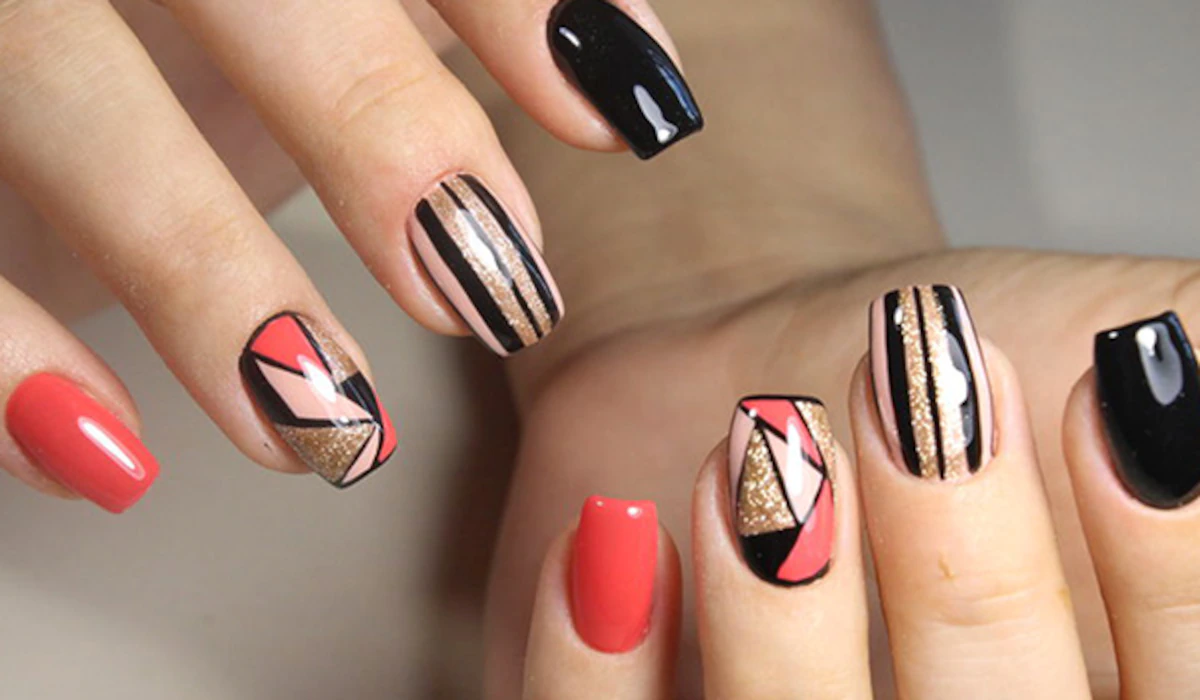
For individuals, the visible result of a manicure, whether it is a simple clear coat or an elaborate nail art design, can provide a genuine boost to mood and self-confidence. This is not superficiality. It is the tangible result of an investment in one’s appearance that serves as a daily reminder of personal value and care.
Benefit 7: Prevention of Nail Disorders
Regular manicures provide a proactive defence against common nail disorders that become more difficult to treat once established. Among the benefits of manicures is the early identification and prevention of conditions including fungal nail infections (onychomycosis), ingrown nails (onychocryptosis), nail brittleness and peeling, hangnails and torn cuticles, and nail psoriasis flares.
A skilled nail technician will recognize early signs of fungal infection (yellowing, thickening, or crumbling at the nail edge) before the condition becomes entrenched, allowing for early treatment. They will also shape nails in ways that reduce the risk of ingrown nail development, which is particularly valuable for people with naturally curved nail plates or those who have experienced ingrown nails in the past.
The moisturising component of manicures is also a preventative measure against brittleness and peeling. Nails that are regularly conditioned with cuticle oil and hand cream retain more moisture and are significantly less prone to the microcracking and peeling that creates rough, damaged nail edges.
Benefit 8: Relaxation of the Hands and Forearms
For people who use their hands extensively in their work, whether through typing, manual labour, artistic work, or caregiving, the muscle tension that accumulates in the hands, wrists, and forearms can be significant. Among the benefits of manicures for active hand users is the therapeutic value of the relaxation techniques incorporated into the treatment.
The soaking of hands in warm water before the manicure begins provides immediate relaxation of tense, overworked muscles. The massage that follows works on the individual joints of the fingers, the palm, and the wrist, releasing knots and improving joint mobility. For people with early arthritis or repetitive strain conditions, regular professional hand massage has been shown to reduce pain and improve range of motion.
How Often Should You Get a Manicure?
The optimal frequency for manicures depends on several individual factors, including nail growth rate, lifestyle, and specific nail concerns. General guidelines: for basic nail maintenance and health benefits, every two to three weeks is ideal. For gel or acrylic enhancements, three to four weeks between fills or replacements maintains the integrity of the enhancement and prevents lifting and water entry. For people with very fast nail growth or specific nail health concerns, weekly maintenance may be appropriate.
Between professional manicures, maintaining a simple at-home routine, including daily cuticle oil application, regular moisturising, and wearing gloves for household chemical use, preserves the benefits of your professional treatment and extends its duration.
DIY Manicure: Getting the Benefits at Home
Professional manicures are ideal, but you can access most of the benefits of manicures with a well-executed home routine. Here is what a complete at-home manicure should include:
Remove any existing polish with an acetone-free remover. Soak hands in warm water with a few drops of essential oil for five to ten minutes to soften cuticles. Gently push back cuticles with a cuticle pusher. Do not cut healthy cuticles. Trim and shape nails with a quality file, filing in one direction only to reduce splitting. Buff the nail surface gently with a four-sided buffer. Exfoliate hands with a gentle scrub of sugar and coconut oil. Rinse and apply a rich hand cream. Massage thoroughly from the tips of the fingers up to the wrist. Apply cuticle oil to each cuticle and the surrounding skin. Apply a strengthening base coat, two thin coats of colour, and a top coat if desired.
The Bottom Line on the Benefits of Manicures
The benefits of manicures are comprehensive, spanning physical health, mental wellbeing, hygiene, and confidence. Far from being a superficial indulgence, regular nail care is a meaningful health practice that pays dividends in nail strength, early detection of health changes, stress reduction, and improved self-perception. Whether you invest in regular professional treatments or build a diligent at-home routine, making nail care a consistent part of your self-care practice is one of the most rewarding beauty commitments you can make.
Benefits of Manicures: Hand Hygiene and Nail Strength
Most people underestimate the benefits of manicures because they assume the value is purely cosmetic. The biggest health benefits come from the consistent attention paid to cuticles, hangnails, and the area underneath the nail plate where bacteria accumulate. Regular sessions deliver hygiene benefits of manicures that compound over months of consistent care.
The American Academy of Dermatology nail-care basics highlights that filing rather than cutting, daily cuticle oil, and rubber gloves for cleaning are the three habits with the strongest long-term impact on nail strength. A monthly manicure embeds these habits into a routine, which is one of the under-discussed benefits of manicures.
There is also a measurable psychological lift. As Healthline’s overview of manicure benefits documents, the combination of touch, focused self-care time, and visible improvement contributes to lower self-reported stress in regular salon clients. Combined with the hygiene gains, the benefits of manicures justify the appointment for the vast majority of adults who can fit a monthly visit into their schedule.
Frequently Asked Questions About Manicures
How often should you get a manicure?
Every two to three weeks is the sweet spot for most people who want consistently polished nails. Gel manicures last two to three weeks, while regular polish typically chips within a week. Schedule appointments around nail growth and your tolerance for chipped polish. People with naturally fast-growing nails may need maintenance every ten to fourteen days. Those who prefer minimal nail care can stretch to four to six weeks between proper manicures. Listen to your nail health and adjust based on what feels right.
Are regular manicures worth the cost?
Yes, for most people. The cost adds up to forty to ninety dollars per visit at salons, totalling about one hundred to two hundred and forty dollars monthly with biweekly appointments. Benefits include consistently polished nails, healthier cuticles, professional cuticle care, relaxation time, and reduced nail damage from amateur DIY work. For those on a tight budget, home manicures with proper tools and patience produce decent results at a lower cost. The decision depends on personal priorities, budget, and time.
What are the benefits of getting regular manicures?
Regular manicures keep nails consistently polished, cuticles healthier, and nail shape well-maintained. They reduce the risk of self-inflicted nail damage from picking, biting, or amateur DIY work. They provide relaxation time and self-care moments. Professional cuticle care prevents painful hangnails. Trained technicians spot nail health issues like fungus, ridges, or unusual changes early. Many people find the social aspect and consistent appointments part of a stable self-care routine, with mental health benefits beyond the physical results.
Can manicures damage your natural nails?
Manicures done properly should not damage natural nails. Damage comes from aggressive filing of the natural nail, harsh removal of gel polish, weak or thin nail plates being repeatedly thinned with strong adhesives, or improper cuticle care. Choose reputable salons with trained technicians, request gentle cuticle work, and take occasional breaks between gel applications. Apply cuticle oil daily to keep nails hydrated. If nails seem thinner, peeling, or weaker over time, scale back manicure frequency and use strengthening base coats.
What is the difference between a regular manicure and a gel manicure?
A regular manicure uses standard polish that air-dries and lasts about one week before chipping. A gel manicure uses UV or LED-cured gel polish that lasts two to three weeks without chipping, has higher shine, and resists damage. Gel applications take longer and require proper removal soaking. Regular polish is faster and easier to change at home. Gel typically costs ten to thirty dollars more per visit and requires proper removal to avoid damaging the nail. Choose based on your lifestyle and durability needs.
How do you maintain a manicure at home between appointments?
Apply cuticle oil daily to keep nails and cuticles hydrated. Use a clear top coat every two to three days to refresh shine and prevent chipping. Avoid using nails as tools for opening, scratching, or peeling. Wear gloves for dish washing and cleaning. Avoid hot water exposure for extended periods. Keep nails dry whenever possible. If chips occur, file the edge smooth and touch up with similar polish. Avoid picking at chipped or lifted polish, which damages the nail underneath.
RELATED ARTICLES:
How to Keep Your Nails Looking Their Best with Hot Oil Manicures
Why Spa Manicures are the Best Choice for Nail Care
Why are pedicures and manicures important?
Transform Your Nails with Acrylic Manicure
Add Some Spark to Your Nails with 3D Manicure
About The Author

COMMENTS