
Pamper your feet with a refreshing margarita pedicure that turns a favorite cocktail into a genuine spa ritual. Borrowing the zest of lime, the minera
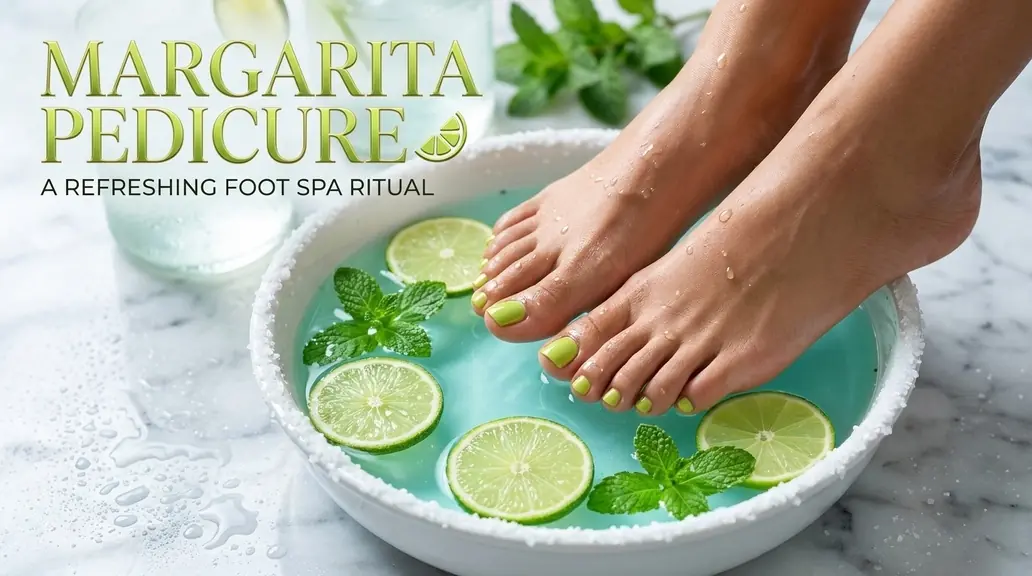
Pamper your feet with a refreshing margarita pedicure that turns a favorite cocktail into a genuine spa ritual. Borrowing the zest of lime, the mineral crunch of sea salt, and a hydrating finish, it uses citrus enzymes and exfoliating crystals to leave tired soles brighter, softer, and smelling like a beach holiday. This guide goes beyond the playful name to show why each ingredient works and how to recreate the treatment safely at home.
This guide goes far beyond the cute name. You will learn the science behind why lime, tequila, and salt actually benefit your skin, how to recreate a salon-quality margarita pedicure at home, which ingredients to swap if you have sensitive skin, how often to do it safely, and how to troubleshoot common foot concerns like cracked heels, calluses, and dull nails. Whether you are prepping for sandal season, planning a bachelorette night with friends, or simply carving out an hour for yourself on a Sunday, this is the complete playbook for a pedicure that feels like a celebration and delivers results your dermatologist would quietly approve of.
What a Margarita Pedicure Actually Is
Reviewed by the BeautynFacts editorial team. Last updated: May 2026.
A margarita pedicure is a themed spa treatment that mimics the flavor profile of the classic cocktail by using lime-infused soaks, sugar or salt scrubs, tequila-scented lotions, and hydrating masks finished with a citrus-bright polish. It sits within the family of dessert and drink inspired pedicures, a category that has grown steadily in nail salons since the late 2000s as estheticians began experimenting with food-grade ingredients to make treatments more immersive. Margarita versions rose to the top because their core ingredients are not just fragrant, they each play a functional role in skin care.
The concept works because citrus, salt, and agave derivatives have well-documented benefits in dermatology. Lime contains ascorbic acid and citric acid, both naturally occurring alpha hydroxy acids that gently dissolve the bonds between dead skin cells. Salt, particularly fine sea salt or Himalayan pink salt, is an osmotic ingredient that helps draw out impurities while physically exfoliating. Tequila, distilled from the blue agave plant, is associated with agavins, natural sugars with humectant qualities similar to those found in honey. When these ingredients are combined in a professionally designed protocol, the result is a treatment that cleans, softens, brightens, and hydrates in one sitting.
It is worth noting that a margarita pedicure does not require actual alcohol to deliver results. Many salons use alcohol-free margarita lotions or concentrated lime essential oils blended with agave nectar. At home, you can absolutely use a splash of real tequila for the aromatic experience, but the true skin benefits come from the citrus, salt, and moisturizing carriers, not from the liquor itself.
The Science Behind Why This Pedicure Works
Understanding why each ingredient earns its place in the ritual elevates a margarita pedicure from novelty to meaningful skin care. The foot skin, especially on the heels and the ball of the foot, is thicker than skin elsewhere on the body. The stratum corneum, the outermost protective layer, can be up to ten times thicker on pressure-bearing areas. That is why feet accumulate calluses and why they benefit from treatments with more exfoliating power than your face could tolerate.
Citric Acid and Vitamin C from Lime
Lime juice contains roughly five to six percent citric acid, a mild alpha hydroxy acid that loosens desmosomes, the protein bridges holding dead skin cells together. Dermatologists routinely recommend AHAs for keratosis pilaris, rough heels, and uneven skin tone because they accelerate cell turnover without stripping the skin barrier when used appropriately. Lime also delivers a dose of ascorbic acid, better known as vitamin C, which supports collagen synthesis and helps fade the sun-darkened patches that can appear on the tops of feet from years of sandal wear.
Mineral Content from Salt
Sea salt and Himalayan salt contain trace minerals including magnesium, potassium, and calcium. Magnesium in particular is absorbed transdermally to a modest degree and is associated with muscle relaxation, which is part of the reason an Epsom or sea salt foot soak feels so relieving after a long day. The granular texture also provides mechanical exfoliation, physically buffing away flakes that chemical exfoliants have loosened.
Agavins and Sugars from Tequila
True tequila is made from fermented and distilled blue agave, and while the distillation process removes most of the naturally occurring sugars, skincare products that capitalize on the margarita theme often include agave nectar or agave extract. Agavins are fructose polymers with humectant properties, meaning they attract and hold water in the skin. This is why a tequila-lime lotion can leave feet feeling plump and supple rather than tight after exfoliation.
Aromatherapy and the Nervous System
There is also a neurological dimension to this pedicure that is easy to overlook. The scent of lime triggers the olfactory bulb, which is directly connected to the limbic system, the brain region responsible for emotion and memory. Citrus scents have been studied for their mood-lifting and stress-reducing effects, with research suggesting they can reduce cortisol levels and improve perceived wellbeing. A margarita pedicure, in other words, is not just exfoliation with a garnish. It is aromatherapy with measurable physiological benefits.
Everything You Need Before You Begin
Setting up your space properly is the difference between a rushed foot scrub and a ritual that actually feels indulgent. Gather your materials before you start so you are not hopping on one foot to the bathroom cabinet halfway through the soak. You will need a basin large enough to fit both feet comfortably, warm water, two fresh limes, coarse sea salt, fine sugar or fine sea salt for scrubbing, a carrier oil like coconut or sweet almond, a pumice stone or foot file, a soft towel, cuticle pusher, nail clippers, a nail file, buffer, base coat, a lime or coral polish, and top coat.
If you want to go all in on the theme, add a slice of lime to the rim of your basin, queue up a Latin playlist, light a citrus candle, and pour yourself an actual margarita to sip while you soak. Presentation matters because it signals to your nervous system that this is dedicated time for yourself, not another item on the chore list. Spa research has repeatedly shown that the context surrounding a treatment shapes how effective people perceive it to be, and perception influences the stress-relief outcomes you actually experience.
For optional upgrades, consider a handheld foot massager, a heated towel, a clay foot mask, or a pair of moisturizing socks to wear overnight after the treatment. These are not strictly necessary, but they turn a thirty-minute maintenance task into an hour-long experience that rivals a spa visit.
Step-by-Step Home Margarita Pedicure
The following sequence mirrors what a trained nail technician would do in a salon, adapted for home use and optimized for skin health. Reserve at least sixty to ninety minutes so you can move unhurriedly through each step.
Step One, Prep and Polish Removal
Start by removing any existing nail polish with an acetone-free remover if possible. Acetone is effective but dehydrating, and since the rest of the treatment focuses on hydration, a gentler remover like ethyl acetate with added glycerin is kinder to the nail plate. Trim your nails straight across with clippers, then gently round the corners with a file to prevent ingrown toenails, a common issue caused by filing too aggressively into the side walls.
Step Two, The Margarita Soak
Fill your basin with warm water, ideally between 98 and 104 degrees Fahrenheit. Water that is too hot actually worsens dry skin by stripping natural oils, and water that is too cool will not soften the cuticles. Add half a cup of coarse sea salt, the juice of one fresh lime, a tablespoon of honey or agave nectar, and a few drops of lime essential oil if you have it. If you want the full cocktail experience, add a splash of tequila for scent, though this is entirely optional and contributes nothing to the skin benefits that the other ingredients do not already provide. Float a few fresh lime slices on top for a spa-like visual.
Soak your feet for ten to fifteen minutes. This is the moment to close your eyes, breathe deeply, and let the citrus scent do its work. Longer soaks can actually over-soften the skin, making it more prone to tearing during the subsequent scrubbing, so resist the urge to linger past the fifteen-minute mark.
Step Three, Exfoliation with Margarita Scrub
Pat one foot dry and keep the other soaking. Mix a homemade margarita scrub by combining half a cup of fine sugar or fine sea salt, a quarter cup of coconut oil or sweet almond oil, the zest of one lime, and one teaspoon of fresh lime juice. The zest contains concentrated lime oils that deliver the scent without the more aggressive acidity of the juice. Massage the scrub in firm circular motions across the tops of the feet, between the toes, along the arches, and across the heels. Spend extra time on areas that feel rough but avoid aggressive pressure that could create micro-tears.
Rinse the scrub off in your soak water or with a damp cloth. Repeat on the second foot. If you have particularly thick calluses, this is the moment to use a pumice stone or foot file in gentle back-and-forth motions, never sawing aggressively. The goal is to smooth, not to remove every trace of callus, because some callus is protective and eliminating it entirely can lead to soreness.
Step Four, Cuticle Care
Apply a drop of cuticle oil to each nail bed. Use a wooden or rubber-tipped cuticle pusher to gently ease the cuticle back from the nail plate. Do not cut live cuticle tissue, which serves as a seal against bacteria. If you have hangnails or overgrown eponychium, trim only the loose, lifted pieces with a clean nipper. Over-aggressive cuticle work is the fastest route to a painful paronychia infection.
Step Five, The Hydrating Mask
Apply a generous layer of foot mask to both feet. You can use a store-bought hydrating mask or mix your own by blending two tablespoons of plain Greek yogurt, one tablespoon of honey, one teaspoon of mashed avocado, and a squeeze of lime juice. Yogurt contains lactic acid, another gentle AHA that complements the citric acid from the lime. Honey is both humectant and antibacterial. Avocado provides fatty acids that reinforce the skin barrier after exfoliation.
Wrap each foot in plastic wrap or slip them into disposable spa socks, then cover with a warm towel. Let the mask work for ten to fifteen minutes while you rest. The warmth opens pores and enhances ingredient penetration, which is why professional pedicures often use heated booties at this stage.
Step Six, The Tequila-Lime Massage
Rinse the mask, pat dry, and transition into the massage. Use a rich foot cream or mix your own by combining shea butter, sweet almond oil, a drop of lime essential oil, and a pinch of salt for aromatic texture. Massage each foot for five to seven minutes. Start at the toes and work up to the ankle, using thumb pressure on the sole, knuckle circles on the arch, and gliding strokes up the calf. This portion is not just for pleasure. Foot massage has been shown in clinical studies to reduce anxiety, improve sleep quality, and support lymphatic drainage, which helps reduce ankle swelling common after long days of standing.
Step Seven, Polish Application
Wipe each nail with a small amount of polish remover to eliminate any oil residue, which is the most common reason home pedicures chip within days. Apply a ridge-filling base coat, let it dry for two minutes, then apply two thin coats of your chosen color, waiting two minutes between coats. Coral, lime green, neon pink, and tequila sunrise orange gradients all honor the margarita theme beautifully, but a classic sheer nude or glossy clear also works if you prefer understated nails. Seal with a fast-dry top coat and let the polish cure for at least thirty minutes before putting on socks or shoes.
Salon Versus At-Home Margarita Pedicures
Deciding whether to book a salon appointment or do this yourself comes down to your budget, your comfort with foot tools, and how much you value the atmosphere. A salon margarita pedicure typically costs between forty and eighty-five dollars in the United States, with upscale spas charging over one hundred dollars. In exchange, you get trained hands, professional-grade equipment, a reclining chair with a massage function, and the undivided attention of a technician who can spot issues like fungal infections or ingrown nails that need medical attention.
The at-home version costs a fraction of that once you have built up a basic kit, typically twenty to thirty dollars for the initial supplies and less than five dollars per subsequent pedicure. You also get complete control over hygiene, which has become a real concern after high-profile cases of mycobacterial infections traced to improperly cleaned foot baths. If you choose the salon route, look for establishments that use pipe-free jet systems or disposable basin liners, and ask how they sterilize their metal tools. Autoclave sterilization is the gold standard.
A hybrid approach works beautifully for many people. Book a salon margarita pedicure once every four to six weeks for deep callus work and professional polish, and maintain the results at home with a weekly soak, scrub, and moisturize routine.
Customizing the Pedicure for Different Foot Concerns
The standard margarita protocol works for most feet, but small adjustments can turn it into a targeted treatment for specific issues.
For Dry, Cracked Heels
If your heels have deep fissures, reduce the lime juice in your soak to a single tablespoon since excessive acidity can sting open skin. After exfoliation, apply a urea-based foot cream at ten to twenty percent concentration, which dermatologists consider the most effective humectant for thickened, cracked heel skin. Urea both hydrates and gently breaks down the hyperkeratotic tissue that causes cracks. Cover with cotton socks overnight for maximum absorption.
For Sensitive Skin
Skip the lime juice entirely and use lime zest instead for the fragrance without the acid exposure. Replace salt scrubs with sugar scrubs, which have smaller, rounder crystals that are less abrasive. Use coconut oil as the carrier, which has mild antimicrobial properties and is better tolerated by reactive skin than many commercial lotions.
For Diabetic Feet or Circulation Issues
Anyone with diabetes, peripheral neuropathy, or circulation problems should approach pedicures with extra caution. Do not soak for longer than ten minutes, keep water temperature under one hundred degrees, and skip aggressive callus removal entirely. Diabetic skin heals more slowly and is more prone to infection, so even a small nick can escalate. Consider booking a medical pedicure with a trained podiatrist or a certified medical nail technician rather than doing this at home.
For Athletic Feet
Runners, dancers, and hikers tend to develop calluses in specific patterns that actually protect against blisters. Do not file these away completely. Instead, smooth the edges and focus the margarita soak on reducing muscle fatigue by extending the magnesium-rich salt bath to fifteen minutes and spending extra time on the massage portion, particularly on the plantar fascia along the arch.
The Best Nail Colors and Designs for the Margarita Theme
Polish is where you can have the most fun with this pedicure. The traditional margarita palette includes salt-rim white, lime green, tequila amber, and sunrise coral. Statement ideas that nail artists love for themed pedicures include a gradient from yellow at the cuticle to deep orange at the tip to mimic a sunrise margarita, a matte lime green base with tiny white salt crystal dots along the top of the nail to evoke the salted rim, and a classic French tip in coral paired with a single accent nail featuring a tiny painted lime slice.
For a more refined take, try a milky white base with a translucent lime green jelly overlay, which catches the light beautifully and reads sophisticated rather than costumey. If you prefer minimalism, a single coat of sheer peach or warm nude over clean, well-shaped nails is the timeless choice that will still feel on-theme thanks to the aromatic treatment underneath.
When choosing polish, look for formulas labeled five-free, seven-free, or ten-free, indicating they are formulated without common irritants like formaldehyde, toluene, and dibutyl phthalate. These cleaner formulas are gentler on the nail plate and less likely to cause yellowing with repeated use.
Aftercare to Make the Results Last
Freshly pedicured feet look incredible for about five to seven days with no effort, but proper aftercare can stretch that window to two or three weeks. The most important habit is nightly moisturizing. Apply a rich foot cream or balm to clean feet before bed, then slip on cotton or bamboo socks. This occlusive barrier traps the product against the skin, allowing deeper penetration throughout the night. Within two weeks of consistent application, most people notice a visible reduction in heel roughness.
Exfoliate lightly twice a week with a pumice stone in the shower while the skin is softened. A full weekly scrub is excessive for most feet and can compromise the skin barrier, but a brief pumice treatment maintains smoothness without overdoing it. Drink enough water throughout the day, since hydration from the inside shows on the feet just as it shows on the face. Aim for roughly half your body weight in ounces daily as a general guideline.
Rotate your shoes rather than wearing the same pair every day. Sweat buildup inside shoes creates the warm, moist environment where fungal organisms thrive, and rotating shoes gives each pair at least twenty-four hours to fully dry. Consider sprinkling antifungal powder in workout shoes and changing socks if your feet sweat heavily during the day.
Protect your polish from early chips by avoiding hot tubs, prolonged chlorine exposure, and abrasive household chemicals for the first seventy-two hours after the pedicure, as these can soften or lift the polish film before it has fully cured.
Safety Considerations and Common Mistakes
A home pedicure is generally safe, but a few common errors can turn a pampering session into a problem. The first is sharing tools without sterilization. Nail clippers, files, and cuticle nippers should never be shared, even within a family, because fungal and bacterial infections spread easily through microabrasions on the skin. Wipe metal tools with rubbing alcohol before and after each use, and replace foam files every few pedicures since they cannot be fully disinfected.
The second mistake is aggressive callus removal with razor-style graters. These tools, sometimes called credo blades, can cut living tissue before you realize what has happened. Many states have banned their use in professional settings for exactly this reason. Stick with pumice stones or fine-grit foot files.
A third error is applying lime juice to feet and then stepping into direct sunlight. Citrus oils can cause phytophotodermatitis, a chemical burn-like reaction triggered by the combination of furocoumarins in citrus and UV light. This is sometimes called margarita dermatitis because of how often it appears on people who handle limes on the beach. Rinse your feet thoroughly after the treatment and avoid direct sun on treated areas for at least twelve hours to be safe.
Finally, watch for signs of fungal or bacterial infection after any pedicure, whether at home or in a salon. Thickened, yellowing nails, persistent itching between toes, foul odor, or red streaks running up the foot all warrant a visit to a podiatrist or dermatologist. Early intervention makes these issues much easier to treat.
How Often You Should Get a Margarita Pedicure
The ideal frequency depends on your activity level, your footwear, and the condition of your feet. For most people, a full margarita pedicure every three to four weeks maintains soft, smooth, presentable feet without over-exfoliating. Those with very dry skin or heavy callus buildup may benefit from a full treatment every two weeks during sandal season, while people with sensitive skin may find monthly sessions are plenty.
Between full treatments, a simplified routine of a quick ten-minute lime-salt soak followed by moisturizer on Sundays keeps the momentum going. Think of the full margarita pedicure as your reset ritual and the mini-soak as weekly maintenance. This rhythm mirrors how dermatologists approach facial care, with professional treatments spaced monthly and daily home care filling the gaps.
Seasonally, most people find they need more frequent pedicures in spring and summer when feet are exposed to sun, sand, and open shoes, and can stretch the interval during winter when feet are protected by closed footwear. Pay attention to your feet rather than sticking rigidly to a calendar. When they start feeling rough, dry, or heavy, it is time.
Pairing Your Pedicure with a Complete Spa Day
One of the easiest ways to stretch a margarita pedicure into a full wellness afternoon is to pair it with complementary treatments that use similar ingredients. Start the day with a lime and mint sugar lip scrub, follow with a citrus body wash in the shower, exfoliate your hands with a smaller portion of the same salt scrub you made for your feet, and apply a refreshing gel face mask while your foot mask is working.
If you are hosting friends, a margarita pedicure party is a memorable way to celebrate a birthday, bridal shower, or simply a Saturday. Set up each guest with their own basin, share the salt scrub and mask ingredients family style, and queue a playlist of mellow Latin and tropical music. Serve actual margaritas or virgin lime spritzers to drink, plus a platter of fresh fruit and salted nuts. The whole event can be hosted for under one hundred dollars and leaves guests with genuinely better-looking feet rather than just a novelty photo.
For a romantic take, couples pedicures are a surprisingly hit date idea. Both partners set up basins, take turns massaging each other’s feet, and the total cost rivals dinner out while providing ninety minutes of connection without screens. It is a low-key way to reintroduce touch and care into a relationship that has slipped into autopilot.
Frequently Asked Questions
Is the tequila in a margarita pedicure actually doing anything for my skin?
Not meaningfully, no. The alcohol in tequila evaporates quickly when applied to skin and in such small amounts it has no measurable benefit. What tequila contributes is scent and theater. The real skin-working ingredients in this pedicure are lime, which provides alpha hydroxy acids and vitamin C, salt, which exfoliates and relaxes muscles through magnesium absorption, and the carrier oils or humectants, which moisturize. You can make an excellent margarita pedicure with zero actual alcohol by using agave nectar and lime essential oil instead. If you love the ritualistic feel of adding a splash of tequila to the soak, go for it, but do not expect the liquor itself to transform your feet.
Can I do a margarita pedicure if I am pregnant?
Yes, with minor modifications. Pregnancy is actually an excellent time for foot care since swelling, hormonal changes, and increased weight-bearing can all leave feet aching. Keep your soak water lukewarm rather than hot, since elevated body temperature during pregnancy is not recommended. Skip any essential oils that have not been cleared for pregnancy use, and consult your midwife or obstetrician if you have concerns. The massage component should focus on the tops of the feet and calves rather than deep pressure on the ankles, where certain acupressure points are traditionally avoided during pregnancy. Many salons offer specific prenatal pedicures that modify the protocol accordingly.
How long should my feet stay soft after a margarita pedicure?
With consistent nightly moisturizing and light exfoliation twice a week, you can expect your feet to feel noticeably softer for two to three weeks after the treatment. Without aftercare, results start fading within five to seven days as dead skin accumulates again. The exfoliation portion of a margarita pedicure removes a significant layer of keratinized cells, but your skin naturally produces new ones constantly, so maintenance is essential. Think of the pedicure as a reset and the daily routine as what keeps the progress visible.
Is it safe to put lime juice on my feet?
For most people, yes, when diluted in a soak or mixed into a scrub. The concern is phytophotodermatitis, a reaction that occurs when compounds called furocoumarins in citrus are activated by UV light and cause blister-like burns on the skin. To stay safe, rinse your feet thoroughly after the treatment, moisturize well, and avoid direct sun exposure on treated areas for at least twelve hours. If you have broken skin, open cuts, or very sensitive skin, substitute lime zest for lime juice to enjoy the scent without the citric acid exposure. Those with citrus allergies should avoid this pedicure entirely and consider a coconut or cucumber-themed alternative.
What is the difference between a margarita pedicure and a mojito pedicure?
They share the citrus foundation but use different supporting ingredients. A margarita pedicure centers on lime, salt, and tequila or agave, giving it a warming, slightly sweet, mineral-forward character. A mojito pedicure uses lime paired with fresh mint and white rum or sugar, which shifts the experience toward cooling and herbal rather than warm and salty. Mint contains menthol, which creates a genuine cooling sensation on the skin and has mild analgesic properties. Both pedicures are effective and pleasant, and the choice really comes down to whether you prefer a warmer, earthy aromatic experience or a cooler, crisper one. Some salons even offer a fusion sometimes called a lime-mint spa pedicure.
Can I give myself a margarita pedicure while I have a pedicure appointment coming up?
Yes, and it is often a great idea. Doing a gentle home soak and moisturizing routine a few days before a salon visit means your feet arrive already softened and well hydrated, which lets the technician focus on the finishing details rather than struggling with thick calluses. Avoid cutting your own cuticles or filing your nails too short in the forty-eight hours before your appointment, as the technician will want some material to shape. Just soak, exfoliate gently, and moisturize. Your pedicurist will appreciate the prep work.
Why do my toenails look yellow, and will a margarita pedicure fix that?
Yellow toenails can have several causes, and the treatment depends on the underlying issue. The most common cause is staining from dark nail polish, particularly reds and berries, applied repeatedly without a base coat. A margarita pedicure will not fully remove this kind of staining, but the lime juice does have mild brightening properties, and buffing the nail surface gently can lift some of the discoloration. More serious causes include fungal infection, which typically also involves thickening, crumbling, or separation of the nail from the bed, and systemic issues like liver or thyroid conditions. If your yellowing does not fade with polish-free weeks and gentle buffing, see a podiatrist for a proper diagnosis rather than assuming it is cosmetic.
How can I make my margarita pedicure last longer on the nails themselves?
Longevity of polish comes down to prep, application, and aftercare. Start by removing all traces of oil from the nail plate with remover or white vinegar just before applying base coat, since oil is the single biggest cause of premature chipping. Apply thin layers rather than thick ones, and always wrap the tip of each nail with a tiny swipe of polish along the free edge to seal it. Use a fresh top coat every three to four days to refresh the shine and reinforce the seal. Avoid hot baths, prolonged dishwater exposure without gloves, and abrasive cleaners, all of which degrade polish faster than normal wear. With these habits, a home pedicure can easily last two full weeks without a touch-up.
Bringing It All Together
A margarita pedicure is proof that self-care does not have to be serious to be effective. By combining lime, salt, and a carefully chosen set of moisturizing and massage steps, this treatment delivers genuine skin benefits including gentle exfoliation, improved hydration, muscle relaxation, and stress relief through aromatherapy. The playful cocktail theme is what makes people actually look forward to doing it, and that psychological hook matters, because the best skincare routine is the one you actually do consistently.
Start with a realistic schedule you can maintain. A full margarita pedicure every three to four weeks, supported by nightly moisturizing, weekly pumicing in the shower, and a simple ten-minute lime-salt soak on quiet Sundays, will transform the condition of your feet within a single season. Adjust the intensity based on your skin type, the weather, and your activity level, and do not be afraid to alternate between salon visits and home sessions depending on your budget and mood.
Most importantly, let the ritual itself be part of the benefit. Dimming the lights, pouring a drink, playing music, and committing ninety uninterrupted minutes to caring for a part of your body that carries you everywhere is an act of genuine self-respect. Your feet do not ask for much, but when you treat them like they matter, they respond. Squeeze a lime, measure out the salt, warm the water, and give yourself permission to enjoy it. The margarita pedicure is waiting, and your feet have definitely earned it.
RELATED ARTICLES:
Transform Your Tired Feet with a Decadent Chocolate Pedicure
Nibbling Your Way to Smooth Feet: An In-Depth Look at Fish Pedicures
Pedicure with Hot Stones: A Luxurious Spa Experience for Your Feet
Traditional Foot Care: A Classic Pedicure for Healthy Feet
Indulge in Sweet Relaxation: A Comprehensive Guide to Ice Cream Pedicures
About The Author

COMMENTS