









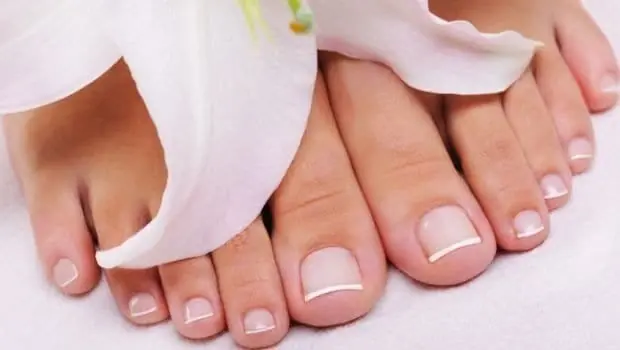
Traditional foot care addresses problems most people ignore until they hurt: cracked heels, thickened skin, overgrown cuticles, and brittle toenails.
Traditional foot care addresses problems most people ignore until they hurt: cracked heels, thickened skin, overgrown cuticles, and brittle toenails. A classic pedicure is one of the most effective, time-tested ways to achieve genuinely healthy, soft feet, working the skin, nails, circulation, and muscles of the feet and lower legs together. This guide breaks down the purpose of each step, the tools that produce real results, the full process, and how to maintain your results long-term.
What Is a Classic Pedicure and Why Does It Matter?
Published · Updated
How a Classic Pedicure Differs from Other Types
The term “pedicure” covers a wide range of services, from a simple nail trim to an elaborate multi-hour spa treatment. A classic pedicure sits in the middle of that spectrum and represents the most complete version of standard foot care. It includes all the elements of a basic pedicure, which covers nail trimming, shaping, and polish, but adds a foot soak, exfoliation, a hydrating mask, and a therapeutic massage. More advanced pedicure types, such as a spa pedicure or a medical pedicure, may incorporate paraffin wax dips, hot stone massage, or medically supervised callus removal. These enhancements build on the classic framework. Understanding this distinction matters because it helps you choose the right service for your specific needs and budget. For most people, a regular classic pedicure provides all the care necessary to keep feet in excellent condition throughout the year.
Who Benefits Most from a Classic Pedicure
The short answer is: everyone. However, certain groups gain the most measurable benefit from consistent classic pedicure treatments. People who stand or walk for long periods at work, including nurses, teachers, retail workers, and athletes, experience chronic foot fatigue and skin thickening that a classic pedicure directly addresses. Individuals with diabetes benefit enormously from regular professional pedicures, since nail infections and unnoticed skin lesions can lead to serious complications. Older adults, whose skin naturally becomes drier and nails more brittle with age, also see significant improvements with routine treatment. Pregnant women, who often experience swelling and reduced ability to reach their own feet, find both the practical and relaxation benefits of a classic pedicure especially valuable. Even those without any specific foot problem benefit from the preventive maintenance a classic pedicure provides, keeping minor issues from developing into painful conditions.
The Science Behind Foot Health
Understanding Foot Skin Structure
The skin on your feet is structurally different from the skin on the rest of your body. The plantar skin, which covers the sole, is the thickest skin on the human body. It contains no hair follicles or sebaceous glands, which means it produces no natural oil. This makes the feet uniquely vulnerable to dryness. The stratum corneum, the outermost layer of skin, is especially thick on the heels and balls of the feet to withstand the pressure and friction of walking. When this layer accumulates too much dead skin without regular removal, it becomes rigid and begins to crack. Fissures in dry heels can be painful and can also create entry points for bacterial and fungal infections. Regular exfoliation as part of a classic pedicure removes this excess buildup before it becomes problematic, allowing the underlying layers of skin to remain supple and intact.
How Circulation Affects Foot Health
The feet are the furthest extremity from the heart, which makes them the most susceptible to poor circulation. Reduced blood flow to the feet can cause symptoms including cold feet, numbness, tingling, slow wound healing, and an increased risk of fungal infections. Foot massage, a core component of a classic pedicure, has been shown in clinical studies to measurably improve peripheral circulation. A 2017 study published in the journal Complementary Therapies in Clinical Practice found that foot massage significantly increased blood flow in the lower extremities of participants with circulatory concerns. The warm foot soak that begins a classic pedicure also dilates blood vessels, improving circulation before the massage begins. Together, these steps create a compounding circulatory benefit that extends well beyond the session itself.
The Role of Keratin in Nail Growth
Toenails are composed almost entirely of a fibrous protein called keratin, arranged in layered sheets that give the nail its hardness and slight flexibility. Nails grow from the matrix, a region of actively dividing cells located beneath the base of the nail. Toenails grow more slowly than fingernails, averaging roughly 1.5 millimeters per month. Several factors influence nail health, including nutrition, hydration, circulation, and physical trauma. Nails that are poorly maintained become brittle, discolored, or prone to splitting. The cuticle, which seals the junction between the nail plate and the skin, plays an important protective role. When cuticles are cut rather than gently pushed back, that seal is broken, creating an opportunity for bacteria and fungi to enter. A proper classic pedicure respects the biology of the nail by working with its natural structure rather than against it.
Tools and Products for a Classic Pedicure
Essential Tools for Every Pedicure Kit
The quality of your tools determines the quality of your results. A professional-grade pedicure kit should include the following items. Toenail clippers with a straight edge are essential. Curved fingernail clippers are not suitable for toenails because they encourage the nail to grow into the surrounding skin. A glass or crystal nail file is superior to an emery board because it creates a smooth, sealed edge rather than a jagged one that catches on fabric and causes splitting. A cuticle pusher, ideally made from stainless steel with a rubber-tipped end, allows you to gently push back the cuticle without breaking the skin. A foot file or pumice stone handles callus reduction on the heels and balls of the feet. A soft-bristled nail brush cleans under and around the nails. A toe separator keeps toes apart during polish application. Finally, a soft, absorbent towel and a basin large enough to submerge both feet comfortably complete the basic toolkit. All metal tools should be sterilized with isopropyl alcohol before each use to prevent the spread of bacteria and fungi.
Choosing the Right Soaking Ingredients
The foot soak is more than just warm water. The ingredients you add to the soak change its therapeutic properties significantly. Epsom salt, which is magnesium sulfate, is one of the most popular soaking additives. Research suggests that magnesium can be absorbed transdermally, and magnesium plays a role in muscle relaxation and inflammation reduction. Adding two cups of Epsom salt to a warm foot basin provides a gentle osmotic effect that helps to draw moisture through the skin while softening thick calluses. Baking soda is another valuable addition. Its mild alkalinity softens the skin effectively and creates an environment that is unfavorable to fungal growth, making it a practical choice for anyone prone to athlete’s foot. Apple cider vinegar, used in smaller quantities of roughly a quarter cup, is antimicrobial and helps neutralize odor-causing bacteria. Essential oils such as lavender, tea tree, and peppermint add aromatherapeutic benefits. Lavender promotes relaxation, tea tree oil provides antifungal and antibacterial support, and peppermint creates a cooling, invigorating sensation that stimulates circulation in the skin of the feet.
Scrubs, Masks, and Moisturizers
Exfoliation products for the feet need to be more abrasive than those used on the face or body, because foot skin is considerably thicker. Sugar-based scrubs are effective and gentle enough for sensitive skin. Sea salt scrubs are more abrasive and better suited for tough calluses on the heels. Many commercial foot scrubs combine a physical exfoliant with chemical exfoliants such as alpha-hydroxy acids, including glycolic or lactic acid. These acids dissolve the protein bonds between dead skin cells, making physical removal easier and more thorough. After exfoliation, a foot mask delivers concentrated active ingredients directly to the freshly cleared skin. Urea-based masks are particularly effective for the feet. Urea at concentrations between ten and twenty-five percent is a powerful keratolytic agent, meaning it breaks down thickened skin while simultaneously acting as a humectant to draw water into the skin. Shea butter, cocoa butter, and hyaluronic acid are all excellent moisturizing agents for a post-mask application. Look for a foot cream with at least one of these ingredients combined with a mild acid for ongoing maintenance between pedicure sessions.
Step-by-Step Guide to a Classic Pedicure
Preparation, Soaking, and Nail Removal
Begin by removing any existing nail polish with an acetone-free remover. Acetone-free formulas are gentler on the nail plate and the surrounding skin, reducing the brittleness that comes with repeated acetone exposure. Once the nails are clean, prepare your foot soak. Fill a basin with comfortably warm water, between 38 and 42 degrees Celsius, and add your chosen ingredients. Water that is too hot can dry the skin further and is dangerous for people with diabetes or neuropathy. Submerge both feet and soak for ten to fifteen minutes. Use this time to allow the nails and skin to fully soften. After the soak, pat your feet dry with a clean towel, leaving a small amount of moisture on the skin. Trim your toenails immediately after soaking, when the nails are at their softest. Use straight-edged clippers and cut straight across, leaving a small amount of white nail visible above the tip of the toe. Never curve the cut into the corners of the nail, as this is the primary cause of ingrown toenails. After trimming, use your glass nail file to smooth and slightly round the edges, filing in a single direction rather than sawing back and forth.
Cuticle Care, Exfoliation, and Masking
Apply a small amount of cuticle oil or softener to each nail bed and allow it to penetrate for two minutes. Then use your cuticle pusher to gently push the cuticle back toward the base of the nail in small, circular motions. Do not apply force. The cuticle should move easily after soaking. If you encounter resistance, apply more softener and wait. Never cut healthy cuticles. Cutting the cuticle removes the protective barrier and introduces infection risk. The only skin that should be removed is dead, ragged hangnail tissue, which can be trimmed carefully with a pair of sharp, sterile cuticle nippers. After cuticle care, apply your foot scrub to one foot at a time. Work the scrub into the skin using circular motions, covering the entire foot with particular attention to the heels, the balls of the feet, and any areas where calluses have formed. Scrub for two to three minutes per foot, then rinse thoroughly. After rinsing and drying, apply your chosen foot mask and cover each foot with a plastic bag or a warm, damp towel to enhance penetration. Leave the mask on for ten to fifteen minutes before rinsing it off completely.
Massage, Moisturizing, and Polish Application
The massage is one of the most therapeutically significant steps in a classic pedicure. Apply a generous amount of lotion or massage oil to both hands before beginning. Start at the toes, using your thumb to apply firm, circular pressure to the sole of each toe. Move to the ball of the foot, applying deeper pressure in slow, deliberate circles. Work along the arch using your knuckles or the heel of your hand for deeper penetration. Spend at least three to five minutes per foot. Move up to the ankle, rotating it gently in both directions to release tension in the joint. Work your hands up the calf muscle, using long, upward strokes toward the heart to support venous blood flow. After the massage, wipe away any excess lotion from the nails and apply a thin, even coat of foot cream. Allow it to absorb fully before beginning polish. Use toe separators to keep toes apart. Apply a base coat first and allow it to dry completely. This step is often skipped but is essential, as it prevents dark pigments from staining the nail plate and creates a smooth surface for the color coat to adhere to. Apply two thin coats of your chosen color, allowing each coat to dry before applying the next. Finish with a fast-drying top coat to seal the color and add shine.
Classic Pedicure Versus Basic Pedicure
What a Basic Pedicure Includes
A basic pedicure covers the fundamental requirements of toenail maintenance. It typically includes nail trimming, shaping, light cuticle work, a brief buffing of the nail surface, and polish application. Some basic pedicures include a very short foot soak of five minutes or less, primarily to soften the nails before trimming. The entire process usually takes between twenty and thirty minutes in a salon setting. The cost is lower, and the results are appropriate for someone whose feet are already in relatively good condition and who simply wants tidy, polished nails. A basic pedicure does not include professional exfoliation, a nourishing mask, or a therapeutic massage. For routine maintenance between longer treatments, a basic pedicure can be an efficient choice. However, relying exclusively on basic pedicures over time can allow skin thickening, callus buildup, and circulatory issues to go unaddressed.
Key Additions in a Classic Pedicure
The elements that distinguish a classic pedicure from a basic one are not merely cosmetic additions. They serve specific physiological purposes. The extended foot soak softens thick plantar skin to a degree that a five-minute soak cannot achieve, making exfoliation far more effective. Professional exfoliation with a file or scrub removes the accumulation of dead skin that contributes to calluses, cracking, and discomfort. The foot mask delivers active ingredients to the freshly cleared skin at a moment when absorption is maximized. The massage addresses circulation, muscle tension, and joint mobility in a way that no other step can replicate. Together, these additions transform the pedicure from a cosmetic service into a genuine therapeutic treatment. The additional time required, usually forty-five to sixty minutes in total, is the primary reason some people opt for a basic service, but the difference in results is significant and measurable.
When to Choose Each Option
Choosing between a classic and a basic pedicure depends on your timeline, budget, and the current condition of your feet. If your feet are in excellent condition and you simply want fresh polish before an event, a basic pedicure is perfectly suitable. If your feet are dry, callused, or tired, if you have not had a pedicure in several months, or if you want to address a specific concern such as rough heels or poor circulation, a classic pedicure is the more effective choice. Many beauty professionals recommend scheduling a classic pedicure at the start of each season to reset the condition of the feet, and then maintaining with basic pedicures in between. This approach balances thoroughness with efficiency and keeps costs manageable without sacrificing foot health.
Professional Versus At-Home Classic Pedicure
Benefits of a Professional Pedicure
A professional pedicure offers several advantages that are difficult to fully replicate at home. Trained nail technicians have practiced their technique on hundreds of clients and can perform each step with precision, speed, and consistency. They have access to professional-grade tools, including electric nail files, high-powered foot files, and paraffin wax equipment, that produce results beyond what standard at-home tools can achieve. Professionals are also trained to recognize early signs of nail infections, fungal conditions, ingrown nails, and skin abnormalities that a layperson might miss. In a reputable salon, all tools are sterilized between clients, and disposable liners are used in foot basins, significantly reducing the risk of cross-contamination. For people with limited mobility, arthritis, or conditions such as diabetes that make self-care difficult or risky, professional pedicures are not just a luxury but a practical health necessity.
How to Replicate Salon Results at Home
A high-quality at-home classic pedicure is entirely achievable with the right preparation and products. Begin by investing in professional-grade tools rather than relying on the cheap plastic implements often sold in drugstore kits. A good glass nail file, a stainless-steel cuticle pusher, and a quality foot file will last for years and produce consistently better results. Set the mood to encourage thoroughness: play music, light a candle, and give yourself at least an hour without interruptions. Follow the same sequence used in a professional setting: soak, trim, shape, cuticles, scrub, mask, massage, moisturize, polish. Resist the temptation to skip steps, especially the soak and mask, as these are the steps that produce the most visible transformation in skin texture. Apply your foot cream generously before bed and wear cotton socks overnight to lock in moisture for an intensive hydration treatment between sessions.
Hygiene and Safety Considerations
Foot hygiene during a pedicure is not optional. It is a health issue. When choosing a salon, look for one that uses an autoclave or UV sterilizer for metal tools, uses single-use disposable liners in foot basins, and does not reuse buffers or nail files between clients. If you cannot confirm these practices, bring your own tools. At home, clean and sterilize your metal tools with isopropyl alcohol before each session. Never share foot care tools with other people. Be cautious with foot files and callus removers: over-filing can thin the protective skin and create painful, raw patches. If you notice any cuts, open sores, active infections, or unusual changes in the skin or nails during your self-examination, consult a podiatrist before proceeding with any treatment. People with diabetes should always consult their healthcare provider before attempting a home pedicure, as reduced sensation in the feet makes it easy to cause unnoticed injury.
Nail Polish Application and Finishing Techniques
Choosing the Right Polish for Your Toenails
Not all nail polishes are created equal, and the differences matter for foot health as well as appearance. Traditional nail polishes containing toluene, formaldehyde, and dibutyl phthalate, a group commonly referred to as the “toxic trio,” have been associated with nail brittleness and skin irritation with prolonged exposure. Many brands now offer five-free, seven-free, or even ten-free formulations, meaning they have eliminated these specific harmful chemicals from their formula. These cleaner formulas are worth seeking out, especially for people who wear nail polish frequently or continuously. For the toenails specifically, which are thicker and less flexible than fingernails, a slightly more viscous formula tends to apply more smoothly and chip less quickly. Gel polish, which is cured under a UV or LED lamp, offers significantly longer wear, often lasting two to three weeks on toenails without chipping. However, gel polish requires acetone for removal, which can dry the nail plate and surrounding skin with repeated use.
Applying Polish Like a Professional
The technique behind a flawless polish application comes down to preparation, patience, and thin coats. Before applying any polish, wipe each nail with a cotton pad dampened in nail polish remover to eliminate any trace of oil or lotion. Even a tiny amount of residue prevents the polish from adhering properly. Place toe separators between all toes before beginning. Load the brush with a moderate amount of polish: enough to apply to the entire nail in three strokes without running. Place the brush at the center of the nail, just above the cuticle, and push gently back toward the base, stopping just short of the skin. Then sweep the brush down the center and once on each side. This three-stroke method covers the nail evenly without flooding the edges. Apply two thin coats, allowing each to dry for at least two minutes before applying the next. Thin coats dry faster, chip less easily, and look more professional than thick, uneven applications.
Top Coats and Nail Protection
A top coat is the final layer that protects your color and determines how long your pedicure lasts. There are three main types. A standard glossy top coat adds shine and a protective layer against chipping. A fast-drying top coat contains solvents that accelerate evaporation, cutting dry time from twenty minutes down to five or fewer. A strengthening top coat contains ingredients such as calcium, keratin, or diamond powder that reinforce the nail plate and are particularly beneficial for people with thin, brittle nails. Apply your top coat in the same three-stroke motion used for the color coats, and wrap the tip of each nail by running the brush along the very edge. This tip-wrapping technique seals the edge of the nail, which is the most common place for chipping to begin. Reapply the top coat every two to three days to maintain shine and extend the life of your pedicure significantly.
Long-Term Foot Maintenance Between Pedicures
Daily Habits for Healthy Feet
A classic pedicure produces excellent results, but those results depend on daily maintenance to last. Moisturizing your feet every night is the single most impactful daily habit you can develop. Apply a thick foot cream or a natural oil such as coconut oil or shea butter to the heels, soles, and tops of the feet before bed, then cover with cotton socks. After just one week of this routine, most people notice a visible softening in the skin of the heel. Keep your toenails trimmed at a consistent length, cutting straight across every three to four weeks as the nails grow. Wash your feet thoroughly every day, including between the toes, and dry them completely after washing. Moisture trapped between the toes creates the warm, damp environment that promotes fungal growth. Rotate your footwear to allow shoes to dry fully between wearings, and choose socks made from natural fibers that breathe and wick moisture away from the skin.
Dealing with Common Foot Problems
Several common foot concerns respond very well to consistent at-home care when caught early. Dry, cracked heels are the most widespread complaint and are directly addressed by the exfoliation and intensive moisturizing steps of a classic pedicure. For heels that have developed deep, painful fissures, a urea-based cream applied twice daily can produce dramatic improvement within two weeks. Calluses on the balls of the feet and toes form in response to repeated friction and pressure. Wearing well-fitted shoes with adequate cushioning reduces the stimulus that drives callus formation. Pumice stone use in the shower two to three times per week, followed by immediate moisturizer application, prevents calluses from thickening further. Fungal infections of the toenails, called onychomycosis, produce nails that are thick, discolored, brittle, and separated from the nail bed. This condition requires medical treatment with antifungal medication and cannot be resolved through pedicure alone. If you suspect a fungal infection, consult a dermatologist or podiatrist before applying any nail polish, which traps the infection and makes it worse.
How Often Should You Get a Classic Pedicure
The ideal frequency for a classic pedicure depends on your lifestyle, the current condition of your feet, and your personal goals. For most people, a classic pedicure every four to six weeks provides optimal maintenance. This interval aligns with the natural rate of skin cell turnover, which completes a full cycle approximately every four weeks, and the growth rate of toenails. People with very active lifestyles, those who wear open-toed shoes frequently, or anyone dealing with persistent dryness or callus formation may benefit from a session every three to four weeks. Conversely, people with very low-maintenance foot concerns who practice diligent daily care can comfortably extend the interval to eight weeks between classic pedicures. The clearest indicator that your feet need a session is the return of rough skin on the heels and thickening in the areas most prone to callus formation, combined with visible nail growth beyond your preferred length.
Frequently Asked Questions About Classic Pedicures
Is it safe to get a classic pedicure if I have diabetes?
People with diabetes can benefit greatly from regular foot care, but the process requires extra precautions. Diabetes can cause peripheral neuropathy, which reduces sensation in the feet, and peripheral artery disease, which impairs circulation and slows healing. These conditions mean that small cuts or abrasions that would be trivial for someone without diabetes can develop into serious infections. Before getting any pedicure, speak with your physician or endocrinologist about whether it is appropriate for your specific health status. If you receive clearance, choose a salon that has experience with diabetic clients and inform your technician of your condition before the session begins. Avoid soaking water that is excessively hot, since reduced sensation means you may not feel a temperature that is causing burns. All tools used must be sterile, and no aggressive cutting of skin or cuticles should be performed.
Why do my feet get rough again so quickly after a pedicure?
If your feet return to a rough, callused state within a week or two of a pedicure, the cause is almost always a combination of insufficient daily moisturizing and continued friction from footwear. The pedicure removes accumulated dead skin, but if the underlying conditions that cause rapid skin thickening are not addressed, the skin will rebuild just as quickly. Make foot cream application a non-negotiable part of your nightly routine. Examine your footwear for areas where the shoe is pressing against the foot, creating the friction that drives callus formation. Insoles with extra cushioning can redistribute pressure across the foot and reduce the concentrated friction on the heel and ball. Additionally, increasing your water intake supports overall skin hydration, which slows the rate at which skin becomes dry and flaky.
Can I get a classic pedicure if I have an active nail infection?
No. A classic pedicure should not be performed over an active infection of any kind, whether bacterial or fungal. Applying nail polish over an infected nail traps the infection and prevents air circulation, creating conditions that allow the infection to worsen and spread. In a salon setting, instruments used on an infected nail must be treated with particular care to prevent cross-contamination with other clients. If you notice that a toenail has become discolored, thickened, crumbly, or separated from the nail bed, see a healthcare provider before your next pedicure. Fungal nail infections respond to topical antifungal lacquers for mild cases, but more advanced infections typically require oral antifungal medication prescribed by a physician. Once the infection is fully resolved, you can safely resume pedicure treatments. Trying to cosmetically conceal an infected nail with polish only delays effective treatment.
What is the best way to prevent ingrown toenails?
Ingrown toenails occur when the edge of the nail curves and grows into the surrounding skin, causing pain, redness, swelling, and sometimes infection. The primary cause is improper nail trimming technique. Always cut toenails straight across, never in a curved shape that follows the contour of the toe. Leave a small amount of white nail visible beyond the skin edge. Filing the corners down too aggressively also encourages the nail to grow inward. Tight footwear is the second most common cause of ingrown toenails, as shoes that compress the toes force the nail edge into the flesh with each step. Choose footwear with a wide enough toe box that the toes can lie flat without compression. If an ingrown nail is already causing pain or shows signs of infection, including warmth, swelling, or discharge, visit a podiatrist. Do not attempt to dig out an ingrown nail at home, as this almost always worsens the problem and introduces bacteria into the broken skin.
How do I make my pedicure last longer?
Several practical strategies extend the life of a pedicure significantly. Begin with completely clean, oil-free nails before applying any product. Even natural oils from your skin can prevent polish from bonding properly. Always apply a base coat as the first layer before your color, and always finish with a top coat. Reapply the top coat every two to three days to refresh the shine and reseal the edges against chipping. Avoid hot showers immediately after a fresh pedicure, as prolonged heat exposure can cause the polish to bubble or peel at the edges. When possible, allow your feet at least an hour of drying time before putting on closed shoes. Wear sandals or open-toed shoes whenever the weather allows to minimize the friction and pressure that cause polish to chip at the tips. Keeping your feet moisturized daily prevents the skin from drying and pulling at the edges of the polish, which is a surprisingly common cause of premature chipping at the cuticle area.
The Complete Picture of Classic Pedicure Benefits
A classic pedicure addresses foot health from every angle simultaneously. The benefits that accumulate over consistent, regular sessions go far beyond appearance. Proper nail trimming prevents painful ingrown nails and reduces the structural stress on the toenail that leads to splitting and breakage. Regular exfoliation removes the dead skin layer before it can build into rigid calluses, keeping the plantar skin pliable and resistant to cracking. Cuticle maintenance protects the nail matrix from bacterial and fungal invasion, preserving the health of the nail at its root. The foot mask replenishes moisture and delivers active ingredients to newly cleared skin at the moment of highest absorption. Therapeutic massage improves peripheral circulation, reduces muscle tension in the feet and calves, and promotes the kind of deep physical relaxation that has measurable effects on stress hormones. The cumulative result of these steps, performed consistently over weeks and months, is a transformation in both the appearance and the functional health of the feet.
The feet are remarkable structures. Each foot contains 26 bones, 33 joints, and over a hundred muscles, tendons, and ligaments. They absorb enormous forces with every step. They are exposed to friction, pressure, heat, cold, and moisture every single day. They deserve attentive, informed care. A classic pedicure, rooted in centuries of tradition and supported by modern understanding of skin biology, nail anatomy, and circulatory physiology, is among the most comprehensive and rewarding ways to provide that care. Whether you choose to invest in a professional treatment or build a thorough at-home ritual, the techniques and knowledge in this guide give you everything you need to keep your feet genuinely healthy, beautifully maintained, and comfortable in every step you take.
Start with one complete session using all the steps outlined here. Give your feet the extended soak, the exfoliation, the mask, and the massage. Notice the difference in texture and comfort. Then commit to a maintenance routine that includes nightly moisturizing and a full classic pedicure every four to six weeks. The results will build on themselves with every session, and within two months your feet will reflect the care you have invested in them.
RELATED ARTICLES:
Waterless Pedicure: A Revolutionary Approach to Foot Care
French Pedicure: A Chic and Timeless Foot Spa Experience
Athletic or Sports Pedicure: A Comprehensive Guide for Athletes and Sports Enthusiasts
Transform Your Tired Feet with a Decadent Chocolate Pedicure
How to Get Spa-Quality Results with a Salt Pedicure at Home
About The Author

COMMENTS