
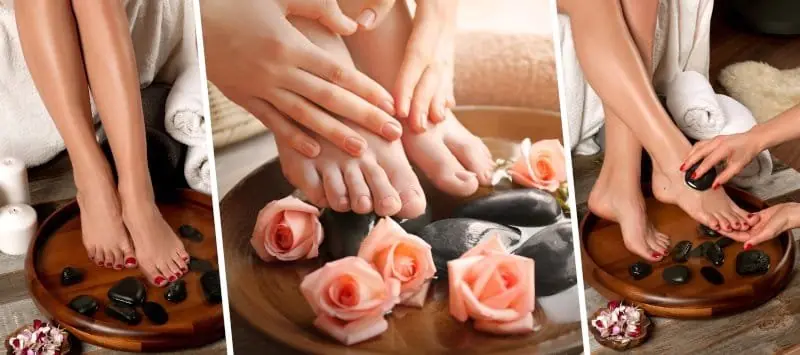
A pedicure with hot stones turns ordinary foot care into a therapeutic ritual, pairing precise nail work with the deep, penetrating warmth of smooth b
A pedicure with hot stones turns ordinary foot care into a therapeutic ritual, pairing precise nail work with the deep, penetrating warmth of smooth basalt stones. Unlike a standard pedicure focused only on the look of your toes, this version treats your feet as a connected system of muscles, tendons, and pressure points. This guide covers the science behind the stones, their physiological effects, the step-by-step professional procedure, key contraindications, and simple at-home adaptations.
This guide walks you through every layer of the hot stone pedicure experience, from the geology and science behind the stones themselves to the physiological responses they trigger in your body, the step by step professional procedure, contraindications to respect, and the at home adaptations that make this indulgence accessible whether you visit a five star spa or simply want to elevate your Sunday evening routine. Whether you suffer from chronic foot fatigue, stand for long hours at work, lace up running shoes every morning, or simply crave a moment of sensory luxury, understanding the craft behind this treatment will help you enjoy it more deeply and request it more confidently the next time you book an appointment.
The Origins and Cultural Heritage of Hot Stone Therapy
Reviewed by the BeautynFacts editorial team. Last updated: May 2026.
Hot stone therapy did not originate in a modern spa. Its roots stretch back thousands of years across several continents, which is part of why the practice feels so instinctively restorative. Archaeological evidence suggests that Native American tribes used heated river stones during sweat lodge ceremonies and to ease muscle pain after long hunts. In traditional Chinese medicine, heated stones were placed along meridian points to encourage the flow of qi, the body’s vital energy, and to dispel what practitioners called cold stagnation in the extremities. Ayurvedic healers in India incorporated warmed stones into abhyanga massage rituals, believing the warmth helped release vata imbalances that manifested as stiffness and poor circulation in the limbs.
The modern spa interpretation of hot stone therapy is largely credited to Mary Nelson, an Arizona massage therapist who in 1993 codified a protocol she called LaStone Therapy after being inspired during a sauna session. Her method integrated heated basalt stones with traditional Swedish massage strokes, and within a decade, spas around the world had adopted variations of her approach. The pedicure adaptation emerged as therapists recognized that the feet, dense with reflex points and often neglected, responded dramatically to focused stone work. Today, hot stone pedicures are offered in wellness resorts from Bali to Reykjavik, each bringing regional flourishes such as volcanic black sand soaks, herbal wraps, or essential oil blends tuned to the local botanical landscape.
Why Basalt Is the Stone of Choice
Not every smooth stone is suitable for this treatment. Professional pedicurists overwhelmingly use basalt, a dense volcanic rock formed from rapidly cooled lava. Basalt contains high concentrations of iron and magnesium, which give it exceptional heat retention properties. A properly heated basalt stone can hold therapeutic warmth for twenty to thirty minutes, which is essential for a treatment that requires consistent temperature across an extended massage sequence. The stones are typically harvested from riverbeds where centuries of water tumbling have polished their surfaces to a satiny smoothness, eliminating the need for synthetic coatings that could transfer to the skin.
Marble stones are sometimes introduced as cold contrast tools, creating a thermal alternation that further stimulates circulation. This hot and cold interplay, sometimes called thermotherapy and cryotherapy in combination, can intensify the vascular response, encouraging dilation and contraction of blood vessels in a way that flushes metabolic waste from tissues more efficiently than heat alone.
The Science Behind Heat Therapy and Your Feet
Understanding why hot stones work so well on the feet requires a brief look at the unique anatomy of the lower extremities. Each foot contains 26 bones, 33 joints, more than 100 muscles, tendons, and ligaments, and approximately 200,000 nerve endings. This extraordinary density of structures means the feet are both highly responsive to touch and uniquely vulnerable to fatigue, swelling, and microtrauma from daily activity.
When heated stones of approximately 110 to 130 degrees Fahrenheit make contact with the skin, several physiological cascades begin almost immediately. Thermoreceptors in the dermis send signals to the hypothalamus, prompting localized vasodilation. Blood vessels expand, increasing perfusion to the surrounding tissues by up to four times the resting rate in some studies. This increased blood flow delivers oxygen, nutrients, and immune cells to tired or inflamed tissues while simultaneously carrying away lactic acid, inflammatory cytokines, and other metabolic byproducts that accumulate during prolonged standing or walking.
Heat also reduces the viscosity of synovial fluid in the joints, which is particularly beneficial for the small articulations of the forefoot and midfoot that can stiffen after hours in constrictive footwear. Research published in journals of physical therapy has shown that applied heat can increase tissue extensibility by fifteen to twenty percent, meaning muscles and connective tissue become more pliable and responsive to stretching or manual manipulation. This explains why hot stone massage feels dramatically more effective at releasing tension than massage alone at room temperature.
The Nervous System Response
Beyond the mechanical benefits, heat triggers a measurable parasympathetic nervous system response. The parasympathetic branch is responsible for the body’s rest and digest mode, the opposite of the fight or flight sympathetic state that dominates during stressful days. As warmth envelops the feet, heart rate tends to slow, blood pressure often drops slightly, and cortisol levels begin to decline. Many clients report falling into a meditative half sleep during the treatment, a state associated with theta brain wave activity that supports emotional processing and memory consolidation.
The feet are also home to thousands of reflexology points that traditional practitioners associate with organs and systems throughout the body. While the scientific evidence for reflexology remains debated, the sensory stimulation from warm stone pressure on these points undoubtedly contributes to the profound sense of whole body relaxation that follows a hot stone pedicure.
Comprehensive Benefits of a Hot Stone Pedicure
A thoughtfully performed hot stone pedicure delivers benefits that extend well beyond surface beauty. Regular sessions can meaningfully improve the health and resilience of your feet over weeks and months.
Circulatory enhancement is perhaps the most immediate and measurable benefit. For individuals who spend long hours seated at desks or standing on hard surfaces, peripheral circulation often becomes sluggish, leading to cold feet, mild swelling, and a sense of heaviness by the end of the day. The rhythmic application of heated stones acts as a passive circulatory pump, encouraging venous return and reducing the pooling of blood in the lower extremities. Diabetics should consult their physicians before booking this treatment, as compromised circulation and neuropathy require specific precautions, but individuals with generally healthy vasculature typically experience noticeable relief from heaviness and tingling.
Pain management represents another significant advantage. Chronic conditions such as plantar fasciitis, heel spurs, metatarsalgia, and mild arthritis of the toe joints often respond well to combined heat and massage. The warmth penetrates through the plantar fascia, the thick band of connective tissue running along the sole, relaxing its fibers and reducing the inflammation that makes those first morning steps so painful. Runners and athletes frequently incorporate hot stone pedicures into their recovery protocols for precisely this reason, finding that treated feet recover faster between training sessions.
Skin rejuvenation happens almost as a side effect. The sustained warmth opens pores and softens the stratum corneum, the outermost layer of dead skin cells, making exfoliation and hydrating treatments dramatically more effective. Heavy creams and oils that might otherwise sit on the surface are drawn deeper into the tissue, rehydrating cracked heels and callused pressure points with an efficiency that cold application simply cannot match.
Emotional and Psychological Rewards
The ritual itself carries psychological weight. In a culture that often equates productivity with worth, dedicating ninety minutes to receiving focused, nurturing touch can feel almost revolutionary. Many therapists report that clients cry quietly during hot stone treatments, not from pain but from the unfamiliar experience of being cared for without agenda. This emotional release has real physiological correlates, including reduced activation of the amygdala and increased production of oxytocin, the bonding hormone that supports feelings of safety and connection.
Regular self care rituals have also been linked to improved adherence to other health behaviors. People who invest time in treatments like hot stone pedicures tend to be more attentive to foot hygiene, footwear choices, and early warning signs of problems like ingrown toenails or fungal infections, creating a positive feedback loop that supports long term foot health.
Who Should and Should Not Book a Hot Stone Pedicure
While hot stone pedicures are gentle enough for most adults, certain conditions warrant caution or outright avoidance. Responsible spas will always conduct a brief consultation before treatment, and honest disclosure of your health history ensures both safety and efficacy.
Ideal candidates include individuals who experience foot fatigue from work or exercise, those with mild to moderate tension or stiffness, people recovering from long travel, and anyone seeking stress reduction through sensory treatment. Pregnant women in their second and third trimesters can often enjoy modified versions of the treatment, though the water temperature must be kept lower and certain reflexology points along the Achilles tendon and inner ankle should be avoided because they are traditionally associated with uterine stimulation.
Individuals who should avoid or significantly modify the treatment include those with peripheral neuropathy, whether from diabetes, chemotherapy, or other causes, because impaired sensation makes it difficult to gauge whether stones are too hot. People with active skin infections, open wounds, athlete’s foot, plantar warts, or contagious conditions like fungal nail infections should reschedule until their skin is clear. Those with deep vein thrombosis, severe varicose veins, uncontrolled hypertension, or recent surgeries in the leg should consult their physicians first. Certain medications, including some blood thinners and steroids, can affect skin fragility and heat sensitivity, which makes professional consultation essential.
Age Considerations
Hot stone pedicures are generally suitable for adults from eighteen to well into the senior years, and in fact, older adults often benefit most from the treatment because age related circulatory changes and joint stiffness respond particularly well to gentle heat. Seniors should communicate any balance issues to the therapist, who can adjust positioning to ensure safe transitions on and off the pedicure chair, and water and stone temperatures should be calibrated slightly cooler to accommodate thinner, more delicate skin.
Preparing Your Feet Before the Appointment
Proper preparation begins a day or two before your scheduled treatment and makes a meaningful difference in both comfort and results. This is not about arriving at the spa with perfect feet; that is the technician’s job. It is about creating conditions that allow the treatment to work at its deepest level.
Begin by hydrating generously in the forty eight hours before your appointment. Well hydrated skin responds better to exfoliation, and the body’s thermoregulatory systems work more effectively when fluid volume is adequate. Aim for your usual water intake plus an additional twenty ounces daily, and reduce alcohol and excessive caffeine, both of which are mildly dehydrating.
Avoid shaving your legs within twelve hours of the appointment. Freshly shaved skin has tiny abrasions that can sting when oils, salts, or heated stones are applied. If you prefer smooth legs for the treatment, shave the evening before with a sharp, clean razor and moisturize well afterward. Exfoliate gently in the shower the day before using a mild sugar scrub or a soft brush to remove loose dead skin without irritating the dermis.
On the day of the appointment, wear loose pants or a dress that rolls up easily above the knee. Remove existing nail polish before arriving, if possible, because this saves time that can then be devoted to the massage portion of the treatment. Bring open toed sandals or flip flops to wear home so that freshly painted nails can dry without smudging against closed shoes. Eat a light meal about ninety minutes before the appointment so you are neither hungry nor overfull, and use the restroom beforehand since the relaxation response often discourages movement for the duration of the treatment.
What to Communicate With Your Technician
The consultation at the start of the appointment is more than a formality. Be specific about areas of pain or tension, whether you prefer firm or light pressure, any temperature sensitivities, and whether you want the technician to focus more on the massage elements or the cosmetic finish. If you have a favorite polish brand or ingredient preferences such as vegan, cruelty free, or free of specific allergens, mention these upfront. A good technician will appreciate the guidance and tailor the experience accordingly.
The Complete Hot Stone Pedicure Procedure
Professional hot stone pedicures vary somewhat in sequence and product selection, but a high quality treatment generally follows a predictable arc from warm welcome to polished finish. Understanding each phase helps you savor the experience and recognize good craftsmanship when you encounter it.
The session typically opens with a brief foot examination, during which the technician checks for any skin conditions, sensitivities, or areas requiring special attention. You are then seated in an ergonomic pedicure chair, often with massage functionality in the back, and your feet are lowered into a basin of warm water scented with essential oils such as lavender, eucalyptus, or peppermint. Sometimes mineral salts, milk powder, or herbal sachets are added to draw impurities from the skin and soften callused areas. This soak usually lasts ten to fifteen minutes.
Once the feet are thoroughly softened, each foot is lifted one at a time, dried with a warm towel, and prepared for nail work. The technician trims the nails straight across to discourage ingrowth, files the edges smooth, and gently pushes back the cuticles using a wooden or metal tool. Cuticle nippers may be used sparingly to remove hangnails, though reputable technicians avoid aggressive cutting that can lead to infection. The soles are then exfoliated with a foot file, pumice stone, or glycolic acid based treatment to reduce calluses and smooth rough patches on the heels and balls of the feet.
The Stone Massage Phase
This is the heart of the treatment and where craft meets luxury. The technician begins by applying a generous layer of warm oil or rich massage cream to each leg from knee to toe. The oil serves two purposes: it allows the stones to glide smoothly without catching, and it creates a barrier that moderates direct heat on the skin, preventing any possibility of burns.
Heated basalt stones, typically between four and eight per leg, are then introduced. The technician will usually test each stone against the inside of their own wrist before applying it to your skin, ensuring the temperature is therapeutic but not uncomfortable. Stones are placed strategically along the length of the leg, resting on points of tension such as the arch, the heel, the calf muscles, and the space behind the ankle. Large flat stones may be placed beneath the feet to create a stable warm platform, while smaller stones are held in the technician’s hand and used as extensions of their palms to deliver long, flowing strokes.
The massage incorporates effleurage, the long gliding strokes that distribute oil and relax the tissue superficially, followed by petrissage, the kneading motions that target deeper muscle layers. Friction techniques with the pointed end of a stone can work into specific knots along the arch or the calf, while rhythmic tapping called tapotement invigorates circulation without the percussion being harsh. The pressure is adjusted continuously based on your feedback and the technician’s reading of your body’s response.
Many protocols include a reflexology sequence during this phase, with the therapist applying thumb pressure through or around the stones to key points on the soles of the feet. These points correspond in reflexology theory to various organs and body systems, though even from a purely mechanical perspective, the pressure releases tension in the plantar fascia and the small intrinsic foot muscles that rarely receive focused attention.
The Finishing Phase
After the massage reaches its natural conclusion, excess oil is wiped from the toes with a cleansing solution to ensure polish adherence. A base coat is applied to protect the natural nail, followed by two thin coats of your chosen color, and a glossy top coat to seal and extend wear. Quick drying drops or UV cured gel systems may be offered for longer lasting results. Many spas finish with a light application of cuticle oil and a spritz of leg hydrating mist, along with a final warm towel wrap that feels like a gentle goodbye.
Essential Tools, Stones, and Products
A quality hot stone pedicure requires specific equipment, and understanding these tools helps you evaluate the professionalism of any spa you visit. The stone set itself is the centerpiece, typically consisting of twelve to twenty basalt stones in varying sizes, from small pointed stones for detailed work on the toes to large flat stones for broad placement on the calves.
Stones are heated in a professional stone warmer, a specialized unit with a thermostat and a digital temperature display that maintains consistent heat between 110 and 130 degrees Fahrenheit. Ordinary crock pots or slow cookers are sometimes used in informal settings, but these devices lack precise temperature control and can overheat stones to dangerous levels. Between clients, stones must be thoroughly sanitized according to state cosmetology regulations, which typically require washing with hospital grade disinfectant and air drying before reheating.
Beyond the stones, the treatment relies on premium oils and creams. Grapeseed oil is a popular carrier because of its neutral scent and light texture, while jojoba oil mimics the skin’s natural sebum and absorbs cleanly. Essential oil blends are often added for aromatherapy benefits, with peppermint providing cooling sensation and alertness, lavender promoting relaxation, and eucalyptus supporting respiratory ease. Rich shea butter or cocoa butter based creams are used for the final hydration step because of their occlusive properties that seal in moisture for hours after the treatment.
Creating a Hot Stone Pedicure Experience at Home
While professional treatments offer unmatched quality, a surprisingly satisfying home version is possible with modest investment and careful attention to safety. Many beauty retailers now sell basalt stone sets designed for home use, often packaged with heating trays and instructional guides. Budget between forty and a hundred dollars for a quality set that will last for years.
Begin by creating a sensory environment that mimics the spa. Dim the lights, play soft instrumental music, and diffuse calming essential oils such as lavender or bergamot. Prepare a foot basin with warm water around 100 degrees Fahrenheit, adding a handful of Epsom salts to ease muscle tension and a few drops of essential oil for fragrance. Soak for fifteen minutes while heating your stones in a dedicated slow cooker filled with enough water to cover them completely, set to the warm or low setting and monitored with a cooking thermometer to ensure the temperature stays below 130 degrees.
Dry your feet, apply a generous coat of body oil or massage cream to your calves and feet, and begin placing stones one at a time after testing each against your inner forearm. Work from the ankle upward with long strokes, then reverse and work from knee to toe. Use smaller stones to massage the arches in small circular motions, pressing firmly into areas that feel tight. Spend at least ten minutes per foot for a complete experience.
Safety Essentials for Home Treatments
Never heat stones in a microwave or directly on a stove top, as these methods create dangerous hot spots that can burn the skin instantly. Always use a submerged water bath for even heating. Keep the heating vessel away from the edge of counters to avoid accidental spills of scalding water. Test every stone against your forearm, which is more temperature sensitive than your feet, before applying it to your legs. If a stone feels too hot for your arm, it is too hot for your skin regardless of how warmth tolerant you believe your feet to be.
Allow stones to cool slightly between placements, since their heat penetrates cumulatively into the tissue. Never leave hot stones in direct contact with one spot for more than two minutes without movement, and always keep a cool damp cloth within reach in case you need to lower the temperature of any area quickly.
Aftercare to Extend the Benefits
The hours and days following a hot stone pedicure offer an opportunity to compound the treatment’s benefits with supportive aftercare. Immediately after the session, drink at least sixteen ounces of water to support the lymphatic drainage that the massage has encouraged. Many people experience mild thirst and even slight dizziness upon standing, which is a normal response to the parasympathetic shift the treatment produces. Rise slowly from the pedicure chair and take a moment to orient yourself before walking.
For the remainder of the day, avoid intense exercise, excessive heat exposure from saunas or hot tubs, and restrictive footwear. The soft tissues of your feet are in a temporarily relaxed and vulnerable state, and subjecting them to unusual stress can undo some of the work. Instead, plan a gentle evening of easy activities, keep your feet elevated for short periods to support lymphatic return, and sleep in loose socks if you want to preserve the deep moisturization longer.
Moisturize daily with a rich foot cream containing urea, lactic acid, or shea butter to maintain the smoothness of your heels and the suppleness of your skin. Massage the cream in for at least a minute per foot to continue the circulatory benefits of the professional treatment. Wear supportive footwear with adequate arch support and avoid flat, unsupportive flip flops for extended walking, as these contribute to plantar fascia strain that negates some of the treatment’s effects.
Scheduling Future Sessions
For maximum cumulative benefit, consider scheduling hot stone pedicures every four to six weeks. This cadence matches the natural growth cycle of toenails and allows enough time for calluses to rebuild modestly without becoming severe again. Athletes, people with chronic foot pain, or those recovering from injury may benefit from more frequent sessions every two to three weeks during periods of high demand on the feet.
Common Myths and Misconceptions
The popularity of hot stone treatments has generated some folklore worth addressing. One persistent myth is that hotter stones produce better results. In fact, temperatures above 135 degrees Fahrenheit risk burns and do not increase therapeutic benefit; the effective range for tissue heating plateaus around 120 degrees, and exceeding this simply damages skin without deeper penetration.
Another misconception is that hot stone pedicures can detoxify the body by drawing toxins through the feet. The skin is not a significant elimination organ for metabolic waste; that job belongs to the liver and kidneys. What the treatment does accomplish is supporting the lymphatic system’s natural waste clearance through improved circulation, which is meaningfully beneficial without invoking detox mysticism.
Some clients believe that the treatment is only appropriate during cold weather, associating it with warming needs. While hot stone pedicures feel particularly comforting in winter, the circulatory, muscular, and cosmetic benefits apply year round. Summer athletes, for example, can use the treatment to soothe feet stressed by hours in running shoes, hiking boots, or cycling cleats.
Choosing the Right Spa for Your Hot Stone Pedicure
Finding a skilled practitioner makes the difference between a treatment that genuinely transforms how your feet feel and one that is merely pleasant. Start by researching spas that explicitly feature hot stone pedicures on their menu rather than offering them as an obscure add on, because dedicated attention to the technique usually correlates with better training and equipment.
Read client reviews with attention to comments about temperature comfort, massage skill, and the overall ambiance of the facility. Look for mentions of proper sanitation, as state licensing requires pedicure tools and basins to be disinfected between every client, and reputable spas display their licenses prominently and use disposable or fully autoclaved implements.
During your first visit, observe the stone warmer and note whether stones are visibly clean and properly submerged. Pay attention to whether the technician washes their hands thoroughly, wears clean attire, and conducts a brief intake conversation before beginning. A practitioner who rushes into the treatment without discussing your needs, medical history, or preferences is likely to deliver a generic experience rather than a customized one.
Prices for hot stone pedicures typically range from sixty to one hundred fifty dollars depending on region and spa tier, with treatments lasting anywhere from sixty to ninety minutes. Extremely low prices can signal shortcuts in products, sanitation, or time allotment, so view outliers with some skepticism.
Frequently Asked Questions
How long does a hot stone pedicure typically take?
A thorough hot stone pedicure usually requires between sixty and ninety minutes, with some luxury spa versions extending to two hours when combined with additional services such as sugar scrubs, paraffin dips, or extended reflexology sequences. The duration allows adequate time for the warm soak, nail care, exfoliation, stone massage, and polish application without rushing any phase. Treatments shorter than sixty minutes usually compress the massage portion significantly, which is where most of the therapeutic value resides, so resist the temptation to book the quickest option if you want the full experience.
Is a hot stone pedicure safe during pregnancy?
Hot stone pedicures can generally be enjoyed during the second and third trimesters of pregnancy with appropriate modifications, but many spas and obstetricians recommend avoiding them during the first trimester when the pregnancy is establishing itself. When receiving treatment while pregnant, request water and stone temperatures on the cooler end of the spectrum, avoid pressure points along the inner ankle and Achilles tendon that are traditionally associated with uterine stimulation, and ensure the pedicure chair allows you to recline comfortably without compressing major blood vessels. Always inform your technician of your pregnancy and consult your healthcare provider if you have any pregnancy related complications before booking.
Can hot stone pedicures help with plantar fasciitis?
Many people with plantar fasciitis find meaningful relief from hot stone pedicures, particularly when the treatment includes focused work on the arch, the heel, and the calf muscles whose tension often contributes to the condition. The heat relaxes the plantar fascia itself, improving its extensibility and reducing inflammation, while massage releases trigger points in the gastrocnemius and soleus muscles that refer pain into the heel. Hot stone pedicures are best used as a complement to, rather than a replacement for, other plantar fasciitis treatments such as stretching, supportive footwear, and physical therapy. Regular sessions every three to four weeks often produce cumulative improvements in pain and mobility.
How often should I get a hot stone pedicure?
For most people, a hot stone pedicure every four to six weeks provides an ideal balance of maintenance and indulgence, aligning with typical nail growth cycles and allowing the skin to develop enough new condition to benefit from fresh treatment. Individuals with chronic foot pain, athletes in heavy training, or those recovering from injury may schedule sessions every two to three weeks during periods of intense demand. People who simply want occasional luxury can enjoy seasonal treatments every three months without losing the core benefits.
What temperature are the stones, and can they burn my skin?
Professional hot stones are heated to between 110 and 130 degrees Fahrenheit, a range that feels intensely warm but remains safely below the threshold for thermal burns, which generally require sustained contact with surfaces above 140 degrees. Properly trained technicians always test each stone against their own skin before placing it on yours, and the oil or cream applied beforehand creates a protective barrier that moderates direct heat. Burns from hot stone treatments are extremely rare in reputable spas and almost exclusively occur when untrained practitioners use improperly calibrated heating equipment. If any stone feels uncomfortably hot during your session, speak up immediately; a good technician welcomes temperature feedback and will adjust without hesitation.
Will a hot stone pedicure help with cold feet or poor circulation?
Hot stone pedicures are among the most effective in spa treatments for improving peripheral circulation and warming chronically cold feet. The combination of direct heat and massage stimulates vasodilation, increases blood flow to the lower extremities, and supports venous return from the feet back to the heart. Many clients report that their feet remain noticeably warmer for several days after a treatment, particularly when they follow up with daily foot massage and supportive footwear. However, if you experience consistently cold feet accompanied by numbness, color changes, or pain, consult a physician to rule out underlying circulatory conditions such as peripheral artery disease that require medical evaluation rather than spa care.
Can I do a hot stone pedicure at home safely?
Home hot stone pedicures are entirely feasible with the right equipment and careful attention to safety protocols. Invest in a dedicated basalt stone set and a slow cooker or professional stone warmer rather than improvising with household items like microwaves or stove tops, which create dangerous hot spots. Use a cooking thermometer to verify that stones reach a safe therapeutic range of 110 to 125 degrees Fahrenheit, always test stones against your forearm before applying them to your legs, and never let stones remain stationary on your skin for more than two minutes without movement. With these precautions, home treatments can approximate the spa experience quite successfully, though they rarely match the skill of a trained technician’s massage work.
How should I care for my feet between appointments?
Between professional hot stone pedicures, establish a daily foot care routine that includes gentle washing with a mild soap, thorough drying especially between the toes to prevent fungal growth, and generous moisturization with a cream containing humectants and emollients such as urea, glycerin, or shea butter. Weekly exfoliation with a pumice stone or foot file prevents callus buildup, and a monthly at home foot soak with Epsom salts can maintain muscle relaxation. Wear supportive, well fitting shoes for daily activities, alternate footwear to prevent repetitive pressure patterns, and perform brief self massages on your arches and calves each evening to sustain circulatory benefits between spa visits.
Bringing It All Together
A pedicure with hot stones represents a convergence of ancient healing wisdom and modern spa craftsmanship, offering benefits that extend far beyond the glossy appearance of freshly polished toenails. The treatment engages your circulatory system, your musculoskeletal structure, your nervous system, and your emotional state simultaneously, which is why it feels so profoundly restorative compared to a standard pedicure. When you understand the science of heat therapy, the properties of basalt stones, the anatomy of your feet, and the craft of a skilled technician’s massage technique, you become a more discerning and satisfied client who can advocate for the experience you want.
The most actionable next step is to schedule your first hot stone pedicure at a reputable spa in your area, approaching it with realistic expectations and an open mind. Pay attention to how your feet feel the day after the treatment, how long the benefits last, and which aspects of the experience you enjoyed most, then use those observations to refine your choices for future sessions. Complement professional treatments with consistent home care, smart footwear choices, and occasional at home stone rituals to extend the benefits across weeks and months.
Your feet have carried you through every chapter of your life and will continue to do so for decades ahead. Giving them the focused, skilled, warming attention of a hot stone pedicure is not frivolous indulgence but rather a meaningful investment in mobility, comfort, and overall wellbeing. The ritual itself teaches something valuable about slowing down, receiving care, and honoring the parts of your body that work hardest and ask for the least. Book that appointment, light the candles for your next at home version, and rediscover the deep satisfaction of feet that feel as cared for as they deserve to be.
RELATED ARTICLES:
Athletic or Sports Pedicure: A Comprehensive Guide for Athletes and Sports Enthusiasts
Transform Your Tired Feet with a Decadent Chocolate Pedicure
Waterless Pedicure: A Revolutionary Approach to Foot Care
How to Get Spa-Quality Results with a Salt Pedicure at Home
Nibbling Your Way to Smooth Feet: An In-Depth Look at Fish Pedicures
About The Author

COMMENTS