




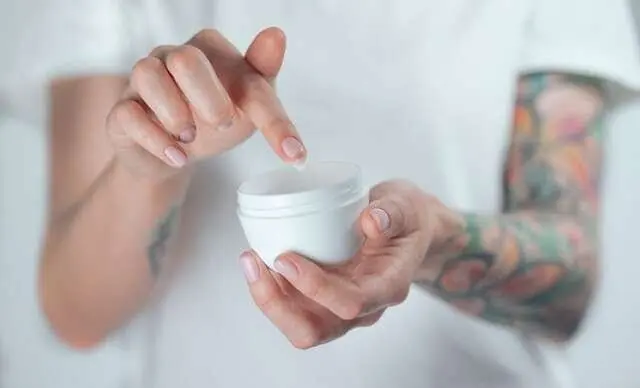
Moisturizing a new tattoo is the aftercare step that decides whether your ink heals into the saturated, sharp piece your artist intended or fades into
Moisturizing a new tattoo is the aftercare step that decides whether your ink heals into the saturated, sharp piece your artist intended or fades into a patchy, scarred shadow within a year. Moisturizing a new tattoo follows different rules in the first 72 hours, the first two weeks, and the first six months. This guide walks through moisturizing a new tattoo in each healing phase, with the timing, the ingredient list to follow, and the tattoo-artist-approved products that actually protect your investment.
Published · Updated
A New Tattoo: Why Should You Moisturize It?
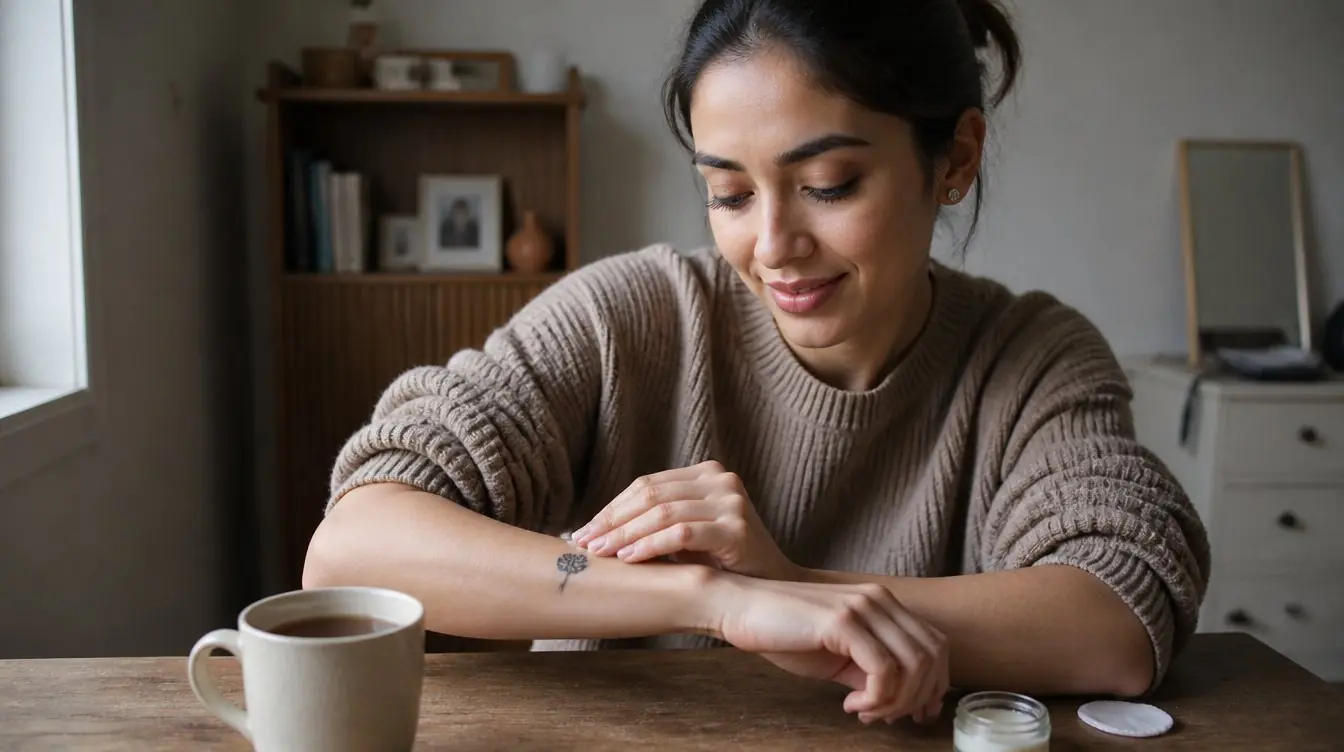
Moisturizing a new tattoo is essential for proper healing and to maintain its appearance. When you get a tattoo, the needle punctures your skin, creating an open wound. Your body’s natural response to an injury is to send blood to the area to begin the healing process. During this time, your skin will be dry, itchy, and possibly even flaky. Applying moisturizer to your tattoo helps to alleviate these symptoms, keeping the area hydrated and supple.
Here are some of the reasons why you should moisturize a new tattoo:
- Promotes healing: Moisturizing a new tattoo helps to promote healing and prevent scabbing. A tattoo that is kept moisturized will heal faster and more evenly.
- Prevents infection: A moisturized tattoo is less likely to become infected. Keeping your skin moisturized helps to create a barrier between your tattoo and the outside world, reducing the risk of infection.
- Prevents itching: A new tattoo can be incredibly itchy as it heals. Moisturizing your tattoo can help to reduce the itchiness and discomfort that you may experience.
- Protects the tattoo: Moisturizing your tattoo helps to protect the ink and prevent fading. Dry, flaky skin can cause the tattoo to look dull and faded.
It is important to use a tattoo-specific moisturizer to ensure that your tattoo is properly cared for. Avoid using lotions or creams that contain fragrances, as they can irritate the skin and potentially damage the tattoo.
What is the best time to moisturize a new tattoo?
Moisturizing a new tattoo is an important part of the aftercare process and should be done several times a day for the first few weeks after getting a tattoo. Here are some guidelines on when to moisturize a new tattoo:
- After washing: You should moisturize your new tattoo immediately after washing it. Use a clean towel to gently pat your tattoo dry, then apply a thin layer of moisturizer to the area. This will help to prevent your skin from becoming too dry and itchy.
- Throughout the day: As your tattoo heals, it is important to keep it moisturized throughout the day. Depending on your skin type and the climate you are in, you may need to moisturize your tattoo several times a day to keep it hydrated.
- Before bed: Applying moisturizer to your tattoo before bed can help to prevent your skin from becoming too dry overnight. This is particularly important during the first few weeks after getting your tattoo, as this is when the healing process is most intense.
It is important to use a tattoo-specific moisturizer that is free of fragrances, alcohol, and other irritants that can damage your tattoo. Some popular tattoo aftercare products include Aquaphor, Hustle Butter, and Tattoo Goo.
Is there anything you should use to moisturize a new tattoo?
When moisturizing a new tattoo, it is important to use a product that is specifically designed for tattoo aftercare. Here are some of the best options for moisturizing a new tattoo:
- Tattoo-specific moisturizers: There are many tattoo-specific moisturizers on the market that are designed to help heal and protect tattoos. These moisturizers are usually fragrance-free, gentle, and contain ingredients that help to soothe and moisturize the skin. Some popular tattoo-specific moisturizers include Aquaphor, Hustle Butter, Tattoo Goo, and After Inked.
- Fragrance-free lotions: If you don’t have access to a tattoo-specific moisturizer, you can also use a fragrance-free lotion to moisturize your tattoo. Look for a lotion that is gentle and free of fragrances, alcohol, and other potential irritants. Some good options include Cetaphil Moisturizing Lotion, Eucerin Advanced Repair Lotion, and Aveeno Daily Moisturizing Lotion.
- Natural oils: Some people prefer to use natural oils to moisturize their tattoos. Oils like coconut oil, jojoba oil, and almond oil are all popular choices. These oils can help to soothe and moisturize the skin, and are often rich in vitamins and antioxidants that can promote healing.
Regardless of what you choose to use, it is important to apply moisturizer to your new tattoo several times a day for the first few weeks after getting it. This will help to keep your skin hydrated, prevent scabbing, and promote healing.
The Final Keypoints
Moisturizing your new tattoo is crucial for proper healing. It is recommended to begin moisturizing soon after getting the tattoo and continue applying moisturizer three to six times a day for about three weeks. Remember to also wash the tattoo once or twice a day and avoid direct sunlight, hot tubs, and ocean water until it’s fully healed. If your artist applied a Saniderm bandage, you can skip the initial aftercare routine but ensure to remove it within four days and begin washing and moisturizing immediately. Once your tattoo is healed, daily moisturizing can help maintain its appearance.
Frequently Asked Questions About New Tattoo Moisturizing
When should you start moisturizing a new tattoo?
Most artists recommend waiting twenty-four to forty-eight hours before applying any moisturiser, depending on whether you are using the traditional wrap-and-wash method or a second-skin adhesive bandage. With second-skin, the wrap stays on for several days and no separate moisturiser is needed during that period. With the traditional method, gently wash the tattoo three times a day with fragrance-free soap, pat dry, and apply a thin layer of unscented healing balm starting on day two. Always follow the specific instructions from your artist.
Which moisturizer is safest for a healing tattoo?
Fragrance-free, dye-free, lanolin-free, and petrolatum-light products are the safest choices. Aquaphor in the first week is widely recommended by artists, switching to a plain fragrance-free body lotion like Cetaphil or Aveeno from week two. Avoid coconut oil, shea butter, and fragranced lotions on a fresh tattoo, since they can either clog healing skin or trigger irritation. Tattoo-specific balms like Hustle Butter and Mad Rabbit are also formulated for the early healing window. Apply a thin layer; too much moisturiser suffocates the surface.
How often should you moisturize a new tattoo?
Three to five times a day during the first one to two weeks is the typical cadence, applying a thin layer rather than a thick one. Re-moisturise whenever the tattoo feels tight or starts to flake. Once initial peeling stops at around week two, switch to twice daily application with a regular fragrance-free body lotion for the remainder of healing, which finishes around week four to six. Continued daily moisturising for life keeps the tattoo ink looking saturated and the surrounding skin healthy. Sun protection over the healed tattoo is also lifelong.
Can you over-moisturize a new tattoo?
Yes, over-moisturising a tattoo is a real and common mistake. Too much product suffocates the surface, traps bacteria, and can lead to clogged pores, breakouts on or around the tattoo, and slowed healing. Apply only enough to make the surface look mildly shiny, then blot any excess with a clean paper towel. If the area looks wet or greasy thirty minutes after application, you used too much. A thin even layer three to five times a day works far better than a heavy daily slather.
What if the tattoo gets itchy or starts peeling?
Itching and peeling around days four to ten is a normal part of healing as the surface skin sheds over the newly settling ink. Do not scratch, do not pick at flakes, and do not peel the skin off; let it shed naturally. A light moisturiser application eases the itch within minutes. If the area becomes intensely itchy, swollen, or develops yellow discharge, contact your artist or a dermatologist, since these can signal infection rather than normal healing. Cold compresses and moisturiser handle the typical itching window.
How long until a new tattoo is fully healed?
Surface healing completes around two to three weeks, but full deep healing of the dermis where the ink sits takes a full four to six weeks for most people, and up to three months for larger or heavily shaded pieces. The tattoo may look slightly cloudy or hazy for the first two months as the top layer regenerates. Maintain moisturiser and sun protection through the entire window. Once fully healed, lifelong SPF over the tattoo prevents fading and keeps the colours saturated for decades.
RELATED ARTICLES:
Is it advisable to use anesthetic cream for tattoos?
What is The importance of facial hydration
Cloud Skin vs Glass Skin in Indian Humidity: Beauty Tips to Choose the Finish That Actually Lasts
How to Get Rid of Black Neck Fast: Proven Tips New vs Traditional
About The Author

COMMENTS