
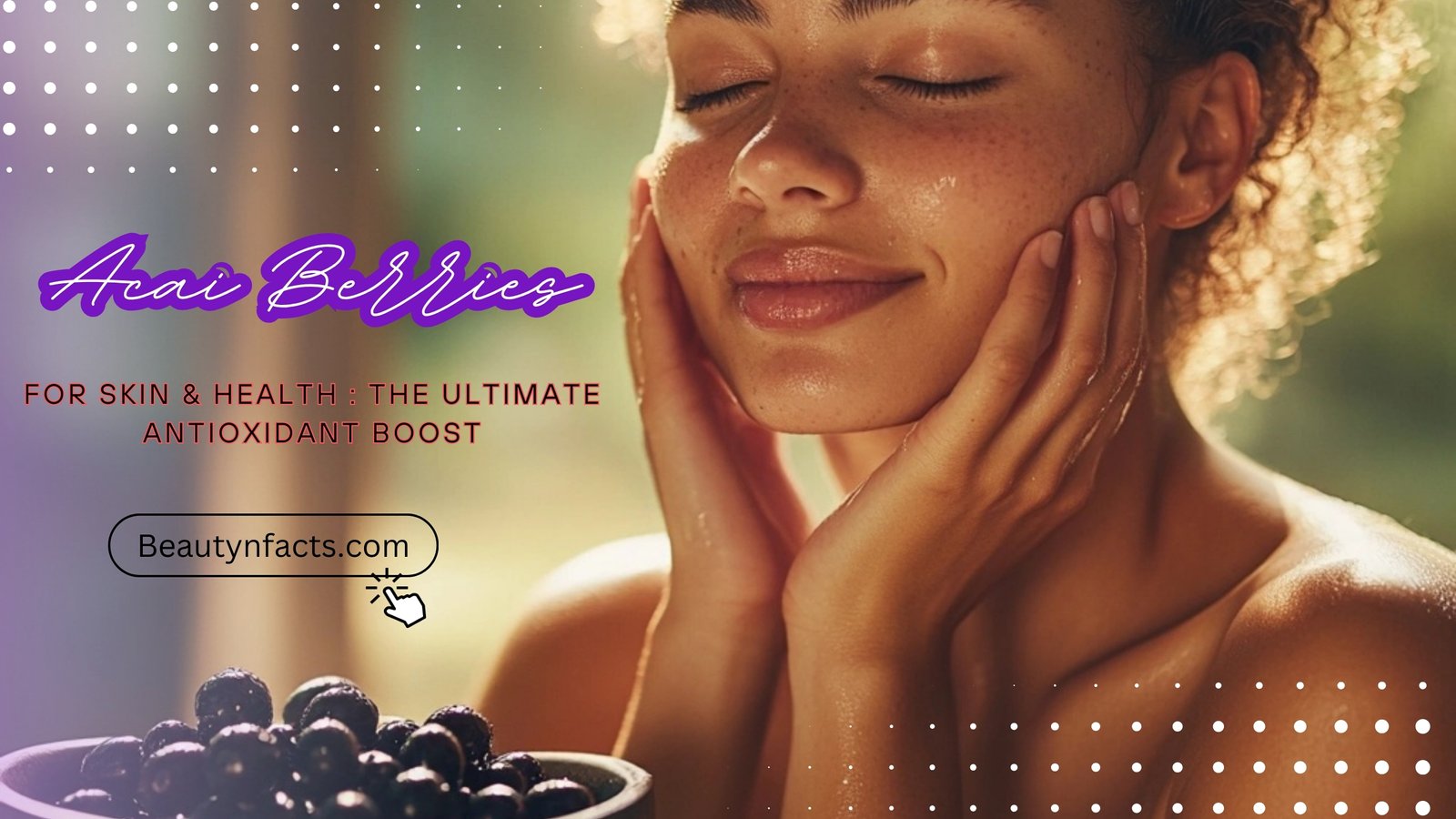
Acai berries for skin represent one of the most scientifically compelling applications of a superfood in modern skincare. The small, deep purple acai
Acai berries for skin represent one of the most scientifically compelling applications of a superfood in modern skincare. The small, deep purple acai berry (Euterpe oleracea), harvested from the acai palm trees of the Amazon rainforest in Brazil, has earned its designation as one of the most nutrient-dense foods on Earth. Its remarkable concentration of antioxidants, essential fatty acids, vitamins, and phytochemicals makes it as powerful when applied topically to the skin as it is when consumed as part of a healthy diet. From neutralizing free radicals and reducing visible signs of aging to delivering intense hydration and calming inflammation, acai berries for skin offer a multi-dimensional approach to skin health that few single ingredients can match.
What Makes Acai Berries So Powerful for Skin
Reviewed by the BeautynFacts editorial team. Last updated: May 2026.
The skincare power of acai berries comes from an exceptionally high concentration of several key nutritional components, each of which delivers distinct and clinically documented benefits to skin at the cellular level.
Extraordinary Antioxidant Content
Acai berries have one of the highest Oxygen Radical Absorbance Capacity (ORAC) values of any food ever tested. The ORAC scale measures a food’s ability to neutralize free radicals, which are unstable molecules that damage cells through oxidative stress. Acai berries score approximately 15,000 to 18,000 ORAC units per 100 grams, significantly higher than blueberries (9,621), cranberries (9,584), and pomegranates (10,500), all of which are widely celebrated for their antioxidant content.
The primary antioxidants in acai berries are anthocyanins, a class of flavonoid pigments responsible for the berry’s deep purple color. Acai berries contain up to 10 times more anthocyanins than red grapes. Anthocyanins are among the most potent natural free radical scavengers known, and they have been shown to protect skin cells from UV-induced oxidative damage, inhibit the activation of inflammatory pathways triggered by environmental stressors, slow the degradation of collagen by reducing the activity of collagenase enzymes, and support the repair of cellular DNA damage from radiation exposure.
Essential Fatty Acid Profile
Acai oil, cold-pressed from the pulp and skin of acai berries, contains a remarkably skin-compatible fatty acid profile. It is composed of approximately 56 percent oleic acid (omega-9), 22 percent palmitic acid, and 12 percent linoleic acid (omega-6), as well as smaller amounts of palmitoleic acid and other fatty acids. This profile closely resembles the sebum produced by the skin’s own glands, which means acai oil is absorbed efficiently without a greasy or occlusive feel.
Oleic acid is the primary component of the skin’s natural surface lipid film and functions as an excellent emollient that softens and smooths the skin surface and improves moisture retention. Linoleic acid is a key component of the skin barrier’s ceramide structure. Deficiency of linoleic acid is associated with barrier compromise and susceptibility to dryness, irritation, and acne. The balanced combination of these fatty acids in acai oil makes it one of the most skin-compatible plant oils available, suitable even for acne-prone skin in appropriate concentrations.
Vitamin E Complex
Acai berries contain exceptionally high levels of vitamin E, providing approximately 44 milligrams per 100 grams of pulp. This is three times more vitamin E than olive oil provides. Vitamin E (tocopherols and tocotrienols) is one of the skin’s primary fat-soluble antioxidants, present in the sebum and the lipid layers of the skin barrier where it protects structural lipids from oxidative damage. Topically applied vitamin E synergizes with vitamin C to neutralize free radicals more effectively than either alone, reduces UV-induced skin damage, supports the healing of damaged skin, and provides anti-inflammatory protection that reduces redness and irritation.
Plant Sterols
Acai berries contain beta-sitosterol, campesterol, and stigmasterol, plant sterols that have significant skin health implications. Plant sterols have demonstrated the ability to inhibit the 5-alpha-reductase enzyme, which converts testosterone to dihydrotestosterone (DHT). DHT stimulates sebaceous gland activity and contributes to both acne and androgenic hair loss. By reducing local DHT activity, plant sterols in acai may help regulate sebum production when applied topically, making acai-based products potentially beneficial for oily and acne-prone skin.
Polyphenols and Other Phytochemicals
Beyond anthocyanins, acai berries contain a broad spectrum of polyphenols including proanthocyanidins, catechins, quercetin, and ferulic acid. Ferulic acid is of particular interest in skincare because it is a potent antioxidant that stabilizes and enhances the effectiveness of vitamins C and E when combined with them in topical formulas. Quercetin has well-documented anti-inflammatory properties and inhibits histamine release, making it relevant for sensitive and reactive skin. Proanthocyanidins have been shown to stimulate collagen synthesis and inhibit elastin degradation.
The Key Skin Benefits of Acai Berries
Powerful Anti-Aging Protection
The anti-aging benefits of acai berries for skin are driven primarily by their extraordinary antioxidant content. Free radical damage is the central mechanism of photoaging and intrinsic aging in skin. UV radiation, air pollution, and oxidative stress from metabolic processes all generate free radicals that attack collagen, elastin, cell membranes, and DNA, causing the structural breakdown that manifests as wrinkles, sagging, hyperpigmentation, and loss of firmness over time.
The anthocyanins in acai neutralize these free radicals before they can cause cellular damage, functioning as a protective shield at the molecular level. Research has demonstrated that anthocyanin-rich extracts applied topically significantly reduce UV-induced DNA damage in skin cells, reduce the expression of matrix metalloproteinases (enzymes that degrade collagen and elastin), and increase the production of new collagen by activating fibroblasts in the dermis. The result is a dual anti-aging action: protection of existing skin structures and stimulation of new structural protein synthesis.
Deep Hydration and Barrier Support
Acai oil is an exceptional moisturizing ingredient for skin. Its fatty acid composition, particularly the combination of oleic and linoleic acid, allows it to integrate into the skin’s barrier lipid matrix, replenishing the lipid content that is depleted by environmental damage, aging, and over-cleansing. Unlike occlusive mineral oil, which forms a surface film without penetrating, acai oil is absorbed by the skin and becomes part of its structural lipid system, providing hydration from within the barrier rather than on top of it.
Clinical measurements of skin hydration and TEWL (trans-epidermal water loss) following application of acai oil show significant improvements in both metrics, indicating that acai oil both increases the water content of the skin’s outermost layer and reduces the rate at which that water is lost through evaporation. These are precisely the two outcomes a well-functioning moisturizing ingredient needs to deliver.
Anti-Inflammatory Action
Multiple compounds in acai berries have documented anti-inflammatory properties relevant to skin health. Anthocyanins inhibit NF-kB, a master regulator of inflammatory gene expression, reducing the production of pro-inflammatory cytokines that drive redness, swelling, and inflammatory skin conditions. Oleic acid in acai oil has been shown to reduce the production of inflammatory prostaglandins. Quercetin and other polyphenols further suppress inflammatory signaling pathways.
This multi-mechanism anti-inflammatory action makes acai particularly useful for skin dealing with chronic redness, post-inflammatory hyperpigmentation from acne, sensitivity, and inflammatory skin conditions including rosacea and mild eczema. Reducing inflammation not only improves the appearance of skin but also reduces the secondary damage that chronic inflammation causes to collagen and barrier integrity.
Brightening and Even Skin Tone
Hyperpigmentation and uneven skin tone are among the most common and difficult-to-treat skin concerns. Acai berries for skin address pigmentation through multiple complementary mechanisms. Anthocyanins inhibit tyrosinase, the enzyme that catalyzes the production of melanin (the pigment responsible for dark spots). This tyrosinase-inhibiting activity is similar to that of kojic acid and niacinamide, two well-established brightening ingredients. Additionally, the vitamin C content of acai (while present in lower amounts than in citrus fruits) provides additional brightening through its own tyrosinase-inhibiting and antioxidant mechanisms.
The anti-inflammatory properties of acai also indirectly support a more even skin tone by reducing post-inflammatory hyperpigmentation, the dark marks left behind after acne, eczema, or other inflammatory events. By reducing the intensity of the inflammatory response that triggers excess melanin production, acai helps prevent the formation of new dark spots even as it works to fade existing ones.
Pore and Oil Balance
The plant sterols in acai, particularly beta-sitosterol’s 5-alpha-reductase inhibiting activity, may help regulate sebum production at the follicular level. Regular topical application of acai oil has been reported to improve skin texture by reducing visible pore size and controlling excess oiliness in combination and oily skin types. Interestingly, despite being an oil, acai oil is often well-tolerated by acne-prone skin due to its high linoleic acid content. Acne-prone skin is typically deficient in linoleic acid, and topical application of linoleic-acid-rich oils can help normalize the fatty acid composition of sebum, making it less comedogenic.
Skin Firmness and Elasticity
The proanthocyanidins in acai have been shown in laboratory studies to stimulate fibroblasts (the skin cells responsible for producing collagen and elastin) and inhibit collagenase activity (the enzymatic breakdown of collagen). The practical result of these two actions is both the preservation of existing collagen and elastin and the stimulation of new production, which translates to improved skin firmness and elasticity with consistent use. Acai extract has also been shown to protect hyaluronic acid (the skin’s primary hydration molecule) from degradation by hyaluronidase enzymes, supporting the skin’s natural plumpness and volume.
How to Use Acai Berries for Skin: Methods and Applications
Acai Oil in Your Skincare Routine
Acai oil is available as a cold-pressed oil from specialty skincare suppliers and is increasingly found as an ingredient in commercial serums, face oils, and moisturizers. When using pure acai oil, apply two to four drops to clean, damp skin after your serum step and before or mixed with your moisturizer. Acai oil’s lightweight texture absorbs quickly without significant greasiness, making it suitable for daytime use as well as overnight application. For very oily or acne-prone skin, use acai oil as a spot treatment on dry areas or mix a single drop with your regular moisturizer rather than applying it across the full face.
Acai Powder in DIY Face Masks
Freeze-dried acai powder retains most of the berry’s nutritional compounds and is one of the most versatile ways to incorporate acai berries for skin into a DIY routine. When mixing acai powder with other mask ingredients, the deep purple color will temporarily stain the skin, but this washes off completely. Use about a teaspoon of acai powder per mask recipe.
Dietary Acai for Skin Health
Consuming acai as part of a healthy diet delivers systemic antioxidant, anti-inflammatory, and nutritional benefits that support skin health from the inside out. Acai bowls, smoothies made with frozen acai pulp, and unsweetened acai juice are all effective ways to incorporate the berry’s nutrients into your diet. The fatty acids consumed from acai are incorporated into the skin barrier lipid matrix, the antioxidants support systemic free radical neutralization, and the vitamins support cellular processes throughout the body including those governing skin health. For optimal results, combine dietary acai consumption with topical application to address skin health from both angles simultaneously.
DIY Acai Berry Face Mask Recipes
Antioxidant Brightening Mask
Ingredients: 1 teaspoon freeze-dried acai powder, 1 tablespoon raw honey, 1 teaspoon plain yogurt, half a teaspoon fresh lemon juice. Mix all ingredients into a smooth paste. Apply to clean skin and leave on for 15 to 20 minutes. Rinse with warm water followed by cool water. The acai provides antioxidants and tyrosinase inhibition for brightening. Honey provides antimicrobial and humectant properties. Yogurt delivers lactic acid for gentle surface exfoliation, and lemon juice provides additional vitamin C. Use weekly for dull, uneven, or post-acne skin. Always apply SPF the morning after using lemon-containing masks.
Anti-Aging Nourishing Mask
Ingredients: 1 teaspoon freeze-dried acai powder, 1 tablespoon mashed ripe avocado, 1 teaspoon argan oil, half a teaspoon honey. Blend all ingredients until smooth. Apply to clean skin and leave on for 20 to 30 minutes. Rinse with warm water and follow with your regular moisturizer. Acai provides antioxidants and collagen-protective compounds. Avocado delivers oleic acid, vitamin E, and plant sterols that complement acai’s profile. Argan oil adds essential fatty acids and additional vitamin E. Use once or twice weekly for mature, dry, or sun-damaged skin.
Hydrating Sensitive Skin Mask
Ingredients: 1 teaspoon freeze-dried acai powder, 2 tablespoons fresh aloe vera gel, 1 teaspoon jojoba oil, 3 drops of vitamin E oil. Mix all ingredients together. Apply to clean skin and leave on for 15 minutes. Rinse with cool water. This formula is specifically designed for sensitive, inflamed, or redness-prone skin. Acai’s anti-inflammatory compounds are delivered in a base of aloe vera, which provides its own soothing and hydrating properties. Jojoba oil is a skin-identical wax ester that is exceptionally gentle and non-comedogenic. Vitamin E provides additional antioxidant and repair support.
Acai Oil and Sugar Lip Scrub
Ingredients: 1 tablespoon brown sugar, 1 teaspoon acai powder, half a teaspoon acai oil or argan oil, half a teaspoon honey. Mix together and gently massage onto the lips in circular motions for one minute. Rinse with warm water and follow with a lip balm. The sugar gently exfoliates dead skin cells from the lip surface, the acai provides antioxidant and coloring compounds that temporarily tint the lips a berry color, the oil moisturizes, and the honey helps bind the mixture and provides antibacterial properties. Use once or twice weekly for smooth, healthy lips.
Acai Berries for Skin: Internal Consumption for Outer Results
Consuming acai regularly as part of a skin-supportive diet provides benefits that topical application alone cannot replicate. The fatty acids consumed from acai are metabolized and incorporated into cell membranes throughout the body, including in skin cells, improving their structural integrity and function. The anthocyanins provide systemic antioxidant protection that reduces overall oxidative burden. The essential nutrients support enzymatic processes involved in collagen synthesis, skin cell renewal, and inflammatory regulation.
When purchasing acai products for dietary use, be mindful of the difference between high-quality and low-quality options. Unsweetened frozen acai pulp and freeze-dried acai powder retain the most nutritional value. Commercially processed acai juices and sweetened acai products often contain minimal actual acai and significant added sugars, which directly counteract skin health benefits through the glycation process (where excess sugar molecules attach to collagen and elastin fibers, damaging their structure).
Choosing Acai Skincare Products
The skincare market’s enthusiasm for “superfood” ingredients has resulted in many products that include minimal amounts of acai as a marketing ingredient while delivering little actual benefit. When evaluating commercial skincare products featuring acai berries for skin, examine the ingredient list carefully. In a well-formulated product, acai oil or acai extract should appear in the first third of the ingredient list, indicating a meaningful concentration. Products where acai appears near the bottom of a long ingredient list (often following water, silicones, and multiple emulsifiers) contain insufficient concentrations to deliver significant results.
Cold-pressed acai oil products and products containing standardized acai extract with specified anthocyanin content are your best indicators of quality. Look also for whether the product has been packaged to protect the oil’s stability, as acai oil oxidizes with light and air exposure. Dark glass bottles or opaque tubes with airless pumps are preferable to clear bottles or jars.
Safety, Skin Compatibility, and Precautions
Acai berries and acai-derived ingredients are well-tolerated by virtually all skin types and have an excellent safety profile in both dietary and topical use. Allergy to acai is rare but possible, particularly in people with sensitivities to other berries or to Arecaceae (palm) family plants. As with any new skincare ingredient, performing a patch test by applying a small amount to the inner forearm and observing for 24 hours before full facial use is a sensible precaution.
The deep purple pigment in acai can temporarily stain skin, clothing, and surfaces. This staining washes away completely from skin with water and cleanser. Be careful when using acai powder or fresh acai near light-colored fabrics.
Acai oil is not a comedogenic oil and is generally suitable for acne-prone skin, but individual responses vary. If you are particularly prone to oil-triggered breakouts, introduce acai oil slowly by mixing a drop into your existing moisturizer before applying it separately.
Frequently Asked Questions About Acai Berries for Skin
How long does it take to see results from acai berries for skin?
Topical acai oil provides immediate visible improvements in skin moisture and radiance from the first application. Cumulative anti-aging benefits, including measurable improvements in firmness, elasticity, and pigmentation reduction, typically require six to eight weeks of consistent use. Dietary acai consumption contributes to systemic changes that support skin health over a similar timeframe when combined with other healthy dietary practices.
Can acai oil clog pores?
Acai oil has a comedogenic rating of approximately 2 on a scale of 0 to 5, where 0 is non-comedogenic and 5 is highly comedogenic. In practice, most people with acne-prone or oily skin can use acai oil without triggering breakouts, particularly because of its beneficial linoleic acid content. If you have very congestion-prone skin, introduce acai oil slowly and watch for your individual response over two to four weeks before committing to regular use.
Is acai powder or acai oil better for skin?
Acai powder and acai oil deliver different benefit profiles. Acai powder is richer in anthocyanins and water-soluble antioxidants, making it ideal for brightening, anti-aging protection, and anti-inflammatory mask use. Acai oil delivers fat-soluble vitamin E, essential fatty acids, and barrier-supporting lipids that powder cannot provide. For comprehensive benefits from acai berries for skin, using both in different aspects of your routine provides the most complete coverage.
The Bottom Line on Acai Berries for Skin
Acai berries for skin deserve their superfood reputation in the skincare world. The combination of the highest antioxidant density of any commonly available fruit, a skin-compatible essential fatty acid profile, significant anti-inflammatory activity, collagen-protective compounds, and melanin-regulating properties makes acai genuinely remarkable as a skin health ingredient. Whether consumed in the diet, applied as a pure oil, used as freeze-dried powder in DIY masks, or incorporated through well-formulated commercial products, consistent use of acai delivers a multi-dimensional skin health boost that addresses aging, hydration, inflammation, and tone simultaneously. For anyone seeking a single superfood ingredient that provides the widest range of proven skin benefits, acai berries represent an exceptional, evidence-backed choice.
RELATED ARTICLES:
Cranberries Beauty Benefits for Your Skin and Hair
Say Goodbye to Summer Breakouts with These Skin-Friendly Foods
No Chemicals, Just Glow: The Timeless Ritual for Naturally Radiant Skin
The Truth About Beauty Sleeps : 5 Game-Changing Skincare Tips You’re Missing
Cloud Skin vs Glass Skin in Indian Humidity: Beauty Tips to Choose the Finish That Actually Lasts
About The Author

COMMENTS