
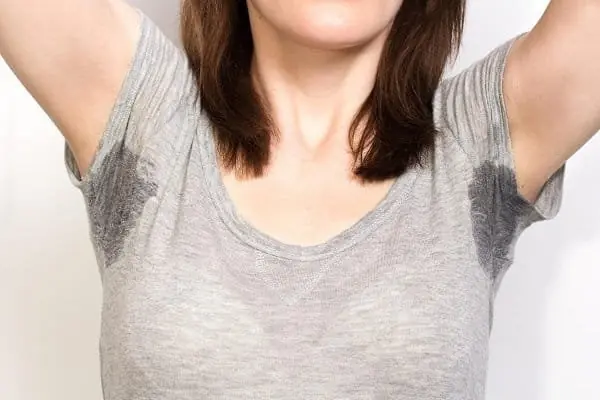
What causes excessive sweat is a question millions of women quietly ask as shirts stain within minutes and makeup slides off before lunch. Sweat is an
What causes excessive sweat is a question millions of women quietly ask as shirts stain within minutes and makeup slides off before lunch. Sweat is an elegant cooling system, yet it can tip into a daily struggle. The triggers range from heat and nerves to hormones, medications, diet, stress, and conditions like hyperhidrosis. This guide unpacks the science, helps you tell ordinary sweating from hyperhidrosis, and shares dermatologist-informed habits and products that genuinely help.
This comprehensive guide unpacks the science behind perspiration, the medical and lifestyle factors that push your sweat glands into overdrive, and the practical, dermatologist-informed strategies that actually work. You will learn how to distinguish ordinary sweating from hyperhidrosis, which hormones and health conditions commonly trigger drenching episodes, why your diet and stress levels may be quietly sabotaging your efforts, and which products and habits make a measurable difference. By the end, you will have a clear, evidence-based roadmap for managing sweat without shame, irritation, or guesswork, because feeling fresh, dry, and comfortable in your own skin is not a luxury. It is a reasonable expectation, and it is absolutely within reach.
The Science Of Sweating: How Your Body’s Cooling System Actually Works
Reviewed by the BeautynFacts editorial team. Last updated: May 2026.
Before we can talk meaningfully about excessive sweating, it helps to understand what sweat is and why your body bothers producing it in the first place. The human skin contains between two and four million sweat glands, and they are not all created equal. Two main types do the heavy lifting: eccrine glands and apocrine glands. Eccrine glands are distributed across almost the entire body surface, with especially high concentrations on the palms, soles, forehead, and upper lip. They release a thin, mostly water-based fluid directly onto the skin, where it evaporates and carries heat away with it. This is the workhorse of thermoregulation.
Apocrine glands, on the other hand, are clustered in areas rich in hair follicles, primarily the armpits, groin, and scalp. They do not activate until puberty, and their secretion is thicker, oilier, and loaded with lipids and proteins. On its own, apocrine sweat is odourless, but the moment it meets the bacteria that naturally live on your skin, those microbes break it down and release the volatile compounds responsible for body odour. This is why the armpits have a distinctive scent that the forehead does not, even though both can be dripping wet.
Your hypothalamus, the thermostat buried deep in your brain, controls when these glands fire. When core temperature climbs, nerve signals travel along the sympathetic nervous system to the glands, triggering them to pump fluid. Evaporation then cools the skin, and cooled skin cools the blood circulating just beneath it, which in turn cools the organs. It is a remarkably efficient system, which is why humans can survive in climates that would kill animals lacking this adaptation. The problem arises when the system becomes overly sensitive, firing when no cooling is actually needed.
Eccrine Versus Apocrine: Why The Distinction Matters
Understanding which glands are misbehaving helps explain why certain remedies work in one body region and fail in another. Antiperspirants that target eccrine glands, for example, are highly effective on palms and soles but only partially address underarm wetness, because apocrine secretion plays a secondary role there. Knowing this also explains why odour and wetness are separate issues. You can be soaking wet without smelling at all, or smell strong without visible dampness, depending on which glands are dominant in a given area.
When Sweating Becomes Excessive: Defining Hyperhidrosis
Medical professionals use the term ‘hyperhidrosis’ to describe sweating that exceeds what the body requires for temperature regulation. It is estimated to affect roughly five percent of the global population, though many sufferers never seek help because they assume the problem is cosmetic rather than clinical. Hyperhidrosis falls into two main categories, and the distinction matters enormously for treatment.
Primary focal hyperhidrosis is the more common form. It typically begins in childhood or adolescence, targets specific body regions such as the palms, soles, underarms, face, or scalp, and has no identifiable underlying medical cause. Researchers believe it results from an overactive sympathetic nervous system, possibly with a genetic component, since it frequently runs in families. Episodes usually pause during sleep and are triggered or worsened by emotional stress, heat, or certain foods.
Secondary generalised hyperhidrosis, by contrast, appears later in life, affects larger areas of the body or the whole body, often occurs during sleep, and signals that something else is going on medically. Thyroid disorders, diabetes, infections, certain cancers, hormonal shifts, and a wide range of medications can all push the sweat glands into overdrive. This is why any sudden, unexplained increase in sweating, especially in adulthood, deserves a conversation with a healthcare provider rather than silent suffering.
Signs You Might Be Dealing With More Than Normal Sweat
Several practical indicators can help you decide whether your sweating has crossed into territory worth investigating. Frequent episodes at least once a week that interfere with daily activities are a classic red flag. Visible droplets or wet marks that appear on clothing within minutes of dressing, even in cool environments, suggest the glands are firing without adequate thermal justification. Sweaty palms that make it difficult to grip a pen, use a touchscreen, shake hands, or turn a doorknob indicate eccrine overactivity on the extremities. Damp feet that soak through socks and cause shoes to develop persistent odours or fungal issues point in the same direction. Sweating triggered by mild stress, small temperature changes, or nothing at all is another hallmark of hyperhidrosis. Night sweating severe enough to soak sheets and sleepwear, particularly if accompanied by weight loss or fever, deserves prompt medical attention because it can signal thyroid imbalance, infection, or hormonal disruption.
Hormonal Causes: Pregnancy, Menopause, And The Menstrual Cycle
Hormones are some of the most powerful drivers of sweat production, and the female body navigates dramatic hormonal shifts throughout life. Understanding these fluctuations explains why many women notice sweat patterns changing around puberty, pregnancy, perimenopause, and the regular rhythm of their menstrual cycle.
During pregnancy, blood volume increases by nearly fifty percent, metabolism accelerates, and progesterone levels climb steeply. The result is a body that runs warmer and works harder, triggering more frequent and heavier sweating, particularly in the second and third trimesters. Many expectant mothers are surprised by how suddenly they overheat in rooms that previously felt comfortable. This is entirely normal, though it warrants staying well hydrated, dressing in light, breathable layers, and keeping your sleep environment cooler than usual.
Perimenopause and menopause bring some of the most dramatic sweat-related changes a woman experiences. As oestrogen production fluctuates and eventually declines, the hypothalamus becomes hypersensitive to even tiny shifts in core temperature, interpreting normal warmth as overheating. The nervous system responds with a full cooling cascade: flushed skin, rapid heartbeat, and a sudden wave of sweat known as a hot flash. These episodes can happen dozens of times a day, last from thirty seconds to several minutes, and often strike at night as drenching sweats. Hormone replacement therapy, certain non-hormonal medications, lifestyle adjustments, and targeted cooling products can significantly reduce their frequency and intensity.
The menstrual cycle also influences sweat production, though more subtly. Body temperature rises by about half a degree during the luteal phase after ovulation, meaning you naturally run warmer and sweat more during the two weeks before your period. Premenstrual hormonal shifts can also heighten stress reactivity, which amplifies emotional sweating. Tracking your cycle alongside your sweat patterns can reveal rhythms you may never have noticed.
Thyroid Function And The Sweat Connection
The thyroid gland, that small butterfly-shaped organ in the front of your neck, exerts outsized control over how hot and how fast your body runs. When it produces too much thyroid hormone, a condition called hyperthyroidism, every cell in your body ramps up its metabolic activity. You may notice unexplained weight loss, rapid heartbeat, tremors, anxiety, trouble sleeping, and yes, profuse sweating that occurs even in cool rooms. Because hyperthyroidism is treatable but potentially serious if ignored, any constellation of these symptoms should prompt a simple blood test measuring TSH, free T3, and free T4 levels. Treating the underlying thyroid issue typically resolves the excessive sweating within weeks.
Stress, Anxiety, And Emotional Sweating
There is a reason the phrase “breaking into a cold sweat” exists in nearly every language. Emotional sweating is a distinct physiological phenomenon, driven by the fight-or-flight branch of the nervous system rather than the thermoregulatory pathway. When your brain perceives threat, whether it is a real danger or the imagined horror of public speaking, it floods your system with adrenaline, which activates eccrine glands on the palms, soles, forehead, and underarms within seconds.
This type of sweating serves an evolutionary purpose. Damp palms improved grip on primitive tools and tree branches, and the sudden moisture release may have functioned as an alarm signal to others in the social group. In modern life, however, the response often feels wildly disproportionate to the trigger. A simple email notification, a minor disagreement, or the thought of an upcoming meeting can leave you soaking through a shirt.
Chronic stress compounds the problem. When cortisol levels remain elevated over weeks or months, the baseline activity of the sympathetic nervous system rises, which means your sweat glands sit closer to their firing threshold even when you are not actively anxious. Addressing this cycle requires more than willpower. Evidence-based approaches include daily diaphragmatic breathing, progressive muscle relaxation, cognitive behavioural therapy for social anxiety, regular moderate exercise, adequate sleep, and, in some cases, short-term or long-term medication under medical supervision. Reducing the underlying stress load almost always reduces the sweat output alongside it.
Genetics And Family History
If your mother, father, or siblings struggle with heavy sweating, you are statistically far more likely to experience it yourself. Studies examining families affected by primary focal hyperhidrosis have found that roughly two-thirds of sufferers report at least one close relative with the same pattern, suggesting a significant hereditary component, though the specific genes involved are still being mapped. This means that for many women, excessive sweating is not a result of anything they did or failed to do. It is simply the sweat system they inherited.
The practical takeaway is twofold. First, if you have been blaming yourself for your sweating or feeling that you should somehow be able to control it through diet or discipline alone, genetic context can lift an enormous weight of guilt. Second, because inherited hyperhidrosis typically responds to the same treatments as non-genetic cases, a family history is not a life sentence. It simply means the problem is real, measurable, and worth treating proactively rather than waiting to “grow out of it”.
Diet, Weight, And Metabolic Factors
What you eat and drink has a surprisingly direct effect on how much you sweat, and small changes in this area often produce noticeable results within days. Certain foods and beverages are well-documented sweat provocateurs, acting through multiple pathways, including vasodilation, nervous system stimulation, and thermogenic digestion.
Spicy foods containing capsaicin trick the body into thinking it is overheating. Capsaicin binds to the same temperature-sensing receptors that detect actual heat, triggering a cooling response that includes full activation of eccrine glands, particularly on the face and scalp. Caffeine stimulates the sympathetic nervous system directly, raising heart rate, blood pressure, and sweat output. Alcohol dilates blood vessels near the skin surface, which makes you feel flushed and prompts the body to sweat in an attempt to compensate for what it reads as a temperature spike. Very hot beverages and meals raise core temperature briefly, again triggering a cooling response. Highly processed foods, refined sugars, and foods containing monosodium glutamate are also reported by many hyperhidrosis sufferers to worsen symptoms, though the mechanisms are less clearly established.
Body weight plays an additional role. Excess adipose tissue acts as insulation, making it harder for the body to release heat through radiation alone, so sweating becomes the primary cooling channel. Carrying extra weight also means muscles work harder during everyday movement, generating more metabolic heat. Research consistently shows that gradual weight loss, where appropriate and guided by a healthcare provider, reduces both the frequency and intensity of excessive sweating episodes in people with elevated body mass.
Hydration: The Counterintuitive Sweat Reducer
Many people who sweat heavily restrict their fluid intake hoping this will somehow reduce output. The opposite is true. Dehydration raises core body temperature because there is less blood volume available to carry heat to the skin surface, which forces the sweat glands to work harder with what little water is available. Drinking consistent amounts of water throughout the day, roughly two litres for most adults, keeps core temperature stable and often reduces total daily sweat volume. Room-temperature or cool water is most effective. Ice-cold drinks can cause a brief rebound sweating effect as the body works to warm itself back to baseline.
Medical Conditions And Medications That Trigger Sweating
Beyond thyroid issues, a range of medical conditions can cause or worsen excessive sweating. Diabetes, particularly when blood sugar drops too low, produces cold sweats accompanied by shakiness and lightheadedness. Certain infections, including tuberculosis and endocarditis, cause drenching night sweats as the immune system battles the invading organism. Some cancers, especially lymphomas, can present with unexplained night sweats long before other symptoms appear, which is why persistent, unexplained sweating always deserves medical evaluation. Heart conditions, neurological disorders such as Parkinson’s disease, and autoimmune conditions can also disrupt normal sweat regulation.
Medications are another common and often overlooked culprit. Antidepressants, particularly selective serotonin reuptake inhibitors and serotonin-norepinephrine reuptake inhibitors, list sweating as one of the most frequent side effects. Opioid pain relievers, certain blood pressure medications, diabetes drugs, hormonal therapies, and some supplements can all trigger or intensify perspiration. If you began sweating more heavily after starting a new prescription, bring this up with your prescriber. Alternatives or dose adjustments often solve the problem without sacrificing the benefit of the original medication.
Night Sweats: Why They Deserve Special Attention
Waking up with damp sheets once in a while usually means nothing more than an overly warm bedroom, heavy bedding, or a particularly vivid dream. But consistent night sweats, the kind that force you to change pyjamas or leave a visible outline on the mattress, warrant careful attention. Because sleep is the one time your body is not consciously regulating its environment, disruptions to baseline sweat control during sleep often point to something deeper than daily habits.
Common causes of persistent night sweats in women include perimenopausal and menopausal hormonal shifts, thyroid dysfunction, sleep apnoea, anxiety and panic disorders, gastro-oesophageal reflux, and infections. Less common but serious causes include lymphomas and other malignancies, which is why any night sweats lasting more than a few weeks, especially when accompanied by fever, unexplained weight loss, or persistent fatigue, should prompt a medical workup.
In the meantime, practical sleep-environment adjustments can ease symptoms regardless of underlying cause. Keep the bedroom between sixty and sixty-seven degrees Fahrenheit, use moisture-wicking bed linens made from bamboo, Tencel, or high-quality cotton, avoid heavy synthetic blankets, skip alcohol and large meals within three hours of bedtime, and consider a cooling mattress topper if hot flashes are frequent. Layered bedding that can be kicked off and pulled back on keeps you more comfortable than a single heavy duvet.
How To Reduce Excessive Sweating: A Practical Strategy
Sweat cannot and should not be eliminated entirely. It is vital for survival, and the goal of any sensible strategy is management rather than suppression. That said, a combination of topical products, clothing choices, lifestyle tweaks, and in some cases medical treatments can dramatically reduce both the volume of sweat produced and the discomfort it causes.
Start with the right antiperspirant. There is a meaningful difference between a deodorant, which masks odour without affecting sweat output, and an antiperspirant, which contains aluminium-based compounds that temporarily block the ducts of the sweat glands, reducing wetness. Clinical-strength or dermatologist-recommended formulas contain higher concentrations of aluminium chloride hexahydrate and are significantly more effective than standard drugstore options for people with heavier sweating. Apply to completely clean, thoroughly dry skin at night rather than in the morning, because nighttime application allows the active ingredients to enter the sweat ducts during the hours when eccrine output is naturally lowest, forming a more durable plug.
Choose breathable fabrics that let air circulate and moisture evaporate. Natural fibres such as cotton, linen, silk, and merino wool allow significantly more airflow than polyester blends and feel cooler against the skin. For exercise, modern technical fabrics designed to wick moisture away from the body and spread it across a larger surface area for faster evaporation are the exception to the natural fibre rule. Loose-fitting cuts work better than clingy silhouettes because airflow between fabric and skin accelerates evaporative cooling. Layer strategically so you can add or remove pieces as conditions change, and keep a spare top in your bag for long days.
Pay equal attention to feet. Cotton or wool socks beat synthetic ones for everyday wear, leather and canvas shoes breathe far better than plastic or rubber alternatives, and rotating between two or three pairs of shoes gives each pair time to fully dry between uses. Foot powders containing cornflour or kaolin clay absorb excess moisture and reduce the bacterial load that causes odour. For severe foot sweating, soaking in a lukewarm black tea bath for twenty minutes a few times a week can temporarily reduce output because the tannic acid acts as a natural astringent.
Dietary Adjustments That Actually Help
Small, sustained dietary changes often outperform dramatic overhauls. Reduce caffeine intake gradually rather than quitting cold turkey, because abrupt withdrawal can trigger its own sweating rebound. Limit alcohol, particularly in social situations where sweat-related self-consciousness is highest, because alcohol often amplifies anxiety-driven perspiration in addition to its direct vasodilating effect. Cut back on extremely spicy foods if you notice a correlation, but do not eliminate flavourful cooking entirely. Mild and moderate seasoning generally does not trigger the same capsaicin response. Eat smaller, more frequent meals rather than large ones, since heavy meals raise metabolic heat production. Include magnesium-rich foods such as leafy greens, nuts, seeds, and whole grains, because magnesium plays a role in nervous system regulation and many women run low on it.
Hygiene Routines That Support Drier Skin
Daily washing with a gentle, pH-balanced cleanser removes sweat residue, bacteria, and the surface compounds that cause odour without stripping the skin’s protective barrier. Harsh antibacterial soaps can disrupt the skin microbiome, which paradoxically often worsens odour over time. Focus attention on high-sweat zones, the underarms, groin, feet, and under the breasts, and dry thoroughly, because damp skin fosters the microbial growth that converts neutral apocrine sweat into strong odour. Exfoliate these areas once or twice weekly with a soft cloth or gentle chemical exfoliant to prevent dead skin buildup that traps bacteria. If irritation is a recurring issue, look for formulas containing colloidal oatmeal, niacinamide, or ceramides to calm inflammation and reinforce the skin barrier.
Professional Treatments For Persistent Hyperhidrosis
When lifestyle strategies and over-the-counter products do not provide sufficient relief, several medical treatments offer genuine, evidence-based results. Prescription-strength topical antiperspirants containing twenty percent aluminum chloride are the typical starting point, and dermatologists often recommend applying them at bedtime under occlusion for the first week to maximise penetration.
Iontophoresis is a treatment in which the hands or feet are submerged in shallow trays of water while a mild electrical current passes through. It is thought to temporarily disable the sweat glands and, with regular sessions, often reduces palm and sole sweating by seventy to ninety percent. Home units are available with a prescription.
Botulinum toxin injections, commonly known by the brand name Botox, are highly effective for underarm, palm, and sole hyperhidrosis. The injections block the nerve signals that activate sweat glands, and a single session typically provides four to twelve months of relief. Many insurance plans cover the procedure when hyperhidrosis is documented as medically significant.
Oral anticholinergic medications can reduce sweating throughout the body by blocking the neurotransmitter that activates sweat glands. They are effective but come with side effects including dry mouth, blurred vision, and constipation, so they are generally reserved for severe cases. Newer topical anticholinergic wipes offer a targeted alternative with fewer systemic side effects. In the most resistant cases, microwave thermolysis and surgical sympathectomy are options, though both carry risks and should be discussed carefully with a specialist.
The Emotional And Social Impact Of Excessive Sweating
It would be incomplete to discuss excessive sweating without acknowledging its emotional weight. Research consistently shows that people with hyperhidrosis experience higher rates of social anxiety, depression, and reduced quality of life than those with many more medically serious conditions. The constant vigilance; the wardrobe compromises; the avoidance of handshakes, hugs, or dancing; and the fear of being judged or seen as unhygienic all accumulate over years into a substantial psychological burden.
Recognising this emotional dimension is itself part of treatment. Many women benefit enormously from talking with a therapist who understands the condition, from joining online communities where experiences can be shared without embarrassment, and from simply naming the problem out loud to friends and partners who can offer support rather than making assumptions. Cognitive behavioural therapy has particularly strong evidence for reducing the anxiety feedback loop that amplifies emotional sweating. Treating the sweat and the stress surrounding it together produces far better outcomes than addressing either in isolation.
Frequently Asked Questions About Excessive Sweating
Is excessive sweating dangerous?
On its own, primary focal hyperhidrosis is not medically dangerous. The sweat glands are doing their job, just too enthusiastically. However, secondary hyperhidrosis can signal underlying conditions such as thyroid disease, diabetes, infection, or hormonal disorders, so any new, sudden, or unexplained increase in sweating, especially in adulthood or during sleep, warrants a medical evaluation. Beyond the physical dimension, excessive sweating can affect skin health by fostering fungal infections, irritation, and chafing, and it can significantly affect mental health, which is reason enough to seek treatment regardless of whether the cause is considered serious.
Can drinking more water reduce how much I sweat?
Counterintuitively, yes. Chronic mild dehydration causes the body to run warmer because there is less blood volume available to carry heat to the skin surface, forcing the sweat glands to work harder. Drinking adequate water throughout the day, roughly two litres for most adults, keeps core temperature stable and often reduces total daily sweat volume. Aim for consistent sips rather than large amounts at once, and favour room-temperature or cool water over very cold drinks, which can trigger brief rebound warming.
Do antiperspirants really work, and are they safe?
Yes, antiperspirants work by forming temporary plugs in the sweat ducts using aluminium-based compounds, typically reducing sweat output by twenty to forty percent for standard formulas and up to seventy percent for clinical-strength versions. Despite persistent internet rumours, extensive research has found no causal link between antiperspirant use and breast cancer or Alzheimer’s disease. Major health organisations, including the American Cancer Society and the Alzheimer’s Association, have publicly stated that current evidence does not support these claims. For the best results, apply to clean, dry skin at night and allow the product to work while sweat output is naturally lowest.
Why do I sweat so much on my face and head specifically?
Facial and scalp sweating, medically known as craniofacial hyperhidrosis, is driven by an especially high density of eccrine glands in these regions. Emotional stress, spicy foods, hot beverages, hormonal shifts, and certain medications are common triggers. Keeping a cool damp cloth on hand, using oil-free skincare and makeup, wearing a wide-brim hat in hot weather, and treating any underlying anxiety often helps significantly. For persistent cases, dermatologists can offer botulinum toxin injections specifically formulated for the scalp and forehead with excellent results.
Can excessive sweating go away on its own?
Sometimes. Hyperhidrosis linked to temporary factors such as pregnancy, acute stress, a specific medication, or an identifiable medical condition typically resolves when the underlying cause is addressed. Primary focal hyperhidrosis, which tends to run in families and begin in childhood, is usually lifelong but often becomes less severe with age, particularly after menopause for many women. Even in lifelong cases, the right combination of treatments can reduce symptoms so effectively that daily life feels essentially unaffected.
Is there a connection between gut health and sweating?
Research is still emerging, but there is increasing evidence that the gut microbiome influences inflammation, hormonal balance, and nervous system activity, all of which affect sweat production. Dysbiosis, food sensitivities, and chronic digestive inflammation may indirectly worsen hyperhidrosis in susceptible individuals. Eating a diverse diet rich in fibre, fermented foods, and whole plants, while limiting ultra-processed foods, supports a healthier microbiome and may reduce overall inflammatory load. If you suspect food sensitivities, working with a registered dietitian to systematically identify triggers can be more reliable than self-experimentation.
Should I see a dermatologist or a general doctor first?
If your sweating is localised to specific areas such as underarms, palms, soles, or face and began in childhood or adolescence, a dermatologist is typically the best first stop because hyperhidrosis falls squarely within their speciality. If your sweating is generalised, began suddenly in adulthood, occurs primarily at night, or is accompanied by other symptoms such as weight changes, fatigue, rapid heartbeat, or fever, begin with your primary care provider to rule out underlying medical causes before pursuing cosmetic or dermatologic treatments. Either way, seeking help is worthwhile. Too many women suffer silently under the mistaken belief that excessive sweating is simply something they must live with.
Can children have excessive sweating, and is treatment safe for them?
Yes, primary focal hyperhidrosis frequently begins in childhood, and children can and should receive treatment when it affects daily life, schoolwork, or social development. Paediatric dermatologists can prescribe age-appropriate topical antiperspirants, and iontophoresis and botulinum toxin injections are considered safe for adolescents when standard measures are insufficient. Addressing the problem early prevents years of unnecessary embarrassment and can significantly improve confidence and mental health during formative years.
Building Your Personalized Sweat Management Plan
No single strategy works for everyone, because excessive sweating is not a single condition. It is an umbrella term covering many distinct patterns driven by different causes. The most successful approach layers several evidence-based tactics, monitors results over a few weeks, and adjusts as needed. Start by identifying your strongest triggers through a simple two-week log, noting when episodes occur, what you ate and drank, how you slept, your stress level, and your menstrual cycle phase if applicable. Patterns usually emerge quickly.
Next, optimise the basics before investing in advanced treatments. Switch to a clinical-strength antiperspirant applied at night, rebuild your wardrobe around breathable natural fibres and moisture-wicking athletic wear, reduce caffeine and alcohol at least experimentally for two weeks to gauge impact, prioritise consistent hydration, and address sleep environment if night sweats are an issue. Most women see noticeable improvement from these steps alone.
If significant sweating persists after four to six weeks of consistent basics, book an appointment with a dermatologist or primary care provider. Bring your trigger log, a list of current medications and supplements, and any relevant family history. Request thyroid and blood sugar testing if these have not been evaluated recently. Discuss prescription topical options, iontophoresis, and botulinum toxin injections as appropriate for your sweat pattern. If emotional triggers are prominent, add a referral for therapy or a discussion about anti-anxiety medications to the plan.
Finally, give yourself permission to treat this as a legitimate health concern rather than a personal failing. Excessive sweating is real, common, and highly treatable, and the confidence that comes from finally having it under control is genuinely life-changing. You deserve to move through your day without constant wardrobe calculations, without dread before social events, and without the quiet exhaustion of hiding something so deeply personal. With the right information, the right products, and the right support, dry, comfortable skin is not a fantasy. It is a reasonable goal, and every step you take toward it is a step worth celebrating.
RELATED ARTICLES:
Beat the Heat: Sweatproof Makeup Hacks Every Woman Needs This Summer
Long-Lasting Summer Makeup: Avoid Melting with These Pro Sweatproof Hacks
Say Goodbye to Summer Breakouts with These Skin-Friendly Foods
No Chemicals, Just Glow: The Timeless Ritual for Naturally Radiant Skin
How to Get Rid of Black Neck Fast: Proven Tips – New vs Traditional
About The Author

COMMENTS