

The Top 5 Lip Care Mistakes You Might Be Making: Avoid These Common Pitfalls for Healthier, Happier LipsYour lips work constantly. They help you sp
The Top 5 Lip Care Mistakes You Might Be Making: Avoid These Common Pitfalls for Healthier, Happier Lips
Published · Updated
Why Your Lips Are More Vulnerable Than You Think
The Unique Anatomy of Lip Skin
Lip skin is structurally different from the skin on the rest of your face. Facial skin contains between fifteen and sixteen layers of cells in its outermost protective barrier. Lip skin contains only three to five. That difference is dramatic. A thinner barrier means significantly less protection against wind, temperature extremes, UV radiation, and dehydrating environments.
Lip skin also lacks sebaceous glands. These are the oil-producing glands responsible for keeping your facial skin naturally moisturised throughout the day. Without them, your lips produce no natural oils at all. They rely entirely on moisture you actively apply. The moment that moisture evaporates, the drying process begins. This is why lips feel tight and uncomfortable so much faster than your cheeks or forehead do.
Melanin content in lip skin is also minimal. Melanin is the pigment that helps protect skin from UV radiation. With very little melanin, lips are far more susceptible to sun damage, photo-ageing, and, in serious cases, actinic cheilitis, a precancerous condition linked to long-term UV exposure. Understanding this biology is the foundation of every smart lip-care decision.
What Breaks Down the Lip Barrier
Several everyday factors strip the lip barrier faster than most people realise. Cold weather pulls moisture from lip skin rapidly. Central heating and air conditioning do the same thing indoors. Breathing through your mouth, especially overnight, exposes your lips to a constant stream of dry air that steadily depletes their moisture reserves.
Certain foods and drinks accelerate the damage. Acidic foods like citrus fruits and tomato-based sauces irritate the lip surface on contact. Alcohol in beverages dehydrates the tissue from within. Spicy foods trigger inflammation that weakens the barrier with repeated exposure.
Nutritional deficiencies are another overlooked factor. Low levels of vitamin B2, B6, B12, zinc, and iron are all associated with chronically cracked, sore, or slow-healing lips. If your lips struggle despite a consistent routine, it is worth reviewing your diet and consulting a healthcare provider about potential gaps.
Why the Lip Barrier Matters for Makeup Performance
A compromised lip barrier does more than cause discomfort. It directly affects how your lip products perform. Lipstick applied to dry, flaky lips looks patchy and uneven within minutes. Lip gloss separates and fades faster on a damaged surface. Even the most expensive long-wear formula will not last on lips that have not been thoroughly prepared.
A healthy, well-hydrated barrier gives lip colour a smooth, even canvas to grip onto. Products blend more easily, wear longer, and look more polished throughout the day. Every investment you make in lip colour pays better returns when your lip barrier is in good shape. Caring for the barrier is not separate from caring about your lip look. It is the foundation of it.
Lip Care Mistake #1: Constantly Licking Your Lips
What Saliva Actually Does to Lip Skin
Lip licking feels instinctively soothing. When your lips feel dry or tight, your tongue moves to wet them automatically. The relief lasts only a few seconds. Thereafter, the situation gets measurably worse.
Saliva contains digestive enzymes, specifically amylase and lipase. These enzymes are designed to begin breaking down food. When saliva sits on your lip skin, those same enzymes start breaking down the proteins and lipids that form your lip barrier. Every lick removes a microscopic layer of protection. Repeated licking throughout the day creates cumulative barrier damage that compounds over time.
A secondary problem makes things worse. Saliva evaporates quickly. As it evaporates from the lip surface, it draws existing moisture from the skin tissue with it. This process is called transepidermal water loss. Lip licking actively accelerates it. The cycle is frustrating: the more you lick, the drier your lips feel, which triggers the urge to lick again.
In chronic cases, habitual lip licking causes a condition called lip licker’s dermatitis. This appears as a defined ring of redness, scaling, and irritation around the mouth, tracing exactly the path of the tongue. It is sometimes mistaken for eczema or perioral dermatitis, and it requires stopping the habit entirely before the skin can heal.
How to Break the Licking Habit
Breaking a subconscious habit requires deliberate strategy. Simply deciding to stop rarely works, because most lip licking happens without awareness. The goal is to interrupt the reflex before it becomes a completed action.
Keeping a lip balm within reach at all times is one of the most effective approaches. When the urge to lick arises, applying balm instead addresses the discomfort without the damage. With time, this substitution becomes automatic. Choose a balm in a click-pen or squeeze tube for quick, no-mess application throughout the day.
Identifying your personal triggers also accelerates progress. Many women lick their lips while concentrating, watching screens, reading, or feeling anxious. Once you know your triggers, small environmental cues, such as a sticky note on your monitor or a phone reminder, can prompt you to reach for balm instead. These micro-interventions sound minor but produce real behavioural change over two to three weeks of consistent practice.
Hydration supports the process from within. Dehydration dries the lip tissue, intensifying the sensation that drives the habit. Drinking at least eight glasses of water daily reduces the underlying dryness that makes licking feel necessary in the first place.
The Best Products to Reach For Instead
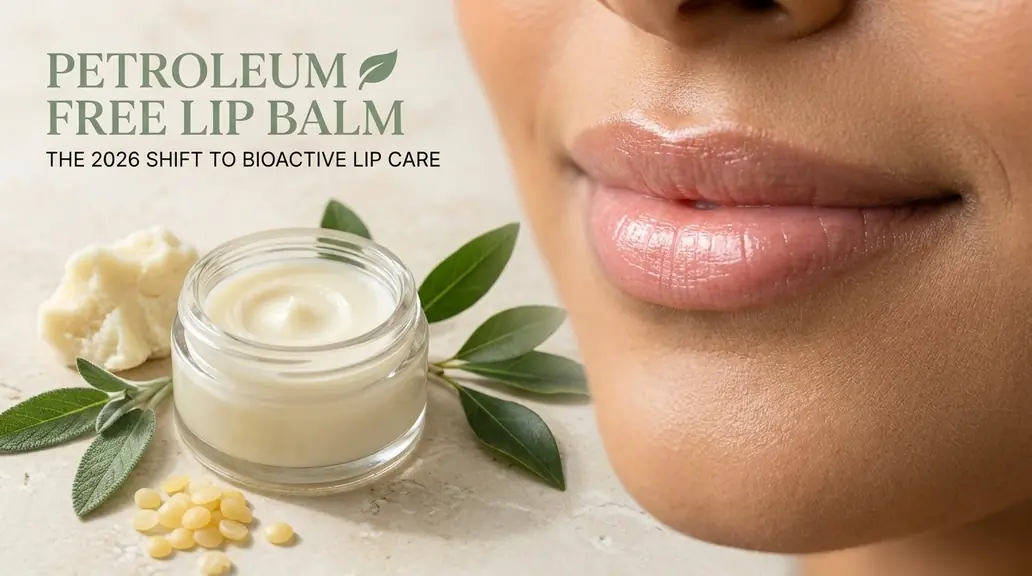
Not every lip balm is suitable when you are trying to repair a barrier damaged by chronic licking. Look for formulas that combine occlusive and humectant ingredients. Occlusives like petrolatum, beeswax, shea butter, and lanolin form a physical seal on the lip surface, locking in moisture and blocking environmental irritants. Humectants like hyaluronic acid and glycerin draw moisture from the air into the lip tissue.
Avoid balms containing menthol, camphor, or phenol. These ingredients create a cooling sensation that feels therapeutic but irritates lip skin and can intensify the licking cycle. Also skip formulas with fragrance or artificial flavours. Both are common allergens that provoke the very dryness they claim to treat. The simpler the ingredient list, the better.
- Petrolatum: supreme occlusive, seals in moisture overnight
- Beeswax: protective barrier with a comfortable, non-sticky texture
- Shea butter: rich in fatty acids that reinforce the skin barrier
- Lanolin: closely mimics the skin’s natural lipids for deep moisture
- Hyaluronic acid: draws water into the tissue for plump, smooth lips
Lip Care Mistake #2: Overusing Lip Plumping Products
How Lip Plumpers Work at the Skin Level
Lip plumping products have earned their place in beauty routines for good reason. A well-chosen plumper genuinely adds visible fullness without injections or procedures. Understanding the mechanism helps you use these products safely and get real results.
Most plumpers work through one of two primary pathways. The first is irritation-based plumping. Ingredients like cinnamon oil, ginger extract, capsaicin, and peppermint oil trigger mild inflammation in the lip tissue. Blood rushes to the area, and the resulting swelling creates a fuller appearance for one to two hours. The second pathway uses peptides and hyaluronic acid to hydrate and subtly volumise the lip over repeated use, without triggering inflammation.
The irritation-based mechanism is where the risk lies. In small, controlled doses, temporary inflammation is harmless. In large or repeated doses, chronic inflammation degrades collagen fibres and breaks down the structural integrity of the lip tissue itself. Over months of daily overuse, the opposite of the intended effect can occur: lips lose volume and elasticity rather than gaining it.
Signs You Are Overdoing Lip Plumpers
Recognising overuse early protects you from lasting damage. Persistent burning or tingling that does not fade within a few minutes signals that the product is too irritating for regular use. Peeling, flaking, or increased dryness following application are further warning signs. Some people develop small blisters or a rash-like reaction along the lip border.
If your lips look visibly red and swollen beyond the volume you wanted, or if the skin around your mouth feels raw and sensitive to touch, stop using the product immediately. Remove it gently with a fragrance-free micellar water, apply a thick barrier-repairing balm, and allow at least 48 hours of full recovery before any further use. Continuing to apply an irritating formula while your skin is already compromised significantly accelerates the damage.
Safer Alternatives for Fuller-Looking Lips
Giving up the plump aesthetic is not necessary. You simply need smarter product choices. Peptide-based formulas deliver volume-building results gradually without the inflammatory response. Look for ingredients like palmitoyl tripeptide-38, hyaluronic acid in multiple molecular weights, or botanical extracts clinically shown to increase lip collagen over time. These work more slowly but create durable improvements rather than temporary swelling.
Overlining with lip liner is a technique that adds perceived volume immediately and safely. Choose a liner in a shade close to your natural lip colour or one shade deeper, trace just outside your natural lip line with a very light hand, and blend the outer edge softly. Pair it with a gloss applied to the centre of your lips for dimension and the optical appearance of fullness.
Colour selection also plays a larger role than most people expect. Nude and soft pink shades that closely match your natural lip tone create the visual impression of larger lips. Deep, dark colours, while beautiful, tend to visually reduce lip size. Knowing this dynamic gives you non-product tools to control how full your lips look on any given day.
Lip Care Mistake #3: Skipping Sun Protection on Your Lips
How UV Damage Affects the Lips Differently
Sunscreen has become a non-negotiable step in most modern skincare routines. Yet a large number of women who carefully apply SPF 50 to every inch of their face completely forget their lips. This is one of the most consequential lip care mistakes because the consequences extend well beyond cosmetic concerns.
The lower lip receives significantly more direct UV exposure than the upper lip due to its angle relative to the sun. Dermatology research consistently shows that the lower lip is the most common site for actinic cheilitis and squamous cell carcinoma of the lip, a form of skin cancer almost always linked to chronic UV exposure. This risk increases substantially with age, fair skin tone, and time spent outdoors without protection.
On a purely cosmetic level, UV exposure breaks down collagen in the lip tissue exactly as it does in facial skin. The visible results are thinner lips over time, vertical lines radiating from the lip border into the surrounding skin, and a loss of lip definition that no liner can fully restore. These changes are often attributed to aging alone, but UV exposure is a primary driver and largely a preventable one.
Choosing the Right SPF Lip Balm
An SPF lip balm works double duty: it moisturises and it protects. SPF 30 is the minimum you should accept for daily use. SPF 50 is the better choice if you spend extended time outdoors, live in a high-altitude or sunny climate, or plan beach or pool time.
Examine the type of sunscreen filter in your balm. Mineral options like zinc oxide and titanium dioxide sit on the skin surface and physically block UV rays. They are less likely to cause irritation and are an excellent choice for women with sensitive lips. Chemical sunscreens like avobenzone and octinoxate absorb UV rays and convert them to heat energy. These tend to have lighter, less visible textures but can cause reactions in some individuals.
Beyond the SPF rating, look for additional protective and restorative ingredients. Vitamin E neutralises free radical damage triggered by UV exposure. Green tea extract provides complementary antioxidant defence. Ceramides help rebuild the lip barrier that UV radiation degrades over time. A balm that combines sun protection with active barrier repair gives you the most complete lip protection in a single product.
Daily Habits That Maximize Lip Sun Protection
Applying SPF balm once in the morning is not enough for meaningful protection on active days. UV filters break down with exposure to sunlight, heat, and moisture. Reapplication every two hours is the standard recommendation when you are outdoors. After eating, drinking, or swimming, reapply immediately regardless of elapsed time.
A wide-brimmed hat provides meaningful secondary protection. A brim of at least three inches blocks a significant proportion of direct UV rays before they reach your face and lips. This is not a replacement for SPF balm, but it is a valuable additional defence on days of prolonged sun exposure.
Apply your SPF lip balm before your lip colour, not over it. The sunscreen needs direct contact with lip skin to work. Lipstick or gloss applied on top of the SPF layer is fine. The protection beneath remains active. Just remember to reapply both layers on schedule throughout the day.
Lip Care Mistake #4: Getting Exfoliation Wrong
Why Exfoliation Matters for Lip Health
Lip skin renews itself continuously. Old cells migrate to the surface and eventually shed, making room for fresh cells below. When this process slows due to dryness, dehydration, or product buildup, dead cells accumulate on the lip surface. The visible result is a rough, flaky texture that makes lipstick apply unevenly and look patchy within minutes.
Exfoliating removes that layer of accumulated cells and instantly transforms lip texture. It also dramatically improves the effectiveness of every moisturising product you apply afterward. Dead skin acts as a physical barrier that prevents balms, serums, and treatments from reaching the living tissue below. Exfoliate first, then hydrate, and the same products deliver measurably better results.
Regular gentle exfoliation also stimulates circulation in the lip area. Increased blood flow delivers oxygen and nutrients to the lip tissue, contributing to a naturally fuller and more vibrant appearance over time. This is a benefit that no lip balm alone can replicate.
Physical Versus Chemical Exfoliation for Lips
Two main approaches to lip exfoliation exist, and each has a legitimate place in a complete routine.
Physical exfoliation uses gentle abrasives to manually buff away dead skin. A simple DIY blend of brown sugar and a small amount of honey applied with a clean fingertip and massaged in small circles for thirty to sixty seconds is effective and gentle enough for most lip types. Commercial lip scrubs in pot or stick form offer the same benefit with added convenience. Always choose fine-grain formulas over coarse ones. Large, jagged particles can create micro-tears in already thin lip skin and worsen the problem you are trying to solve.
Chemical exfoliation uses acids to dissolve the bonds between dead skin cells, allowing them to detach without any physical scrubbing. Alpha hydroxy acids like lactic acid and glycollic acid are the most suitable choices for lips. Low concentrations of these acids appear in some overnight lip masks and treatment balms. Chemical exfoliation is particularly well suited to women whose lips are too sensitive for physical scrubs or who find manual scrubbing uncomfortable around irritated skin.
How Often and How Gently to Exfoliate
Over-exfoliation is a real and common mistake. Because lip skin is so thin, aggressive or too frequent scrubbing removes healthy cells along with dead ones. This leaves the barrier more vulnerable than before you started.
For most women, once or twice per week strikes the right balance. Start at twice a week if your lips are noticeably rough or flaky, then drop to once a week as texture improves. If your lips are currently cracked, bleeding, or raw, skip exfoliation entirely until they are fully healed. Exfoliating broken skin causes pain and significantly delays the healing process.
Apply only gentle pressure. The product does the work. A soft circular motion with one fingertip for under a minute is completely sufficient. Always follow exfoliation immediately with a generous application of a rich lip balm or overnight treatment to seal in moisture while the lip surface is freshly clear and receptive to hydration.
Lip Care Mistake #5: Using the Wrong Products for Your Lip Needs
Balm, Gloss, Liner, and Liquid Lip: Knowing the Difference
Reaching for the wrong product category is among the most common and easily corrected lip care mistakes. Each type of lip product serves a specific function. Using them interchangeably, or applying them in the wrong order, undermines both your lip health and the performance of your makeup.
Lip balm is first and foremost a therapeutic product. Its primary function is to protect and actively hydrate the lip barrier. A well-formulated balm functions simultaneously as a humectant, drawing water into the lip tissue, and as an occlusive, sealing that moisture in. Use balm as your daily base layer, your on-the-go reapplication product, and your overnight treatment. It belongs at the beginning of every lip routine and at the end of every evening routine. Choose formulas without fragrance, menthol, or drying alcohols.
Lip gloss adds shine and the optical illusion of fullness. It is not a treatment product, though many modern gloss formulas incorporate nourishing oils like jojoba, castor, or vitamin E that offer some secondary moisture benefit. Applied alone over bare lips, gloss provides almost no barrier protection. Always prep with balm first, then apply gloss over your colour. Gloss is best suited to casual, fresh-faced looks and for layering over a sheer or nude lipstick to add dimension. Its primary limitation is longevity: most glosses require reapplication every one to two hours, and more frequently after eating or drinking.
Lip liner serves three distinct and valuable functions. It defines the lip border with precision. It prevents feathering, which is the bleeding of colour beyond the lip line into the fine lines around the mouth. And it extends the wear time of any colour applied over it by creating an adherent base. A liner applied all over the lip before lipstick or gloss acts as a primer that dramatically improves colour longevity. Choose a liner that matches your natural lip colour or the shade of your lipstick for the most seamless result. A universal nude liner that matches your natural lip tone works under almost any colour in your collection.
Liquid lip products, covering liquid lipsticks and lip stains, deliver the longest wear of any lip product category. Most formulas dry down to a matte or semi-matte finish and resist transfer for hours. This durability comes with a significant tradeoff. Liquid lips are among the most drying of all products. The film-forming polymers and solvents that create long wear draw moisture from the lip tissue as they set. To use liquid lips without causing damage, apply a thin layer of balm before application and reapply balm immediately after removing the colour ultimately. Avoid picking or peeling a dry liquid lip off your skin, as doing so removes live cells along with the product.
Ingredients That Secretly Dry Out Your Lips
Reading ingredient labels is a skill that rewards you consistently in lip care. Several ingredients that appear regularly in popular lip products actively work against hydration and barrier health.
Menthol and camphor are among the most problematic. These cooling agents feel instantly refreshing, but they are counterirritants that increase blood flow and irritate the mucous membrane of the lips. Regular use creates dependence on the product while worsening the underlying dryness that prompted you to reach for it in the first place.
Drying alcohols, listed on labels as alcohol denat, ethanol, or SD alcohol, evaporate rapidly from the lip surface and carry moisture with them as they go. They appear frequently in long-wear and mattifying formulas. If you are prone to dryness, check specifically for these ingredients and avoid any formula that lists them in the first half of the ingredient list.
Fragrance and artificial flavour additives deserve special attention. They are among the leading causes of contact dermatitis on the lips. Because lips are in such close proximity to the inside of your mouth, any ingredient that causes oral irritation can provoke a skin reaction as well. Symptoms may include persistent redness, scaling, or swelling that is easily mistaken for ordinary dryness.
Salicylic acid, while effective in very low concentrations for gentle chemical exfoliation, can over-strip the lip barrier when used at higher concentrations or too frequently. This information is relevant in some medicated balms marketed for cold sores or severely chapped lips. Use these products for their intended therapeutic purpose and not as daily moisturisers.
How to Layer Lip Products Without Ruining Your Look
Product application order matters more than most women realise. Apply in the wrong order and you compromise your lips’ health and your makeup’s performance.
Begin with clean, preferably just-exfoliated lips. Apply a thin layer of balm and allow it to absorb for two to three minutes while you complete other steps in your makeup routine. This is your hydration and barrier base. Next, apply lip liner. For maximum colour longevity, fill your entire lip with liner rather than just tracing the border. Then apply your chosen lip colour, whether that is a traditional lipstick, a liquid formula, or a tinted balm. Finish with gloss applied to the centre of the lips only if you want added shine and dimension.
For long-wear results, blot your first coat of lip colour with a single ply of tissue, dust lightly with translucent powder through the tissue, then apply a second coat of colour. This builds two bonded layers of colour that grip to each other rather than sitting as one thick, unstable coat that slides and fades quickly.
To prevent feathering at the lip border, apply your liner as the outermost boundary and allow it to fully dry before adding gloss or any slippery product near the edge. A very light tap of translucent powder just outside the lip line before applying gloss creates an additional barrier that keeps colour from migrating into the surrounding skin.
How to Build a Complete Lip Care Routine
Morning Steps for Hydrated, Prep-Ready Lips
A consistent morning routine creates the foundation for comfortable, great-looking lips all day.
Begin with a gentle wipe to remove any overnight treatment residue. A damp cotton pad or clean fingertip works perfectly. On exfoliation days, this is the ideal moment for a quick physical scrub. Apply a soft sugar-based formula with gentle circular pressure for thirty to sixty seconds, then rinse or wipe clean. Limit this step to once or twice per week.
Apply an SPF-containing lip balm immediately after cleansing or exfoliation. Allow it to sink in while you complete the rest of your skincare and base makeup routine. By the time you are ready for lip colour, the balm will have absorbed enough to provide a smooth, grippy base without causing your colour to slip. Keep your SPF balm in your bag for reapplication every two hours when you are outside.
- Wipe lips clean of overnight product residue
- Exfoliate gently once or twice per week
- Apply SPF lip balm and allow two to three minutes absorption time
- Line lips, filling in fully for maximum color hold
- Apply chosen lip color
- Add gloss to the center only if desired
Evening Lip Care and Overnight Treatments
Nighttime is the most productive window for lip repair. Skin cell turnover naturally accelerates during sleep. The right products applied before bed work with this biological rhythm, not against it.
Remove lip makeup thoroughly before sleeping. Long-wear liquid lips and lip stains require an oil-based remover to dissolve the film-forming agents. Apply the oil remover to a cotton pad, hold it against your lips for five seconds, then wipe gently. Avoid rubbing aggressively. Forceful removal causes irritation and can crack the skin at the corners of the mouth.
After removing makeup, apply a thick overnight lip mask or a generous layer of a rich balm. Ingredients that work well overnight include shea butter, lanolin, ceramides, squalane, and vitamin E. They all have strong occlusive properties, which help the lip tissue repair and rehydrate over several hours without moisture evaporating into the air. Applying a final layer of pure petrolatum over your lip mask creates an additional seal that maximises overnight hydration retention.
If you breathe through your mouth while sleeping or live in a dry climate, consider a humidifier in your bedroom. Even a modest increase in ambient humidity produces a measurable difference in how your lips feel when you wake up.
Fixing the Three Most Common Lip Problems
Dryness, feathering, and fading are the three complaints women mention most consistently in lip care. Each has a targeted, reliable solution.
For chronic dryness, begin internally. Increase your daily water intake. Review your diet for B vitamin and mineral deficiencies. Audit your lip products for menthol, camphor, drying alcohols, and fragrance. Externally, commit to balm application at minimum morning and night, exfoliate once per week, and use an overnight mask five nights per week until the texture normalises. Once the condition resolves, a solid daily maintenance routine prevents recurrence.
Lip liner is the primary solution for feathering. A waxy, long-wearing liner applied along your natural lip border acts as a physical dam that prevents colour from bleeding into fine perioral lines. Matte lip formulas feather significantly less than glossy ones. If you love gloss, apply it to the centre of your lips only and keep it well away from the edges. Setting the outer border of your lip with a light tap of translucent powder before adding any slippery product is the most reliable prevention step available.
For fading, preparation is everything. Fully prepped lips, clean, lightly exfoliated, and primed all over with liner, hold colour measurably longer than bare lips. Double-layering your colour with a blot and powder between coats extends wear significantly. Choosing transfer-proof or long-wear formulas on days when staying power is the priority eliminates most of the problem before it starts.
Frequently Asked Questions About Lip Care Mistakes
Is it possible for lip balm to become addictive?
This is one of the most frequently asked questions in lip care, and the answer requires nuance. True physiological addiction to lip balm is not supported by medical evidence. Lip balm does not contain ingredients that alter the skin’s biological function the way addictive substances alter brain chemistry. However, a behavioural cycle that feels like addiction can develop. If your balm contains menthol, camphor, or other counterirritants, those ingredients may create a loop of temporary relief followed by increased dryness, which drives you to apply more. The cycle feels like dependency but is actually ongoing chemical irritation. Switching to a simple, fragrance-free, menthol-free formula built on petrolatum or shea butter typically resolves the issue within two to three weeks. Your lips are not biologically addicted. They are reacting to a problematic ingredient.
Is it safe to exfoliate cracked or bleeding lips?
Never exfoliate broken skin. If your lips are cracked, bleeding, or severely chapped, skip all physical and chemical exfoliation until they are fully healed. Applying any abrasive or acid product to broken skin causes pain, delays healing, and increases the risk of infection. Instead, apply a thick layer of barrier-repairing balm multiple times throughout the day. Petroleum jelly applied generously at night is one of the most clinically effective treatments for severely compromised lips. Drink plenty of water, avoid licking or picking at peeling skin, and allow your body’s natural repair process to work. Once the skin has closed fully and no raw areas remain, you can reintroduce gentle exfoliation once per week as a preventive maintenance step.
What is the best way to prevent lip colour from fading while eating?
No lip product is fully immune to eating and drinking, but several strategies together extend wear significantly. Start with complete lip prep: exfoliate, apply balm, line all over with a matching liner, apply your first coat of colour, blot, dust with powder through the tissue, and add a second coat. Choose a transfer-proof or long-wear liquid lip formula for days when staying power matters most. Avoid oily and greasy foods when wearing a full lip look, as oil breaks down even the most durable formulas faster than anything else. Drinking through a straw reduces contact between beverages and your lip colour. After eating, blot away residue and refresh with a fresh coat of colour rather than applying new product over degraded old layers.
Why do my lips stay dry even when I constantly apply balm?
Constant balm application that fails to resolve dryness usually signals one of three problems. First, the balm itself may contain drying or irritating ingredients. Check the label for menthol, camphor, fragrance, artificial flavours, and drying alcohols. These create a cycle of relief and rebound dryness that keeps you applying more without ever resolving the underlying problem. Second, lip licking may be undoing every application. If you lick between applications, the barrier damage outpaces the balm’s repair. Third, the problem may be systemic. No topical product can fully compensate for dehydration or nutritional deficiency. Review your daily water intake, reduce alcohol and caffeine, and speak with a healthcare provider if you suspect you may be low in B vitamins, zinc, or iron. Address all three areas together, and you will see the results that balm alone cannot deliver.
Does lip primer actually make a measurable difference?
Yes, and the difference is substantial. A lip primer creates a smooth, even surface that fills in the natural texture of the lip and gives colour something to bond to. Without primer, lip colour sits on the outermost surface only, where it is vulnerable to transfer, fading, and feathering from the first hour of wear. With primer, that same colour grips more firmly and lasts meaningfully longer across real conditions. If a dedicated lip primer is not in your budget, a full-coverage concealer patted over the lips and set lightly with translucent powder works as an effective substitute. Applying liner all over the lip before colour also functions as a cost-effective priming layer. Any of these approaches will show you a clear improvement in how long and how well your lip colour performs throughout the day.
The Path to Genuinely Healthy, Great-Looking Lips
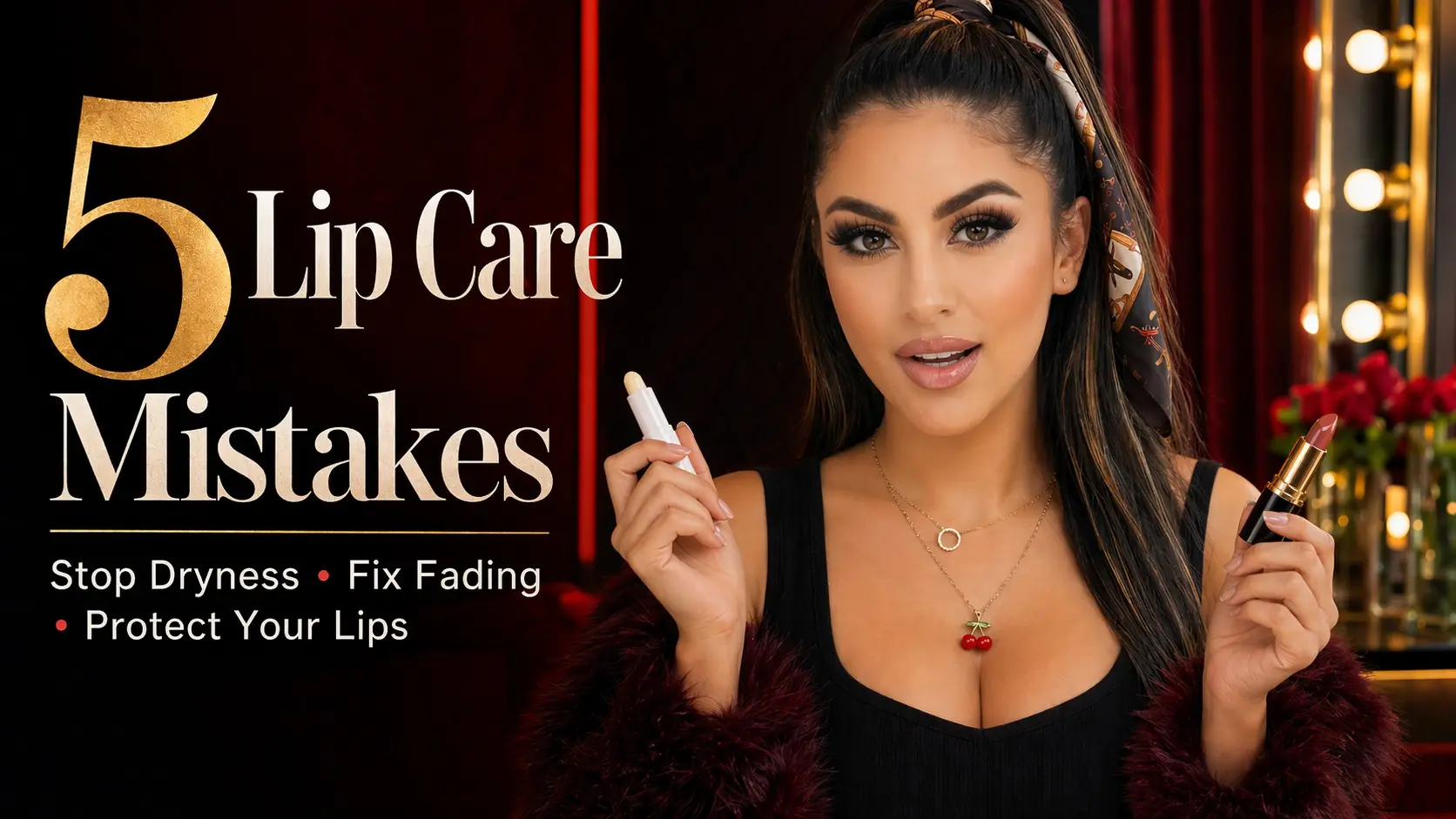
Healthier lips are achievable for everyone. The five mistakes covered in this article—habitual lip licking, overusing plumping products, skipping sun protection, getting exfoliation wrong, and using the wrong products in the wrong order— are all fully correctable. Each one has a clear, evidence-backed solution that does not require a complicated routine or expensive products.
Start by auditing what you are currently doing. Check your balm for irritating ingredients. Add an SPF lip balm to your morning routine if you have not already. Introduce gentle exfoliation once a week and follow it immediately with deep moisture. Commit to an overnight lip mask at least five nights a week until your baseline lip condition improves.
When choosing lip colour, let the occasion guide the product. Reach for a nourishing gloss for everyday wear. Choose a liner-plus-lipstick combination for more polished looks. Reserve long-wear liquid lips for situations where durability is genuinely the priority. Always prep with balm, prime with liner, and remove thoroughly at day’s end.
Most women notice measurable improvements in lip texture and hydration within seven to ten days of correcting their routine. Stay consistent, choose ingredients thoughtfully, and your lips will reward you with the soft, smooth, healthy pout you have been aiming for all along.
RELATED ARTICLES:
The 10 Most Common Lip Care Mistakes: How to Fix Them
Top 5 Hair Care Mistakes You Might Be Making
5 Skincare Mistakes You Didn’t Know You Were Making (And How to Fix Them!)
What lip colour suits you best according to the tone of your hair? Find Out!
Lip Sunscreen: Why Your SPF Routine Stops Too Soon
About The Author

COMMENTS