


Lip care outdoor is the most-overlooked detail in every hiker, skier, runner, and beach-day routine, yet it is the one that ages your lips fastest. UV
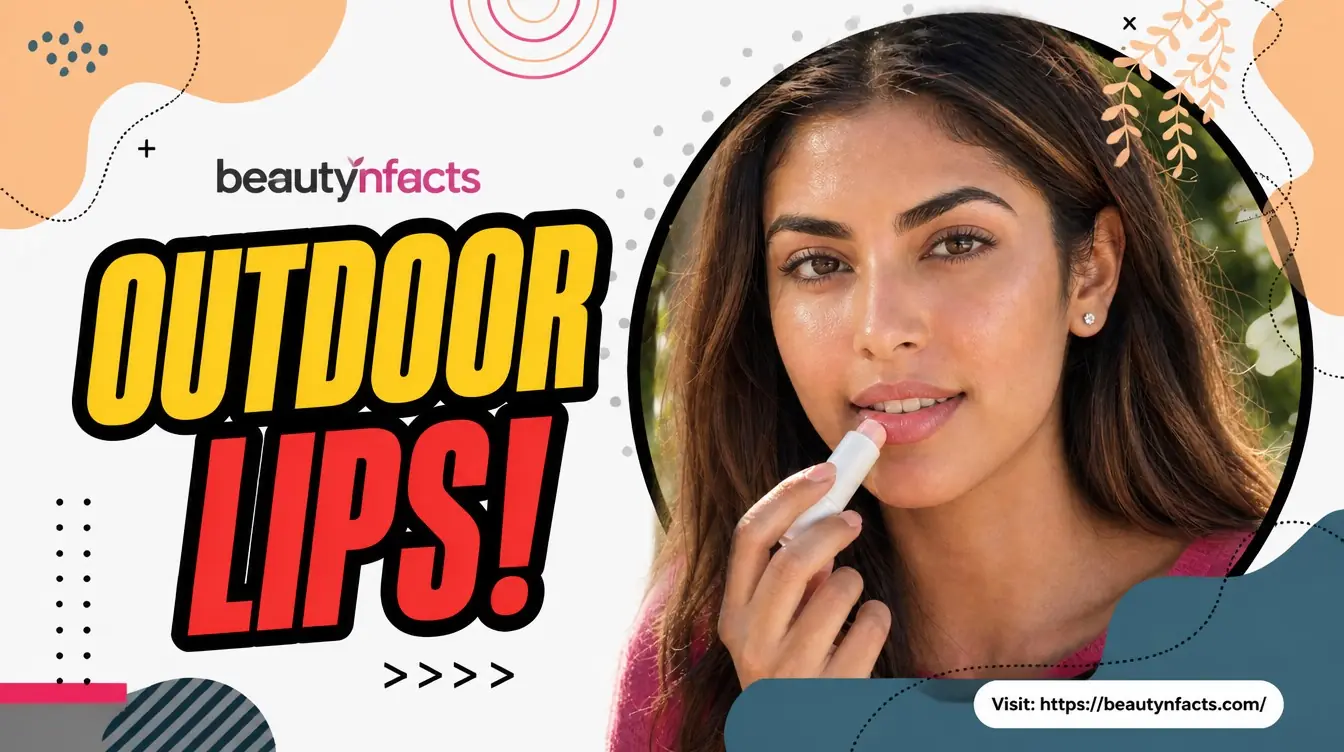
Lip care outdoor is the most-overlooked detail in every hiker, skier, runner, and beach-day routine, yet it is the one that ages your lips fastest. UV rays cause more permanent damage to lip tissue than almost anywhere else on your face, wind strips moisture in minutes, and cold air cracks the barrier open. This guide covers the SPF balms, recovery products, and layering technique that protect your lips.
Published · Updated
Lip care outdoor routines are a non-negotiable part of any adventure kit. They are as essential as sunscreen or a water bottle. The right products and habits keep your lips soft, sealed against the elements, and ready for anything you throw at them. Whether you wear colour outdoors or prefer a clean look, your lip health directly affects your comfort and confidence on every trail, slope, or shoreline.
This guide gives you everything you need. You will learn why outdoor conditions damage lips so aggressively, which products to use and when, and how to treat lips after a tough day outside. You will also find activity-specific advice for hiking, skiing, swimming, and camping. Every section includes practical steps you can apply immediately, whether you are heading out tomorrow morning or preparing for a longer expedition.
Why Outdoor Conditions Are Harsh on Your Lips
The Biology of Lip Skin
Lip skin is fundamentally different from the skin on the rest of your face. It has no hair follicles and no sweat glands. That means it produces no natural oil layer to protect itself. The stratum corneum, the outermost barrier layer of skin, is far thinner on the lips than anywhere else on the body. Some studies estimate it is three to five times thinner than facial skin.
This thin barrier allows transepidermal water loss at a much higher rate. Moisture evaporates quickly. The lips rely almost entirely on external product application to stay hydrated. In an indoor, humidity-controlled environment, this is manageable. Outdoors, the equation changes dramatically.
The vermilion border, the defined edge where lip skin meets facial skin, is especially vulnerable. It contains almost no melanin-producing cells. This means it absorbs UV radiation without the natural protection the rest of your face carries. It is prone to sunburn, long-term UV damage, and, in cases of chronic unprotected sun exposure, a pre-cancerous condition called ‘actinic cheilitis’. This biological reality is why outdoor lip protection is a genuine health priority, not a cosmetic afterthought.
How Wind and Cold Strip Moisture
Wind is one of the most aggressive dehydrators your lips encounter outdoors. It accelerates evaporation from the lip surface continuously. Even mild wind speeds increase transepidermal water loss noticeably. On a gusty trail day or during a downhill ski run, the effect compounds with every minute of exposure.
Cold air holds less moisture than warm air. When temperatures drop below freezing, the air becomes extremely dry. Every breath draws moisture away from your lips. Cold also causes vasoconstriction, reducing blood flow to surface tissues. Less circulation means slower cell repair and a diminished ability to heal cracked or broken skin.
Wind and cold together create a particularly damaging cycle. The surface dries out. You lick your lips instinctively. Saliva contains digestive enzymes that further break down the thin skin. The moisture from the saliva evaporates faster than before, leaving lips drier than they were before the lick. This lick-dry cycle is one of the leading causes of chronic chapping in outdoor athletes. Awareness of the cycle is the first step toward breaking it. Products with a strong occlusive base interrupt it by sealing the surface so the urge to lick diminishes.
UV Damage and Why Lips Burn Easily
Your lips can sunburn. Many people do not realise this until they feel the tight, sore aftermath of a long day outside without SPF lip protection. The lower lip is particularly exposed because of its angle relative to the sun. It receives more direct radiation than the upper lip throughout most of the day.
UV-B rays cause immediate sunburn. UV-A rays penetrate deeper and cause collagen degradation and long-term structural skin damage. Without melanin for protection, lip skin absorbs both types readily. Repeated sunburn thickens the vermilion border over time, changes its texture, and causes permanent discolouration. In extreme cases, chronic UV exposure on the lips contributes to squamous cell carcinoma, making SPF protection a genuine health concern rather than a cosmetic nicety.
High altitude amplifies every UV risk significantly. UV radiation increases by roughly 10 to 12 percent for every 1,000 metres of elevation gained. Hikers and climbers at altitude face dramatically higher UV exposure than the same activity at sea level. Snow reflects up to 80 percent of UV radiation, nearly doubling exposure on snowy terrain. Both scenarios demand higher SPF and more frequent reapplication than most people apply in practice.
Lip Care Outdoor Essentials: Your Starter Kit
Lip Balm vs. Lip Ointment: Know the Difference
Lip balm and lip ointment serve different purposes. Knowing when to use each prevents both under-protection and over-reliance on the wrong product for the conditions you face.
Lip balm is the everyday standard. It provides a lightweight moisture barrier, usually built on a base of beeswax, carnauba wax, or synthetic waxes. Balms spread easily, absorb quickly, and feel comfortable during activity. They suit moderate weather conditions, including mild wind, light sun, and cool temperatures. Most SPF lip products fall into this category.
Lip ointment is a heavier, occlusive product. Petroleum-based ointments like pure petrolatum or thick lanolin formulas create a near-impermeable seal over the lip surface. They lock in existing moisture rather than adding it. In extreme cold, high wind, or after significant lip damage, ointments outperform balms because they physically prevent water from escaping. Apply a hydrating balm first, then seal with ointment on top for maximum protection in harsh conditions. Do not confuse occlusive ointment with standalone hydration. If your lips are already dry, applying ointment alone traps dryness inside. Hydrate first, then seal. This two-step sequence is the foundation of serious cold-weather lip care.
SPF Lip Products: What the Labels Mean
SPF stands for Sun Protection Factor. It measures how much longer you can stay in the sun before UV-B radiation causes damage, compared to unprotected skin. SPF 15 blocks about 93 percent of UV-B rays. SPF 30 blocks about 97 percent. SPF 50 blocks about 98 percent. The difference between 30 and 50 is real but modest in percentage terms.
For outdoor activity, choose SPF 30 as your minimum. If you are at altitude, on snow, near reflective water, or spending more than two hours outside, move to SPF 50. Water-resistant formulas matter for any activity involving sweat or water contact. A product labelled ‘water-resistant for 80 minutes’ still needs reapplication after that window, regardless of how it feels on the lips.
Many SPF lip products contain only UV-B filters. Look for products that specify broad-spectrum protection, which covers both UV-A and UV-B. Ingredients like avobenzone, zinc oxide, and titanium dioxide provide broad-spectrum coverage. Zinc oxide and titanium dioxide are physical blockers that sit on top of the skin. They are often preferred for sensitive skin and for high-UV environments because they degrade more slowly than chemical filters under intense sunlight.
Lip Oils and Their Role in Outdoor Protection
Lip oils sit between balm and gloss as a hybrid product type. They deliver a lightweight layer of nourishment from plant-based oils, including jojoba, rosehip, marula, and sweet almond. These oils closely mimic the natural lipids in skin and absorb faster than waxes. Outdoors, lip oils function best as a layering product applied over a balm to boost moisture content and add a natural sheen.
Some lip oils now include SPF, making them a functional outdoor choice for those who want hydration and sun protection with a glossy finish. They are particularly effective in dry climates and at altitudes where constant moisture replenishment matters throughout the day.
Avoid traditional lip gloss without hydrating ingredients during outdoor activity. Classic gloss formulas are primarily cosmetic and can actually attract UV rays to the lip surface. Without SPF, a shiny gloss in direct sun amplifies UV exposure rather than protecting against it. If you prefer a glossy look outside, choose a lip oil with SPF, or layer a clear gloss only over a full-coverage SPF balm that has been given time to set. The base protection must come first.
Exfoliation and Prep: The Foundation of Healthy Lips
How Often to Exfoliate for Outdoor Enthusiasts
Exfoliation removes dead skin cells that accumulate on the lip surface. Without regular removal, these cells create a rough, flaky layer that blocks product absorption and causes chapping to worsen under outdoor stress. For outdoor enthusiasts, the higher rate of moisture loss accelerates dead cell buildup, meaning your exfoliation schedule needs to be consistent rather than occasional.
Exfoliate once or twice per week during periods of heavy outdoor activity. In very cold or windy conditions, the lip surface can become raw and sensitive, so pull back to once weekly to avoid over-exfoliation. During summer hiking or beach seasons, twice weekly works well for most people. Pay attention to how your lips feel after each session. Slight smoothness and warmth are normal. Soreness or tightness signals you have been too aggressive or too frequent.
Never exfoliate cracked, bleeding, or severely chapped lips. Open skin cannot be scrubbed safely. Heal the damage first with ointment and rest, then resume exfoliation once the surface has repaired itself fully. Exfoliating broken skin introduces bacteria into the wound, increases irritation, and significantly delays healing.
DIY vs. Store-Bought Lip Scrubs
Both options work well when used correctly. Store-bought scrubs offer convenience and consistent formulation. Look for scrubs that combine a physical exfoliant like fine sugar with a conditioning agent like shea butter, honey, or vitamin E oil. Avoid scrubs made with large or sharp particles, including crushed walnut shells or coarse sea salt, as these can create micro-tears in delicate lip tissue that are too small to see but large enough to cause irritation and accelerated moisture loss.
A simple DIY scrub requires only two ingredients: fine white sugar and a carrier oil such as olive oil, coconut oil, or honey. Mix one teaspoon of sugar with half a teaspoon of your chosen carrier. Rub gently onto your lips in small circular motions for about thirty seconds. Rinse thoroughly and apply balm immediately after. The key to effective exfoliation is gentleness. You are loosening dead cells, not grinding down healthy tissue. Apply minimal pressure and let the sugar crystals do the work.
After exfoliation, your lips are temporarily more porous and absorb balm ingredients faster than at any other time. This window is your best opportunity to apply a rich hydrating treatment. The smoothed surface also holds lip colour more evenly and improves the longevity of any lip product you apply afterward.
Priming Lips Before Activity
Prepping your lips before heading outside adds a critical extra layer of defence. Properly prepared lips hold product longer, stay hydrated under stress, and resist environmental damage more effectively. Think of it as preparing a surface before you paint it. Preparation determines how well everything applied afterwards performs.
Start the night before a demanding outdoor day. Apply a thick lip mask or a generous layer of petroleum-based ointment before sleep. Overnight recovery maximises absorption when lips are at rest and the body’s repair processes are active. You wake with softer, more resilient lips that are better positioned to handle hours of outdoor exposure.
On the morning of your activity, exfoliate if it is your scheduled day. Then layer products in this order: first a hydrating serum or vitamin E oil if you have one, then your SPF balm, then an ointment layer if conditions are extreme. Let each layer settle for a minute before applying the next. This order ensures each product functions correctly and the layers bond properly to each other rather than sliding off.
Sun Protection for Lips: Your Outdoor Lip Care Shield
Choosing the Right SPF Level
Match your SPF level to your actual conditions rather than defaulting to the same product regardless of environment. A short walk in mild sunshine warrants SPF 15 at minimum. A full-day hike at 3,000 metres elevation on a clear summer day demands SPF 50, reapplied every 90 minutes. Use conditions as your guide.
Consider the reflection factor of your environment carefully. White sand reflects up to 25 percent of UV radiation. Snow reflects up to 80 percent. Water reflects around 10 percent. Any reflective surface amplifies your UV exposure beyond what direct sunlight alone delivers. In these environments, upgrade your SPF regardless of cloud cover. UV rays penetrate cloud cover at up to 80 percent intensity, which means an overcast ski day is still a high-UV day for your lips.
Tinted SPF lip products serve double duty outdoors. They provide sun protection while delivering a hint of colour. For outdoor days when you want some polish without a full lip look, a tinted balm in SPF 30 or 50 is a practical, low-maintenance choice that simplifies your kit and reduces the number of products you carry.
Reapplication Rules for Active Days
Reapplication is where most people fail their lip-protection routine. Applying SPF lip balm once in the morning and forgetting it provides protection for roughly 90 minutes of direct sun exposure. After that window, UV-B filters degrade, and the product layer thins from sweat, eating, drinking, and physical contact.
On active outdoor days, reapply every 60 to 90 minutes. Set a timer on your watch or phone if needed. Keep your lip product accessible, in a jacket pocket, clipped to a carabiner, or in a small belt pouch. The goal is to make reapplication as frictionless as possible so you actually follow through rather than skipping it when you are tired or absorbed in the activity.
After swimming, eating, or drinking, reapply immediately regardless of where you are in your regular schedule. Water resistance ratings are measured in controlled conditions. Real sweating during a hard uphill hike, or repeated sips from a water bottle, degrades protection faster than standard testing assumes. Treat post-contact reapplication as a firm rule.
Tinted SPF Lip Products for Color and Protection
Tinted lip products with SPF have improved dramatically in recent years. Modern formulas combine meaningful sun protection with real colour payoff across three main formats: tinted balms, sheer moisturising lipsticks with SPF, and tinted lip oils with SPF. Each suits a different need.
Tinted balms prioritise moisture and protection with a wash of colour. They suit low-maintenance outdoor days and work well for hiking, running, or camping trips. Sheer moisturising lipsticks with SPF add more pigment while still offering hydration and sun protection. They stay comfortable during moderate activity and require less frequent touch-up than traditional lipsticks because the moisturising base prevents them from drying out and cracking.
Avoid matte lipsticks for outdoor use. Matte formulas contain high concentrations of oil-absorbing powders and have almost no moisture content. They dehydrate lips faster than the outdoor environment does on its own. In warm, dry, or windy conditions, a matte lip look cracks and feathers within hours. Save matté formulas for controlled indoor settings where they can perform at their best without fighting the elements.
Lip Care Outdoor Tips for Every Activity
Hiking and Trail Running
Hiking presents a combination of UV exposure, physical exertion, sweat, and progressive dehydration that affects lips throughout the day. Start every hike with freshly prepared lips and a full SPF balm application. Place a backup balm in your hip-belt pocket or clipped to a carabiner for zero-friction reapplication on the move.
Elevation gain increases UV intensity steadily. If your hike involves significant altitude gain, increase your SPF level and shorten your reapplication interval as you climb. At 2,500 metres and above, treat your lips the same way a serious alpinist treats skin protection: consistent, methodical, and never skipped.
Trail runners face additional challenges beyond standard hikers. Heavy breathing through the mouth during hard efforts dries lips faster than light exertion does. Sweat running from the forehead and cheeks onto the lip surface removes product. Wind resistance at running pace compounds drying further. For trail runners, a water-resistant balm with SPF 50 applied generously before the run and reapplied at every aid station or planned stop is the minimum viable protection strategy.
Carry electrolyte drinks on long hikes rather than plain water alone. Severe dehydration manifests in lips as extreme dryness that no external product can fully counteract. Internal hydration is the foundation everything topical builds on. When your body is dehydrated at a cellular level, lip skin loses moisture from within and from without at the same time, and no amount of balm application overcomes that deficit.
Skiing, Snowboarding, and Cold-Weather Sports
Cold-weather sports demand the most aggressive lip protection of any outdoor activity category. You face sub-zero temperatures, high-speed wind chill from descents, intense UV reflection off snow, and dry pressurised air inside gondolas and lodges. Each factor strips moisture at a different rate, and their effects combine throughout the day.
Apply a thick ointment base before putting on your helmet or balaclava. The mechanical friction of face coverings removes topical products faster than air exposure alone. An occlusive ointment layer resists this better than a soft balm. If wearing a face covering, apply balm underneath it and check your lips at every lift ride or planned break.
The UV exposure at ski resorts is genuinely extreme. Many ski resorts sit above 1,800 metres. Combined with snow reflection, your lips receive more UV radiation during a full ski day than during a comparable day at the beach. Use SPF 50 as your floor and reapply after every run if you are doing multiple long descents. Bring the product in your ski jacket inner pocket, not buried in a bag at the base lodge.
After skiing, apply a rich overnight lip mask to recover from the day’s cumulative damage. Cold and dry air cause progressive moisture depletion over a ski week that becomes obvious by day three or four as severe chapping and peeling. Consistent overnight treatment prevents this buildup and keeps lips functional and comfortable throughout your entire trip rather than having to manage a crisis midway through.
Water Sports and Beach Days
Water sports present unique challenges because every immersion actively removes topical products from your lips. Swimming, surfing, paddleboarding, and kayaking all involve repeated water contact. Salt water and chlorine are both drying agents on their own. Combined with sun exposure and wind off the water, they create a rapid dehydration environment that demands a specific product strategy.
Choose water-resistant formulas rated for at least 80 minutes of water exposure. Even then, reapply every time you exit the water for a break. Apply product to dry lips, not wet ones. Water on the surface dilutes the formula and prevents proper adhesion to the lip surface, meaning the product slides off almost immediately rather than forming a protective layer.
Zinc oxide-based SPF lip products work particularly well for water sports. The physical blocker sits on the lip surface rather than absorbing it. It is more resistant to being washed away than chemical filter products. Modern zinc oxide formulas minimise the chalky white appearance without sacrificing protection, making them a practical choice for a beach or surf day where aesthetics still matter.
After a beach or water sports day, rinse your lips thoroughly with fresh water before applying your recovery products. Salt and chlorine residue on the lip surface continues to draw moisture out after you leave the water. A clean surface ensures your balm or ointment works directly on lip tissue rather than sitting on a layer of residue.
Choosing the Right Lip Product for Every Outdoor Scenario
Lip Balm for Daily Outdoor Use
Standard lip balm is your daily anchor product for outdoor life. It covers most conditions adequately when you choose the right formula. For everyday outdoor use, look for balms that combine SPF 30 or higher with key moisturising ingredients. Shea butter provides rich emollience. Vitamin E acts as an antioxidant and moisture retainer. Lanolin mimics the skin’s natural oils closely. Beeswax forms the structural base of most effective balms and creates a durable, weather-resistant protective layer.
Avoid balms that list alcohol high on the ingredient list, as alcohol is a drying agent. Check labels for camphor or menthol if you have sensitive lips, since both create a cooling sensation that triggers the impulse to lick, worsening moisture loss over time. Fragrance-free formulas minimise irritation risk and are appropriate for all skin types, including those prone to contact reactions.
For multi-day trips, pack more balm than you think you need. A standard lip balm tube runs out faster than expected with hourly reapplication across multiple days. Carry two tubes minimum on any trip longer than 24 hours, and keep them in separate locations so you never lose access to both at once.
Moisturizing Lipstick and Tinted Balms for Active Wear
Moisturising lipsticks and tinted balms fill the gap between pure function and aesthetics. They suit outdoor enthusiasts who want a put-together look without sacrificing lip health. The key distinction from traditional lipstick is the formula. Moisturising lipsticks prioritise hydrating ingredients, including hyaluronic acid, ceramides, and plant butters, alongside the pigment.
Sheer and satin-finish moisturising lipsticks are the better choices for outdoor wear over full-coverage matte formulas. A satin formula maintains a light film of moisture and does not grip the lip surface as tightly, which means it moves naturally with lip movement without cracking or dragging. Apply over a balm base for maximum longevity and comfort through hours of outdoor activity.
Tinted balms offer the most forgiving wear for active outdoor days. Because they are not trying to deliver high pigment concentration, the formula stays flexible, moisturising, and breathable. Reapplication is easy and fast. Colour fades gracefully rather than patchily, avoiding the uneven half-worn look that full lipsticks develop after a few hours of active outdoor use. For hiking, camping, or any high-exertion activity, a tinted balm outperforms traditional lipstick in every practical measure.
Avoiding Feathering and Fading Outdoors
Feathering happens when lip colour bleeds into the fine lines around the mouth. It becomes worse outdoors because heat, sweat, and facial oils soften lip products and break their surface tension. Lip liner applied around the mouth perimeter before lipstick creates a physical boundary that prevents product migration.
Choose a lip liner that matches your lipstick closely, then fill in the entire lip surface rather than just outlining the border. A full-liner base gives the lipstick a textured surface to grip, dramatically extending wear time and sharpening the edge against the surrounding skin. In hot or humid outdoor environments, lining the full lip is the single most effective step against feathering.
Fading occurs across the entire lip surface and is most visible with bold or dark colours. Outdoor factors, including eating, drinking, sun exposure, and sweat, all accelerate colour loss. Apply two thin layers of lipstick rather than one thick layer for better staying power. Blot with a clean tissue between layers to remove excess product while keeping concentrated pigment on the surface. Touch up every two to three hours outdoors, keeping the product in your pack or jacket pocket for quick access without needing to unpack your full kit.
Healing Chapped and Damaged Lips After Outdoor Exposure
Overnight Repair Treatments
The night after a demanding outdoor day is your best recovery window. Skin repair activity peaks during sleep. Applying a rich treatment before bed maximises that natural cycle. Remove all remaining lip product with a gentle makeup remover or micellar water first. Clean skin absorbs treatment ingredients far more effectively than skin coated in dried balm residue.
Apply a generous layer of a targeted overnight lip mask. Quality lip masks combine three functions: occlusive ingredients to seal moisture in, humectants to draw water molecules to the surface, and skin-repairing actives to rebuild the barrier. Look for products containing ceramides, which restore the structural lipid barrier, squalane, which mimics skin lipids and penetrates quickly, and panthenol or provitamin B5, which accelerates surface cell repair.
If you do not have a dedicated lip mask, plain petroleum jelly is a clinically supported alternative with decades of evidence behind it. It does not hydrate on its own but creates an occlusive seal that prevents further water loss overnight. When layered over a hydrating serum or applied to already-moisturised lips, it locks in that moisture effectively through the entire sleep cycle.
When to Use Lip Masks vs. Ointments
Lip masks and ointments serve different stages of recovery. Use a lip mask when your lips feel dry and tight but are not visibly cracked or broken. Masks contain active ingredients that work over an extended contact period, typically 15 minutes for rinse-off versions or overnight for sleep masks. They address the surface layer of dryness and leave lips noticeably softer within a few consistent applications.
Use ointment when lips are actively chapped, cracking, peeling, or showing any broken skin. In this state, the priority is to stop further damage and create conditions for healing. An occlusive ointment seals the wound environment, prevents bacteria from entering, and reduces the pain and tightness of cracked skin. Healing requires protection first, active treatment second.
Transition from ointment back to mask and regular balm once visible cracking has resolved and the skin surface has reformed. Using a mask on broken skin too early introduces potentially irritating active ingredients to compromised tissue. Let the surface close completely before returning to active hydration treatments. This sequence respects the natural wound-healing process and produces faster results than skipping straight to treatment products.
Ingredients That Accelerate Healing
Several well-researched ingredients support faster lip recovery after environmental damage. Understanding what each does helps you choose products that genuinely accelerate healing rather than simply masking dryness with a shiny surface.
Ceramides are lipids that form the structural mortar between skin cells. Outdoor exposure depletes the ceramide content of the lip barrier. Replacing them topically directly restores barrier function and reduces ongoing water loss. Look for ceramide NP, ceramide AP, or ceramide EOP on ingredient lists. These are the forms most compatible with human skin and most studied for barrier repair efficacy.
Allantoin is a compound found naturally in plants like comfrey. It softens dead skin cells while stimulating the growth of new healthy cells beneath them. In lip products, it accelerates the removal of damaged surface tissue and encourages fresh, smooth skin to replace it. It is particularly effective for severe chapping and for the rough, scaly lip texture that develops after prolonged cold-weather exposure.
Lanolin is a wax derived from sheep’s wool that closely mimics human skin lipids in composition. It provides both occlusive protection and genuine emollient softening that lighter waxes cannot match. Research consistently supports lanolin as one of the most effective ingredients for healing dry and cracked skin. It suits most skin types well, though a small percentage of people with lanolin sensitivity may experience mild reactions and should patch test first.
Vitamin C applied topically supports collagen production and addresses discolouration from UV damage. After a season of intense sun exposure, lips can develop uneven pigmentation or a dulled tone. A lip serum or treatment containing stabilised vitamin C, such as ascorbyl glucoside or sodium ascorbyl phosphate, used consistently over several weeks can visibly brighten and even out lip colour without any aggressive treatment.
Long-Term Lip Health Habits for Outdoor Enthusiasts
Hydration from the Inside Out
No topical product fully compensates for inadequate internal hydration. Your lips are among the first visible signs of systemic dehydration. When you are even mildly dehydrated, your body redirects water from the skin and lips to support critical organ function. Lip moisture depletes first because lip tissue has no reservoir of its own to draw from.
Aim to drink enough water to keep urine a light straw colour throughout the day. On active outdoor days, increase your intake to account for sweat loss. In cold environments, it is easy to underestimate water needs because the thirst sensation diminishes in the cold. But cold and dry air at altitude increases respiratory moisture loss significantly with every breath. Drink consistently on a schedule rather than waiting for thirst signals to prompt you.
Electrolytes support hydration at the cellular level in ways plain water cannot. When you sweat heavily, you lose sodium, potassium, and magnesium alongside water. Replacing water without electrolytes creates dilution that impairs cell function and reduces the body’s ability to hold hydration in tissue. On long outdoor days, incorporate electrolyte supplements, diluted sports drinks, or electrolyte-rich foods into your hydration routine alongside plain water.
Nutrition and Lip Health
Certain nutritional deficiencies manifest directly in lip condition. Angular cheilitis, the cracking and soreness at the corners of the mouth, is frequently linked to deficiencies in riboflavin (vitamin B2), iron, or zinc. If you experience persistent corner cracking that does not respond to topical treatment, consider whether your diet consistently includes adequate sources of these nutrients before attributing the problem purely to environmental exposure.
Vitamin E is a fat-soluble antioxidant that protects cell membranes from oxidative damage. Outdoor enthusiasts experience increased oxidative stress from UV exposure and high-intensity physical effort. Dietary vitamin E from sources including almonds, sunflower seeds, avocado, and olive oil supports skin cell resilience from within. It works synergistically with the topical vitamin E in your lip products to reinforce the same protective mechanism from two directions simultaneously.
Omega-3 fatty acids, found in oily fish, flaxseed, chia seeds, and walnuts, support the lipid content of all skin, including the lips. A diet consistently rich in omega-3s helps maintain the skin’s natural barrier function and reduces transepidermal water loss over time. The effect builds over weeks and months, making consistent dietary intake more valuable than occasional supplementation taken only before a specific trip.
Building a Daily Lip Care Routine
Consistency separates people who maintain healthy lips through an entire outdoor season from those who constantly battle dryness and damage. A simple daily routine requires only minutes but makes a significant cumulative difference across a season of regular outdoor activity.
In the morning, apply a hydrating serum or lip oil first, then layer your SPF lip balm over it. This base applies every day, not just on days with planned outdoor activity. UV exposure accumulates during short errands, commutes, and brief time outside. Treating every day as a sun exposure day closes the gaps in your annual UV protection total.
During outdoor activity, reapply your SPF balm every 60 to 90 minutes, or immediately after any water contact, meal, or drink. This step matters more than any other single action in your routine. It is also the most commonly skipped one. Keep the product accessible in a pocket rather than packed away so the barrier to reapplication is as low as possible.
In the evening, remove all lip product and exfoliate if it is your scheduled day, then apply a repair treatment, lip mask, or ointment. This recovery step directly reverses the day’s accumulated damage and prepares lips for the next day outside. Weekly, use your exfoliation session to assess overall lip condition. If dryness is worsening despite daily care, review your SPF level, your water intake, and whether you are applying ointment in the most demanding conditions rather than relying on balm alone.
Frequently Asked Questions
Can lips actually get sunburnt?
Yes, they can. Lip skin contains almost no melanin, the pigment that provides natural UV protection in skin elsewhere on the body. This makes the lips, especially the lower lip, highly susceptible to both UV-B and UV-A radiation. A sunburnt lip feels tight, swollen, and sore and may develop small fluid-filled blisters in severe cases. Chronic unprotected sun exposure contributes to long-term changes in lip texture and pigmentation and significantly increases the risk of lip cancer over time. Using a lip product with verified broad-spectrum SPF 30 or higher every day you spend outdoors is the direct, evidence-supported preventive measure. A single day of protection matters far less than consistent, habitual use throughout every outdoor season.
How often should I reapply lip balm while hiking?
On a full hiking day with direct sun exposure, reapply your SPF lip balm every 60 to 90 minutes. Add an immediate reapplication after any water contact, meal, or drink break regardless of where you are in your regular schedule. At higher altitudes, shorten the interval to 45 to 60 minutes because UV intensity increases meaningfully with each additional 1,000 metres of elevation. The most common mistake is applying once at the trailhead and not reapplying until lips are already noticeably uncomfortable. By that point, UV damage and moisture loss have been accumulating for hours. Proactive reapplication before you feel dry is always more effective than reactive application once chapping has begun.
What is the best lip product for skiing?
The best ski lip product combines an occlusive base with broad-spectrum SPF 50. Look for formulas built on petrolatum or lanolin rather than lighter waxes. Occlusive ingredients withstand cold temperatures and wind chill better than soft balm bases, which can become thin and ineffective quickly in freezing conditions. Physical sunscreen ingredients, specifically zinc oxide or titanium dioxide, hold up better on the slopes than chemical filters because physical blockers degrade more slowly under high UV conditions. Apply a thick layer before pulling on any face covering, and reapply at every lift and break throughout the day. An overnight lip mask every evening of your ski trip prevents the cumulative dryness that sets in progressively by midweek when daily damage is not consistently reversed.
How do I stop lip colour from fading and feathering outdoors?
Start with exfoliated lips for a smooth, even surface. Apply a lip liner in a shade matching your lipstick and fill in the entire lip, not just the outer edge. This creates a textured base for pigment to grip and a firm physical boundary that prevents colour from migrating into surrounding fine lines. Apply two thin lipstick layers and blot with a tissue between them to remove excess product while keeping concentrated pigment on the surface. Choose satin or creamy moisturising formulas over matte for any outdoor wear, since matte formulas dry out and crack in heat and wind, producing an uneven and faded appearance within a few hours. Keep your lip product accessible for touch-ups every two to three hours, and avoid touching your lips together unnecessarily between applications, since repeated lip contact and friction accelerate fading faster than most environmental factors.
Are natural or organic lip balms as effective as conventional ones for outdoor use?
Natural and organic lip balms can be highly effective outdoors, but their efficacy depends entirely on the specific formulation rather than the natural or organic label itself. Beeswax, shea butter, cocoa butter, and plant oils are natural ingredients with strong evidence for moisturising and protective benefits. The critical factor for outdoor use is whether the product includes verified SPF protection. Many natural balms do not include proper sun filters or use only plant oils with minimal inherent SPF, sometimes equivalent to SPF 4 to 8. This level of protection is insufficient for direct sun exposure. For outdoor use, confirm the product carries a verified, tested SPF rating clearly stated on the label, not an estimate based on ingredient properties. A beautifully formulated natural balm without adequate SPF is not adequate outdoor lip protection, regardless of the quality of its other ingredients.
Conclusion
Your lips face a constant battle against the outdoor environment. Sun, wind, cold, salt water, and altitude all work against them from different angles and at different rates. The good news is that a consistent, well-chosen routine addresses every one of these threats effectively without requiring a complex or expensive kit.
The core habits are straightforward. Exfoliate regularly to maintain a smooth, product-receptive surface. Hydrate from within through consistent water intake, electrolytes, and a nutrient-rich diet. Apply broad-spectrum SPF lip protection every day you go outside, and reapply on a firm schedule throughout any active day. Use activity-specific products for extreme conditions, ointment over balm in the cold, water-resistant formulas for water sports, and higher SPF at altitude. Recover overnight with targeted repair treatments to reverse cumulative damage before it compounds.
Choose your cosmetic lip products based on the specific conditions you face. Avoid matte formulas in heat or cold and prioritise moisturising, flexible finishes for any active outdoor wear. Use liner to prevent feathering before it starts. Layer products strategically rather than relying on any single item to do everything.
Start with one solid SPF balm, one rich overnight ointment, and a commitment to consistent reapplication. Build from there as your outdoor activities demand more specialised protection. Applied consistently with the right products, these habits give you lips that stay healthy, comfortable, and strong through every adventure you take on.
RELATED ARTICLES:
Lip Sunscreen: Why Your SPF Routine Stops Too Soon
Milk Tea Lips & Blurred Edges 2025: The Work-Ready Lip Care Look That Lasts Through Coffee
Lip Oils vs Lip Gloss: Which One is the Best for You?
What Lip Colour Suits You Best According to the Tone of Your Hair? Find Out!
How to Keep Your Lips Looking Young: Anti-Aging Lip Care Tips
About The Author

COMMENTS