

A consistent lip care routine quietly does more for the appearance of your mouth than any tinted balm ever could. The skin on your lips is one-tenth a
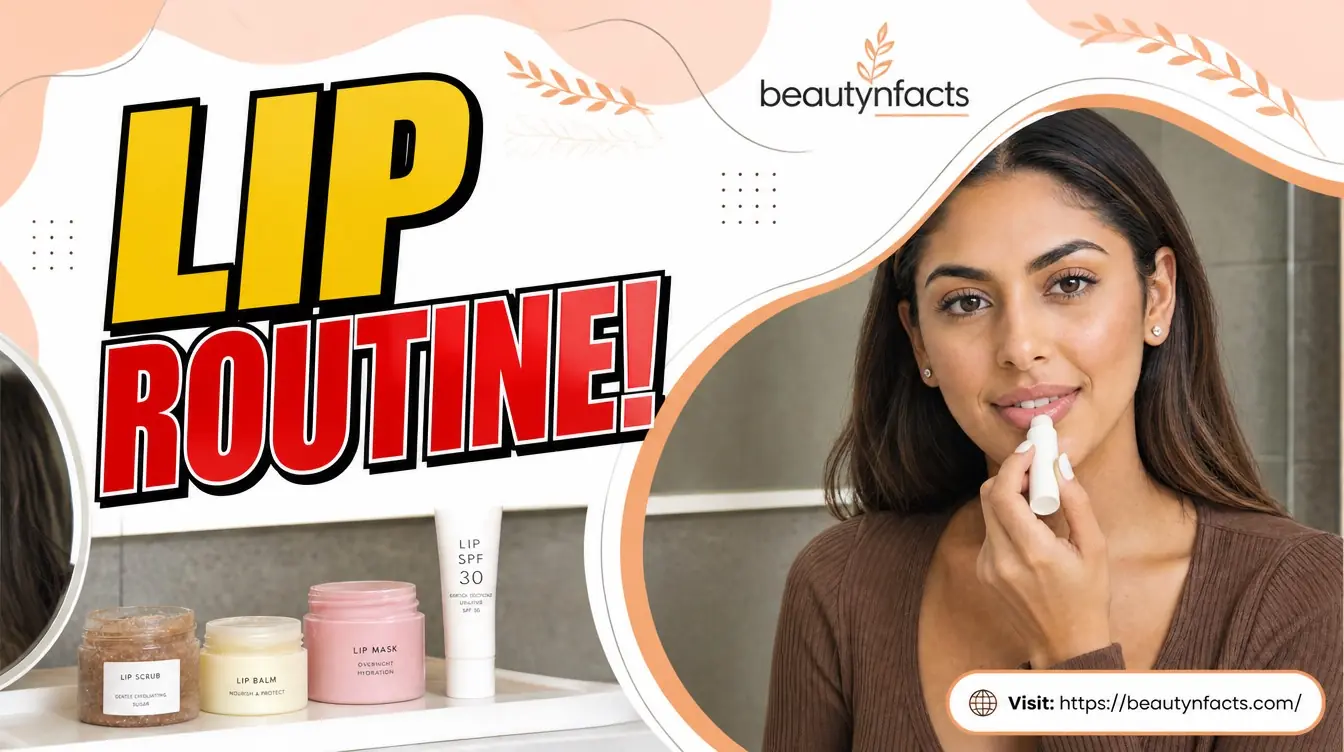
A consistent lip care routine quietly does more for the appearance of your mouth than any tinted balm ever could. The skin on your lips is one-tenth as thick as the rest of your face, has barely any oil glands, and dehydrates within minutes of cold wind, dry air, or a hot drink. This guide walks you through the exfoliation, hydration, SPF, and overnight repair steps that dermatologists actually prescribe, and shows you exactly how to layer them across your day.
Published · Updated
This guide covers everything. You will learn the science behind why lips crack and peel. You will discover the best ingredients for deep hydration and repair. You will find out how to prep your lips for makeup, from lip balm to liner, gloss, and liquid formulas. You will also build a morning and evening routine you can stick to, plus seasonal tips to keep your lips looking their best all year. Whether your biggest concern is dryness, feathering lipstick, or fading colour, this guide addresses it all with clear and practical steps.
Why Lip Care Is Essential and Often Overlooked
The Unique Biology of Lip Skin
Lip skin is structurally different from the skin on the rest of your face. Most facial skin has between 15 and 16 layers of cells in its outer layer, called the stratum corneum. Lip skin has only three to five layers. That dramatic thinness means very little stands between your lips and the environment around them.
Lips also lack sebaceous glands. Sebaceous glands produce sebum, the natural oil that lubricates and protects skin across the rest of your face and body. Without them, your lips cannot self-moisturise. Every bit of moisture they hold comes from products you apply or water you drink. Wind, dry air, and sun strip that moisture away constantly, and there is no internal reserve to replenish it.
The lip border, called the vermilion border, is where lip tissue meets facial skin. This transition zone is especially fragile. Collagen density drops sharply at this edge, which is why lips thin and lose definition with age. Protecting and nourishing this area consistently slows that process considerably.
Lips also contain very little melanin, the pigment that shields skin from ultraviolet radiation. Fair-skinned and dark-skinned people alike have minimal melanin in their lip tissue. That makes lips universally vulnerable to UV damage, regardless of overall skin tone or complexion.
What Happens Without a Consistent Routine
Without regular care, lips enter a cycle of damage that becomes harder to break over time. Dehydration is the first problem. Lips lose water to the surrounding air constantly through a process called transepidermal water loss. When you lick your lips, saliva briefly moistens the surface, then evaporates and pulls additional moisture with it. This common habit worsens dryness rather than relieving it.
Chapping follows dehydration closely. Chapped lips develop microcracks in the surface layer. These cracks allow irritants, bacteria, and environmental pollutants to penetrate more easily. That triggers low-level inflammation, which further disrupts the skin barrier. Over time, the cycle repeats and deepens, making recovery slower with each round.
Sun exposure without protection leads to cumulative UV damage. Lip skin can develop actinic keratosis, a precancerous condition that appears as rough, scaly patches on the surface. Dermatologists consistently report that the lower lip is significantly more susceptible to this condition than the upper lip because it receives more direct sun exposure throughout the day. Long-term UV damage also breaks down collagen, accelerating the loss of lip volume and lip-line definition.
Signs Your Lips Need More Care Right Now
Persistent dryness that does not resolve after a day or two signals a compromised skin barrier. Peeling that happens in layers rather than single small flakes suggests chronic dehydration. Visible cracks or any bleeding indicates more serious damage that needs immediate attention and gentle, targeted treatment.
Redness at the lip border, especially after eating certain foods or applying certain products, can point to contact irritation or a mild allergy. Fine lines radiating outward from the lip edge are another warning sign. These lines appear earlier than wrinkles elsewhere on the face precisely because lip skin is so thin. Dull, pale lips that lack natural colour indicate poor circulation and inadequate nourishment. Dark patches or uneven pigmentation often result from accumulated sun damage, recurring dryness, or post-inflammatory discolouration.
Step One in Your Lip Care Routine: Exfoliation
Why Regular Exfoliation Matters
Dead skin cells accumulate on the lip surface just as they do on the rest of your face. Unlike facial skin, which benefits from chemical exfoliants in toners and serums, lips need physical exfoliation to clear this buildup effectively. When dead cells pile up, they create a barrier that prevents moisturising ingredients from penetrating. They also give lips a rough, dull texture that makes any lip colour look patchy and uneven.
Exfoliation also stimulates circulation. The gentle massaging action brings blood flow to the surface, temporarily plumping lips and deepening their natural colour. Over time, regular exfoliation encourages faster cell turnover, which keeps the lip surface smoother between sessions and reduces the frequency of visible flaking.
Exfoliation should never happen on already-damaged lips. If your lips are cracked, bleeding, or severely chapped, skip exfoliation entirely and focus on healing first. Scrubbing compromised tissue will cause more harm than good. Wait until the surface has healed before reintroducing any physical exfoliation.
How to Exfoliate Properly
Frequency matters as much as technique. Most people benefit from exfoliating lips once or twice per week. More frequent exfoliation strips away healthy cells and creates irritation rather than improvement. If your lips are naturally smooth and well-maintained, once a week is usually sufficient.
Apply your chosen scrub to dry lips before wetting them. Use the pad of one finger and move in small, circular motions. Apply very light pressure. The granules do the work. You do not need to press hard. Continue for about thirty seconds, then rinse with warm, not hot, water. Hot water strips moisture and can increase surface sensitivity.
Follow exfoliation immediately with a nourishing balm or treatment. Freshly exfoliated lips absorb moisturising ingredients far more efficiently than unexfoliated ones. This is the ideal moment to apply a vitamin E oil, a shea-butter balm, or a dedicated lip repair treatment. Skipping this step wastes the benefits of exfoliation and leaves the freshly cleared surface vulnerable to dryness.
DIY Lip Scrubs Versus Store-Bought Options
A simple DIY scrub made from granulated sugar and honey is effective and gentle. Sugar dissolves gradually as you massage, which reduces the risk of over-exfoliation compared to scrubs with harder particles. Honey adds antibacterial and humectant properties, drawing moisture into the skin as you work. Adding a drop of almond oil or coconut oil to the mixture provides extra nourishment for the freshly cleared surface.
Store-bought scrubs offer convenience and consistent formulation. Look for products that use fine sugar, brown sugar, or walnut powder as the exfoliating agent. Coarse salt can be too harsh for sensitive lip skin. Walnut shell fragments, common in some face scrubs, can create micro-tears if the particles have irregular jagged edges rather than smooth rounded ones.
Avoid scrubs that contain alcohol, synthetic fragrance, or menthol. All three feel refreshing initially but cause drying and irritation with repeated use. Read ingredient labels carefully. Prioritise formulas with nourishing base ingredients like jojoba oil, vitamin E, or shea butter, which condition the lips during the exfoliation process rather than leaving them stripped and vulnerable.
Hydration: The Heart of Every Lip Care Routine
How Lips Lose Moisture and Why Balm Matters
As noted earlier, lips lack oil glands. This structural absence means they depend entirely on external products to maintain a protective moisture barrier. Environmental factors accelerate moisture loss considerably. Cold air, wind, low humidity, central heating, and air conditioning all pull water from lip tissue rapidly. Indoor environments in winter can have relative humidity as low as 10 to 20 percent, far below the 40 to 60 percent range that keeps skin comfortable and hydrated.
Lip balm works by forming a physical barrier on the surface. This barrier slows transepidermal water loss and traps existing moisture within the tissue. Some balm ingredients, called humectants, actively draw moisture from the surrounding air and hold it against the lip surface. Glycerin, hyaluronic acid, and honey all function as effective humectants that enhance the balm’s hydrating power.
Occlusives form the actual sealing barrier layer. Beeswax, carnauba wax, petrolatum, and shea butter are all effective occlusives. A well-formulated balm combines both humectants and occlusives for complete protection. Applying balm right after drinking water or immediately after rinsing your lips provides the best result because the occlusives seal in moisture while the surface is still slightly damp.
Choosing the Right Lip Balm for Your Needs
Not all lip balms are created equal. Some contain ingredients that feel soothing initially but cause a dependency cycle or cause irritation over time. Menthol and camphor are the most common culprits. They create a tingling sensation that signals to your brain that moisture is arriving. In reality, they are vasodilators that increase surface blood flow and can actually dry out lip tissue when used too frequently.
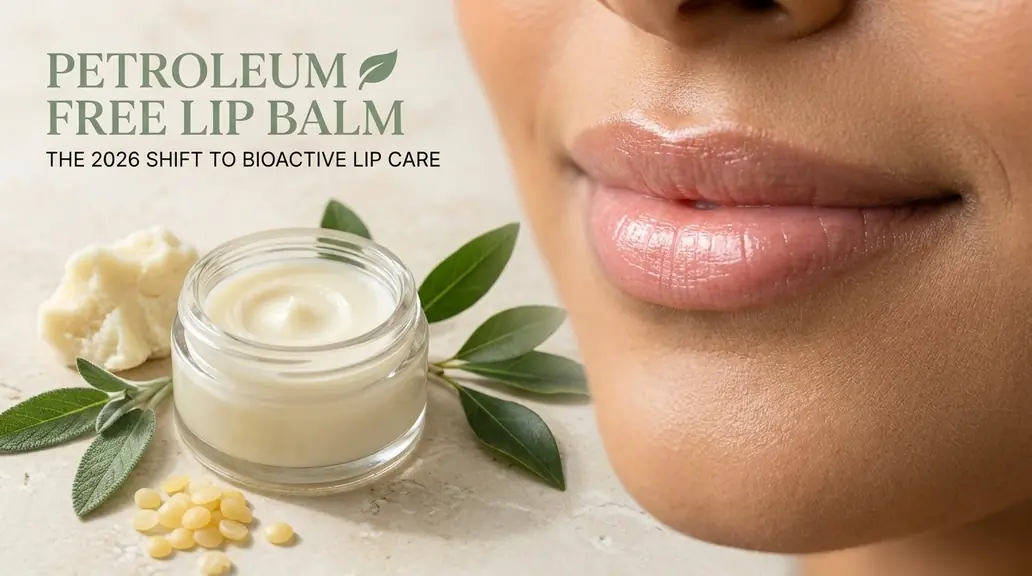
Look for lip balms with these proven, effective ingredients. Beeswax creates a durable and breathable barrier. Shea butter provides deep nourishment and contains natural anti-inflammatory compounds called triterpenes. Cocoa butter improves elasticity and has a rich, creamy texture that melts smoothly onto the lip surface. Lanolin, derived from sheep’s wool, closely mimics the skin’s own lipids and is one of the most effective lip moisturisers dermatologists recommend. Vitamin E acts as both a moisturiser and an antioxidant, protecting lip tissue from free radical damage caused by pollution and UV exposure.
If your lips are prone to sensitivity, choose fragrance-free and dye-free formulas. Cinnamon, peppermint, and citrus flavours are common lip balm additives that cause contact irritation in many users. For daytime use, choose a balm with SPF 15 or higher. For nighttime use, choose the richest and most nourishing formula you can find, prioritising repair over lightness or texture.
Overnight Hydration Treatments for Deep Repair
Nighttime is when your body repairs itself most actively. Skin cell turnover accelerates during sleep. Blood flow to surface tissue increases. Taking advantage of this window with a dedicated overnight lip treatment accelerates healing and delivers visible results faster than daytime products alone. Overnight treatments tend to be much richer than daytime balms. They prioritise deep nourishment over wearability or light texture.
Lip masks have become increasingly popular and genuinely effective for intensive care. Look for formulas containing hyaluronic acid for deep water-binding action, ceramides to restore the skin barrier layer, and peptides to stimulate collagen production over time. Apply a generous layer before bed and allow it to absorb as you sleep. Most users notice noticeably softer lips within the first few nights of consistent overnight treatment.
Pure oils work well as overnight treatments too, particularly for those who prefer minimal-ingredient options. Rosehip oil contains vitamin A and essential fatty acids that repair damaged tissue and improve texture with regular use. Argan oil is rich in vitamin E and oleic acid, making it excellent for dry and mature lips. Castor oil creates a thick, protective seal that locks in everything beneath it. Apply a thin layer of your chosen oil over a humectant balm for maximum overnight effectiveness.
Sun Protection: A Non-Negotiable Step for Healthy Lips
How UV Damage Specifically Affects Lip Tissue
The lower lip receives more cumulative sun exposure than almost any other part of the face. It angles outward and upward, catching direct UV radiation throughout the day in virtually every outdoor setting. Studies consistently show that the lower lip accounts for the vast majority of lip-area skin cancer diagnoses. The combination of thin skin, minimal melanin, and high chronic sun exposure creates significant risk that accumulates over years.
UV radiation damages collagen and elastin in lip tissue. Collagen provides the structural fullness that gives lips their shape. Elastin allows skin to spring back after movement and expression. As UV radiation breaks both proteins down, lips become thinner, develop more pronounced fine lines at the border, and lose their natural definition. This process begins in your twenties and accelerates significantly without consistent protection.
UV also triggers hyperpigmentation in lip tissue. Despite having little melanin overall, lips can develop uneven dark patches in response to repeated sun exposure, particularly following inflammation or surface injury. These patches are difficult to treat after they form. Consistent prevention is far more effective than any corrective treatment available.
Choosing and Using SPF Lip Products Effectively
SPF stands for Sun Protection Factor. A product with SPF 30 filters approximately 97 percent of UVB rays, while SPF 50 filters about 98 percent. For lips, dermatologists recommend a minimum of SPF 30. SPF 15, which is common in many lip balms, provides adequate protection only when reapplied very frequently and when sun exposure is genuinely limited to brief outdoor moments.
Two categories of UV filters appear in lip products. Chemical filters, such as octinoxate and avobenzone, absorb UV radiation and convert it to small amounts of heat. Mineral filters, such as zinc oxide and titanium dioxide, reflect UV rays away from the surface before absorption. Mineral filters are generally better tolerated on sensitive lips because they work on the surface rather than being absorbed into the tissue itself.
Reapplication is critical and often skipped. No SPF product maintains full effectiveness for more than two hours under real conditions. Eating, drinking, and talking all remove protective layers from lips continuously. Keep an SPF lip balm in your bag and reapply after every meal and every two hours during outdoor activities. Cloudy days are not safe days. Up to 80 percent of UV radiation penetrates cloud cover and reaches your skin even on overcast days.
Integrating Sun Protection Into Your Daily Routine
The simplest and most sustainable approach is choosing a tinted SPF lip balm as your everyday daytime base. Sun protection becomes part of your existing routine rather than an additional step you might forget under time pressure. Many tinted SPF balms now offer enough colour to replace casual lipstick for everyday low-key wear.
If you wear lipstick daily, apply an SPF lip balm first and allow it one full minute to begin setting before applying your colour product. The SPF layer underneath provides protection throughout the day, even as the lipstick above it gradually wears off from eating and drinking. When you touch up your lipstick midday, blot first, reapply the SPF balm, and then add fresh colour over the top.
Nourishing Your Lips with the Right Ingredients
Key Vitamins and Antioxidants for Lip Health
Vitamins play a specific and well-documented role in lip tissue health. Vitamin E is the most important topical antioxidant for lips. It neutralises free radicals generated by UV exposure and pollution, protecting cell membranes and slowing collagen breakdown. It also enhances skin barrier function and speeds up wound healing, making it especially valuable for cracked or chronically dry lips.
Vitamin C in lip products stimulates collagen synthesis and brightens uneven pigmentation over time. It works best in stable formulations, as ascorbic acid oxidises quickly when exposed to air and light. Look for lip treatments that list ascorbic acid or more stable derivatives, such as ascorbyl glucoside or sodium ascorbyl phosphate, in the first half of the ingredient list to ensure meaningful concentration.
Vitamin A derivatives, particularly retinol and retinyl palmitate, improve cell turnover and stimulate collagen production. They address fine lines at the lip border more effectively than almost any other single ingredient. Use vitamin A treatments on lips at night only, as they increase photosensitivity. Start with low concentrations if you have not previously used retinol on your lips, as the thin tissue can react with temporary redness or mild peeling during the adjustment period.
Natural Oils and Butters That Transform Lip Condition
Natural oils provide essential fatty acids that lip tissue cannot produce on its own. Fatty acids are the building blocks of cell membranes. When cell membranes are intact and well-supplied, the skin barrier functions correctly and moisture stays locked in. When fatty acids are depleted, the barrier breaks down, moisture escapes, and the cycle of dryness begins again.
Jojoba oil is technically a liquid wax rather than a true oil. Its molecular structure closely resembles human sebum, making it exceptionally well-tolerated and effective at mimicking the protective surface layer that lips cannot generate themselves. It absorbs quickly without a heavy or greasy finish and forms a light but effective barrier against environmental moisture loss.
Sweet almond oil is rich in oleic and linoleic acids, both essential for barrier repair. It also contains vitamin E and has a slightly heavier texture that makes it ideal for overnight treatment use. Marula oil contains high levels of oleic acid and antioxidants, making it excellent for combined nourishment and free radical protection. For those who tolerate it, coconut oil provides a pleasantly textured moisturiser with a naturally sweet scent, though it is comedogenic and may not suit everyone on facial areas.
Lip Masks and Treatment Serums
Dedicated lip masks are a newer product category, but the best formulations deliver genuine and measurable results. Sheet-style lip masks deliver a saturated concentration of actives directly to the lip surface in an occlusive format that maximises absorption during the treatment window. Use them two to three times per week for maintenance or nightly during periods of severe dryness or after heavy sun exposure.
Lip serums sit between balms and masks in texture and concentration. They deliver targeted active ingredients in a lighter base, making them suitable for use under lipstick or gloss without compromising colour application. Look for serums with peptides for collagen support, hyaluronic acid for deep moisture, and vitamin C for brightening. Apply a lip serum as the first step in your routine, before balm and before any colour product, to allow the actives to reach the tissue directly.
Lip Prep for Makeup: Products, Order, and Technique
Understanding Lip Product Types and Their Use Cases
Lip products fall into distinct categories, each designed for a specific purpose and situation. Understanding these differences helps you choose the right product for each occasion and layer them correctly for the best-looking and longest-lasting result.
Lip balms are first and foremost a treatment and preparation product. They prioritise moisture and barrier protection over colour and finish. Use them as the base of any lip makeup look and as a standalone product on no-makeup days. A well-applied balm smooths the surface so that colour products glide on evenly rather than catching on dry patches or rough texture.
Lip liner is a precision tool for definition and longevity. It sharpens the lip border, prevents colour from feathering into surrounding fine lines, and extends the wear of any product applied on top. A liner that matches your natural lip colour or your chosen lipstick shade creates a clean boundary that keeps pigment in place through meals and hours of wear. Slightly overdrawn liner, placed just at the outer edge of the natural lip border, creates the appearance of fuller lips without any procedure.
Lipstick delivers opaque, saturated colour in a moisturising base. Matte lipsticks deliver the most intense pigment but are the most drying formula type. Satin and cream formulas balance strong colour payoff with comfortable wear. Sheer lipsticks offer light colour and significant added moisture. Choose the formula type based on the occasion and your lip condition on that particular day. On very dry days, opt for satin or cream formulas and apply an extra layer of nourishing balm first.
Lip gloss adds shine and creates the optical illusion of greater volume. Its reflective finish makes lips appear fuller and more prominent. Glosses range from completely sheer to deeply pigmented. They are less long-wearing than most lipstick formulas but more forgiving on imperfect texture, because shine visually obscures surface dryness more effectively than matte or satin colour does. Use gloss alone for a casual, low-effort look, or press it over lipstick for added dimension and visual fullness.
Liquid lipsticks deliver intense colour in a formula that sets to a matte or semi-matte finish. They offer exceptional wear time but require well-hydrated and smooth lips for comfortable application. Dry or peeling lips show every imperfection dramatically under a liquid matte formula. Prep is especially critical with this product type. Apply a balm, let it absorb completely for at least two to three minutes, blot any excess, and then apply liquid lipstick from the centre of the lip outward using the precision of the doe-foot applicator.
The Right Order for Lip Makeup Application
Application order matters significantly for both the finished appearance and the longevity of the look. Start with lip balm and allow it at least two minutes to absorb into the surface. Blot away any excess with a tissue before moving forward. A slick or greasy lip surface causes liner to slide and lipstick to feather at the edges, which defeats the purpose of careful application.
Apply liner second. Outline the lips first to define the border clearly, then fill in the entire lip surface with the liner product. This filled-in liner base dramatically extends the wear time of any colour placed on top. It also creates a uniform canvas so that lipstick colour appears true and opaque rather than allowing skin tone to show through as the product wears from the centre of the lip.
Apply lipstick or gloss third. Use a lip brush for greater precision and noticeably better longevity compared to applying directly from the bullet. A brush allows you to work product precisely into the edges and achieve a cleaner line at the border. Press the product onto the lips rather than dragging or swiping it. Pressing distributes colour more evenly and reduces the chance of disturbing the liner layer beneath.
For maximum long wear, blot after the first layer of lipstick, dust a very light veil of translucent setting powder over the lips through a single ply of tissue, and then apply a second layer of colour on top. This technique sets the pigment mechanically and extends wear significantly through eating and drinking.
Solving the Three Most Common Lip Makeup Problems
Feathering occurs when lip colour bleeds into the fine lines radiating outward from the mouth. It is most common with creamy or glossy formulas on mature skin or on anyone who has noticeable lip-line definition. The solution combines liner applied precisely to the full outer edge of the lip border with a dedicated lip primer or long-wearing lip base product. Matte formulas feather far less than glossy ones. If feathering is a persistent and ongoing concern, adopt a liner-first strategy where the liner makes up the majority of your lip colour rather than functioning only as an outline.
Fading happens unevenly after eating or drinking, leaving colour concentrated at the outer edges while the centre fades to bare skin. Prevent this by filling in the entire lip with liner before applying any colour on top. The liner layer holds the longest under friction and moisture. When touching up midday, carry a matching liner for quick, precise reapplication rather than reapplying a full lipstick look from scratch.
Dryness visible under the product makes any formula look patchy, cracked, or uncomfortable throughout the day. This is entirely a preparation issue. No lipstick formula, however moisturising its ingredients, will apply beautifully to unprepped and dry lips. Exfoliate consistently, hydrate daily, and allow balm to fully absorb before applying any colour. If dryness is severe, give your lips several days of intensive overnight treatment before attempting any full-coverage or matte colour formula.
Lifestyle Habits That Support Healthy Lips
Nutrition and Internal Hydration
Lip health reflects internal health more directly than most people realise. Dehydration appears on lips before it appears almost anywhere else on the body. The recommended daily water intake for women is approximately 2.7 litres, or about 91 ounces, including water from food sources. Even mild dehydration, less than two percent of body weight, noticeably affects lip moisture, texture, and colour within hours.
Specific nutritional deficiencies directly cause persistent lip problems. Iron deficiency leads to pallor, cracks at the corners of the mouth (a condition called angular cheilitis), and an overall dry and fragile lip texture. Deficiencies in B vitamins, particularly riboflavin (B2) and B12, also cause angular cheilitis and lip inflammation that resists topical treatment. If your lips crack repeatedly at the corners despite a thorough topical care routine, consider discussing nutritional testing with a healthcare provider.
Omega-3 fatty acids support the skin barrier from the inside out. They reduce systemic inflammation and help skin cells retain moisture more effectively across the entire body. Sources include fatty fish such as salmon and sardines, flaxseed, chia seeds, and walnuts. Including these foods regularly makes a measurable difference in overall skin hydration, including the delicate tissue of the lips. Zinc, found in pumpkin seeds, legumes, and whole grains, supports wound healing and cell repair, both of which directly benefit chronically dry or cracked lips.
Habits That Damage Lips Without You Realizing
Lip licking is the most widespread and damaging habit for lip health. Saliva contains digestive enzymes designed to break down food. When these enzymes sit on lip skin repeatedly throughout the day, they degrade the protective surface layer. The result is a specific form of chapped, irritated lips that resists topical treatment because the damaging source is constant and repeating.
Picking at and peeling dry skin makes underlying damage significantly worse. It is tempting to remove visible flakes, but pulling at them often tears away healthy tissue underneath, creating raw patches that take far longer to heal than the original flaking would have. If you struggle with this habit, keeping a thick balm on your lips at all times reduces the dry, rough texture that triggers the urge to pick in the first place.
Breathing through the mouth during sleep causes considerable dryness overnight. Mouth breathing exposes lip tissue to a constant stream of moving air that dramatically accelerates moisture evaporation during hours when no product can be consciously reapplied. An overnight lip treatment compensates partially, but addressing nasal congestion or adjusting sleeping position may be needed for lasting improvement. Toothpaste containing sodium lauryl sulphate, an aggressive foaming agent found in most conventional formulas, can cause lip irritation and dryness when it contacts the lip border repeatedly during brushing.
Adjusting Your Routine by Season
Lips need different levels of care and different product types across the four seasons. Winter demands the most intensive approach. Cold air holds less moisture than warm air, and indoor heating reduces indoor humidity to very low levels. In winter, switch to your richest balm formulas, add a weekly lip mask session, and increase your water intake slightly to compensate for the drying indoor environment. A humidifier in your bedroom significantly improves lip hydration levels overnight during cold months.
Summer brings different and sometimes underestimated challenges. Higher UV intensity makes SPF balm more critical, not optional. Chlorine in swimming pools strips moisture from lips as effectively as it strips it from hair and skin. Apply a water-resistant SPF lip product before any swimming and reapply immediately after towelling off. Heat and increased outdoor activity also mean lips are exposed to more sun over longer periods, requiring more frequent SPF reapplication than during cooler months.
Spring and autumn are transitional seasons where your lip routine can be somewhat simpler. Moderate temperature and more stable humidity allow medium-weight balms to perform well without feeling too heavy or too light. These seasons are also a good time to introduce new treatment ingredients, such as a vitamin C serum or a retinol lip treatment, because your lips are not simultaneously fighting extreme environmental conditions and can respond to active ingredients without additional stress.
Frequently Asked Questions
How long does it take to see results from a consistent lip care routine?
Most people notice significant improvement within one to two weeks of consistent daily care. Initial improvements include reduced flaking, a smoother surface texture, and greater overall comfort throughout the day. Within three to four weeks, lips feel noticeably softer and more supple, and the tendency to crack or peel decreases markedly. Long-term improvements in texture, lipline definition, and colour evenness take six to twelve weeks of consistent routine use, including regular exfoliation and nourishing overnight treatments. Results depend heavily on your starting lip condition and how closely you maintain your routine. If you are recovering from severe chapping, sun damage, or chronic dryness, allow more time and focus on healing ingredients like vitamin E, ceramides, and shea butter before introducing more active ingredients like vitamin C or retinol.
Is it bad to apply lip balm very frequently throughout the day?
Applying lip balm frequently is not inherently harmful, but it can become counterproductive if the formula is poorly chosen. High-quality balms with beeswax, shea butter, lanolin, and vitamin E can be applied as often as needed without negative effects. The concern with very frequent application arises from balms containing menthol, camphor, or salicylic acid. These ingredients feel immediately soothing but create a dependency cycle where lips feel uncomfortably dry as soon as the product wears off, driving even more frequent reapplication. If you find yourself reaching for your balm every twenty to thirty minutes, examine the ingredient list. Switch to a formula free of menthol, camphor, and synthetic fragrance. A richer, cleaner formula applied less frequently is significantly more effective and breaks the dependency cycle within approximately one to two weeks.
Can lip care products actually make lips look fuller without fillers?
Topical products cannot replicate the volume increase that injectable fillers provide, but they do improve the appearance of fullness through several well-established mechanisms. Deep hydration plumps lip tissue by drawing water into cells and maintaining that water content throughout the day. Well-hydrated lips appear visibly fuller than dehydrated ones, and the difference is noticeable even to others. Ingredients like hyaluronic acid and glycerin contribute to this water-attracting humectant effect. Certain peptides in lip serums and treatments stimulate collagen production gradually over weeks and months, improving lip structure and border definition over time. Cosmetically, the right application technique amplifies these effects. Gloss applied to the centre of the lips and carefully placed liner at the outer edge of the natural lip border together create a convincing illusion of greater fullness. These combined approaches produce meaningful and visible improvement.
Why do my lips stay dry even when I apply lip balm constantly?
Persistent lip dryness despite regular balm use usually has one of several identifiable causes. First, check your balm for drying ingredients. Menthol, camphor, peppermint oil, phenol, or alcohol in the formula can actively dry lip tissue with repeated use despite feeling soothing on first application. Switch to a fragrance-free, dye-free formula and reassess after one week. Second, consider a possible nutritional deficiency. Iron, riboflavin (B2), and zinc deficiencies all cause persistent lip dryness and corner cracking that does not respond to topical treatment alone. Third, habitual lip licking or nighttime mouth breathing may be continuously undoing your topical efforts during the hours you are not applying product. Fourth, some people develop a contact allergy or contact dermatitis reaction to specific ingredients in lip products, which presents as ongoing inflammation and dryness that appears similar to simple chapping. If switching formulas and addressing habits does not produce improvement within two weeks, consulting a dermatologist is worthwhile to rule out contact dermatitis, nutritional deficiency, or a chronic condition affecting the lip area.
What is the best way to protect lips from cold weather damage?
Cold weather demands a layered and proactive approach rather than a reactive one. Switch to your richest and most occlusive balm formula for the winter months. Formulas containing petrolatum, beeswax, or lanolin form the most durable protective barrier against wind, cold, and very dry air. Apply balm before going outside rather than waiting until your lips already feel cold and wind-exposed, as prevention is far more effective than repair in extreme conditions. Reapply every hour if you are spending extended time outdoors. Inside, run a humidifier to maintain indoor humidity between 40 and 50 percent, particularly in your bedroom overnight, where you spend eight or more hours breathing dry heated air. Increase your water intake slightly during winter months, as people tend to feel less thirsty in cold weather and mild chronic dehydration develops easily. Continue weekly exfoliation through winter to remove the faster-accumulating dead cell buildup that cold, dry conditions create. Avoid products with fragrance, menthol, or synthetic dyes during this season, as skin becomes more reactive and fragile in cold weather and these ingredients cause more irritation than usual. A simple, rich, fragrance-free balm applied consistently outperforms complex formulas when environmental conditions are at their harshest.
Conclusion
Healthy, smooth, and luscious lips are the result of consistent daily effort across several key areas working together. Exfoliation clears the surface so moisturising ingredients can reach the tissue rather than sitting on top of dead cells. Hydration with well-chosen ingredients, particularly beeswax, shea butter, and humectants like hyaluronic acid, maintains the moisture barrier that lip skin cannot build independently. Sun protection is not an optional extra. The lower lip faces cumulative UV damage every single day, and an SPF 30 lip balm worn consistently is one of the most impactful anti-ageing and skin health steps in your entire beauty routine.
Nourishing ingredients, from vitamins E and C to essential fatty acids and collagen-supporting peptides, enable deeper repair and gradual long-term improvements in lip texture, volume, and definition. Proper makeup preparation using the right product type for your occasion, layered in the correct sequence, ensures that every colour product performs at its best. The lifestyle fundamentals, consistent internal hydration, a nutrient-rich diet, eliminating habits like lip-licking, and adapting your routine for each season reinforce all of your topical efforts from within.
Your next steps are clear and achievable today. Audit your current lip balm for drying ingredients and replace it with a clean, fragrance-free formula if needed. Add a short exfoliation session to your next Sunday routine. Commit to an SPF balm every morning without exception. Apply one nourishing overnight treatment tonight. Within two weeks, you will see a difference. Within a month, your lips will feel fundamentally transformed: smoother, softer, better defined, and ready for whatever colour or occasion comes next.
RELATED ARTICLES:
Lip Sunscreen: Why Your SPF Routine Stops Too Soon
The Power of Aromatherapy in Lip Care: A Comprehensive Guide to Enhancing Your Lip Care Routine
The 10 Most Common Lip Care Mistakes: How to Fix Them
What Lip Colour Suits You Best According to the Tone of Your Hair? Find Out!
Milk Tea Lips & Blurred Edges 2025: The Work-Ready Lip Care Look That Lasts Through Coffee
About The Author

COMMENTS