






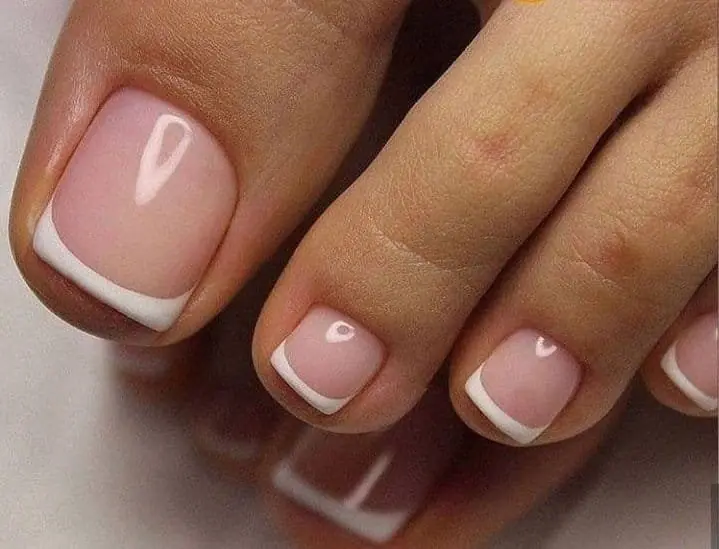
A french pedicure remains one of the most timeless foot looks in beauty, pairing a soft pink or beige base with a crisp white tip and a glossy finish.
A french pedicure remains one of the most timeless foot looks in beauty, pairing a soft pink or beige base with a crisp white tip and a glossy finish. It signals effortless sophistication without anything overdone, ideal for a summer wedding, a beach vacation, or open-toe heels. This guide covers the true origins of the style, the science behind the products, a step-by-step application process, salon versus at-home results, modern variations, and how to keep nails healthy.
The History and Origins of the French Pedicure
Published · Updated
As French culture exported its fashion and beauty standards across Europe throughout the 19th century, this approach to nail grooming traveled with it. Women in aristocratic circles adopted the practice. It became a marker of personal care, social standing, and femininity. The emphasis was always on looking naturally well-groomed rather than heavily decorated. That philosophy remains central to the french pedicure today, even as the nail industry has evolved dramatically around it.
How the French Pedicure Became a Global Icon
The modern french pedicure as most people recognize it gained widespread commercial recognition in the 1970s. American beauty entrepreneur Jeff Pink is widely credited with formalizing and commercializing the french manicure style, which he developed while working with Hollywood studios. Actresses needed a single versatile nail look that could work across multiple costume changes and film scenes. The result was the same clean principle applied with modern nail polish products: a sheer or pale pink base with a defined white free edge. The look translated seamlessly from hands to feet, and the french pedicure was born as a standalone service.
By the 1980s and 1990s, french pedicures were standard offerings in nail salons across North America, the United Kingdom, and Australia. Fashion magazines consistently featured the look as the definitive choice for summer sandal season. Its appeal crossed age groups, skin tones, and occasions, which explains why it has outlasted countless nail art trends that arrived with fanfare and disappeared within a season.
The Evolution of the Classic Style
While the traditional french pedicure has remained largely unchanged in its core formula, the beauty industry has continuously evolved it. The 2000s brought gel and acrylic applications that allowed the white tip to last significantly longer. The 2010s introduced colored variations, with teal, coral, and nude shades replacing white tips for a personalized twist. The 2020s have pushed the style further into creative territory, with chrome finishes, negative space designs, and asymmetrical tip lines appearing on runways and social media. Throughout all of these changes, the foundational appeal of the style has remained: clean, neat, polished, and flattering on every foot.
Understanding the French Pedicure Aesthetic
The Color Palette and Its Significance
The color combination used in a french pedicure is not arbitrary. The pale pink, nude, or beige base coat is chosen specifically to mimic the natural color of a healthy nail bed. This creates the illusion of longer, cleaner nails without adding intense color that would visually shorten the toe. The white tip at the free edge of the nail serves to define the boundary between nail and skin, making the nails appear well-shaped and deliberately groomed. Together, the two colors create a high-contrast finish that reads as clean and sophisticated from a distance, but remains subtle enough not to compete with clothing, footwear, or other accessories.
The psychology of the color choice matters too. Nude and pink tones are universally flattering because they complement the undertones in most skin without clashing. White carries strong associations with cleanliness and precision. Research in color psychology consistently shows that these neutral, light combinations are perceived as trustworthy and refined, which partly explains why the french pedicure remains a preferred choice for professional settings, formal events, and bridal occasions.
How It Differs from a Regular Pedicure
A standard pedicure focuses primarily on foot hygiene and nail maintenance: soaking, exfoliating, trimming, and applying a single-color polish. The french pedicure includes all of those steps but adds specific technical requirements. The nail shape must be precise, typically square or rounded square, because the white tip application depends on a clean, even free edge. The base coat application requires more care because a streaky or uneven base will show through the sheer formula typically used. The white tip application is the most technically demanding step and requires a steady hand or a guide strip for accuracy.
Beyond technique, the french pedicure also requires greater attention to nail health. Yellowed, brittle, or heavily ridged nails will not hold the look as effectively as healthy, smooth nails. This means the french pedicure naturally encourages a more thorough nail care routine, which benefits long-term nail health even outside of aesthetic considerations.
Why the Look Works for Every Skin Tone
One of the most frequently cited reasons for the french pedicure’s enduring popularity is its universality. The pale base coat can be adjusted to suit different complexions. For lighter skin tones, a classic sheer pink or soft white base works well. For medium skin tones, a warm beige or soft caramel base creates a more seamless, natural effect. For deeper skin tones, a rich nude or light mocha base paired with a bright white tip creates a striking and elegant contrast that looks deliberate and polished. No other single pedicure style offers this level of adaptability without fundamentally changing the aesthetic identity of the look.
Preparing Your Feet for a French Pedicure
Deep Soaking and Skin Softening
Preparation is the foundation of any successful french pedicure. Rushing this stage results in rough cuticles, uneven polish adhesion, and a finished look that fades faster. Begin with a deep foot soak of 15 to 20 minutes in warm water. The water temperature should be comfortable but warm enough to soften the skin effectively. Adding a tablespoon of Epsom salt to the soak water provides two benefits: the magnesium sulfate helps draw out minor inflammation in tired foot muscles, and the salt’s mild abrasive quality begins loosening dead skin at the surface level. You can also add a few drops of tea tree essential oil, which has well-documented antimicrobial properties and helps prevent the minor fungal issues that can develop around toenails in warm weather.
After the soak, pat your feet dry with a clean towel. Do not rub aggressively, as this can irritate freshly softened skin. Ensure that the areas between your toes are completely dry, since moisture trapped there creates conditions where bacteria and fungus can thrive over the days following the pedicure.
Nail Shaping and Cuticle Care
Nail shape is critical for the french pedicure because the white tip must follow the natural curve or straight line of the free edge. The most flattering shape for toenails in a french pedicure is a straight edge with gently rounded corners, often called a square-round or squoval shape. Pure square shapes can catch on hosiery and are more prone to ingrown nails on the big toe. Pure round shapes reduce the surface area of the white tip, making it harder to achieve a clean line. The squoval shape balances aesthetics with practicality.
Use a glass nail file rather than an emery board for shaping. Glass files create a smoother edge at the microscopic level, which reduces the tiny tears in the nail that can lead to peeling. Always file in one direction rather than sawing back and forth. After shaping, push back the cuticles gently using a rubber-tipped cuticle pusher or an orangewood stick. Avoid cutting cuticles unless you are an experienced professional. The cuticle is a seal that protects the nail matrix, the living tissue at the base of the nail where new cells are produced. Cutting it opens a pathway for infection and can permanently alter nail growth patterns if done incorrectly.
Exfoliation and Moisturizing
Exfoliating the feet before a french pedicure serves both aesthetic and functional purposes. A pumice stone or foot file removes the callus buildup that naturally forms on the heel and the ball of the foot. This dead skin is composed of keratinized cells that accumulate due to pressure and friction. Removing it reveals softer skin beneath and prevents the rough patches from cracking in the days after the pedicure. Focus on the heels, the outer edge of the foot, and the area under the big toe joint, where calluses tend to be thickest.
After exfoliation, rinse the feet thoroughly and apply a generous layer of foot cream or a heavy moisturizer. Look for formulas containing urea, which is one of the most effective humectants for thick foot skin. Urea draws moisture into the skin and also has a mild keratolytic effect, meaning it continues to soften tough skin over time. Shea butter, glycerin, and hyaluronic acid are also excellent ingredients in foot moisturizers. Allow the moisturizer to absorb fully before applying any nail polish. Residual oil or cream on the nail surface will prevent the base coat from adhering properly, causing early chipping.
Step-by-Step Guide to the Perfect French Pedicure
Applying the Base Coat
Once your feet are prepped, cleaned, and moisturized, use a nail polish remover-soaked cotton pad to wipe each nail surface clean. This removes any trace of oil or moisture from the nail plate. This step is often skipped by beginners and is one of the main reasons at-home pedicures peel prematurely. Apply a thin, even layer of base coat to each nail, starting from the center of the nail near the cuticle and sweeping toward the free edge. Allow it to dry for a full two minutes before moving to the next step.
For a classic french pedicure, the base coat itself contributes significantly to the final appearance. Choose a sheer pink, nude, or milky white formula that suits your skin tone as described earlier. A single coat is usually sufficient for a natural effect, but two thin coats will create a more polished, salon-quality result. Between coats, wait for the first layer to become fully tacky before applying the second. Rushing this stage causes bubbling and uneven texture.
Creating the White Tip
The white tip is the defining feature of the french pedicure and the step that requires the most care. There are three main methods for applying it: freehand, using guide strips, or using a dedicated french tip brush.
The freehand method requires a narrow nail art brush loaded with white nail polish. Hold the brush at a slight angle and draw a smooth arc or straight line across the free edge of the nail, following the natural shape of the tip. Work slowly and wipe any mistakes immediately with a small brush dipped in nail polish remover. This method gives the most control and produces the most natural-looking result once practiced, but it has a steeper learning curve.
Guide strips, also called french tip guides, are thin adhesive strips that you place across the nail just above the line where you want the white tip to begin. Apply the white polish over the exposed free edge, remove the strip while the polish is still slightly wet, and you will have a clean, even line. This method is ideal for beginners and produces consistent results across all ten toes.
Dedicated french tip brushes are wider and flatter than standard nail art brushes, designed specifically to coat the free edge in a single stroke. These are available at most beauty supply stores and are worth purchasing if you plan to do french pedicures regularly. Allow the white tip to dry completely, which typically takes three to five minutes for a single coat.
Sealing with a Top Coat
The top coat is what transforms a good french pedicure into a great one. A high-quality top coat adds gloss, creates a smooth surface over the two-tone application, and dramatically extends the wear time of the polish. Apply a single thin layer starting from the base of the nail, sweeping over the white tip and slightly wrapping under the free edge. This wrapping technique seals the edge of the nail, which is where chipping almost always begins.
Allow the top coat to dry for at least ten minutes before putting on any footwear. Better yet, allow a full 20 to 30 minutes for a complete cure. Smudging or denting a newly applied top coat is one of the most frustrating experiences in nail care, and it is entirely preventable with patience. Applying a second thin layer of top coat every three to four days will maintain the glossy finish and extend the life of the pedicure significantly.
Professional Salon vs. At-Home French Pedicure
What Happens in a Salon
A professional french pedicure in a salon typically takes between 45 minutes and one hour, depending on the extent of foot care included. A trained nail technician will perform a full foot soak, use an electric or manual callus remover on hardened skin, shape the nails using professional nail files and clippers, perform thorough cuticle care, apply a hot towel treatment or paraffin wax dip for deep moisturizing, and then complete the polish application. The skill and experience of a professional technician make a visible difference, particularly in the precision of the white tip and the smoothness of the overall finish.
Salons also offer gel and acrylic french pedicure options. Gel french pedicures use UV or LED-cured gel polish for the base and white tip, producing a finish that can last three to four weeks without chipping. Acrylic or hard gel enhancements can build a sculpted white tip that maintains its shape even as the natural nail grows. These options are more expensive but offer significantly better longevity for women who travel frequently or are on their feet throughout the day.
Doing It Yourself at Home
A well-executed at-home french pedicure can rival salon results when proper technique and quality products are used. The key is not rushing any step and investing in the right tools. Begin with the preparation steps described above, and set aside at least 90 minutes so that you are not tempted to cut corners. Lay out all your products and tools before you start: nail polish remover, cotton pads, a nail file, cuticle pusher, base coat, white polish, a pale pink or nude base color, top coat, guide strips, and a thin nail art brush for corrections.
Good lighting is essential for at-home work. Natural daylight or a dedicated nail lamp allows you to see the true color of the polish and spot any uneven application before it dries. Sitting at a table rather than reaching down to your feet on the floor will also improve your posture and your precision. Use toe separators to prevent smudging while the polish dries, and avoid touching anything with your feet for at least 30 minutes after the final top coat application.
Tools and Products You Need
The quality of your tools directly affects the quality of your results. These are the essentials for an at-home french pedicure.
- Glass nail file: Creates a smoother edge than emery boards and lasts indefinitely with proper cleaning.
- Rubber-tipped cuticle pusher: Gentler than metal tools and safer for the nail matrix.
- Pumice stone or foot file: Removes calluses and dead skin without over-exfoliating.
- Base coat: A sheer pink or nude formula suited to your skin tone.
- White nail polish: Choose a formula with good opacity in one to two coats, not overly thick.
- Top coat: A high-shine, quick-drying formula. Brands with UV protection will prevent yellowing of the white tip over time.
- French tip guide strips: Reusable or single-use adhesive strips for a clean tip line.
- Nail art brush: For freehand application or corrections.
- Toe separators: Prevent smudging between adjacent nails during drying.
Modern Variations of the French Pedicure
Colored French Tips
While the classic white tip remains the most recognizable version, colored french pedicures have become extremely popular over the past decade. The concept is the same: a clean base coat with a defined tip, but the tip color is replaced with something more expressive. Soft coral tips on a peachy base create a warm, summery effect. Navy or burgundy tips on a sheer nude base look striking in autumn and winter. Mint green or lavender tips on a white base are a favorite for spring. The variation allows women to maintain the structured, polished look of a french pedicure while introducing seasonal or personal color choices.
When choosing a tip color, consider the undertones in your skin. Warm skin tones are flattered by warm-based colors: corals, coppers, peaches, and warm reds. Cool skin tones look best with cool-based colors: navy, berry, lilac, and cool pinks. Neutral skin tones have the most flexibility and can wear almost any color effectively.
Glitter and Metallic French Styles
Adding glitter or metallic elements to a french pedicure creates a festive, high-glamour version of the classic style. Gold or silver glitter applied along the tip line instead of white polish creates a look that photographs beautifully and works well for parties, weddings, and holiday occasions. Chrome powder, which is applied over gel polish and burnished with a silicone tool, produces a mirror-like metallic tip that is extraordinarily reflective and modern. Rose gold chrome is particularly popular and flatters a wide range of skin tones.
For a more subtle version of this variation, consider a glitter gradient: apply a sheer base, paint a standard white or nude tip, and while the tip is still tacky, press fine cosmetic-grade glitter along the tip line using a small brush. Seal with a thick top coat applied in two layers to fully encapsulate the glitter and prevent it from feeling rough against footwear.
Reverse French and Geometric Designs
The reverse french pedicure, sometimes called the half-moon pedicure, applies the contrasting color to the base of the nail rather than the tip. A deep red or black crescent at the lunula, the pale half-moon at the base of the nail, creates a graphic, fashion-forward look that references vintage nail art from the 1920s and 1930s. This variation suits longer toenails and works best when the nails are well-shaped and healthy.
Geometric french styles use tape or thin nail art brushes to create angular tip lines, double tips, or diagonal color blocks rather than the traditional curved arc. These designs suit women who want to maintain the clean, structured quality of the french aesthetic while expressing a more contemporary, artistic personality. They are also excellent choices for nail technicians looking to expand their service offerings, as they command premium pricing while using familiar materials.
Nail Health and Long-Term Foot Care
Keeping Your Nails Strong
The health of your nails is the foundation of any good french pedicure. Brittle, thin, or peeling nails will not hold polish well and will not showcase the clean tip line that defines the look. Nail health begins with nutrition. The nail plate is made primarily of a protein called keratin, and adequate protein intake is essential for strong nail growth. Biotin, a B vitamin found in eggs, nuts, and leafy greens, has been shown in multiple clinical studies to improve nail thickness and reduce brittleness when taken consistently. Zinc, iron, and silica are also important nutrients for nail integrity.
Hydration matters too. Nails are not truly waterproof. They absorb water during soaking and lose it as they dry. Repeated cycles of hydration and dehydration cause the nail to expand and contract, leading to micro-cracks and peeling. Applying a nail and cuticle oil daily, particularly one containing jojoba oil or vitamin E, helps maintain the nail’s moisture balance between pedicure appointments. Jojoba oil is chemically similar to the natural sebum produced by skin, which allows it to penetrate the nail plate more effectively than many other oils.
Protecting Your Pedicure from Chipping
Even a perfectly applied french pedicure will chip if it is not properly maintained. The most important protective habit is refreshing the top coat every three to four days. Apply a single thin coat over the existing polish, wrapping slightly under the free edge each time. This continuously rebuilds the protective seal and keeps the surface glossy. Avoid soaking your feet in hot water for extended periods after the pedicure, as prolonged heat causes the polish layers to expand unevenly and separate.
Footwear choice also affects pedicure longevity. Tight shoes that press against the tips of the nails accelerate chipping at the free edge. Open-toe shoes or properly fitted footwear that does not compress the nail tips will help the pedicure last significantly longer. When doing household tasks, wearing rubber gloves and rubber-soled footwear protects the nails from the moisture, chemicals, and physical impact that cause early wear.
When to See a Podiatrist
Most foot and nail concerns can be addressed through regular home care and professional pedicures. However, some conditions require medical attention and should not be treated with cosmetic procedures. Ingrown toenails that are red, swollen, or producing discharge need professional treatment from a podiatrist rather than a nail technician. Nail fungus, which presents as yellowing, thickening, crumbling, or white spotting of the nail, should be diagnosed and treated with antifungal medication before any polish is applied. Painting over a fungal infection seals moisture under the polish and can worsen the condition significantly.
Diabetic individuals should have their feet examined by a healthcare provider before receiving pedicures, as reduced circulation and nerve sensitivity in the feet make even minor cuts or abrasions potentially serious. Any sudden changes in nail color, texture, or growth pattern that cannot be explained by external causes should be evaluated by a dermatologist or podiatrist. Early detection of nail and skin conditions leads to faster, simpler treatment outcomes.
The Science Behind Nail Polish and Foot Care Products
What Is in Your Nail Polish
Understanding what is in nail polish helps you make better choices for your health and your pedicure results. Conventional nail polish is a suspension of film-forming polymers in a solvent system, typically a blend of ethyl acetate, butyl acetate, and isopropyl alcohol. Nitrocellulose is the primary film-forming agent, creating the hard, glossy layer you see on the nail. Plasticizers such as dibutyl phthalate or newer alternatives like triphenyl phosphate are added to keep the film flexible and resistant to cracking.
Pigments provide color, and in white nail polish specifically, titanium dioxide is the primary whitening agent. Titanium dioxide has an extremely high refractive index, meaning it scatters light very effectively and produces the bright, opaque white that the french tip requires. Suspension agents keep the pigment evenly distributed in the formula, and UV stabilizers in premium formulas prevent the white from yellowing when exposed to sunlight.
How Polish Affects Nail Health
The debate about whether nail polish is harmful to nails has been ongoing in dermatological literature for decades. The most current evidence suggests that the primary risk is not the polish itself but the acetone-based removers used to take it off. Acetone is an effective solvent for nail polish, but it also strips the natural oils from the nail plate and surrounding skin, leading to dehydration, brittleness, and peeling with frequent use. Acetone-free removers are gentler but take longer to remove dark or heavily pigmented polishes.
Continuous wear of nail polish without breaks can slightly reduce oxygen and moisture exchange through the nail plate. While nails do not breathe in the way skin does, they are slightly permeable to water vapor. Extended polish wear, particularly under gel or acrylic enhancements, can lead to temporary nail thinning or white spots caused by localized keratin disruption. Giving nails a week or two of rest between pedicures, using a strengthening base coat, and maintaining consistent nail oil application largely prevents these issues.
Choosing Non-Toxic and Clean Formulas
The clean beauty movement has significantly influenced nail polish formulation over the past decade. Traditional nail polish formulas often contained a combination of ingredients referred to as the “toxic trio”: toluene, formaldehyde, and dibutyl phthalate (DBP). Toluene is a solvent associated with neurological effects at high exposure levels. Formaldehyde is a known carcinogen used as a hardening agent. DBP is an endocrine-disrupting plasticizer. Most reputable nail polish brands have now removed these three ingredients from their formulas, producing what are marketed as “3-free” polishes.
Higher standards exist as well. “5-free” formulas also exclude formaldehyde resin and camphor. “10-free” and “13-free” formulas remove additional sensitizing and potentially harmful chemicals. For everyday use in a well-ventilated space, the standard 3-free or 5-free formulas available at most beauty retailers are considered safe by regulatory bodies in the United States and European Union. If you have sensitive skin, a history of allergic reactions to nail products, or are pregnant, choosing a 10-free or plant-based formula provides additional peace of mind.
Frequently Asked Questions
How long does a french pedicure last?
A traditional polish french pedicure typically lasts between one and two weeks with proper care. The white tip is more susceptible to chipping than a single-color pedicure because of the additional layer of polish at the free edge. Refreshing the top coat every three to four days and wrapping it slightly under the free edge extends wear significantly. A gel french pedicure can last three to four weeks before it needs to be soaked off and reapplied. The difference in longevity comes from the gel formula’s superior adhesion and its resistance to water and daily wear. For maximum durability, a gel base with a regular polish tip, sealed with gel top coat, offers a middle ground between standard and full gel applications.
Can I do a french pedicure on short toenails?
Yes, but technique adjustments are necessary. On very short nails, the white tip application needs to be extremely thin, sometimes just a line rather than a full band, to avoid making the nails look stubby or emphasizing their shortness. Using a fine nail art brush rather than a wide french tip brush gives you more control over thin tip lines. A sheer or milky base coat works better on short nails than an opaque one, as a sheer base creates the illusion of length by blending more naturally with the skin. Consider allowing the nails to grow to at least two to three millimeters of free edge before attempting the classic french look. In the meantime, a natural or clear base coat with a barely-there white tip maintains the spirit of the style without highlighting short nail length.
What is the difference between a french pedicure and a regular pedicure?
The core difference is in the polish technique. A regular pedicure applies a single solid color across the entire nail. A french pedicure uses a two-tone approach: a sheer or pale base coat covers the full nail plate, and a contrasting white or colored tip is applied to the free edge. This creates the distinctive two-tone finish that defines the style. The preparation steps are identical: soaking, exfoliation, cuticle care, and shaping are standard in both services. However, the french pedicure demands a higher level of technical precision during the polish application stage. It also requires more time for polish drying between steps, making it slightly longer as a service. At salons, french pedicures are typically priced five to fifteen dollars higher than standard pedicures to account for the additional skill and time involved.
Is it safe to get a french pedicure if I have nail fungus?
No. Applying any nail polish over a fungal nail infection is strongly inadvisable. Nail fungus, medically known as onychomycosis, is caused by dermatophyte fungi that colonize the nail plate and nail bed. These organisms thrive in warm, moist, low-light environments. Sealing them under nail polish creates exactly those conditions and can accelerate the infection, cause it to spread to adjacent nails, and make it significantly harder to treat. The discoloration, thickening, and brittleness caused by nail fungus will also produce an unattractive result even under polish. The correct approach is to consult a dermatologist or podiatrist for diagnosis and treatment first. Treatment options include topical antifungal lacquers, oral antifungal medications, and laser therapy. Once the infection is fully cleared, which can take several months to a year depending on severity, you can resume polish application safely.
How do I remove a french pedicure without damaging my nails?
For standard polish removal, soak a cotton pad with acetone-free nail polish remover, press it against the nail for 30 seconds, then wipe in a single direction from the base toward the tip. This minimizes friction and reduces the chance of tearing or thinning the nail surface. Avoid scrubbing back and forth, which creates microscopic abrasions in the nail plate. After removal, wash your feet with warm water, apply a generous amount of cuticle oil to each nail, and follow with a foot moisturizer. For gel french pedicures, the removal process requires soaking cotton pads in pure acetone, placing them against each nail, wrapping each toe in foil, and leaving them in place for 10 to 15 minutes until the gel loosens. Never peel or pry gel polish off the nail, as this removes layers of the nail plate with it and causes lasting damage. If the gel is not releasing easily after 15 minutes of acetone contact, apply fresh soaked pads and wait another five minutes rather than forcing the removal.
Conclusion
The french pedicure has earned its status as one of the most beloved and enduring looks in beauty for good reason. It flatters every skin tone, suits every occasion, and communicates a level of personal care and elegance that no single-color pedicure quite matches. The key takeaways from this guide are these: preparation is everything, and skipping the soaking, exfoliating, and cuticle care steps will always show in the final result. Nail shape matters as much as color, and a squoval shape is the most flattering and practical choice for most women. The white tip application is the defining step, and using guide strips removes most of the technical difficulty for beginners. Nail health supports the look, and consistent use of cuticle oil, regular moisturizing, and proper nutrition will make every future pedicure look better than the last.
Your next steps are practical. Gather the tools listed in this guide, set aside a proper afternoon for your first at-home french pedicure, and follow each step without rushing. If you prefer a salon experience, use the knowledge from this article to communicate exactly what you want and to recognize quality work when you see it. Explore the modern variations once you are comfortable with the classic technique. Experiment with a colored tip, try a gel base for longer wear, or attempt a reverse french for a fashion-forward evening look. The french pedicure is not just a nail style. It is a ritual of self-care that leaves you feeling polished, confident, and ready for whatever comes next.
RELATED ARTICLES:
Indulge in Sweet Relaxation: A Comprehensive Guide to Ice Cream Pedicures
Pamper Your Feet with a Refreshing Margarita Pedicure
Athletic or Sports Pedicure: A Comprehensive Guide for Athletes and Sports Enthusiasts
Transform Your Tired Feet with a Decadent Chocolate Pedicure
Waterless Pedicure: A Revolutionary Approach to Foot Care
About The Author

COMMENTS