
Discover the Skin-Loving Benefits of Gram Flour: The Wonder Ingredient for Your SkinGram flour for skin is one of India's oldest beauty secrets, a hum
Discover the Skin-Loving Benefits of Gram Flour: The Wonder Ingredient for Your Skin
Gram flour for skin is one of India’s oldest beauty secrets, a humble kitchen staple that gently exfoliates, brightens dull patches, and balances oil without the harsh chemicals crowding modern shelves. Its story stretches back generations for good reason.
Some of the most powerful skincare ingredients in the world have never appeared on a laboratory shelf. They come from kitchens, fields, and centuries-old beauty traditions passed down through generations. Gramme flour for skin is one of those rare ingredients that has stood the test of time, used for thousands of years across South Asia, the Middle East, and the Mediterranean to cleanse, brighten, and deeply nourish the complexion. Known as besan in Hindi, chickpea flour in Western kitchens, and chana atta across parts of Africa and the Gulf, this finely milled powder carries a remarkable nutritional profile that translates directly into measurable skincare benefits.
Modern dermatology is beginning to catch up with what grandmothers already knew. The proteins, vitamins, minerals, and natural enzymes in gramme flour work together to exfoliate dead skin cells, regulate oil production, fade dark spots, fight acne-causing bacteria, and slow the visible signs of aging. Whether your skin is dry, oily, sensitive, or combination, gramme flour can be tailored to your specific needs with the addition of a few simple kitchen ingredients.
This article covers everything you need to know: the science behind gramme flour’s benefits, the best recipes for every skin type, how often to use it safely, and how to build a complete gramme-flour skincare routine from scratch. By the end, you will have all the knowledge you need to incorporate this ancient wonder ingredient into your daily beauty life with full confidence.
What Is Gramme Flour, and Why Does Your Skin Love It?
Reviewed by the BeautynFacts editorial team. Last updated: May 2026.
The Nutritional Profile That Makes Gram Flour a Skincare Powerhouse
Gramme flour is produced by grinding dried chickpeas (Cicer arietinum) into a fine powder. The result is a pale yellow flour with a slightly earthy, nutty scent. Unlike refined wheat flour, gramme flour retains the full nutritional content of the whole chickpea, making it dense with compounds that benefit both the body and the skin.
From a nutritional standpoint, gramme flour is rich in several key nutrients. It contains significant amounts of vitamin B3 (niacin), vitamin B6, folate, zinc, magnesium, and iron. These vitamins and minerals play direct roles in skin cell turnover, collagen synthesis, and the protection of skin against environmental damage. Gramme flour also provides a generous supply of plant-based protein, which contributes to skin firmness and the repair of damaged tissue.
Zinc deserves special attention. This trace mineral is well studied for its role in reducing inflammation and regulating sebaceous gland activity. Zinc inhibits the activity of 5-alpha reductase, the enzyme responsible for converting testosterone into dihydrotestosterone, which stimulates oil glands. By moderating this pathway, zinc helps keep pores clear and oil production balanced. Additionally, gramme flour contains saponins, natural plant compounds that act as mild cleansing agents by binding to oil and dirt on the skin’s surface and lifting them away with water.
A Brief History of Gram Flour in Beauty Rituals
The use of gramme flour in skincare is not a modern wellness trend. Historical records and oral traditions from India, Pakistan, Egypt, and parts of the Mediterranean confirm that women have been incorporating besan into their beauty routines for at least two thousand years. In Ayurvedic medicine, gramme flour was a core ingredient in ubtan, a traditional skin preparation made by blending flours, herbs, and oils into a paste applied before bathing.
Ubtan was applied to brides before their wedding ceremonies to brighten the skin, remove unwanted body hair, and impart a deep, lasting glow. This practice remains common in South Asian cultures today. In ancient Egypt, chickpea-based pastes were used to soften and smooth skin, and Greek physicians referenced chickpea preparations in the management of inflammatory skin conditions.
What makes this history significant is the consistency of observations across cultures that had no contact with one another. Each tradition independently arrived at the same conclusion: gramme flour cleanses effectively, brightens the complexion, and leaves the skin visibly softer. Modern science now gives us the tools to understand precisely why those observations were accurate.
How Gram Flour Interacts With Different Skin Types
One of gramme flour’s greatest practical strengths is its versatility. The base ingredient stays the same, but the liquid or oil mixed with it determines whether the resulting mask suits dry, oily, sensitive, or combination skin.
For oily and acne-prone skin, gramme flour mixed with rose water, diluted lemon juice, or plain water draws out excess sebum and tightens pores. Gramme flour combined with full-fat milk, cream, or coconut oil provides a moisturising base that cleanses without stripping the skin barrier. For sensitive skin, mixing gramme
Flour with plain yoghurt or cucumber juice delivers a gentle, non-irritating cleanse while calming redness. For combination skin, rose water or aloe vera gel creates a balanced formulation that addresses both oiliness and dryness without aggravating either zone.
This adaptability is one reason gramme flour has remained relevant across so many different cultures and climates. It does not impose a one-size-fits-all approach to skincare. It serves as a flexible canvas that responds to the individual needs of each skin type with remarkable precision.
Gram Flour as a Natural Exfoliant and Deep Cleanser
The Science Behind Gram Flour’s Exfoliating Action
Exfoliation is the process of removing dead skin cells from the surface of the skin. When dead cells accumulate, they cause the complexion to look dull, make pores appear enlarged, and create a rough, uneven texture. Regular exfoliation accelerates cell turnover, revealing fresher, more radiant skin underneath.
Gramme flour exfoliates through two distinct mechanisms simultaneously. First, it acts as a physical exfoliant. The fine granules of the flour gently abrade the skin’s surface when massaged in circular motions, loosening dead cells and debris without causing the micro-tears associated with coarser scrubs. Second, gramme flour contains natural protease enzymes that break down the keratin proteins holding dead skin cells together. This mild enzymatic action complements the physical scrubbing and results in a more thorough removal of dead cells than mechanical action alone achieves.
Unlike many commercial exfoliants that rely on plastic microbeads (now banned in multiple countries due to environmental harm) or harsh abrasives that can compromise the skin barrier, gramme flour particles are biodegradable, uniformly fine, and gentle on the skin. This makes gramme flour suitable for weekly exfoliation even on moderately sensitive skin types.
How to Make a Gram Flour Scrub at Home
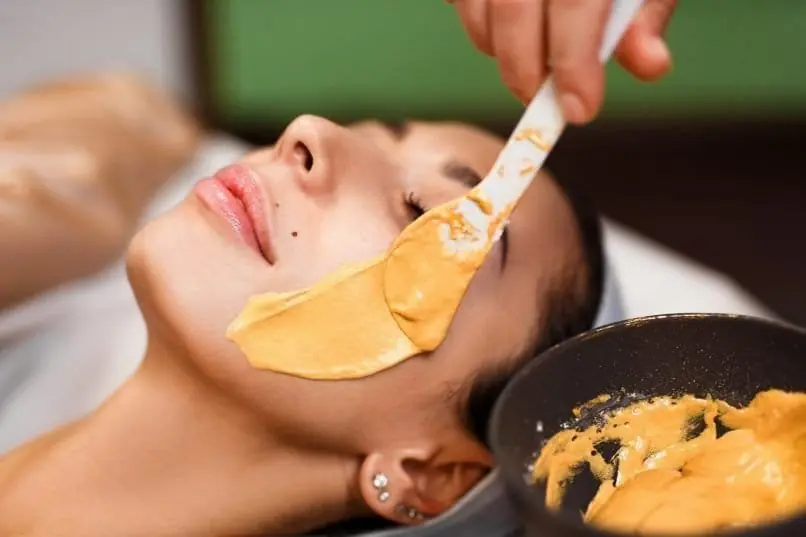
Making an effective gramme flour exfoliant requires only a few minutes and ingredients you likely already have at home. The base recipe calls for two tablespoons of gramme flour mixed with enough liquid to form a thick paste. The consistency should resemble pancake batter: thick enough to cling to the skin but smooth enough to spread without dragging.
For a basic cleansing scrub, combine two tablespoons of gramme flour with one tablespoon of plain yoghurt and a splash of rose water. Apply the paste to damp skin using your fingertips. Massage in gentle, circular motions for two to three minutes, focusing on the T-zone, chin, and any areas with visible texture or congestion. Rinse thoroughly with lukewarm water, pat the skin dry, and follow with your regular moisturiser.
For a brightening scrub, add half a teaspoon of turmeric powder to the base recipe. Turmeric contains curcumin, a compound with proven anti-inflammatory and skin-brightening properties. The combination of gramme flour’s exfoliating action and turmeric’s brightening effect produces visible results within four to six weeks of consistent weekly use. Use turmeric sparingly, as excess can temporarily stain lighter skin tones. Rinsing thoroughly removes the tint completely.
Comparing Gram Flour to Commercial Exfoliants
Commercial physical exfoliants typically fall into two categories: sugar scrubs and enzyme peels. Sugar scrubs are popular but can be overly abrasive if used with too much pressure, as the crystalline structure of sugar has sharper edges than the uniformly fine particles of gramme flour. Enzyme peels, typically made from papaya or pineapple extracts, offer a gentle chemical exfoliation but come at a significantly higher price point than any kitchen ingredient.
Gramme flour occupies an advantageous middle ground. It provides both physical and enzymatic exfoliation at a fraction of the cost of commercial products. A kilogramme of high-quality gramme flour costs just a few dollars and contains enough material for dozens of mask applications. A single enzyme peel product from a premium skincare brand can cost thirty to sixty dollars for a small quantity that lasts only a few weeks.
Beyond cost, gramme flour contains no synthetic fragrances, preservatives, or sulphate surfactants. For people with fragrance sensitivity or those seeking to minimise exposure to synthetic chemicals, this distinction matters considerably. The ingredient list of a gramme of flour scrub is exactly what you choose to put in the bowl. No hidden additives. No label confusion.
How Gram Flour Brightens Skin and Fades Dark Spots
Vitamin B3 and Its Role in Skin Brightening
Gramme flour is one of the better plant-based dietary sources of vitamin B3, also known as ‘niacin’. In its topically active form, niacinamide has become one of the most widely praised skincare ingredients of the past decade. Clinical studies demonstrate that niacinamide inhibits the transfer of melanin, the pigment responsible for skin colour, from melanocytes to surrounding skin cells. When melanin transfer is reduced, existing dark spots fade over time, and new ones are less likely to form.
While the concentration of niacinamide in a gramme of flour paste is lower than in a dedicated serum, consistent application provides a cumulative brightening effect over time. This effect is amplified when gramme flour is combined with additional brightening agents such as lemon juice, turmeric, or tomato pulp, each of which contributes unique brightening compounds that complement the niacinamide activity.
Beyond niacinamide, gramme flour supports skin brightening through its exfoliating action. By removing the upper layer of dull, pigment-heavy dead skin cells, gramme flour reveals the fresher, more evenly pigmented cells beneath. This dual mechanism, which combines enzymatic exfoliation with niacinamide activity, makes gramme flour a truly effective natural way to improve overall skin radiance and clarity.
Best Gram Flour Recipes for Dark Spots and Hyperpigmentation
For targeted treatment of dark spots and hyperpigmentation, the following recipes deliver the strongest brightening action available from gramme-flour-based formulations. The first recipe combines two tablespoons of gramme flour with one teaspoon of fresh lemon juice and one teaspoon of honey. Lemon juice contains citric acid and vitamin C, both of which brighten the skin and mildly accelerate surface cell shedding. Honey provides antimicrobial benefits and prevents the mask from drying out too quickly on the skin. Apply this mask to clean skin, leave it on for fifteen minutes, and rinse with cool water. This formulation suits normal to oily skin best. Sensitive skin types should replace lemon juice with diluted apple cider vinegar or skip the acidic ingredient entirely.
The second recipe targets uneven skin tone and post-inflammatory hyperpigmentation left behind by acne. Mix two tablespoons of gramme flour with one tablespoon of plain yoghurt, a pinch of turmeric, and three drops of pure rose hip seed oil. Yoghurt contains lactic acid, a gentle alpha-hydroxy acid that dissolves the bonds between dead skin cells and accelerates their removal. Rosehip oil is rich in naturally occurring trans-retinoic acid, a form of vitamin A that supports cell turnover and collagen formation. Together, these ingredients create a powerful brightening mask that simultaneously hydrates and soothes.
Realistic Expectations for Skin Brightening Results
Setting realistic expectations is essential when working with any natural skincare ingredient. Gramme flour is not an overnight solution. Unlike aggressive chemical peels or laser treatments, it works gradually by supporting the skin’s natural renewal cycle rather than forcing accelerated change.
Most people who use gramme flour masks consistently, once or twice per week, begin noticing improved skin radiance within two to four weeks. Significant fading of dark spots typically becomes apparent after six to eight weeks of regular use. Results are directly proportional to consistency: sporadic use produces minimal change, while sustained weekly practice produces meaningful improvement.
Sun protection is non-negotiable alongside any brightening routine. UV exposure is the primary driver of hyperpigmentation, and without daily broad-spectrum sunscreen, any brightening progress achieved with gramme flour masks will be reversed by continued sun damage. Applying SPF 30 or higher each morning is the single most impactful step you can take to support the brightening work done by gramme flour treatments.
Gram Flour for Acne-Prone and Oily Skin
How Gram Flour Controls Sebum Production
Oily skin is driven by overactive sebaceous glands that produce more sebum than the skin requires. Excess sebum accumulates on the surface, mixes with dead skin cells and environmental debris, and clogs pores. Clogged pores create an anaerobic environment in which acne-causing bacteria multiply rapidly.
Gramme flour addresses oily skin through two complementary mechanisms. First, its zinc content helps regulate sebaceous gland activity at a cellular level. Zinc inhibits 5-alpha reductase, the enzyme that converts testosterone into dihydrotestosterone. Elevated dihydrotestosterone stimulates sebaceous glands to overproduce oil, so reducing this enzyme’s activity leads to a measurable decrease in sebum production over consistent use.
Second, gramme flour functions as a natural absorbent. Its starchy composition draws excess oil from the skin’s surface during the time the mask is in contact with the skin. This oil-absorbing action produces an immediate visible result: after rinsing off a gramme-flour mask, oily skin typically feels mattified and balanced rather than stripped or tight. This is a critical difference from harsh clay masks or alcohol-based toners, which reduce oiliness by damaging the skin barrier and often trigger a rebound effect where the skin compensates by producing even more oil.
The Antiseptic Properties That Fight Acne-Causing Bacteria
Gramme flour contains saponins, natural plant-derived compounds with mild antimicrobial properties. When applied to the skin, saponins create a gentle cleansing action that lifts bacteria from the skin’s surface along with impurities. While gramme flour is not a replacement for medicated acne treatments in severe or cystic cases, its antiseptic properties make it a useful tool for managing mild-to-moderate breakouts.
The antiseptic effect is significantly amplified when gramme flour is combined with targeted add-in ingredients. Neem powder is one of the most effective options. Neem contains azadirachtin and nimbidin, compounds with well-documented antibacterial and antifungal activity. Adding half a teaspoon of neem powder to a gramme-flour base creates a mask that simultaneously cleanses, unclogs pores, and targets acne-causing bacteria at the surface level.
Tea tree oil is another powerful addition. Two to three drops of tea tree oil per tablespoon of gramme flour deliver antimicrobial benefits without causing irritation. Studies have shown that tea tree oil at a five percent concentration is as effective as benzoyl peroxide at reducing acne lesion counts, with considerably fewer side effects. Combining it with gramme flour produces a targeted, natural treatment for active breakouts that addresses multiple aspects of the acne cycle simultaneously.
Gram Flour Masks for Breakout-Prone Skin
The most effective recipe for acne-prone skin combines two tablespoons of gramme flour with one tablespoon of raw honey, one tablespoon of plain yoghurt, and two drops of tea tree oil. Raw honey is a natural humectant with proven antibacterial properties linked to its hydrogen peroxide content and low pH. Yoghurt’s lactic acid gently loosens dead skin cells, and its probiotic content may support a healthier skin microbiome over time. Tea tree oil provides targeted antibacterial action. Apply this mask to clean, dry skin, leave it on for fifteen to twenty minutes, and rinse with lukewarm water. Follow with a lightweight, non-comedogenic moisturiser. Use twice per week during active breakout periods and once per week as maintenance when skin clears.
A second approach targets blackheads specifically. Mix two tablespoons of gramme flour with one tablespoon of fresh tomato juice. Tomatoes are naturally acidic and contain lycopene, a powerful antioxidant with mild antiseptic properties. The citric acid in tomato juice helps dissolve the oxidised sebum that darkens blackheads, while gramme flour physically exfoliates and draws out trapped impurities. Use this mask once per week on the nose and chin, where blackheads most commonly concentrate, for visible results within three to four weeks.
The Anti-Aging Benefits of Gram Flour
Antioxidants in Gram Flour and Free Radical Defense
Free radicals are unstable molecules that damage skin cells, degrade collagen, and accelerate every visible sign of aging. They are generated by UV exposure, pollution, stress, and poor nutrition. Antioxidants neutralise free radicals by donating an electron to stabilise them, stopping the chain reaction of cellular damage before it becomes visible on the skin’s surface.
Gramme flour provides several antioxidants that contribute meaningfully to this protective function. It contains vitamin E, a fat-soluble antioxidant that protects cell membranes from oxidative damage. It also contains polyphenols, plant-derived compounds with broad-spectrum antioxidant activity. Research published in the journal Food Chemistry has documented the antioxidant capacity of chickpea extracts, confirming that the bioactive compounds present in gramme flour effectively scavenge free radicals under laboratory conditions.
When gramme flour is used as a topical treatment, these antioxidants are delivered directly to the skin’s surface, where much of the oxidative damage from UV light and airborne pollutants occurs. While topical antioxidants cannot fully substitute for the protection offered by broad-spectrum sunscreen, they provide a meaningful additional layer of defence, particularly when applied as a weekly mask that remains on the skin for fifteen to twenty minutes.
How Gram Flour Supports Collagen Health
Collagen is the structural protein that gives skin its firmness, elasticity, and youthful density. Collagen production naturally declines with age, beginning in the mid-twenties and accelerating after forty. When collagen levels fall, the skin develops fine lines, wrinkles, and a looser texture that does not spring back the way younger skin does.
Gramme flour supports collagen health through two distinct pathways. First, its vitamin C content contributes to the synthesis of new collagen. Vitamin C is a cofactor for prolyl hydroxylase and lysyl hydroxylase, the enzymes responsible for stabilising the collagen triple helix structure. Without adequate vitamin C, newly produced collagen is structurally weak and breaks down quickly. Supplying vitamin C topically alongside dietary sources ensures the collagen synthesis process has what it needs to produce durable, well-formed fibres.
Second, gramme flour’s protein content provides amino acids, including proline and glycine, that serve as direct building blocks for collagen synthesis. When these amino acids are available at the skin’s surface, they contribute to the pool of raw materials the skin uses to manufacture and repair collagen. The combination of vitamin C activity and amino acid availability makes gramme flour a genuinely supportive ingredient for maintaining collagen integrity across all ages.
The Best Anti-Aging Gram Flour Recipes
The most effective anti-ageing gramme flour recipe combines the flour’s inherent antioxidant activity with complementary ingredients chosen for their age-defying properties. Mix two tablespoons of gramme flour with one tablespoon of raw honey, one teaspoon of pure almond oil, and a pinch of ground cinnamon. Almond oil is rich in vitamin E and oleic acid, which deeply nourish the skin and visibly reduce the appearance of fine lines with regular use. Cinnamon stimulates blood microcirculation in the skin, delivering oxygen and nutrients to cells more efficiently. Apply this mask twice per week for firming, brightening, and smoothing effects that accumulate over time.
A second recipe specifically targets loss of skin firmness. Combine two tablespoons of gramme flour with one egg white and one teaspoon of fresh aloe vera gel. Egg whites tighten the skin temporarily due to their albumin protein content and produce a mild astringent effect that reduces the appearance of open pores. Aloe vera gel contains acemannan, a polysaccharide that stimulates fibroblast activity and supports collagen and elastin production. Applied for twenty minutes and rinsed with cool water, this mask produces a noticeable lifting and toning effect that builds with consistent weekly use.
Moisturizing and Soothing Benefits for Dry and Sensitive Skin
Essential Fatty Acids in Gram Flour for Deep Hydration
Dry skin results from a compromised skin barrier that allows moisture to escape more rapidly than the skin can replenish it. Restoring and reinforcing this barrier requires a combination of humectants that draw moisture into the skin and emollients that seal it in. Gramme flour contributes meaningfully to both functions.
Gramme flour contains linoleic acid and other essential fatty acids that integrate into the skin’s lipid matrix when applied topically. These fatty acids fill microscopic gaps in the barrier structure, reducing transepidermal water loss and helping the skin retain its own moisture more effectively. Unlike heavy occlusives such as petroleum jelly, the fatty acids in gramme flour are lightweight and absorb without leaving a greasy film.
When gramme flour is mixed with full-fat milk or yoghurt, the emollient fatty acids from both ingredients work together to deliver deep, lasting hydration. The lactic acid in dairy also gently loosens dead skin cells that make dry skin feel rough and look flaky, revealing the softer, hydrated skin beneath. This makes gramme flour combined with dairy one of the most complete treatments available for chronically dry skin.
Calming Inflammation with Gram Flour
Inflammation is the root cause of redness, reactive skin, and flare-ups of conditions such as eczema and rosacea. While gramme flour is not a medical treatment for these conditions, its anti-inflammatory properties can help soothe inflamed, reactive skin between clinical treatments or during mild flare-ups that do not require prescription intervention.
The saponins in gramme flour carry mild anti-inflammatory properties that reduce redness and calm surface irritation. When gramme flour is combined with aloe vera gel, oat flour, or cucumber juice, the soothing effect is significantly enhanced. Aloe vera contains glycoproteins that reduce inflammation at the cellular level. Oats contain beta-glucan, a polysaccharide with well-established soothing properties for sensitive and eczema-prone skin, recognised by the FDA as a skin protectant. Cucumber juice provides cooling relief and reduces puffiness through its high water content and natural silica.
For very sensitive or reactive skin, always perform a patch test before applying any gramme flour mask to the face. Apply a small amount of the prepared mixture to the inside of your forearm and wait twenty-four hours. If no redness, itching, or irritation develops, the mask is safe for facial use.
Gentle Gram Flour Recipes for Sensitive Skin
Sensitive skin requires a lighter touch and a shorter ingredient list. The recipes in this section prioritise soothing, calming, and hydrating effects above all else, avoiding acidic or strongly active add-in ingredients.
The simplest sensitive-skin recipe combines two tablespoons of gramme flour with two tablespoons of full-fat plain yoghurt and one teaspoon of fresh aloe vera gel. This formulation cleanses gently, hydrates generously, and calms redness without any harsh or acidic components. Apply it in soft, circular strokes without heavy pressure, leave it on for ten to fifteen minutes, and rinse with cool (never hot) water. Follow immediately with a gentle, fragrance-free moisturiser.
For skin prone to rosacea flares or extreme reactivity, replace yoghurt with cold whole milk and add three to four drops of camomile essential oil. Camomile contains bisabolol and chamazulene, two compounds with clinically supported anti-inflammatory and skin-calming properties. The cool temperature of the milk also provides immediate physical relief to inflamed, hot-feeling skin. Use this mask once per week as a calming maintenance treatment rather than a deep-cleansing session.
Using Gram Flour Beyond the Face: Body and Hair Care
Gram Flour as a Full-Body Scrub
The same properties that make gramme flour effective on the face apply equally to the skin on the rest of the body. Body skin is generally less sensitive than facial skin but equally in need of regular exfoliation to remove dead cells, smooth rough patches, and maintain an even, healthy texture across the entire surface.
A body scrub made from gramme flour can be used in the shower two to three times per week. Combine four tablespoons of gramme flour with two tablespoons of coconut oil, one tablespoon of honey, and enough full-fat milk to form a thick paste. Apply this to damp skin from the neck downward, massaging in circular motions. Focus on rough areas such as the elbows, knees, heels, and upper arms. Rinse thoroughly and apply body lotion while the skin is still slightly damp to lock in moisture immediately.
For a more intensive treatment targeting keratosis pilaris, the rough and bumpy texture common on the upper arms and thighs, add two tablespoons of fine sugar to the gramme flour base. Sugar provides additional physical exfoliation, and combined with gramme flour’s enzymatic action, it helps reduce the keratin buildup responsible for the bumpy appearance. Consistent use over six to eight weeks produces a visible and lasting smoothing effect on affected areas.
Gram Flour for Underarm Lightening and Body Brightening
Hyperpigmentation on the body, particularly in the underarms, inner thighs, and knees, is a very common concern. These areas darken due to repeated friction, shaving, deodorants containing aluminium, and hormonal fluctuations. Gramme flour’s brightening properties extend to body skin as effectively as they apply to the face.
For underarm brightening, mix two tablespoons of gramme flour with one teaspoon of lemon juice, one teaspoon of honey, and enough rosewater to form a spreadable paste. Apply to the underarms, leave for twenty minutes, and rinse well. Use this treatment three times per week. Results become visible within four to six weeks of consistent application. Switching to an aluminium-free deodorant and replacing daily shaving with waxing or threading can significantly accelerate the brightening timeline by reducing the friction and chemical exposure that drives the darkening in the first place.
For knees and elbows, prepare a paste of gramme flour, coconut oil, and a squeeze of fresh lemon juice. The combination of physical exfoliation from gramme flour, moisturisation from coconut oil, and vitamin C from lemon juice addresses both the rough texture and the discolouration that commonly affect these pressure points. Apply twice per week and expect gradual but consistent improvement over four to six weeks.
Gram Flour Benefits for Hair and Scalp Health
Gramme flour’s usefulness extends naturally from skin to hair and scalp. Its protein content strengthens hair strands temporarily, while its cleansing properties remove product buildup and excess sebum from the scalp without relying on the sulphate-based surfactants found in most commercial shampoos that strip the scalp of beneficial natural oils.
A grammeme flour hair mask can be made by combining four tablespoons of grammeme flour with enough plain yoghurt to form a smooth, workable paste, plus one tablespoon of cold-pressed olive oil. Apply this mixture from the scalp through the mid-lengths of the hair. Leave it on for thirty minutes before rinsing thoroughly with lukewarm water. The flour particles gently exfoliate the scalp, removing flakes and product build-up, while the protein from both the flour and yoghurt temporarily strengthens and plumps each individual hair strand. This mask is particularly beneficial for fine, limp hair that needs volume without added weight from silicone-based products.
For an oily scalp between washes, gramme flour can serve as a natural dry-shampoo alternative. Apply a small amount of gramme flour powder to the roots, massage it in gently to absorb excess oil, and brush it out thoroughly. This option contains none of the propellants, silicones, or talc found in commercial aerosol dry shampoos, making it a cleaner choice for those with scalp sensitivity or those avoiding synthetic chemical exposure.
How to Build an Effective Gram Flour Skincare Routine
Frequency and Best Practices for Using Gram Flour
How often you use gramme flour depends on your skin type and the specific formulation you are applying. Exfoliating gramme-flour masks should be used once or twice per week. Using them more frequently disrupts the skin barrier and causes sensitivity, redness, and increased dryness. The skin barrier needs adequate time between exfoliation sessions to repair, regenerate, and function properly.
Moisturising or soothing masks based on gentler formulations without acidic add-ins can be used up to three times per week. These are far less likely to cause irritation and can form part of a regular self-care routine without risk of over-exfoliation or barrier compromise.
The best time to use a gramme flour mask is in the evening. The skin’s natural repair processes are most active at night, and applying a nourishing mask before bedtime allows residual nutrients from gramme flour and its companion ingredients to work during this peak repair window. Additionally, if your recipe includes brightening ingredients such as lemon juice or turmeric, applying them in the evening avoids any potential photosensitivity from acidic or active compounds that could interact negatively with UV exposure during the daytime.
Ingredients to Pair with Gramme Flour for Maximum Results:
Gramme flour is most effective when paired with complementary ingredients that directly target your specific skin concern. The following combinations produce the strongest outcomes for each major concern area.
- For brightening: Gramme flour with turmeric and lemon juice. The combination of niacinamide from gramme flour, curcumin from turmeric, and vitamin C from lemon juice creates a triple-action brightening treatment that addresses hyperpigmentation from multiple angles simultaneously.
- For anti-ageing: gramme flour with raw honey, almond oil, and egg white. These ingredients collectively provide antioxidant protection, deep moisturisation, amino acid support for collagen synthesis, and temporary skin-tightening effects.
- For acne control: Gramme flour with neem powder, tea tree oil, and plain yoghurt. This combination delivers antibacterial, oil-controlling, and pore-clearing benefits in a single weekly mask.
- For dry skin: Gramme flour with full-fat milk, coconut oil, and aloe vera gel. These ingredients work together to hydrate deeply, reinforce the skin barrier, and soothe any underlying irritation.
- For sensitive skin: Gramme flour with oat flour, camomile-infused water, and cold yoghurt. This gentle formulation cleanses effectively without triggering inflammation or reactive responses.
Common Mistakes to Avoid When Using Gram Flour
Gramme flour is a forgiving ingredient, but several common mistakes reduce its effectiveness or cause unnecessary irritation. The most frequent error is rinsing gramme-flour masks off with hot water. Hot water strips the skin’s natural oils and causes redness, particularly after a mask that includes acidic ingredients like lemon juice. Always rinse with lukewarm or cool water, which helps close pores and preserve the skin’s moisture balance after treatment.
Applying too thick a layer is another common problem. A thick layer takes much longer to dry evenly, and when it does dry, it cracks and pulls at the skin. Apply a layer just thick enough to be opaque on the skin’s surface, roughly two to three millimetres, for an even and comfortable mask experience.
Leaving gramme flour masks on until they are completely dry is counterproductive. Once a mask dries fully, it begins drawing moisture out of the skin rather than contributing to it. Remove the mask while it is still slightly flexible, typically between the fifteen and twenty-minute mark, before it reaches the tight, cracking stage.
Skipping moisturiser after a gramme flour mask is a mistake for almost all skin types. Even though gramme flour contains hydrating compounds, rinsing off the mask removes them along with the surface oils it was lifting away. Applying a lightweight moisturiser immediately after rinsing ensures the skin remains balanced, hydrated, and protected throughout the rest of the day or night.
Frequently Asked Questions About Gram Flour for Skin
Can gramme flour permanently lighten my skin tone?
Gramme flour cannot permanently alter your natural skin tone. What it accomplishes is the gradual fading of hyperpigmentation, a reduction in the appearance of dark spots, and an improvement in overall complexion radiance over time. The brightening effect comes from the progressive removal of pigment-heavy dead skin cells through exfoliation and from the mild inhibitory effect of niacinamide on melanin transfer within the skin. If you stop using gramme flour, your skin will not become darker than it was before, but the brightening effects will diminish over several weeks without continued treatment. Gramme flour functions best as a consistent maintenance tool rather than a one-time solution.
Is gramme flour safe for all skin types, including very sensitive skin?
Gramme flour is safe for most skin types, including sensitive skin, when formulated correctly. For sensitive or reactive skin, avoid acidic add-in ingredients such as lemon juice and undiluted apple cider vinegar, which can cause stinging, redness, or flares in reactive individuals. Instead, pair gramme flour with pH-neutral, soothing ingredients such as aloe vera gel, full-fat yoghurt, or camomile-infused water for a gentle yet effective treatment. Always perform a patch test on the inner forearm before applying any new gramme flour formulation to the face. Leave the test patch for twenty-four hours and look for any signs of redness, itching, or irritation. If you have a confirmed chickpea allergy, consult a dermatologist before using gramme flour topically.
How long does it take to see real results from gramme flour masks?
The timeline for visible results depends on your primary skin concern and the consistency of your use. For general radiance improvement and smoother texture, most people notice a difference within two to four weeks of once-weekly use. For fading dark spots and hyperpigmentation, meaningful visible improvement typically appears after six to eight weeks of consistent treatment. For acne control, improvement in oiliness and pore appearance can be observed within two to three weeks, while a measurable reduction in overall breakout frequency takes four to six weeks of regular use. Consistency is the most decisive factor across all skin concerns. Sporadic or infrequent use produces minimal and inconsistent results regardless of the specific formulation used.
Can I use gramme flour as my daily face wash instead of a cleanser?
Using gramme flour as a daily face wash is not recommended for most skin types. While its cleansing properties are gentle relative to many commercial products, its exfoliating properties, even at low intensity, can disrupt the skin barrier with daily repetition. Over-exfoliation manifests as chronic dryness, persistent redness, and increased sensitivity to other products in your routine. If you prefer a natural daily option, dilute gramme flour significantly, using one teaspoon in a generous amount of water or milk, to create a very mild wash that provides cleansing with minimal exfoliating action. Reserve undiluted gramme-flour mask treatments for twice-weekly applications and use a gentle, non-exfoliating cleanser on the remaining days to keep the skin barrier intact and healthy.
Does gramme flour help with unwanted facial hair?
Gramme flour has a long and well-documented traditional use in South Asian beauty culture as an ingredient in hair removal pastes, particularly as part of the ubtan ritual applied before wedding ceremonies. The traditional method involves mixing gramme flour with turmeric, milk, and rose water into a thick paste; applying it to the skin; allowing it to partially dry; and rubbing it off in the direction opposite to hair growth. The mechanical action of the fine flour granules grips fine facial hair and pulls it away as the dried paste is removed from the skin.
While this method does not produce results comparable to professional waxing or threading, consistent use over several weeks can reduce the visibility of very fine, light facial hair over time. The method does not affect the hair follicle itself and therefore cannot produce permanent or semi-permanent hair reduction. It is best suited for peach fuzz and very fine vellus hair rather than coarse terminal hair, where more targeted removal methods are more appropriate and effective.
Conclusion
Gramme flour is one of the most versatile, affordable, and genuinely science-supported natural skincare ingredients available today. Its combination of physical and enzymatic exfoliating action, brightening niacinamide, oil-balancing zinc, antimicrobial saponins, collagen-supporting vitamin C, and skin-nourishing essential fatty acids addresses a wider range of concerns than most single-ingredient treatments, whether natural or commercial.
The evidence supporting its use is not merely anecdotal. The bioactive compounds in gramme flour have been studied, and their mechanisms of action are well understood within the fields of dermatology and nutritional biochemistry. Centuries of consistent, independent use across widely separated cultures arrived at the same practical conclusions that modern science is now confirming through controlled research.
The core takeaways are straightforward. Choose the right liquid or oil to mix with gramme flour based on your specific skin type. Use brightening formulations with turmeric or lemon juice for dark spots and uneven tone. Choose antibacterial add-ins like neem powder or tea tree oil for acne-prone skin. Select rich, moisturising add-ins like coconut oil or full-fat milk for dry or sensitive skin. Apply masks once or twice per week, always rinse with cool water, and follow every treatment with a suitable moisturiser. Never skip daily sunscreen, as it protects and reinforces every benefit gramme flour delivers.
Start with the foundational recipe: two tablespoons of gramme flour, one tablespoon of plain yoghurt, and a splash of rose water. Use it consistently for four weeks and observe the changes in your skin’s texture, clarity, and tone. From there, layer in the more specialised recipes from this article to address specific concerns as they arise. Your skin has everything to gain from an ingredient that costs almost nothing, requires no special equipment, and has been trusted by women across generations and continents for thousands of years.
Gram Flour for Skin: The Ayurvedic Science Behind the Glow
Using gramme flour for skin care is one of the oldest beauty rituals on the Indian subcontinent, and modern nutrition science explains why generations of women have trusted it. Gramme flour, also known as ‘besan’, is dense in zinc, vitamin B6, iron, and resistant starches. These nutrients support the skin’s natural exfoliation cycle when gramme flour for skin packs is applied weekly.
According to a peer-reviewed review on chickpea nutrition (the source of gramme flour), the polyphenol content also delivers measurable antioxidant activity that supports brightening. That is why a simple gramme of flour skin mask with yoghurt and turmeric outperforms many commercial exfoliating cleansers, particularly for oily and combination skin types.
For the best results when using gramme flour for skin, sieve the flour to remove larger particles and mix to a thick, yoghurt-like consistency. As the Healthline gramme-flour guide notes, finer particle size dramatically improves both efficacy and comfort. Apply for 12-15 minutes and rinse with lukewarm water. Daily use is too aggressive; weekly application of gramme flour for skin packs is the sweet spot.
RELATED ARTICLES:
Discover the Magic of Tomatoes for Soft, Radiant Skin: A Complete Guide
We’re loving the flirty vibes of TikTok’s coquette makeup trend.
Transform Your Skin and Hair with Moong Dal: Easy Homemade Green Gram Face and Hair Packs
THE SOFT WHIMSICAL MAKEUP TREND TAKING OVER PINTEREST IN 2026
Say Goodbye to Summer Breakouts with These Skin-Friendly Foods
About The Author

COMMENTS