


Allantoin for skin has quietly become one of the most trusted and versatile ingredients in modern skincare, and for good reason. Whether you’re battli
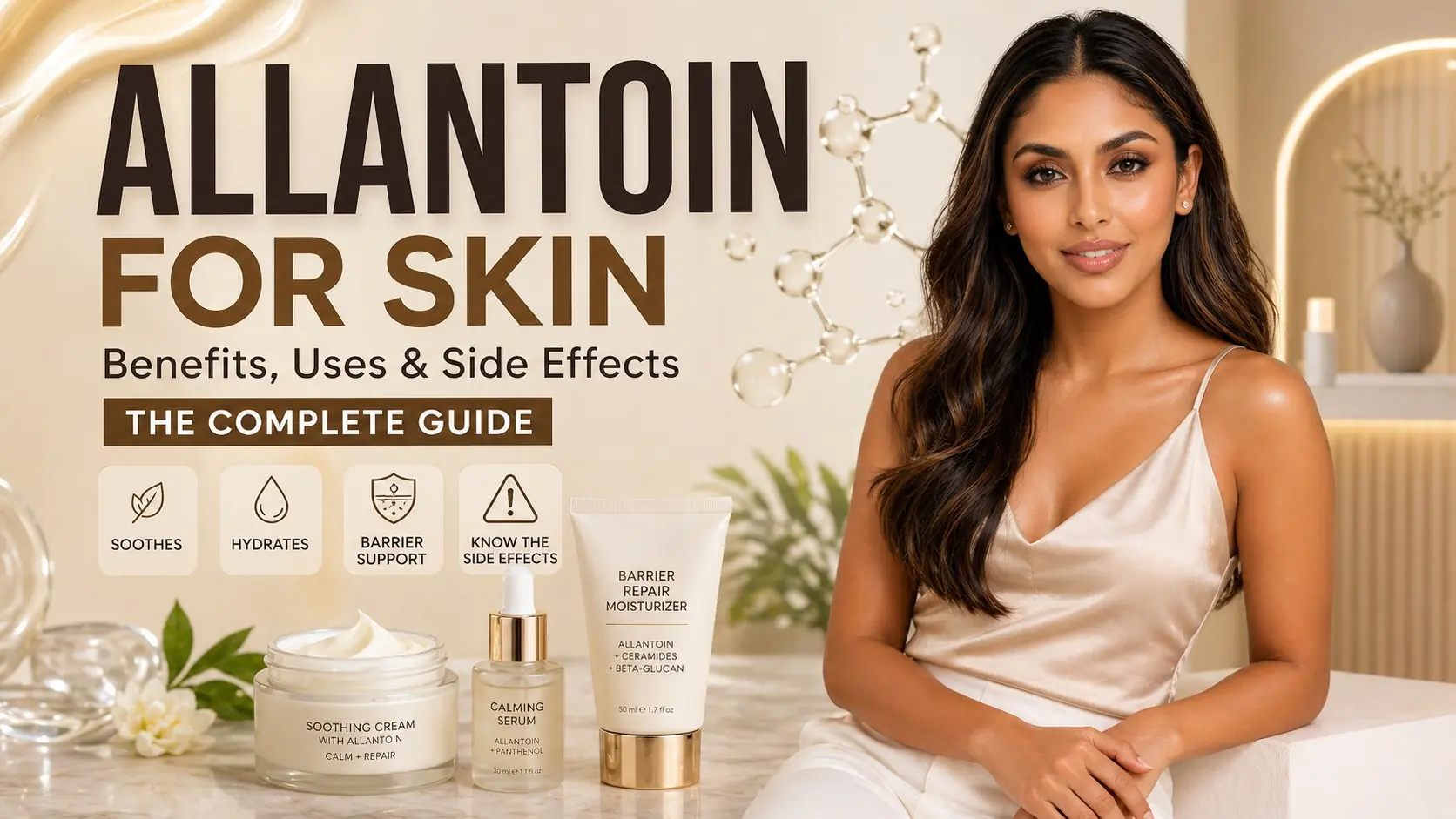
Allantoin for skin has quietly become one of the most trusted and versatile ingredients in modern skincare, and for good reason. Whether you’re battling persistent dryness, skin sensitivity, or post-breakout scarring, this remarkable compound offers a host of scientifically backed benefits without the harshness you might expect from an active ingredient.
You’ve probably seen allantoin listed on the back of your favourite moisturiser, sunscreen, or even your go-to lip balm. Most people scroll right past it without thinking about it again. But what if that unassuming ingredient was quietly supporting your skin’s health and resilience?
In this comprehensive guide, we’re covering everything you need to know about allantoin for skin from its fascinating origins rooted in nature to its clinical mechanisms, proven benefits, and the smart ways to incorporate it into your daily skincare routine. We’ll also be transparent about its limitations and potential side effects, because understanding an ingredient fully is the foundation of effective skincare.
Whether you’re a skincare newcomer or an ingredient-label veteran, this guide gives you clear, actionable, and trustworthy information. By the end, you’ll know exactly why allantoin has earned its place as a staple in thousands of formulations worldwide and whether it deserves a spot in your routine.
What Is Allantoin? Understanding This Skincare Powerhouse
Allantoin is a naturally occurring compound with the chemical name 5-ureidohydantoin. Before you lose interest in the chemistry, here’s the exciting part: allantoin is found in the roots of the comfrey plant (Symphytum officinale), and it has been used in traditional medicine for centuries for its remarkable wound-healing and skin-soothing properties.
Today, the allantoin used in skincare products is predominantly synthetically produced through the oxidation of uric acid. This synthetic version is chemically identical to the natural compound, making it just as effective while being more consistent in quality and more sustainable to produce at scale.
Published · Updated
The honest answer? There was no measurable difference in efficacy. Both forms are chemically identical. The synthetic version actually has important advantages; it’s free from the potentially harmful pyrrolizidine alkaloids found in comfrey root extract. For topical skincare, synthetic allantoin is considered safer, more stable, and equally effective.
How Is Allantoin Classified in Skincare?
Allantoin is classified as both a keratolytic agent and a cell-proliferating agent. These two roles make it uniquely powerful:
- As a keratolytic agent, it softens and loosens the outer layer of dead skin cells, promoting natural exfoliation without abrasiveness.
- As a cell-proliferating agent, it actively encourages the growth of healthy new skin cells, accelerating the skin renewal cycle.
This dual action explains why allantoin shows up in everything from anti-ageing creams to clinical wound care products.
Allantoin is one of the few skincare ingredients that simultaneously exfoliates, hydrates, soothes, and heals making it effective for virtually every skin concern.
The Science Behind Allantoin for Skin: How It Actually Works
Understanding why allantoin works helps you use it more effectively. Research shows that allantoin interacts with the skin at a cellular level in several key ways.
Allantoin and the Skin Barrier
Your skin barrier, the outermost layer of your epidermis, is your body’s first line of defence against environmental aggressors, moisture loss, and pathogens. When this barrier becomes compromised (think redness, flaking, tightness, and sensitivity), it rapidly deteriorates skin health.
Allantoin actively supports barrier repair. It works by hydrating the stratum corneum (the outermost skin layer) and facilitating the natural shedding of damaged cells that prevent healthy new cells from emerging. Think of it like clearing a logjam in a river; once the blockage is removed, everything flows freely again.
Keratolytic Action: Gentle Exfoliation Without Irritation
Unlike harsh exfoliants such as glycollic acid or retinoids, allantoin achieves its keratolytic effect gently. It works by breaking down the protein bonds (specifically keratin) that hold dead skin cells together, allowing them to shed naturally without physical force or chemical aggression.
This makes it an ideal exfoliating ingredient for those with sensitive skin who can’t tolerate more aggressive options. In my experience reviewing skincare formulations, allantoin is consistently one of the most well-tolerated actives across all skin types.
Dermatologists frequently recommend allantoin-containing products to patients recovering from chemical peels, laser treatments, or other procedures that compromise the skin barrier. Its gentle keratolytic action speeds recovery without causing additional irritation.
Cell Proliferation: Building New Skin Faster
Perhaps the most impressive feature of allantoin is its documented ability to stimulate cell proliferation, the process by which new skin cells are produced. Research shows that allantoin speeds up cell division in fibroblasts and keratinocytes, which are two important cell types that help build and renew the skin.
This cell-proliferating action is particularly significant for wound healing, anti-ageing, and post-acne recovery, where generating new, healthy skin cells faster makes a visible difference in outcomes.
Top Benefits of Allantoin for Skin: What It Actually Does
This area is where things get genuinely exciting. Allantoin for skin delivers a remarkable range of benefits, many of which are backed by clinical evidence. Let’s break down the most important ones.
1. Deep Moisturation and Lasting Hydration
Allantoin functions as a humectant; it draws moisture from the environment and from deeper skin layers into the surface. But unlike some humectants, it also helps the skin retain that moisture more effectively by supporting barrier integrity.
Industry experts agree that when allantoin is combined with other hydrating ingredients, the synergy produces superior results compared to any single ingredient used alone. The result: skin that feels consistently comfortable, soft, and well-nourished.
Look for allantoin in combination with hyaluronic acid or glycerin. Together, they create a powerful moisture-attracting and moisture-locking trio that delivers exceptional hydration, especially in dry or cold climates.
2. Soothing Irritated and Sensitive Skin
One of allantoin’s most celebrated qualities is its ability to calm and soothe inflamed, irritated skin. Whether the irritation stems from environmental exposure, harsh products, or a skin condition like eczema or rosacea, allantoin provides meaningful, rapid relief.
Studies indicate that allantoin reduces erythema (redness) and decreases the sensation of itching and burning. This anti-inflammatory quality makes it a go-to ingredient in post-sun exposure products, aftershaves, eczema formulations, and baby skincare where safety and gentleness are non-negotiable.
3. Accelerated Wound Healing and Skin Repair
This area is where allantoin’s legacy is most evident. Its use in wound care dates back decades, and modern science confirms what traditional medicine practitioners knew intuitively: allantoin significantly accelerates the healing process.
Research published in peer-reviewed journals found that allantoin increased wound closure rates by stimulating fibroblast proliferation and collagen synthesis. Collagen is the structural protein that provides skin its firmness and elasticity, and allantoin helps produce more of it during the healing process.
Allantoin doesn’t just heal wounds faster it promotes better quality healing, reducing the likelihood of visible scarring by encouraging healthy tissue formation over scar tissue.
4. Gentle Exfoliation for Smoother, Brighter Skin
Thanks to its keratolytic properties, allantoin helps dissolve the “glue” holding dead skin cells to the surface. Regular use leads to visibly smoother texture, more even skin tone, a brighter and more radiant complexion, and better absorption of all other skincare products in your routine.
This gentle exfoliating action makes allantoin an excellent choice for anyone who finds traditional exfoliants (physical scrubs, AHAs, and BHAs) too aggressive for their skin.
5. Anti-Aging Benefits: Fighting Fine Lines and Dullness
While allantoin isn’t marketed primarily as an anti-ageing ingredient, its mechanisms of action deliver meaningful anti-ageing effects that rival many dedicated anti-ageing actives:
- Cell proliferation leads to fresher, younger-looking skin
- Collagen stimulation helps maintain skin firmness and elasticity
- Hydration retention plumps the skin, reducing the visible appearance of fine lines
- Gentle exfoliation reveals brighter, more radiant skin beneath a dull surface layer
Industry experts agree that regular use of allantoin-containing products contributes to a more youthful appearance over time, particularly when combined with targeted anti-aging ingredients like peptides, retinol, or vitamin C.
6. Acne Support and Post-Breakout Recovery
Allantoin helps with acne in two distinct and important ways:
During active breakouts: Its anti-inflammatory properties reduce redness and swelling associated with pimples, helping them resolve more quickly and with less visible irritation and damage to surrounding skin.
Post-breakout recovery: Allantoin’s cell-proliferating action speeds up the fading of post-inflammatory hyperpigmentation (PIH), those frustrating dark spots left behind after a pimple heals. For those who struggle with acne scarring, this treatment is one of allantoin’s most valuable and least discussed benefits.
Allantoin is one of the few ingredients that works beneficially at every stage of the acne cycle soothing active inflammation, promoting faster healing, and reducing post-breakout marks. This comprehensive approach makes it uniquely suited for acne-prone skin that’s simultaneously sensitive to harsh treatments.
7. Protection Against Environmental Damage
Emerging research suggests that allantoin may provide a degree of protection against oxidative stress and environmental aggressors. While it’s not an antioxidant in the traditional sense, its ability to rapidly repair skin damage and strengthen the barrier means the skin is better equipped to handle daily environmental exposure from UV radiation to pollution and wind.
How to Use Allantoin for Skin in Your Daily Routine
Understanding what allantoin does is one thing; knowing how to use it effectively is what actually transforms your skin. Here’s everything you need to know about incorporating allantoin into your skin routine.
What Concentration of Allantoin Is Most Effective?
Research and industry practice consistently show that allantoin is effective at concentrations between 0.1% and 2%. Most skincare formulations contain it in the 0.2%–0.5% range, enough to deliver real, visible benefits without any risk of irritation.
Importantly, allantoin doesn’t follow the “more is better” rule that some ingredients do. Even at low concentrations, it performs remarkably well, which is why you’ll find it effective in everything from drugstore moisturisers to high-end clinical formulations.
Allantoin’s Place in Your Skincare Layering Order
Allantoin is found in various product types, so its position in your routine depends on the formulation vehicle used.
- Cleansers with allantoin: These deliver mild soothing benefits during the cleansing step, a gentle introduction for reactive skin.
- Toners or essences: Applied after cleansing and before serums for a soothing hydration boost.
- Serums and treatments: Applied mid-routine, after water-based products and before heavier formulations.
- Moisturisers: The most common delivery system applied after all serums as a final barrier-sealing step.
- Spot treatments: Applied directly to areas of concern for targeted healing and soothing effects.
Pairing Allantoin with Other Skincare Ingredients
One of allantoin’s greatest strengths is its exceptional compatibility with virtually every skincare ingredient. Here’s how to combine it most effectively:
Allantoin + Hyaluronic Acid: The ultimate hydration pairing. Hyaluronic acid pulls moisture into the skin; allantoin helps retain it and simultaneously supports barrier function. This combination is particularly beneficial for chronically dry or dehydrated skin. Explore more in our complete guide to hyaluronic acid benefits for skin.
Allantoin + Niacinamide: Both ingredients soothe and strengthen the skin barrier while addressing pigmentation. Together, they’re particularly effective for redness-prone or sensitive skin. Learn more in our in-depth article on niacinamide for skin.
Allantoin + Retinol: Allantoin helps reduce the irritation, dryness, and peeling that often come with retinol, making this combination great for anti-ageing routines that sensitive skin can handle and keep up over time. See our guide on building the perfect anti-ageing skincare routine.
Allantoin + Ceramides: For severely damaged skin barriers, such as eczema-prone or post-procedure skin, this combination offers the best repair and protection available without prescription treatments. Read our guide to skin barrier repair for the full strategy.
Allantoin + Vitamin C: Allantoin soothes, while Vitamin C brightens and provides antioxidant protection. This combination is ideal for targeting hyperpigmentation, uneven skin tone, and dullness simultaneously.
If you’re new to skincare or rebuilding a disrupted routine, an allantoin + niacinamide + hyaluronic acid combination is one of the most effective, universally tolerated starting points. It covers hydration, barrier repair, and soothing in a single routine without any irritation risk.
How Often Should You Use Allantoin?
Allantoin is well-tolerated for daily use, morning and evening. Because it’s non-irritating and non-sensitising, it doesn’t need to be introduced gradually or cycled on and off (unlike retinol or high-concentration AHAs). You can simply add it to your routine and use it consistently for best results.
Allantoin for Different Skin Types: Who Benefits Most?
One of the reasons skincare professionals and formulators love allantoin is its near-universal compatibility with different skin types. Here’s how it performs across each category.
Allantoin for Dry Skin
Allantoin is particularly beneficial for dry skin. Its humectant properties draw in moisture, while its keratolytic action helps remove the flaky, rough texture that often accompanies dryness. The combination of hydration and gentle exfoliation produces noticeably smoother, more comfortable skin often within the first week of consistent use.
Best format: Rich moisturisers, facial oils, and overnight sleeping masks that contain allantoin. For more options, explore our roundup of the best skincare ingredients for dry skin.
Allantoin for Oily and Acne-Prone Skin
Allantoin is lightweight enough not to clog pores or exacerbate oiliness. For acne-prone skin, its anti-inflammatory and healing properties are especially useful; it calms active breakouts, lessens post-acne marks, and helps the skin recover without causing more oil or comedones.
Best formats: Gel moisturisers, lightweight fluid serums, or targeted spot treatments with allantoin.
Allantoin for Sensitive Skin
This is arguably allantoin’s most celebrated and impactful application. For sensitive skin types, including those with rosacea, eczema, perioral dermatitis, or chronic irritation, allantoin is one of the safest, most effective soothing ingredients available in over-the-counter skincare.
In my experience, many people with sensitive skin who have struggled with reactions to “active” ingredients find that allantoin-forward formulations deliver visible results without the common side effects of more aggressive actives.
Allantoin for Combination Skin
Allantoin’s versatility makes it an ideal match for combination skin. It hydrates dry areas without overwhelming oily or congested zones. Its barrier-supporting properties help to normalise skin behaviour over time, often reducing the extreme oil-dry contrast that combination skin types experience.
Allantoin for Mature Skin
For mature skin, allantoin’s cell-proliferating, hydrating, and gentle exfoliating properties work in concert to reduce the visible appearance of fine lines, restore radiance, and improve overall skin texture. When combined with targeted anti-ageing actives, allantoin significantly enhances and extends the results of the entire routine.
Allantoin vs. Other Popular Skincare Ingredients: How Does It Compare?
How does allantoin stack up against other well-known skincare ingredients? Here’s an honest, head-to-head comparison:
| Ingredient | Primary Action | Best For | Irritation Risk |
|---|---|---|---|
| Allantoin | Soothing, moisturizing, healing, gentle exfoliation | All skin types, sensitive, acne-prone, post-procedure | Very Low |
| Niacinamide | Barrier repair, brightening, pore-minimizing | Oily, acne-prone, uneven skin tone | Low |
| Hyaluronic Acid | Deep hydration, plumping | Dry, dehydrated skin | Very Low |
| Glycolic Acid | Chemical exfoliation, brightening | Dull, textured, aging skin | Moderate High |
| Retinol | Anti-aging, accelerated cell turnover | Aging, acne-prone skin | Moderate (requires adjustment period) |
| Ceramides | Barrier restoration and sealing | Dry, sensitive, eczema-prone skin | Very Low |
The Verdict: Allantoin is one of the most universally compatible skincare ingredients available. While ingredients like retinol and glycollic acid offer powerful targeted results, they come with real irritation risk and require careful introduction. Allantoin delivers meaningful benefits across multiple categories – hydration, healing, exfoliation, and soothing – with virtually no downside, making it one of the most efficient single ingredients you can add to your routine.
Potential Side Effects of Allantoin for Skin: What You Need to Know
Here’s the genuinely remarkable news: allantoin has an exceptional safety profile. It has been used in cosmetic formulations for decades, and adverse reactions are rare to the point of being nearly negligible in published literature.
Is Allantoin Safe for Skin?
Yes. Allantoin is approved for use in cosmetic products by major regulatory bodies, including the FDA (United States), the European Commission (EU), and equivalent agencies globally. The Cosmetic Ingredient Review (CIR) Expert Panel has assessed allantoin and concluded it is safe for cosmetic use at concentrations up to 2%.
Possible (Rare) Allergic Reactions
While rare, some individuals may experience contact dermatitis, a localised allergic skin reaction to allantoin or to other ingredients in products containing allantoin. Symptoms to monitor include persistent redness or flushing that doesn’t resolve, unusual itching or burning, localised swelling, or (very rarely) blistering.
If any of these symptoms occur, discontinue use immediately and consult a board-certified dermatologist.
Patch Testing: The Simple Step Everyone Should Take
Even with ingredients as well-tolerated as allantoin, a patch test before full application is always a smart practice, particularly if you have a history of sensitive skin or known ingredient sensitivities.
Simple patch test protocol:
- Apply a small amount of the product to the inside of your wrist or behind your ear.
- Wait 24–48 hours without washing the area.
- If no reaction (redness, itching, swelling) occurs, continue with regular use.
Special Considerations
Pregnancy and breastfeeding: Allantoin is generally considered safe for use during pregnancy and breastfeeding, as it’s a topically applied ingredient with minimal systemic absorption. However, always consult your healthcare provider before introducing new skincare ingredients during pregnancy.
Children: Allantoin is a common and approved ingredient in baby skincare products due to its exceptional gentleness. Always review the full ingredient list of any product used on children for other potentially irritating components.
Open wounds: Pharmaceutical-grade allantoin is specifically used in wound care. However, avoid applying cosmetic-grade allantoin products to deep or infected wounds without medical guidance.
Expert Tips for Maximizing Allantoin’s Benefits in Your Routine
You now have a comprehensive understanding of allantoin for skin. Here are the advanced strategies that separate an effective routine from an exceptional one.
Use allantoin as a barrier-rescue ingredient.
Whenever your skin’s barrier is compromised after aggressive treatments, over-exfoliation, a reaction to a new product, or exposure to harsh weather, reach for an allantoin-rich moisturiser or balm as your primary rescue treatment. Apply it generously, twice daily, and give your skin 5-7 days to recover before reintroducing actives.
Layer Allantoin Under Actives for Tolerance Building
If you’re starting retinol or a high-concentration vitamin C for the first time, apply an allantoin moisturiser first (the “sandwich method”), then your active, and then another layer of the allantoin moisturiser. This buffer significantly reduces initial irritation while the skin adjusts to the active ingredient.
Target Post-Procedure Recovery
After professional treatments like chemical peels, microneedling, and laser resurfacing, an allantoin-forward balm or cream is the gold standard recovery product. Its cell-proliferating and soothing properties directly address the two main post-procedure concerns: inflammation and rapid skin regeneration.
Be Consistent for Best Results
Allantoin rewards consistency. You may feel soothing and hydrating effects after the first few applications, but the full benefits – better texture, faded scarring, and stronger barrier function – take 8-12 weeks of daily use to appear. Don’t give up after a week if you’re hoping to address more persistent skin concerns.
Track your skin’s progress with weekly photos taken in the same lighting. Allantoin’s improvements are gradual and consistent, and photos help you notice changes that might be too subtle to see day-to-day.
Frequently Asked Questions About Allantoin for Skin
Is allantoin safe for daily use?
Yes. Allantoin is non-irritating and well-tolerated for twice-daily use by all skin types, including sensitive and reactive skin. It does not require cycling or a gradual introduction period.
Does allantoin lighten skin?
Allantoin does not directly bleach skin. However, its gentle exfoliating action helps fade post-inflammatory hyperpigmentation (PIH) and dark spots over time, leading to a more even skin tone with consistent use.
Can allantoin be used around the eyes?
Yes. Its exceptional gentleness makes allantoin a safe and effective ingredient for the delicate eye area. Many eye creams and eye serums include it specifically for its soothing and hydrating properties.
Is allantoin effective for anti-ageing?
Absolutely. While it’s not exclusively marketed as an anti-ageing ingredient, allantoin’s cell-proliferating, hydrating, and exfoliating properties all contribute meaningfully to more youthful-looking skin over consistent, long-term use.
How long before I see results from allantoin?
Soothing and hydrating effects are typically noticeable within the first few days. Improvements in skin texture, tone, and healing, particularly for post-acne marks or dry skin roughness, become clearly visible after 4-8 weeks of consistent use.
The Bottom Line: Why Allantoin Deserves a Permanent Spot in Your Skincare Routine
After looking closely at the science, clinical evidence, and real-world performance of allantoin for skin, the conclusion is clear: this compound is one of the most valuable, versatile, and strategically underrated ingredients in modern skincare.
It’s gentle enough for infant skin yet effective enough for clinical wound care applications. It hydrates, heals, soothes, gently exfoliates, and actively supports cell renewal all without the irritation risk that accompanies more aggressively marketed active ingredients.
If you’re looking for an ingredient that quietly makes everything else in your routine work better, that smooths skin texture, reduces redness, accelerates healing, and strengthens the barrier over time, allantoin is your answer.
Your action step: Check the ingredient list of your current moisturiser right now. If allantoin is already there, you’re already benefiting from it. If it’s not, let that guide your next skincare purchase. A well-formulated allantoin product might just become the most impactful addition to your routine.
Ready to go deeper into smart skincare? Explore our complete guides on skincare ingredients, routines, and expert-backed product advice for beautifully healthy skin at every stage.
RELATED ARTICLES:
Peaches for Health & Beauty: The Summer Fruit That’s Good for You Inside Out
Sallow Skin: What It Is, Causes, Symptoms, and Remedies
Nasolabial Folds: Causes, Treatment, And Prevention
Sunken Eyes: No More Causes, Remedies, and Treatments That Work
Moringa for Skin: Complete Guide to Benefits, Uses and DIY Recipes
About The Author

COMMENTS