
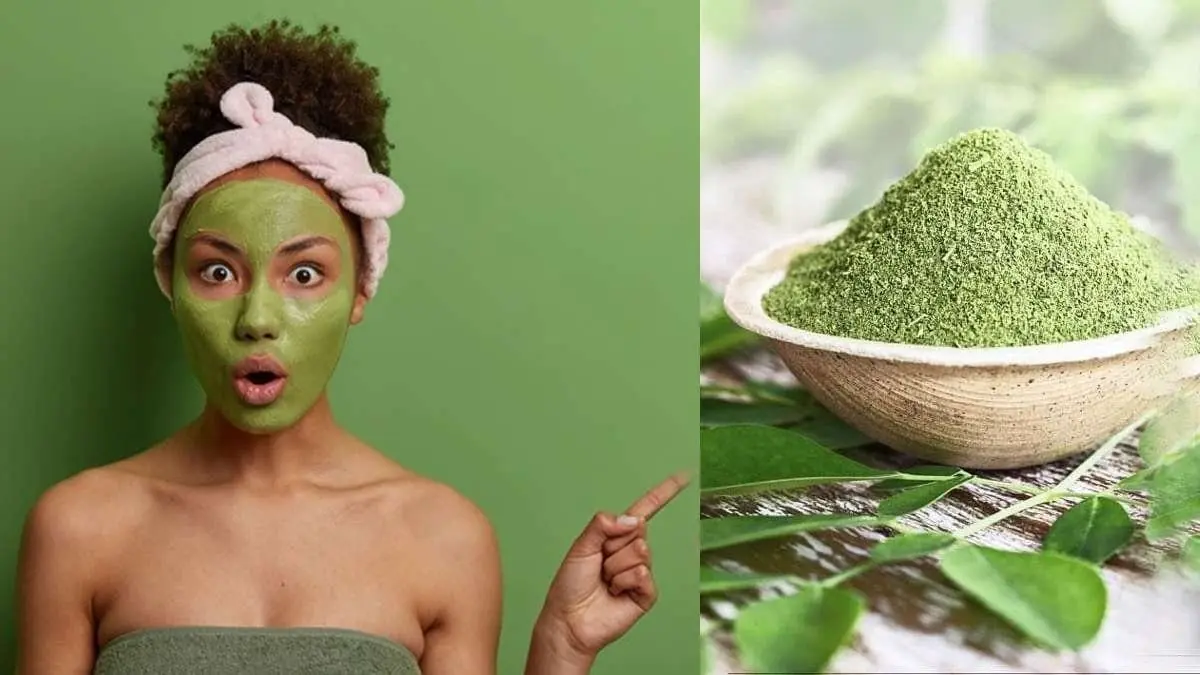
Moringa for skin has earned its quiet reputation in clean beauty for a reason: the leaves and oil from the moringa tree pack vitamin E, zeatin, and a
Moringa for skin has earned its quiet reputation in clean beauty for a reason: the leaves and oil from the moringa tree pack vitamin E, zeatin, and a stack of antioxidants that actively support the barrier and calm inflammation. Unlike trend ingredients that disappear in a season, moringa for skin shows up in routines across Ayurvedic, African, and modern dermatology. This guide walks through every moringa for skin benefit, where to use it, and 5 DIY recipes that work.
Reviewed by the BeautynFacts editorial team. Last updated: May 2026.
Moringa for Skin: The Complete Guide to Benefits, Uses, and DIY Recipes
Moringa for skin is one of the most transformative natural ingredients you can add to your beauty routine. Known as the “miracle tree” or “drumstick tree,” moringa (Moringa oleifera) has been used in Ayurvedic medicine for over 4,000 years, and modern science is finally catching up with what traditional healers have known for centuries. Whether you are dealing with acne, hyperpigmentation, dryness, or premature aging, moringa for skin offers a nutrient-dense solution that works at a cellular level. This comprehensive guide covers everything you need to know: the science behind its benefits, how to use it correctly, DIY recipes for every skin type, and answers to the most common questions people have before adding it to their daily routine.
What Is Moringa and Why Is It a Skincare Powerhouse?
Moringa oleifera is a fast-growing tree native to the sub-Himalayan regions of India, Pakistan, Bangladesh, and Afghanistan. Every part of this plant, from the leaves to the seeds to the roots, is packed with nutritional value. In the context of skin care, the most commonly used parts are the leaves (dried into powder) and the seeds (cold-pressed into moringa oil).
What makes moringa particularly exceptional for skin is its extraordinarily dense nutrient profile. Moringa leaves contain over 90 nutrients, 46 antioxidants, and 36 anti-inflammatory compounds. When applied topically, these compounds work synergistically to address multiple skin concerns at once, which is why moringa for skin has become a subject of intense scientific interest in dermatology and cosmetic research.
The tree got the nickname “drumstick tree” because of the long, slender pods it produces. In many Asian and African cultures, the leaves, pods, and seeds are used both as food and as medicine. In the realm of skincare, moringa leaf powder and moringa oil are the two forms most widely studied and applied.
Key Nutrients in Moringa That Directly Benefit Your Skin
Understanding what is in moringa helps explain exactly why moringa for skin produces such visible results. Here is a breakdown of the most skin-relevant nutrients found in moringa:
Vitamin C
Moringa contains seven times more vitamin C than oranges. Vitamin C is one of the most well-researched skincare ingredients because of its ability to stimulate collagen production, fade hyperpigmentation, neutralize free radicals, and brighten dull skin. When you apply moringa topically, you are delivering this powerhouse vitamin directly to your skin cells.
Vitamin E
Moringa is rich in vitamin E, a fat-soluble antioxidant that protects skin cell membranes from oxidative damage. Vitamin E works particularly well for healing dry, damaged skin and improving the skin’s moisture barrier. It also synergizes with vitamin C to provide enhanced antioxidant protection.
Vitamin A (Beta-Carotene)
Moringa contains four times more beta-carotene than carrots. Beta-carotene converts to vitamin A in the body, which plays a critical role in skin cell turnover. Adequate vitamin A helps skin shed dead cells more efficiently, promotes the growth of new skin cells, and supports the repair of damaged skin tissue.
Zeatin
This is one of the most unique nutrients in moringa. Zeatin is a natural plant hormone that has been shown in studies to slow down cellular aging. It helps maintain the viability of skin cells for longer, which translates directly to firmer, more youthful-looking skin over time.
Quercetin
A powerful flavonoid antioxidant, quercetin helps protect skin from UV damage, reduces inflammation, and has antimicrobial properties that are particularly beneficial for acne-prone skin.
Behenic Acid
Found in moringa oil, behenic acid is a fatty acid that gives the oil its unique emollient properties. It creates a lightweight, non-greasy barrier on the skin that locks in moisture without clogging pores.
Zinc
Moringa is a significant source of zinc, which is essential for controlling sebum production, supporting wound healing, and reducing acne-causing bacteria on the skin surface.
The Top 8 Benefits of Moringa for Skin
Using moringa for skin consistently delivers a range of visible improvements. Here are the eight most significant and scientifically supported benefits:
1. Deep Hydration and Moisture Retention
Moringa oil has exceptional moisturizing properties. Its fatty acid composition, particularly the high content of oleic acid and behenic acid, allows it to penetrate deeply into the skin layers rather than sitting on the surface. This deep penetration delivers moisture to where it is needed most and helps restore the skin’s natural lipid barrier. For people with dry or dehydrated skin, using moringa oil or moringa-infused moisturizers can dramatically improve skin texture and suppleness within just a few weeks of consistent use.
2. Anti-Aging and Wrinkle Reduction
Moringa for skin aging works through multiple mechanisms simultaneously. The vitamin C content boosts collagen synthesis, the zeatin content slows cellular aging, and the antioxidants neutralize free radicals that cause oxidative stress and accelerate skin aging. Studies have shown that moringa extract can reduce the appearance of fine lines and wrinkles while also improving skin elasticity. Regular application results in firmer, more plump skin over time.
3. Brightening and Evening Skin Tone
One of the most popular uses of moringa for skin is for brightening and fading hyperpigmentation. The combination of vitamin C (which inhibits melanin production), vitamin E (which protects against UV-induced darkening), and antioxidants (which repair damaged skin cells) makes moringa highly effective at evening out skin tone. People dealing with dark spots from acne scars, sun damage, or post-inflammatory hyperpigmentation often see significant improvement with regular moringa use.
4. Fighting Acne and Controlling Breakouts
Moringa’s combination of zinc, quercetin, and antimicrobial compounds makes it particularly effective for acne-prone skin. Zinc regulates sebum production and reduces the activity of acne-causing bacteria, while quercetin reduces the inflammation that makes breakouts worse. The antibacterial and antifungal properties of moringa also help prevent the spread of acne-causing bacteria across the skin surface.
5. Reducing Inflammation and Redness
Moringa contains 36 known anti-inflammatory compounds, including isothiocyanates, flavonoids, and phenolic acids. These compounds work together to calm irritated, inflamed skin. People with conditions like rosacea, eczema, psoriasis, and general skin sensitivity often find that moringa helps reduce redness, swelling, and discomfort when applied topically.
6. Natural Skin Detoxification
The antioxidants in moringa help neutralize environmental toxins and pollutants that accumulate on the skin surface and within pores. Urban skin is constantly exposed to fine particles, car exhaust, and industrial pollutants that contribute to dullness, enlarged pores, and accelerated aging. Using moringa for skin provides a natural detox effect that helps remove these damaging particles and restore a cleaner, more radiant complexion.
7. Healing Minor Wounds and Scars
Moringa has been used traditionally as a wound-healing remedy, and modern research supports this use. Its high vitamin C content supports collagen production for skin repair, while its anti-inflammatory compounds reduce the immune response that can lead to excessive scarring. For people dealing with acne scars or minor cuts and abrasions, moringa can support faster, cleaner healing.
8. Protecting Against UV Damage
While moringa is not a replacement for sunscreen, it does offer some natural protection against UV-induced oxidative damage. The combination of quercetin, beta-carotene, and vitamin E provides a defense layer against free radical formation triggered by UV exposure. Using moringa in your morning skincare routine, alongside proper SPF protection, creates a more comprehensive shield against environmental aging.
How to Use Moringa for Skin: 7 Proven Methods
There are multiple effective ways to use moringa for skin, depending on your preferences and the specific concerns you want to address. Here is a comprehensive breakdown of each method:
Method 1: Moringa Powder Face Mask
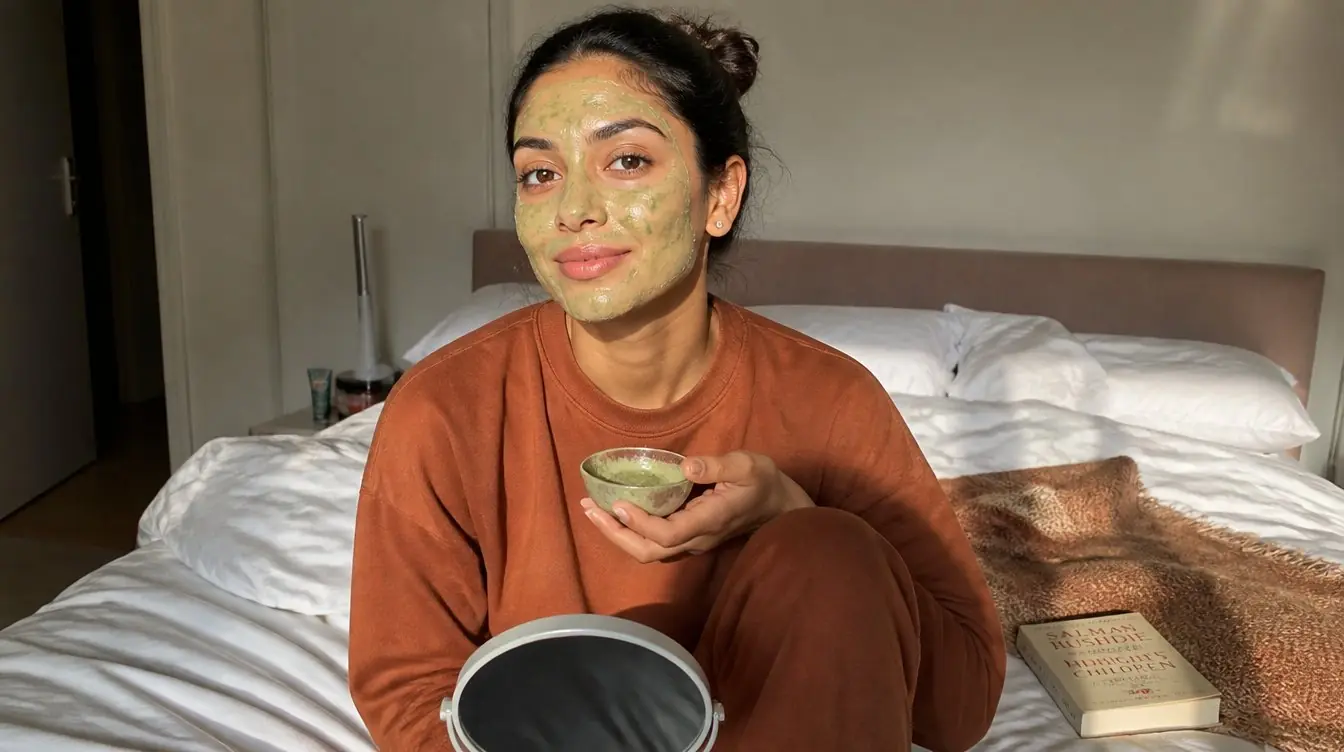
This is the most popular way to use moringa for skin. Mix one to two teaspoons of moringa powder with enough raw honey, yogurt, or rose water to form a paste. Apply to clean skin and leave on for 15 to 20 minutes before rinsing with warm water. This method delivers a concentrated dose of nutrients directly to the skin surface.
Method 2: Moringa Oil as a Daily Moisturizer
Moringa oil is lightweight enough to be used as a daily facial moisturizer, even for oily skin types. Apply two to three drops to clean, slightly damp skin and massage in using upward circular motions. It absorbs quickly and leaves no greasy residue. For dry skin, you can mix it with a heavier moisturizer for additional hydration.
Method 3: Moringa Oil as a Serum
Because of its molecular structure, moringa oil penetrates the skin deeply, making it an effective alternative to traditional serums. Apply it as the first step in your nighttime routine, before moisturizer, to allow maximum absorption. The overnight period gives the nutrients time to work while your skin undergoes its natural repair cycle.
Method 4: Moringa in Your Cleanser
Add half a teaspoon of moringa powder to your regular face wash or oil cleanser. This creates a gentle cleansing exfoliant that removes dead skin cells and impurities while delivering moringa nutrients during the cleansing process.
Method 5: Moringa Toner
Brew a strong moringa leaf tea, allow it to cool completely, then transfer it to a spray bottle. Use it as a toner after cleansing. The liquid form of moringa provides lightweight hydration and antioxidant protection without clogging pores.
Method 6: Moringa Body Scrub
Combine two tablespoons of moringa powder with half a cup of brown sugar or finely ground oats and enough moringa oil to bind the mixture. Use as a weekly body scrub to exfoliate dead skin cells, improve circulation, and leave skin soft and glowing from head to toe.
Method 7: Internal Supplementation for Skin Health
What you put in your body matters as much as what you apply topically. Taking moringa supplements or adding moringa powder to smoothies provides the nutrients your skin needs from the inside out. Internal supplementation complements topical use for more comprehensive skin benefits.
DIY Moringa Face Masks for Every Skin Type
One of the greatest advantages of moringa for skin is its versatility. Whether you have dry, oily, combination, sensitive, or mature skin, there is a moringa face mask recipe that will work for you.
For Dry Skin: Moringa, Honey, and Avocado Mask
Ingredients: 1 teaspoon moringa powder, 1 tablespoon raw honey, half a mashed ripe avocado. Mix all ingredients together until you have a smooth paste. Apply to clean skin and leave on for 20 minutes. Rinse with warm water and follow with your regular moisturizer. This mask provides intense hydration and helps restore the skin’s lipid barrier. Use twice a week for best results.
For Oily and Acne-Prone Skin: Moringa, Clay, and Tea Tree Mask
Ingredients: 1 teaspoon moringa powder, 1 tablespoon kaolin clay, 2 drops tea tree essential oil, enough rose water to form a paste. Combine all dry ingredients, then add rose water gradually until you reach a smooth, spreadable consistency. Add tea tree oil and mix well. Apply to oily areas and leave on for 10 to 15 minutes. Rinse thoroughly with cool water. This mask controls excess sebum, unclogs pores, and reduces acne-causing bacteria. Use once or twice a week.
For Dull and Hyperpigmented Skin: Moringa, Turmeric, and Lemon Mask
Ingredients: 1 teaspoon moringa powder, half a teaspoon turmeric, 1 teaspoon fresh lemon juice, 1 tablespoon plain yogurt. Mix all ingredients into a smooth paste. Apply evenly to the face, avoiding the eye area. Leave on for 15 minutes and rinse with cool water. This mask is a brightening powerhouse. The moringa and vitamin C from lemon work together with turmeric’s curcumin to inhibit melanin production and fade dark spots. Use twice a week and always follow with SPF in the morning.
For Sensitive Skin: Moringa and Aloe Vera Mask
Ingredients: 1 teaspoon moringa powder, 2 tablespoons fresh aloe vera gel, 1 teaspoon rose water. Mix until smooth. Apply gently to skin and leave on for 15 to 20 minutes. Rinse with cool water. This gentle mask delivers moringa’s benefits without any harsh or irritating ingredients. Aloe vera soothes and calms while moringa nourishes. This is also a great option for people with eczema or rosacea.
For Mature Skin: Moringa and Rosehip Oil Anti-Aging Mask
Ingredients: 1 teaspoon moringa powder, 1 teaspoon rosehip seed oil, 1 teaspoon raw honey, 3 drops frankincense essential oil. Combine moringa powder and honey, then stir in the oils. Apply to cleansed skin and leave on for 20 to 25 minutes. Rinse with warm water. This mask targets fine lines, loss of elasticity, and age spots simultaneously. Rosehip oil provides additional vitamin A support, while frankincense has been shown to reduce the appearance of existing wrinkles and prevent new ones from forming.
Moringa Oil: The Gold Standard for Face and Body Care
Moringa oil deserves its own detailed discussion because it is arguably the most effective and versatile form of moringa for skin. Cold-pressed from moringa seeds, the oil has been used for centuries in Egyptian, Greek, and Roman cultures for its skin-preserving properties. In fact, moringa oil was found in ancient Egyptian tombs, where it was stored for its exceptional shelf life and skin benefits.
Why Moringa Oil Is Different From Other Facial Oils
Most facial oils contain primarily oleic acid (a monounsaturated fatty acid) or linoleic acid (a polyunsaturated fatty acid). Moringa oil contains an unusually high amount of behenic acid, a saturated fatty acid that gives the oil exceptional emollient properties and an extremely long shelf life. Behenic acid also makes moringa oil uniquely resistant to oxidation, which means it will not go rancid quickly on the skin or in the bottle.
The oleic acid in moringa oil (which makes up about 72 percent of its fatty acid profile) is particularly beneficial for skin penetration. It has a molecular structure that allows it to pass through the skin barrier more effectively than heavier oils, delivering the full spectrum of nutrients into the deeper layers of the skin.
How to Choose Quality Moringa Oil
Look for cold-pressed, unrefined moringa oil in dark glass bottles. Cold-pressing preserves the maximum amount of nutrients, while unrefined means no heat or chemicals were used in processing. Dark glass protects the oil from light degradation. Avoid moringa oils in clear plastic bottles or those labeled as “refined” or “processed.” The color should be light yellow to golden. The smell should be mild and pleasant, sometimes described as slightly nutty or earthy.
Your Daily Moringa for Skin Routine: A Practical Schedule
Creating a consistent moringa for skin routine is the key to seeing lasting results. Here is a practical daily and weekly schedule you can follow:
Morning Routine
Cleanse with a gentle moringa-infused cleanser or add a small amount of moringa powder to your regular cleanser. Follow with moringa toner (brewed moringa tea) to balance pH and deliver antioxidants. Apply a few drops of moringa oil as a serum before your regular moisturizer. Finish with SPF 30 or higher.
Evening Routine
Double cleanse if you wear makeup. Apply moringa oil directly to clean skin and gently massage it in. The overnight period is ideal for moringa oil because your skin undergoes cell regeneration during sleep, and the nutrients in moringa support this process. Follow with a heavier moisturizer if you have very dry skin.
Weekly Routine
Use a moringa face mask one to two times per week, choosing the recipe that best matches your current skin concerns. On the days you use a mask, you may skip the oil serum step in your evening routine, as the mask will deliver concentrated nutrients.
Moringa for Hair: An Important Bonus Benefit
While this guide focuses on moringa for skin, it is worth noting that moringa is equally powerful for hair health. The same nutrients that benefit the skin, particularly vitamins A, C, and E, as well as zinc and iron, are essential for healthy hair growth and scalp health.
Applying moringa oil to the scalp improves circulation to hair follicles, delivers nourishing nutrients directly to the scalp skin, and helps combat dandruff and scalp inflammation. Mixing moringa powder with a carrier oil and applying it as a hair mask can strengthen hair strands from within, reduce breakage, and add shine.
For a simple moringa hair mask, mix two tablespoons of moringa powder with three tablespoons of coconut oil and one tablespoon of honey. Apply to the scalp and hair, cover with a shower cap, and leave on for 30 to 45 minutes before shampooing out. Use weekly for best results.
Potential Side Effects and Safety Precautions
Moringa for skin is generally very well tolerated by most skin types. However, there are some precautions worth being aware of before you start using it.
If you are using moringa for the first time, always perform a patch test. Apply a small amount of moringa powder paste or moringa oil to the inside of your wrist or behind your ear and wait 24 hours before applying it to your face. This helps identify any potential allergic reactions before they affect a larger area of skin.
Moringa is a powerful detoxifier. When you first start using it topically, some people experience mild purging, particularly if they have oily or acne-prone skin. This typically subsides within one to two weeks as the skin adjusts. Reduce frequency of use if purging is excessive.
The brightening mask containing lemon juice should always be followed by sun protection, as lemon juice can make the skin more photosensitive. Never go out in the sun immediately after applying any lemon-based skincare treatment.
Frequently Asked Questions About Moringa for Skin
How long does it take to see results from using moringa for skin?
Most people begin to notice improvements in skin hydration and texture within one to two weeks of consistent use. More significant changes, such as reduced hyperpigmentation, smoother skin, and reduced fine lines, typically become visible after four to eight weeks of regular use. Like all natural skincare ingredients, consistency is key.
Can I use moringa on my face every day?
Yes, moringa oil can safely be used every day on the face. Moringa powder masks are best used one to two times per week to avoid over-exfoliating or over-stimulating the skin. If you notice any irritation, reduce frequency and always ensure you are doing a proper patch test first.
Is moringa good for all skin types?
Moringa for skin is suitable for all skin types, including dry, oily, combination, sensitive, and mature. The key is adjusting the application method and the accompanying ingredients in your DIY recipes to match your specific skin type. Oily skin benefits more from clay-based moringa masks, while dry skin does better with honey or avocado-based moringa masks.
Can moringa help with dark spots?
Yes. The high vitamin C content in moringa inhibits tyrosinase, the enzyme responsible for melanin production, which directly addresses hyperpigmentation. Combined with antioxidants that repair UV-damaged cells, regular use of moringa for skin can significantly lighten dark spots over a period of four to twelve weeks.
Does moringa oil clog pores?
Moringa oil has a comedogenic rating of around 2 to 3 on a scale of 0 to 5, which is considered low to moderate. Most people with oily or acne-prone skin can use it without issue, but if you have extremely clog-prone skin, start with a very small amount and monitor your skin’s response over a few weeks.
Can moringa be used alongside other skincare actives?
Yes. Moringa pairs particularly well with vitamin C (synergistic brightening), hyaluronic acid (complementary hydration), niacinamide (both help with pore size and uneven tone), and retinol (combined anti-aging action). When combining actives, introduce them one at a time so you can identify how your skin responds to each addition.
The Bottom Line on Moringa for Skin
Moringa for skin is not just another beauty trend. It is a scientifically supported, traditionally validated, nutrient-dense ingredient that addresses a wide range of skin concerns through multiple mechanisms at once. Whether you choose to use moringa oil as a daily moisturizer, incorporate moringa powder into weekly face masks, or supplement with moringa internally, the benefits to your skin health are both real and measurable.
The best approach is to start simple. Pick one moringa product or DIY recipe that addresses your primary skin concern, use it consistently for four to six weeks, and then assess the results before adding additional moringa applications to your routine. Over time, you will find the combination that works best for your unique skin and create a moringa-based beauty ritual that delivers lasting, visible improvements.
Moringa has earned its reputation as a skincare powerhouse through centuries of traditional use and decades of scientific research. Adding it to your beauty routine is one of the most evidence-based, natural choices you can make for the long-term health and appearance of your skin.
RELATED ARTICLES:
2025’s Best Natural Wrinkle Remedy: Garlic Skincare Hacks for Ageless Beauty!
The Ultimate Body Care Routine for Your Softest, Most Supple Skin Yet
Silicone Chest Pads: The Science Behind Why They Work & More
How to Care for Decolletage and Chest Wrinkles
Say Goodbye to Dry Skin: The Best Ayurvedic Morning & Evening Rituals for Dry Skin!
About The Author

COMMENTS