








Building a smart transition skincare routine is how you stop the dryness, breakouts, and barrier damage that hit almost every face at the seasonal tur
Building a smart transition skincare routine is how you stop the dryness, breakouts, and barrier damage that hit almost every face at the seasonal turn. Temperature, humidity, indoor heating, and UV intensity all shift the moment seasons change, and the cleanser, serum, and moisturiser that worked in July often actively hurt your skin in October. This guide walks you through the science of seasonal skin and gives you the exact product swaps that keep your complexion calm all year.
Published · Updated
Why Your Skin Needs a Transition Skincare Routine Every Season
The Science of Seasonal Skin Changes
Your skin is a living organ that responds continuously to its environment. When the season changes, so do the conditions your skin must work against. Temperature, humidity, UV index, wind exposure, and indoor heating all shift dramatically between summer and fall. These variables directly affect your skin barrier, also called the stratum corneum, which is the outermost layer responsible for keeping moisture in and irritants out.
Research published in the British Journal of Dermatology confirms that transepidermal water loss increases significantly in low-humidity environments. Transepidermal water loss is the rate at which your skin releases moisture into the surrounding air. When you step from warm, humid summer conditions into cool, dry autumn air, your barrier faces a new challenge every single day. Skin that managed beautifully in July can become flaky, reactive, and congested by October without a single product change.
The lipid matrix that holds your skin cells together also responds to temperature. Cold air tightens this matrix and slows natural cell turnover. Dead cells accumulate on the surface faster than your skin can shed them. The result is visible dullness, uneven texture, and a higher likelihood of clogged pores throughout the season.
How Temperature and Humidity Affect Your Skin Barrier
Humidity levels during summer in most of the US and the UK are between 50 and 70 percent. In autumn and winter, indoor air drops to 20 to 30 percent humidity, especially once central heating runs continuously. This difference is enormous for your skin. Lower humidity pulls water from the deeper layers of your skin toward the surface, where it evaporates before it can hydrate your cells.
Wind is another factor that amplifies moisture loss. Cool autumn breezes strip the natural oils from your skin surface, removing the protective film your sebaceous glands produce. For dry skin types, this loss is immediate and uncomfortable. For oily skin types, the response is often compensatory excess oil production, which leads to congestion rather than the relief many expect from cooler weather.
Indoor heating compounds the problem. Forced-air heating systems reduce indoor humidity further and create a recirculating dry environment that your skin contends with for hours every day. Dermatologists consistently recommend using a bedroom humidifier during autumn and winter to support your skincare routine from the environmental side, not just from the product side.
Signs Your Current Routine Is No Longer Working
Your skin communicates clearly when its needs change. Learning to read these signals early saves you months of damage and frustration. The most common warning signs appear within two to four weeks of a seasonal shift.
- Skin feels tight immediately after cleansing, even before applying any products
- Flakiness appears around the nose, eyebrows, or forehead without any product change
- Foundation looks patchy or clings to dry patches by midday
- Breakouts concentrate in new areas, particularly the chin and jawline
- Your usual moisturizer absorbs instantly and leaves skin feeling unquenched within an hour
- Redness and sensitivity flare in areas that were previously calm all summer
- Skin looks dull even after cleansing and moisturizing thoroughly
If two or more of these apply to you, your routine is no longer matching your skin’s seasonal demands. Addressing the mismatch within the first few weeks of autumn prevents deeper barrier disruption that can take months to fully repair.
Understanding Your Skin Type Before You Transition Your Skincare Routine
Dry and Combination Skin in Autumn
Dry skin produces less sebum than other skin types. During summer, ambient humidity compensates for this deficiency, so dry skin types often feel more balanced and comfortable in the warm months. Once fall arrives and humidity drops, the skin barrier loses moisture rapidly. Tightness sets in within minutes of washing your face. Fine lines look more pronounced. The surface feels rough, especially on the cheeks, temples, and forehead.
The fall priority for dry skin is barrier repair and deep hydration. Products containing ceramides, shea butter, squalane, and hyaluronic acid become non-negotiable. Ceramides are lipid molecules that form roughly 50 percent of the skin barrier’s composition. When ceramide levels drop in response to cold and dry conditions, the barrier weakens and moisture escapes faster. Replacing them through topical skincare is a clinically supported approach that dermatologists recommend for dry and compromised skin.
Combination skin presents an unusual challenge during the seasonal shift. The T-zone, which covers the forehead, nose, and chin, remains oily even as the cheeks and outer areas turn dry. Fall makes this imbalance more noticeable. You need products that address both zones without overloading one or stripping the other. Niacinamide works exceptionally well here because it regulates sebum production while simultaneously strengthening the skin barrier. Apply a lightweight niacinamide serum all over, then layer a richer ceramide moisturiser only on the drier cheek and temple areas.
Oily Skin in Cooler Months
Oily skin types often assume fall is easier because shine and sweat decrease. This assumption leads to the most common seasonal skincare mistake: skipping moisturiser. When indoor heating and cool outdoor air reduce ambient humidity, the skin reacts by producing more sebum to compensate for moisture loss. The result is an excess of surface oil alongside a dehydrated lower skin layer, a paradox known as dehydrated oily skin.
Dehydrated oily skin looks shiny but also dull. Pores appear enlarged. Breakouts concentrate around the chin, jawline, and cheeks even in people whose skin was calm all summer. Using a lightweight, oil-free moisturiser in the fall solves both problems simultaneously. It signals to your sebaceous glands that sufficient hydration exists, reducing compensatory oil production. It also fills the moisture deficit in the deeper skin layers where sebum alone cannot reach.
For oily skin in fall, prioritise gel-cream or water-gel moisturisers that contain hyaluronic acid and niacinamide. Avoid heavy occlusives like petrolatum unless your skin barrier is severely compromised. Focus instead on humectants that draw water into the skin and lightweight emollients that seal it in place without clogging pores.
Sensitive Skin and Seasonal Reactivity
Sensitive skin reacts intensely to environmental change. The combination of temperature drops, wind exposure, reduced humidity, and the temptation to introduce several new fall products creates a situation of heightened reactivity. Redness, stinging, burning, and patches of rough skin all signal that sensitive skin is struggling with the seasonal transition.
Dermatologists advise a slow and cautious transition for sensitive skin types. Introduce one new product at a time, with at least five to seven days between each introduction. This approach allows you to identify the exact cause of any reaction rather than guessing among several new additions. Patch testing on the inner arm for 48 hours before applying anything new to the face is a practice worth maintaining year-round and especially at seasonal transitions.
Barrier-supporting ingredients form the foundation of a fall routine for sensitive skin. Centella asiatica, colloidal oatmeal, panthenol (vitamin B5), and ceramides calm inflammation while reinforcing the protective barrier layer. Avoid fragrance in all products during the transition period. Fragrance is one of the leading causes of contact dermatitis, and already-sensitised fall skin reacts to it more readily than summer skin typically does.
Step-by-Step Product Swaps for Your Fall Transition
Switching Your Cleanser
Your summer cleanser likely skewed toward foaming or gel formulas designed to cut through sweat, sunscreen, and excess oil. These formulas work by removing surface lipids aggressively. In summer, your skin produces enough oil to tolerate the heat without damage. In fall, the same formula strips away the protective lipids your barrier can no longer afford to lose.
Switch to a cream, lotion, or balm cleanser for fall. These formulas lift impurities while leaving beneficial lipids intact. Look for cleansers containing glycerin, ceramides, or fatty acids in the ingredient list. Dry and sensitive skin types should make this swap immediately in early September. Combination and oily skin types can shift to a gentler, sulphate-free gel formula rather than a full cream cleanser if they prefer a slightly more thorough cleanse.
Avoid hot water when cleansing in fall and winter. Hot water dissolves the lipid layer of your skin even more aggressively than a harsh cleanser. Use lukewarm water, cleanse for 30 to 60 seconds, and pat dry gently with a clean soft towel. These three adjustments alone reduce barrier disruption significantly across all skin types throughout the colder months.
Upgrading Your Moisturizer
Moisturiser is the single most important product swap of the fall transition. A lightweight summer formula that was perfectly comfortable in August will feel inadequate by October. The shift is not dramatic for everyone, but it is necessary for every skin type.
Choose a moisturiser with a richer emollient base for fall. Ingredients to seek out include shea butter, squalane, glycerin, ceramides, and fatty alcohols, such as cetyl or stearyl alcohol. These ingredients work as a team: humectants draw moisture into the skin, emollients smooth and soften the surface, and occlusives seal everything in. A well-formulated fall moisturiser contains all three categories working together.
Dry skin types benefit from adding a separate facial oil, applied before moisturiser, in the evening. Facial oils containing rosehip, marula, or jojoba create an additional occlusive layer that significantly reduces overnight moisture loss. Apply the oil to damp skin and follow immediately with your moisturiser to effectively lock the hydration in place.
Oily skin types should resist using summer-weight moisturisers out of fear of breaking out. Upgrade to a gel-cream or water-cream formula that provides more hydration than your summer product without heavy texture. Sensitive skin types should prioritise fragrance-free and hypoallergenic formulas, avoiding the simultaneous use of multiple products.
Rethinking Your SPF Strategy
SPF does not stop mattering in autumn. UV rays reach the skin every day of the year, including overcast days, which still transmit up to 80 percent of UV radiation. However, the texture of your summer sunscreen may no longer suit your fall skin. Lightweight, matte, or watery SPF formulas designed for hot and humid weather can feel drying and insufficient when temperatures drop.
Switch to a moisturising SPF formula for fall. Products labelled as hydrating sunscreen or daily moisturiser with SPF 30 or higher efficiently combine your sun protection and hydration steps. Look for formulas containing niacinamide for skin barrier support or hyaluronic acid for added moisture. Sensitive skin types often prefer mineral SPF formulas with zinc oxide, which have a lower risk of photosensitivity when using actives like retinol at the same time.
Key Ingredients to Prioritize in Your Autumn Skincare Routine
Hyaluronic Acid and Ceramides for Barrier Repair
Hyaluronic acid is a naturally occurring molecule in the skin that holds up to 1,000 times its weight in water. Your skin produces less of it as you age, and external factors like cold air and low humidity reduce its effectiveness further. Applying hyaluronic acid topically replenishes surface hydration and creates a visible plumping effect in the outer skin layers.
For maximum effectiveness, apply hyaluronic acid serum to damp skin. The molecule works by drawing water from its surroundings. On damp skin, it draws from the moisture already sitting on the surface. On completely dry skin in dry autumn air, it can pull water from the deeper skin layers instead, which worsens dehydration. Always follow hyaluronic acid with a moisturiser to seal the hydration in place before it evaporates.
Ceramides are lipid molecules that form the structural foundation of your skin barrier. Scientific studies indicate that ceramide-deficient skin loses moisture three to five times faster than skin with intact ceramide levels. Products containing ceramide NP, ceramide AP, and ceramide EOP, the three most clinically studied forms used in skincare, help restore the barrier directly. Dermatologists widely recommend ceramide-based cleansers and moisturisers for dry, sensitive, and compromised skin types year-round, with particular emphasis during the fall and winter.
Niacinamide for All Skin Types
Niacinamide, also known as vitamin B3, is one of the most versatile and well-researched skincare ingredients available. It addresses the core concerns of every skin type in a single ingredient, which makes it ideal for the fall transition when your skin is adjusting and you want to keep your routine effective without complexity.
For oily and combination skin, niacinamide regulates sebum production and visibly minimises the appearance of enlarged pores. Clinical studies indicate that a 2 to 5 percent niacinamide concentration reduces sebum excretion by up to 25 percent over eight weeks of consistent use. For dry and sensitive skin, niacinamide helps make more ceramides, strengthens the skin barrier, and reduces transepidermal water loss. It also calms redness and suppresses melanin transfer, which helps fade hyperpigmentation from summer sun damage.
Add niacinamide as a serum, applied after cleansing and before moisturiser. Concentrations between 5 and 10 percent deliver the most measurable results. Those with very sensitive skin should start at 2 to 5 percent to minimise the risk of irritation. Niacinamide pairs well with hyaluronic acid, ceramides, peptides, and SPF. It also pairs safely with retinol, contrary to an outdated myth that the two ingredients cancel each other out.
Retinol: Why Fall Is the Best Season to Start
Retinol is a vitamin A derivative with the most extensive clinical evidence base of any anti-ageing skincare ingredient. It accelerates cell turnover, stimulates collagen production, reduces the appearance of fine lines, and improves overall skin texture over consistent use. Dermatologists frequently recommend starting or reintroducing retinol in autumn for two important reasons.
First, retinol increases photosensitivity. Using it during long, sunny summer days raises the risk of UV damage to the newly sensitised skin cells it creates. Autumn’s shorter days and lower UV index reduce this risk substantially. Second, retinol causes an initial adjustment period involving dryness and mild peeling. This adjustment is far easier to manage in the fall, when your richer routine already provides enhanced hydration support.
Start at the lowest available concentration, typically 0.025 to 0.05 percent, and apply it only two nights per week. After four weeks without irritation, increase to three nights per week. After another four weeks, you should increase it to every other evening. Follow each retinol application with a generous layer of your fall moisturiser. This buffering technique reduces irritation without reducing efficacy. Those with dry or sensitive skin can apply their moisturiser first and then retinol on top, which slows absorption slightly and decreases the chance of redness or peeling.
How to Layer Products Correctly in Your Fall Routine
Morning Routine Order
Product layering order matters because each product creates a surface environment that affects how the next one performs. Applying products in the wrong sequence wastes them or causes unnecessary irritation. Follow this sequence every morning for maximum benefit across all skin types.
- Cleanser: Use your cream or gentle gel formula with lukewarm water for 30 to 60 seconds.
- Toner: Choose an alcohol-free hydrating toner containing glycerin or rose water. Apply to damp skin by pressing gently with clean hands.
- Serum: Apply your niacinamide or hyaluronic acid serum to skin that is still slightly damp from toner. Press gently into the skin rather than rubbing.
- Eye cream: Apply a pea-sized amount around the orbital bone with your ring finger. Pat gently; never rub or drag the skin.
- Moisturiser: Apply while the serum is still slightly tacky. This traps active ingredients against the skin and improves absorption.
- SPF: Apply as the final step, using a full quarter teaspoon for the face alone. Allow two minutes before applying makeup.
Allow 60 seconds between each step for full absorption. Rushing this process causes pilling, which is when products roll off the skin in small balls rather than absorbing correctly.
Evening Routine Order
Your evening routine does the heavy lifting for skin repair and regeneration. Skin renews itself most actively between 11 PM and 4 AM. Applying your most nourishing and active products before sleep leverages this natural regenerative cycle for compounded results.
- Oil cleanser or balm cleanser: Remove makeup, sunscreen, and the day’s pollution load thoroughly.
- Second cleanser: Use a gentle cream cleanser to remove any remaining residue and fully cleanse the skin.
- Treatment toner or essence: An essence containing fermented ingredients or hyaluronic acid prepares skin to receive active ingredients more effectively.
- Active serum: Apply retinol, a peptide serum, or a vitamin C serum on alternating nights. Avoid layering multiple actives on the same evening.
- Facial oil (optional): Press two to three drops of rosehip, squalane, or marula oil into the skin before moisturiser for enhanced overnight nourishment.
- Night cream or moisturiser: use a richer formula than your daytime product. Prioritise ceramides, peptides, and shea butter in the ingredient list.
- Lip treatment: Apply a thick lip balm or healing lip mask as the final step to prevent overnight moisture loss from lips.
How to Prevent Pilling and Irritation When Layering
Pilling occurs when products roll off the skin in small balls rather than absorbing properly. It usually results from applying too many layers too quickly or from combining incompatible textures. Silicone-heavy products applied directly over water-based serums are a frequent cause. Reducing the total number of products and allowing adequate absorption time between each one resolves most pilling issues without sacrificing results.
Irritation from layering usually comes from combining multiple actives without allowing your skin barrier to adjust. Retinol, AHAs, BHAs, and high-strength vitamin C are each effective individually but disruptive when used together on the same evening. In fall, keep your active use simple. Use one active per night and rotate it rather than stack. Your barrier stays intact, and each active ingredient performs more effectively on an undisturbed skin surface.
Common Transition Skincare Mistakes to Avoid
Overhauling Your Entire Routine at Once
The most damaging mistake in a seasonal transition is switching every product simultaneously. When you change your cleanser, serum, moisturiser, and SPF all in the same week, your skin has no reference point. If a reaction occurs, you cannot identify the cause. You may not know which product caused the change if your skin improves dramatically.
Transition in deliberate waves instead. Swap your moisturiser first, as this single change delivers the most immediate fall benefit for all skin types. Allow one to two weeks to assess how your skin responds, then adjust your cleanser. Wait another week before introducing any new active ingredient. This methodical approach keeps you in full control of your skin’s response throughout the season change.
Skipping SPF Because It Feels Less Necessary
UV-A rays, the wavelengths responsible for premature aging and hyperpigmentation, maintain roughly 70 percent of their summer intensity through autumn and winter. Cloudy days transmit up to 80 percent of UV radiation. Glass windows in your car and office block UV-B but allow UV-A to pass through freely. Dropping SPF from your morning routine in fall causes cumulative damage that appears as uneven skin tone, fine lines, and dark spots months and years later.
You invested time and effort into your summer sun protection. Protect that investment by maintaining SPF year-round. Switch to a moisturising SPF formula if your current sunscreen feels too light or uncomfortable in fall weather, but do not skip this step.
Neglecting Your Neck, Hands, and Lips
Your face does not exist in isolation. The neck and décolletage contain thinner skin with fewer sebaceous glands and show signs of aging and seasonal damage as quickly as the face does. Most people stop their skincare routine at the jawline, which creates a visible line of difference over time. Extend your serum and moisturiser down your neck and across your chest every morning and evening.
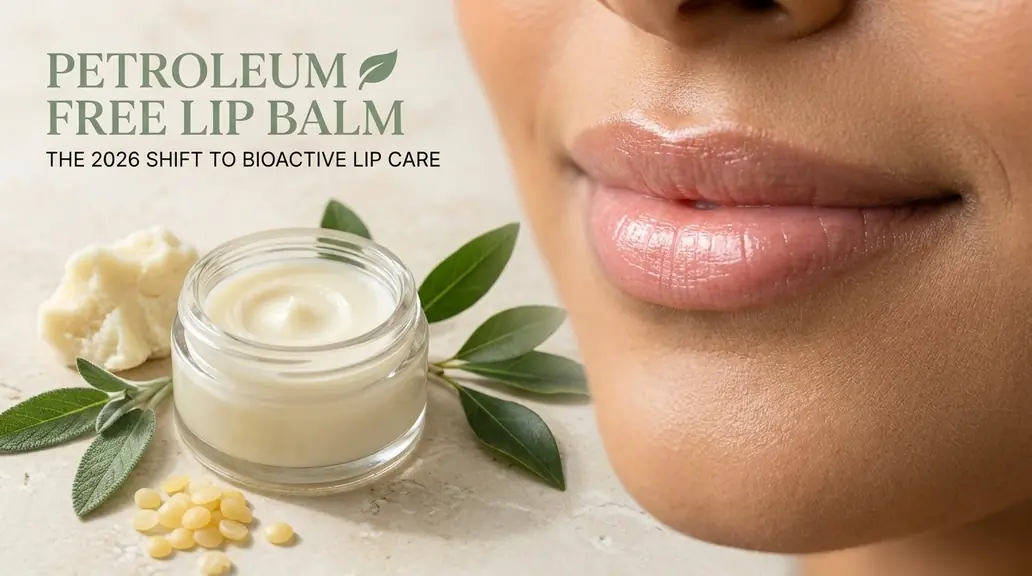
Hands lose moisture faster than almost any other body part in fall because they are exposed constantly to wind, cold air, and frequent washing. Apply a hand cream containing glycerin, shea butter, or urea after every hand wash throughout the day. Lips lack sebaceous glands entirely, which means they cannot self-moisturise under any conditions. Switch from a thin summer lip balm to a thick emollient formula containing beeswax, shea butter, or lanolin as soon as temperatures drop consistently.
Building a Complete Fall Routine for Each Skin Type
Dry Skin Fall Routine
Dry skin in fall requires a routine centred on layered hydration, barrier reinforcement, and overnight repair. Every step should either add moisture or actively prevent moisture loss. Avoid any product with a high alcohol content, including many astringent toners, as alcohol disrupts the lipid layer your barrier depends on.
Morning: Cream cleanser, hydrating toner with glycerin, hyaluronic acid serum applied to damp skin, niacinamide serum, rich ceramide moisturiser, and hydrating SPF 30 or higher.
Evening: Cleansing balm followed by cream cleanser, hydrating essence, retinol two to three nights per week, facial oil such as rosehip or squalane pressed into damp skin, thick night cream with ceramides and peptides, and occlusive lip treatment as the final step.
Once per week, apply a hydrating sleeping mask in the evening after your serum and before your night cream. These treatments deliver a concentrated dose of humectant and emollient ingredients and visibly plump the skin for 24 to 48 hours after use.
Oily and Combination Skin Fall Routine
Oily and combination skin types need hydration without heaviness. The goal is preventing compensatory sebum production while keeping pores clear. Lightweight, non-comedogenic products allow you to moisturise adequately without triggering congestion or breakouts.
Morning: Gentle sulphate-free gel cleanser, alcohol-free toner, niacinamide serum applied all over, lightweight gel-cream moisturiser with hyaluronic acid, and oil-free SPF 30 or higher.
Evening: Micellar water or gel cleanser, hydrating toner, niacinamide serum all over, lightweight moisturiser all over, and an optional BHA exfoliant two nights a week to prevent congestion. Combination skin types can apply a richer ceramide moisturiser to the dry cheek and temple areas after the lighter all-over moisturiser has fully absorbed.
Avoid heavy facial oils on the T-zone. If you add a facial oil to your evening routine, apply it only to the drier cheek and temple areas. Squalane is the lightest and least comedogenic option for combination skin and suits most oily skin types as well.
Sensitive Skin Fall Routine
Sensitive skin needs simplicity and gentleness above all else during seasonal transitions. A consistent five-step routine always outperforms a complex ten-step routine applied inconsistently or with irritating ingredients.
Morning: Micellar water or a very gentle cream cleanser, an alcohol-free and fragrance-free hydrating toner, a centella asiatica or panthenol serum, a ceramide-rich moisturiser, and a mineral SPF 30 or higher with zinc oxide.
Evening: Gentle cream cleanser, fragrance-free essence or hydrating toner, barrier repair serum with ceramides and niacinamide, rich fragrance-free night cream, and healing lip balm as the final step.
Introduce retinol only after your barrier is fully stable and your routine is well established. Start with an encapsulated retinol formula, which releases the active ingredient slowly for gentler results. Retinaldehyde, a gentler retinol precursor, is another strong option that causes less irritation while still delivering visible improvements in texture and tone over time.
Frequently Asked Questions
When exactly should I start transitioning my skincare routine for fall?
Start transitioning in late August or early September, before you feel the full impact of autumn on your skin. The goal is to prepare your barrier proactively rather than repair it reactively. Reactive transitions are slower and more frustrating because you are dealing with active damage while simultaneously trying to introduce new products. Begin by swapping your moisturiser for a richer formula as soon as overnight temperatures consistently drop below 60 degrees Fahrenheit. Add hydrating serums and adjust your cleanser within the first two weeks of September. By the time October arrives and indoor heating activates, your skin should already be in a strengthened and well-supported position.
Can oily skin really become dehydrated in the fall?
Yes, absolutely. Oily and dehydrated are not opposites and do not cancel each other out. ‘Oily’ refers to the amount of sebum your skin produces. ‘Dehydrated’ refers to the water content inside your skin cells. You can have excess surface oil and a water-deficient skin interior simultaneously. This condition is called dehydrated oily skin, and it is extremely common in autumn. The skin looks shiny but also feels tight or appears dull. Breakouts occur alongside flaky patches, which creates real confusion. The solution is adding lightweight hydrating products, specifically those containing hyaluronic acid and glycerin, rather than stripping the skin further with mattifying or drying formulas. Consistent moisturising reduces compensatory oil production over time and gradually resolves this paradox.
Is it safe to use retinol every night in the fall?
Not immediately, and not without a gradual buildup period. Building toward nightly retinol use takes two to four months of slow increases, starting from two nights per week. Beginning at nightly use causes peeling, redness, and barrier damage that sets your skin back rather than moving it forward. Begin at two nights per week and increase slowly across the fall season. By late autumn or early winter, many skin types can tolerate three to four nights per week. True nightly use is appropriate only for skin that has used retinol consistently for six months or longer with no ongoing irritation. Even experienced retinol users benefit from a richer moisturiser applied immediately after application during fall and winter to counteract the season’s drying environmental conditions.
Should I use different products in the morning versus the evening in fall?
Yes, and this distinction becomes more important as weather cools. Your morning routine serves a protective function: hydration, barrier support, and SPF to shield against the day’s UV exposure, pollution, and temperature shifts. Your evening routine serves a restorative function: actives, richer moisturisers, and overnight treatments that work with your skin’s natural nighttime renewal cycle. Using identical products morning and evening means either under-protecting during the day or under-repairing at night. At minimum, reserve SPF exclusively for morning use and apply your active serum, whether retinol, peptides, or exfoliating acids, exclusively in the evening when your skin will not face immediate UV exposure.
How do I know if my skin is adjusting normally or reacting badly to a new product?
Adjustment and reaction look similar initially but follow different timelines and patterns. Normal adjustment involves mild flakiness or temporary dryness during the first one to two weeks of a new product, particularly with retinol or exfoliating acids. This settles gradually as your skin adapts to the ingredient. A genuine reaction involves redness, itching, burning, hives, or sudden breakouts that appear within 24 to 72 hours of using a new product and either persist or worsen with continued use. If a reaction occurs, stop using the product immediately and allow your skin to recover for five to seven days before considering a cautious reintroduction. If symptoms are severe, spread beyond the application area, or persist beyond one week, consult a board-certified dermatologist. The most reliable and straightforward prevention strategy available is to patch test every new product on your inner arm for 48 hours before applying it to your face.
Conclusion
Your skin is not static. It responds to every environmental shift, and the change from summer to fall is one of the most significant your complexion faces each year. A thoughtful transition protects your barrier, prevents seasonal breakouts, and positions your skin to benefit fully from the powerful actives that cool weather makes safe and practical to introduce.
The core principles are clear and consistent across all skin types. Switch to richer, gentler formulas before you feel the urgent need to. Prioritise barrier-supporting ingredients: ceramides, hyaluronic acid, niacinamide, and squalane. Introduce actives like retinol slowly and with consistent moisture support throughout. Maintain SPF every single morning without exception. Match your routine to your specific skin type rather than following generic seasonal advice that ignores individual variation.
Your next steps are specific. This week, please assess your current routine against your skin’s actual fall signals. Please swap your moisturiser immediately. Add a niacinamide serum within the next two weeks. If retinol is new to you, begin at a low concentration two evenings per week and increase gradually. Review your cleanser and SPF formulas and upgrade where the texture or hydration level no longer suits cooler conditions. Give each change four to six weeks before evaluating its full impact. Consistent, patient, and well-informed skincare always outperforms reactive product switching. Your skin in October will directly reflect the decisions you make in September.
RELATED ARTICLES:
Climate-Adaptive Skincare: Build a Weather-Proof Skin Care Routine
2025 Skincare Revolution: Morning & Evening Routine to Achieve Flawless Skin
The ONE Skincare Routine That Transformed Every Skin Type in 2025
The Complete Geisha SkinCare Routine: Timeless Secrets for Radiant Skin
Anti-aging: why this skin expert recommends adopting a minimalist skincare routine
About The Author

COMMENTS