

A hair colour bath is a semi-permanent salon treatment that deposits sheer pigment onto the surface of the hair to refresh faded colour, neutralise br
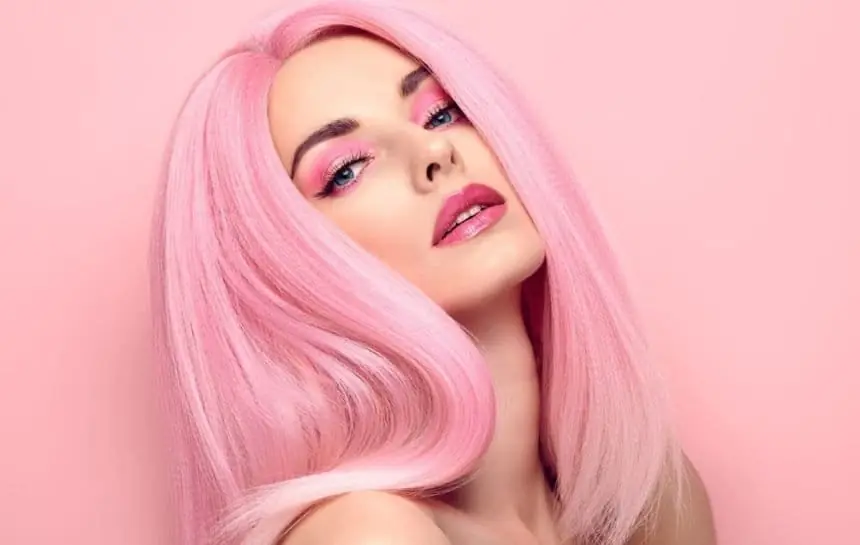
A hair colour bath is a semi-permanent salon treatment that deposits sheer pigment onto the surface of the hair to refresh faded colour, neutralise brassiness and add shine — without bleach, without a developer strong enough to restructure the hair, and without a hard regrowth line. It is the treatment most salons reach for when a client wants their colour to look expensive again, but does not want to commit to a full dye.
If you have seen it on a salon menu as a “gloss”, “shine treatment”, “toner” or “colour refresh”, those are broadly the same service under different names. What matters is what it does to the hair, and what it cannot do — which is where most people get it wrong.
What a Hair Colour Bath Actually Does
A permanent dye works by opening the cuticle with an alkaline agent, then depositing pigment inside the cortex while lifting your natural pigment out. A colour bath skips that entirely. The pigment sits on and just under the cuticle surface, so the internal structure of the hair is left alone.
That single difference explains everything else about the treatment: why it is gentle enough for compromised hair, why it fades evenly instead of leaving a line, why it adds so much shine, and why it cannot lighten you even one level.
What It Cannot Do (Read This Before You Book)
This is where expectations usually break down, so it is worth being blunt:
- It cannot lighten your hair. There is no bleach and no high-volume developer. If you want to go lighter, this is the wrong service.
- It will not fully cover grey. Expect partial blending — roughly 30% on resistant grey — and expect it to wash down faster on those strands, because grey hair is more resistant and less porous.
- It will not survive as long as you want it to. Three to six weeks is realistic. Frequent washing, hot water and sulphate shampoo shorten it considerably.
- It cannot fix a colour correction. Banding, hot roots or a botched bleach need a corrective service, not a gloss.
What it is genuinely excellent at: killing brassiness in blonde, putting depth back into faded brunette, making highlights look freshly done, and adding shine to hair that has gone dull.
Who It Suits Best
The treatment earns its place in three situations. First, as maintenance between full colour appointments — a gloss at the halfway mark keeps colour looking new and stretches the time to the next expensive service. Second, for anyone with highlights, balayage or babylights that have turned warm, where a toning gloss neutralises the yellow or orange without touching the lift. Third, for hair that is too compromised for a full colour service but still looks dull and needs tone and shine back.
It suits people who want their existing colour to look better. It does not suit people who want different colour.
How the Appointment Runs
Processing is short — usually fifteen to thirty minutes after application, on clean, towel-dried hair. Your stylist will choose between a clear gloss (pure shine, no tonal change) and a tinted one (shine plus tonal correction), and that choice matters more than the brand on the bottle.
Tell your stylist two things explicitly: how often you wash your hair, and whether you swim. Both change how fast the result fades, and a good colourist will adjust the formula or the depth accordingly.
Making It Last
The single biggest factor is wash frequency, because the pigment sits on the surface and every wash removes some of it. Washing two to three times a week rather than daily can be the difference between three weeks and six.
Beyond that: use a sulphate-free, colour-safe shampoo, wash in cool rather than hot water, and use heat protection, since heat styling accelerates fade. If you have a toning gloss on blonde, a purple shampoo once a week extends the neutralising effect — but only once a week, or you risk a dull violet cast.
Hair Colour Bath vs Semi-Permanent Dye: What’s the Difference?
The reason a hair colour bath has surged in salon menus is that it lies between a gloss and a semi-permanent dye. It deposits sheer pigment without lifting the cuticle, refreshes faded tones, and adds significant shine. A typical hair colour bath treatment takes 15-30 minutes and lasts 3-6 weeks, depending on how often you wash it.
Semi-permanent treatments like a hair colour bath are gentler on the hair than traditional permanent dye. There is no ammonia and no developer above 10 volume, so the cortex is never restructured.
If you have highlights, a hair colour bath is one of the best ways to neutralise brassiness without committing to a full toner appointment. Semi-permanent dye molecules are too large to penetrate the cortex but small enough to coat the surface, which is what creates the glossy, even tone you see for a few weeks after a hair colour bath.
Frequently Asked Questions About Hair Color Bath
What is a hair colour bath, and how does it work?
A hair colour bath, also called a colour gloss or shine treatment, is a semi-permanent salon service that refreshes existing colour, adds shine, and softens roots without bleaching or committing to a permanent change. The treatment uses a low-ammonia or ammonia-free colour combined with a conditioning base, applied for fifteen to thirty minutes. Results last three to six weeks before fading naturally. Hair colour baths are popular between full colour appointments to revive faded tone, neutralise brassiness, or add subtle dimension without the commitment of permanent colour.
How long does a hair colour bath last for?
Most hair colour baths last three to six weeks, depending on hair porosity, wash frequency, and the strength of the formula used. Highly porous or chemically treated hair holds the colour at the shorter end of the range, while healthy hair retains the tone for longer. Washing two or three times a week stretches the wear. Using a colour-safe, sulphate-free shampoo extends the results even further. The fade is gradual and uniform, unlike permanent colour, which makes the grow-out and fade phases much more forgiving.
Can a hair colour bath significantly lighten or darken your hair?
No, hair colour baths cannot lighten hair because they do not contain bleach. They can darken slightly or add tonal richness, but they cannot make hair more than one shade darker than its current state. The treatment works best for tonal refreshes: cooling down brassy blondes, warming up cool browns, neutralising green or purple casts, and adding shine to dull colour. For significant colour changes, a permanent or demi-permanent colour with a developer is required. The gloss is a refresh tool, not a transformation service.
Is a hair colour bath good for damaged hair?
Yes, hair colour baths are gentler than permanent colour and often include conditioning ingredients that are beneficial for damaged hair. The treatment can be done on hair that is too compromised for a full colour service. However, very damaged hair may absorb colour unevenly and need bond-building treatments like Olaplex either before or after the gloss for optimal results. Always consult your stylist about the condition of your hair before booking. A gloss as part of a recovery plan, alongside trims and protein treatments, restores both shine and tone.
How much does a hair colour bath cost?
Hair colour baths cost roughly thirty to seventy percent of the price of a full colour service at most salons, typically ranging from forty to one hundred fifty US dollars depending on hair length and salon location. The lower cost reflects shorter processing time and simpler formulation. Many people book a gloss between full-colour appointments to extend the time between expensive permanent services. Some salons offer gloss-only packages or memberships for regular maintenance. Always confirm the included services, since some glosses include a haircut, whereas others do not.
Can you do a hair colour bath at home?
At-home colour gloss kits are available from drugstore and salon brands, but the results are less predictable than those of a professional service. Choose a formulation that matches or is one shade close to your current colour, follow the timing instructions exactly, and rinse thoroughly. Patch test for allergies at least 48 hours before. For dramatic tonal correction, like fixing brassy blonde, professional application produces a more even and accurate result. Treat home glosses as maintenance refreshers for already-good colour, rather than as colour-correction tools.
Sources
- Hair Cosmetics: An Overview, International Journal of Trichology (peer-reviewed, via PubMed Central)
- Paraphenylenediamine and hair dye contact allergy, DermNet
RELATED ARTICLES:
How to Get Salon-Quality Hair Color at Home
How to Choose the Right Hair Color for Your Skin Tone
Glass Hair in 2026: The Products and Techniques for a Frizz-Free, Mirror-Like Finish That Lasts
Mob Wife Hair: How to Get the Voluminous, Lived-In Look
5 Hair Mistakes While Sleeping
About The Author

COMMENTS