




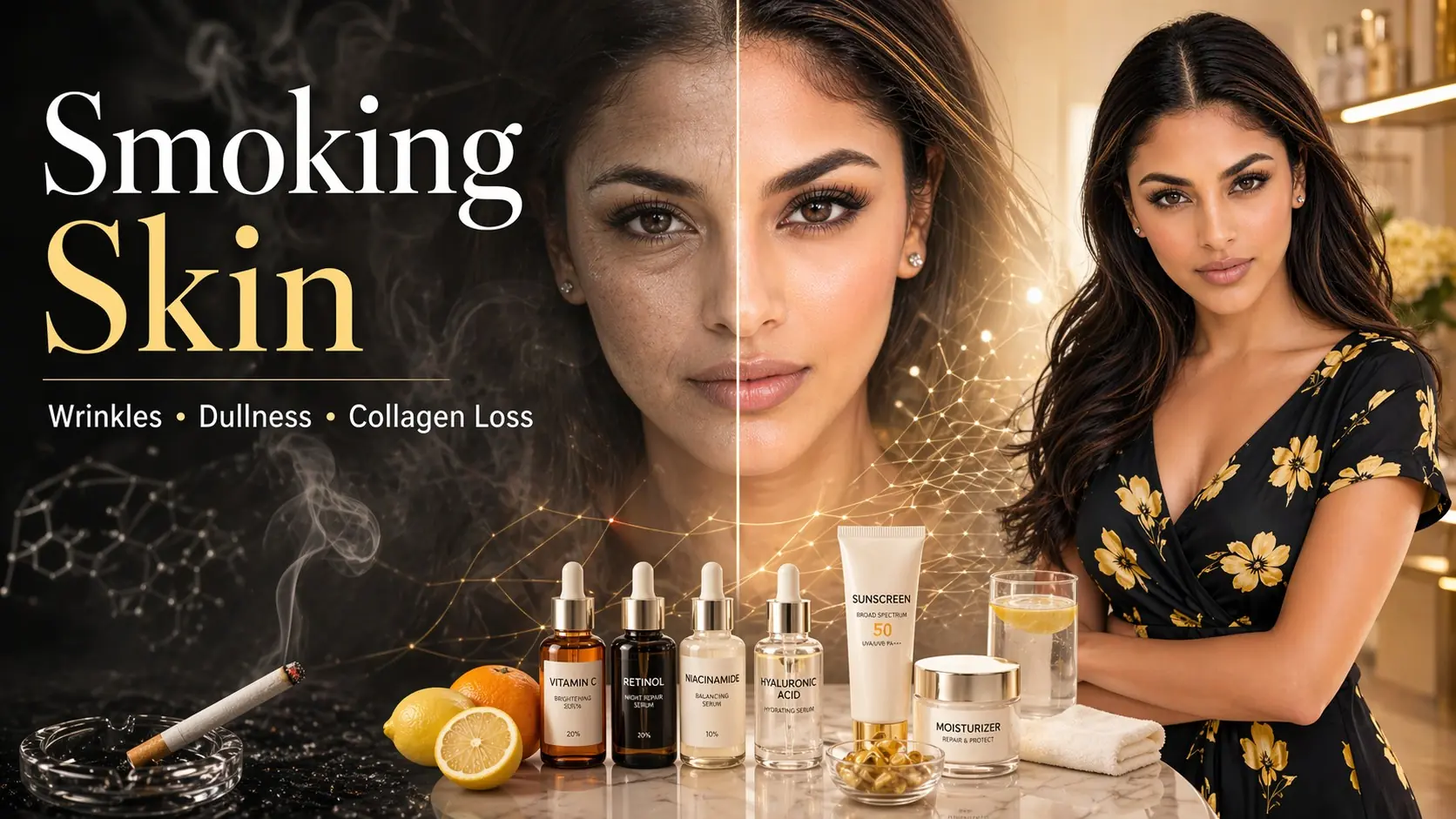
Smoking skin damage is one of the most measurable cause-and-effect relationships in all of dermatology. Nicotine collapses the tiny blood vessels that
Smoking skin damage is one of the most measurable cause-and-effect relationships in all of dermatology. Nicotine collapses the tiny blood vessels that feed your skin oxygen, free radicals from every cigarette break collagen at a cellular level, and repeated lip movements carve deep vertical lines around the mouth. This guide explains the biology, shows the visible signs at every age, and gives you the antioxidant-rich routine that genuinely reverses the damage.
Published · Updated
How Smoking Skin Damage Happens at a Cellular Level
The Chemistry of Cigarette Smoke
Cigarette smoke contains more than 7,000 chemical compounds. Hundreds of them are toxic. Dozens are confirmed carcinogens. When you inhale smoke, those chemicals enter your bloodstream within seconds. They reach every organ in your body, including your skin. The skin is your largest organ. It bears the consequences of every cigarette you smoke.
The most damaging compounds include nicotine, carbon monoxide, acetaldehyde, formaldehyde, and cadmium. Nicotine acts directly on blood vessels. Carbon monoxide competes with oxygen for space inside red blood cells, reducing how much oxygen your skin actually receives. Formaldehyde and acetaldehyde trigger inflammatory responses in skin tissue. Cadmium, a heavy metal found in cigarette smoke, disrupts the enzymes your skin uses to repair ultraviolet damage.
Together, these chemicals create a hostile environment for healthy skin. They do not cause a single dramatic change overnight. Instead, they chip away at your skin’s infrastructure slowly and consistently. The result becomes visible years before you might expect it, and it accelerates with every passing year of continued exposure.
Nicotine, Blood Flow, and Oxygen Starvation
Nicotine is a vasoconstrictor. It causes blood vessels to narrow and tighten. When blood vessels constrict, less blood reaches your skin. Less blood means less oxygen. It also means fewer nutrients, including the amino acids, vitamins, and minerals that skin cells need to function and repair themselves.
Dermatologists describe this state as chronic skin hypoxia. Your skin is essentially being slowly starved. The capillaries in your face, which are already small and delicate, are among the first vessels to be affected. When they constrict repeatedly over months and years, they lose their ability to dilate fully even between cigarettes. The oxygen deficit becomes semi-permanent.
This is why smokers often develop a characteristic greyish or yellowish pallor. The skin does not receive enough oxygenated blood to maintain its natural, healthy colour. This change appears even in younger smokers, often within the first few years of regular use. For women with fair skin, the difference in complexion between a smoker and a non-smoker of the same age is often clearly visible.
Free Radicals and Oxidative Stress
Every puff of a cigarette delivers a massive wave of free radicals into your body. Free radicals are unstable molecules that steal electrons from healthy cells to stabilise themselves. This creates a chain reaction of cellular damage known as oxidative stress.
Your body has natural antioxidant defences, including vitamins C and E, glutathione, and superoxide dismutase. Smoking completely overwhelms these defences. Studies indicate that smokers have significantly lower levels of vitamin C in their blood compared to non-smokers, even when dietary intake is identical. The body simply cannot keep up with the demand created by constant smoke exposure.
In skin tissue, oxidative stress degrades collagen and elastin fibres. It damages DNA in skin cells. It impairs the skin barrier, making skin more prone to moisture loss and irritation. It also activates enzymes called matrix metalloproteinases, which physically break down the structural proteins that keep skin firm and smooth. The result is accelerated, premature aging that no amount of sleep or hydration can fully counteract while smoking continues.
The Visible Effects of Smoking Skin Damage
Premature Wrinkles and Deep Lines
Smoker’s lines are a real, documented phenomenon. The repetitive motion of pursing your lips around a cigarette creates a specific pattern of fine lines around the mouth. These lines typically appear earlier and run deeper than those seen in non-smokers of the same age. They also respond less well to standard anti-ageing treatments because the underlying tissue damage is more severe.
Beyond the mouth, wrinkles form earlier across the entire face. A landmark study published in the British Journal of Dermatology found that smokers showed signs of premature skin aging at twice the rate of non-smokers. Lines on the forehead, crow’s feet, and nasolabial folds all form earlier and more deeply. The skin around the eyes is particularly vulnerable because it is already thin and fragile, and the repeated squinting caused by smoke irritation creates additional mechanical stress on the tissue.
Heavy smokers in their 40s often display skin characteristics typical of non-smokers in their 60s. This is a consistent finding in dermatological research. The gap between biological skin age and chronological age grows wider with each decade of smoking, and it compounds over time in ways that make catching up increasingly difficult without professional intervention.
Dullness, Discoloration, and Uneven Tone
Healthy skin has a natural luminosity. It reflects light evenly. Skin starved of oxygen and nutrients loses this quality entirely. Smokers frequently describe their complexion as looking flat, tired, or washed out, even when they feel rested and healthy. This is not a perception problem. It is a measurable physical reality caused by impaired microcirculation.
The discolouration goes beyond pallor. Nicotine stains are a genuine issue. The same chemicals that yellow teeth also deposit on skin, particularly around the mouth and fingers. Hyperpigmentation becomes more common because smoking triggers chronic low-grade inflammation, which activates melanin production. Dark spots, uneven patches, and persistent blotchiness all result from this inflammatory signalling.
For women with deeper skin tones, this hyperpigmentation can be particularly stubborn. Melanin-rich skin reacts more strongly to inflammation, and the combination of smoking-induced inflammation and oxidative stress creates persistent, difficult-to-treat discolouration. A dermatologist-recommended approach typically includes ingredients like niacinamide, kojic acid, and azelaic acid to address this pattern specifically and safely.
Loss of Elasticity, Volume, and Firmness
Collagen gives skin its structure. Elastin provides it its bounce. Smoking destroys both. This destruction is not gradual or gentle. It is aggressive and cumulative. Within just a few years of regular smoking, measurable reductions in skin elasticity are detectable even with clinical instruments.
The loss of subcutaneous fat is another underappreciated consequence. Smoking accelerates the breakdown of the fatty tissue beneath your skin. This fat layer is what gives your face its youthful volume and fullness. As it depletes, skin begins to sag. Cheeks hollow. Jawlines soften. Skin hangs rather than sitting taut against the underlying bone structure.
This combination of collagen loss and fat depletion is why smokers often develop a gaunt, hollow appearance as they age. No topical cream can fully address subcutaneous fat loss. This is one reason why cosmetic dermatologists often recommend volumising fillers as part of a complete recovery plan for long-term smokers, along with a strong home skincare routine.
How Smoking Affects Different Skin Types
Oily and Combination Skin
Oily skin produces excess sebum. You might assume that additional surface oil would protect against the drying effects of smoking. It does not. Smoking disrupts the balance of sebum production rather than simply drying skin out. Some smokers with oily skin actually experience an increase in sebum as the skin attempts to compensate for barrier damage. This leads to clogged pores, blackheads, and breakouts.
Combination skin faces a double challenge. The oily T-zone may become more congested while the drier cheek areas become even more dehydrated. Maintaining hydration in the dry zones without aggravating congestion in the oily zones requires a carefully calibrated routine. Lightweight, non-comedogenic moisturisers with hyaluronic acid work well across both zones without tipping either further out of balance.
For oily and combination skin types who smoke, niacinamide is a particularly useful ingredient. It regulates sebum production, strengthens the skin barrier, and addresses hyperpigmentation simultaneously. Most dermatologists recommend a concentration of 5 to 10 percent for visible results without irritation.
Dry and Sensitive Skin
Dry skin types suffer most visibly from smoking. The skin barrier in dry skin is already compromised. Smoking makes the condition significantly worse. The reduced blood flow and oxidative stress further impair the skin’s ability to retain water. Transepidermal water loss increases. Skin becomes tight, flaky, and rough. Fine lines become more pronounced because dehydrated skin lacks the plumpness to smooth them out visually.
Sensitive skin reacts strongly to the inflammatory chemicals in cigarette smoke. Rosacea, eczema, and psoriasis are all known to flare more frequently and more severely in smokers. Cigarette smoke chemicals directly activate the inflammatory pathways that these conditions rely on. For sensitive skin types, even secondhand smoke exposure can trigger visible flares that take days to calm.
For those with dry or sensitive skin who smoke, prioritising barrier repair is essential. Ceramides, fatty acids, and cholesterol are the building blocks of a healthy skin barrier. Look for moisturisers that prominently list these ingredients. Fragrance-free formulations reduce the risk of further irritation. The goal is to strengthen what smoking has weakened, layer by layer, day by day.
Mature Skin
For women over 40, smoking compounds the effects of natural aging in ways that are particularly difficult to reverse. Natural collagen production already slows by approximately one percent per year after age 20. Smoking accelerates this decline significantly. By the time a 45-year-old smoker seeks help from a dermatologist, her skin may have lost the collagen density of a 65-year-old non-smoker.
Skin cell turnover also slows with age. Smoking slows it further. Dead skin cells accumulate on the surface longer, contributing to persistent dullness and preventing active ingredients in skincare products from penetrating effectively. Regular, gentle exfoliation becomes more important for mature skin recovering from smoking damage.
For mature skin in recovery, a combination of retinoids and peptides offers the most complete approach. Retinoids stimulate new collagen production. Peptides signal skin cells to produce structural proteins. Together, they address both the cause of the damage and the recovery pathway at the same time, making them a powerful pairing for women committed to visible improvement.
Smoking and Collagen: The Structural Destruction Explained
How Collagen and Elastin Break Down
Collagen is the most abundant protein in your skin. It forms a dense mesh of fibres that gives skin its strength and structure. Elastin works alongside collagen, providing the flexibility that allows skin to spring back after movement. When you smile, squint, or raise your eyebrows, elastin ensures the skin returns to its resting position. Healthy collagen and elastin together are what make young skin look plump, smooth, and firm.
Smoking attacks both proteins through multiple mechanisms. First, the reduction in blood flow limits the supply of vitamin C to skin tissue. Vitamin C is essential for collagen synthesis. Without adequate vitamin C, your skin cannot produce new collagen at a normal rate. Second, the free radicals generated by cigarette smoke oxidise existing collagen fibres, making them brittle and dysfunctional. Third, smoking activates a group of enzymes that physically disassemble the collagen matrix.
The result of these simultaneous attacks is a dramatic acceleration in the loss of skin firmness. What should take decades to develop instead progresses over years. The skin becomes less able to rebound from daily mechanical stress, from movement, from sleep creases, and from gravity because its structural foundation has been systematically dismantled.
The Role of Matrix Metalloproteinases
Matrix metalloproteinases, often abbreviated as MMPs, are enzymes that break down the extracellular matrix of the skin. The extracellular matrix is the structural scaffold that supports skin cells. It includes collagen, elastin, fibronectin, and other proteins. MMPs have a normal role in tissue remodelling and repair. But when overactivated, they become destructive.
Cigarette smoke dramatically upregulates MMP activity. Specifically, it increases the expression of MMP-1, which degrades type I and type III collagen, the primary structural collagens in skin. It also increases MMP-3 and MMP-9, which degrade a broader range of extracellular matrix proteins. Research published in the Journal of Investigative Dermatology confirmed that skin biopsies from smokers showed significantly higher MMP-1 activity and measurably lower collagen content than those from non-smokers of the same age.
This enzyme overactivation does not stop when you finish a cigarette. The inflammatory signals that trigger MMP production persist for hours after smoke exposure. For heavy smokers, MMP activity may be chronically elevated, meaning collagen breakdown is happening continuously, even during sleep, even on rest days between cigarettes.
Why Smokers Age Faster Than Non-Smokers
The combined effect of reduced collagen synthesis, oxidised collagen fibres, and MMP-driven collagen breakdown creates a perfect storm of accelerated aging. Skin ages on two fronts simultaneously. New collagen is not being made fast enough, and existing collagen is being destroyed too quickly. The net result is a rapid decline in skin firmness and density that outpaces normal chronological aging by a significant margin.
Research consistently demonstrates this gap. One well-known study compared identical twins where one smoked and the other did not. The photographs revealed dramatic differences in skin aging despite identical genetics. The smoking twin consistently displayed more wrinkles, greater sagging, and more pronounced skin laxity. Genetics did not protect the smoking twin. The damage from smoking overwhelmed whatever genetic advantages they shared.
This finding is both sobering and encouraging. It confirms that smoking causes the damage, not genetics. And it means that removing the cause, by quitting, combined with targeted treatment, offers a genuine path toward recovery that genetics does not block.
Reversing Smoking Skin Damage: Key Skincare Ingredients
Retinol and Prescription Retinoids
Retinol is vitamin A in its topical form. It is one of the most thoroughly researched anti-ageing ingredients in existence. For skin damaged by smoking, it is particularly valuable. Retinol works by binding to nuclear receptors in skin cells and directly influencing gene expression. It stimulates fibroblasts, the cells responsible for producing collagen and elastin. It speeds up the process of skin cell turnover, which gets rid of the dead cells that make skin look dull. It also inhibits MMP activity, directly counteracting one of smoking’s primary mechanisms of collagen destruction.
Start with a low concentration, typically 0.025 to 0.05 percent, applied two or three nights per week. Increase frequency and concentration gradually over several months. Expect some initial irritation, redness, and flaking during the adjustment period. This is normal and typically resolves within four to six weeks as the skin acclimates.
Prescription tretinoin is more potent than over-the-counter retinol and delivers results faster. Dermatologists frequently prescribe it for patients dealing with severe sun damage, smoking damage, or both. If you have access to a dermatologist and are committed to reversing smoking skin damage, prescription retinoids are worth a dedicated conversation at your next appointment.
Vitamin C and Broad-Spectrum Antioxidants
Vitamin C is essential for collagen synthesis. Smoking depletes it from the body at an accelerated rate. Replenishing it topically, while also increasing dietary intake, addresses one of smoking’s core mechanisms of skin damage directly. A stable vitamin C serum applied in the morning delivers antioxidant protection, brightens hyperpigmentation, and actively supports collagen production throughout the day.
Look for formulations containing L-ascorbic acid, the most bioavailable form of vitamin C for skin. Concentrations between 10 and 20 percent are clinically effective. Vitamin C oxidises quickly when exposed to light and air, so choose dark or opaque packaging and replace your serum every two to three months for maximum potency. A product that has turned orange or brown has already oxidised and is no longer delivering its full benefit.
Layering vitamin C with vitamin E and ferulic acid significantly increases both its efficacy and stability. This combination is well-documented in dermatological literature and is widely considered the gold standard for antioxidant serum formulations. For skin recovering from smoking damage, applying this combination every morning before sunscreen provides a meaningful daily defence against continued oxidative stress.
Niacinamide, Hyaluronic Acid, and Peptides
Niacinamide is vitamin B3 in topical form. It addresses multiple consequences of smoking-related skin damage at once. It reduces hyperpigmentation by inhibiting the transfer of melanin to skin cells. It strengthens the skin barrier by boosting ceramide production. It reduces redness and blotchiness associated with chronic inflammation. A concentration of 5 to 10 percent is effective across all skin types and is generally well tolerated even by sensitive skin, making it one of the most versatile recovery ingredients available.
Hyaluronic acid is a naturally occurring molecule in the skin that holds up to 1,000 times its weight in water. Smoking impairs the skin’s natural production of hyaluronic acid over time, contributing to the deep dehydration and volume loss seen in long-term smokers. Topical hyaluronic acid serums replenish this moisture reservoir. Apply to slightly damp skin before sealing in moisture with a cream. This technique maximises the amount of water that hyaluronic acid can attract and hold.
Short chains of amino acids, known as peptides, function as signalling molecules. They communicate with skin cells and fibroblasts, encouraging collagen and elastin production. Unlike retinol, peptides do not cause irritation and are suitable for all skin types, including sensitive skin. Copper peptides are very effective for skin repair and have been shown in many clinical studies to help heal wounds and regenerate collagen. For skin recovering from years of smoking damage, peptides provide a gentle but effective long-term rebuilding strategy that complements more aggressive treatments.
Professional Treatments for Smoking Skin Damage
Chemical Peels and Laser Resurfacing
Professional treatments accelerate the recovery process well beyond what topical skincare alone can achieve. Chemical peels use acids to remove damaged outer layers of skin and stimulate new cell growth beneath. For smoking-damaged skin, medium-depth peels using trichloroacetic acid, often abbreviated as TCA, are particularly effective. They penetrate deeper than superficial glycollic or lactic acid peels and address more significant texture irregularities, hyperpigmentation, and fine lines.
Laser resurfacing goes even deeper into the dermis. Fractional CO₂ lasers create controlled micro-injuries in the skin, triggering an intense collagen remodelling response. This treatment is one of the most effective ways to address the collagen loss caused by long-term smoking. Results are significant and long-lasting. Downtime ranges from five to ten days. Multiple sessions may be needed for severe or long-standing damage.
Before pursuing laser treatments, quitting smoking is genuinely important, not just recommended. Smoking impairs wound healing significantly. Nicotine constricts the blood vessels that deliver oxygen to healing tissue, increasing the risk of complications and reducing the quality of results. Dermatologists typically recommend stopping smoking at least four to six weeks before any ablative procedure.
Microneedling and Radiofrequency Treatments
Microneedling creates thousands of tiny punctures in the skin using fine needles. These micro-injuries trigger the skin’s natural repair response, stimulating collagen and elastin production in the weeks and months that follow. For smoking-damaged skin, microneedling is a highly accessible option with a strong safety profile. It works across all skin types, including darker skin tones where laser treatments carry a higher risk of post-inflammatory hyperpigmentation.
When combined with platelet-rich plasma, or PRP, microneedling delivers growth factors directly into the treatment channels. These growth factors amplify the collagen-stimulating signal and accelerate tissue repair. This combination is popular among women seeking to reverse visible aging, texture damage, and dullness associated with smoking. Results develop progressively over three to six months following each session.
Radiofrequency treatments use controlled heat energy to tighten existing collagen fibres and stimulate new collagen production in the deeper dermis. Devices like Thermage and Morpheus8 target the dermis and subcutaneous tissue simultaneously. They are particularly effective for addressing skin laxity and sagging, two of the most difficult consequences of long-term smoking to treat with topical skincare alone.
Injectables and Collagen-Boosting Therapies
For women dealing with significant volume loss from years of smoking, hyaluronic acid fillers restore the subcutaneous fullness that smoking has depleted. Common treatment areas include the cheeks, nasolabial folds, and under-eye hollows. Results are immediate and typically last 12 to 18 months depending on the product and placement.
Polynucleotide injections, sometimes called PDRN therapy, are gaining recognition as a skin regeneration treatment specifically suited to oxidative damage. They use fragments of purified DNA to stimulate fibroblast activity and collagen synthesis at the injection site. Early clinical evidence suggests that they may be particularly effective for skin that chronic oxidative stress, including smoke-related damage, has compromised. They are currently more widely available in Europe and Asia, and they are gaining traction in the US and UK.
Biostimulators like Sculptra and Radiesse work differently from traditional fillers. Rather than adding volume directly, they stimulate your skin to produce its own new collagen over time. Results develop gradually over three to six months but tend to last longer, often two years or more. For women committed to long-term structural skin recovery after quitting smoking, biostimulators offer a compelling and durable option.
Diet, Lifestyle, and Recovery After Quitting
Nutrition for Skin Repair
Quitting smoking is the single most important step you can take for your skin. Within days of quitting, carbon monoxide levels in your blood will normalise. Blood begins carrying more oxygen to skin cells. Within weeks, skin colour starts to recover. But what you eat during the recovery period matters enormously. Your skin needs specific nutrients to repair the accumulated damage.
Vitamin C is critical. Aim for at least 200 milligrams per day from food sources. Citrus fruits, bell peppers, strawberries, kiwi, and broccoli are all excellent sources. Some dermatologists recommend higher supplemental doses of 500 to 1,000 milligrams per day during the early recovery period. Zinc supports wound healing and is involved in over 300 enzymatic processes in the body, including collagen synthesis. Pumpkin seeds, lentils, chickpeas, and lean meats are reliable sources.
Omega-3 fatty acids reduce inflammation and support the skin barrier. Fatty fish, flaxseeds, walnuts, and chia seeds provide these essential fats. Protein is the raw material for collagen and elastin. Ensure your diet includes adequate high-quality protein from eggs, fish, legumes, or lean meat. Without sufficient protein, your skin cannot build the structural framework that smoking has broken down, regardless of how good your topical routine is.
Hydration, Sleep, and Stress Management
Adequate hydration is foundational. Smoking increases transepidermal water loss, and this effect does not reverse instantly after quitting. Drink at least eight glasses of water daily during recovery. Caffeinated beverages have a mild diuretic effect, so balance them with additional plain water throughout the day.
Sleep is when your skin does its most significant repair work. Growth hormone, which plays a central role in tissue regeneration, is released primarily during deep sleep. For smokers and former smokers, prioritising seven to nine hours of quality sleep each night is not optional. It is a biological requirement for skin recovery. Consistent sleep also reduces cortisol, which in elevated states degrades collagen and impairs skin barrier function.
Quitting smoking is already a stressful process for many women. Building active stress management practices into your daily routine protects your skin during recovery. Exercise improves circulation, which directly benefits skin oxygenation. Meditation and mindfulness reduce cortisol. Time outdoors supports both mood and sleep quality. These practices are not luxury additions to your recovery. They are active contributors to the physical healing process.
The Timeline: What to Expect After Quitting
Many women want to know how quickly skin improves after quitting smoking. The honest answer is that it depends on duration of smoking, intensity, age at quitting, genetics, and the quality of your skincare and nutrition during recovery. But documented milestones exist and are worth knowing.
Within 24 hours, carbon monoxide levels in your blood will normalise. Your red blood cells begin carrying more oxygen to skin tissue. Within one to two weeks, many former smokers notice a subtle improvement in skin brightness. The grey or yellow pallor begins to lift. Within one to three months, skin texture often improves noticeably as cell turnover accelerates and the buildup of dull dead skin decreases.
At six months to one year, more significant changes become visible. Skin hydration improves. Fine lines may soften as collagen production slowly recovers. At the two-year mark, many former smokers report that their skin looks substantially healthier overall. Deep structural changes, especially major collagen loss and deep wrinkles, need professional treatment along with quitting to make a real difference. But every week without cigarettes moves the process forward.
Building a Daily Skincare Routine for Smoking Skin Recovery
Morning Routine
The morning routine focuses on protection and antioxidant support. Start with a gentle, hydrating cleanser that removes overnight buildup without stripping moisture. Avoid harsh foaming cleansers that compromise an already weakened skin barrier. For dry and sensitive skin types, a milk or cream cleanser is ideal. Oily and combination skin types can use a gentle gel cleanser that removes excess oil without over-drying.
Apply a vitamin C serum next. This is your primary antioxidant defence for the day. Allow it to absorb for two to three minutes before layering anything over it. Follow with a niacinamide serum if you are using one. These two ingredients are compatible and address brightening and barrier repair simultaneously. Apply a moisturiser suited to your skin type. Lightweight gel formulas work well for oily and combination skin. Richer creams containing ceramides, hyaluronic acid, and squalane are better suited for dry and sensitive skin.
Always finish with a broad-spectrum sunscreen of SPF 30 or higher. This step is non-negotiable. UV damage and smoking damage share many of the same mechanisms, including collagen degradation and oxidative stress. Protecting against further UV exposure while actively recovering from smoking damage prevents the two sources of damage from compounding each other.
Evening Routine
The evening routine is your primary repair window. Cleanse thoroughly to remove sunscreen, makeup, and the environmental pollutants that deposit on skin throughout the day. Double cleansing, using an oil-based cleanser followed by a water-based one, ensures a clean surface for active ingredients to penetrate without a barrier from residue.
Apply your retinol or retinoid on clean, dry skin. Wait 20 to 30 minutes after cleansing before applying retinol if your skin is sensitive. Applying to damp skin increases penetration and, therefore, increases the risk of irritation during the adjustment phase. Follow the retinol with a hydrating moisturiser that contains ceramides and hyaluronic acid to minimise the dryness and flaking that can occur in the early weeks of use.
On nights when you are not using retinol, apply a peptide-rich serum or an intensive hydrating treatment. This alternating approach prevents over-irritation while maintaining consistent active ingredient use. Finish with a thin layer of occlusive moisturiser containing petrolatum or squalane on particularly dry nights. This final seal dramatically improves overnight hydration levels and supports barrier recovery while you sleep.
Weekly Targeted Treatments
Exfoliation is important for skin recovering from smoking damage because cell turnover is impaired and dead skin cells accumulate more rapidly than in non-smokers. Use a gentle chemical exfoliant once or twice weekly. Lactic acid is ideal for dry and sensitive skin types because it exfoliates gently while simultaneously drawing moisture into skin. Glycollic acid works better for oily and thicker skin types that can tolerate slightly more aggressive exfoliation.
A hydrating sheet mask applied once or twice per week delivers an intensive dose of moisture and active ingredients. Look for masks that contain hyaluronic acid, panthenol, and ceramides. These ingredients replenish moisture at multiple levels of the skin simultaneously and are appropriate for all skin types. For oily skin, choose lightweight gel-based masks rather than heavy cream formulations.
When the budget allows, having professional facial treatments every four to six weeks can significantly speed up recovery. Regular facials that include professional-grade exfoliation, lymphatic massage, and targeted serums improve circulation, reduce congestion, and deliver active ingredients at concentrations not available in over-the-counter products. Consider this an investment in accelerating the recovery timeline rather than a luxury.
Frequently Asked Questions
Can skin fully recover from smoking damage?
Partial recovery is absolutely possible, and many women see significant improvements within months of quitting. The extent of recovery depends on the duration and intensity of smoking, age at quitting, and consistency of both skincare and professional treatment. Quitting earlier in life produces better outcomes because less cumulative structural damage has occurred. Combining smoking cessation with a targeted skincare routine and professional treatments produces the most visible results. Deep structural damage, particularly severe collagen loss and significant skin laxity, may not fully reverse without professional intervention. However, the skin is a remarkably resilient organ. With the right consistent approach, meaningful improvement is achievable for nearly every former smoker regardless of how long they smoked.
Does smoking cause acne or worsen it?
Research identifies a real link between smoking and acne, particularly a pattern called comedonal acne. Smoking disrupts the balance of sebum production and impairs the skin’s ability to shed dead cells efficiently, both of which contribute to clogged pores and breakouts. Smoking also raises inflammation throughout the body, which makes acne worse and takes longer to heal. Some studies have identified a pattern called smoker’s acne, which tends to present as non-inflammatory blackheads and whiteheads rather than the red, cystic lesions associated with hormonal acne. For oily and combination skin types who smoke, quitting often leads to a noticeable reduction in breakout frequency within weeks, as the sebum balance begins to normalise and inflammation decreases.
How does secondhand smoke affect skin?
Secondhand smoke exposure causes measurable skin damage, though typically less severe than that from direct smoking. The chemicals in secondhand smoke deposit on skin surfaces and penetrate the outer skin layers. They cause oxidative stress and mild inflammation in the same way that direct smoke exposure does. Studies have found that people regularly exposed to secondhand smoke show signs of accelerated skin aging and impaired skin barrier function at higher rates than unexposed individuals. For women with sensitive skin, rosacea, eczema, or psoriasis, secondhand smoke can trigger visible flares. If you have quit smoking but live or work in environments with regular smoke exposure, reducing that secondhand exposure remains important for protecting your skin recovery progress.
Which skincare ingredients should smokers prioritise first?
Start with the foundational three before adding any actives: a gentle cleanser, a broad-spectrum SPF 30 sunscreen, and a moisturiser that suits your skin type. Once this base is consistent, add vitamin C in the morning for antioxidant protection and brightening. Introduce retinol in the evening on two or three nights per week, then build frequency gradually over several months. Niacinamide and hyaluronic acid can be added at any stage, as both suit daily use across all skin types. Peptides work well in the evening as a non-irritating complement to retinol. Avoid introducing too many active ingredients at once. Add one new ingredient every four to six weeks and monitor how your skin responds. Overloading a compromised skin barrier with multiple actives simultaneously often causes setbacks rather than faster results.
Does vaping damage skin the same way as cigarettes?
Vaping poses real risks to skin health. E-cigarettes still deliver nicotine, which causes the same vasoconstriction and reduced skin blood flow as traditional cigarettes. Nicotine also impairs collagen synthesis and accelerates skin aging through similar pathways regardless of delivery method. While vaping avoids some of the most harmful combustion products found in cigarette smoke, it introduces chemicals through the vaping liquid and its breakdown products that are concerning. Propylene glycol, a common base ingredient in vaping liquids, can be drying and irritating to skin with repeated exposure. Some flavouring compounds used in vape products have been identified as potentially cytotoxic. Current research suggests vaping causes real and measurable skin damage. It is not a safe alternative for skin health, even if the full picture of long-term vaping effects continues to emerge.
Conclusion
Smoking causes profound, measurable damage to your skin through multiple simultaneous pathways. It restricts blood flow. It floods skin cells with free radicals. It destroys collagen and elastin. It triggers chronic inflammation and impairs the skin barrier across every skin type, from oily to dry to sensitive to mature.
The most important step you can take is quitting. No skincare routine, however sophisticated, can fully compete with ongoing smoke exposure. Quitting allows the skin’s natural repair mechanisms to resume. Blood flow improves. Oxidative stress decreases. Collagen production begins to recover. These changes happen quickly at first and continue for months and years after your last cigarette.
Support your recovery with targeted ingredients. Retinol rebuilds collagen and accelerates cell turnover. Vitamin C fights oxidative damage and supports collagen synthesis. Niacinamide addresses inflammation and pigmentation. Hyaluronic acid restores deep hydration. Peptides signal structural repair throughout the dermis. Add professional treatments when ready. Chemical peels, laser resurfacing, microneedling, and biostimulators treat structural damage that topical skincare alone cannot reach.
Eat well. Sleep consistently. Manage stress actively. Protect your skin from UV exposure every single day without exception. Recovery takes time. But with every week away from cigarettes and every consistent step in your routine, your skin moves closer to the healthy, radiant state it is fully capable of achieving. Start today.
RELATED ARTICLES:
5 Skincare Trends to Watch Out for in 2026, According to a Top Skin Expert
5 Expert-Approved Skin Care Tips for Healthy, Radiant Skin Everyone Will Envy
Dry Skin Around Your Nose: Expert Tips for Dealing With It
Glowing Skin Made Easy: Beauty Tips, Natural Remedies, and Expert Advice
How To Get Rid Of Ashy Elbows: Expert Tips
About The Author

COMMENTS