








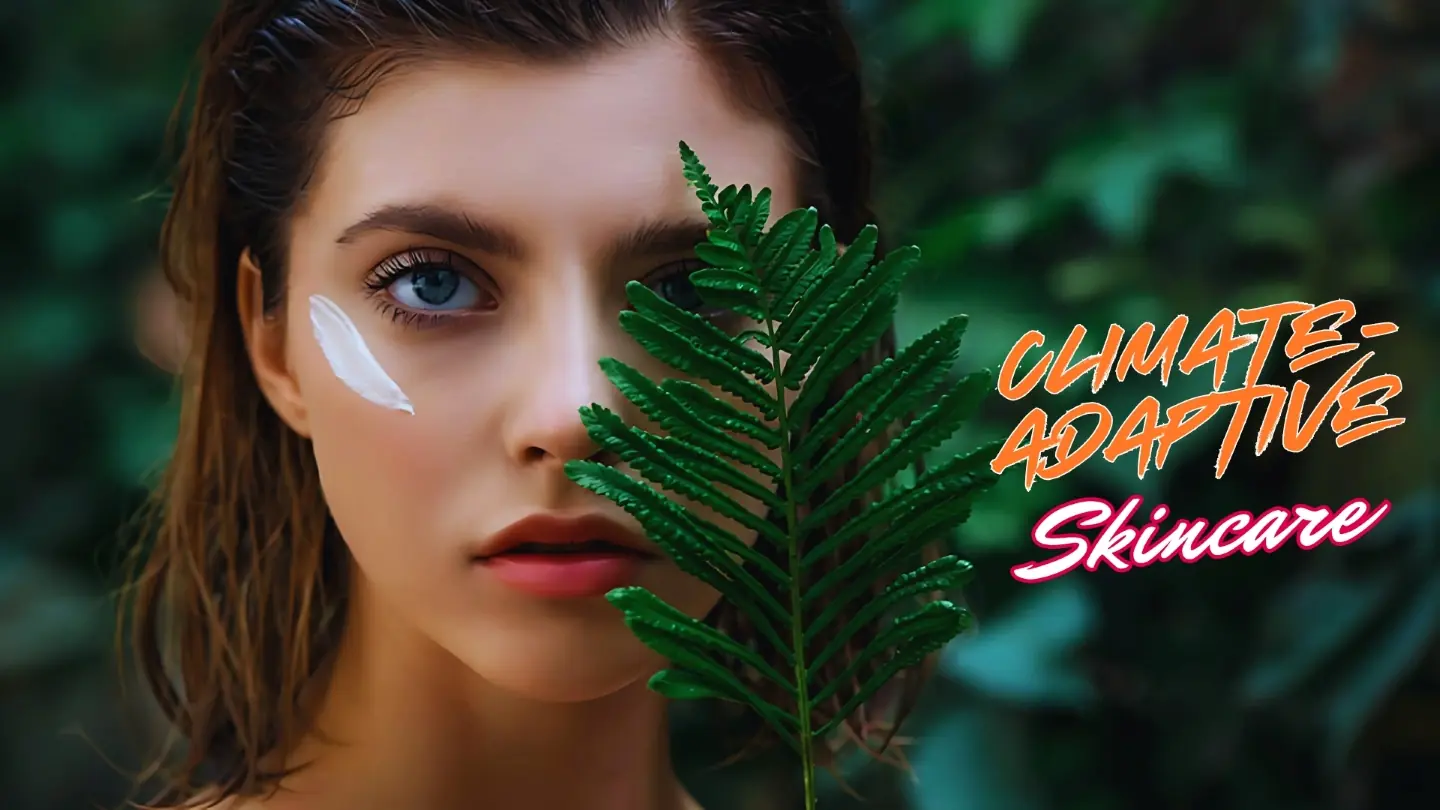
Climate adaptive skincare solves a problem most routines ignore: your skin in February is not your skin in August. The heavy ceramide cream that comfo
Climate adaptive skincare solves a problem most routines ignore: your skin in February is not your skin in August. The heavy ceramide cream that comforts a wind-burned January cheek can smother a humid July one, while a cooling summer gel leaves winter skin tight. This approach adjusts your routine to real conditions like temperature, humidity, and UV, rather than following one fixed regimen all year. Five simple seasonal swaps keep your barrier balanced.
Published · Updated
Climate-Adaptive Skincare: Build a Weather-Proof Skin Care Routine That Works Anywhere
Climate adaptive skincare is the practice of adjusting your skincare routine to respond intelligently to the environmental conditions you live in or travel to, rather than following the same fixed routine year-round regardless of what the weather is doing. This approach recognises a fundamental truth that dermatologists have long understood: your skin is in constant dialogue with its environment. Temperature, humidity, UV intensity, wind, pollution levels, and even altitude all directly influence how your skin behaves, what it needs, and how it responds to products. A moisturiser that works beautifully in the dry cold of a northern winter may feel suffocating and pore-clogging in the humid heat of summer. An SPF that performs perfectly on a clear spring day may not provide adequate protection during peak UV months. Climate-adaptive skincare is the solution that gives your skin exactly what it needs, when it needs it, wherever you are.
A smart climate-adaptive skincare routine swaps products, layering, and active ingredients with the weather instead of fighting them. This guide shows you exactly how to tune your routine for cold-dry, hot-humid, high-altitude, and changing seasonal climates.
Why Climate-Adaptive Skincare Matters More Than Ever
The case for climate-adaptive skincare has grown stronger as climate patterns become more extreme and more people travel internationally or relocate across climate zones. Your skin’s behaviour is not fixed. It changes with your environment, and a routine that ignores those changes will consistently underperform.
Consider these environmental factors and their direct effects on skin: temperature affects the viscosity of sebum (the skin’s natural oil), with cold weather thickening sebum and warm weather making it more fluid; humidity levels determine how much water the skin can draw from the air versus losing to it; the UV index, which varies dramatically by season, altitude, and proximity to the equator, drives the risk of sun damage, hyperpigmentation, and photoaging; wind strips the skin’s surface of moisture and lipids more rapidly than any other environmental factor; indoor heating and cooling systems create artificial environments that are often significantly drier than the ambient outdoor air; and pollution exposure, which is highest in urban areas, increases oxidative stress on the skin and contributes to accelerated aging and uneven tone.
Climate-adaptive skincare addresses all of these factors through intelligent, responsive product selection and routine adjustments.
The Core Principles of Climate-Adaptive Skincare
Three rules anchor every climate-adaptive skincare routine that actually holds up across weather changes.
Before diving into climate-specific recommendations, it helps to understand the three foundational principles that govern all climate-adaptive skincare decisions:
Principle 1: Match Moisturizer Weight to Humidity Levels
Humidity is the most important climate variable to consider when selecting a moisturiser. In high-humidity environments, the air provides moisture that helps the skin stay hydrated, and heavy occlusive moisturisers (which seal moisture in) become unnecessary and may cause congestion. In low-humidity environments, the air actively draws moisture out of the skin, making richer, more occlusive formulas essential for preventing dehydration and barrier compromise. The general rule is the lower the humidity, the richer your moisturiser should be.
Principle 2: Increase Sun Protection as UV Index Increases
The UV index varies by season (highest in summer), altitude (UV increases by approximately 4 percent for every 1,000 feet of elevation gain), and latitude (highest near the equator). Climate-adaptive skincare means adjusting your SPF and reapplication habits to match these variables. A year-round SPF 30 habit is a reasonable baseline, but you should increase to SPF 50 during peak UV months, at altitude, and in tropical climates.
Principle 3: Adjust Active Ingredients for Seasonal Skin Sensitivity
Many potent skincare actives, including retinoids, AHAs, and certain vitamin C formulas, increase the skin’s photosensitivity and can cause irritation in conditions where the skin barrier is already compromised (winter wind damage, for example) or when sun exposure is particularly intense (in summer). Climate-adaptive skincare involves timing the introduction and use of active ingredients strategically around seasonal conditions.
Climate-Adaptive Skincare for Cold, Dry Climates
Winter is the harshest test of a climate-adaptive skincare routine and demands richer occlusives plus barrier-repair ceramides.
Cold, dry climates, including northern winters, high-altitude regions, and arid continental environments, present the most challenging conditions for skin barrier maintenance. The combination of low outdoor humidity, cold temperatures (which reduce the skin’s ability to produce sebum), indoor heating (which reduces indoor humidity significantly), and wind exposure creates a perfect storm for chronic dehydration, sensitivity, and barrier compromise.
What Your Skin Needs in Cold, Dry Climates
Your climate-adaptive skincare routine for cold, dry conditions should prioritise barrier repair and intensive hydration. Choose cream cleansers or oil cleansers instead of foaming formulas, which strip the skin’s natural lipids. Layer a hydrating toner or essence containing hyaluronic acid immediately after cleansing on damp skin, which allows the humectant to draw water into the skin rather than away from it. Apply a richer facial oil or balm over your regular moisturiser as an occlusive layer that prevents moisture loss. Look for moisturisers that contain ceramides, which are the lipids that make up the skin barrier and are depleted by cold, dry conditions. Use a humidifier in your bedroom and office to combat the dehydrating effects of indoor heating. Reduce the frequency of chemical exfoliants in winter, as the skin barrier is already under stress.
Climate-Adaptive Skincare for Hot, Humid Climates
In tropical air, a climate-adaptive skincare routine pivots to gel-based hydration, mattifying SPF, and sweat-resistant active layering.
Hot, humid climates, including tropical regions, coastal environments, and summers throughout most of the world, create an entirely different set of skin challenges. Heat drives up sebum production, humidity can disrupt the skin’s microbiome, sweat mixes with sunscreen and makeup to clog pores, and the constant need for air conditioning creates alternating dry-humid cycles that challenge the skin barrier.
What Your Skin Needs in Hot, Humid Climates
Climate-adaptive skincare for hot and humid conditions prioritises lightness, oil control, and sun protection. Switch to a gentle foaming or gel cleanser that removes excess sebum without completely stripping the skin. Use a lightweight, water-based or gel moisturiser that contains niacinamide (which regulates sebum and minimises pores) and hyaluronic acid (which provides hydration without heaviness). Apply sunscreen diligently and reapply every two hours when outdoors, choosing oil-free or mineral formulas that perform well in sweat and humidity. Include a toner with salicylic acid in your routine to manage the pore congestion that warm, humid conditions encourage. Double-cleanse in the evenings to thoroughly remove the sunscreen, sweat, sebum, and pollution that accumulate throughout the day.
Climate-Adaptive Skincare for High-Altitude Environments
High-altitude environments present a unique combination of challenges that many people do not anticipate. UV radiation increases by approximately 4 to 5 percent for every 1,000 feet of elevation gain. At 8,000 feet above sea level, UV exposure is approximately 30 to 40 percent higher than at sea level. Simultaneously, the air at altitude tends to be very dry, with lower humidity levels than similar latitudes at sea level. Wind speeds are often higher, accelerating moisture loss from the skin surface.
What Your Skin Needs at Altitude
Climate-adaptive skincare for altitude means significantly increasing sun protection while simultaneously addressing dehydration. Use SPF 50 or higher and reapply very frequently. Apply a rich, ceramide-containing moisturiser more generously than you would at sea level. Drink significantly more water than your usual intake, as altitude itself increases the rate of water loss through respiration. Apply lip balm with SPF repeatedly throughout the day, as the lips are particularly vulnerable to high-altitude UV exposure and chapping. If you are skiing or spending time on snow, be aware that snow reflects up to 80 percent of UV radiation, dramatically increasing your total UV exposure even compared to a non-snowy day at the same altitude.
Climate-Adaptive Skincare for Seasonal Transitions
Some of the most decisive moments in climate-adaptive skincare are the transition periods between seasons, when skin often struggles to adapt to rapidly changing conditions. Spring and fall transitions are notorious for triggering skin sensitivity, breakouts, dryness, or oiliness as the skin’s behaviour changes with the shifting environmental conditions.
Transitioning From Winter to Spring
As temperatures rise and humidity increases moving into spring, begin gradually lightening your moisturiser by switching to lighter formulations. Introduce or reintroduce vitamin C serum and SPF with greater diligence as UV intensity increases. Begin gentle exfoliation again if you reduced it in winter, starting with once a week and building from there. Monitor whether the skin is responding to increasing humidity by becoming more oily, and adjust the cleanser accordingly.
Transitioning From Summer to Fall and Winter
As temperatures drop and humidity decreases during the transition to fall and winter, start adding richer moisturising layers. Introduce or increase the use of facial oils as occlusives. Reduce exfoliation frequency and switch to gentler formulas. Add a humidifier to your environment. Reassess your cleanser and switch from foaming to cream or oil formulas if you notice tightness, dryness, or sensitivity after cleansing.
Climate-Adaptive Skincare for Urban Pollution
Urban environments present a specific version of climate-related skin stress: high pollution levels. Particulate matter, ozone, nitrogen dioxide, and polycyclic aromatic hydrocarbons all create free radicals when they touch the skin, speeding up oxidative ageing, raising the risk of hyperpigmentation, and weakening the skin barrier over time.
Climate-adaptive skincare for high-pollution environments should include a robust antioxidant protocol. Apply a vitamin C serum every morning to neutralise free radicals. Look for moisturisers and serums that contain additional antioxidants like vitamin E, niacinamide, resveratrol, and green tea extract. Double-cleanse every evening to fully remove the pollutant residue that accumulates on the skin surface throughout the day. Consider a dedicated urban protection product, many of which now include both antioxidants and ingredients that are specifically designed to form a barrier against particulate pollution adhesion.
Building Your Personal Climate-Adaptive Skincare Framework
Rather than overhauling your entire routine with every seasonal change, climate-adaptive skincare is most practical when you think of your routine as having a stable core and adjustable variables.
Your stable core should include a cleanser appropriate for your skin type (this aspect can remain consistent through most seasonal changes), a vitamin C serum (morning), an SPF (adjusting the SPF number by season), a treatment step for any specific ongoing concerns, and a retinoid or exfoliant (evening, frequency adjusted by season). Your adjustable variables are your moisturiser (weight and richness adjusted by humidity and temperature), your additional hydration layers (toner, essence, and facial oil), your exfoliation frequency and intensity, and your additional protective measures (pollution protection, lip SPF, and body moisturiser richness).
This framework makes climate-adaptive skincare manageable because you are not reinventing your routine entirely. You are making intelligent, targeted adjustments to a stable foundation.
Traveling With Climate-Adaptive Skincare
One of the most valuable applications of climate-adaptive skincare is in travel. Moving from one climate zone to another, whether for work or pleasure, often triggers skin problems that many travellers attribute to stress or the water, rather than to the dramatic environmental change they have just undergone.
Before travelling, research the climate of your destination: temperature range, average humidity, UV index, and altitude. Pack accordingly, including appropriate sunscreen for the UV conditions, an appropriate moisturiser for the humidity level, and any additional protective products the environment requires. Allow at least three to five days for your skin to begin adjusting to a new climate before making judgements about whether your routine is working. If you are staying for an extended period, purchase local products appropriate for the climate rather than relying entirely on your home-routine products.
Frequently Asked Questions About Climate-Adaptive Skincare
How often should I change my skincare routine for the climate?
You should make the most significant adjustments at seasonal transitions, approximately four times per year. However, if you travel frequently or experience dramatic weather changes (heat waves, cold snaps, unusual humidity), you may need to make smaller adjustments more frequently. The key is listening to your skin rather than following a fixed calendar schedule.
What are the most common climate-related skincare mistakes?
The most common mistakes are keeping the same heavy winter moisturiser through summer (causing congestion and breakouts); not adjusting SPF for higher summer UV levels; forgetting that indoor environments have their own climate conditions (particularly the dehydrating effect of heating and air conditioning); and not anticipating how new travel destinations will affect the skin.
The Bottom Line on Climate-Adaptive Skincare
Climate-adaptive skincare is not a complicated concept, but it requires the willingness to observe your skin’s changing needs and respond to them with flexibility rather than rigid routine adherence. Your skin is an adaptive organ that changes constantly in response to its environment. A skincare routine that changes with it will always outperform one that does not. Start by identifying the most significant climate challenges in your current environment, adjust the most relevant variables first (typically your moisturiser weight and your SPF level), and build from there. Your skin will reward your attentiveness with consistently healthy, balanced, and radiant results throughout every season and every climate.
RELATED ARTICLES:
Skincare-infused makeup: Why your 2026 foundation should double as a serum
5 Skincare Trends to Watch Out for in 2026, According to a Top Skin Expert
PDRN Skincare: The K‑Beauty Ingredient That Went From Clinics to Your Vanity
5 Skincare Mistakes You Didn’t Know You Were Making (And How to Fix Them!)
2025 Skincare Revolution: Morning & Evening Routine to Achieve Flawless Skin
About The Author

COMMENTS