
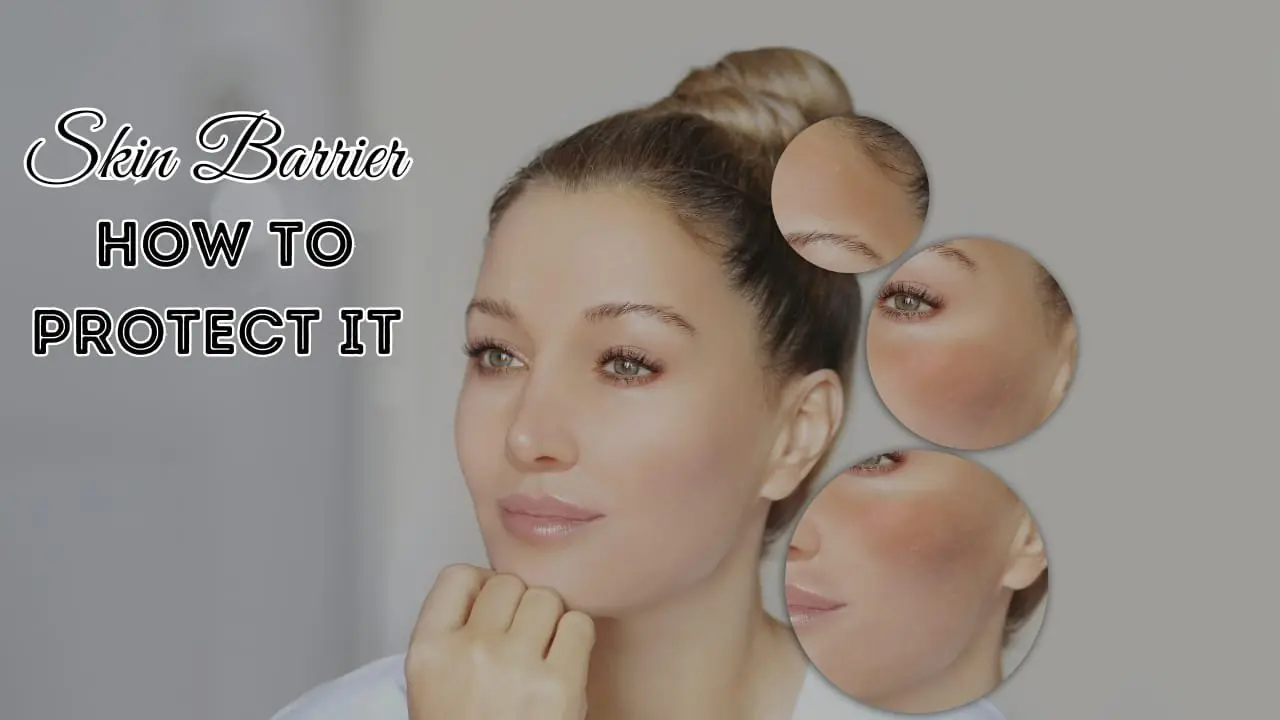
Skin barrier trouble usually announces itself the hard way, with tightness, stinging, redness, and breakouts that resist every fix you try. This thin
Skin barrier trouble usually announces itself the hard way, with tightness, stinging, redness, and breakouts that resist every fix you try. This thin outer layer decides how well every product you apply actually performs, yet most people only learn to respect it after an over-active routine breaks it. Here is how to protect, repair, and strengthen your skin barrier at home.
Reviewed by the BeautynFacts editorial team. Last updated: May 2026.
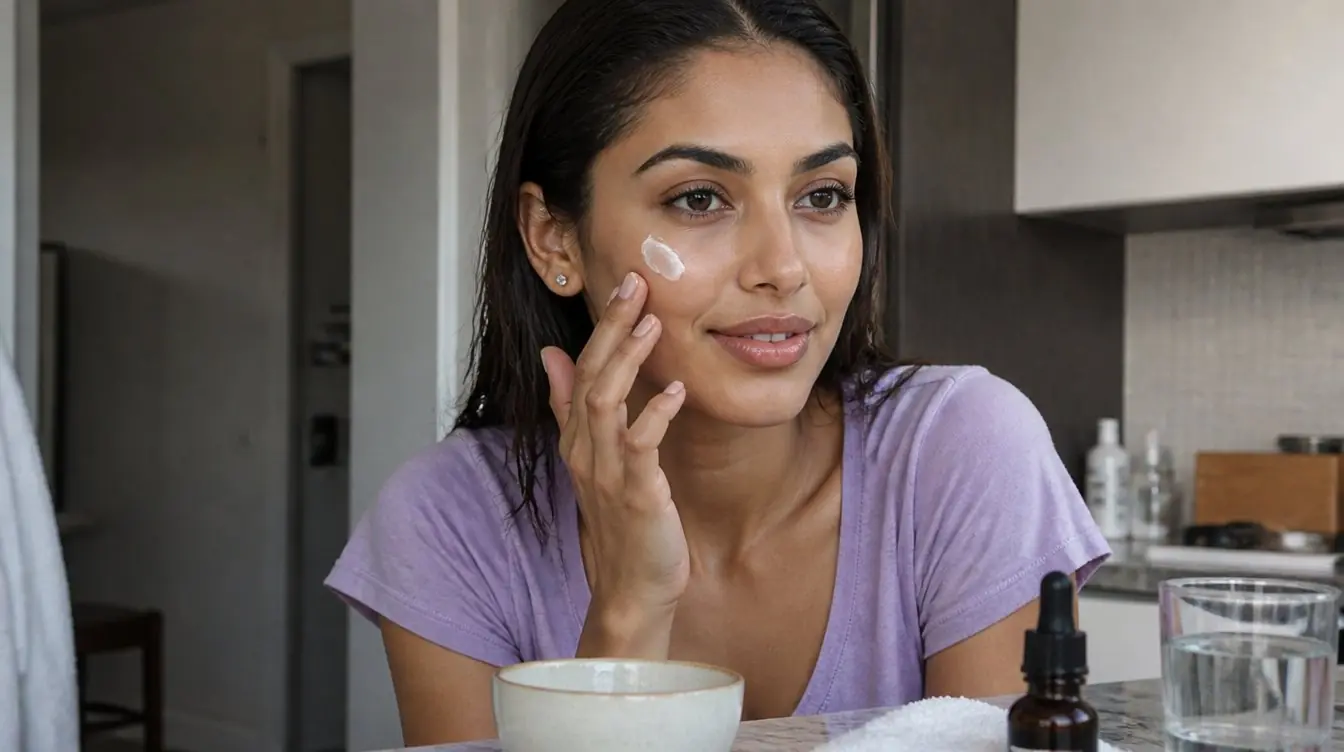
Your skin barrier is one of the most vital components of your body’s natural defense system. While often overlooked in daily skincare routines, understanding and protecting your skin barrier is essential for maintaining overall skin health. In this comprehensive guide, we will explore everything you need to know about your skin barrier, why it matters, and the key steps you can take to preserve its health.
What is the Skin Barrier?
The skin barrier, also known as the stratum corneum, is the outermost layer of your skin. It acts as a protective shield between your body and the external environment. Think of it as a brick wall:
- Bricks: These are the skin cells (corneocytes) that are tightly packed together.
- Mortar: This is the lipid matrix that holds the bricks together, made up of ceramides, cholesterol, and fatty acids.
This structure ensures that your skin remains hydrated while blocking out harmful elements like bacteria, allergens, and environmental pollutants.
Why is the Skin Barrier Important?
A healthy skin barrier serves multiple critical functions:
- Retains Moisture: Prevents water loss to keep your skin hydrated.
- Protection: Acts as a shield against environmental aggressors such as UV rays, pollution, and bacteria.
- Regulation: Maintains your skin’s natural pH balance, which is slightly acidic to fend off harmful microorganisms.
When the skin barrier is compromised, it can lead to various issues such as dryness, redness, sensitivity, and even chronic conditions like eczema or acne.
Signs of a Damaged Skin Barrier
Understanding the signs of a weakened skin barrier can help you take corrective action. Common indicators include:
- Persistent dryness or flakiness
- Increased sensitivity or irritation
- Redness or inflammation
- Itchy or tight skin
- Breakouts or infections that worsen over time
- Difficulty retaining moisture despite using hydrating products
If you notice any of these symptoms, your skin barrier might need immediate attention and care.
What Causes Damage to the Skin Barrier?
A compromised skin barrier can result from various internal and external factors, including:
- Over-Exfoliation: Excessive use of physical scrubs or chemical exfoliants can strip the skin of its natural oils and weaken its protective layer.
- Harsh Skincare Products: Ingredients like alcohol, sulfates, or fragrances can disrupt the delicate balance of the skin barrier.
- Environmental Stressors: Pollution, UV rays, and extreme weather conditions can deplete your skin’s natural defenses.
- Dehydration: Insufficient water intake can make it harder for your skin to maintain its moisture levels.
- Aging: As you age, your skin produces fewer lipids, making it more prone to dryness and barrier dysfunction.
- Poor Diet: A lack of essential nutrients like omega-3 fatty acids and vitamins can affect your skin’s ability to repair itself.
How to Protect and Restore Your Skin Barrier
Protecting your skin barrier involves adopting habits and practices that strengthen and support its natural functions. Below are some key steps to maintain a healthy and resilient skin barrier.
1. Use a Gentle Cleanser
Your choice of cleanser plays a pivotal role in skin health. Harsh cleansers can strip away the natural oils that keep your barrier intact. Instead:
- Opt for pH-balanced, sulfate-free cleansers.
- Avoid over-cleansing; washing your face twice a day is sufficient for most skin types.
- Look for hydrating ingredients like glycerin and hyaluronic acid.
2. Prioritize Moisturizers
Moisturizing is non-negotiable for maintaining a healthy skin barrier. A good moisturizer helps to replenish lost lipids and lock in hydration.
- Choose products with ceramides, cholesterol, and fatty acids.
- For extremely dry skin, use occlusive ingredients like petrolatum or shea butter to prevent water loss.
- Apply your moisturizer immediately after cleansing to trap moisture.
3. Avoid Over-Exfoliation
Exfoliation is essential for removing dead skin cells, but overdoing it can harm your skin barrier.
- Limit exfoliation to 1 2 times a week, depending on your skin type.
- Use gentle chemical exfoliants like lactic acid or mandelic acid instead of abrasive scrubs.
- Always follow up with a hydrating moisturizer to restore balance.
4. Incorporate Ceramides into Your Routine
Ceramides are naturally occurring lipids in your skin and are crucial for a strong barrier.
- Look for ceramide-rich products, such as creams or serums.
- These help repair and rebuild your barrier, especially after damage from environmental factors or over-exfoliation.
5. Stay Hydrated
Proper hydration is vital for skin health.
- Drink at least 8 10 glasses of water a day to ensure your body stays hydrated.
- Consider using a humidifier, especially in dry climates or during winter, to maintain moisture in the air.
6. Protect Your Skin from the Sun
UV radiation is one of the biggest threats to your skin barrier.
- Always apply a broad-spectrum sunscreen with SPF 30 or higher.
- Reapply sunscreen every two hours, especially if you’re outdoors.
- Wear protective clothing, such as hats and sunglasses, for added protection.
7. Avoid Harsh Ingredients
Read product labels carefully to avoid irritants.
- Steer clear of alcohol-based toners, artificial fragrances, and strong astringents.
- Opt for products labeled “gentle” or “suitable for sensitive skin.”
8. Balance Your Diet
Your skin barrier reflects your overall health, and diet plays a significant role.
- Include omega-3 fatty acids (found in fish, flaxseeds, and walnuts) for anti-inflammatory benefits.
- Eat foods rich in antioxidants, such as berries, spinach, and green tea, to combat oxidative stress.
- Vitamin C, E, and zinc promote healing and strengthen your skin.
9. Build a Minimalist Skincare Routine
Sometimes, less is more.
- Avoid using too many active ingredients at once, as they can overwhelm your skin.
- Stick to a basic routine: Cleanse, moisturize, and protect with sunscreen.
10. Address Stress
Chronic stress can lead to increased cortisol levels, which can disrupt your skin barrier.
- Practice relaxation techniques such as meditation, yoga, or deep breathing.
- Prioritize sleep to allow your skin time to repair overnight.
DIY Remedies to Support Your Skin Barrier
While professional products are effective, natural remedies can complement your skincare routine:
- Oatmeal Masks: Soothing and anti-inflammatory, oatmeal can calm irritation.
- aloe vera: A natural humectant, aloe vera helps retain moisture and soothe redness.
- Honey: Packed with antioxidants, honey can aid in repairing a compromised barrier.
When to Seek Professional Help
If your skin barrier remains compromised despite following a healthy routine, consult a dermatologist. Persistent symptoms like severe dryness, redness, or breakouts could indicate underlying issues such as eczema or rosacea.
The Role of Consistency in Skincare
Maintaining a healthy skin barrier isn’t about quick fixes; it requires consistency. Stick to your skincare routine, make adjustments as needed, and be patient. Healthy skin is a reflection of daily care and attention.
Conclusion
Your skin barrier is your body’s first line of defense, protecting you from external harm while keeping your skin hydrated and balanced. By understanding how it works and taking the necessary steps to protect it, you can enjoy healthy, radiant skin. From using gentle cleansers to prioritizing hydration and sunscreen, every action you take can make a significant difference.
Adopting these habits and paying close attention to your skin’s needs will not only restore its barrier but also ensure long-term health and resilience.
FAQs
1. Can my skin barrier repair itself?
Yes, your skin barrier can repair itself over time with proper care, including moisturizing, avoiding irritants, and protecting against environmental stressors.
2. How long does it take to heal a damaged skin barrier?
Healing can take anywhere from a few days to a few weeks, depending on the severity of the damage and how diligently you follow a restorative routine.
3. Is exfoliation harmful to the skin barrier?
Exfoliation isn’t harmful if done correctly. Over-exfoliation, however, can strip the skin of essential oils and damage the barrier.
4. What is the best ingredient for repairing the skin barrier?
Ceramides are highly effective for repairing and strengthening the skin barrier.
5. How do I know if my skincare products are damaging my skin barrier?
If your skin feels tight, irritated, or overly dry after using a product, it may be too harsh for your skin and could be causing damage.
6. Can diet really impact my skin barrier?
Yes, a balanced diet rich in omega-3 fatty acids, antioxidants, and vitamins supports skin repair and overall health.
Frequently Asked Questions About Skin Barrier
What does a damaged skin barrier look like?
A damaged barrier shows up as persistent redness, tightness after cleansing, stinging when applying products that used to feel fine, flaky patches, and a sudden increase in reactivity or breakouts. The skin often looks dehydrated even when you are drinking water and moisturising. Makeup may pill, sit unevenly, or trigger irritation. These symptoms usually follow a stretch of over-exfoliation, harsh cleansing, too many actives, or environmental stress. Once you recognise the pattern, recovery starts with stripping the routine back to basics.
How long does it take to repair a damaged skin barrier?
Most damaged barriers calm within two to four weeks once you stop the offending actives and switch to a simple cleanse, ceramide moisturiser, sunscreen routine. Deeper damage with persistent stinging and redness takes six to twelve weeks. Avoid the temptation to add actives back too early; the urge to use vitamin C or retinol again is the most common cause of relapse. The full repair timeline depends on age, hormones, and how aggressive the initial damage was, but consistency in a gentle routine always shortens it.
What ingredients help repair the skin barrier fastest?
Ceramides, cholesterol, free fatty acids, niacinamide, panthenol, centella asiatica, beta-glucan, hyaluronic acid, and squalane are the workhorses of barrier repair. Ceramides plus cholesterol and fatty acids in a 3:1:1 ratio mimic the natural barrier composition. Niacinamide reduces transepidermal water loss and calms inflammation. Layer a ceramide moisturiser morning and night, add a panthenol or centella serum if the skin is actively stinging, and skip every harsh active until the surface feels normal again. Less is more during recovery.
Can you use retinol while repairing your skin barrier?
No. Pause retinol and all other exfoliants, acids, and strong actives for at least two weeks once you notice barrier damage. Retinol drives turnover, and a compromised barrier cannot handle that pace. Restart at the lowest concentration only after the skin feels comfortable and stops reacting to your basic moisturiser. Reintroduce two nights a week, build to alternate nights over six weeks, and pair every application with a barrier-supporting moisturiser. The slow build prevents the cycle from repeating.
How can you prevent skin barrier damage in the first place?
Use one active at a time, build tolerance over weeks rather than days, never combine exfoliants with retinol in the same routine, and always pair active steps with a barrier-supporting moisturiser. Skip foaming sulphate cleansers in favour of low-pH gentle versions. Wear sunscreen daily because UV is a major barrier stressor. Avoid hot water on the face. Adjust seasonally with richer creams in winter and lighter ones in summer. Most barrier damage is cumulative, not sudden, so steady prevention beats reactive repair.
Is the skin barrier and the moisture barrier the same thing?
They are closely related but not identical. The skin barrier, or stratum corneum, is the outermost layer of dead corneocytes glued together by ceramides, cholesterol, and fatty acids, plus the acid mantle of sebum and sweat that sits on top. The moisture barrier refers specifically to the part of that structure that prevents transepidermal water loss. When people say barrier repair in skincare, they almost always mean both functions, since they are physically the same layer and fail or recover together.
RELATED ARTICLES:
Skincare Ingredients 101: Everything You Need to Know About Vitamin C
Keratosis Pilaris: Everything You Need to Know About the Bumps on Your Arms
5 Skincare Mistakes You Didn’t Know You Were Making (And How to Fix Them!)
What Is Skin Slugging? Benefits, Risks About Skin Slugging
Skin Streaming 2.0: The Skin Care Blueprint for Faster Results, Stronger Barrier, and Less Clutter
About The Author

COMMENTS