









Surprising beauty uses for onions sound like a TikTok prank until you look at the science behind onion sulfur compounds, which actually show measurabl
Surprising beauty uses for onions sound like a TikTok prank until you look at the science behind onion sulfur compounds, which actually show measurable benefits for hair-growth and antibacterial action on the skin. Surprising beauty uses for onions show up across Ayurvedic, Mediterranean, and West African beauty traditions for the same reason: the active compounds genuinely work. This guide walks through 7 surprising beauty uses for onions with the recipes, the application techniques, and the smell-management tricks that make them tolerable.
Published · Updated
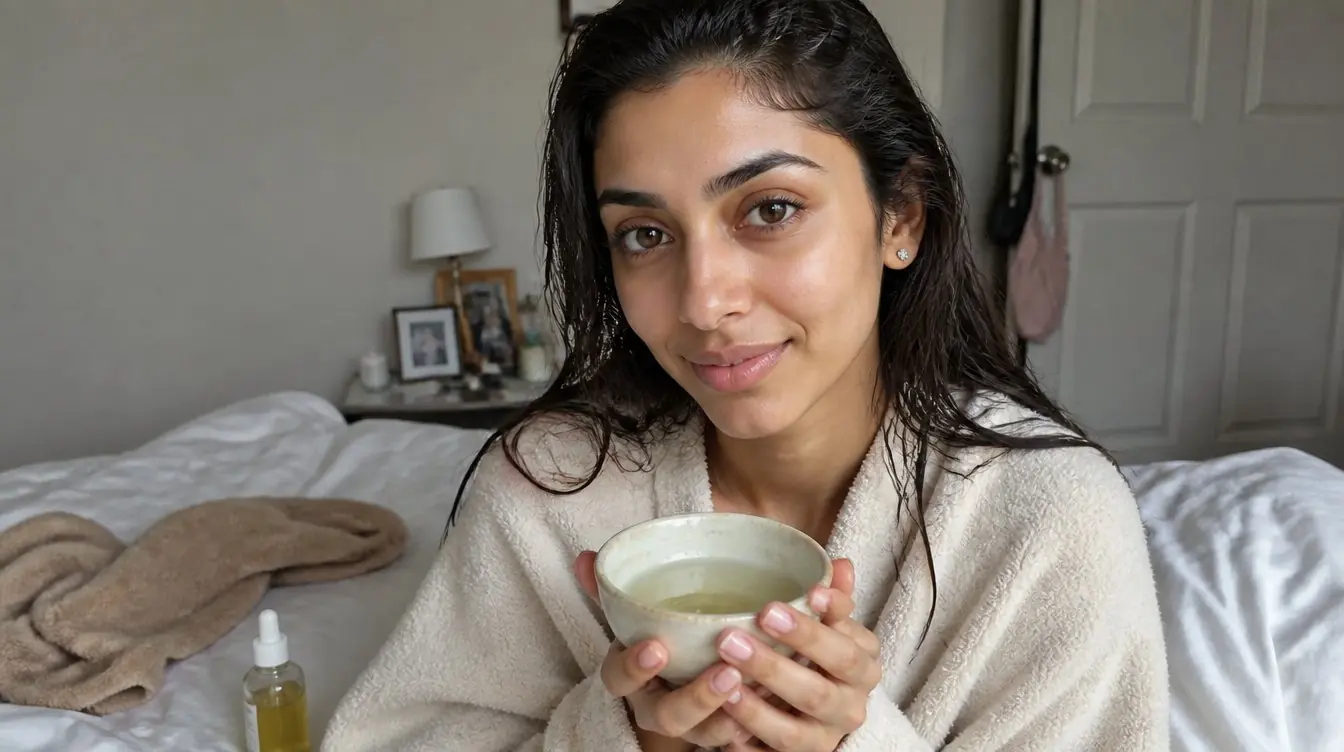
7 Surprising Beauty Uses For Onions (How To Grow Hair Fast)
The humble onion sits quietly in your kitchen, rarely getting the recognition it deserves beyond the dinner plate. Yet for centuries, women across India, the Middle East, and Eastern Europe have been using this pungent vegetable as one of their most treasured beauty secrets. Modern science is now catching up with what traditional healers always knew: the beauty uses for onions are remarkably diverse, deeply rooted in chemistry, and genuinely effective when applied consistently and correctly. From stimulating dramatic hair growth to fading stubborn dark spots on the skin, the onion offers a natural, affordable alternative to many expensive cosmetic treatments. This article explores all seven of the most powerful and scientifically supported ways to use onion for your skin and hair, along with step-by-step instructions, expert-backed rationale, practical tips for minimising the smell, and answers to every question you might have about adding this unlikely hero to your beauty routine. Whether you are struggling with thinning hair, uneven skin tone, persistent acne, or premature signs of aging, you may be surprised to discover that the solution has been sitting in your produce drawer all along.
The Remarkable Science Behind Onion’s Beauty Power
The detail most guides skip on surprising beauty uses for onions: results compound only when small habits stack. Two careful choices today are worth more than ten half-followed ones, and surprising beauty uses for onions rewards consistency over weeks, not chasing a single perfect product.
Before diving into specific applications, it is worth understanding exactly why onions work so well for skin and hair. The beauty benefits of onions are not based on folklore alone. They are grounded in a sophisticated biochemical profile that researchers have been studying with growing interest over the past two decades.
Onions, scientifically classified as Allium cepa, belong to the same plant family as garlic, shallots, and leeks. What makes them uniquely powerful for beauty purposes is their exceptionally high concentration of organosulfur compounds. When you cut or crush an onion, enzymes called alliinases are activated, converting naturally occurring amino acids into sulfenic acids, which then rapidly form compounds such as thiosulfinates and various polysulfides. These sulphur-containing molecules are directly responsible for many of the hair and skin benefits attributed to onion juice.
Quercetin is another key player. This flavonoid antioxidant is found in high concentrations in the outer layers of onions, particularly in red and yellow varieties. Quercetin has been studied extensively for its anti-inflammatory, antimicrobial, and antioxidant properties. When applied topically to the skin, it helps neutralise free radicals that accelerate the visible signs of aging and can contribute to improved skin texture and tone over time.
Onions are also rich in vitamins A, C, and E, all of which play important roles in skin health. Vitamin C, in particular, is essential for collagen synthesis, the process by which your body produces the structural protein that keeps skin firm and plump. Vitamin A supports cell turnover and helps regulate oil production, while vitamin E acts as a lipid-soluble antioxidant that protects cell membranes from oxidative damage.
The antimicrobial properties of onion are well documented in scientific literature. Several studies have demonstrated that onion extract exhibits significant antibacterial activity against common skin pathogens, including Staphylococcus aureus and Propionibacterium acnes, the bacterium primarily responsible for acne breakouts. This makes onions a genuinely evidence-based option for people dealing with bacterial skin concerns.
Why Sulfur Is the Star Ingredient for Hair Growth
Among all of onions’ bioactive compounds, sulphur holds a special place when it comes to hair health. Hair itself is composed predominantly of a protein called ‘keratin’, and keratin is exceptionally rich in sulphur-containing amino acids, particularly cysteine. The disulphide bonds between cysteine molecules are what give hair its structural strength and shape. When your body has adequate levels of dietary and topically available sulphur, keratin production becomes more efficient, and hair grows stronger, thicker, and more resilient.
When onion juice is massaged into the scalp, the sulphur compounds it contains are absorbed into the skin and the surrounding hair follicle tissue. Research suggests these compounds help stimulate the production of the enzyme catalase, which breaks down hydrogen peroxide in the scalp. This matters because hydrogen peroxide accumulates naturally in scalp tissue as a byproduct of metabolic processes, and when it builds up excessively, it can damage hair follicles and contribute to premature greying. By boosting catalase activity, onion juice may help address one of the underlying biological mechanisms behind certain types of hair loss.
The Role of Flavonoids and Antioxidants in Skin Renewal
Beyond sulphur and quercetin, onions contain a broader array of polyphenols and flavonoids, including kaempferol, myricetin, and various anthocyanins in red varieties. These compounds work synergistically to reduce oxidative stress in skin cells, suppress inflammatory pathways, and support the activity of natural antioxidant enzymes, including superoxide dismutase and glutathione peroxidase. The combined effect of this antioxidant network is a notable reduction in the cellular damage that manifests externally as fine lines, uneven pigmentation, dullness, and loss of elasticity. This is why regular onion use on the skin tends to produce a cumulative brightening and firming effect that becomes more apparent over weeks rather than days.
Use #1: Onion for Brighter, More Radiant Skin
Dull, lacklustre skin is one of the most common cosmetic complaints, and it arises from a combination of factors, including slowed cell turnover, dehydration, pollution-related oxidative stress, and the gradual accumulation of dead skin cells on the surface. Onion addresses several of these contributing factors simultaneously, which is why regular topical application tends to produce a noticeable improvement in overall skin luminosity.
The antioxidants in onion juice, particularly vitamin C and quercetin, help counteract the oxidative stress that makes skin appear grey and tired. At the same time, the mild enzymatic activity in fresh onion juice provides a gentle exfoliating action that helps slough away dead skin cells, revealing the fresher, more reflective skin beneath. The improved blood circulation that results from the slight warming sensation of onion juice on the skin also contributes to a healthier, more glowing complexion by delivering oxygen and nutrients more efficiently to surface tissues.
Beyond topical application, it is worth noting that consuming raw onions regularly also contributes to skin brightness from the inside out. The sulphur compounds and antioxidants in onions support liver function and help purify the bloodstream by reducing the load of toxins that can otherwise manifest as dull, congested, or blemish-prone skin. Many nutritionists recommend including raw red onion in salads and dressings for precisely this internal cleansing effect.
To apply onion for skin brightening, take one medium-sized fresh onion, preferably white or yellow for its higher quercetin content, and cut it into small pieces before blending it or pressing it through a fine strainer to extract the juice. Soak a clean cotton pad in the juice and apply it evenly across the face, avoiding the immediate eye area. Allow it to sit for fifteen to twenty minutes before rinsing thoroughly with cool water. Used three to four times per week, most people begin to notice a genuine improvement in skin tone and texture within two to three weeks.
Use #2: Fading Blemishes, Hyperpigmentation, and Dark Spots
Worth pausing on with surprising beauty uses for onions: the products matter less than the order and timing. The same shelf can deliver visible surprising beauty uses for onions results or flat ones depending on the layering.
Dark spots, whether caused by post-acne scarring, sun exposure, or hormonal hyperpigmentation, are notoriously difficult to fade because they involve the overproduction and uneven distribution of melanin in the deeper layers of the skin. Onion works on this problem through several different mechanisms, making it a multi-pronged approach to achieving a more even skin tone.
The vitamin C in onion juice is a well-established inhibitor of tyrosinase, the enzyme responsible for catalysing the production of melanin. By reducing tyrosinase activity, topical vitamin C helps prevent new pigmentation from forming while also gradually lightening existing dark spots through a process of oxidative degradation of the melanin already present in the skin. This is the same mechanism behind many premium vitamin C serums, though onion delivers it in a natural, unprocessed form alongside a host of complementary compounds that enhance its efficacy.
Quercetin has also been studied for its depigmenting properties. Research published in dermatology literature suggests that quercetin can inhibit melanogenesis through pathways independent of tyrosinase inhibition, providing a dual mechanism of action when it works alongside vitamin C from the same source.
One of the most effective onion-based treatments for dark spots involves combining fresh onion juice with a small pinch of turmeric. Turmeric contains curcumin, another powerful antioxidant and anti-inflammatory compound that has its own well-documented skin-brightening properties. To prepare this treatment, mix one tablespoon of freshly pressed onion juice with a very small pinch of turmeric powder, no more than one-eighth of a teaspoon, as turmeric can temporarily stain the skin yellow when used in excess. Apply this mixture to specific dark spots using a clean cotton swab, leave it on for twenty minutes, and rinse thoroughly. Use this targeted treatment daily for maximum effect.
An alternative formulation for overall skin lightening combines one teaspoon of raw onion juice with one teaspoon of chickpea flour and half a teaspoon of whole milk. Chickpea flour, also known as besan, provides gentle physical exfoliation and has mild brightening properties of its own, while milk adds lactic acid, a natural alpha-hydroxy acid that further supports surface cell renewal. This combination creates a softly exfoliating mask that addresses pigmentation from multiple angles and leaves skin noticeably smoother and more even after consistent use.
Use #3: Fighting Premature Aging and Preserving Youthful Skin
Premature skin aging is driven primarily by two forces: intrinsic aging, which is genetically determined and largely unavoidable, and extrinsic aging, which is caused by external factors including ultraviolet radiation, pollution, smoking, poor nutrition, and chronic inflammation. Onion is particularly powerful against extrinsic aging because its antioxidant compounds directly neutralise the free radicals generated by UV exposure and environmental pollutants before they have a chance to damage collagen fibres and cellular DNA.
Collagen is the scaffolding protein that gives skin its firmness and elasticity. As we age, collagen production naturally declines, but this decline is significantly accelerated by oxidative stress and chronic low-grade inflammation. Both of these factors are directly counteracted by the antioxidants and anti-inflammatory compounds in onions. By reducing the rate of collagen degradation and supporting the enzymatic processes involved in new collagen synthesis, regular onion use can help maintain a more youthful skin structure over time.
Vitamin A, found in moderate amounts in onions, plays a specific role in regulating the rate of skin cell turnover. Faster, more regulated cell renewal means that older, damaged skin cells are replaced more quickly by fresh new ones, which reduces the visible appearance of fine lines and gives skin a more even, smooth texture. This is the same fundamental mechanism by which prescription retinoids work, though an onion’s effect is considerably more gentle and gradual.
To prepare an anti-ageing onion mask, blend half a medium onion into a smooth puree and apply it across clean, dry skin. For enhanced efficacy, add a few drops of rosehip seed oil to the puree before applying. Rosehip oil is exceptionally rich in retinoids, essential fatty acids, and vitamin C, creating a powerful complementary combination with the onion’s quercetin and sulphur compounds. Leave the mask on for twenty minutes, then rinse with lukewarm water followed by a cool water splash to close the pores. Using this mask twice weekly as part of a consistent routine can contribute meaningfully to a reduction in the depth and visibility of fine lines over a period of four to six weeks.
Blood Circulation and Its Role in Skin Elasticity
One often overlooked aspect of onions’ anti-ageing benefits is their ability to improve microcirculation in the skin. When onion juice is applied topically and massaged in with gentle circular motions, the mechanical stimulation combined with the vasodilating effect of certain sulphur compounds encourages blood flow to the surface tissues. Improved microcirculation means that skin cells receive a more abundant supply of oxygen and nutrients, and that waste products, including carbon dioxide and metabolic by-products, are removed more efficiently. This enhanced circulatory environment is directly supportive of the skin’s natural repair and regeneration processes, and it contributes to the firmer, more toned appearance that regular onion users often report.
Use #4: Clearing Acne and Preventing Future Breakouts
Acne is a multifactorial skin condition involving excess sebum production, abnormal follicular keratinisation, the proliferation of acne-causing bacteria, and the resulting inflammatory response. Onion addresses three of these four contributing factors, which makes it a genuinely effective botanical intervention for acne management, particularly for mild to moderate cases.
The antimicrobial properties of onion, primarily attributable to its organosulfur compounds and quercetin, have been confirmed in multiple in vitro studies. Fresh onion juice creates an inhospitable environment for Cutibacterium acnes (formerly known as Propionibacterium acnes), the bacterium that colonises blocked pores and triggers the inflammatory cascade that results in red, swollen pimples. By reducing the bacterial load on the skin’s surface and within the pore environment, onion juice can help both resolve existing breakouts and prevent new ones from forming.
The anti-inflammatory properties of quercetin are equally relevant to acne treatment. Inflammation is what transforms a simple blocked pore into an angry, painful papule or cyst. By suppressing the activity of pro-inflammatory enzymes, including cyclooxygenase and lipoxygenase, quercetin helps dampen the skin’s inflammatory response, reducing the redness, swelling, and discomfort associated with active breakouts. This anti-inflammatory action also helps minimise the post-inflammatory hyperpigmentation that often persists long after the acne itself has resolved, which is one of the most frustrating aspects of acne for many people.
For a straightforward acne-fighting treatment, apply fresh onion juice directly to clean skin using a cotton pad, allow it to dry completely, and leave it on for fifteen minutes before rinsing with cool water. This can be done once or twice daily on affected areas. For a more intensive treatment mask, mix one tablespoon of onion juice with one tablespoon of chickpea flour, which is a traditional Indian remedy for oily, acne-prone skin known for its oil-absorbing and pore-clearing properties. Apply the paste to the entire face, leave it for twenty minutes, and then rinse with gentle circular motions to take advantage of the mild exfoliating action of the chickpea flour as the mask is removed.
Another effective formulation for acne combines onion juice with a carrier oil to prevent dryness and irritation. Mix one tablespoon of onion juice with one tablespoon of cold-pressed jojoba oil, which closely mimics the skin’s natural sebum and is non-comedogenic, meaning it will not clog pores. Apply this mixture to the face, leave it for fifteen minutes, and rinse with a gentle cleanser. This formulation is particularly suitable for people with combination or sensitive skin who find straight onion juice too drying or mildly irritating.
Use #5: How Onion Juice Grows Hair Faster and Thicker
Of all the beauty benefits attributed to onion, the evidence for hair growth is arguably the strongest. A clinical study published in the Journal of Dermatology examined the use of onion juice in patients with alopecia areata, a condition characterised by patchy hair loss. Participants who applied onion juice to their scalps twice daily for six weeks showed a significantly higher rate of hair regrowth compared to those using plain tap water. Among those using onion juice, 86 percent experienced measurable hair regrowth, compared to only 13 percent in the control group. These findings, while conducted on a relatively small sample, represent meaningful clinical evidence for what traditional beauty practitioners have long observed anecdotally.
The mechanism of action is multifaceted. Sulphur from onion juice nourishes the hair follicles directly, supporting the metabolic processes that drive active hair growth during the anagen phase of the hair cycle. The increased blood flow to the scalp that results from gentle massage with onion juice ensures that follicles receive an optimal supply of oxygen and the nutrients needed to sustain robust hair production. The antimicrobial properties of onion also help maintain a healthy scalp environment by controlling the overgrowth of fungi and bacteria that can otherwise interfere with follicle function.
Additionally, onion juice contains the antioxidant catalase, which, as mentioned earlier, helps break down hydrogen peroxide in the scalp. Excess hydrogen peroxide can bleach hair from the inside out and damage the cellular machinery of the follicle, contributing to both premature greying and follicle miniaturisation. By reducing this oxidative burden, onion juice helps preserve the health and productivity of existing follicles.
Step-by-Step Guide to Using Onion Juice for Maximum Hair Growth
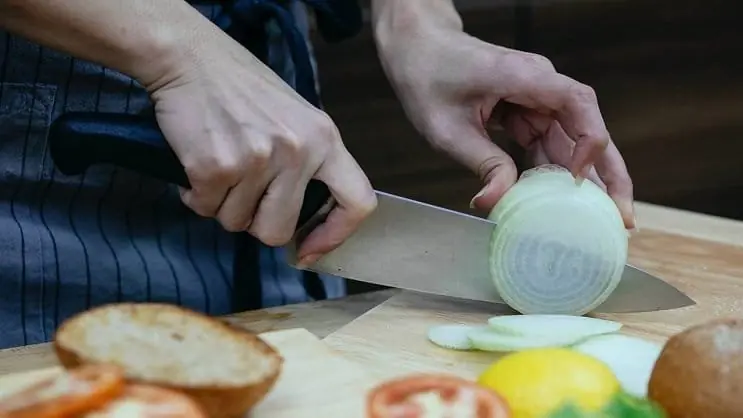
The effectiveness of onion juice for hair growth depends greatly on consistency and correct application technique. Begin by selecting two to three medium-sized onions, preferably red onions for their higher antioxidant content. Peel them, cut them into rough chunks, and blend them in a food processor or blender until you have a fine pulp. Transfer this pulp to a piece of cheesecloth or a fine-mesh strainer and squeeze out as much juice as possible. The resulting liquid, slightly cloudy and strongly aromatic, is your treatment serum.
Apply the juice directly to your scalp using a cotton ball, a small brush, or your fingertips. Work in sections to ensure thorough coverage of the entire scalp, not just the areas of visible thinning. Once the juice is applied, use the pads of your fingers to massage the scalp in gentle circular motions for five to ten minutes. This massage step is important because it enhances blood circulation and helps drive the sulphur compounds deeper into the scalp tissue where they can interact with the follicles more directly.
Leave the onion juice on the scalp for a minimum of thirty minutes, though some people prefer to leave it on for up to an hour for deeper penetration. Some dedicated users apply it overnight, which requires tolerating the smell during sleep, but reports suggest that overnight application may produce faster results. Rinse thoroughly with lukewarm water, then wash with a gentle, sulphate-free shampoo. For best results, repeat this treatment three to four times per week over a period of at least eight to twelve weeks, as hair growth is a slow biological process that requires sustained commitment to see meaningful change.
Onion Juice Blends for Enhanced Hair Growth Results
While plain onion juice is effective on its own, combining it with complementary ingredients can amplify its benefits significantly. A popular and well-regarded blend mixes equal parts fresh onion juice and pure rosewater. Rosewater has mild anti-inflammatory and antibacterial properties and, crucially, helps mitigate some of the pungent odour of the onion juice without neutralising its active compounds. This makes the treatment more pleasant to use and easier to leave on for longer periods.
Another powerful combination involves mixing fresh onion juice with a tablespoon of pure coconut oil. Coconut oil penetrates the hair shaft more deeply than most other oils due to its low molecular weight and linear chain structure, helping to reduce protein loss from the hair fibre while the onion compounds work on the follicle at the scalp level. This dual-action treatment addresses both the health of the existing hair and the productivity of the follicles simultaneously.
For those dealing with particularly stubborn hair thinning, adding a few drops of rosemary essential oil to the onion juice has a rational scientific basis. Rosemary oil has been studied as a hair growth agent in its own right, with one comparative clinical study finding it comparable in efficacy to two percent minoxidil after six months of use. When combined with onion juice, the two treatments target complementary biological pathways, with rosemary working primarily through its inhibition of a testosterone-converting enzyme and improvement of scalp circulation, while onion works through sulphur nourishment and antioxidant support.
Use #6: Eliminating Dandruff and Restoring Scalp Health
Dandruff is a condition that affects nearly half of the global adult population at some point in their lives, and despite its prevalence, it remains poorly understood by many of the people who suffer from it. Contrary to popular belief, dandruff is not primarily caused by a dry scalp. In the majority of cases, it is caused by an overgrowth of a naturally occurring scalp yeast called Malassezia globosa, which feeds on the sebum secreted by scalp follicles and produces oleic acid as a byproduct. In sensitive individuals, oleic acid triggers an inflammatory response that accelerates skin cell turnover, leading to the visible flaking and itching associated with dandruff.
Onion is effective against dandruff for two primary reasons. First, its antifungal properties, demonstrated in laboratory studies, help reduce the population of Malassezia on the scalp, addressing the root cause of most dandruff cases. Second, its anti-inflammatory compounds, particularly quercetin, help calm the inflammatory reaction in the scalp that drives the accelerated cell shedding responsible for visible flaking.
To use onion for dandruff control, apply fresh onion juice directly to the scalp and massage it in gently. Leave it on for twenty to thirty minutes before washing it out with a mild, antifungal shampoo. For an enhanced anti-dandruff treatment, mix the onion juice with a small amount of freshly squeezed lemon juice. Lemon juice contributes its own antifungal properties, and its citric acid content helps normalise the scalp’s pH, creating a less favourable environment for yeast overgrowth. Use equal parts onion juice and lemon juice and apply the mixture in the same way. This combination treatment used twice weekly has been reported by many users to produce a significant reduction in dandruff within three to four weeks.
For people with a particularly irritated or inflamed scalp, mixing onion juice with aloe vera gel provides additional soothing benefits. Aloe vera contains compounds called acemannan and aloins that have demonstrable anti-inflammatory and antimicrobial properties while simultaneously providing the scalp with deep hydration and a cooling sensation that alleviates itching. Combine two tablespoons of onion juice with two tablespoons of pure aloe vera gel, mix well, and apply to the scalp. This gentler formulation is especially recommended for people with sensitive scalps or those new to onion juice treatment.
Use #7: Strengthening Hair, Reducing Breakage, and Boosting Natural Shine
Beyond stimulating new growth and controlling dandruff, onion juice offers significant benefits for the structural integrity and appearance of existing hair. Many people focus exclusively on the scalp-level benefits of onions while overlooking their ability to improve the condition of the hair fibre itself, which is the seventh and perhaps most underappreciated beauty use for this remarkable vegetable.
Hair breakage is one of the primary reasons why many people struggle to grow their hair long despite having otherwise healthy follicles. Hair breaks when it becomes structurally compromised, typically through repeated mechanical damage from heat styling, chemical processing, and rough handling combined with nutritional deficiencies that affect the integrity of the keratin protein chain. The sulphur in onion juice helps strengthen the disulphide bonds within keratin, making individual hair strands more resistant to breakage and better able to withstand the mechanical stresses of daily styling and combing.
The antioxidants in onion juice also protect the hair fibre itself from oxidative damage caused by UV exposure, air pollution, and the free radicals generated by heat styling tools. Oxidative damage to the hair cuticle causes the microscopic surface scales of the hair to lift and separate, creating a rough texture that looks dull, feels coarse, and catches and breaks more easily when brushed. By neutralising this oxidative damage, onion juice helps maintain a smoother, more intact cuticle structure, which directly translates to hair that looks shinier, feels silkier, and experiences significantly less breakage over time.
To use onion juice specifically for hair strengthening and shine enhancement, you can apply it as a pre-shampoo treatment to the entire length of the hair, not just the scalp. Apply fresh onion juice from roots to ends, working it through the hair with your fingers to ensure even distribution. Cover your hair with a shower cap to prevent dripping and to create a warm, humid environment that helps the active compounds penetrate more deeply into the hair shaft. Leave the treatment on for thirty to forty-five minutes before rinsing and shampooing as usual. Finishing with a cold water rinse after shampooing will further smooth the cuticle and enhance the reflective surface of the hair, maximising the visible shine benefit.
How to Prepare Onion Juice at Home: A Complete Practical Guide
The quality and potency of your onion juice directly affect how effective your beauty treatments will be. Freshness is the most critical factor because the enzymatic activity that generates the beneficial sulphur compounds begins to degrade within hours of the onion being cut. Always prepare fresh onion juice for each treatment session rather than storing it for multiple uses.
To extract the most juice with the highest concentration of active compounds, use one of two methods. The blender method is the fastest: peel two to three medium onions, roughly chop them, blend until smooth, and strain through a fine-mesh strainer or double layer of cheesecloth, pressing firmly to extract all the liquid. The grater method involves peeling the onion and grating it on the fine side of a box grater, then squeezing the pulp through a cloth. The grating method tends to produce a slightly less oxidised juice because less air is incorporated during the extraction process, though both methods yield effective results.
If the strong smell of onion juice is a deterrent, there are several strategies that can help. Adding a few drops of a pleasant essential oil such as lavender, peppermint, or rosemary to the juice can partially mask the odour without significantly diminishing the active compounds. Applying the treatment in the evening and washing it out before bed rather than leaving it on during waking hours is a practical scheduling strategy. Rinsing with apple cider vinegar diluted in water after removing the onion treatment can also help neutralise any residual odour on the skin or scalp.
For skin applications specifically, doing a patch test before applying onion juice to the face is always advisable, particularly for those with sensitive skin or a history of contact dermatitis. Apply a small amount of the juice to the inside of your wrist or elbow, leave it for twenty minutes, and check for any redness, itching, or swelling before proceeding with facial application. If irritation occurs, dilute the juice with equal parts rose water or aloe vera gel to reduce its concentration before trying again.
Choosing the Right Type of Onion for Beauty Treatments
Not all onions are created equal when it comes to their beauty-enhancing potential, and understanding the differences between varieties can help you choose the most effective option for each specific application.
Red onions contain the highest levels of anthocyanins, the pigmented antioxidants that give them their deep purple-red colour. These anthocyanins provide an additional layer of free radical protection beyond the quercetin found in all onion varieties, making red onions the best choice for anti-ageing skin treatments and for hair growth stimulation where maximum antioxidant support is desired. Red onions also tend to have a slightly milder flavour and smell compared to yellow onions, which some people find more manageable in topical applications.
Yellow onions typically have the highest overall quercetin content of any common variety, making them particularly well suited for anti-inflammatory applications such as acne treatment and dandruff control. Their sulphur content is also generally high, supporting their use in hair growth treatments. White onions are milder in flavour and slightly lower in some polyphenol compounds, but they tend to be more hydrating due to their higher water content, which can make them gentler and more suitable for people with dry or sensitive skin who want to use onions for brightening or mild anti-ageing benefits.
Shallots, while technically a distinct variety, deserve mention because they have an exceptionally high concentration of both quercetin and organosulfur compounds relative to their size, making them a potent but underutilised option for beauty applications. If you have access to shallots and want to experiment with a particularly concentrated treatment, they can be used in place of regular onions with encouraging results.
Frequently Asked Questions About Using Onion for Beauty
How long does it take to see hair growth results from onion juice?
Most people who use onion juice consistently for hair growth begin to notice baby hairs and reduced shedding within four to six weeks of regular application three to four times per week. Meaningful visible density improvement typically takes eight to twelve weeks of sustained treatment. Hair biology means that results cannot be rushed, as the hair growth cycle operates on its own timeline regardless of how potent the treatment is. Consistency over time is the single most important factor in achieving results. If you have been using onion juice for twelve weeks with no discernible change, it may be worth consulting a dermatologist to investigate whether an underlying medical condition such as thyroid dysfunction, nutritional deficiency, or hormonal imbalance is contributing to your hair loss.
Can onion juice cause scalp irritation or allergic reactions?
Yes, it can, though this is relatively uncommon. Onions belong to the Allium family, and some individuals have a genuine allergy or sensitivity to Allium compounds that can manifest as itching, redness, burning, or even contact dermatitis when onion juice is applied to the skin or scalp. Always perform a patch test before your first application. If you experience mild tingling during treatment, this is generally normal and should resolve quickly after rinsing. If you experience significant burning, swelling, or a rash, discontinue use immediately and rinse the area thoroughly with cool water. People with very sensitive skin may do better diluting the onion juice with rose water or aloe vera gel to reduce its concentration before applying it.
Does onion juice help with hormonal or patterned hair loss?
Onion juice is most strongly supported by evidence for alopecia areata, an autoimmune form of hair loss characterised by patchy baldness. Its effectiveness for androgenetic alopecia, the hormonal pattern baldness that affects both men and women, is less definitively established by clinical research. However, the biological mechanisms by which onions work, improving scalp circulation, reducing oxidative stress, nourishing follicles with sulphur, and suppressing scalp inflammation, are relevant to all types of hair thinning and are unlikely to cause harm even if their effect on hormonally driven hair loss is more modest. Onion juice works best as a complementary approach used alongside other treatments recommended by a dermatologist for patterned hair loss.
Will onion juice permanently get rid of dark spots?
Onion juice can produce significant improvement in the appearance of dark spots over time, but it works as a gradual treatment rather than an instant fix. The lightening effect depends on the underlying cause of the pigmentation, how deep in the skin it is located, and how consistently the treatment is applied. Superficial post-acne marks and mild sunspots tend to respond most favourably, with visible improvement appearing within four to eight weeks of daily application. Deeper melasma or hormonally driven pigmentation may respond more slowly or may require professional treatments in addition to the onion-based home care regimen. Sun protection during treatment is absolutely essential, as UV exposure will continue to stimulate melanin production and counteract the brightening effects of the onion.
How do I get rid of the onion smell after treatment?
The onion smell is the most common complaint among people using this beauty treatment, and it is entirely understandable. For scalp applications, using a properly lathered, fragrant shampoo applied before wetting the hair and left for a couple of minutes before rinsing can help lift the sulphur compounds from the scalp more effectively. A final rinse with diluted apple cider vinegar, one tablespoon per cup of water, followed by a thorough water rinse, neutralises the alkaline residue from the onion and helps eliminate the odour. For skin applications, a gentle cleanser containing any mild surfactant will remove the smell effectively. Adding a few drops of lavender or tea tree essential oil to your onion juice before application can also significantly reduce the intensity of the smell during treatment.
Can I use onion beauty treatments if I have rosacea or very sensitive skin?
Rosacea and very sensitive skin types require extra caution with onion-based treatments because the natural acids and sulphur compounds in onion juice can be too stimulating for skin that is already in a reactive state. If you have rosacea, it is best to consult a dermatologist before starting any new topical treatment, as some of the ingredients in onion juice may trigger a flare. For generally sensitive skin without a specific diagnosed condition, starting with a very diluted formulation, one part onion juice to three parts rose water or aloe vera gel, and limiting application time to ten minutes initially allows you to gradually assess your skin’s response before increasing concentration or duration.
Is it safe to use onion juice on coloured or chemically processed hair?
Onion juice is generally safe for colour-treated and chemically processed hair, and many people with these hair types find that it helps strengthen and condition hair that has been made more fragile by chemical services. There is no significant evidence that onion juice strips hair colour or accelerates colour fading when used as a scalp treatment. However, because some acids in onion juice could theoretically affect the hair shaft over extended application times, it is advisable to focus the treatment primarily on the scalp rather than leaving it sitting on the lengths and ends for prolonged periods. Using a conditioning oil or hair mask after rinsing the onion treatment helps restore any moisture lost during the process and keeps colour-treated hair looking its best.
Can men benefit from using onion for hair growth as much as women?
The biological mechanisms by which onion juice supports hair growth are identical in men and women, so yes, men can absolutely benefit from these treatments. The clinical study on alopecia areata that demonstrated onion juice’s efficacy included both male and female participants. For men dealing with early-stage pattern hair thinning specifically, onion juice may be a useful complementary addition to their routine, though androgenetic alopecia driven by dihydrotestosterone has complex hormonal roots that a topical antioxidant treatment alone may not fully address. Men may also find the smell less of a concern in practice, as scalp treatments can be applied and covered with a shower cap during morning routines or left on briefly before showering.
Bringing It All Together: Your Onion Beauty Routine
The seven beauty uses for onions covered in this article represent a remarkably versatile, affordable, and scientifically grounded approach to natural beauty care. From growing thicker, longer hair to fading stubborn dark spots and clearing persistent acne, onion offers solutions to some of the most common and frustrating beauty concerns that women face across all ages and skin types.
The key to getting real results from onion-based treatments lies in understanding that natural remedies require patience, consistency, and the right formulation for your specific concern. Unlike synthetic active ingredients that are engineered for rapid, dramatic effects, botanical treatments like onion juice work with your body’s natural processes rather than overriding them, which means the changes they produce tend to be gradual but genuinely sustainable.
Start by identifying your primary beauty concern and choosing the specific onion treatment most targeted to that issue. If hair growth is your priority, commit to the scalp treatment routine three to four times per week for a minimum of twelve weeks before evaluating your results. If skin brightening or acne control is your goal, make the relevant onion-based mask or spot treatment a consistent part of your weekly skincare ritual rather than a sporadic experiment.
Use fresh juice prepared on the day of treatment; always patch test new formulations, and protect your skin with sunscreen during any brightening regimen to prevent UV exposure from undoing your progress. Add complementary ingredients like rose water, turmeric, coconut oil, or rosemary essential oil to customise your treatments and enhance their efficacy. Above all, give your treatments the time they need to work, because the most powerful natural ingredients in the world produce their best results when you commit to using them with the same regularity and respect you would give to any other element of a considered beauty routine.
The onion waiting in your kitchen right now is capable of far more than flavouring your dinner. With a little preparation and a great deal of patience, it may well become the most effective, and certainly the most economical, beauty product in your entire collection.
RELATED ARTICLES:
Women’s hair loss causes
Glass Hair in 2026: The Products and Techniques for a Frizz-Free, Mirror-Like Finish That Lasts
MOB WIFE HAIR: HOW TO GET THE VOLUMINOUS, LIVED-IN LOOK EVERYONE’S OBSESSING OVER
5 Hair Mistakes While Sleeping
Trim Split Ends Regularly for Healthier, Stronger Hair: The Exact Schedule That Works
The honest bottom line on surprising beauty uses for onions: consistency beats complexity. Build a few habits into your weekly rhythm, give your skin or hair a real window to respond, and surprising beauty uses for onions becomes second nature.
About The Author

COMMENTS