








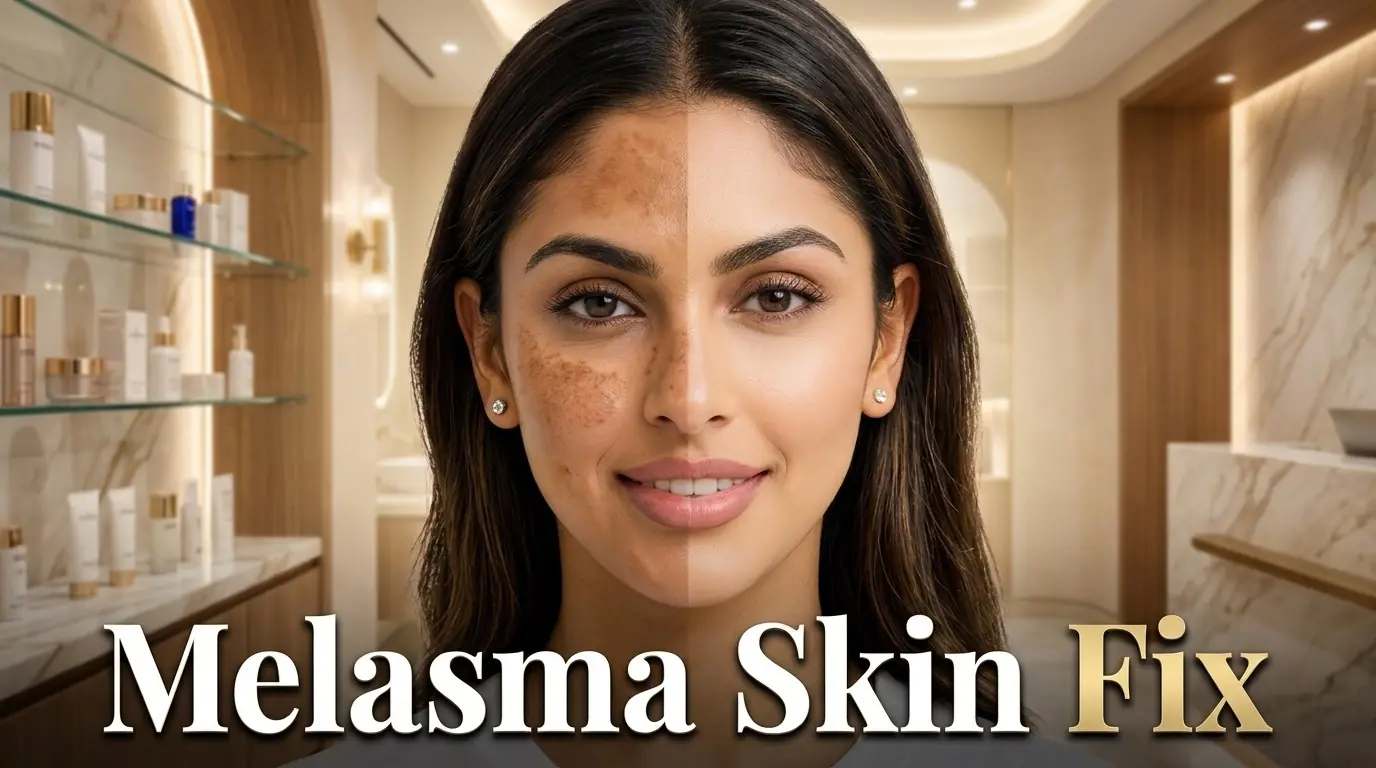
Skincare for melasma is its own discipline, because the rules that work for ordinary hyperpigmentation can actively make melasma worse if you push too
Skincare for melasma is its own discipline, because the rules that work for ordinary hyperpigmentation can actively make melasma worse if you push too hard. It demands gentle, patient layering of specific actives, daily mineral SPF, and honest acceptance that progress takes months rather than weeks. This guide covers the full dermatologist-approved routine, morning and night, the actives that genuinely move the needle like tranexamic and azelaic acid, and the common mistakes that trigger the rebound darkening melasma is known for.
Published · Updated
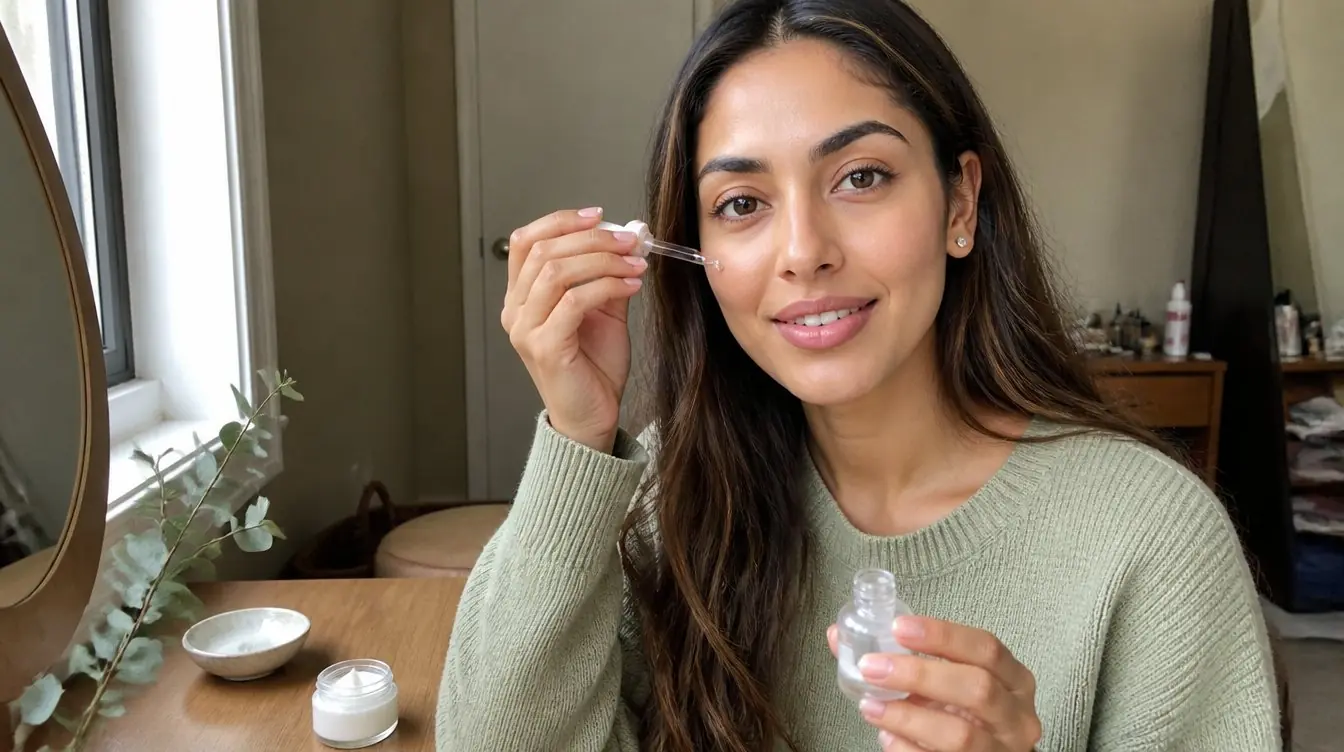
Effective skincare for melasma is the single biggest difference between dark patches that slowly fade and pigmentation that deepens year after year. Melasma is driven by UV exposure, heat, hormones, and inflammation, so the right routine combines a non-negotiable mineral SPF, targeted melanin-controlling actives like tranexamic acid and azelaic acid, and the gentlest possible barrier care. This guide walks you through every step, morning and night, plus when to bring in professional treatments.
Every recommendation in this guide reflects current dermatologist-backed research and practical application across all skin tones and types.
Understanding Melasma: Causes, Types, and Skin Tone Risk
The detail most guides skip on skincare for melasma: results compound only when small habits stack. Two careful choices today are worth more than ten half-followed ones, and skincare for melasma rewards consistency over weeks, not chasing a single perfect product.
What Melasma Actually Is
Melasma is a chronic hyperpigmentation disorder. It occurs when melanocytes, the pigment-producing cells in the skin, become overactive and generate excess melanin. That excess melanin deposits unevenly within skin tissue, creating visible patches of discoloration.
Unlike post-inflammatory hyperpigmentation, which follows a specific wound or breakout, melasma has no single injury at its origin. It develops gradually, driven by a persistent combination of UV exposure, hormonal influence, and heat. This multi-trigger nature is what makes it so resistant to single-ingredient treatments.
Melasma appears most commonly on sun-exposed areas of the face. The centrofacial pattern, covering the forehead, nose, cheeks, and upper lip, is the most prevalent presentation. The malar pattern concentrates on the cheeks and nose. The mandibular pattern, which runs along the jawline and neck, appears less frequently but emerges often in women experiencing hormonal shifts during perimenopause or after stopping hormonal contraception.
Melasma is not medically dangerous. It does not signal cancer or systemic disease. However, it is chronic, frequently recurrent, and measurably impacts quality of life. Clinical studies consistently show that melasma causes significant psychological distress and reduces self-confidence in a majority of affected women. Treating it seriously is warranted.
The Three Types of Melasma by Pigmentation Depth
Dermatologists classify melasma by where excess pigment sits within the skin layers. This classification directly determines which treatments will produce results.
Epidermal melasma sits close to the skin surface, within the uppermost layers. Under a Wood’s lamp, it appears with enhanced color contrast. This type responds best to topical treatments and shows the most visible improvement with consistent ingredient use over eight to twelve weeks.
Dermal melasma affects deeper skin layers. It appears bluish-gray rather than warm brown and does not show enhanced contrast under a Wood’s lamp. Topical actives reach this layer with greater difficulty. Treatment requires a longer timeline and often combines professional procedures with daily topical maintenance.
Mixed melasma, which involves both epidermal and dermal components simultaneously, is the most common presentation among women seeking treatment. Women with mixed melasma typically see partial improvement from topicals, with remaining deeper discoloration requiring professional support. A board-certified dermatologist can identify your specific type through Wood’s lamp examination, dermoscopy, or where necessary, a skin biopsy.
Skin Tones Most at Risk and Why
Women with Fitzpatrick skin types III through VI face the highest risk of developing melasma. This group includes women of Hispanic, Asian, South Asian, Middle Eastern, and African descent. These skin tones contain more active melanocytes that respond more readily to triggering stimuli, including UV, heat, and hormonal shifts.
Lighter skin tones, Fitzpatrick types I and II, can develop melasma but do so less frequently. When they do, the pigment tends to sit in epidermal layers and responds more quickly to topical brightening treatments.
Women with deeper skin tones face two additional challenges. First, many brightening treatments, particularly high-concentration hydroquinone and aggressive laser protocols, carry a higher risk of triggering post-inflammatory hyperpigmentation in darker complexions. Second, the visible contrast between melasma patches and surrounding skin can appear more pronounced. Gentler, skin-tone-appropriate treatment approaches are essential for these women, and working with a dermatologist experienced in treating diverse skin tones makes a meaningful difference in outcomes.
The Biology of Melasma: How Pigmentation Develops
UV Light and Melanocyte Overactivation
Ultraviolet radiation is the most powerful and well-documented trigger for melasma. Both UVA and UVB rays stimulate melanocytes to produce melanin as a protective response to UV-induced DNA damage. In melasma-prone skin, this response becomes dysregulated. Melanocytes overreact to even moderate UV exposure, producing far more pigment than the skin needs for protection.
UVB rays penetrate the outer skin layers and cause direct DNA strand breaks, prompting rapid melanin synthesis. UVA rays penetrate more deeply into the dermis, generating oxidative stress and activating tyrosinase, the central enzyme in the melanin production pathway. Chronic daily UVA exposure from ordinary daylight, even through glass windows, is sufficient to maintain and worsen melasma.
Research published in the Journal of the American Academy of Dermatology confirms that visible light, not just UV light, also triggers pigmentation in women with medium to deep skin tones. This finding matters enormously for treatment. It explains why some women see their melasma persist or worsen even when they apply broad-spectrum SPF 50 sunscreen daily. Standard chemical and mineral sunscreens block UV but not visible light. Tinted mineral sunscreens containing iron oxides provide visible light protection, and clinical studies show they produce significantly better melasma outcomes than untinted formulas.
Hormones as a Primary Driver
Hormones are the second major driver of melasma. Estrogen and progesterone sensitize melanocytes to UV light, amplifying the pigmentation response far beyond what UV exposure alone would produce. This explains why melasma appears so frequently during pregnancy, earning it the historical name the mask of pregnancy, and why many women first notice it after starting oral contraceptives or hormone replacement therapy.
Estrogen receptor proteins exist directly on melanocyte cell surfaces. When estrogen levels rise, these receptors signal the melanocytes to become more reactive and responsive to external triggers. Progesterone plays a supporting role, particularly in pregnancy-related flares. The result is a sensitized melanocyte population that produces intense pigmentation responses to UV exposures that would cause minimal color change in unaffected skin.
This hormonal mechanism also explains why melasma behaves differently at different life stages. During perimenopause and menopause, fluctuating and ultimately declining estrogen levels can cause existing melasma to lighten in some women while triggering unpredictable new flares in others. Accounting for where you are in your hormonal journey is a fundamental part of building an effective melasma routine.
Heat, Infrared Radiation, and Inflammation
Heat is an underrecognized but clinically documented melasma trigger. Infrared radiation, the thermal component of sunlight, activates heat shock proteins within skin cells. These proteins stimulate melanocyte activity through pathways entirely separate from UV-driven pigmentation. This mechanism explains why women with melasma frequently notice flares after cooking over a hot stove, spending time in steam rooms or saunas, or working in consistently warm environments.
Inflammation drives pigmentation through a separate mechanism. Any source of skin irritation, including overly aggressive chemical exfoliants, harsh physical scrubs, hot water cleansing, or excessive retinol application without adequate barrier support, can trigger post-inflammatory hyperpigmentation that directly worsens existing melasma. This is why gentle formulation choices and barrier maintenance are not optional in a melasma skin care routine. They are foundational requirements that every other treatment step depends on.
Skin Care Melasma Routine: Morning Steps That Matter
Worth pausing on with skincare for melasma: the products matter less than the order and timing. The same shelf can deliver visible skincare for melasma results or flat ones depending on the layering.
Gentle Cleansing and pH-Balanced Preparation
Morning cleansing for melasma-prone skin has one primary goal: remove overnight product residue and excess sebum without disrupting the skin barrier. Harsh cleansers strip the barrier, elevate skin pH above its natural acid range, and trigger low-grade inflammation, all of which worsen pigmentation over time.
Choose a gentle, sulfate-free cleanser with a pH between 4.5 and 5.5. This range matches the skin’s natural acid mantle and preserves the microbiome. For oily and combination skin types, a gel or foaming cleanser in this pH range provides adequate cleansing without excess dryness. For dry or sensitive skin types, a cream or milk cleanser delivers the same cleansing action while preserving moisture content in the outer layers.
After cleansing, a hydrating toner or essence is optional but beneficial, particularly for dry and combination skin types. Formulas containing hyaluronic acid or panthenol draw water into the skin and prepare it to absorb subsequent actives more effectively. Avoid toners containing alcohol, artificial fragrance, or witch hazel distillate. All three irritate sensitized melasma-prone skin and can trigger the inflammation that stimulates melanocytes.
Brightening Serums: Selecting the Right Morning Actives
The morning serum step is where targeted pigmentation treatment begins. Vitamin C, specifically L-ascorbic acid, is the most evidence-supported morning active for melasma. It inhibits tyrosinase, the key enzyme in melanin synthesis, while neutralizing free radicals generated by UV exposure before sunscreen can fully intercept them. Studies consistently show that vitamin C amplifies the protective effect of sunscreen when layered underneath it, making the combination stronger than either product alone.
Effective L-ascorbic acid concentrations range from 10 to 20 percent. Women with sensitive skin types may find this range irritating, particularly at higher concentrations. Ascorbyl glucoside and sodium ascorbyl phosphate are more stable, gentler vitamin C derivatives that deliver comparable brightening results at a lower irritation threshold. These derivatives suit sensitive and combination skin types well.
Niacinamide, a form of vitamin B3, is an excellent addition to the morning routine across all skin types. At concentrations of 4 to 10 percent, niacinamide blocks the transfer of melanin granules from melanocytes to surrounding keratinocytes. This reduces visible pigment deposition at a cellular level without irritating the skin. Niacinamide also strengthens the skin barrier, regulates excess sebum production in oily skin types, and calms redness in reactive complexions. It layers well with vitamin C and causes minimal irritation even in sensitive skin, making it one of the most universally applicable melasma-targeting ingredients available without a prescription.
Sunscreen: The Most Critical Step in Any Melasma Routine
No step in a melasma skin care routine matters more than daily sunscreen application. Without consistent SPF protection, every brightening active you apply is actively undermined. Melanocytes re-activate within minutes of UV exposure, reversing weeks of treatment progress in a single afternoon.
Dermatologists recommend SPF 50 or higher, applied as the final skin care step every morning before any makeup products. Broad-spectrum coverage protecting against both UVA and UVB is non-negotiable. For women with melasma, standard broad-spectrum formulas are frequently insufficient on their own. Visible light triggers pigmentation in medium to deep skin tones even when UV is completely blocked. Tinted mineral sunscreens containing iron oxides provide visible light protection that untinted formulas cannot deliver, and clinical research confirms their superior outcomes for melasma management.
For oily skin types, lightweight gel-based or fluid mineral sunscreen formulas prevent the heavy, greasy texture that discourages consistent daily application. For dry skin types, cream-based sunscreens with added hyaluronic acid or glycerin provide hydration alongside protection. Reapplication every two hours during outdoor exposure is essential. A single morning application provides inadequate protection during extended time outside, regardless of the SPF number on the label.
Skin Care Melasma Routine: Evening Steps for Repair
Thorough Cleansing to Prepare Skin for Active Ingredients
Evening cleansing requires more thoroughness than the morning routine. You are removing sunscreen residue, makeup, environmental pollutants, and accumulated sebum from a full day of exposure. A single cleanser often cannot accomplish this completely, particularly when you wear high-SPF mineral formulas or long-wear foundation.
Double cleansing works well for most skin types. Begin with an oil-based cleanser or cleansing balm. These formulas dissolve oil-soluble debris, including sunscreen and makeup, through the principle of like-dissolving-like. Follow with your regular water-based cleanser to remove any remaining residue. For dry or sensitive skin types, a gentle micellar solution can replace the first step, followed by a mild cream cleanser to complete the process.
If chemical exfoliation is part of your routine, apply it after evening cleansing on designated nights. Alpha hydroxy acids including glycolic acid and lactic acid accelerate cellular turnover, moving pigmented cells toward the surface where they shed faster. Use AHAs two to three times per week, never daily, to prevent over-exfoliation and barrier disruption. Women with sensitive skin types should start with lactic acid at concentrations no higher than 5 percent, as it is gentler than glycolic and less likely to trigger the reactive inflammation that can worsen melasma.
Targeted Active Ingredients for Nighttime Treatment
The evening routine is the window for the most powerful melasma-targeting actives. Nighttime application aligns with the skin’s natural repair cycle, avoids photosensitivity complications, and allows actives to work without UV interference for six to eight hours.
Retinol is one of the most consistently dermatologist-recommended evening actives for melasma management. It accelerates cellular turnover, prevents the accumulation of pigmented cells in upper skin layers, and enhances the penetration of other brightening agents applied alongside it. Begin with a low concentration of 0.025 to 0.05 percent two nights per week. Increase application frequency gradually as tolerance builds over four to six weeks. Dry skin types must pair retinol with a rich ceramide moisturizer to prevent barrier compromise. Oily skin types generally tolerate retinol more comfortably but still benefit from moisturizer applied after the active.
Tranexamic acid has gained strong clinical support for melasma treatment over the last decade. It interrupts the signaling pathway between keratinocytes and melanocytes, specifically by inhibiting plasminogen activation, which reduces UV-induced increases in arachidonic acid, prostanoids, and ultimately melanin synthesis. At topical concentrations of 2 to 5 percent, it delivers meaningful brightening with minimal irritation across all skin types. Its tolerance profile in sensitive and combination skin makes it a versatile and reliable cornerstone of the evening routine.
Azelaic acid is another powerful nighttime option, particularly for women with sensitive skin types or those who cannot tolerate hydroquinone. It inhibits tyrosinase, suppresses melanin synthesis, and delivers anti-inflammatory effects that simultaneously calm skin reactivity. Available over the counter at 10 percent and by prescription at 20 percent, it is among the safest brightening actives available for long-term continuous use and is one of the few actives confirmed safe for use during pregnancy.
Moisturizer and Skin Barrier Repair
Barrier repair is the final evening step and one of the most underestimated components of melasma management. A compromised skin barrier is more vulnerable to UV-induced damage, low-grade inflammation, and ingredient sensitivity, all of which amplify melanocyte activity and worsen discoloration over time.
Choose a moisturizer matched to your skin type. Dry skin types benefit from richer formulas containing ceramides, fatty acids, and shea butter. These ingredients rebuild the lipid structures between skin cells and lock moisture in during overnight recovery. Oily skin types do better with lightweight gel moisturizers built around hyaluronic acid and panthenol. Combination skin types can apply richer formulations to dry cheek areas and lighter gel textures to the T-zone.
For women using retinol, the sandwich method reduces irritation without meaningfully compromising efficacy. Apply a thin layer of moisturizer first, then the retinol, then a second layer of moisturizer on top. This buffers the delivery of retinol into the skin and reduces transepidermal water loss without eliminating its cellular effects. Hyaluronic acid applied as a standalone serum before the final moisturizer adds an additional hydration layer and actively supports barrier recovery across all skin types.
The Best Ingredients for Melasma: What the Science Shows
Hydroquinone: Clinical Gold Standard and Real Limitations
Hydroquinone has served as the dermatological gold standard for melasma treatment for decades. It works by inhibiting tyrosinase and suppressing the overall metabolic activity of melanocytes. At 2 percent concentration, it is available over the counter in the United States. At 4 percent and above, it requires a prescription from a licensed physician.
Clinical trials consistently show that 4 percent hydroquinone produces significant pigmentation reduction in melasma patients over eight to twelve weeks. Combining it with a topical retinoid and a mild corticosteroid, a formulation commonly known as triple combination cream, produces stronger and faster results than any single component alone. This triple combination is among the most studied and dermatologist-validated approaches for moderate to severe melasma worldwide.
However, hydroquinone carries real limitations that require careful management. Use beyond three to six consecutive months increases the risk of ochronosis, an irreversible bluish-gray skin discoloration caused by paradoxical pigment deposition. Women with sensitive skin types may experience irritation, redness, or contact dermatitis. The risk of post-inflammatory hyperpigmentation in deeper skin tones is meaningful if irritation occurs. Many dermatologists now recommend cycling hydroquinone in timed courses and maintaining between cycles with hydroquinone-free brightening ingredients including tranexamic acid, azelaic acid, and kojic acid.
Tranexamic Acid, Kojic Acid, and Alpha Arbutin
Tranexamic acid has emerged as one of the strongest alternatives to hydroquinone in recent dermatology literature. Unlike hydroquinone, it carries an excellent safety profile for all skin tones, including the deeper complexions where hydroquinone poses the greatest risk of adverse reactions. Applied topically at 2 to 5 percent, it produces visible brightening within four to six weeks of consistent use and remains one of the most well-tolerated brightening actives available without a prescription.
Kojic acid, derived from fungi during the fermentation process of certain foods, inhibits tyrosinase through copper ion chelation. It appears frequently in brightening serums and treatment creams at concentrations of 1 to 4 percent. It is effective but carries a higher rate of contact sensitization with prolonged use compared to tranexamic acid or niacinamide. Women with sensitive skin types should introduce it slowly, limiting initial use to two to three times per week, and monitor carefully for redness or irritation.
Alpha arbutin is a glycosylated form of hydroquinone. It releases hydroquinone into the skin at controlled, low concentrations, producing brightening effects comparable to hydroquinone but with substantially lower irritation potential. At concentrations of 1 to 2 percent in serum formulations, it layers well with niacinamide and vitamin C and fits easily into both morning and evening routines. It suits all skin types, including combination and sensitive, and is a reliable option for women seeking hydroquinone-level efficacy without hydroquinone-level risk.
Niacinamide, Vitamin C, and Retinol as a Combined Protocol
These three ingredients form the foundation of many dermatologist-designed melasma protocols precisely because each addresses pigmentation through a distinct biochemical mechanism. Their combined effect is greater than any single ingredient working alone.
Niacinamide at 4 to 10 percent blocks the transfer of melanin granules from melanocytes to keratinocytes. Vitamin C as L-ascorbic acid inhibits tyrosinase at the point of melanin production and simultaneously neutralizes UV-generated free radicals. Retinol accelerates cellular turnover, clearing existing pigmented cells from the surface faster than the skin would shed them naturally. Together, they cover three separate steps in the pigmentation pathway: initial production, intercellular transfer, and surface accumulation.
Women with oily skin types generally tolerate all three simultaneously in a layered routine. Women with dry or sensitive skin types achieve better outcomes by introducing them sequentially over six to eight weeks. Begin with niacinamide, then add vitamin C after two weeks of stable tolerance, then introduce retinol last at two-week intervals. This staged approach protects barrier integrity while delivering progressive brightening results that compound over time.
Professional Treatments: When to Go Beyond Topicals
Chemical Peels Appropriate for Melasma
Chemical peels accelerate results for melasma patients who have not achieved sufficient improvement from topical-only routines after eight to twelve weeks. They work by removing the uppermost layers of skin, eliminating pigmented cells rapidly and allowing fresher, more evenly toned skin to emerge at the surface.
Superficial peels using glycolic acid at 20 to 70 percent, lactic acid, mandelic acid, or phytic acid are the most appropriate peel types for melasma. They treat epidermal pigmentation effectively and carry a manageable risk profile when performed by a trained provider. A series of four to six peels, spaced two to four weeks apart, produces the most consistent results when combined with a daily topical brightening routine between sessions.
Medium-depth peels including trichloroacetic acid formulations address deeper pigment but carry substantially higher risk of triggering post-inflammatory hyperpigmentation in women with medium to deep skin tones. These should only be considered after thorough consultation with a board-certified dermatologist experienced in treating melasma across diverse skin tones. Overly aggressive peeling in darker complexions risks permanently worsening the very discoloration being treated.
Laser and Light-Based Therapies
Laser treatments for melasma require careful selection and a provider with specific expertise in this condition. Some laser protocols that work well for ordinary sun spots can trigger rebound pigmentation in melasma patients. The heat generated during treatment activates heat shock proteins and stimulates melanocytes, causing pigmentation to return darker and faster than before treatment began.
Low-fluence Q-switched Nd:YAG laser carries the most evidence for melasma treatment in medium to deep skin tones. It delivers energy in extremely short pulses that fragment melanin deposits without generating significant thermal damage to surrounding tissue. Multiple sessions are required, and results must be supported by strict sun avoidance and daily topical maintenance therapy to prevent rapid recurrence.
Intense Pulsed Light is generally not recommended for melasma in women with medium to deep skin tones due to rebound risk. Picosecond laser technology is producing promising results in newer clinical studies, but the evidence base is still developing compared to established protocols. Any laser treatment for melasma functions as an adjunct to ongoing topical therapy and daily SPF protection. It is not a standalone cure, and any provider who describes it as such warrants a second opinion.
Prescription Formulas and When to See a Dermatologist
Seeing a board-certified dermatologist is worthwhile for any woman whose melasma has not responded to six or more weeks of consistent over-the-counter treatment combined with daily SPF50 application. A dermatologist identifies your melasma type through examination, determines appropriate treatment tier, and monitors for adverse reactions that over-the-counter products cannot anticipate.
Prescription options include 4 percent hydroquinone, tretinoin at concentrations up to 0.1 percent, topical corticosteroids, and 20 percent prescription azelaic acid. Combination formulas, most commonly dispensed as Tri-Luma in the United States, combine all three components into a single nightly application. This formula has the most strong randomized clinical trial data supporting effectiveness for moderate to severe melasma and remains the standard against which newer treatments are measured.
Dermatologists also manage the maintenance phase of treatment. After achieving significant improvement, most women require a lower-intensity ongoing regimen to sustain results and prevent relapse. A maintenance protocol typically combines a tinted iron oxide mineral sunscreen at SPF50 or higher with niacinamide and tranexamic acid serums used daily, creating a durable foundation that keeps melasma suppressed between active treatment cycles.
Melasma During Pregnancy and Menopause
Safe Management Options During Pregnancy
Pregnancy-related melasma, historically known as chloasma or the mask of pregnancy, affects up to 50 percent of pregnant women. Rising estrogen and progesterone levels sharply increase melanocyte sensitivity to UV, and the result is often rapid, pronounced pigmentation across the cheeks, forehead, and upper lip.
Treatment options narrow significantly during pregnancy. Hydroquinone is contraindicated due to systemic absorption concerns. Retinol and all prescription retinoids are contraindicated due to teratogenicity risk. High-dose salicylic acid, most chemical peels, and many aggressive actives are not recommended during pregnancy. The incomplete safety profile of many cosmetic actives in pregnancy literature means dermatologists consistently advise caution over aggressive treatment during this period.
Dermatologist-confirmed safe options for pregnant women include azelaic acid, vitamin C in standard cosmetic concentrations, niacinamide, hyaluronic acid, and glycerin. Tinted mineral sunscreen with iron oxides is both safe and strongly recommended throughout pregnancy. The treatment focus shifts primarily to prevention during this period: maintaining rigorous SPF application, minimizing direct sun exposure, and using gentle brightening actives to slow progression. Many women find melasma fades substantially within three to six months following delivery, as hormone levels normalize and melanocyte sensitivity returns to baseline.
Melasma and the Menopausal Transition
Menopause introduces hormonal fluctuations that affect melasma in variable and sometimes unpredictable ways. As estrogen levels decline, some women see existing melasma patches lighten gradually. Others experience new flares driven by hormonal instability during perimenopause. Women beginning hormone replacement therapy sometimes find their melasma returns or intensifies, mirroring the same mechanism responsible for contraceptive-induced melasma.
For menopausal women, the full range of treatment options becomes available because pregnancy contraindications no longer apply. Prescription retinoids, 4 percent hydroquinone, professional chemical peels, and prescription azelaic acid can all be considered based on melasma severity and skin type. The decision to use hormone replacement therapy and its potential impact on melasma is worth discussing explicitly with both a gynecologist and dermatologist, as individual hormonal responses vary considerably.
Menopausal skin is frequently drier and more barrier-compromised due to declining estrogen’s effects on collagen and natural moisturizing factors. This means the barrier repair component of the evening routine becomes even more critical at this life stage. Rich ceramide moisturizers, consistent application of hyaluronic acid, and careful introduction of actives at lower concentrations help maintain the skin integrity needed to tolerate brightening treatments without triggering reactive inflammation.
Adjusting Your Routine at Every Life Stage
Melasma management is not a static protocol. What works effectively at 28 may need meaningful adjustment at 42 and again at 55. Hormonal changes, shifts in skin type, variations in sun exposure patterns, and cumulative UV history all alter how your skin responds to treatment. Regular reassessment, ideally with a dermatologist every six to twelve months, ensures your routine stays matched to your current needs.
Track your skin’s response to each active ingredient over a minimum of eight weeks before drawing conclusions about effectiveness. Photographic tracking under consistent lighting, at the same distance and time of day, creates an objective record that removes the distortion of daily perception. Avoid changing multiple products simultaneously. Altering one element at a time makes it possible to clearly identify which ingredient is driving improvement and which is causing irritation.
Lifestyle Habits That Prevent Melasma Flares
Smart Sun Protection Beyond SPF Application
Sunscreen is essential, but it is one layer of a broader sun protection strategy. Women with melasma need to approach sun exposure with greater consistency and awareness than the general population. UV, visible light, and infrared heat all contribute to pigmentation triggers that no single topical product blocks completely.
Seek shade between 10 a.m. and 4 p.m. when the UV index reaches its daily peak. Wear wide-brimmed hats during outdoor activity. Physical shade reduces UV reaching the face far more effectively than sunscreen alone. UPF-rated clothing covers the neck and chest areas that sunscreen often misses through uneven application or sweating. UV-protective sunglasses reduce exposure to the delicate periorbital and cheek areas where melasma frequently appears.
Avoid prolonged exposure to direct heat sources including steam rooms, saunas, and hot yoga studios. Each of these environments exposes the skin to infrared radiation sufficient to trigger heat-driven melanocyte activation. Car windows block UVB effectively but allow UVA transmission. Applying SPF before driving, particularly on the driver’s side, prevents the uneven facial melasma patterns that appear frequently in women who commute regularly by car.
Stress, Sleep, and Dietary Support
Chronic stress elevates cortisol and promotes systemic inflammation, which can worsen hyperpigmentation by increasing skin reactivity and lowering the melanocyte activation threshold. Stress also disrupts sleep architecture, and poor sleep quality directly impairs the skin’s nighttime repair mechanisms. The skin undergoes its highest regenerative activity during deep sleep stages. Interrupting this process means pigmented cells shed more slowly and active ingredients applied at night have reduced cellular uptake and efficacy.
Aim for seven to nine hours of quality sleep per night. Consistent sleep and wake times stabilize circadian rhythm, which regulates cellular repair timing. Limiting screen exposure in the hour before bed reduces melatonin suppression by blue light and supports deeper sleep onset.
Diet supports melasma management through antioxidant intake. Berries, leafy green vegetables, orange and red produce, and green tea supply polyphenols and carotenoids that reduce systemic oxidative stress contributing to melanocyte overactivation. Some clinical studies support oral supplementation with polypodium leucotomos extract, a fern-derived antioxidant, as an adjunct to topical treatment and sun protection. Evidence suggests it reduces UV-induced pigmentation when taken consistently. Consult a dermatologist before adding oral supplements to your routine.
Tracking Progress and Knowing When to Adjust
Progress with melasma treatment is rarely linear. Visible improvement often follows a pattern of early gains, a plateau, and then further gradual lightening as maintenance continues. Realistic expectations are necessary for staying consistent through periods where change appears slow.
Substantial visible lightening typically requires three to six months of uninterrupted daily treatment. Full clearing is not achievable for every woman, but significant reduction in patch visibility and contrast is a realistic outcome for most with epidermal or mixed melasma. Dermal melasma requires a longer timeline and often professional intervention to achieve comparable results.
If you see no improvement after eight to twelve weeks of consistent topical treatment and daily SPF50 application, consult a board-certified dermatologist. Lack of visible response after three months is a clear signal that your current regimen requires adjustment: a change in active concentration, the addition of prescription-strength ingredients, or professional treatment. Do not persist indefinitely with a protocol that produces no measurable results.
Frequently Asked Questions About Skin Care and Melasma
Can melasma go away permanently?
Melasma is a chronic condition, which means it can be effectively controlled but not always permanently cured. Many women achieve significant lightening through consistent treatment, reaching a point where patches are barely visible in ordinary lighting. However, melasma can return with renewed sun exposure, hormonal changes, or lapses in protective habits. Dermatologists frame it as an ongoing management process rather than a one-time course of treatment. The achievable goal is long-term control: reducing existing pigmentation with targeted actives, preventing new flares with daily iron oxide mineral sunscreen, and maintaining gains through a consistent low-intensity maintenance routine between active treatment phases.
What type of sunscreen works best for melasma?
Tinted mineral sunscreens containing zinc oxide and titanium dioxide alongside iron oxides are the most effective formulas for melasma. Iron oxides extend protection into the visible light spectrum, which triggers pigmentation in medium to deep skin tones even when UV is fully blocked by standard broad-spectrum formulas. Research published in dermatology journals confirms that tinted iron oxide sunscreens produce significantly better melasma outcomes than untinted formulas used at equivalent SPF levels. Choose SPF 50 or higher with a broad-spectrum rating. Apply a generous, even layer as the final step in your morning routine before any makeup, and reapply every two hours during outdoor exposure. The amount matters as much as the formula. Most women apply a third to a quarter of the quantity needed to achieve the SPF number on the label.
Is retinol safe to use if you have melasma?
Retinol is safe and effective for melasma when introduced carefully and used within appropriate skin type guidelines. It accelerates cellular turnover, which helps shed pigmented skin cells faster and prevents their accumulation in the uppermost skin layers where they are most visible. Begin with a low concentration of 0.025 to 0.05 percent applied two nights per week and increase frequency gradually as your skin builds tolerance. Use retinol exclusively in the evening, as it degrades with UV exposure and increases photosensitivity during the day. Apply SPF50 every morning following retinol use the night before. Dry and sensitive skin types should buffer retinol by applying moisturizer before and after to prevent barrier disruption. Pregnant women should avoid retinol entirely and discuss safe alternatives with their obstetrician and dermatologist.
Can certain skin care ingredients make melasma worse?
Several common skin care ingredients and habits can actively trigger or worsen melasma. Artificial fragrance in skin care products causes low-grade inflammation that stimulates melanocyte activity, making fragrance-free formulas a meaningful upgrade for melasma-prone skin. Alcohol-based toners and astringents disrupt the skin barrier and increase UV sensitivity. Physical scrubs and overly aggressive exfoliants cause micro-inflammation that amplifies hyperpigmentation. High-concentration AHAs applied during the day without adequate SPF protection make the skin more reactive to UV exposure. Certain essential oils including bergamot, lime, and other citrus derivatives are phototoxic and should not be applied to skin before sun exposure. Some women find that niacinamide in combination with vitamin C causes flushing or irritation, though this is less common than historically believed. Reviewing your complete product list with a dermatologist helps identify hidden triggers that resist identification through individual ingredient review.
How long does melasma treatment take to show results?
Most women see initial visible improvement within four to eight weeks of consistent topical treatment combined with daily SPF50 application without gaps. Meaningful brightening, where patch visibility reduces noticeably in photographs, typically requires three to six months of uninterrupted routine adherence. Dermal melasma, which sits in deeper skin layers, responds more slowly and may require professional chemical peels or laser treatment in addition to topicals before visible change becomes apparent. Results depend entirely on consistency. Missing SPF application on even two to three days per week significantly slows progress and can reverse weeks of brightening. Setting a realistic three-month commitment before evaluating your routine or seeking prescription-strength alternatives is the approach dermatologists consistently recommend to their patients.
Conclusion
Melasma is persistent, but it responds well to a structured, multi-layered approach. The most effective routine works on three levels simultaneously: reducing existing pigmentation through targeted active ingredients, protecting the skin from the UV, visible light, and heat that drives recurrence, and supporting barrier health to keep skin resilient enough to tolerate and benefit from treatment over the long term.
The what to remember from this guide are these. Identify your melasma type with a dermatologist to understand which treatment layer to prioritize. Build a morning routine anchored in vitamin C, niacinamide, and a tinted iron oxide mineral sunscreen at SPF50 or higher. Build an evening routine around tranexamic acid, azelaic acid, or retinol, matched to your skin type and tolerance. Repair your skin barrier every night with ceramide-rich moisturizer appropriate for your skin type. Reassess your routine every three months using consistent photographic tracking.
Pregnancy and menopause require modified treatment approaches. Sensitive and deeper skin tones require gentler actives and careful staged introduction of new ingredients. Women with oily skin types can often tolerate a broader range of actives more quickly. All skin types require unwavering daily sun protection. That single step is what makes every other part of this routine function.
Start with one active ingredient and iron oxide sunscreen. Build from there methodically. Progress with melasma is gradual and non-linear, but consistent effort across months delivers real, visible results. Your skin can improve substantially with the right system behind it.
RELATED ARTICLES:
5 Skincare Trends to Watch Out for in 2026, According to a Top Skin Expert
5 Expert-Approved Skin Care Tips for Healthy, Radiant Skin Everyone Will Envy
Acne Treatments for Pregnancy: Expert-Approved and Safe Options
Dry Skin Around Your Nose: Expert Tips for Dealing With It
Glowing Skin Made Easy: Beauty Tips, Natural Remedies, and Expert Advice
The honest bottom line on skincare for melasma: consistency beats complexity. Build a few habits into your weekly rhythm, give your skin or hair a real window to respond, and skincare for melasma becomes second nature.
About The Author

COMMENTS