


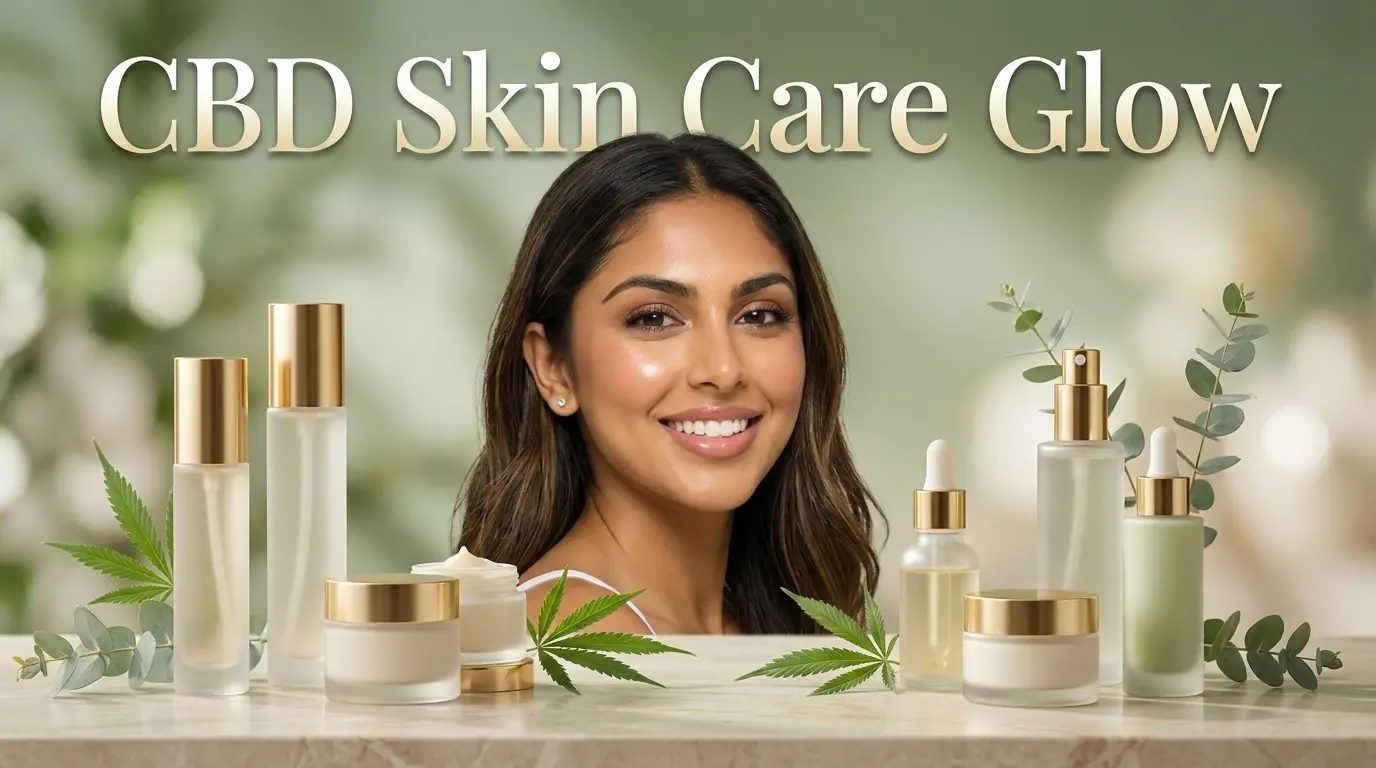
Cbd Skin Care: Ingredient trends rise and fall. Few have generated the sustained scientific interest that cbd skin care has earned over the past
Cbd Skin Care: Ingredient trends rise and fall. Few have generated the sustained scientific interest that cbd skin care has earned over the past decade. CBD has moved far beyond the wellness aisle. It now occupies a serious position in dermatological research, clinical trials, and the daily routines of millions of women across the US, UK, and beyond. The reason is precise: cannabidiol interacts directly with receptor sites in the skin, targeting inflammation, oxidative stress, and sebum production at the cellular level. That mechanism-driven activity sets it apart from many trendy but poorly understood actives.
Published · Updated
What Is CBD and How Does It Interact with Skin?
The Science Behind Cannabidiol
Cannabidiol, or CBD, is one of over 100 naturally occurring compounds called cannabinoids found in the Cannabis sativa plant. Unlike tetrahydrocannabinol, known as THC, CBD is entirely non-psychoactive. It does not produce any intoxicating effect and will not alter your mental state in any way. This distinction is critical for consumers who feel cautious about cannabis-derived ingredients in their skincare products.
The CBD used in cosmetics is typically extracted from hemp, a variety of Cannabis sativa that contains less than 0.3 percent THC by dry weight. Extraction methods include CO2 extraction, ethanol extraction, and cold-press methods. CO2 extraction is widely considered the gold standard. It yields a clean, contaminant-free product without residual solvents. The resulting extract contains CBD alongside other beneficial plant compounds, including terpenes, flavonoids, and trace minerals. These additional compounds often enhance CBD’s effectiveness through a mechanism called the entourage effect.
CBD has a complex molecular structure that allows it to interact with multiple biological pathways in human tissue. In skin, its effects are primarily mediated through the endocannabinoid system, local receptor sites, and direct antioxidant activity. Researchers at several institutions have documented CBD’s measurable effects on skin hydration, elasticity, and surface lipid content. These findings have pushed CBD from novelty ingredient to a compound deserving serious clinical attention.
The Endocannabinoid System in Skin
Most people associate the endocannabinoid system, or ECS, with the brain and nervous system. Few realize the skin has its own fully functional ECS. Keratinocytes, sebocytes, hair follicle cells, sweat glands, and skin-resident immune cells all express cannabinoid receptors. The two primary receptors are CB1 and CB2. CB1 receptors appear most densely in nerve fibers and hair follicles. CB2 receptors concentrate in immune cells within the dermis.
The ECS also includes endogenous cannabinoids produced by the body itself. Anandamide and 2-arachidonoylglycerol, called 2-AG, are the two most well-studied endocannabinoids. These compounds bind to CB1 and CB2 receptors and regulate a broad range of skin functions, including cell proliferation, differentiation, apoptosis, and immune response. When this system falls out of balance, dermatological conditions such as acne, eczema, psoriasis, and seborrheic dermatitis can develop or worsen.
CBD does not bind strongly to CB1 or CB2 receptors directly. Instead, it modulates the ECS indirectly by inhibiting an enzyme called fatty acid amide hydrolase, or FAAH. FAAH breaks down anandamide. When CBD inhibits FAAH, anandamide levels rise. Higher anandamide levels support healthy skin barrier function, reduce inflammatory signaling, and improve overall skin homeostasis. This indirect mechanism is actually an advantage. It allows CBD to support the ECS without overstimulating it or producing the side effects that come with direct receptor activation.
Beyond CB1 and CB2, CBD also interacts with TRPV1 receptors, also known as vanilloid receptors, which regulate pain and heat perception in skin. It activates PPAR-gamma, a nuclear receptor involved in lipid metabolism and inflammation. It also has affinity for serotonin receptors expressed in skin cells. This multi-receptor profile explains why CBD can address such a wide variety of skin concerns simultaneously.
How CBD Penetrates the Skin Barrier
Skin penetration is one of the most important factors in topical skincare. An active ingredient must reach the target tissue to produce any measurable effect. CBD faces the same challenge as most topical actives: the stratum corneum, the outermost layer of the epidermis, acts as a formidable barrier against foreign molecules.
CBD is a lipophilic molecule, meaning it is fat-soluble. This property aids its penetration through the lipid-rich stratum corneum. Studies measuring transdermal CBD delivery have found meaningful concentrations of the compound in the epidermis and upper dermis after topical application. However, CBD does not readily enter the bloodstream through intact skin at typical cosmetic concentrations. This is an important point of reassurance for anyone concerned about systemic effects.
Formulation plays a large role in how effectively CBD penetrates skin. Nanotechnology has produced nano-emulsified CBD particles that are significantly smaller than standard CBD molecules. These nano-formulations improve skin penetration substantially. CBD encapsulated in liposomes or delivered via phospholipid carriers also shows enhanced bioavailability in skin tissue. When choosing products, look for brands that specify their delivery technology. A well-formulated product with lower CBD concentration may outperform a poorly formulated one with a much higher concentration on the label.
The Proven Benefits of CBD Skin Care
Anti-Inflammatory Properties and Redness Reduction
Inflammation drives nearly every major skin concern. Acne, rosacea, eczema, psoriasis, and premature aging all have inflammatory pathways at their core. CBD’s anti-inflammatory action works through several parallel mechanisms, making it exceptionally effective for reactive skin conditions.
CBD suppresses the production of pro-inflammatory cytokines, including interleukin-1 beta, interleukin-6, and tumor necrosis factor-alpha. These molecules signal the immune system to mount an inflammatory response in skin tissue. By reducing their output, CBD helps calm redness, swelling, and irritation at the source. This effect is particularly valuable for women with sensitive or reactive skin, where common actives like retinol or exfoliating acids can trigger flare-ups.
A 2014 study published in the Journal of Clinical Investigation examined CBD’s effect on human sebocytes and found significant anti-inflammatory activity alongside sebum suppression. A 2019 study in the journal La Clinica Terapeutica followed 20 participants using a CBD-enriched ointment for three months. Researchers found measurable improvement in skin hydration, elasticity, and reduction of inflammatory markers including transepidermal water loss. These findings support the use of CBD as an active treatment rather than a passive cosmetic ingredient.
Antioxidant Activity and Anti-Aging Effects
Free radicals are unstable molecules generated by UV radiation, pollution, stress, and metabolic processes. They attack collagen fibers, lipid membranes, and DNA in skin cells, accelerating visible aging. Antioxidants neutralize free radicals before they cause structural damage. CBD is a potent antioxidant. The US government holds a patent, US Patent 6,630,507, that specifically recognizes cannabinoids as antioxidants and neuroprotectants.
CBD’s antioxidant capacity compares favorably to vitamin C and vitamin E in laboratory studies. It scavenges reactive oxygen species efficiently and upregulates the skin’s endogenous antioxidant defenses, including superoxide dismutase and glutathione production. This dual action, combining direct scavenging and endogenous upregulation, makes CBD a strong anti-aging ingredient for all skin types.
Collagen degradation is another key contributor to aging skin. Matrix metalloproteinases, or MMPs, are enzymes that break down collagen and elastin in the dermis. UV exposure and inflammation both trigger MMP activity. CBD inhibits MMP expression, helping to preserve the structural proteins that keep skin firm and elastic. Women with mature skin or those focused on preventive anti-aging will find this mechanism particularly relevant to their routine.
Sebum Regulation and Acne Management
Excess sebum production is the primary driver of acne in oily and combination skin types. Sebocytes, the cells responsible for producing sebum, express CB2 receptors and TRPV4 channels. CBD acts on both to reduce lipid synthesis and suppress the sebum overproduction that clogs pores and feeds acne-causing bacteria.
The 2014 Journal of Clinical Investigation study was new in this area. Researchers found that CBD normalized sebum production in human sebocytes without triggering cell death. This means it can reduce oiliness without drying skin out or disrupting the skin barrier. That balance is difficult to achieve with most anti-acne ingredients, which tend to be either too drying or too ineffective for sustained use.
CBD also exhibits direct antibacterial activity against Cutibacterium acnes, the bacterium primarily associated with inflammatory acne. Combined with its anti-inflammatory action, CBD addresses acne on two fronts simultaneously. For women dealing with hormonal acne or persistent breakouts that have not responded well to conventional treatments, CBD-based products offer a compelling, non-antibiotic option worth considering under dermatologist guidance.
CBD Skin Care for Different Skin Types
Oily and Acne-Prone Skin
Oily skin benefits enormously from CBD’s sebum-regulating properties. Because CBD communicates with the ECS to normalize lipid production rather than simply stripping away oil, it avoids the rebound oiliness that often follows harsh cleansers and drying acne treatments. Skin interprets dryness as a signal to produce more sebum. CBD interrupts this cycle by addressing the root cause of overproduction rather than its surface symptoms.
For oily skin, lightweight CBD serums and water-based gels work best. These formulations deliver CBD without adding occlusive oils that could clog pores or increase shine. Look for products that combine CBD with niacinamide, which further regulates sebum and reduces the appearance of enlarged pores. Salicylic acid and CBD can work well together in a targeted treatment if the formulation is pH-balanced correctly, though patch-testing any combination product first is always sensible practice.
Acne-prone skin responds well to CBD spot treatments applied directly to active breakouts. The anti-inflammatory and antibacterial properties reduce the size and redness of blemishes more quickly than many conventional treatments. Incorporating a CBD-rich facial oil once or twice a week can also help balance skin without triggering breakouts, provided the carrier is non-comedogenic. Hemp seed oil is an ideal carrier in this context, as it has a comedogenic rating of zero, making it far safer for acne-prone skin than coconut oil.
Dry and Sensitive Skin
Dry skin lacks sufficient lipid content to maintain an effective moisture barrier. CBD supports barrier repair through its interaction with the ECS and its direct role in regulating keratinocyte differentiation and lipid synthesis. Regular use of CBD-enriched moisturizers helps restore the ceramide and fatty acid content of the stratum corneum, reducing transepidermal water loss and improving long-term hydration retention.
Sensitive skin, which reacts easily to fragrance, preservatives, heat, and stress, benefits from CBD’s calming effect on mast cells and nerve fibers in the dermis. Mast cells release histamine and other inflammatory mediators that trigger redness and itching. CBD suppresses mast cell activation, reducing the frequency and intensity of skin reactions. Women with rosacea or chronic skin sensitivity find CBD particularly useful as a daily calming treatment alongside other barrier-repairing actives.
For dry and sensitive skin types, rich CBD creams and facial oils formulated with soothing companions such as ceramides, bisabolol, and centella asiatica are the most effective choices. Avoid CBD products that also contain alcohol, synthetic fragrance, or high concentrations of essential oils. These additional ingredients can undermine CBD’s calming benefits and provoke exactly the sensitivity reactions you are working to prevent.
Combination Skin and Mature Skin
Combination skin presents a dual challenge: an oily T-zone alongside dry or normal cheeks. CBD’s balancing action on the ECS makes it particularly well-suited to this skin type. Because it normalizes rather than eliminates sebum production, it can simultaneously reduce oiliness in the T-zone while supporting hydration in drier areas. A lightweight CBD serum applied all over, followed by a slightly richer moisturizer only on the cheeks, works well as a foundational approach for most combination skin routines.
Mature skin experiences both increased dryness and accelerated inflammation as estrogen levels decline with age. CBD addresses both issues. Its antioxidant properties slow oxidative damage to collagen and elastin. Its anti-inflammatory activity reduces the chronic low-grade inflammation, sometimes called inflammaging, that contributes significantly to visible aging. For mature skin, combining CBD with retinol in a coordinated routine offers powerful complementary benefits. CBD applied first buffers retinol-related irritation, allowing more women to tolerate retinoids without the typical sensitivity and peeling that drives so many people to abandon them prematurely.
CBD vs. Other Skincare Actives
CBD vs. Niacinamide
Niacinamide is one of the most versatile and well-researched actives in modern skincare. It regulates sebum, minimizes pores, brightens hyperpigmentation, reinforces the skin barrier, and reduces inflammatory redness. CBD overlaps with niacinamide in several of these actions, particularly sebum regulation and anti-inflammatory activity. However, the two work through entirely different mechanisms, which means they complement rather than duplicate each other.
Niacinamide operates primarily through keratinocyte signaling pathways, stimulating ceramide production and inhibiting melanin transfer between melanocytes and keratinocytes. CBD operates through the ECS, TRPV1 channels, and oxidative stress pathways. Using both together creates a broader, multi-pathway approach to oily, acne-prone, or uneven skin. Most formulas allow both ingredients at standard concentrations without negative interaction. A routine that includes a niacinamide toner and a CBD serum is a well-supported combination for women managing oiliness and uneven skin tone simultaneously.
CBD vs. Retinol
Retinol is the gold standard anti-aging active. It accelerates cell turnover, stimulates collagen production, and reduces fine lines, wrinkles, and hyperpigmentation with decades of clinical evidence behind it. Its main limitation is tolerability. Many women with dry, sensitive, or rosacea-prone skin struggle to use retinol consistently because of peeling, redness, and barrier disruption. CBD does not replace retinol’s cell-turnover effects, but it meaningfully reduces the inflammation and sensitivity that retinol commonly triggers.
When used together, CBD and retinol form a well-balanced pairing. Apply your CBD product first to calm skin and support the barrier. Then apply retinol. The CBD reduces the initial irritation response without neutralizing retinol’s efficacy. Some brands now formulate CBD and retinol into single products. These can work well, but check that the retinol concentration is still meaningful. Some multi-active formulas dilute individual actives too much to deliver measurable results for either ingredient.
CBD vs. Hyaluronic Acid
Hyaluronic acid is a humectant. It attracts and binds water molecules to the surface and deeper layers of the skin, increasing hydration and plumping the appearance of fine lines. It does not carry anti-inflammatory, antioxidant, or sebum-regulating properties. CBD and hyaluronic acid serve fundamentally different functions, making them ideal partners rather than competitors in a routine.
For dry skin, combining hyaluronic acid’s water-binding capacity with CBD’s barrier-supporting and anti-inflammatory properties delivers both immediate hydration and longer-term barrier repair. Apply hyaluronic acid serum to damp skin first, then layer CBD oil or balm on top to seal moisture in and deliver CBD’s active benefits. This sequence is especially effective in winter or in low-humidity environments where transepidermal water loss accelerates throughout the day.
How to Choose the Right CBD Skin Care Products
Reading Labels: Full-Spectrum, Broad-Spectrum, and Isolate
CBD skincare products come in three formulation types, and understanding the difference is essential for making an informed purchase. Full-spectrum CBD contains CBD alongside all other naturally occurring cannabinoids, terpenes, flavonoids, and trace THC present in the hemp plant. Broad-spectrum CBD contains the same range of compounds minus THC. CBD isolate is pure cannabidiol with all other plant compounds removed.
Full-spectrum and broad-spectrum products are generally preferred for skincare because the additional plant compounds amplify CBD’s effects through the entourage effect. Terpenes such as linalool and myrcene have documented anti-inflammatory and calming properties of their own. Flavonoids contribute antioxidant activity. Removing these compounds, as in isolate products, may reduce the overall efficacy of the formula. However, isolate products are the most predictable option and a sensible choice for anyone who has concerns about trace THC content or who has highly reactive skin.
When reading ingredient lists, CBD may be listed under several names: cannabidiol, hemp extract, Cannabis sativa leaf extract, phytocannabinoid-rich hemp oil, or PCR hemp oil. Hemp seed oil, listed as Cannabis sativa seed oil, is entirely different. It contains no CBD whatsoever. It is a nutritious carrier oil with its own emollient benefits, but it is not a CBD product. Conflating these two ingredients is one of the most common and costly mistakes consumers make when shopping for CBD skincare.
Concentration, Potency, and Bioavailability
Effective CBD concentrations in skincare products typically range from 0.1 percent to 3 percent. Below 0.1 percent, the concentration is unlikely to produce a measurable effect. Above 3 percent, there is limited evidence that higher amounts provide proportionally greater benefit in topical formulations. The relationship between concentration and efficacy is not linear. Formulation quality and delivery mechanism matter at least as much as raw concentration figures.
Bioavailability, the percentage of CBD that actually reaches the target tissue in active form, varies widely between products. A nano-emulsified CBD at 0.5 percent may deliver more effective CBD to the dermis than a standard emulsion at 2 percent. Look for products that specify their delivery technology. Terms such as nano-CBD, liposomal CBD, or microencapsulated CBD indicate the brand has invested in improving bioavailability beyond raw concentration marketing.
Packaging also affects potency over time. CBD degrades when exposed to light, heat, and air. Products in dark or opaque glass containers with airtight pumps or droppers preserve CBD stability far better than products in clear jars. Avoid purchasing CBD skincare that has been sitting in direct sunlight in store displays. Degraded CBD may not only be less effective but could also produce different, potentially irritating breakdown compounds in the formula.
Third-Party Testing and Quality Standards
The CBD industry remains less strictly regulated than pharmaceutical drugs. This makes third-party testing an absolute non-negotiable when selecting products. Reputable CBD brands commission independent laboratory analysis of every batch they produce. A Certificate of Analysis, or COA, documents the exact CBD concentration, the absence of residual solvents, heavy metals, pesticides, and mold, and confirms THC levels comply with legal limits.
A trustworthy brand publishes COAs on their website, typically organized by batch number or accessible via a QR code on the packaging. If a brand does not readily provide a COA, move on. Untested products have been found in multiple independent investigations to contain significantly less CBD than claimed, along with trace contaminants that can irritate or harm skin over repeated use.
Organic hemp certification adds another layer of quality assurance. Hemp is a bioaccumulator, meaning it absorbs heavy metals and pesticides from the soil very efficiently. Certified organic hemp is grown without synthetic pesticides or fertilizers, reducing the risk of contaminating the final extract. The USDA Organic seal or an equivalent EU certification is a reliable indicator of clean, conscientious sourcing for any CBD skincare product.
How to Layer CBD in Your Skincare Routine
Morning Routine Integration
CBD fits naturally into a morning routine focused on protection and balance. After cleansing and toning, apply a lightweight CBD serum to clean skin. Allow it to absorb for 60 to 90 seconds before layering other actives. In the morning, CBD pairs excellently with vitamin C for a combined antioxidant defense against UV and pollution-driven oxidative stress. Apply vitamin C first if it is water-based. Apply CBD after if it is an oil or balm formulation, since oil-based products go over water-based ones to allow proper absorption sequencing.
Follow your CBD serum with a moisturizer appropriate for your skin type. Oily skin types benefit from a gel-cream or water-based formula. Dry skin benefits from a richer cream that further supports barrier function. Always finish with a broad-spectrum SPF 30 or higher. CBD does not provide UV protection and should never be used as a substitute for sunscreen. Sun protection is always the final step in a morning routine regardless of what actives precede it.
Evening Routine Integration
The evening is the optimal time for repair-focused actives, and CBD works particularly well in this context. After cleansing, apply any water-based treatments first. If you use niacinamide or a peptide serum, apply those before CBD. Then apply your CBD product as a treatment layer before your night cream or facial oil.
If you use retinol, sequencing matters. Apply CBD first to buffer sensitivity, then apply retinol. This allows retinol to contact the skin effectively while CBD’s anti-inflammatory properties reduce the irritation and redness that retinol commonly causes. This technique, sometimes called the sandwich method, uses a soothing layer both before and after retinol application. CBD before retinol and a ceramide moisturizer after forms one of the most effective combinations for women who want anti-aging results without chronic barrier disruption.
Women with dry or sensitive skin can use a CBD-rich facial oil as the final step in their evening routine, sealing in all previously applied layers. A few drops of full-spectrum hemp facial oil warmed between palms and pressed gently into skin delivers nourishment to the barrier while allowing CBD to absorb overnight during the skin’s natural repair cycle, when cell regeneration peaks between 11 PM and 4 AM.
Ingredients That Pair Well and Poorly with CBD
CBD is generally a cooperative ingredient that works well alongside most skincare actives. Ceramides, peptides, hyaluronic acid, niacinamide, vitamin C, vitamin E, centella asiatica, and azelaic acid all work harmoniously with CBD. These combinations address inflammation, hydration, barrier repair, and brightening from multiple angles simultaneously without negative interaction.
Exercise caution when pairing CBD with high-concentration exfoliating acids, particularly glycolic acid and lactic acid at concentrations above 10 percent. These acids lower the skin’s pH significantly. At low pH, CBD’s stability and receptor interactions may be altered. Use exfoliating acids on separate evenings from your CBD treatment to avoid any potential interference and to prevent cumulative barrier disruption, especially if your skin is already prone to sensitivity.
Benzoyl peroxide can oxidize CBD and reduce its antioxidant efficacy when the two are applied in the same step. If your routine includes benzoyl peroxide for acne control, apply it as a spot treatment rather than an all-over application, and apply your CBD product at a different time of day. There is no evidence of harmful interaction between the two compounds, only a potential reduction in CBD’s antioxidant activity when they come into direct contact on the skin surface.
What Dermatologists Say About CBD Skin Care
Clinical Research and Emerging Evidence
Dermatological interest in CBD has grown considerably since the first rigorous human studies appeared in the early 2010s. The evidence base is still developing compared to established actives like retinol or niacinamide, but several well-designed studies provide meaningful support for CBD’s topical applications across multiple skin conditions.
A 2019 observational study in La Clinica Terapeutica followed participants using a CBD ointment over 90 days. The study found improvements in transepidermal water loss, skin hydration, and inflammatory skin lesions, with no adverse effects recorded in any participant. A 2020 study in the Journal of the American Academy of Dermatology examined CBD’s potential in treating recalcitrant pruritus, or chronic itch, and found significant relief in participants who had not responded to conventional treatments including antihistamines and topical steroids.
Research on CBD for acne, eczema, and psoriasis shows encouraging results in both cell culture and pilot human studies. However, most dermatologists note that large-scale, double-blind, placebo-controlled trials with standardized formulations are still limited. The heterogeneity of CBD products on the market makes direct comparison between studies difficult. What the evidence does consistently support is CBD’s safety profile and its well-characterized anti-inflammatory, antioxidant, and sebum-regulating mechanisms at the cellular level.
Safety Profile and Long-Term Tolerance
Topically applied CBD has an excellent safety record across published studies. No serious adverse effects from topical CBD have been reported in clinical literature to date. The most commonly noted reactions are mild, transient redness or contact dermatitis, occurring in a small minority of users, typically in response to other ingredients in the formulation rather than CBD itself. Fragrance, preservatives, and essential oils in CBD products are far more likely irritants than the cannabidiol compound.
CBD does not cause sensitization over time. This sets it apart from some common actives that, with prolonged use, can trigger increasing hypersensitivity reactions. Board-certified dermatologists generally consider CBD a low-risk addition to most skincare routines. They recommend patch testing any new CBD product on the inner forearm for 24 to 48 hours before applying it to the face. This standard precaution applies to any new topical product, CBD or otherwise.
Pregnant and breastfeeding women should consult their physician before using CBD in any form, including topical. While systemic absorption through intact skin is minimal at cosmetic concentrations, the absence of dedicated safety data in this population makes physician guidance the appropriate standard of care for these individuals.
Frequently Asked Questions About CBD Skin Care
Can I use CBD skincare if I have very sensitive skin?
Yes. CBD is one of the better-tolerated actives for sensitive skin precisely because of its anti-inflammatory and mast cell-calming properties. However, the full formulation matters as much as the CBD itself. Sensitive skin reacts to fragrance, alcohol, and essential oils, all of which appear in some CBD products. Choose fragrance-free, alcohol-free CBD formulations specifically designed for sensitive skin. Patch test for 48 hours before full facial application. Brands that use minimal, clean ingredient lists alongside CBD are the safest choice for women with reactive skin types or diagnosed conditions like rosacea or perioral dermatitis.
How long does it take to see results from CBD skincare?
Most users notice early changes in hydration and redness within two to three weeks of consistent daily use. More significant changes in sebum balance, acne frequency, or skin texture typically emerge after four to six weeks. Anti-aging effects such as improved firmness and reduced fine lines require eight to twelve weeks of regular use to become clearly visible. Consistency matters far more than frequency. Once-daily application is sufficient for most products. Skipping days extends the timeline for results and prevents the cumulative cellular changes that produce lasting skin improvement.
Is CBD skincare legal everywhere?
In the United States, hemp-derived CBD with less than 0.3 percent THC is federally legal under the 2018 Farm Bill. Topical CBD products fall under cosmetic regulation and are widely available in stores and online. In the United Kingdom, CBD skincare is legal provided products contain no more than 1mg of controlled cannabinoids per container. Regulations across the European Union vary by country but generally permit topical CBD products at low THC thresholds. If you are purchasing internationally or traveling with CBD skincare products, check the regulations of your destination country before carrying them across borders, as some countries treat all cannabis-derived compounds more restrictively.
Can CBD skincare replace my existing moisturizer or serum?
CBD functions as an active ingredient, not as a complete skincare product in itself. A CBD serum delivers anti-inflammatory, antioxidant, and sebum-regulating benefits, but it does not replace the hydrating, barrier-building role of a dedicated moisturizer. Think of CBD as you would niacinamide or vitamin C: a targeted treatment layer that works within a complete routine rather than substituting for any single step. The most effective approach is to integrate CBD alongside your existing cleanser, moisturizer, and SPF. Adding it as a serum step after toning and before moisturizing fits into virtually any established routine without requiring a full overhaul.
Does CBD skincare interfere with other medications?
Topically applied CBD has minimal systemic absorption through intact skin, meaning it is unlikely to interact with oral medications in the way that ingested CBD might. Oral CBD has documented interactions with certain cytochrome P450 enzymes involved in drug metabolism, but this pathway is not a meaningful concern for topical use at cosmetic concentrations. If you take immunosuppressants, corticosteroids, or other prescription topicals for a diagnosed skin condition, consult your dermatologist before adding CBD to your routine. This is sound practice for any new active ingredient when you are already managing a skin condition under medical supervision.
what to remember and Next Steps
CBD is a legitimate, mechanism-driven skincare active supported by a growing body of clinical evidence. It works through the skin’s endocannabinoid system, TRPV1 receptors, and antioxidant pathways to deliver anti-inflammatory, sebum-regulating, and barrier-supporting benefits. It suits all skin types, though the ideal formulation varies depending on whether your skin is oily, dry, combination, sensitive, or mature.
Choosing the right product matters enormously. Prioritize brands that provide third-party COAs, use bioavailable delivery technologies such as nano-emulsification or liposomal encapsulation, and formulate CBD alongside complementary actives suited to your specific skin concerns. Full-spectrum and broad-spectrum products generally outperform isolates for most users. Start with a targeted CBD serum or treatment oil, integrate it consistently into your routine, and allow eight to twelve weeks before making a final evaluation of results.
CBD pairs effectively with niacinamide, hyaluronic acid, ceramides, peptides, and vitamin C. When layered with retinol in the correct order, it reduces irritation and improves tolerability for women who have previously struggled with retinoids. Use caution when pairing with high-concentration exfoliating acids and benzoyl peroxide, applying those on alternate evenings to avoid interference.
The next step is straightforward. Identify your primary skin concern, whether that is inflammation and redness, acne and oiliness, dryness and barrier damage, or early signs of aging. Choose a CBD product formulated specifically to address that concern, backed by a COA and a transparent ingredient list. Patch test, introduce it consistently into your existing routine, and track your skin’s response over the following weeks. CBD skincare rewards patience and consistency with measurable, lasting improvement grounded in real biological activity rather than marketing promises.
RELATED ARTICLES:
5 Skincare Trends to Watch Out for in 2026, According to a Top Skin Expert
5 Expert-Approved Skin Care Tips for Healthy, Radiant Skin Everyone Will Envy
Dry Skin Around Your Nose: Expert Tips for Dealing With It
Glowing Skin Made Easy: Beauty Tips, Natural Remedies, and Expert Advice
How To Get Rid Of Ashy Elbows: Expert Tips
About The Author

COMMENTS