


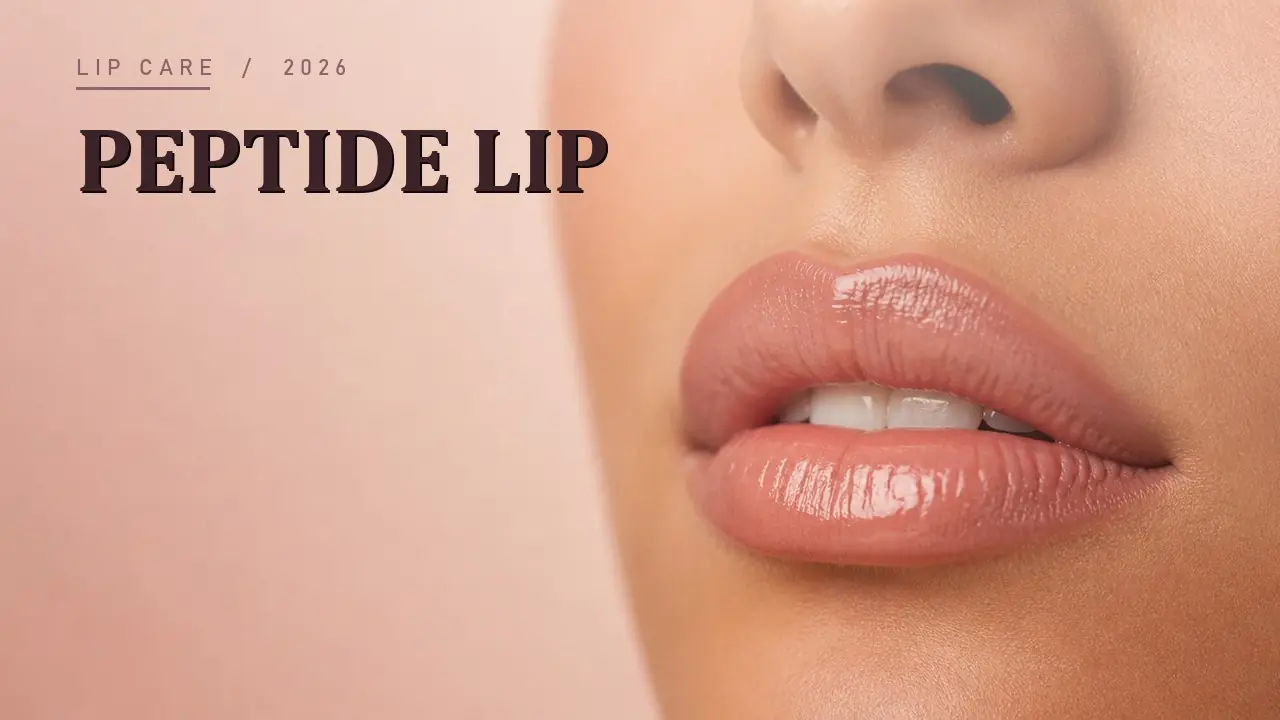
Peptide lip liner is the viral beauty product of 2026, sitting at the exact intersection where skincare science meets makeup utility. TikTok tutor
Published · Updated
What is a peptide lip liner
A peptide lip liner is a lip-liner pencil or stylo that incorporates active peptides into its waxy colour base. The peptides are typically signalling peptides, such as palmitoyl tripeptide-1 or palmitoyl tripeptide-38; hydrating peptides, such as sodium hyaluronate combined with peptide complexes; or plumping peptides that work through a mild, irritant-free mechanism to draw a small amount of water to the lip surface. The pencil itself behaves like any other lip liner in terms of application and colour payoff, but the formulation is intentionally lighter on heavy waxes and richer in conditioning agents than a traditional liner.
The 2026 category sits in clear contrast to the lip plumpers of the late 2010s, which used capsaicin or peppermint oil to deliberately irritate the lip and trigger a temporary swelling. Peptide lip liner takes the opposite approach: long-term hydration and signalling that gradually improve lip fullness and texture, rather than an irritant-driven puff that lasts thirty minutes and then deflates, leaving a dry aftereffect.
How peptides work on lip skin
Lip skin is structurally different from the rest of the face. The vermillion border (the coloured part of the lip) has no oil glands, very few sweat glands, and a much thinner stratum corneum than the surrounding skin. That thinness means lip skin is more reactive to ingredients but also more prone to moisture loss. The lip cannot moisturise itself the way the rest of the face can, which is why chronically dry lips are so common.
Peptides are short chains of amino acids that bind to specific receptors on skin cells. On lip skin, the relevant peptides do three jobs. Signalling peptides prompt the underlying connective tissue to support a fuller, more cushioned lip shape. Carrier peptides deliver hydrating ingredients more efficiently through the thin lip surface. Anti-inflammatory peptides calm the chronic micro-irritation that lip skin experiences from talking, eating, weather, and friction.
The effect of a peptide lip liner is incremental rather than instant. The first application looks like any other lip liner: defined, slightly hydrated. The cumulative effect over four to eight weeks of daily wear is what justifies the category. Lip texture smooths. Hydration improves. The vertical lip lines that show up most clearly when smiling soften measurably. Our guide to how lip care needs change with age covers the longer arc of the structural realities of lip skin and explains why this category exists.
Peptide lip liner vs traditional lip liner vs lip plumpers
The three categories are often confused but do meaningfully different jobs.
A traditional lip liner is primarily a definition tool. The wax base creates a barrier that prevents lipstick from migrating beyond the lip edge. Colour payoff is high, but conditioning ingredients are minimal. Worn alone, traditional liner can feel drying and look harsh, which is why most people pair it with lipstick.
A peptide lip liner is built on a softer, more conditioning base with active peptides woven through the formula. It still defines and prevents lipstick migration, but it also delivers active treatment to the lip skin. Worn alone, a peptide lip liner often looks like a soft natural lip colour, suitable for everyday wear without lipstick.
A lip plumper is a treatment-only product, usually a gloss or balm, that creates temporary swelling through capsaicin, peppermint, or cinnamon-derived irritants. The effect is fast (10 to 20 minutes) and short (30 to 60 minutes). It does not define the lip and does not deliver lasting benefit. Peptide lip liner is not a quick plumper; it is a slow improvement.
How to apply peptide lip liner: three trending techniques
Three application techniques dominate the viral content about peptide lip liners in 2026. Each produces a recognisable look and plays to a different strength of the format.
Overlining for fuller lips
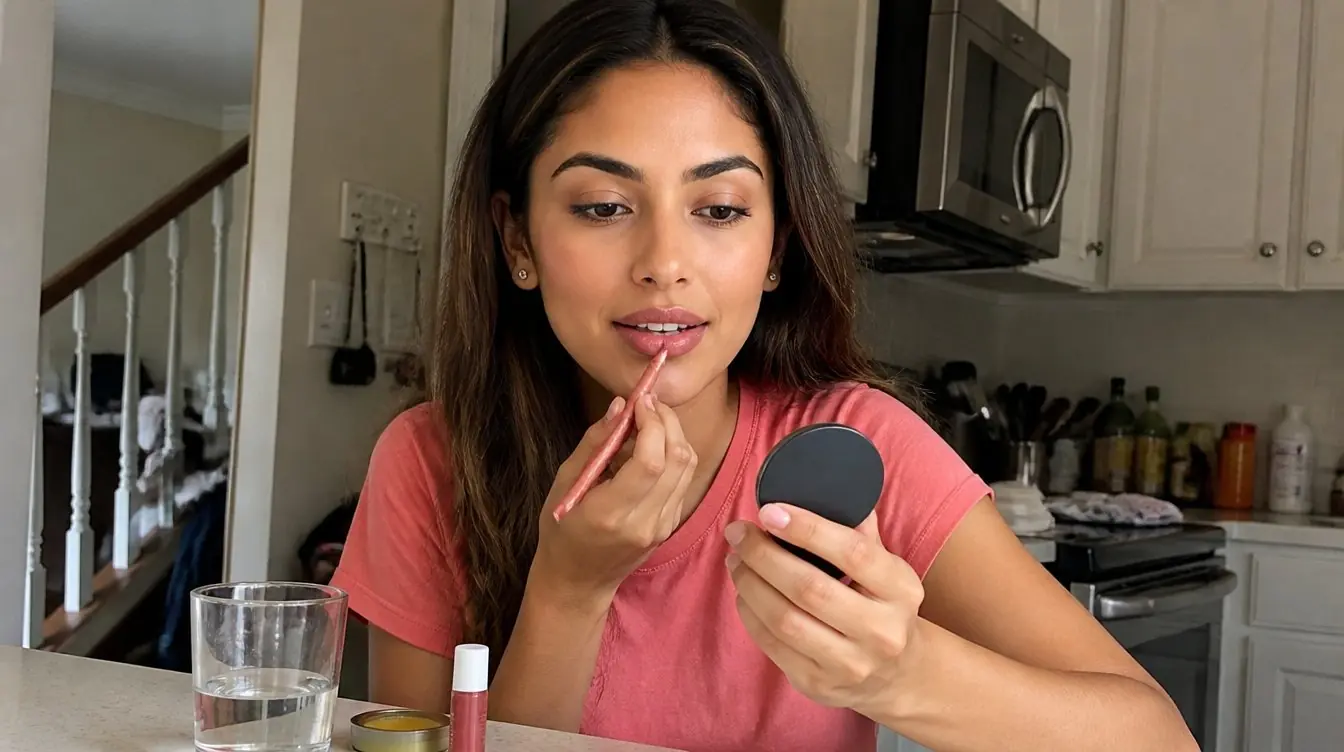
Trace a line just outside your natural lip border by no more than a millimetre at the Cupid’s bow and along the lower-centre curve. Do not extend past the natural corners; overlining them reads as obvious and unflattering. Fill the entire lip with the same liner, then blot once with a tissue and reapply. The fill-and-blot technique gives a longer-wearing matte-stained effect that looks fuller than the natural lip without crossing into the cosmetic-overdone territory.
Gradient contouring
Apply the peptide lip liner only to the outer edge and corners of the lip, then use a small fluffy brush to blend the colour inward toward the centre. The result is a darker, more defined perimeter that fades to a lighter, softer centre. The contrast creates visual depth and reads as fuller because the eye perceives shape from light-to-dark transitions. Finish with a clear or lightly tinted gloss in the centre to complete the gradient and add dimension.
The blurred halo finish
The newest of the three techniques, the blurred halo applies peptide lip liner only to the outer one-third of the lip surface, leaving the centre bare or covered only with balm. Then, use a fingertip to blur the transition between the lined area and the bare centre until the two zones blend softly. The final look is reminiscent of a halo lip trend that emerged separately in spring 2026 and pairs well with cream blush in matching tones. Pair it with a lightweight lip oil at the centre, like the formulas covered in our lip oils vs lip gloss comparison, for a glossy halo finish.
Pairing peptide lip liner with balms, oils, and glosses
The peptide lip liner can be used with other products. The most-used pairings in 2026 are with a hydrating lip balm applied as a base before the liner (best for very dry lips); a clear or tinted lip oil applied over the liner in the centre of the lip (the halo effect); and a lightweight cream lipstick layered on top of an overlined base (the long-wear lipstick technique).
Pairings to avoid: heavy matte liquid lipsticks over peptide lip liner. The matte liquid sets to a film that prevents the peptides from contacting the lip skin properly, defeating the active treatment purpose. If you want long-wear matte colour, choose either a traditional liner or apply the peptide lip liner alone and accept that you will need to touch up after meals.
Who benefits most from peptide lip liner
Four groups see the strongest results from peptide lip liner. People with naturally thin lips who want gradual, non-injectable fullness improvement benefit from the cumulative peptide effect over weeks. People over thirty-five whose lip texture is beginning to show vertical lines benefit from the smoothing and signalling effects. People with chronically dry or dehydrated lips benefit from the conditioning formula compared to traditional drying liners. And people who want a one-product everyday lip routine benefit from the all-in-one definition-colour-treatment positioning.
Peptide lip liner is less essential for younger lips with no specific concerns, as a simple tinted balm provides similar everyday colour with less complexity and cost. For people with very allergy-prone or reactive lip skin, the peptide active ingredients should be patch-tested behind the ear before full lip application.
Skin-friendly ingredients to look for and what to avoid
The best peptide lip liner formulations name specific peptides on the ingredient list. Palmitoyl tripeptide-1, palmitoyl tripeptide-38, palmitoyl tetrapeptide-7, and acetyl hexapeptide-8 are examples to look for. Hyaluronic acid (in any of its sodium hyaluronate or hydrolysed forms) is a useful pairing for hydration. Vitamin E and squalane support barrier health and are skin-friendly.
Ingredients to avoid for sensitive lips include drying alcohols high on the list (denatured alcohol and isopropyl alcohol), heavy synthetic fragrance, capsaicin or cinnamon-based plumpers (which counteract the soothing peptide work), and known lip irritants like menthol in high concentrations. The combination of peptides and aggressive plumping irritants leads to immediate irritation and no long-term benefit.
Common application mistakes
Six recurring mistakes account for most of the disappointing peptide lip-liner experiences.
First, applying to dry, flaky lips. Peptides cannot signal effectively through a layer of dead skin. Exfoliate gently with a damp washcloth before applying, or use a soft scrub, like the recipes in our homemade lip scrub guide, the night before.
Second, overlining the corners. The single line that ages a peptide lip liner application is an obvious overline at the outer corners. Stop the overline at the inner two-thirds of the lip; let the corners follow the natural border.
Third, using a dull pencil. The fine definition that makes the technique work requires a freshly sharpened tip. Sharpen every two or three uses.
Fourth, applying without blotting. The blot-and-reapply step is what creates the long-wearing finish. Skipping it produces a glossy first hour followed by a patchy second hour as the product wears unevenly.
Fifth, layering heavy matte liquid lipstick on top. As above, the film blocks peptide contact and wastes the active formulation.
Sixth, expecting fast plumping. Peptide lip liner produces cumulative improvement over four to eight weeks, not a 20-minute swell. People who switch from plumper-style products and expect the same immediate puff are often disappointed in the first week and discontinue before the real benefit emerges.
Do peptide lip liners actually plump? The honest answer
Yes, gradually, and not as dramatically as a filler or as quickly as an irritant plumper. Studies on the relevant peptides show small but measurable increases in lip volume and softening of vertical lip lines after six to twelve weeks of daily application. The effect is real but easily missed by casual observers; the change shows up most clearly in photographs taken at the start and end of an eight-week period.
If your goal is dramatic immediate fullness for a photo or event tonight, peptide lip liner is the wrong tool. A lightweight plumping gloss applied 20 minutes before will give you a short-term swell. If your goal is to gradually improve lip fullness, texture, and hydration over the next two months while wearing a flattering everyday colour, then peptide lip liner is exactly the right tool.
The honest framing is that peptide lip liner is a treatment product disguised as a makeup product. The makeup function pays for the treatment function. People who consider it to be makeup-first are usually disappointed; people who think of it as treatment-first are usually delighted.
How to choose the right peptide lip liner
The colour question matters. The most flattering everyday shade is a soft warm rose or muted berry that appears slightly deeper than your natural lip colour. This shade range works for most skin tones and pairs with the widest range of lipsticks and glosses. For more on colour matching, our guide to picking lip colour based on hair tone covers the broader framework.
Beyond colour, packaging matters more than it does for most makeup. Peptides degrade in light and air. An opaque or tinted-glass pencil casing protects the formula. Retractable mechanical pencils that bypass the sharpener step reduce air contact with the formula each time they are used. Avoid clear-cased products that have been sitting on a sunny shelf.
Price ranges in 2026 run from around fifteen US dollars for basic peptide-infused liners to over fifty for premium formulations with multiple peptide complexes and added hyaluronic acid. The mid-range (around twenty-five to thirty dollars) is where most of the well-formulated everyday options sit. Spending more is justified only if a specific concentrated formula targets a specific concern.
Frequently asked questions
What is the actual function of a peptide lip liner?
A peptide lip liner defines the lip border like a traditional liner and simultaneously delivers active peptides that signal the lip skin to improve hydration, texture, and gradual fullness over four to eight weeks of consistent wear. It is a hybrid makeup-skincare product that replaces the older capsaicin-style irritant plumpers with a gentler long-term mechanism.
Are peptide lip liners better than regular lip liners?
For everyday wear, especially worn alone without lipstick, peptide lip liner is usually a better choice because the formula is more conditioning and the peptides deliver cumulative lip-skin benefits. For pure lipstick-anchoring purposes (drawing a sharp boundary that holds a long-wear matte liquid lipstick), a traditional waxy liner is more reliable. Many makeup users own both types of lip liner and choose which to use based on the context.
How long does a peptide lip liner take to work?
The immediate visual effect is the same as any liner: defined, slightly hydrated lips at the moment of application. The cumulative peptide benefits (improved texture, softer vertical lines, gradual fullness improvement) take four to eight weeks of consistent daily wear to become visible. Stopping use returns the lips toward baseline over a similar period, though hydration improvements tend to persist longer than fullness improvements.
Can I wear peptide lip liner alone without lipstick?
Yes, and this technique is one of the most common uses in 2026. A peptide lip liner that fills the entire lip surface (rather than just outlining it) creates a soft, defined, natural lip colour that suits daytime, work, and most casual settings. Adding a clear or tinted balm or oil in the centre extends everyday wear and creates a more modern finish than a matte-only look.
Are peptide lip liners safe for sensitive lips?
For most sensitive lips, yes, because the peptide active ingredients are gentle and the conditioning base avoids the irritants found in older plumping products. Patch-test behind the ear for two to three days before full lip use to confirm tolerance. People with known allergies to specific peptides, fragrance, or lanolin should read the full ingredient list rather than relying on the peptide claim alone.
Do peptide lip liners help with lip wrinkles?
Yes, with realistic expectations. The signalling peptides used in lip liner formulations have evidence for softening fine vertical lip lines and improving overall lip texture over six to twelve weeks. They do not erase deeper lines and they do not replace dermal filler or other clinical interventions. They are best understood as a daily preventive and gradual-improvement layer rather than a corrective treatment.
Related Articles
- Lip Oils vs Lip Gloss: Which One is Best for You?
- Homemade Lip Scrub: Does DIY Beat Store-Bought in 2026?
About The Author

COMMENTS