
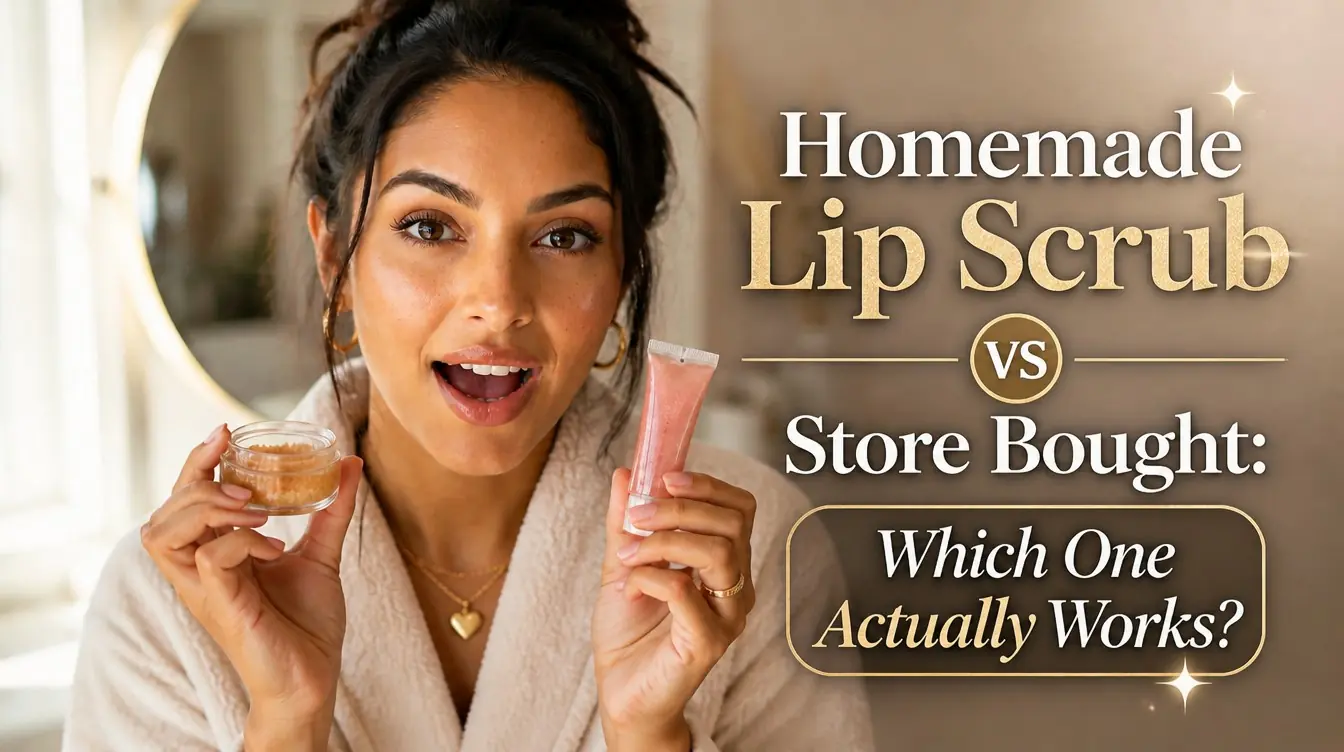
Homemade lip scrub has the kind of cult following that suggests it should be obviously better than store-bought, and the truth is more interesting: ho
Homemade lip scrub has the kind of cult following that suggests it should be obviously better than store-bought, and the truth is more interesting: homemade lip scrub wins in some specific cases and loses in others. Sugar grain size, oil ratio, and freshness all decide whether your homemade lip scrub leaves lips soft or shredded. This guide walks through homemade lip scrub honestly, with the recipes that work, the ratios that matter, and the cases where a store-bought formula still beats DIY.
Published · Updated
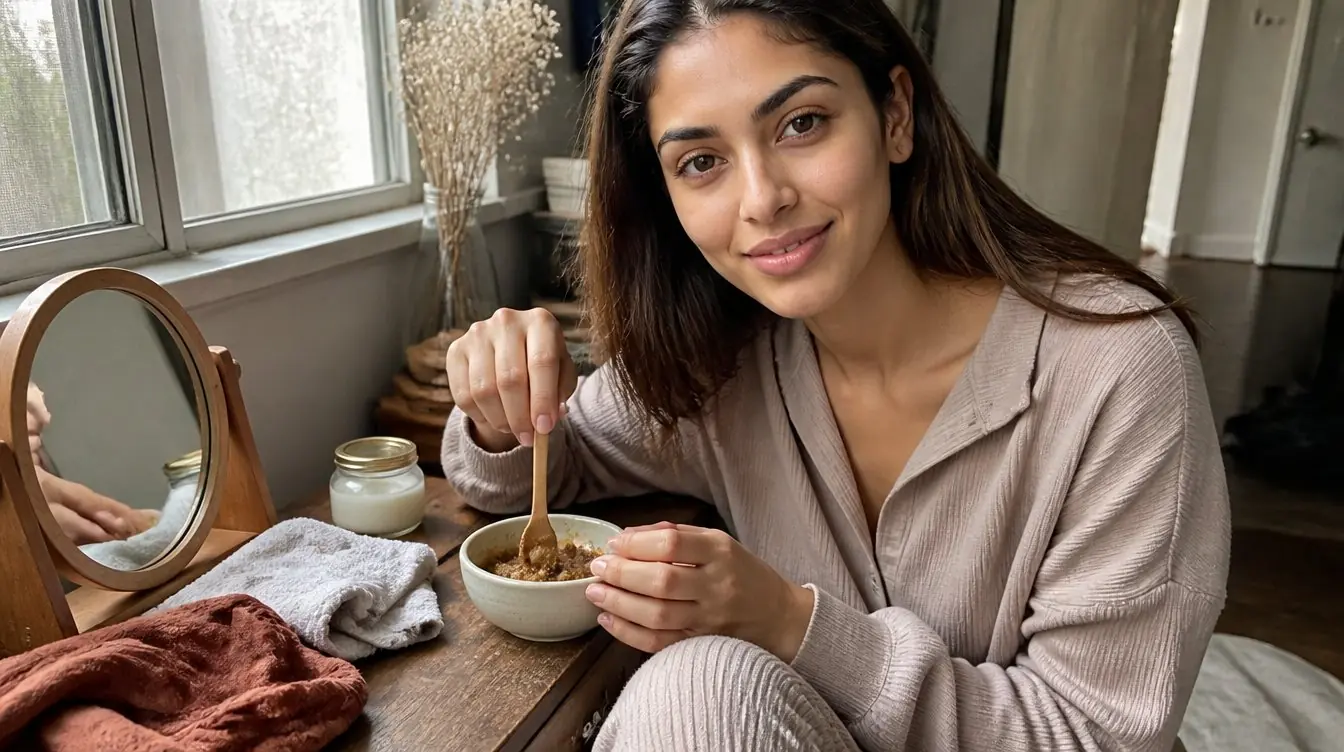
Battle of the Lip Scrubs: DIY vs. Store-Bought: Unveiling the Ultimate Exfoliating Champion
Your lips reveal more than you think. Dry, flaky, rough lips signal a skincare gap. Smooth, plump, hydrated lips signal a routine that actually works. The missing step for most women is consistent lip exfoliation. Every beauty lover eventually faces the battle of the lip scrub debate: should you make your own at home or trust a professionally formulated product from the shelf? Both sides have real merit. Both produce results. Neither is perfect for every person, every skin type, or every lifestyle. This guide cuts through the noise and gives you the full picture. You will learn how lip scrubs work at a cellular level, what separates a remarkable formula from a mediocre one, how each option performs against common lip concerns like dryness, feathering, and fading, and which products to reach for after you exfoliate. Whether you love a kitchen beauty session on a Sunday afternoon or prefer a quick grab from your skincare shelf, this article gives you everything you need to make the smartest possible decision for your lips. Smooth, healthy lips are not a luxury. They are achievable with the right information and the right product in your hands.
What Is a Lip Scrub and Why Your Lips Need One
The detail most guides skip on homemade lip scrub: results compound only when small habits stack. Two careful choices today are worth more than ten half-followed ones, and homemade lip scrub rewards consistency over weeks, not chasing a single perfect product.
The Science of Lip Skin
Lip skin differs from the rest of your face in several critical ways. The outer barrier layer of your lips, called the stratum corneum, is thinner than on your cheeks or forehead. It contains fewer protective layers and offers less structural resilience. Lips also lack sebaceous glands entirely. This means they produce no natural oils and cannot self-moisturise the way other facial skin can. Your lips rely completely on external hydration and your body’s natural cell turnover process to stay healthy and comfortable.
The vermilion border, the coloured portion of your lips, contains minimal melanin and no sweat glands. This makes it highly vulnerable to UV damage, dehydration, and rapid dead cell accumulation. When dead cells build up without intervention, lips appear dull and feel rough. Lip products sit unevenly on that textured surface, feather into fine lines, and fade faster than they should. The skin also struggles to absorb moisturising ingredients through the dead cell barrier, which means that even the most expensive balm performs poorly on unexfoliated lips.
Cell turnover on the lips occurs roughly every fourteen to twenty-one days. Without exfoliation, dead cells pile up between cycles and create a rough, uneven surface that resists both moisture absorption and makeup adhesion. Consistent exfoliation accelerates the removal of that surface barrier and keeps your lips presenting their smoothest, healthiest texture every day.
How Exfoliation Works on Lips
Two types of exfoliation exist: physical and chemical. Physical exfoliation uses abrasive particles to manually remove dead skin cells through friction. Sugar, sea salt, coffee grounds, and pumice powder are common physical exfoliants in lip scrubs. They work immediately on contact, polishing the surface as you rub it. Most DIY recipes and the majority of commercial scrubs use physical exfoliation as their primary mechanism.
Chemical exfoliation uses acids or enzymes to dissolve the bonds holding dead skin cells together. Alpha hydroxy acids like lactic acid and glycolic acid appear in higher-end commercial lip-treatment formulas. They work more evenly than physical particles and require no rubbing pressure. This makes them particularly effective for sensitive, cracked, or deeply chapped lips that respond poorly to mechanical scrubbing.
Some commercial lip scrubs combine both approaches. A mild acid in the formula softens dead cell bonds, while small particles provide surface polishing action. This dual approach produces faster, more thorough results with less mechanical effort on your part. For people with severely dry lips or lips that resist improvement from scrubbing alone, a combination formula frequently delivers better long-term outcomes than either method used in isolation.
When to Use a Lip Scrub
Two to three times per week is the ideal exfoliation frequency for most people. More frequent scrubbing sensitises the lip surface and can disrupt the skin barrier, causing more harm than benefit. When the routine is used less frequently, dead cell buildup can accumulate between sessions, which defeats its purpose.
Evening is the most effective time to exfoliate your lips. Your body performs cellular repair and regeneration during sleep. Freshly exfoliated lip skin absorbs overnight treatment products more efficiently, so your balms and masks work harder after a scrub. Morning exfoliation also works well if you plan to apply lip colour afterwards. Smooth, freshly polished lips hold lipstick and gloss far longer than textured, unprepped lips.
Never scrub lips that are visibly cracked, bleeding, or actively sore. Exfoliating broken skin causes pain and can introduce bacteria into compromised tissue. Heal your lips first with a protective barrier balm. Return to your scrub routine once the skin surface feels fully intact and comfortable again.
Beat Lip Scrubs the DIY Way: Recipes, Benefits, and Drawbacks
The Real Advantages of Making Your Own
DIY lip scrubs offer genuine advantages that commercial products cannot match. Ingredient transparency tops the list. When you mix your scrub, you know exactly what touches your lips. No hidden preservatives. No synthetic fragrance. No undisclosed dyes or fillers. For people with sensitivities or allergies to common commercial ingredients, this level of control is genuinely valuable.
Customisation gives you authority over a formula that no store-bought product can. You control the grit level by choosing fine or coarse sugar crystals. By adding more or less oil, you adjust the moisture balance. You create the scent profile you prefer using natural extracts. Someone allergic to lanolin simply leaves it out. Someone sensitive to fragrance creates an unscented version that works perfectly for their skin.
The cost argument is also real and significant. Most DIY scrub ingredients already sit in your kitchen pantry. Granulated sugar, raw honey, coconut oil, and olive oil cost very little individually. The same budget that purchases one mid-range commercial scrub funds three to six months of DIY batches. For budget-conscious routines, that difference matters considerably over the course of a year.
DIY Lip Scrub Recipes That Deliver Real Results
Sugar and Honey Scrub
Combine one teaspoon of fine white sugar with one teaspoon of raw honey. Mix thoroughly. Apply to lips with a fingertip and rub in small circles for thirty to sixty seconds. Rinse with warm water. Raw honey is a natural humectant that draws moisture into the skin cells it contacts. It also contains antibacterial enzymes that protect freshly exfoliated skin. This scrub delivers smooth, slightly plumped lips immediately after rinsing and suits all skin types.
Brown Sugar and Coconut Oil Scrub
Mix one teaspoon of brown sugar with half a teaspoon of melted coconut oil. Add one drop of peppermint essential oil for a cooling, mild plumping effect. Brown sugar has finer, smoother edges than white sugar, making it the better choice for dry or sensitive lips. Coconut oil provides occlusive moisture that seals hydration into the lip surface during and after scrubbing. This formula performs especially well during winter months when lips suffer most from cold air and indoor heating.
Coffee and Olive Oil Scrub
Combine two teaspoons of finely ground coffee with one teaspoon of extra virgin olive oil. Add half a teaspoon of brown sugar for additional surface polishing. Coffee grounds act as a physical exfoliant and contain caffeine, which temporarily stimulates blood circulation and creates a mild plumping effect on the lip surface. Olive oil delivers squalene and vitamin E, both of which actively support skin barrier repair. This scrub has a stronger texture and suits people who prefer a more intensive weekly treatment session.
Cinnamon and Sugar Plumping Scrub
Mix half a teaspoon of ground cinnamon with one teaspoon of coconut oil and one teaspoon of white sugar. Cinnamon increases blood flow to the lip surface, creating visible temporary fullness. This makes it popular for events or photographs. Use this formula no more than once per week. Test it on the inside of your wrist before applying to your lips, since cinnamon causes sensitivity in some individuals. Discontinue use immediately if you notice redness, burning, or swelling.
Drawbacks You Should Know Before Going DIY
DIY scrubs carry real limitations that deserve honest consideration. Shelf life presents the most significant concern. Without preservatives, homemade scrubs can develop bacteria and mould quickly. Most DIY scrubs remain safe for two to four weeks when stored in a sealed, airtight container kept away from heat and moisture. Recipes containing fresh citrus juice, yoghurt, or other perishable ingredients stay safe for only a few days. This creates a recurring preparation cycle that demands consistent attention.
Consistency between batches varies in ways that commercial products do not. Each time you make a new batch, the particle size, oil ratio, and texture may differ slightly. This variation is generally harmless but can make it harder to predict your results from week to week and harder to pinpoint what works when you adjust your formula.
Some popular DIY ingredients circulating online pose genuine risks that their enthusiastic proponents fail to mention. Very coarse salt crystals create micro-tears on the lip surface. Undiluted essential oils cause burns and allergic contact reactions. Lemon juice, a frequently recommended DIY ingredient, is too acidic for regular lip use and causes hyperpigmentation when the skin is subsequently exposed to sunlight. Always research each ingredient carefully before adding it to your formula. When in doubt, leave it out entirely.
Store-Bought Lip Scrubs: What the Market Really Offers
Worth pausing on with homemade lip scrub: the products matter less than the order and timing. The same shelf can deliver visible homemade lip scrub results or flat ones depending on the layering.
Types of Commercial Lip Scrubs and Their Best Uses
The commercial lip scrub market has expanded dramatically and now offers several distinct product formats, each designed for different needs, preferences, and skin conditions.
Sugar-based scrubs remain the most widely available type. Brands like Sara Happ, e.l.f., and Lush offer sugar scrub formulas across a broad price range. Sucrose or dextrose crystals provide the abrasion, suspended in a mix of plant oils, waxes, and flavour compounds. Sugar crystals dissolve as you rub, which naturally limits the active scrubbing time and reduces the risk of over-exfoliating. The daily maintenance of these suits is well-suited to users.
Chemical lip exfoliants use lactic acid, glycollic acid, or papaya enzymes instead of physical particles. Applied like a thin mask and left on for several minutes, these products dissolve dead cell bonds without any mechanical rubbing. They suit people with very sensitive lips, visible lip lines, or lips that react poorly to physical pressure. Results often feel more even and thorough than physical scrubs.
2-in-1 scrub and treatment formulas combine exfoliation with active repair ingredients in a single product. After the scrub particles dissolve, the remaining base continues treating lips with hyaluronic acid, ceramides, or peptides. These multi-tasking products appeal to women who want streamlined routines without sacrificing results.
Key Ingredients to Look For on the Label
Reading a commercial lip scrub label requires practice and a basic understanding of what each component contributes to the formula.
Sugar or pumice provides the physical exfoliant base. Sugar is gentler and dissolves during use. Pumice stays active longer and suits those who prefer a more intensive physical polish. Shea butter softens the lip surface and seals moisture in after exfoliation. Jojoba oil closely mimics the skin’s natural sebum and absorbs quickly without leaving a greasy residue behind. Vitamin E, listed as tocopherol, protects freshly revealed lip skin from free radical damage and environmental stressors. Hyaluronic acid draws moisture into skin cells and creates a visibly fuller appearance. Lactic acid provides gentle chemical exfoliation alongside physical particles, and it suits lips that resist improvement from scrubbing alone. Castor oil creates a smooth, cushioned texture and helps lip colour adhere longer after application.
Look for these ingredients near the top of the ingredient list. Ingredients listed last appear in very small concentrations and contribute minimally to actual performance.
Ingredients to Avoid in Commercial Formulas
Not every commercial lip scrub earns its shelf space. Certain ingredients create more problems than they solve and should prompt you to put the jar back down.
Synthetic fragrance, listed as “fragrance” or “perfume”, is a catch-all term that can conceal dozens of undisclosed chemical compounds. It stands as one of the leading causes of lip product sensitivity and contact dermatitis. Choose fragrance-free formulas whenever possible, especially if you have reactive or sensitive skin anywhere on your face. Walnut shell powder has irregular, jagged edges that create micro-tears on the delicate lip surface. Sugar and silica are safer, more uniform alternatives. High concentrations of menthol and camphor create a pleasant tingling sensation but dry out lip skin with repeated use, causing the very problem you are trying to solve. Ethanol, which is listed high in the ingredients list, is equally drying and counteracts any moisturising benefits the rest of the formula provides.
Battle Lip Scrubs Head-to-Head: DIY vs. Store-Bought Results
Cost: What You Actually Spend Over Time
A mid-range commercial lip scrub costs between eight and twenty-five dollars per jar. Premium options reach thirty dollars or more for a small container that lasts approximately one to two months with regular use. Depending on your brand choices, annual spending on commercial scrubs ranges from sixty to over three hundred dollars.
A single DIY batch using pantry staples costs under one dollar in ingredients. Even purchasing organic raw honey and a quality carrier oil specifically for scrub-making keeps annual costs under thirty dollars. The cost advantage belongs clearly and significantly to DIY on paper.
However, be honest about the time involved. Mixing a DIY scrub takes fifteen to thirty minutes per batch, plus research time when you are first developing a formula. A commercial scrub takes fifteen seconds to open and apply. If your time carries real monetary or personal value, that changes the calculation meaningfully. Neither option is objectively wrong. The better investment depends entirely on your priorities and lifestyle.
Effectiveness: Which Formula Works Better
For basic dead cell removal, DIY and commercial sugar scrubs perform comparably. A simple sugar and honey formula removes surface flakes as effectively as a twenty-dollar branded scrub when applied with consistent technique and appropriate frequency. The physical mechanism is identical in both cases.
Commercial scrubs gain a clear advantage in the supporting formula surrounding the exfoliant. Premium products use lipid-replenishing ingredients, humectants, and sometimes peptides or ceramides to make their oil base. After the exfoliant particles dissolve, these actives continue working on the freshly exposed skin. A rinsed DIY scrub leaves primarily the residual benefit of honey or oil, which is meaningful but limited compared to a complex treatment base.
For severe dryness, commercial formulas containing lactic acid significantly outperform any DIY alternative. Lactic acid dissolves dead cell bonds more thoroughly and evenly than any physical scrub. If your lips remain persistently rough despite regular exfoliation with a physical scrub, a commercial formula with a chemical exfoliant will likely deliver faster, more consistent improvement. For mild maintenance, a quality DIY formula matches or exceeds many commercial options while costing far less.
Convenience and Shelf Life in Real-World Use
Commercial scrubs stay stable for six months to one year under normal storage conditions. They travel without issue and require no refrigeration. Their standardised formulas deliver predictable, consistent results every time you open the container. For busy routines, this reliability is genuinely valuable.
DIY scrubs remain safe for two to four weeks under ideal conditions. Recipes containing any perishable ingredient last only a few days. This creates a recurring preparation cycle that interrupts your routine when you inevitably run out of supplies at an inconvenient time. Commercial scrubs simply do not create this problem.
For everyday busy routines, commercial products win the convenience category without contest. For people who genuinely enjoy DIY beauty rituals and view preparation time as restorative self-care, the equation shifts. The process of creating something for yourself, tailored exactly to your preferences, delivers a kind of satisfaction that opening a store-bought jar cannot replicate.
Solving Common Lip Problems with the Right Scrub
Dry and Chapped Lips: Choosing the Right Approach
Dry and chapped lips demand a gentle exfoliation strategy. Aggressive scrubbing on compromised skin causes pain, breaks the barrier further, and actively delays healing. Choosing the wrong formula or applying too much pressure makes the problem visibly worse before it improves.
For actively chapped lips, choose the finest possible particle size. Fine granulated sugar or a commercial scrub containing dissolved lactic acid, rather than coarse crystals, works best. Apply with your fingertip, not a brush or exfoliating tool. Use minimal pressure. Limit active scrubbing to thirty seconds. Rinse thoroughly with warm water.
Follow every scrub session immediately with a thick, occlusive treatment product. Ingredients like beeswax, petrolatum, and shea butter create a physical seal over the freshly exfoliated surface, trapping moisture against the skin and repairing the barrier layer. Skipping this step after scrubbing leaves newly exposed lip cells vulnerable to rapid dehydration and makes dryness significantly worse. If your lips crack repeatedly despite a consistent topical routine, investigate your nutrition. Deficiencies in vitamin B2, iron, and zinc commonly manifest as persistent, treatment-resistant lip cracking. Address the nutritional root cause alongside your topical routine for genuine long-term improvement.
Feathering and Bleeding Lipstick: How Exfoliation Helps
Lip colour bleeding into the fine lines around your mouth almost always traces back to uneven lip texture and insufficient preparation. Dead skin accumulation creates ridges and microscopic crevices that guide liquid and creamy lip products away from the lip border and into surrounding skin. Regular exfoliation removes that uneven texture and dramatically reduces feathering by presenting a smooth, uniform surface for colour application.
Pair your consistent scrub routine with a waxy lip liner applied carefully around and along the outer edge of your natural lip border. Lip liner creates a physical wax barrier that prevents liquid and creamy formulas from migrating outward. After exfoliating, apply your liner first. Then fill in the lip with your colour of choice. This two-step combination reduces feathering significantly compared to applying colour directly on unprepped, unlined lips, regardless of the lip-product formula you choose.
Fading Lip Color: Building a Longer-Lasting Base
Fading lip colour is fundamentally a surface adhesion problem. Colour lifts and fades fastest on dehydrated, textured lips that are coated in old product residue. Exfoliation removes the residue and the dead cell texture simultaneously. Freshly polished lips present a slightly tacky, clean surface that holds colour products more effectively and for longer periods.
After scrubbing, apply a thin layer of lip primer. Lip primers have silicone-derived ingredients that fill in the tiny bumps on the lip surface, making it smooth and even so that lipstick sticks well. Allow the primer to set for thirty seconds before applying any colour. Then build your lip colour in thin, controlled layers. Blot with a tissue between each layer to remove surface oils that cause premature fading. This layering method on exfoliated, primed lips extends wear time by several hours compared to colour applied directly on unprepped lips, regardless of the product’s marketing claims.
Choosing the Right Lip Product After Exfoliation
Lip Balm, Lip Gloss, and Lip Oil: Matching Product to Purpose
Post-scrub product selection determines how effectively your exfoliation effort translates into visible, lasting results. Each product category serves a different function and performs best in specific contexts.
Lip balm is primarily a protective product. It uses occlusive ingredients to form a physical seal over freshly exfoliated skin, trapping moisture against the surface and allowing barrier repair to continue. Choose balms containing ceramides, shea butter, or petrolatum for maximum barrier support. Tinted balms add a sheer wash of colour alongside genuine hydration benefits, making them the ideal daytime option when you want low-maintenance, comfortable lip coverage. Apply balm immediately after rinsing off your scrub while the lip surface is still slightly damp, so it seals in surface moisture before evaporation occurs.
Lip gloss delivers high shine and the visual illusion of fullness. It functions as an aesthetic finishing product rather than a treatment. Glosses containing hyaluronic acid or peptides offer some functional benefit, but most gloss formulas are thinner and less nourishing than balms. Wear gloss over a balm or lip colour for maximum visual impact. Applied alone on freshly exfoliated lips, gloss can feel drying once the formula evaporates because it does not provide sufficient occlusive coverage.
Lip oil bridges the gap between balm and gloss. These formulas are lighter than balms but more nourishing than glosses. They absorb partially into the lip surface rather than sitting entirely on top, providing hydration with a subtle sheen. Rosehip oil, marula oil, and jojoba oil serve as common bases in commercial lip oil formulas. They work exceptionally well as overnight treatments on freshly exfoliated lips, absorbing during sleep and delivering noticeably softer, more comfortable skin by morning.
Lip Liner: The Underrated Post-Scrub Step
Lip liner performs multiple functions in a post-exfoliation routine, making it far more valuable than most women realise. It defines the lip border with precision. It fills the fine lines immediately surrounding the mouth, which allow colour to migrate. It extends the wear time of every product applied over it by creating an anchoring wax base.
After exfoliating, the lip border becomes more clearly defined and easier to trace accurately. Choose a liner shade that matches your natural lip tone for a soft, everyday look, or match it to your lipstick shade for maximum colour longevity and intensity. Waxy liner formulas create a stronger feather barrier than pencil-style formulas. Apply liner at and slightly inside the natural lip line. Then fill the entire lip surface with the liner to create a uniform base coat. This foundation holds any lip colour on top significantly longer and reduces colour migration throughout the day.
Liquid Lip vs. Traditional Lipstick on Exfoliated Lips
Both liquid lip formulas and traditional lipstick benefit enormously from exfoliated lips, but they respond differently to the prep process and require slightly different approaches after scrubbing.
Liquid lip products, including long-wear mattes and transfer-proof formulas, require a smooth, lightly moisturised lip surface to bond properly. Over-moisturised or oily lips can cause these formulas to slip, pill, or fail to set. After exfoliating, allow any treatment balm to absorb fully for five to ten minutes. Apply a thin, even layer of lip primer. Then apply your liquid lip in a single controlled coat. This sequence creates the neutral, adhesive surface that long-wear formulas need to perform as advertised.
Traditional lipstick tolerates slightly more residual moisture because its creamy base provides its own hydration component. Cream and satin-finish lipsticks perform exceptionally well on freshly exfoliated lips and feel comfortable throughout the day. Matte lipsticks can still accentuate any remaining dryness or texture, so reserve those finishes for days when your lip exfoliation routine is most consistent and your baseline lip condition is at its best.
Building Your Complete Lip Care Routine
Morning Lip Routine: Starting Right
A morning lip routine that incorporates strategic exfoliation sets your lips up for their best possible performance throughout the day.
Begin by gently wiping your lips with a damp washcloth. This removes overnight saliva residue and lightly buffs the surface without requiring full exfoliation. On exfoliation mornings, follow with your chosen scrub. Apply with a fingertip using light circular motions for thirty to sixty seconds. Rinse with warm water. Pat dry gently rather than rubbing. Apply your lip balm or treatment product immediately while the lip surface is still slightly damp. This seals surface moisture against the skin before it evaporates into the air.
Allow your balm to absorb for two to three minutes before applying any colour product. Apply lip liner first to define the border and build your base. Follow up with your chosen lipstick, liquid lip, or gloss. A single small dab of clear gloss at the centre of your lower lip creates a convincing fullness effect without requiring additional product elsewhere. Your entire morning lip routine takes under five minutes and delivers results that last visibly longer than an unprepped application.
Evening Lip Care: Repair and Restore
Evening represents your most powerful window for meaningful lip repair. Your body increases cellular regeneration significantly during sleep. Freshly exfoliated lip skin absorbs treatment products far more efficiently, so evening exfoliation followed by an overnight treatment delivers the most intensive results your routine can produce.
Remove all lip colour completely before beginning your evening routine. Use a gentle micellar water or an oil-based cleansing balm on a soft cotton pad. Leaving lip colour on overnight dehydrates the lip surface and can stain natural lip pigmentation over time with repeated exposure. On non-exfoliation evenings, apply a generous layer of overnight lip mask or sleeping balm directly to clean lips. These thick formulas create an occlusive barrier that traps moisture for hours while you sleep. On exfoliation evenings, complete your scrub after cleansing, then apply your overnight treatment immediately. This sequence provides the most intensive repair possible within a single evening routine.
Seasonal Adjustments: Adapting Through the Year
Lip care needs shift meaningfully with the seasons, and a rigid year-round routine fails to account for those changes.
Winter brings cold outdoor air, indoor heating systems, and low ambient humidity. These conditions strip moisture from lips faster than any other time of year. During winter months, use your heaviest, most occlusive overnight treatment and consider adding a bedroom humidifier to combat nighttime air dryness. Exfoliate consistently to prevent the buildup that blocks your treatments from penetrating. Choose a balm over a gloss for daytime wear to maintain the barrier throughout the day.
Summer brings UV radiation and wind, both of which damage lip skin significantly. Sun damage on lips is serious and underacknowledged because most women do not think to apply SPF to their lips. Use a lip balm with SPF 30 or higher every single day during summer months, reapplying after eating or drinking. Exfoliate regularly to remove sun-damaged surface cells and keep your lip surface healthy. Always follow exfoliation with an SPF balm before sun exposure rather than a treatment-only formula.
Spring and autumn bring variable and unpredictable conditions. Pay attention to how your lips feel and adjust your exfoliation frequency and product weight accordingly. Flexibility and observation serve your lips better than rigid adherence to a fixed seasonal schedule during transitional months.
Frequently Asked Questions About Lip Scrubs
How often should I use a lip scrub?
Two to three times per week suits most people well and delivers consistent results without over-sensitising the lip surface. This frequency removes dead cell buildup efficiently between sessions and allows the skin barrier to recover fully between exfoliation events. If your lips feel irritated, appear red, or feel raw after a session, reduce it to once per week until the surface recovers and stabilises at a frequency that does not cause that response. If you live in a very dry climate and your lips tolerate regular exfoliation well, three sessions per week can prevent the buildup that dry air accelerates. Consistency at a moderate frequency outperforms aggressive daily scrubbing over any extended period.
Can I use a lip scrub on cracked or bleeding lips?
No. Physical scrubbing on visibly cracked, bleeding, or actively peeling lips causes direct pain, worsens the barrier disruption, and can introduce bacteria into compromised tissue. This is one situation where exfoliation makes the problem worse rather than better. Focus entirely on healing first. Apply a thick protective balm containing petrolatum or beeswax multiple times daily until the cracks seal completely and the lip surface feels intact and comfortable. Once healed, reintroduce your scrub routine gradually, starting with once per week using the gentlest formula you have. Build back to your normal frequency over two to three weeks rather than immediately resuming your previous routine.
Do lip scrubs actually make lips look fuller?
Yes, temporarily. Exfoliation increases blood circulation to the lip surface, which causes mild, short-lived vascular swelling. This creates a plumper appearance that typically lasts several hours after scrubbing. Certain ingredients amplify this response. Cinnamon, peppermint essential oil, and capsicum-derived compounds all stimulate blood flow more aggressively than plain sugar, producing a more pronounced and immediate fullness effect. Commercial plumping lip scrubs frequently incorporate these ingredients for exactly this reason. The fullness from exfoliation reflects improved surface circulation and smoother texture rather than any permanent structural change. For lasting lip volume, consistent hydration, barrier maintenance, and well-chosen lip colour techniques deliver more reliable results than plumping ingredients used sporadically.
Is it safe to swallow small amounts of DIY lip scrub ingredients?
Most basic DIY ingredients are food-safe when trace amounts enter the mouth during application. Sugar, raw honey, coconut oil, olive oil, and vanilla extract are all food ingredients that pose no concern in small quantities. However, this does not make every popular DIY ingredient automatically safe for lip use. Essential oils used in cosmetic formulas are not intended for ingestion even in cosmetic concentrations. Undiluted peppermint and cinnamon essential oils cause mucous membrane irritation in the mouth and digestive system even in small amounts. Always dilute essential oils to less than one percent of your total formula weight before adding them to any lip product. If you have any genuine uncertainty about whether an ingredient is safe to use on your lips, leave it out of your recipe entirely rather than risking an adverse reaction.
What is the difference between a lip scrub and a lip mask?
A lip scrub physically or chemically removes dead skin cells from the lip surface through an active process. You apply it, work it in briefly, and remove it within one to two minutes. Its job is to clear the surface and reveal fresher, smoother skin underneath. A lip mask treats the skin after that surface clearing has occurred. It delivers concentrated moisturising, repairing, or plumping ingredients directly to the freshly revealed, more receptive skin. Masks stay on for ten to twenty minutes or overnight for sleeping formulations. The two products work best in sequence rather than interchangeably. Scrub first to remove the dead cell barrier. Mask second to deliver active ingredients to skin that can now actually absorb them. Using a mask without prior exfoliation reduces its effectiveness considerably because active ingredients must penetrate through accumulated dead cell layers before reaching the living tissue underneath.
The Verdict: Making Your Final Choice
The ultimate exfoliating champion is not one product or one method. It is the consistent approach that fits your lifestyle and delivers results you can see and feel.
DIY lip scrubs win clearly on cost, ingredient transparency, and formula customisation. They suit budget-conscious routines, people with specific ingredient sensitivities, and women who genuinely enjoy the process of crafting their own beauty products. Commercial lip scrubs win on convenience, shelf stability, and treatment performance for persistent or severe lip concerns. Chemical exfoliants in quality commercial formulas deliver thorough results that no DIY recipe can match for deeply damaged or chronically rough lips.
Many women find that a hybrid approach delivers the best of both options. A commercial chemical exfoliant used once per week provides the intensive dead cell dissolution that keeps lips consistently smooth. A simple DIY sugar scrub used two to three times per week maintains that baseline between commercial sessions. This combination covers every need without sacrificing either cost efficiency or treatment effectiveness.
Here are the things to remember to carry into your routine starting today:
- Exfoliate two to three times per week and follow every session immediately with a moisturising treatment.
- DIY formulas deliver real value for mild maintenance and budget-conscious routines.
- Commercial scrubs with chemical exfoliants outperform DIY options for severe dryness and persistent roughness.
- Post-scrub product choice matters as much as the scrub itself. Match your balm, gloss, oil, liner, and lipstick to your specific need.
- Lip liner after exfoliation reduces feathering and extends colour wear on any lip product you apply over it.
- Liquid lip formulas require a drier, primed surface. Traditional lipstick tolerates more residual moisture.
- Adjust your routine by season. Winter demands heavier occlusive treatments. Summer demands SPF protection after every scrub session.
Your next steps are simple. If you have not exfoliated your lips this week, start tonight with a sugar and honey scrub from your kitchen. If you exfoliate regularly but skip the follow-up treatment, add an overnight lip balm or mask to your evening routine beginning tonight. Small, consistent actions build smooth, hydrated lips that hold colour beautifully, resist dryness through every season, and look healthy and healthy without requiring elaborate effort.
RELATED ARTICLES:
How to Keep Your Lips Looking Young: Anti-Aging Lip Care Tips
The Power of Aloe Vera for Lips: Hydration Secrets Revealed
What Lip Colour Suits You Best According to the Tone of Your Hair? Find Out!
Lip Sunscreen: Why Your SPF Routine Stops Too Soon
Milk Tea Lips & Blurred Edges 2025: The Work-Ready Lip Care Look That Lasts Through Coffee
The honest bottom line on homemade lip scrub: consistency beats complexity. Build a few habits into your weekly rhythm, give your skin or hair a real window to respond, and homemade lip scrub becomes second nature.
About The Author

COMMENTS