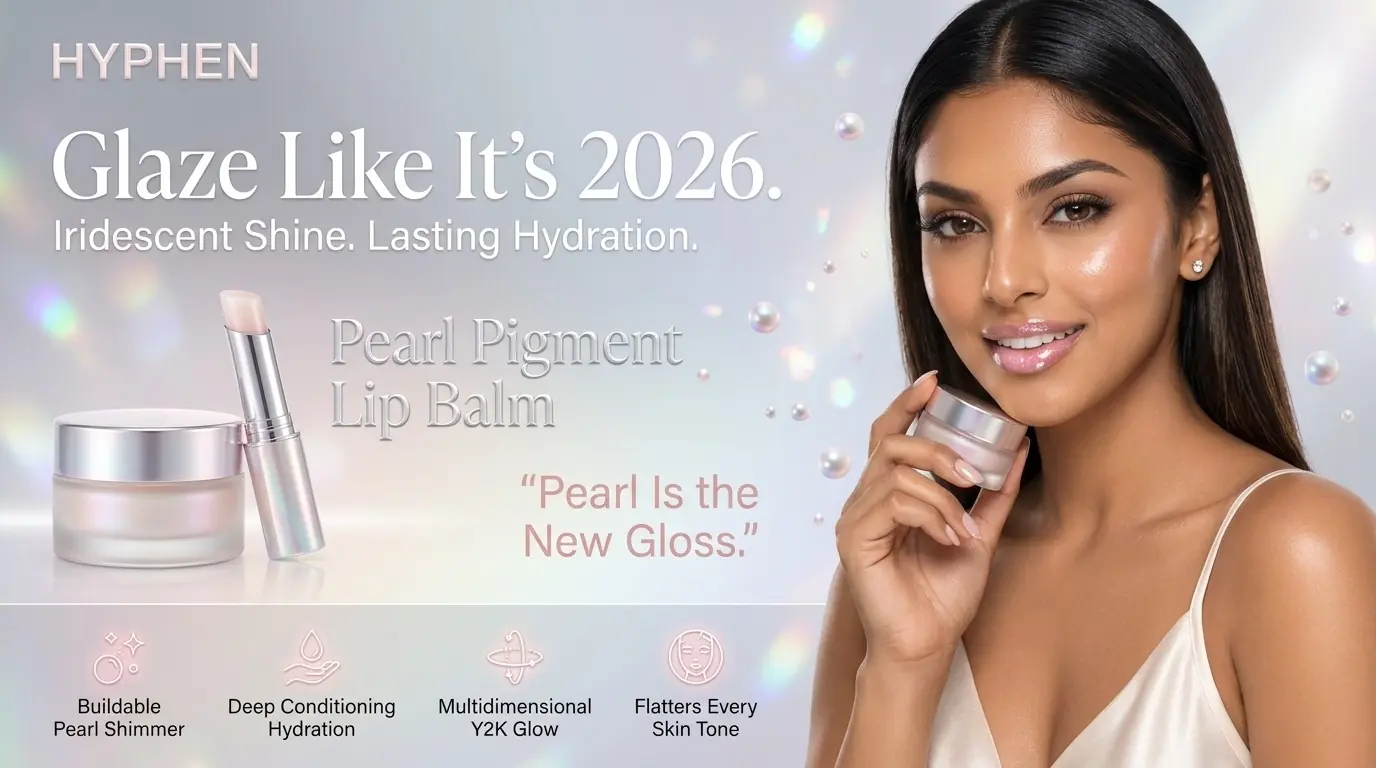
Pearl pigment lip balms are the soft, iridescent, slightly Y2K-coded lip story that TikTok and Pinterest spent the first half of 2026 turning into the
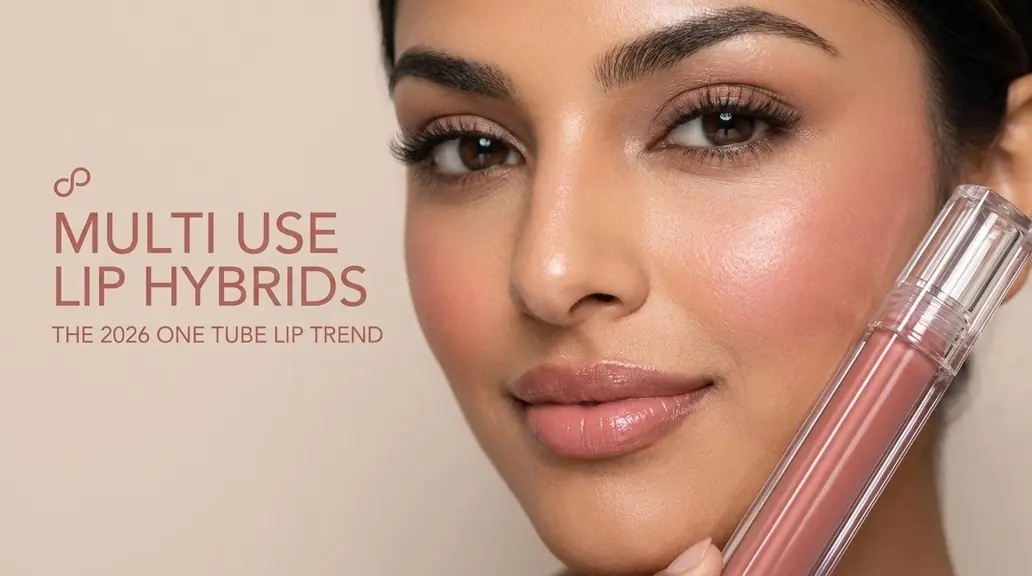
Pearl pigment lip balms are the soft, iridescent, slightly Y2K-coded lip story that TikTok and Pinterest spent the first half of 2026 turning into the most-asked-for finish in beauty retail. The look sits between a regular gloss and a full chrome lip: glossy enough to catch light, soft enough to wear to coffee, and with a faint shift of colour in the sheen that no plain balm or gloss can deliver. This guide covers what makes a pearl pigment balm different from regular gloss or chrome, how to wear it without leaning into costume, the shades that flatter different skin tones, and the questions readers keep asking about it.
Published · Updated
What a Pearl Pigment Lip Balm Actually Is
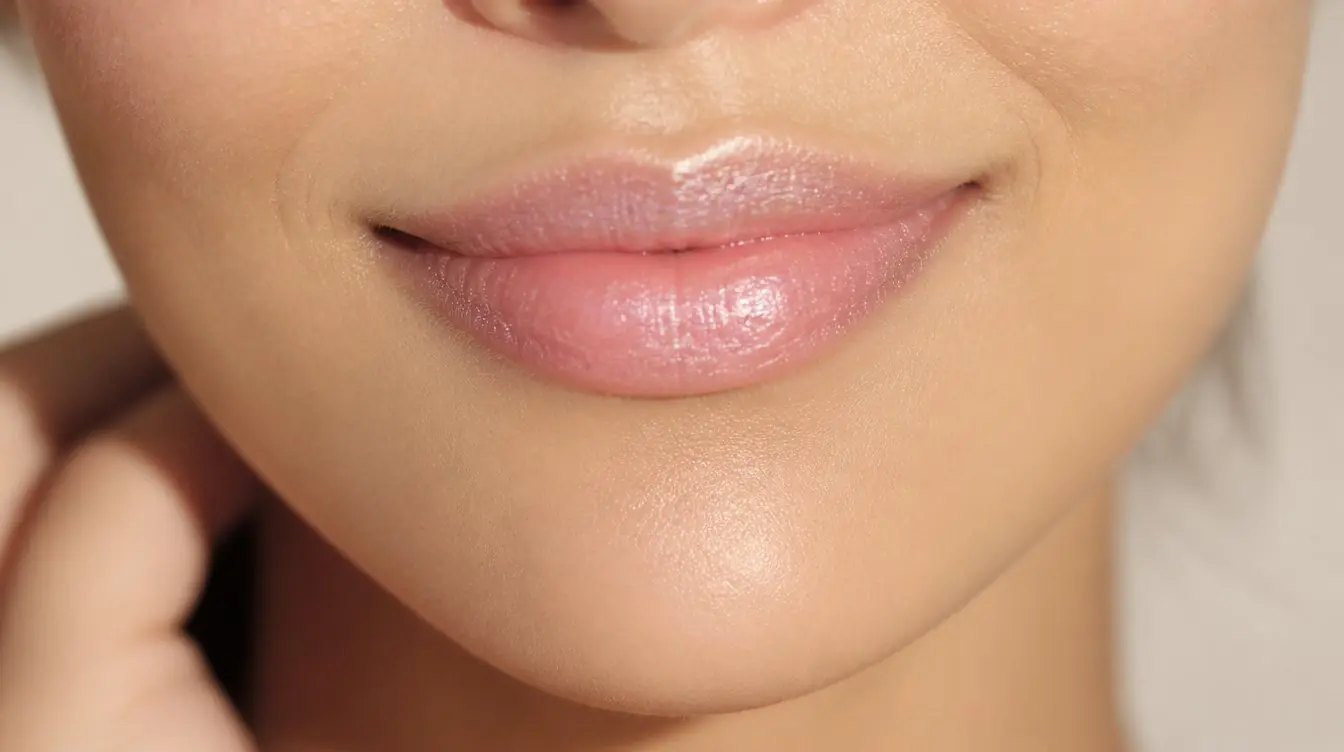
A pearl pigment lip balm is a moisturising lip product, usually in a stick or tube, that contains a fine grade of pearlescent mineral pigment in a clear or sheer colour base. The pigment is what creates the soft luminous shift you see when the light moves: it is the same mica or natural pearl effect found in skincare highlighters, dosed at a level that gives sheen without sparkle. The balm part is what makes it wearable; unlike a metallic lipstick or a heavy chrome topper, a pearl pigment balm conditions the lip while adding the finish, which is why people are wearing them all day rather than saving them for nights out.
The category sits in a sweet spot between three other lip products. It is glossier than a tinted balm, less wet-looking than a traditional lip gloss, and far gentler than the chrome lip toppers that defined the brief silver-lip trend of 2024. The result reads ‘modern’ and ‘1990s editorial’ at the same time, which is the exact aesthetic 2026 has been chasing across beauty more broadly.
Why the Trend Is Working Right Now
Three things came together. Y2K cool tones and frosted finishes returned to TikTok in the first quarter of 2026, with creators pulling pearl-blue eyeshadows and pearlescent lips out of nostalgic archives and refining them for current taste. Brands responded quickly with formulas that fixed the chalky finish older pearl glosses had, particularly by switching from large-grain glitter to micronised pearl pigments that read as sheen rather than sparkle. And the broader move toward glowy, hydrated skin gave pearl lip products an obvious pairing partner: a dewy face and a luminous lip read as one cohesive aesthetic rather than two competing finishes.
Pearl Pigment vs. Lip Gloss vs. Chrome Lip
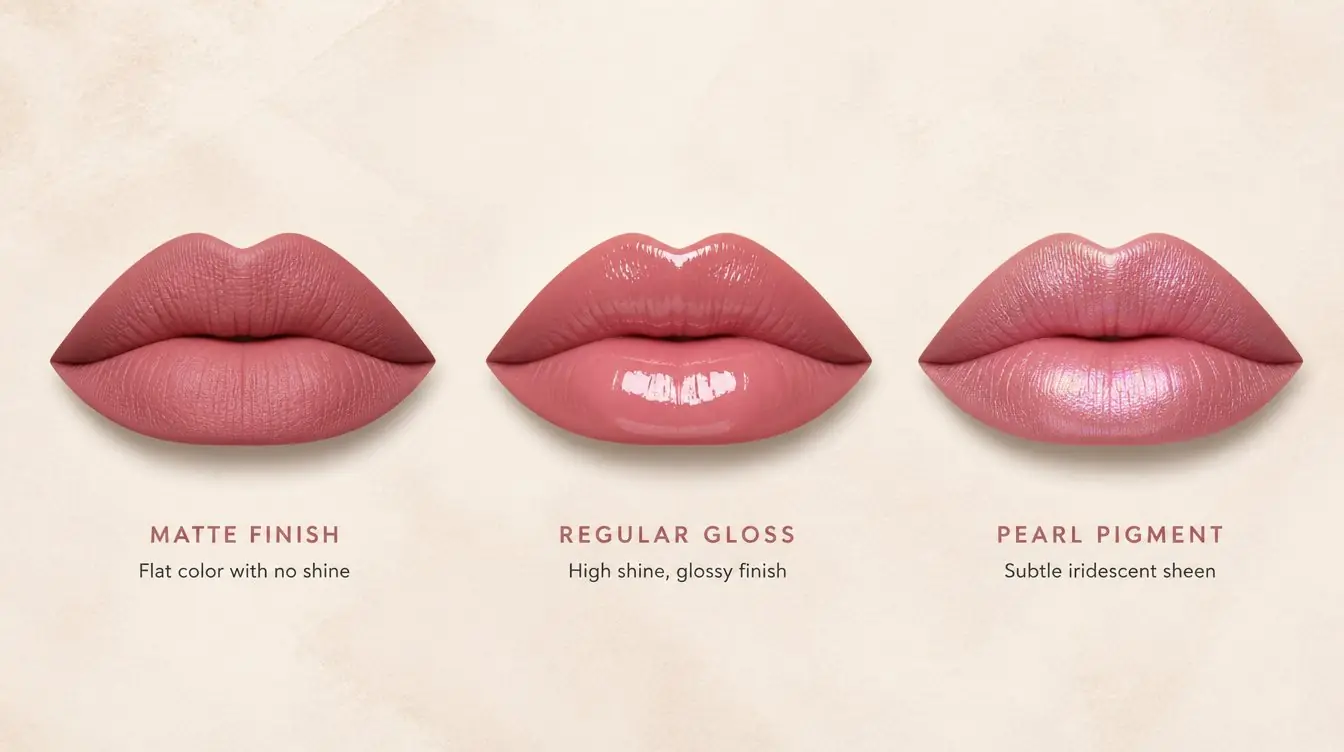
The three categories get confused, and the differences matter for what you reach for.
Lip Gloss
Wet-looking, often sticky, and usually clear or with a flat colour base. Catches light through liquid shine rather than pigment shift. Pairs with most makeup but adds no colour story of its own.
Chrome Lip
Metallic, mirror-finish, often applied as a topper over lipstick. Strong, polished, and editorial, but generally too bold for daytime. Reads as a statement and pulls attention away from the rest of the face.
Pearl Pigment Lip Balm
Sheen-based rather than wet-looking. The shift in the finish moves with the light without the wetness of gloss or the mirror effect of chrome. Conditions the lip while adding the finish, which is why it has wearability the other two often lack. Best for soft, polished looks where the lip should glow rather than shout.
The Shades That Flatter Different Skin Tones
Pearl pigment balms come in roughly four shade families, and the right pick depends on undertone more than on personal preference.
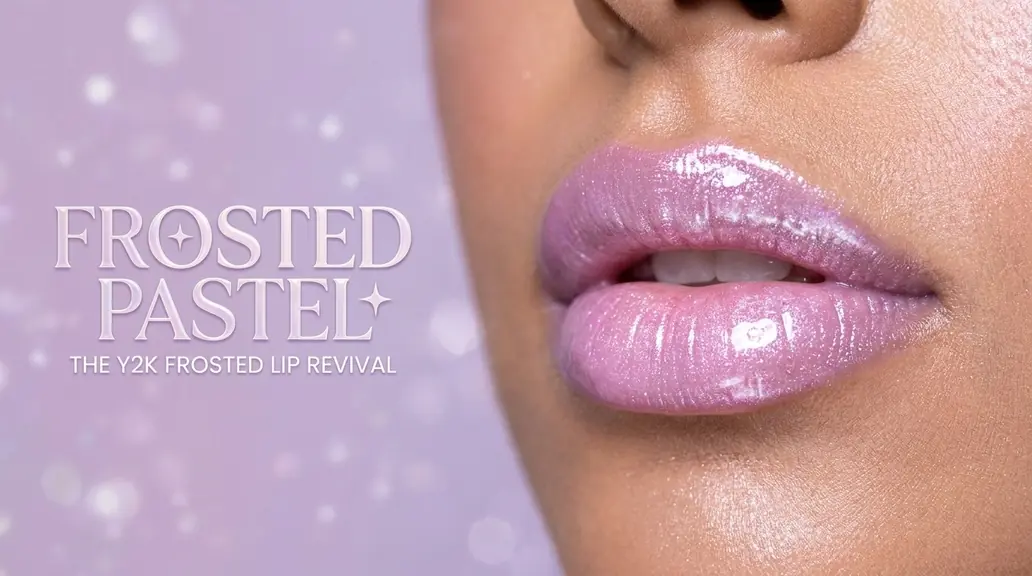
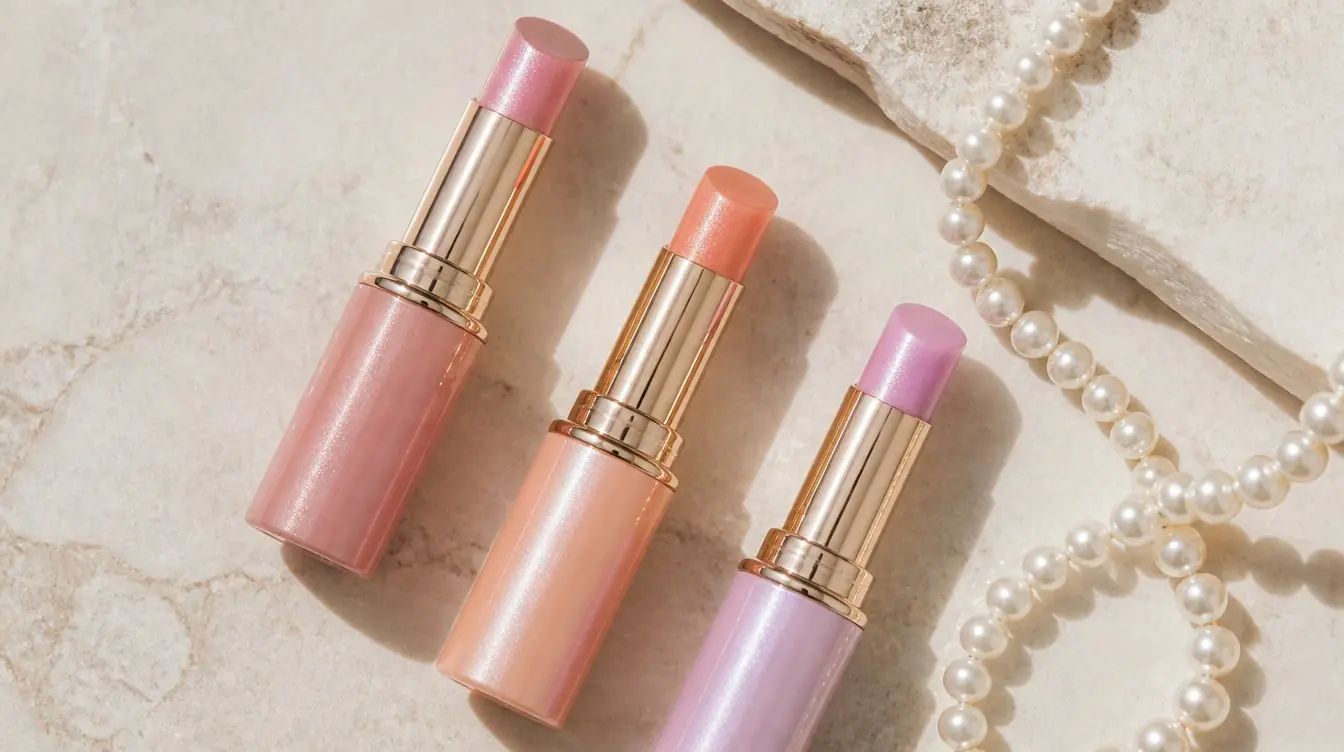
Pearlescent Pink
This is the most popular family and the easiest entry point. Reads romantic and soft on cool and neutral undertones. On warm undertones, pearlescent pink can pull slightly washed out; a soft peachy pearl gives the same finish with better skin compatibility.
Peachy Pearl
The warmest family and the most universally flattering on medium to deep skin. The peach base lights up warmer undertones and reads as a gentle, natural lip enhancement rather than a coloured lip. Reliable everyday choice across the widest range of skin tones.
Lavender or Lilac Pearl
The cool-girl pick. Reads slightly editorial and works particularly well as a topper over a deeper nude lipstick to create a soft contrast. Best worn intentionally rather than as a quick swipe because the cool pigment can look uneven on dry lips.
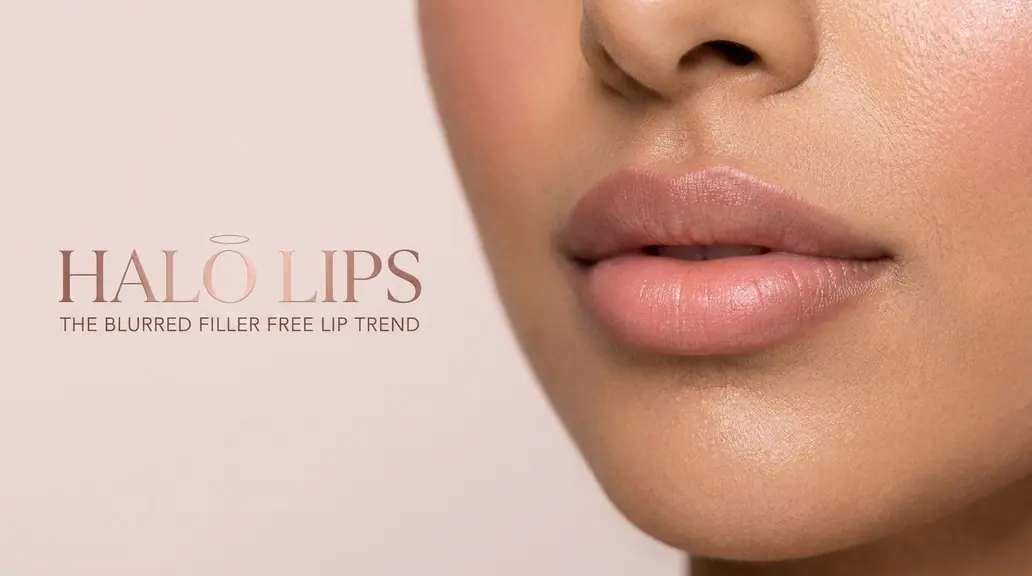
Champagne or Nude Pearl
The most flexible. Adds finish without changing the lip colour, which makes it the safe pick when the rest of the face is already doing the work. Layers cleanly over lipstick, balm, or bare lip.
How to Apply Pearl Pigment Without Looking Frosty
The old criticism of pearlescent lip products was that they looked frosted, ghost-like, or too 1990s. Modern formulas have largely solved the issue at the formula level, but application still matters. Three rules separate a wearable pearl finish from a costume finish.
Start With Hydrated Lips
Pearl pigment sits on the surface of the lip, so dry or flaky lips break up the finish into uneven patches. Exfoliate gently with a soft cloth or sugar scrub the night before, then apply a hydrating balm 10 minutes before the pearl product. This single prep step does more for the finish than any application technique.
Apply Sparingly First, Layer If Needed
One swipe across the lip is usually enough. If you want more intensity, add a second light layer rather than going heavy on the first. Heavy application is where frosted-lip territory begins; light layering keeps the lip looking luminous rather than coated.
Press, Do Not Drag
For the most flattering finish, press the balm onto the lip with your fingertip rather than dragging the tube. Pressing distributes the pigment evenly and gives a softer edge, which is what makes the look read as modern rather than 1990s.
What to Pair Pearl Pigment Balms With
The strongest pairings are dewy, glowy skin and soft makeup. The pearl finish belongs to the same family as cream highlighters and luminous foundations, so the whole face reads as one cohesive aesthetic. The combination to avoid is heavy matte foundation and full powder, which fights the pearl shine and makes the lip look out of place. Soft eye looks, particularly monochromatic or tonal makeup, are the natural partners. A matte eye and a pearl lip work; a glittery eye and a pearl lip are too much shine on one face.
The Best Formulas to Look For
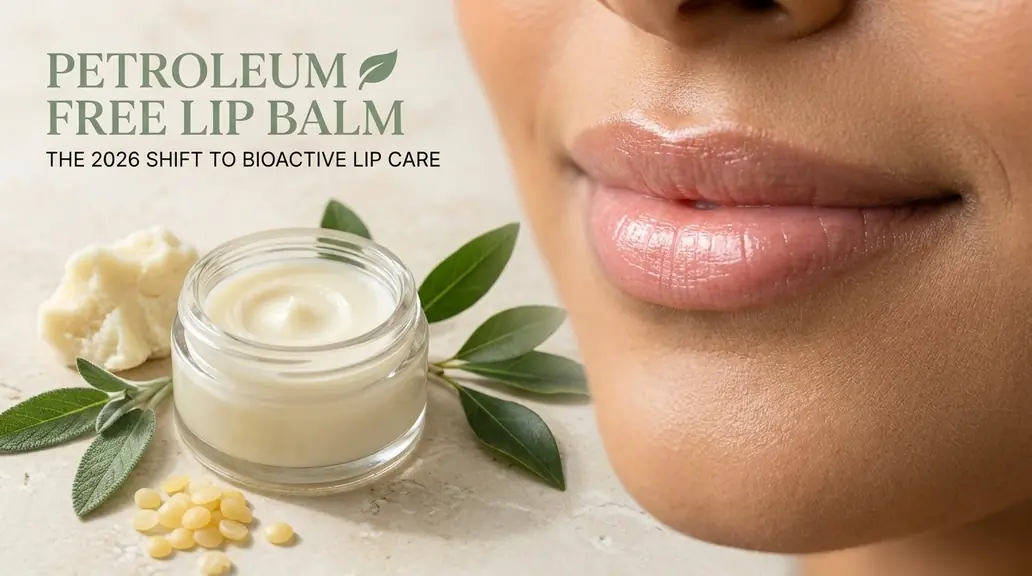
Three ingredients separate a quality pearl pigment balm from a mediocre one. First, the pearl pigment itself should be micronised, which means the particles are small enough to give a sheen rather than visible glitter. Look for mica or synthetic mica on the ingredient list with no large-grain glitter additives. Second, the base should be conditioning. Shea butter, jojoba oil, squalane, and lanolin all keep the lip soft enough for the pigment to sit smoothly. Third, the package should be hygienic for repeated daily wear. Tube applicators tend to be cleaner than open pots. Sticks are also good, but check that the formula does not dry out in the dispenser.
How Long They Last on the Lip
Pearl pigment balms wear for two to four hours of light use before needing a touch-up, which is in line with most tinted balms and shorter than long-wear lipsticks. The good news is that touch-up is fast: one press and the finish returns. Eating and drinking remove the balm faster than talking or kissing because of the oil and friction involved; expect to refresh after meals. The pigment itself does not stain the lip, so removal at the end of the day is the same as removing any other balm.
What 2026 Is Adding to the Category
Two formula upgrades worth knowing. First, pearl pigments are combined with plumping ingredients like peptides and hyaluronic acid, which give the visual finish of pearl plus a slight short-term plumping effect from the active. Second, colour-shifting pearls that flash one shade in cool light and another in warm, which adds dimension without changing the wearable, everyday finish. Both upgrades have appeared in 2026 launches from independent and mass brands and are likely to define the next 12 months of the category.
How to Tell If It Will Suit You Before Buying
Two quick tests. First, swatch the product on the back of your hand and tilt it under different light sources. If the shift looks like sparkle when the hand moves, the pigment is too coarse for daily wear. If it reads as a soft sheen with a hint of colour shift, it is the right grade. Second, apply a small amount to the centre of the lower lip and look in natural light. If the finish reads luminous and the lip looks fuller, it suits you. If the finish reads chalky, the shade is too cool for your undertone; try a warmer family.
Frequently Asked Questions About Pearl Pigment Lip Balm
What is the difference between a pearl pigment lip balm and a regular lip gloss?
A regular lip gloss gets its shine from the liquid base itself, which is why it reads wet-looking and often feels sticky. A pearl pigment lip balm gets its shine from finely milled pearl mineral pigments suspended in a moisturising balm base, which is why it appears as a soft sheen with a faint colour shift in the light rather than a wet liquid. Pearl pigment balms also condition the lip while they sit, where most glosses are neutral for lip health. If you find regular gloss too heavy or sticky, a pearl pigment balm will likely feel more wearable.
Will a pearl pigment lip balm make my lips look chalky or frosted?
Not if you apply it correctly. The old frosted look came from large-grain glitter and heavy application, and modern formulas have switched to micronised pearl pigments that read as ‘sheen’ rather than ‘sparkle’. Start with hydrated lips, apply one light swipe, and press the product in with your fingertip rather than dragging the tube. Build a second layer only if you want more intensity. If the finish still reads chalky on you, the shade family is likely wrong for your undertone; try a warmer peachy pearl if pink reads ashy.
How do I pick a pearl pigment lip balm shade for my skin tone?
Match the pearl shade to your undertone. Cool and neutral undertones flatter best in pearlescent pink and lavender pearls. Warm undertones light up under peachy pearl. Champagne or nude pearl is the universal flexible option that adds finish without changing the lip colour. The shade to be cautious with is light pink pearl on deep skin, where it can read ashy; go for a deeper berry pearl or a warm peachy pearl instead. A swatch on the back of the hand under natural light shows you within seconds whether the shade family works.
Can I wear pearl pigment lip balm over lipstick?
Yes, and the layered version is one of the strongest ways to wear it. A nude or champagne pearl over a deeper nude or rose lipstick gives a luminous shift without changing the underlying colour story. A lavender or lilac pearl over a deeper nude creates a soft, cool-toned contrast that reads editorial. The combination to avoid is a heavy fully matte lipstick under a pearl topper, which can look stripey when the pearl picks up on the matte texture unevenly; use a satin lipstick base instead.
How long does pearl pigment lip balm last on the lip?
Most pearl pigment balms wear two to four hours of light use before fading, which is in line with tinted balms and shorter than long-wear lipsticks. Eating and drinking remove the product faster than talking because of the oil and friction involved; plan to touch up after meals. Touch-up is quick: one light swipe rebuilds the finish in seconds. The pearl pigments themselves do not stain the lip, so end-of-day removal is the same as removing any moisturising balm and requires no special remover.
Is pearl pigment lip balm safe for sensitive lips or daily wear?
Yes, in most cases. The pearl pigments used in modern formulas are mica or synthetic mica, both of which are widely used in skincare and cosmetics with strong safety profiles. The balm base is what determines lip-friendliness; look for shea butter, jojoba oil, squalane, or lanolin, all of which condition the lip while the product sits. Avoid formulas with menthol or strong fragrances if your lips run sensitive. If you have known mica or fragrance allergies, patch test a small swatch on the inside of the wrist for 24 hours before applying to the lip.
RELATED ARTICLES:
- Lip Oils vs Lip Gloss: Which One Is Right for Your Routine
- Hyaluronic Acid for Lips: How It Plumps and Hydrates
- Aromatherapy in Lip Care: Soothing Formulas Worth Trying
About The Author

COMMENTS