












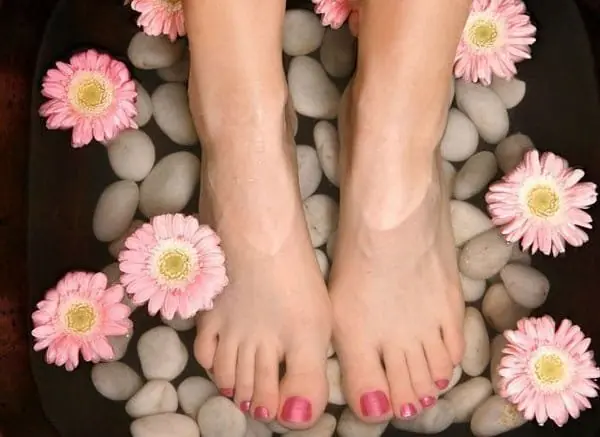
A paraffin pedicure is a spa treatment that immerses your feet in warm paraffin wax to hydrate and soften the skin until it feels smooth and silky.
A paraffin pedicure is a spa treatment that immerses your feet in warm paraffin wax to hydrate and soften the skin until it feels smooth and silky. Performed in a salon or at home, the sealing warmth relieves dry, cracked heels, soothes tired feet, improves circulation, and can even ease joint stiffness linked to conditions like arthritis. This guide explains how the treatment works, its real benefits, and how to get salon-quality results safely.
Published · Updated
Once the wax has cooled and hardened, it is removed and the feet are massaged with a hydrating lotion or oil. This helps to lock in the moisture and leaves the skin feeling soft and silky. The final step involves wrapping the feet in plastic or towels to keep the heat and moisture trapped, allowing the treatment to continue to work its magic.
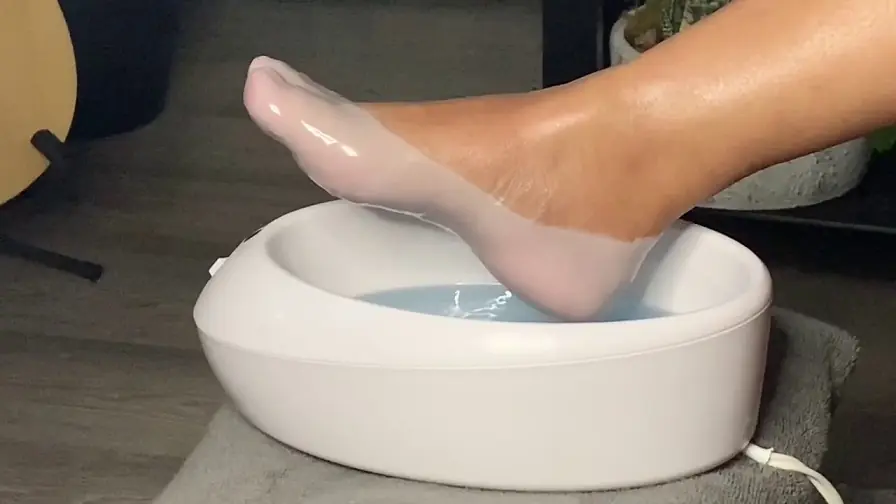
Types of Paraffin Pedicure: There are several different types of paraffin pedicure available, each with its own unique benefits. Some of the most popular types include:
- Classic Paraffin Pedicure
- Herbal Paraffin Pedicure
- Aromatherapy Paraffin Pedicure
- Medicinal Paraffin Pedicure
Classic Paraffin Pedicure: A classic paraffin pedicure involves immersing the feet in warm, plain paraffin wax. This is a simple, straightforward treatment that is perfect for those looking to hydrate and soften their feet.
Herbal Paraffin Pedicure: A herbal paraffin pedicure involves adding essential oils and herbal extracts to the paraffin wax. This type of treatment is designed to provide extra benefits, such as aromatherapy and deep hydration. Some of the most popular essential oils used in herbal paraffin pedicures include lavender, peppermint, and eucalyptus.
Aromatherapy Paraffin Pedicure: An aromatherapy paraffin pedicure is similar to a herbal paraffin pedicure, but focuses specifically on the use of essential oils for aromatherapy benefits. Essential oils are added to the paraffin wax to create a relaxing and rejuvenating experience. Some of the most popular essential oils used in aromatherapy paraffin pedicures include lavender, peppermint, and eucalyptus.
Medicinal Paraffin Pedicure: A medicinal paraffin pedicure involves the use of medicated paraffin wax to treat specific foot conditions. This type of treatment is perfect for those with conditions such as arthritis, tendonitis, and plantar fasciitis. The medicated paraffin wax is designed to help relieve pain and stiffness in the feet, making this type of
paraffin pedicure a great option for those looking for therapeutic relief.
Preparation for Paraffin Pedicure: Before a paraffin pedicure, it is important to properly prepare your feet. This includes:
- Cleaning and drying the feet thoroughly
- Removing any nail polish or nail treatments
- Trimming and filing the nails
- Pushing back the cuticles
It is also important to let your pedicurist know of any medical conditions or skin sensitivities you may have, as certain products may not be suitable for your skin type.
Step by Step Paraffin Pedicure Procedure: A typical paraffin pedicure procedure can be broken down into the following steps:
- Soak the feet in warm water to soften the skin and prepare it for the treatment.
- Apply a special lotion or oil to the feet to help the paraffin wax adhere better.
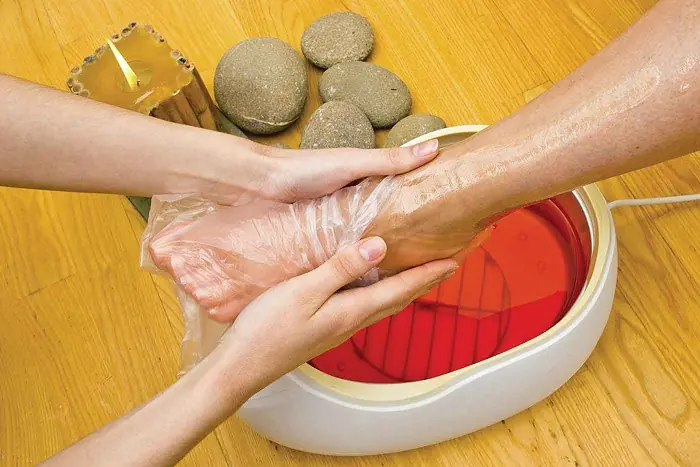
- Immerse the feet in warm paraffin wax for several minutes, allowing the heat and moisture to penetrate the skin.
- Remove the hardened paraffin wax and massage the feet with a hydrating lotion or oil.
- Wrap the feet in plastic or towels to keep the heat and moisture trapped, allowing the treatment to continue to work its magic.
- Remove the plastic or towels and massage the feet once more for a final touch.
Aftercare for paraffin pedicure: It is important to properly care for your feet after a paraffin pedicure to ensure that the benefits of the treatment last as long as possible. Some tips for aftercare include:
- Refrain from using harsh soaps and chemicals on the feet.
- Opt for open-toed shoes to provide proper ventilation for the feet.
- Incorporate a daily routine of applying a nourishing foot cream.
- Avoid activities that might result in excessive sweating, such as exercise or hot baths.”
In conclusion, paraffin pedicure is a luxurious and relaxing spa treatment that offers numerous benefits for the feet. From hydrating the skin to relieving pain and stiffness in joints, this treatment is a great way to pamper oneself and improve the health of the feet. Whether you opt for a classic, herbal, aromatherapy, or medicinal paraffin pedicure, the warmth and moisture of the paraffin wax will leave your feet feeling soft, smooth, and rejuvenated.
Frequently Asked Questions About Paraffin Pedicure
What does a paraffin pedicure actually do?
A paraffin pedicure layers heated cosmetic-grade wax over freshly cleaned, exfoliated, and moisturised feet, then wraps them in plastic bags and warm towels for ten to fifteen minutes. The wax traps body heat and pushes moisturiser deeper into the skin, softens calluses, soothes joint stiffness, and leaves the feet noticeably softer than a regular pedicure. The treatment is particularly helpful in cold weather, for people with arthritis or circulation issues, and for anyone with chronic dry heel cracks. The softening effect lasts about a week with daily foot cream maintenance.
Is paraffin pedicure safe for everyone?
Paraffin is safe for most adults but not appropriate for everyone. Skip the treatment if you have open cuts or wounds, active fungal infections, diabetes with neuropathy, poor circulation, varicose veins, or burn-sensitive skin. Anyone with sensitive skin should patch test the wax temperature first, since salon machines occasionally overheat. Pregnancy is generally fine for paraffin if the feet are not swollen or sensitive. Always inform your technician of any health conditions before the treatment so they can adjust temperature and timing or recommend a different option.
How long does the softening from a paraffin pedicure last?
Most people enjoy noticeably softer feet for five to seven days after a paraffin treatment, with the full benefit fading by the two-week mark. Daily application of a urea or glycerin-rich foot cream extends the result. Skipping daily moisturiser shrinks the benefit to two or three days. Schedule paraffin pedicures every three to four weeks for ongoing maintenance, particularly during cold-weather months when feet dry faster. Combine with weekly at-home foot soaks and a pumice stone for the most lasting smoothness.
Can you do a paraffin treatment at home?
Yes, home paraffin kits with a small warming bath, cosmetic wax pellets, and plastic liners are widely available and safe with basic precautions. Always check the wax temperature with a thermometer before dipping, follow the manufacturer’s instructions, and keep the wax bath out of reach of children. Avoid microwaving wax in a regular kitchen container, which heats unevenly and can burn. Replace the wax every three to six months depending on use frequency. A home setup pays for itself within four professional treatments and adds a convenient weekly option.
How often should you get a paraffin pedicure?
Once every three to four weeks is the typical maintenance schedule for ongoing soft feet, particularly during dry seasons or winter. People with chronic heel cracks or very dry skin can benefit from weekly paraffin during the worst months. More frequent treatment is generally safe but offers diminishing returns. Pair with daily foot cream, a weekly pumice routine, and proper footwear that does not over-dry the soles. The combination of routine paraffin and daily home care delivers the most consistent foot softness without overdoing salon visits.
Is paraffin pedicure good for cracked heels?
Paraffin treatments help cracked heels by deeply moisturising the surrounding skin and softening the thick callus that traps the cracks, but they do not heal active deep fissures alone. For severe cracks, see a podiatrist or use a urea-based heel cream at twenty percent or higher applied nightly with cotton socks. Use paraffin once a week as a supportive treatment alongside the urea cream and weekly pumice. The combined approach usually closes mild to moderate cracks within three to four weeks, with maintenance preventing recurrence.
RELATED ARTICLES:
Athletic or Sports Pedicure: A Comprehensive Guide for Athletes and Sports Enthusiasts
Indulge in Sweet Relaxation: A Comprehensive Guide to Ice Cream Pedicures
Transform Your Tired Feet with a Decadent Chocolate Pedicure
Waterless Pedicure: A Revolutionary Approach to Foot Care
How to Get Spa-Quality Results with a Salt Pedicure at Home
About The Author

COMMENTS