












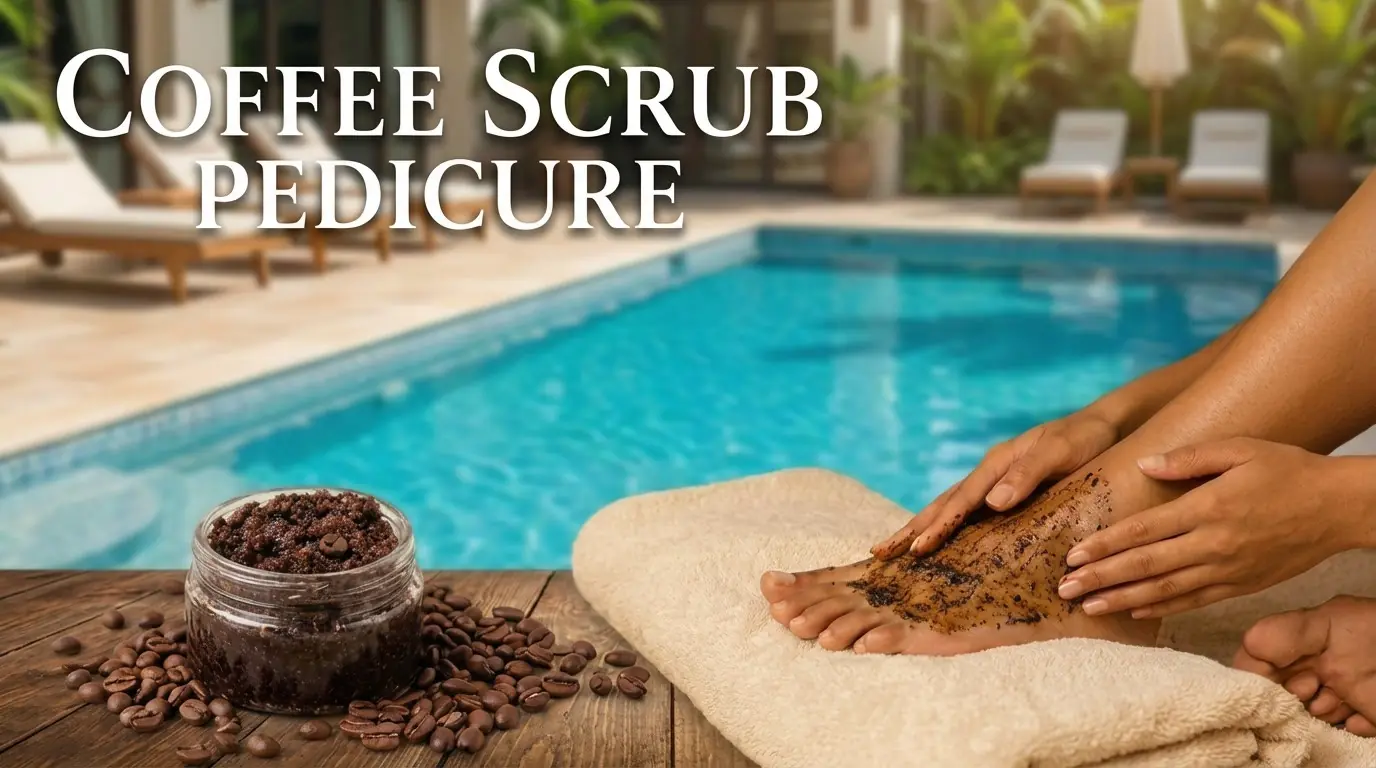
Coffee scrub pedicure is the at-home ritual your tired, swollen feet have been craving. By pairing the gritty exfoliating power of coffee grounds with
Coffee scrub pedicure is the at-home ritual your tired, swollen feet have been craving. By pairing the gritty exfoliating power of coffee grounds with the circulation-boosting punch of caffeine, it sloughs away rough skin and helps ease that heavy, puffy end-of-day feeling. This is more than a trend; there is real science behind why coffee works so well on the thicker skin of the feet. Here you will find the chemistry, four DIY recipes, and a full step-by-step routine.
If your feet feel heavy, puffy, and rough at the end of the day, you are not alone. Millions of women deal with tired, aching feet every single day, and the beauty industry has taken notice. One of the most effective and satisfying treatments you can do at home is a coffee scrub pedicure, a ritual that combines the gritty exfoliating power of coffee grounds with the circulation-boosting properties of caffeine to leave your feet feeling genuinely transformed. This is not just a trendy beauty hack. There is real science behind why coffee works so well on skin, particularly on the thicker, more neglected skin of the feet. This guide covers everything you need to know, from the chemistry of caffeine to four detailed DIY recipes, a full step-by-step pedicure routine, and expert guidance on how to get the most out of every session.
Published · Updated
The Role of Caffeine in Skin Circulation
Caffeine is a vasoconstrictor, meaning it causes blood vessels to temporarily tighten. This may sound counterintuitive for something meant to relieve swelling, but the mechanism is more nuanced than it appears. When caffeine is applied topically and worked into the skin through massage, it stimulates local circulation in a way that encourages lymphatic drainage. The lymphatic system is responsible for removing excess fluid from tissues, and when it becomes sluggish, which happens easily in the lower limbs due to gravity, lymph builds up and causes that familiar puffy, heavy sensation.
The massaging action required to apply a coffee scrub compounds this effect significantly. The combination of caffeine penetrating the skin and the physical manipulation of tissue encourages fluid to move away from the extremities and back toward the body’s central circulation. This is why people who do coffee scrub treatments on their feet consistently report that the swelling and puffiness they came in with are noticeably reduced afterwards.
Research into topical caffeine has shown that the molecule is small enough to pass through the skin barrier when applied in a vehicle, such as an oil or cream. This transdermal absorption means caffeine is not just sitting on top of the skin. It is actually reaching the blood vessels just beneath the surface and influencing their behaviour. For feet that spend hours crammed into shoes and pressed against hard floors, this kind of localised vascular stimulation is genuinely therapeutic.
Antioxidants in Coffee Grounds
Coffee is one of the most antioxidant-rich foods, and those antioxidants remain when brewed. Used coffee grounds still contain significant concentrations of polyphenols, particularly chlorogenic acids, which are potent free radical scavengers. When applied to the skin, these compounds help neutralise oxidative stress caused by UV exposure, environmental pollution, and the general wear and tear of daily life.
The skin on the feet is particularly prone to oxidative damage because it is almost constantly exposed to the elements. The tops of the feet receive sun exposure that most people never bother to protect with sunscreen, and the soles endure friction and pressure that generates local inflammation. Antioxidants from coffee grounds help counteract both of these stressors by quenching the inflammatory signals that lead to rough, discoloured, and prematurely aged skin.
Chlorogenic acid has been studied for its ability to stop melanin synthesis, which means using coffee-based treatments on the feet may help fade dark spots, uneven tone, and discolouration around the heels and ankle creases. This brightening effect is one of the reasons coffee scrubs have become so popular in comprehensive pedicure routines.
The Physical Exfoliation Science
The texture of coffee grounds uniquely suits the job of foot exfoliation. The particles are coarser than many commercially produced scrubs, which often use fine sugar or salt that dissolves almost immediately on contact with wet skin. Coffee grounds hold their structure throughout the scrubbing process, maintaining consistent abrasion from the first stroke to the last.
The size and shape of coffee grounds also matter. They are irregular and varied in size, which means they create a more effective mechanical exfoliation pattern than uniform synthetic microbeads ever could. This irregular abrasion dislodges dead skin cells from multiple angles simultaneously, getting into the texture of rough heel skin in a way that smooth particles simply cannot.
On the feet, where the stratum corneum (the outermost layer of dead skin cells) is up to ten times thicker than it is on the face, this level of abrasion is precisely what is needed. Gentle facial scrubs simply do not have the grit to make a meaningful difference on heavily calloused heels. Coffee grounds deliver the physical force necessary to actually clear away that dead skin buildup, revealing the softer, healthier skin beneath.
Understanding Foot Swelling: Why Your Feet Get So Tired
To fully appreciate what a coffee scrub pedicure can do for swollen, weary feet, it is worth understanding why feet swell and ache in the first place. The causes are varied, and some are more addressable with topical treatment than others.
Gravity and Prolonged Standing
The most common cause of foot swelling is simply gravity. The heart constantly pumps blood and lymphatic fluid downward, and gravitational force pulls it further down. The return journey upward, against gravity, depends on muscle contractions in the calves and the one-way valves inside your veins. When you stand or sit in one position for long periods, the calf muscle pump does not activate frequently enough, and fluid begins to pool in the lower legs and feet.
This is why your feet are puffier at the end of the day than in the morning. After a full night of lying horizontal, the fluid redistributes, and your feet look and feel much better. By evening, after hours on your feet or at a desk, the accumulation is at its worst. A coffee scrub pedicure performed in the evening targets this exact problem by stimulating circulation and promoting fluid drainage at the moment when you need it most.
Footwear and Friction
Shoes that are too tight, too narrow, or have inadequate arch support create localised pressure points that trigger inflammation. Inflammation causes capillaries in the affected area to become more permeable, leaking fluid into surrounding tissues. This is why a day in ill-fitting heels can leave your feet not just sore but visibly swollen around specific pressure points.
Friction between the skin and shoe material also generates micro-tears in the outer layers of skin, which the body responds to by producing extra layers of keratin as protection. Over time, this is how calluses form. The heel and the ball of the foot are particularly vulnerable because they bear the most weight and experience the most friction. A consistent coffee scrub routine helps manage this buildup before it becomes thick, cracked, and painful.
Hormonal Fluctuations
Many women notice that their feet are more prone to swelling at certain times of their menstrual cycle, during pregnancy, or during perimenopause. Oestrogen and progesterone influence fluid retention throughout the body, and the feet and ankles are often the first place this retention becomes visible. While no topical treatment can override hormonal changes, the massage component of a coffee scrub pedicure can provide meaningful relief by mechanically moving that retained fluid toward lymphatic drainage points.
Heat and Warm Weather
Warm temperatures cause blood vessels to dilate, which is the body’s way of releasing heat. This vasodilation, while essential for temperature regulation, also means more blood is being pushed to the extremities. Combined with gravity, hot weather is a reliable recipe for swollen, uncomfortable feet. Coffee’s vasoconstricting properties are particularly useful in this context, helping to counteract the excessive vasodilation that heat causes.
The Full Benefits of a Coffee Scrub Pedicure
Pulling together everything discussed above, here is a comprehensive picture of what regular coffee scrub pedicures can deliver for your feet.
Reduction in Visible Puffiness
The combination of caffeine’s vascular effects and the vigorous massage needed to apply the scrub works directly on the fluid retention that causes puffiness. Most people notice a visible difference in the contours of their feet and ankles within minutes of completing the treatment. The effect is temporary but significant, making this treatment a great option to do before occasions where you want your feet to look their best in open-toed shoes.
Smoother, Softer Skin Texture
Consistent exfoliation with coffee grounds removes the dead skin accumulation that makes feet look dull, grey, and rough. Over time, with weekly or twice-weekly treatments, the overall texture of the skin on your feet improves dramatically. Heels that were once dry and beginning to crack become smooth and soft. The skin on the tops of the feet becomes more even and bright.
Improved Skin Tone and Brightness
The antioxidants and chlorogenic acids in coffee grounds contribute to a more even skin tone on the feet. Dark spots around the ankle bones, discolouration on the knuckles of the toes, and the greyish tone that heavily calloused skin tends to develop all respond well to consistent coffee treatment. This brightening effect builds gradually over several weeks of regular use.
Temporary Odor Control
Coffee grounds are a natural deodoriser. The same properties that make them effective at absorbing odours in refrigerators also work on foot odour. Scrubbing the feet thoroughly with coffee grounds removes the dead skin, sweat residue, and bacteria that contribute to foot odour, leaving the feet smelling clean and neutral. When the scrub is combined with ingredients like peppermint or tea tree oil, the deodorising effect is even more pronounced.
Relaxation and Stress Relief
A proper coffee scrub pedicure significantly relaxes you psychologically and physiologically, and you should not underestimate this benefit. The warm water soak that precedes the scrub, the rhythmic massaging action during the scrub, and the aromatic scent of coffee all contribute to a genuine reduction in stress hormones. Cortisol drops when the body receives this kind of attentive, sensory-rich care, and many women find that a thorough foot treatment before bed measurably improves their sleep quality.
Four DIY Coffee Scrub Recipes for Every Need
The best thing about coffee scrubs is how easy and inexpensive they are to make at home. All of the following recipes use ingredients that are either already in your kitchen or easily available at any grocery or health food store. Used coffee grounds are perfectly suitable and are actually preferred by many people because the brewing process removes some of the acidity while retaining all of the beneficial compounds.
Recipe 1: The Basic Coffee Foot Scrub
This is the foundation recipe, and it works beautifully on its own. It is ideal for beginners or for anyone who wants a quick, no-fuss treatment.
You will need half a cup of used or fresh coffee grounds, three tablespoons of olive oil, and one tablespoon of granulated white sugar. The olive oil provides lubrication that lets the coffee grounds glide across the skin without causing irritation, while also delivering its own dose of fatty acids and vitamin E to nourish the skin. The sugar adds a secondary layer of exfoliation that is finer than the coffee grounds, helping to smooth the skin between the larger particles.
To make the scrub, combine all three ingredients in a small bowl and stir until the mixture holds together. It should be thick enough to stay on the skin when applied but loose enough to move freely under your fingers. If it feels too dry, add olive oil one teaspoon at a time. Apply to damp, soaked feet and scrub in firm circular motions for three to five minutes per foot, paying extra attention to the heels, balls of the feet, and the sides of the big toes where calluses most commonly develop.
Recipe 2: Coffee and Coconut Oil Nourishing Blend
This recipe is particularly good for feet that are very dry or cracked. Coconut oil is one of the most effective natural moisturisers for thick, dry skin, as it is rich in medium-chain fatty acids that penetrate deeply and create a lasting moisture barrier.
You will need half a cup of coffee grounds, three tablespoons of melted coconut oil, one teaspoon of raw honey, and half a teaspoon of vanilla extract. The honey is a humectant, meaning it draws moisture from the environment into the skin. The vanilla extract is purely for sensory pleasure, but that pleasure is part of the therapeutic value of the treatment.
Melt the coconut oil gently if it is solid, then combine all ingredients and mix thoroughly. This scrub has a richer, creamier texture than the basic recipe, and it leaves a more noticeable moisture film on the skin after rinsing. After using this scrub, your feet will not need additional moisturiser in most cases, although you can still apply a foot cream if you prefer. This is also an excellent recipe for use in the colder months when dry, cracked heels are at their worst.
Recipe 3: Coffee and Sea Salt Deep Exfoliation Variant
For feet with particularly stubborn calluses or very thick, rough skin, this recipe adds coarse sea salt to the coffee grounds for a more aggressive exfoliation experience. Sea salt also contains magnesium, which is absorbed transdermally and has muscle-relaxing properties, making this recipe especially appropriate for feet that are tired and achy from physical activity.
You will need half a cup of coffee grounds, three tablespoons of coarse sea salt, two tablespoons of jojoba oil, and ten drops of lavender essential oil. Jojoba oil is technically a liquid wax rather than an oil, which means it does not go rancid as quickly as true oils and is less likely to clog pores. Lavender essential oil provides aromatherapy benefits and has mild anti-inflammatory properties that complement the other ingredients well.
Combine everything and mix well. This scrub will feel significantly more abrasive than the basic recipe, which is intentional. Use it with moderate pressure and pay attention to how your skin is responding. On areas that are already red or irritated, use lighter pressure or skip those spots entirely. Rinse thoroughly, as salt residue left on the skin can draw moisture out over time. Follow with a generous application of foot balm or cream.
Because this recipe is more aggressive, reserve it for once-weekly use rather than more frequent treatments. It is not appropriate for anyone with particularly sensitive skin or conditions like eczema or psoriasis on the feet.
Recipe 4: Coffee and Mint Cooling Treatment
This recipe is designed specifically for hot days, post-exercise recovery, or any time your feet feel overheated and swollen. Peppermint creates an immediate, intense cooling sensation through its menthol content, which activates cold-sensitive receptors in the skin. This cooling effect is purely sensory, but it is deeply refreshing and provides immediate relief from the heavy, burning discomfort of overworked feet.
You will need half a cup of coffee grounds, two tablespoons of coconut oil, one tablespoon of fresh or dried peppermint (or fifteen drops of peppermint essential oil), and one tablespoon of aloe vera gel. Aloe vera is anti-inflammatory and immediately soothing to hot, irritated skin. Its gel-like texture also helps the scrub adhere to the skin during application.
Mix all ingredients together, keeping the mixture cool. If you are using solid coconut oil, you do not need to melt it for this recipe. The small solid pieces will melt on contact with skin during massage. Apply this scrub to feet that have been soaked in cool or lukewarm water rather than hot water to enhance the cooling effect. The combination of peppermint, coffee, and cool water creates a sensation that is intensely refreshing and genuinely effective at reducing the hot, swollen feeling that comes with heat-related foot discomfort.
Step-by-Step Full Coffee Scrub Pedicure Routine
A truly effective pedicure is more than just applying a scrub and rinsing. The following routine transforms a simple scrub into a comprehensive treatment that addresses every aspect of foot health and appearance.
Step 1: Gather Your Supplies
Before you begin, collect everything you need so the process can flow without interruptions. You will need a basin or large bowl big enough to comfortably soak both feet; warm water; a few drops of your preferred bath oil or Epsom salt for the soak; your chosen coffee scrub recipe; a pumice stone or foot file; a soft towel; cuticle oil or a cuticle pusher; nail clippers and a file if you plan to address the nails; and a rich foot cream or balm for the final step.
Step 2: The Preparatory Soak
Fill your basin with warm water. The water should be comfortably hot but not scalding. Add a quarter cup of Epsom salt if you have it available. Epsom salt is magnesium sulphate, and soaking in it helps relax tight muscles in the feet and ankles while also softening the skin to prepare it for exfoliation. Alternatively, a few drops of essential oil or a small squirt of shower gel will make the soak feel more luxurious without any particular therapeutic benefit.
Soak your feet for ten to fifteen minutes. This step is genuinely important, not optional. Soaking softens the stratum corneum substantially, allowing the coffee scrub to remove far more dead skin than it could on dry feet. If you skip the soak, the scrub will still help, but results will be much less dramatic. Use the soaking time to relax, breathe, and allow your nervous system to begin settling.
Step 3: Initial Nail and Cuticle Care
After the soak, pat your feet semi-dry and take a few minutes to address the nails before applying the scrub. Clip nails straight across to prevent ingrown toenails, then file the edges smooth. Use a cuticle pusher to gently push back any overgrown cuticle tissue. Apply a small amount of cuticle oil if available and work it into the cuticles with your fingernail. This step is done before the scrub because the scrubbing action will then clean up any small bits of loose skin around the nails and leave the nail area looking neat and refined.
Step 4: Apply and Work the Coffee Scrub
Take a generous handful of your prepared coffee scrub (roughly three tablespoons per foot) and begin applying it to one foot. Start at the heel, which is typically the roughest area, and work the scrub into the skin using firm, circular motions. Use the pads of your fingers and your palm to apply meaningful pressure. You should feel the coffee grounds working against the skin.
Spend about two full minutes on each heel, working the scrub into the entire heel pad and up the lower sides of the heel, where skin tends to thicken. Move forward to the arch, applying lighter pressure since this area has less buildup. Then address the ball of the foot and the area between the toes, working the scrub into the spaces where moisture accumulates and skin can become macerated and rough. Finally, work the scrub across the tops of the toes and the top of the foot, using very gentle pressure here, since this skin is much thinner.
Repeat the entire process on the second foot. Total scrubbing time for both feet should be about five to eight minutes for optimal results.
Step 5: Pumice Stone Work
Before rinsing the scrub, use a pumice stone on any areas where calluses remain after the scrubbing. The coffee scrub will have softened the dead skin considerably, making the pumice stone more effective than it would be on dry or unprepared skin. Use the pumice in firm, back-and-forth strokes over the heel and the ball of the foot. Rinse the pumice stone periodically to clear away the dead skin accumulation. Work until the skin in those areas feels distinctly smoother under your fingers.
Do not overwork any area with the pumice stone. Some redness is normal and expected, but if the skin starts to feel raw or stings, stop and move on. The goal is progressive improvement over multiple sessions, not achieving perfectly smooth heels in a single treatment.
Step 6: Rinse Thoroughly
Rinse both feet completely in warm water, making sure to remove all coffee grounds from between the toes and around the nails. Coffee grounds are small and can hide in the spaces between toes, so be thorough. After rinsing, do a final brief soak in clean warm water to make sure all scrub residue is gone. Pat feet dry with a soft towel, pressing gently rather than rubbing to avoid irritating the freshly exfoliated skin.
Step 7: Moisturize and Seal
This step is critical. Freshly exfoliated skin is more receptive to moisturiser than skin with a layer of dead cells blocking absorption. Apply a generous amount of foot cream, shea butter balm, or thick body lotion to both feet immediately after drying them. Work the moisturiser into every part of the foot, especially the heels and the cuticle area around each toenail.
For an intensive treatment, apply the moisturiser and then put on a pair of cotton socks. Wearing socks for an hour or overnight after the treatment seals the moisture in and allows the cream to penetrate more deeply, resulting in significantly softer feet by morning.
Step 8: Nail Polish (Optional)
If you want to finish with nail polish, wait until the moisturiser has been fully absorbed, which takes about fifteen to twenty minutes. Apply a base coat, two thin coats of colour, and a top coat for a professional-looking finish. The clean, well-maintained nails from earlier in the routine will hold the polish much more evenly than nails with rough edges or excess cuticle tissue.
The Best Time of Day for Your Coffee Scrub Pedicure
Timing your coffee scrub pedicure correctly can significantly enhance the results you get. The ideal time for most people is the evening, roughly one to two hours before bed. There are several reasons this timing works so well.
First, feet are typically at their most swollen and fatigued in the evening after a full day of activity. Treating them at this point addresses the problem when it is most present and when the relief will be most immediately felt. Second, applying a rich moisturiser and wearing socks overnight after the treatment gives the skin a full night to absorb and benefit from the hydration without the interruption of walking, friction from shoes, or additional sweat and dirt accumulation. Third, the relaxing nature of the treatment, the warm soak, the rhythmic massage, and the aromatic scent of coffee create an excellent pre-sleep ritual that can improve the quality of your sleep.
That said, there is no harm in doing the treatment in the morning or midday if that is when you have the time. The exfoliation benefits are identical regardless of timing. The moisturisation results will be somewhat reduced compared to an overnight sock treatment, but a good foot cream applied in the morning and given thirty minutes before putting on shoes will still deliver meaningful hydration.
Coffee Scrubs Across Different Skin Types and Sensitivities
One of the reasons coffee scrubs have become so widely embraced is that they are generally appropriate for an expansive range of skin types. However, there are some important nuances to understand based on your specific skin situation.
Normal to Dry Skin
People with normal to dry skin on their feet will benefit most from the coconut oil or olive oil-based recipes, which deliver exfoliation and hydration simultaneously. The richer the oil base, the more nourishing the treatment. This skin type can typically handle the coffee and sea salt recipe once a week without issue, using a gentler oil-based recipe for additional treatments during the same week.
Sensitive Skin
If your feet are prone to redness or irritation, or you have a history of reactions to skincare products, start with the basic recipe and use it with lighter pressure than you think you need. The first session should be a test session. Apply the scrub for just two minutes total on both feet and rinse thoroughly. If there is no reaction after twenty-four hours, you can gradually increase the duration and pressure of subsequent treatments.
Avoid the sea salt recipe entirely if your skin is sensitive, as the combination of salt and aggressive abrasion can cause significant irritation. Peppermint essential oil can also be irritating to very sensitive skin, so if you want to try the cooling recipe, use a smaller amount of peppermint or replace it with spearmint, which is milder.
Skin Conditions
If you have an active skin condition on your feet, including eczema, psoriasis, fungal infections, or open wounds or cuts, do not use any scrub treatment until the condition has resolved. Abrasion on compromised skin can worsen inflammation, introduce bacteria into broken skin, and cause genuine harm. Once the skin has healed, speak with a dermatologist about when it is safe to resume exfoliation and what level of intensity is appropriate.
Mature Skin
Skin becomes thinner and more delicate with age, even on the feet. Women over fifty should use coffee scrubs with a somewhat lighter touch than younger women, even though the feet may still be quite rough. The skin’s ability to regenerate after abrasion slows with age, so more frequent and aggressive treatments can leave the skin vulnerable rather than healthier. Once a week with a gentle oil-based recipe is a good starting framework for mature skin.
How Often Should You Use a Coffee Scrub on Your Feet
Frequency is a common question about foot scrub treatments, and the answer depends on your feet’ condition and the recipe’s aggressiveness.
For feet with heavy callus buildup, rough heels, or significant dryness, starting with twice-weekly treatments for the first month is reasonable. This more frequent approach will make noticeable progress on the backlog of dead skin buildup before transitioning to a maintenance schedule. Use the gentler oil-based recipes for this intensive phase to avoid over-exfoliating.
Once your feet have reached a baseline level of smoothness and softness, once-weekly treatments are sufficient for most people to maintain those results. If you are particularly active or your feet take a lot of daily abuse from standing, manual work, or intense exercise, you might maintain twice-weekly sessions as your regular schedule indefinitely.
The salt-enhanced recipe, because it is more aggressive, should be limited to a maximum of once per week, even for people with very rough feet. More frequent use of highly abrasive scrubs can strip away not just dead skin but also the healthy, younger skin beneath it, leading to sensitivity and redness rather than improvement.
There is no meaningful benefit to using a coffee scrub more than three times per week on the feet, regardless of their condition. The skin needs time between treatments to regenerate and for the moisturising effects of the oil base to fully penetrate. Over-exfoliating is a real phenomenon, and it produces skin that is irritated, red, and paradoxically rough-feeling rather than smooth.
What to Pair with Your Coffee Scrub Pedicure
The coffee scrub is the centrepiece of the treatment, but what you use alongside it and afterward has a significant impact on the overall results. Here are the most effective pairings.
Foot Oils for Pre-Treatment
If your feet are extremely dry and cracked before the soak, apply a small amount of argan oil or vitamin E oil to the driest areas and let it sit for ten minutes before starting your soak. This pre-softening step makes the subsequent exfoliation much more effective by hydrating the very outer layers of dead skin so they release more easily during scrubbing.
Balms for Post-Treatment
A thick balm with occlusive ingredients like beeswax, petroleum jelly, or lanolin applied after the treatment creates a seal over the freshly exfoliated skin that locks in moisture for hours. Balms are more effective than lightweight lotions for post-exfoliation care because they physically block transepidermal water loss, preventing the freshly exposed skin from drying out. Foot balms specifically formulated with urea are particularly effective because urea is a keratolytic agent that continues to soften any remaining rough skin even after the physical scrubbing is done.
Epsom Salt Soaks
Pairing your coffee scrub with a preliminary Epsom salt soak, as described in the step-by-step routine above, is one of the most effective combinations available. Magnesium from the Epsom salt penetrates the skin during the soak and promotes muscle relaxation. This means that by the time you apply the coffee scrub, the muscles and soft tissues of the feet are already partially unwound, making the massage component even more effective at releasing tension and encouraging lymphatic drainage.
Essential Oil Blends
Adding specific essential oils to your coffee scrub can target particular concerns. Tea tree oil has well-documented antimicrobial properties and is effective for feet that are prone to odour or fungal issues. Add five to eight drops per half cup of scrub. Rosemary oil has circulation-stimulating properties that complement caffeine’s vascular effects nicely. Frankincense oil is anti-inflammatory and supports skin cell regeneration, making it a good addition for mature skin or for feet recovering from particularly heavy callus buildup.
Common Mistakes to Avoid
Even a relatively simple treatment like a coffee scrub pedicure can produce disappointing results if you make certain common errors. Being aware of these pitfalls will help you get the best possible outcome from every session.
Skipping the Soak
This is by far the most common mistake. Many people try to speed through the pedicure by applying the scrub to dry or only briefly wet feet. The results are dramatically inferior. The soak is not a luxury addition to the routine. It is an essential preparatory step that determines how effective the scrubbing phase will be. Give your feet the full ten to fifteen minutes they need.
Using Too Little Product
A coffee scrub that is applied too thinly will not have enough abrasive material in contact with the skin to do meaningful work. Use a genuinely generous amount, at least three tablespoons per foot, and do not be shy about reapplying partway through if the scrub has mostly been absorbed or rubbed away.
Rushing the Scrub
Two minutes of vigorous scrubbing per foot is the minimum for a meaningful treatment. Many people spend thirty to sixty seconds on each foot and wonder why the results are not more dramatic. Slow down, apply real pressure, and give the coffee grounds time to do their work. This is a treatment, not a quick rinse.
Skipping the Moisturizer
Exfoliation without immediate moisturisation is counterproductive. When you remove dead skin, you expose younger, more vulnerable skin to the environment. That skin will dry out much faster than the toughened outer layer did, leading to feet that feel rough again within a day or two despite all the scrubbing work. Always finish with moisturiser, and if possible, always use socks afterwards.
Over-Exfoliating
As noted in the frequency section, more is not always better when it comes to exfoliation. If your feet feel raw, sting in the shower, or look unusually red and irritated after a treatment, you are either using too much pressure, too aggressive a recipe, or doing treatments too frequently. Take a week off to let the skin recover, then resume with a gentler approach.
Ignoring the Tops of the Feet and Toes
Most people focus all their attention on the heels and soles, which is understandable since that is where the roughest skin lives. But the tops of the feet and the toe knuckles also accumulate dead skin and can develop uneven tone and texture. Including these areas in your scrub routine, with lighter pressure appropriate to the thinner skin, contributes significantly to an overall polished, well-cared-for appearance.
Storing Your Coffee Scrub
If you make a larger batch of coffee scrub, proper storage will determine how long it remains effective and safe to use. Because most recipes contain oil, which can go rancid, and no preservatives, home coffee scrubs should be stored in an airtight container in the refrigerator. Under these conditions, an oil-based coffee scrub will typically remain fresh and effective for two to three weeks.
Scrubs made with fresh ingredients like aloe vera gel or fresh peppermint have a shorter shelf life of about one week in the refrigerator. If the scrub develops an off smell, an unusual colour, or any visible mould, discard it immediately and make a fresh batch. Never use a scrub that shows any signs of spoilage, as applying spoilt ingredients to freshly exfoliated skin carries a real risk of irritation or infection.
Scrubs made entirely with dried ingredients and shelf-stable oils, like the basic recipe with olive oil, tend to last longer than those containing fresh plant material. A coffee and olive oil scrub stored in the refrigerator in a sealed glass jar is typically good for three weeks. Label your container with the date it was made so you can track freshness easily.
Frequently Asked Questions
Can I use instant coffee instead of ground coffee?
Instant coffee will dissolve rapidly when it contacts wet skin, which means it loses its abrasive texture almost immediately. This makes it far less effective as a physical exfoliant. Brewed coffee grounds, whether from a drip machine, French press, or espresso, retain their gritty structure throughout the scrubbing process and are the appropriate choice for a coffee scrub. If brewed grounds are not available, finely ground coffee used without brewing is an acceptable alternative, though the texture will be slightly finer than post-brew grounds.
Will the coffee stain my skin or bathtub?
Coffee grounds can temporarily tint the skin slightly, particularly if you have very fair skin. This tint fades completely within a few hours and is not a genuine stain. Your bathtub or basin is a different matter. Coffee grounds can leave residue and light staining on porous surfaces. Rinse your basin or tub immediately after use and wipe down the surfaces with a damp cloth. A quick spray of bathroom cleaner, followed by rinsing, will remove any residual coffee colour. Using a dedicated plastic basin for your foot soaks simplifies cleanup considerably.
Is it safe to use coffee scrubs during pregnancy?
Swollen feet are one of the most common and uncomfortable symptoms of pregnancy, so it is understandable that many pregnant women are interested in coffee scrub pedicures. Topical caffeine absorption during pregnancy is generally considered minimal, and a foot scrub treatment does not carry the same considerations as consuming caffeine. That said, the safest approach is to use recipes that avoid essential oils, particularly peppermint and rosemary, which are typically not recommended during pregnancy due to their potential to stimulate uterine contractions. A simple coffee, olive oil, and sugar scrub is a much safer choice. Always consult your healthcare provider if you have specific concerns.
Can I use the coffee scrub on legs as well?
Absolutely. The same properties that make coffee scrubs effective on feet translate well to the lower legs. The caffeine’s circulation-boosting effects can help with the puffy, heavy feeling in the calves and shins that often accompanies foot swelling. The exfoliation smooths the skin on the lower legs and helps with any rough or bumpy texture that develops there. Use lighter pressure on the legs than on the feet, particularly behind the knees, and include the shins and calves in your weekly treatment for a comprehensive lower leg care routine.
My heels are still rough after several treatments. What am I doing wrong?
Very thick, long-standing calluses do not resolve in one or two treatments. If you have heels that have been rough for years, it may take four to eight weeks of consistent weekly or twice-weekly treatments before you see dramatic improvement. Make sure you are combining the coffee scrub with pumice stone work and following up with a urea-based foot cream every night, not just on treatment days. Daily moisturisation between treatments is what prevents the skin from rebuilding the same callus layer as quickly as it was removed. If your heels are severely cracked or show any signs of deep fissures that are painful or bleed, see a podiatrist before attempting home treatment.
Can I share my coffee scrub with family members?
Sharing a scrub between people introduces a risk of cross-contamination, particularly for foot scrubs that may come into contact with fungal infections or bacteria from the skin. If multiple family members want to use the same recipe, make individual portions for each person or use a clean spoon to scoop out each person’s share, rather than dipping your fingers directly into the shared container.
Do I need to buy fresh coffee grounds specifically for the scrub, or can I use leftovers from my morning coffee?
Used coffee grounds from your morning brew are completely appropriate for a coffee scrub and are preferred by many people for several reasons. First, they are free since they would otherwise be discarded. Second, the brewing process has already removed some of the bitterness and acidity while retaining all the antioxidants and caffeine relevant to skin care. Third, some people find the slightly softer texture of these grounds more comfortable on their skin than that of fresh grounds. Collect your used grounds in a sealed container in the refrigerator and use them within three days for the best results.
How soon will I see results?
The improvement in texture and reduction in puffiness is noticeable after the very first treatment, although the results are temporary in the early stages. The puffiness reduction from the circulation-stimulating effects of the massage and caffeine lasts for a few hours. The skin smoothness from the exfoliation lasts several days before the skin begins to rebuild its dead cell layer. With consistent weekly treatment over four to six weeks, the cumulative improvements in texture, tone, and overall foot health become lasting. After two to three months of regular treatment, most people find that their feet maintain a dramatically better baseline level of softness and appearance than before they started.
Building a Long-Term Foot Care Routine Around the Coffee Scrub
The coffee scrub pedicure is most effective when it is part of a broader commitment to foot care rather than an occasional treat. The skin on your feet responds to consistent attention like any other skin. Regularity of care produces better results than intermittent intense treatments separated by long periods of neglect.
Between scrub sessions, keep a foot cream beside your bed and apply it every night before sleep. This does not need to be elaborate. Even a basic unscented body lotion applied consistently every night will maintain the softness you achieved with your last scrub treatment and prevent calluses from rebuilding as quickly. Feet that are moisturised daily between exfoliation sessions require less aggressive scrubbing at each session because the dead skin layer never gets as thick.
Pay attention to your footwear choices. Shoes that fit properly and provide adequate support reduce the friction and pressure that drive callus formation in the first place. If you spend long hours on your feet at work, investing in cushioned insoles can reduce the mechanical stress that contributes to both callus development and foot swelling. No amount of topical treatment will fully compensate for footwear that is genuinely bad for your feet.
Stay hydrated. Adequate water intake supports the body’s natural fluid regulation mechanisms and reduces the degree to which feet swell during the day. Reducing sodium intake can also help, as sodium is a major driver of fluid retention. Elevating your feet for fifteen to twenty minutes in the evening, before your pedicure if you are having one, or simply as a daily habit, allows gravity to assist lymphatic drainage and can reduce the baseline level of swelling your feet carry throughout the day.
Combining these lifestyle habits with a consistent routine of coffee scrubs and pedicures creates a comprehensive approach to foot health that goes beyond cosmetic improvement. Feet that are well cared for feel better throughout the day, support better posture and gait, and contribute to overall physical comfort in a way that genuinely improves quality of life. Given how simple and inexpensive the coffee scrub approach is, there is very little reason not to make it a regular part of your self-care practice.
Final Thoughts
A coffee scrub pedicure is one of those rare beauty treatments that delivers on both the sensory experience and the practical results. The warm soak, the rich aromatic scrub, the firm massage, and the deeply moisturised finish come together into a ritual that is as relaxing as it is effective. The science supports every part of the process, from caffeine’s known effects on skin circulation to the well-established ways of physical exfoliation and antioxidant protection.
Whether you are dealing with chronic dryness and calluses, seasonal swelling, post-exercise aching, or simply the everyday wear that accumulates on feet that carry you through a full and demanding life, a regular coffee scrub pedicure offers a meaningful, accessible solution. Start with the basic recipe, follow the full routine at least once before simplifying it for regular use, and commit to the once-weekly schedule. Within a month, the difference in your feet will be impossible to ignore.
RELATED ARTICLES:
Milk Tea Lips & Blurred Edges 2025: The Work-Ready Lip Care Look That Lasts Through Coffee
THE SOFT WHIMSICAL MAKEUP TREND TAKING OVER PINTEREST IN 2026
How to Care for Your Nails in Winter: Tips for Healthy, Beautiful Nails During the Cold Months
What Lip Colour Suits You Best According to Your Hair Tone? Find Out!
Say Goodbye to Summer Breakouts with These Skin-Friendly Foods
About The Author

COMMENTS